Ördög

Tradition / Region: Hungarian Mythology
Alternate Names: Ürdüng (Old Hungarian)
Category: Demon


The Myth

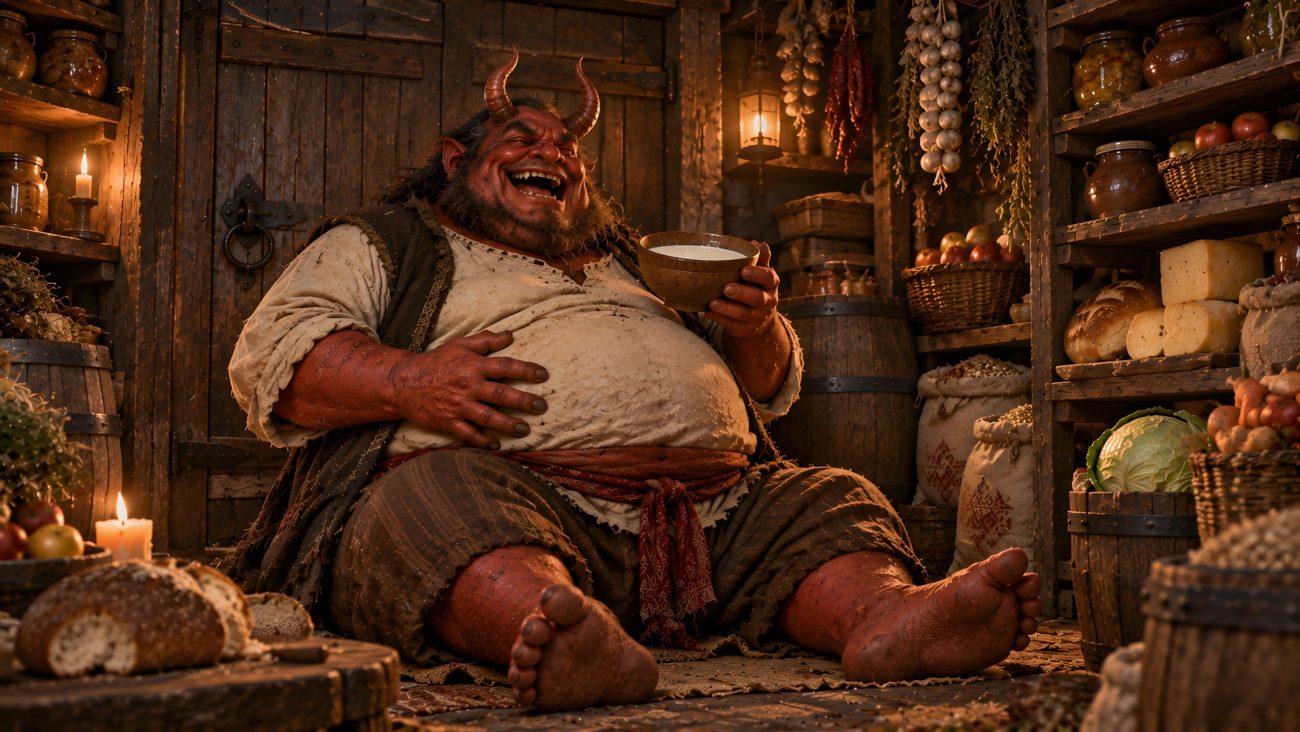
The Ördög is a shape-shifting demonic being in Hungarian mythology, representing dark and destructive forces. In earlier traditions, he was not purely identical to the Christian devil, but after Christianization he became directly associated with the concept of Satan.

In some accounts, the Ördög even plays a role in the creation of the world, acting as a helper or counterpart to God. This reflects an older dualistic belief system where opposing forces both contributed to existence.

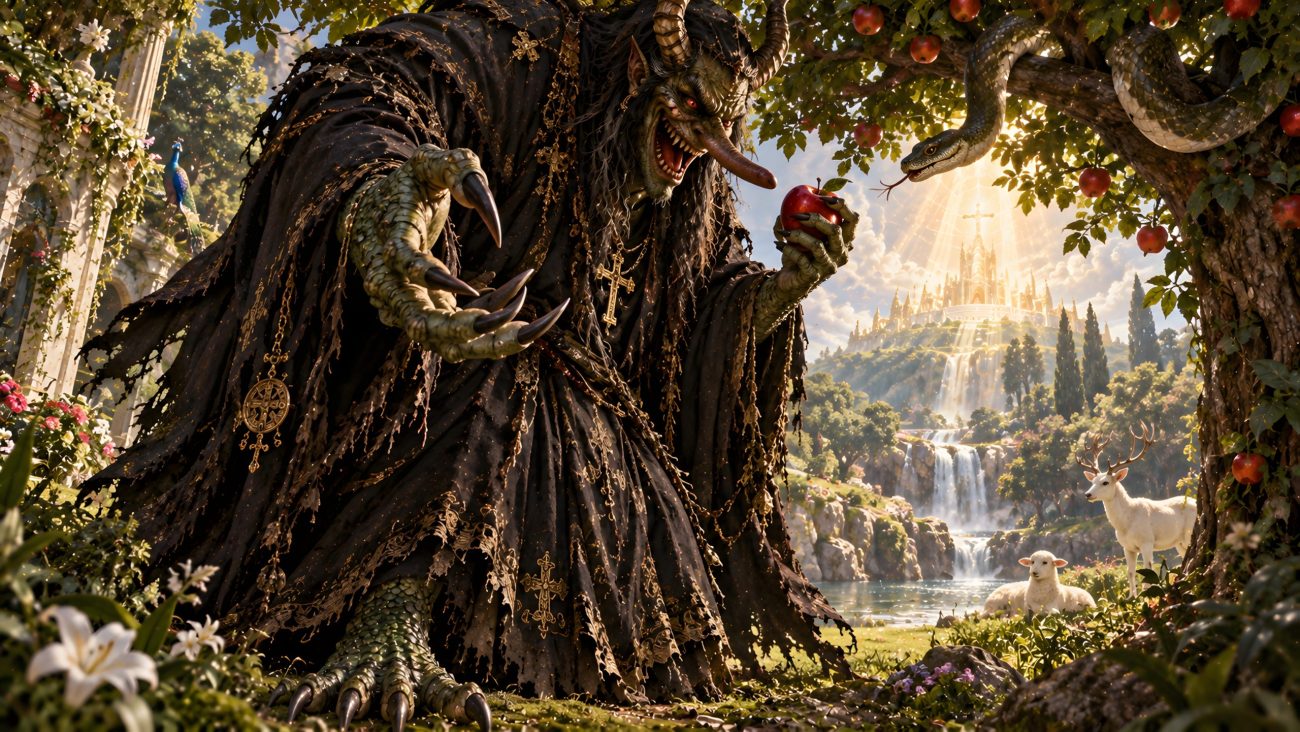
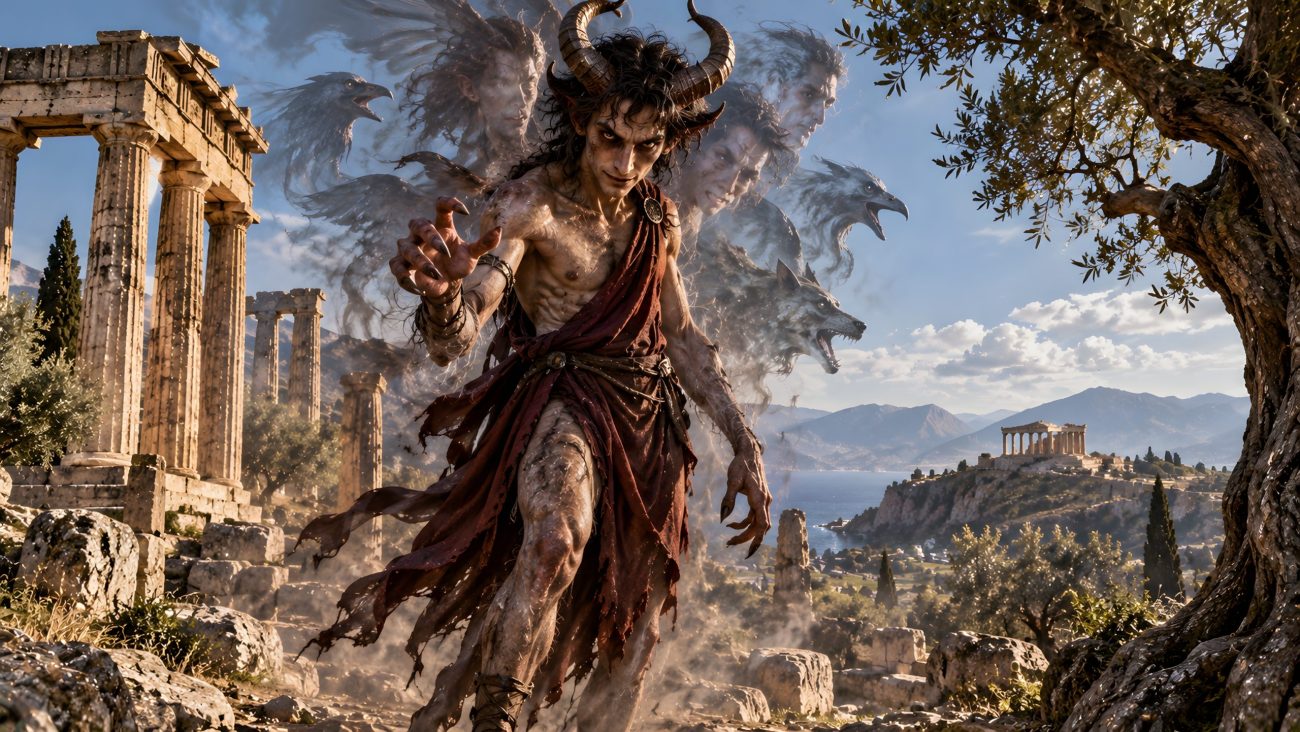
He is commonly described as a humanoid creature with goat-like features: horns, cloven hooves, and a tail, resembling a satyr or faun. His body is often depicted as black, and he may carry a pitchfork. However, he is not limited to this form and is known for his ability to shapeshift.

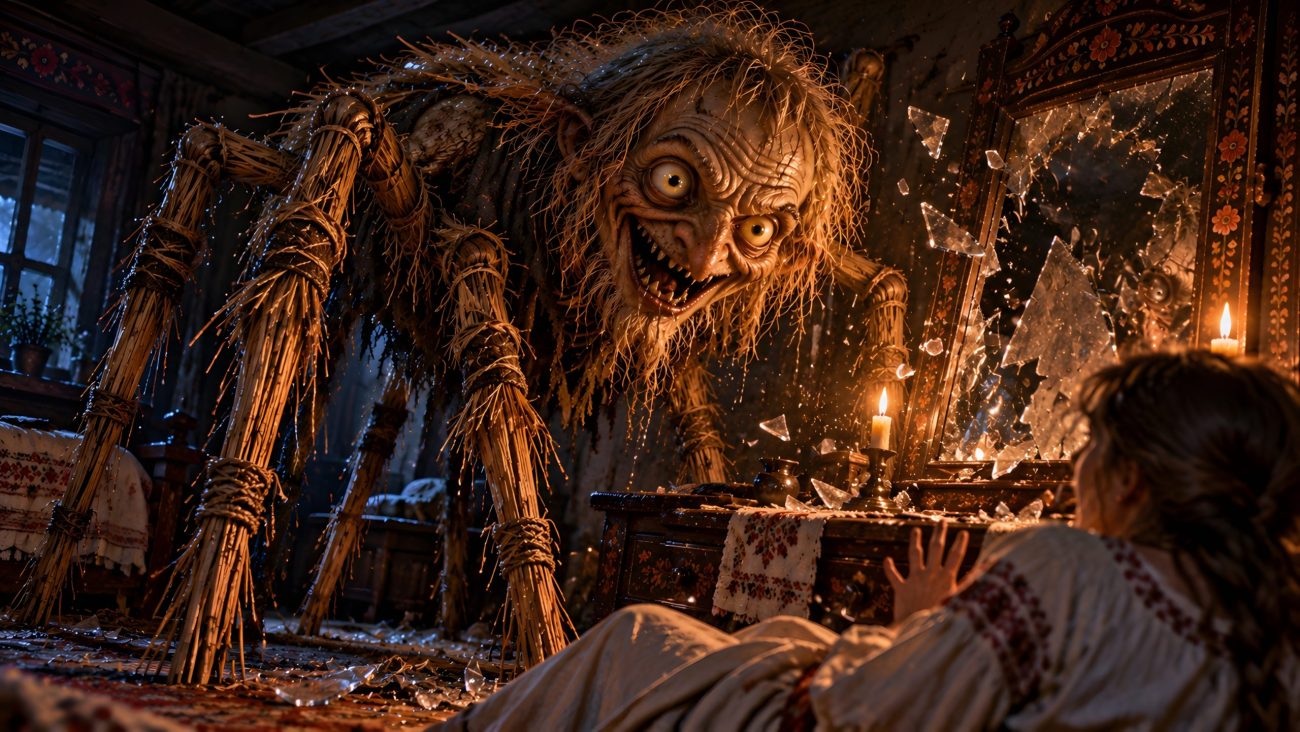
When appearing among humans, the Ördög may take the form of a fox, a dark flame, or even a human—often a shepherd with unsettling, glowing eyes. He is said to hide within walls, making strange, high-pitched noises to disturb or influence people.

The Ördög is strongly associated with the underworld, known as Pokol, where he stirs a great cauldron filled with the souls of sinful humans. However, this idea may be influenced by later Christian beliefs, as earlier traditions did not necessarily describe the underworld strictly as a place of punishment.

A defining trait of the Ördög is his tendency to make bargains or bets with humans. Through these deals, he attempts to corrupt individuals and claim their souls. His ultimate goal is the accumulation of human souls, making him a persistent and dangerous adversary in Hungarian folklore.


Sources

Wikipedia contributors. (n.d.). Ördög. In Wikipedia, from https://en.wikipedia.org/wiki/%C3%96rd%C3%B6g


Nine-Headed Dev

Tradition / Region: Georgian Mythology
Alternate Names: —
Category: Demon


The Myth

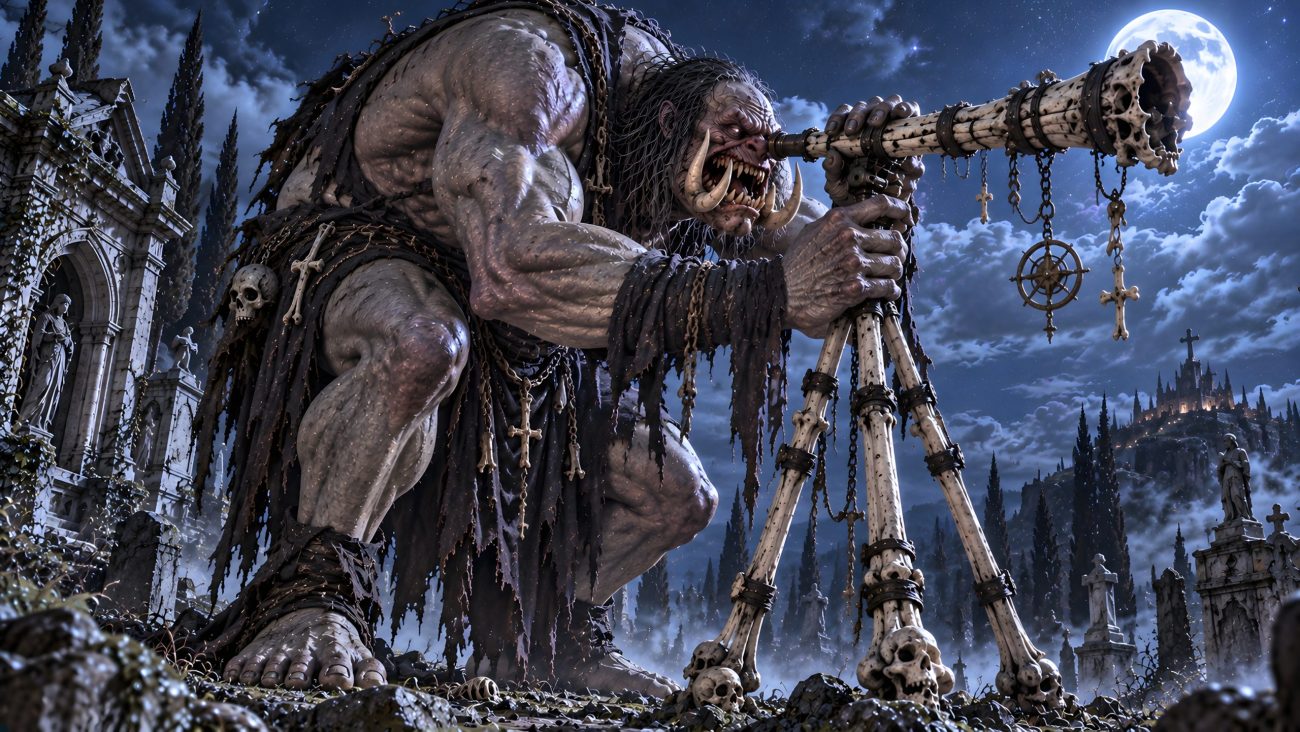
The Nine-Headed Dev was the chief of the devs, ruling over their stronghold at Tsikhe-Gora near the village of Avusho. As their leader, he commanded the other devs and dominated the region.

At one time, the devs captured a traveling woman who carried her small child, Kopala. They brought both before the Nine-Headed Dev. He immediately devoured the woman, but spared the child, deciding to keep him until he grew older and could be eaten later.

Kopala grew up among the devs and witnessed their behavior. He could not endure their cruelty and longed to avenge his mother. Realizing that the devs intended to kill him, he escaped one night and fled to a church, where he prayed for strength.

His prayer was answered, and he was granted great power. He prepared for battle and forged a weapon, a mace that, when thrown, struck like lightning, roaring and igniting fire.

Kopala returned to Tsikhe-Gora and approached the devs in disguise, claiming to be a lost hunter. They did not recognize him and received him as a guest. The next day, they challenged him, asking why he had come. Kopala declared that the place should belong to him and that they must leave.

They agreed to settle the matter with a contest of strength, throwing massive stones toward the stronghold. The devs secretly placed kaji nearby to interfere, intending to move Kopala’s stones if he surpassed them. Despite this, Kopala’s throw reached far beyond theirs.

When Kopala discovered their deception, he became enraged. Taking up his mace, he attacked the devs and destroyed them, including the Nine-Headed Dev.

After this, Kopala remained at Tsikhe-Gora, living there and protecting people from other devs.


Sources

Tsanava, A. (1992). ქართული მითოლოგია [Georgian Mythology]. In Tbilisi: Merani P. 18.


Dev Blacksmith

Tradition / Region: Georgian Mythology
Alternate Names: —
Category: Demon


The Myth

The Dev Blacksmiths are powerful devs who controlled all metalworking in the land, holding dominance over essential tools and survival. They lived in their own strongholds and possessed the only forges, meaning humans depended entirely on them for weapons and agricultural tools.

Anyone who brought metal to be worked had to meet their demands. Instead of ordinary payment, the devs required women from the household—wives, daughters, or daughters-in-law—forcing people to comply. Without tools, people would starve, so they had no choice but to obey.

In one account, a man sent his wife to the devs in exchange for plough equipment. When she returned, she lamented that death would have been better than what she endured. This revealed the suffering imposed by the devs and the extent of their cruelty.

The devs’ control over metal and tools gave them power over human survival itself. They used this power to dominate, exploit, and oppress, facing no resistance.

Their rule continued until divine intervention began, when forces were sent to oppose them and end their control.

The Dev Blacksmiths represent
a force that controls creation and survival, but uses it for domination, demanding submission in exchange for the means to live.


Sources

Tsanava, A. (1992). ქართული მითოლოგია [Georgian Mythology]. In Tbilisi: Merani P. 4.


Ajatar

Tradition / Region: Finnish Mythology
Alternate Names: Ajattara, Aijotar
Category: Demon


The Myth

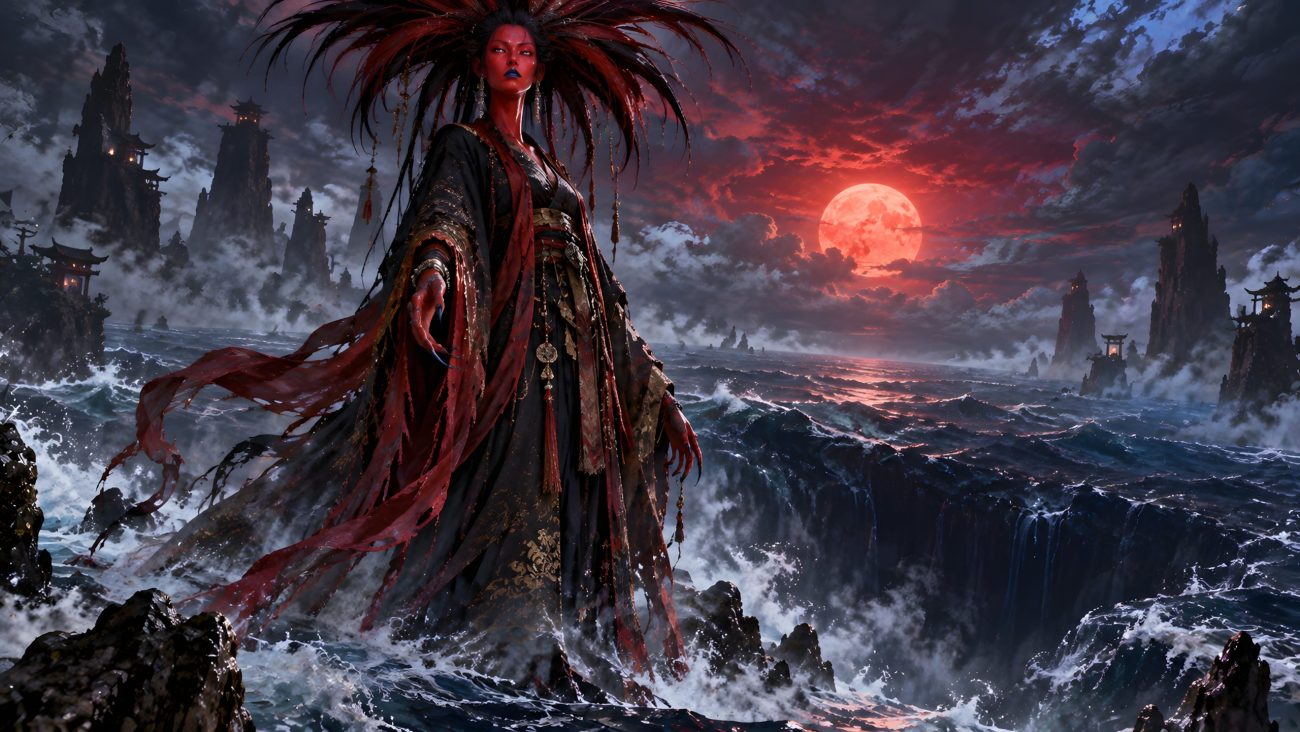
Ajatar is a dark and malevolent female spirit of Finnish folklore, associated with forests, disease, and serpents. She is feared as a bringer of pestilence, wandering through wild places and spreading illness wherever she goes.

She is described as a terrifying figure: her long hair trails down to her heels, and her breasts hang to her knees, emphasizing her unnatural and disturbing form. This appearance links her to other wild female spirits across Northern Europe, but Ajatar is far more sinister in nature.

Closely connected to forces of evil such as Hiisi and Lempo, Ajatar operates as a servant or embodiment of destructive powers. Through these associations, she is believed to infect humans with sickness and misfortune.

Serpents are strongly tied to her myth. In some traditions, snakes are said to originate from her domain or even from her very being, reinforcing her role as a primal force of danger and corruption. Because of this, she is sometimes imagined not just as a woman, but as a half-serpentine creature or even a dragon-like entity.

Ajatar is also known for leading people astray. Those who wander too deep into the forest may fall under her influence, becoming lost, confused, or afflicted with sudden illness.

Her name is often interpreted as “the pursuer,” reflecting her relentless nature —
a spirit that chases, afflicts, and does not easily release those who fall under her shadow.


Sources

Wikipedia contributors. (n.d.). Ajatar. In Wikipedia, from https://en.wikipedia.org/wiki/Ajatar


Ravenmill Demon

Tradition / Region: Czech Mythology
Alternate Names: Demon of the Rabenmühle
Category: Demon


The Myth

The Ravenmill Demon is associated with the infamous Rabenmühle, a mill feared by locals for its connection to dark forces and witchcraft. The miller himself was said to be deceitful and corrupt, while his wife was a practicing witch who cursed nearby farmers and their livestock if they refused to use the mill.

Because of its sinister reputation, travelers would make the sign of the cross when passing the mill, fearing the presence of evil forces tied to it.

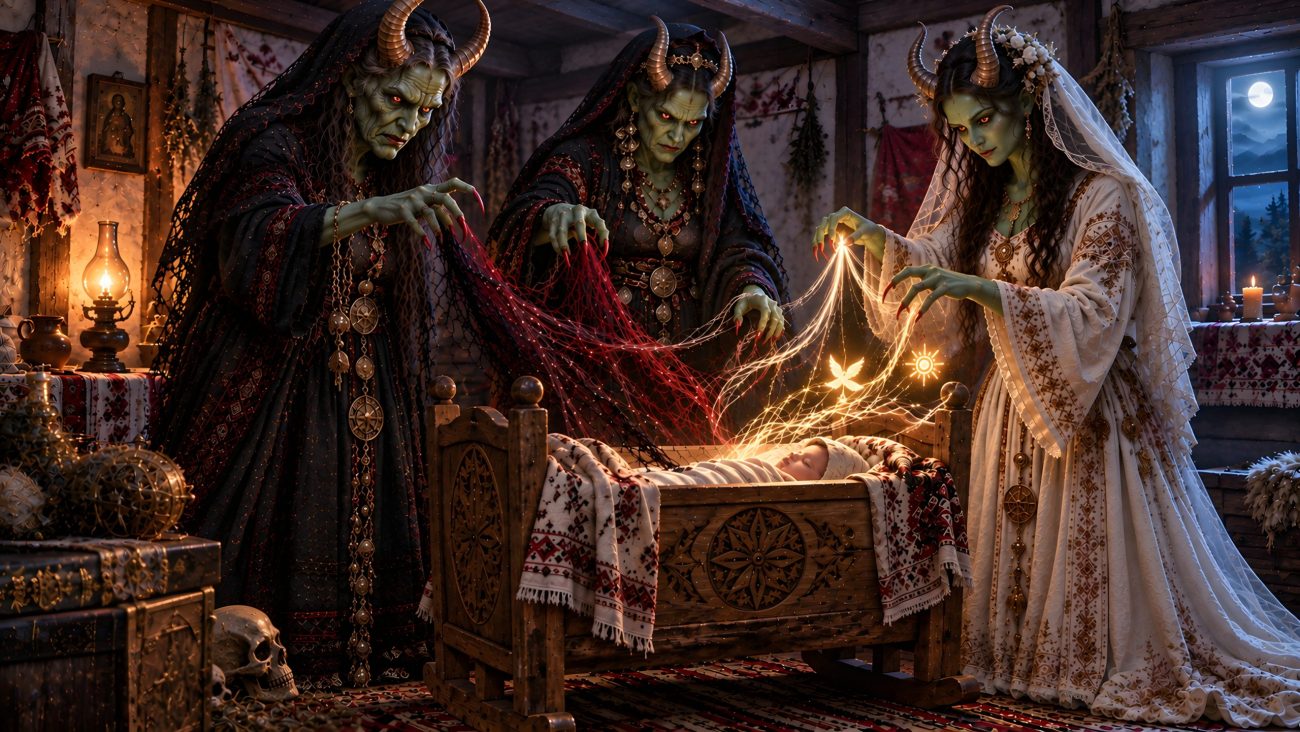
The true horror revealed itself through the miller’s three daughters, who were described as even more wicked than their parents. One night, after a gathering, they swore that they would dance no matter what—even if it meant dancing with the devil.

Soon after, mysterious strangers arrived, appearing as elegant musicians and noble men adorned with gold. They began dancing with the daughters, at first slowly and gracefully, but the dance quickly turned wild and unnatural.

As the music grew shrill and disturbing, the dancers revealed their true forms—horns sprouted from their heads, and their feet transformed into hooves. These were no humans, but demonic beings.

The dance reached a frenzy until suddenly the demons carried the daughters away into the air. At that very moment, the Ravenmill burst into flames and vanished, as if consumed by infernal forces.

The Ravenmill Demon represents a classic motif in Central European folklore: the devil answering reckless invitations. The daughters’ oath opened the door, and the demons came not merely to dance—but to claim what had been offered.


Sources

sagen.at contributors. (n.d.). Die Rabenmühle. In sagen.at, from https://www.sagen.at/texte/sagen/tschechien/watzlik/rabenmuehle.html


Gort Dev

Tradition / Region: Armenian Mythology
Alternate Names: —
Category: Toad


The Myth

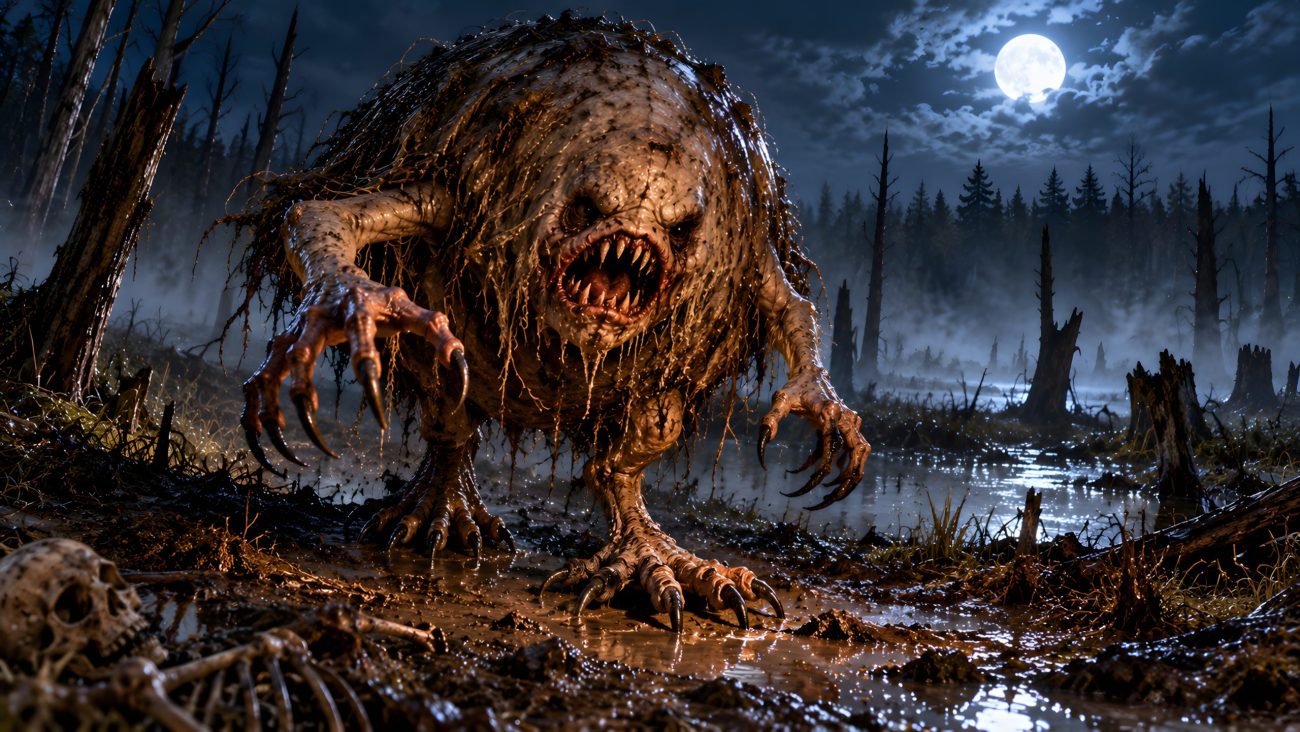
The Gort Dev is a toad-like demonic being in Armenian belief, associated with night, disease, and harmful forces. It is linked to the broader class of dark creatures connected with evil powers and is regarded as unclean and dangerous.

Toads were seen as part of a group of evil animals that act especially at night, alongside snakes, scorpions, ants, and other harmful creatures. These beings were believed to pursue humans in darkness, either alone or together.

The Gort Dev was specifically associated with illness. It was thought to cause warts on the hands and was considered responsible for certain physical afflictions. Because of this, it was not to be killed with a stone.

Encounters with it required protective actions. When a person saw a toad, especially at night, they would spit on their hands and feet as a way to guard against its harmful effects and against other evil beings.

It was also believed that seeing a toad could cause harm to the body, such as making a person lose their teeth, which is why one was expected to immediately close the mouth upon seeing it.


Sources

Abeghyan, M. (1899). Der armenische Volksglaube (English translation: Armenian Folk Beliefs). In Leipzig. Translated by Bedrosian, R. p. 25.


Shokera

Tradition / Region: Japanese Mythology
Alternate Names: Shokira
Category: Demon, Dog


The Myth

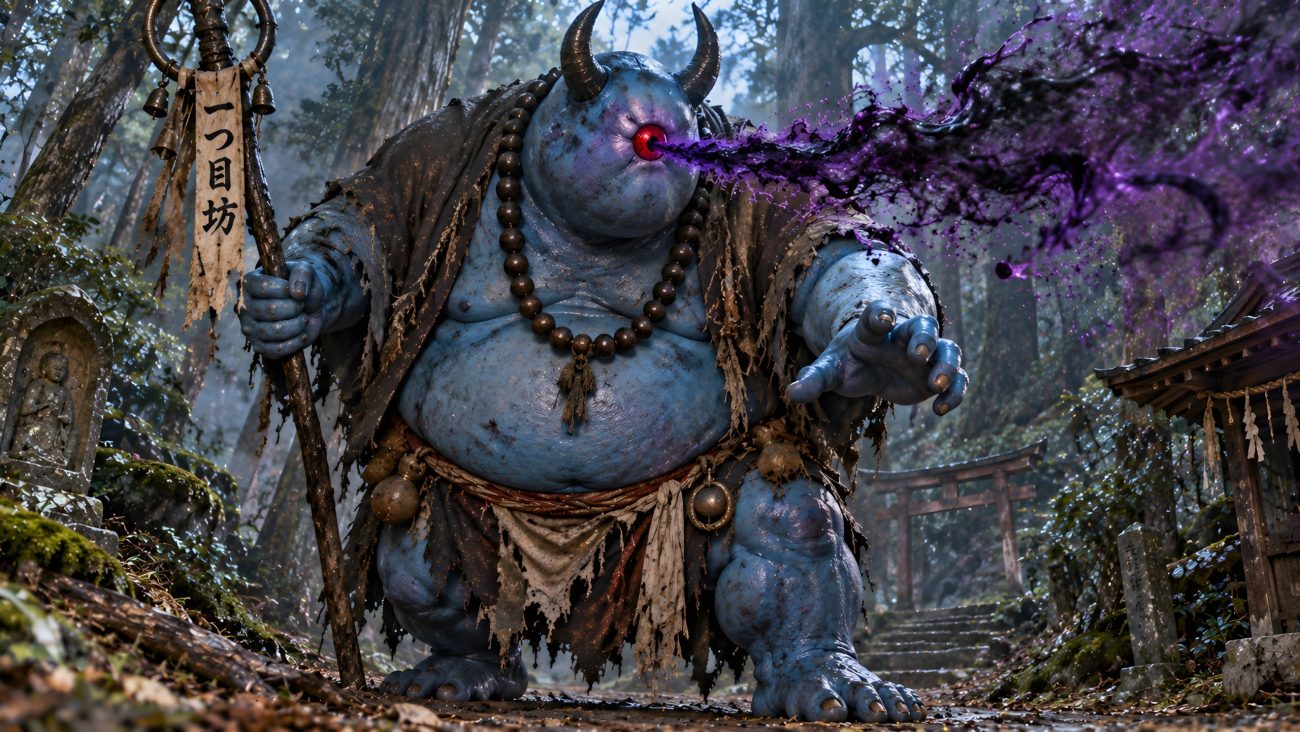
Shokera is a strange creature known from monster scrolls such as the Hyakkai Zukan and the Gazu Hyakki Yagyō. In some depictions it appears as a pale, dog-like being that walks on two legs, while in others it is shown as an oni-like figure peering down into houses through skylights.

Its presence is tied to the night of Kōshin, a day that comes once every sixty days. On this night, people believed that the sanshi—three spirit-insects living inside the human body—would leave their host while they slept and ascend to Heaven to report the person’s sins to the Heavenly Emperor. If the report was unfavorable, the Emperor would shorten that person’s lifespan.

To prevent this, people held Kōshin-machi, gatherings where they stayed awake all night in strict discipline so the insects could not escape.

It was said that if someone fell asleep on this night, the demon Shokera would appear. The creature would bring sickness, misfortune, and a shortening of life to those who failed to remain vigilant. To protect themselves, people sometimes recited special chants meant to ward Shokera away until dawn.

Thus the Shokera became a warning figure: a watcher in the darkness, said to visit the careless, and a reminder that on certain nights, sleep itself could invite disaster.


Gallery


Sources

Tyz-Yokai Blog. (n.d.). Shokera. Retrieved March 1, 2026, from https://tyz-yokai.blog.jp/archives/1010653518.html


Interpretive Lenses

Religious Readings
  • Christian Ascetic Deep Dive
Philosophical Readings
  • Nietzschean Deep Dive
Psychological Readings
  • Jungian Deep Dive
Esoteric Deep Dive
  • Hermetic Deep Dive
Political / Social Readings
  • Marxist Deep Dive

Anchanchu

Tradition / Region: Bolivan Mythology
Alternate Names: Janchanchu, Anchancho
Category: Dog, Demon


The Myth

Anchanchu is a feared spirit in Aymara tradition, associated with caves, rivers, mines, and lonely places. He is regarded as a dangerous supernatural being that appears during the night, particularly between one and three in the morning, when encounters with him are considered most likely.

He is said to manifest as a red dog, though in other descriptions he may appear as a bald, heavy-set old man, showing his ability to take multiple forms. Because of this, people in some regions, such as Huancané, traditionally warn against wandering outside late at night.

Anchanchu is also believed to hold authority over underground resources. In this role he acts as a guardian of minerals and hidden wealth, controlling access to the riches of the earth. Those who wish to extract precious materials must ritually acknowledge him, sometimes through ceremonial practices such as the Dance of the Horns, which symbolically negotiates with the spirit for permission.

Thus Anchanchu occupies a dual role: a night-haunting demon who endangers travelers, and a powerful chthonic being tied to the wealth of the land beneath the ground.


Gallery


Sources

Wikipedia contributors. (n.d.). Anchanchu. In Wikipedia, from https://en.wikipedia.org/wiki/Anchanchu


Interpretive Lenses

Religious Readings
  • Christian Ascetic Deep Dive
Philosophical Readings
  • Nietzschean Deep Dive
Psychological Readings
  • Jungian Deep Dive
Esoteric Deep Dive
  • Hermetic Deep Dive
Political / Social Readings
  • Marxist Deep Dive

Uridimmu

Tradition / Region: Mesopotamian Mythology
Alternate Names: Mad Dog, Gruesome Hound
Category: Dog, Demon


The Myth

Uridimmu was a strange and powerful being known in the myths and rituals of ancient Mesopotamia.

He was depicted as a creature with the body of a dog standing upright like a man, but with a human head. He often wore a horned crown and carried a staff tipped with a crescent, marking him as a being connected to divine power. His name was associated with the idea of a raging or rabid dog, suggesting both ferocity and danger.

In the stories of the gods, Uridimmu was counted among the monstrous beings born from Tiamat during the great battle between chaos and order. When Marduk defeated these creatures, their forms were later used as protective symbols. Images of Uridimmu were set on doorways and buildings so that his frightening presence would drive away evil.

Over time he was no longer remembered only as a defeated monster but also as a guardian spirit. Figures of him were placed in temples and homes as protection. In ritual tradition he appeared among the attendants of the sun god Shamash and was called upon in ceremonies connected with healing and divine aid.

Thus Uridimmu was remembered both as a creature of chaos and as a protector — a human-headed dog spirit whose image guarded doorways and whose presence was meant to keep harm away.


Gallery


Sources

Wikipedia contributors. (n.d.). Uridimmu. In Wikipedia, from https://en.wikipedia.org/wiki/Uridimmu


Interpretive Lenses

Religious Readings
  • Christian Ascetic Deep Dive
Philosophical Readings
  • Nietzschean Deep Dive
Psychological Readings
  • Jungian Deep Dive
Esoteric Deep Dive
  • Hermetic Deep Dive
Political / Social Readings
  • Marxist Deep Dive

Psoglav

Tradition / Region: Bosnian Mythology, Montenegrin Mythology
Alternate Names: Psoglavac, Psoglavec
Category: Dog, Demon


The Myth

The Psoglav was a terrifying being spoken of in Balkan tales, especially in regions of Bosnia, Montenegro, and the Istrian lands.

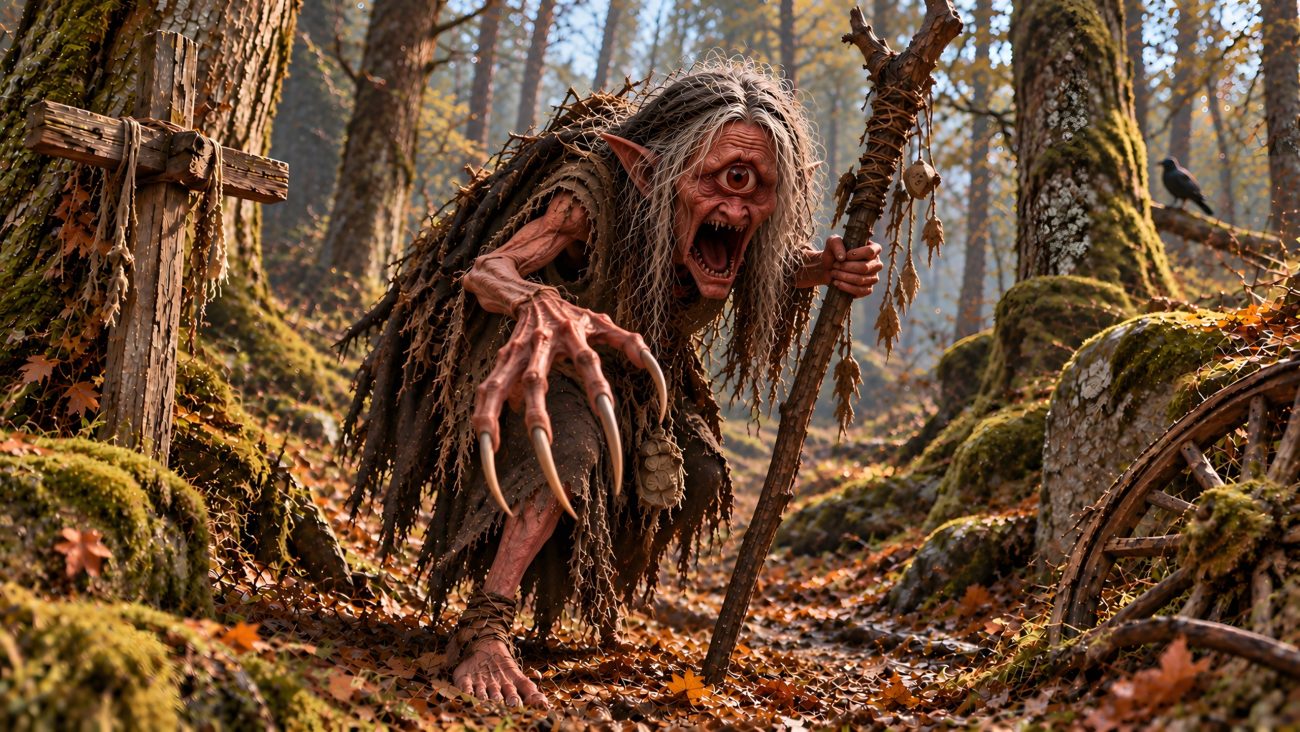
It was described as a monstrous creature with the body of a man but the legs of a horse. Its head was that of a dog, armed with iron teeth, and in the middle of its forehead it bore a single eye. The creature’s appearance marked it as something unnatural, neither beast nor human but a thing of dread.

Psoglavs were said to dwell in caves or in a distant dark land where the sun never shone. That place was believed to be filled with precious stones, yet empty of warmth and light, a realm suited to such creatures.

They were feared for their hunger. Stories claimed they devoured human flesh, attacking travelers and villagers, and even dug up graves to feed on the dead. Because of this, their name became associated with horror and the threat of being taken into the darkness.

Thus the Psoglav was remembered as a dog-headed demon of the shadowed lands — a cave-dwelling devourer with iron jaws and a single eye, feared wherever its legends were told.


Sources

Wikipedia contributors. (n.d.). Psoglav. In Wikipedia, from https://en.wikipedia.org/wiki/Psoglav