Srei Ap

Tradition / Region: Cambodian Mythology
Alternative Name: –
Category: Spirit


The Myth

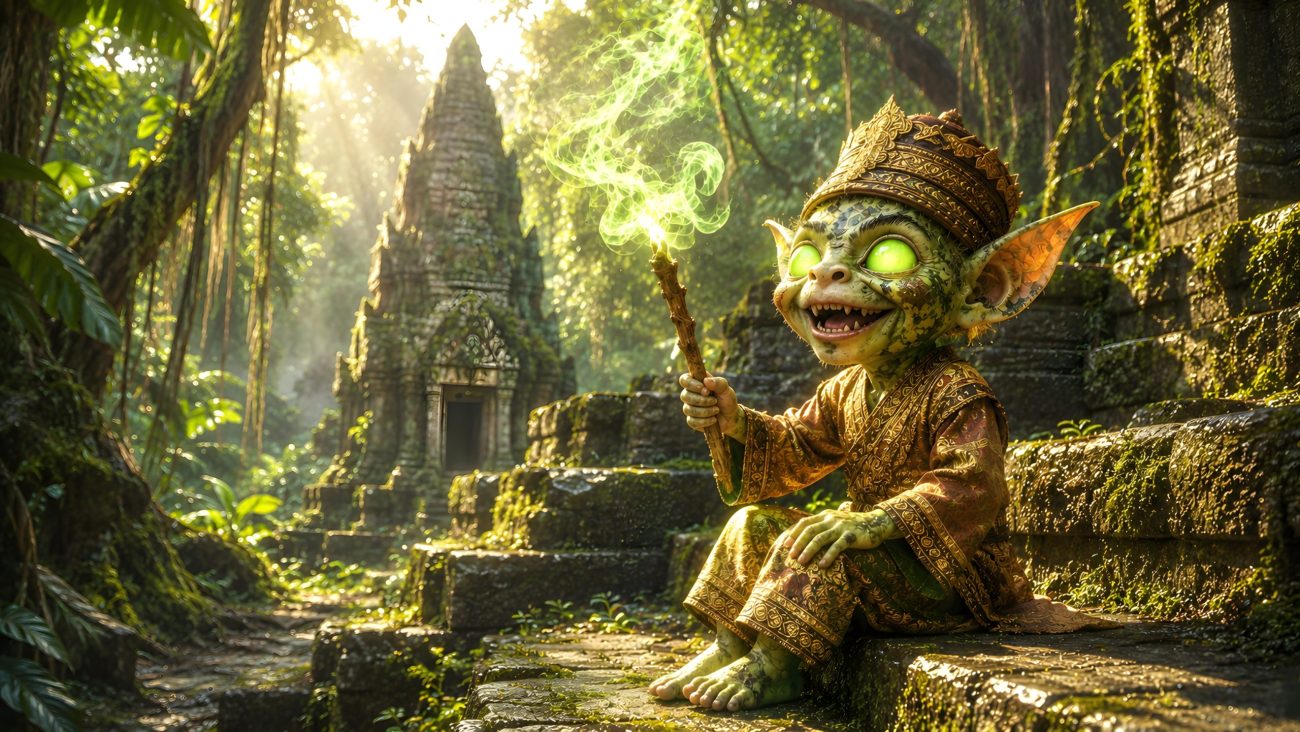
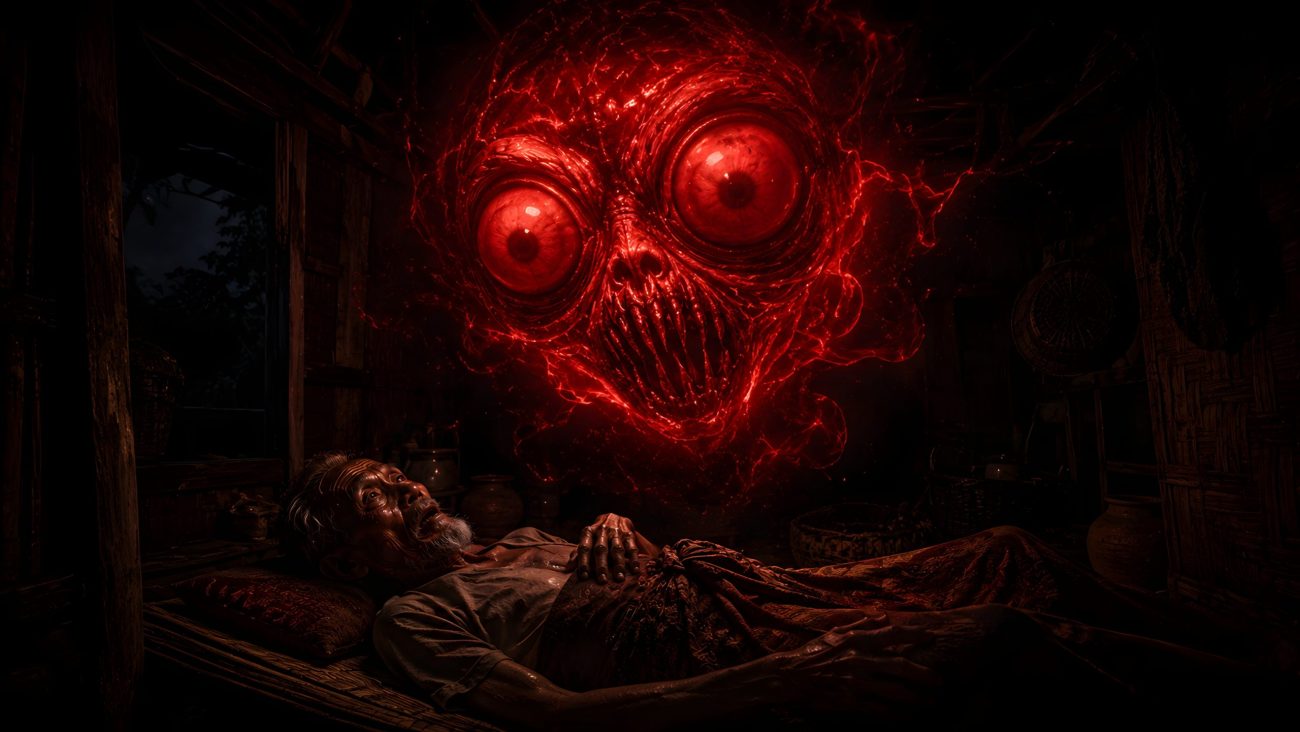
Srei Ap is a malicious spirit in Cambodian folklore believed to bring death to humans. The demon is said to hover around dying people and devour their flesh after death.

In traditional belief, Srei Ap is associated with death and human suffering. The spirit is feared as a dangerous being that appears near the weak, the sick, and the dying.


Sources

Rose, C. (n.d.). Spirits, Fairies, Leprechauns, Goblins: An Encyclopedia.


Reamso

Tradition / Region: Cambodian Mythology
Alternative Name: –
Category: Demon


The Myth

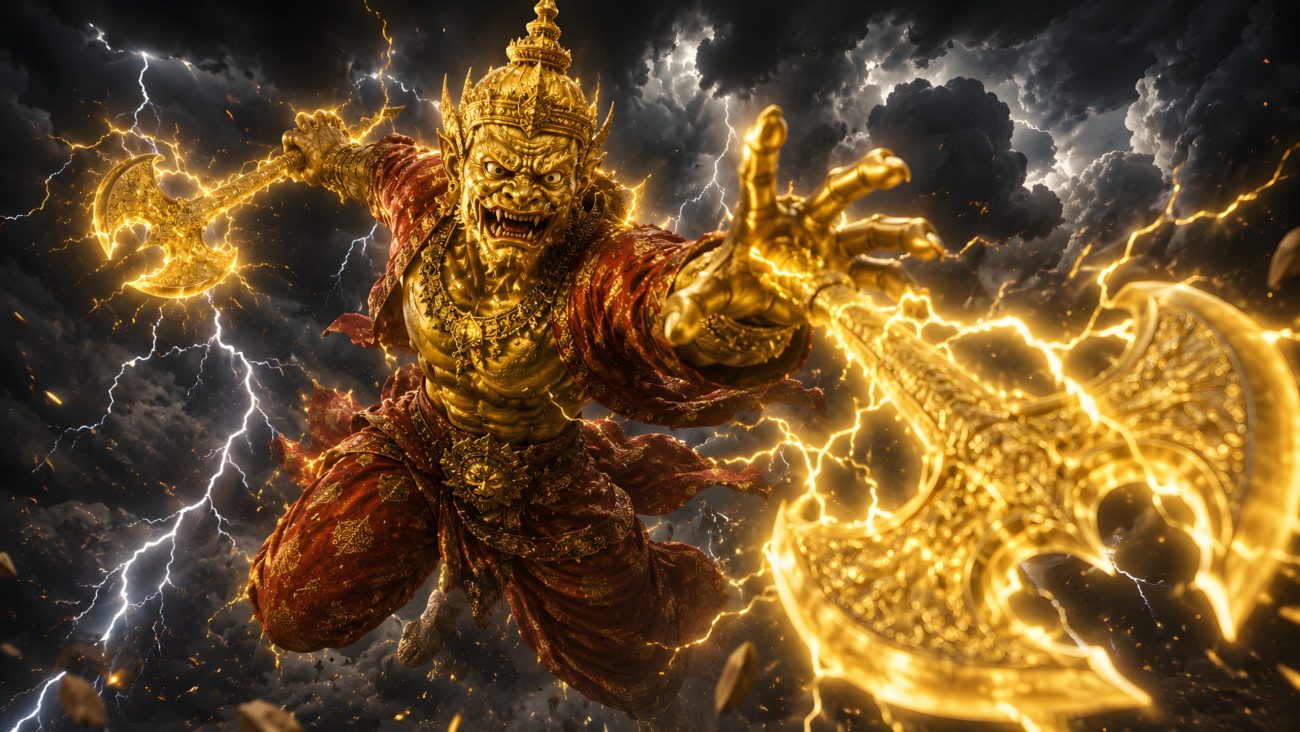
Reamso is a powerful storm demon in Cambodian mythology associated with thunder, storms, and violent weather. He is most famous for his eternal battle against the sea goddess Moni Mekhala, a conflict believed to create thunder, lightning, and rain across the sky.

According to the legend, Reamso studied alongside the sea goddess Moni Mekhala and a princely figure named Vorachhun under the wise hermit Lok Ta Moni Eisei. One day, the hermit announced that he would reward the most clever student with a magical crystal ball of great power. To decide the winner, he challenged his students to collect a glass of morning dew.

Moni Mekhala used her intelligence to win the contest. She spread a cloth across the grass overnight and squeezed the collected dew into a glass the next morning. Impressed by her ingenuity, the hermit rewarded her with the magical crystal ball. Reamso received a magical diamond axe, while Vorachhun received a magical dagger.

Reamso became jealous of Moni Mekhala and desired the crystal ball for himself. Determined to seize it, he set out to hunt her down. During his pursuit, he encountered Vorachhun and killed him before continuing after the goddess.

When Reamso finally confronted Moni Mekhala, she attempted to evade him rather than fight. Furious, the storm demon hurled his diamond axe at her through the sky. Each throw of the axe created the sound of thunder. To defend herself, Moni Mekhala raised her crystal ball into the heavens, producing brilliant flashes of lightning that blinded Reamso and allowed her to escape.

As the battle continued across the sky, the clash between thunder and lightning created rain that fell upon the earth. Some of the rain touched the body of Vorachhun, reviving him, and he then rose into the heavens to continue searching for Moni Mekhala and Reamso.

In Cambodian tradition, storms, thunder, lightning, and rain are believed to be the result of the endless chase and battle between Reamso and Moni Mekhala in the sky.


Sources

Wikipedia contributors. (n.d.). Robam Moni Mekhala. In Wikipedia, from https://en.wikipedia.org/wiki/Robam_Moni_Mekhala


Neak Ta

Tradition / Region: Cambodian Mythology
Alternative name: –
Category: Spirit


The Myth

Neak Ta are powerful guardian spirits in Cambodian folklore believed to protect villages, forests, rivers, mountains, roads, temples, and sacred places. They are usually connected to ancestors or ancient spirits of the land and are believed to watch over the people living within their territory.

According to Khmer belief, every village once had its own Neak Ta spirit. These spirits lived in sacred trees, stones, shrines, ruins, or natural places and protected the local community from disease, disasters, evil spirits, and misfortune. In return, villagers showed respect through offerings and ceremonies.

People built small spirit houses beneath large trees or beside roads where incense, candles, flowers, food, alcohol, and symbolic offerings were left for the spirits. Farmers prayed to the Neak Ta for rain and healthy crops, while travelers stopped at roadside shrines asking for protection during journeys.

Neak Ta were believed to reward respect but punish disrespect. Those who damaged sacred places, ignored rituals, lied under oath, or insulted the spirits could suffer sickness, accidents, madness, or bad luck.

Some Neak Ta were thought to be ancient heroes, rulers, or powerful ancestors who became guardian spirits after death. Others were tied directly to forests, rivers, mountains, or ancient Khmer temples. Certain Neak Ta became famous throughout Cambodia and were honored with large annual ceremonies involving music, offerings, spirit mediums, and ritual performances.

Spirit mediums and shamans were believed to communicate directly with the Neak Ta during ceremonies. Through possession and ritual chanting, the spirits could give warnings, blessings, advice, or healing to the local people.

Even today, belief in Neak Ta remains widespread in Cambodia, and many people continue to leave offerings at spirit houses and sacred sites to seek protection from the ancient guardians of the land.


Sources

Wikipedia contributors. (n.d.). Neak ta. In Wikipedia, from https://en.wikipedia.org/wiki/Neak_ta
Mrenh Kongveal

Tradition / Region: Cambodian Mythology
Alternative name: –
Category: Spirit


The Myth

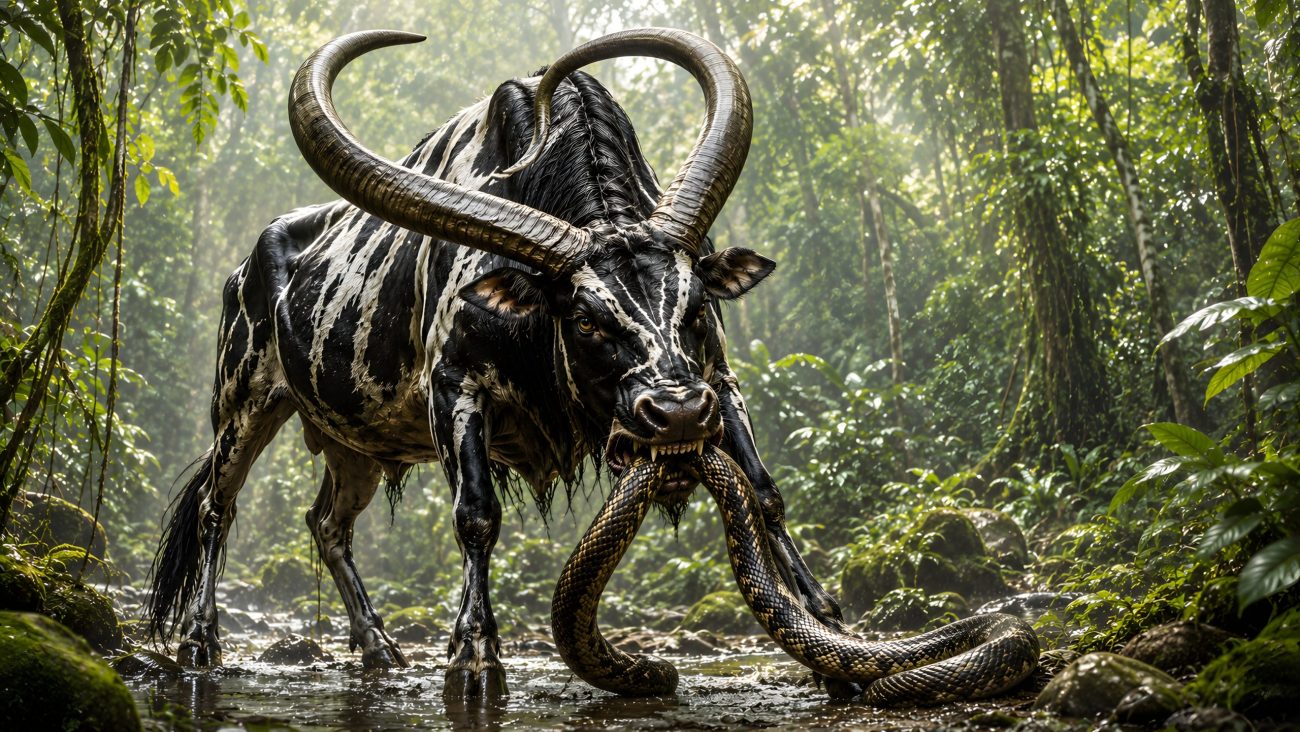
Mrenh Kongveal are supernatural beings from Cambodian folklore that resemble small child-sized spirits or elves. They are traditionally known as guardians of animals and protectors of the wilderness, especially herds of wild elephants and buffalo.

According to Khmer belief, the Mrenh Kongveal originally lived deep within the forests and jungles, where they acted as invisible herdsmen watching over wild creatures. Hunters, farmers, and elephant trappers would leave baskets filled with offerings to gain their favor. People believed the spirits could bring success in hunting, help capture young elephants, or keep dangerous animals away from crops and villages.

The spirits are usually described as small beings with bodies similar in size to young children. Despite their protective role, they are also known for being playful and mischievous.

Over time, belief in the Mrenh Kongveal changed from forest guardians into more personal supernatural protectors. Many Cambodians came to believe these spirits could attach themselves to certain people, homes, temples, or institutions and quietly guide or protect them.

Rather than appearing openly, the Mrenh Kongveal were believed to communicate through whispers, dreams, or telepathic messages. Adults were generally thought unable to see them, but children between the ages of six and fourteen who were considered pure of heart were said to occasionally witness them.

Stories about the Mrenh Kongveal remain part of Cambodian spiritual folklore and are closely connected to traditional beliefs about nature, protection, and unseen guardian spirits.


Sources

Wikipedia contributors. (n.d.). Mrenh kongveal. In Wikipedia, from https://en.wikipedia.org/wiki/Mrenh_kongveal