Vodeni Demoni

Tradition / Region: Serbian Mythology
Alternative names: Vodeni Čovek, Vodenjak, Water Demons
Category: Demon, River Dweller


The Myth

In Serbian folk belief, water was not viewed as an ordinary natural element but as a living supernatural force inhabited by spirits and demons. Rivers, springs, lakes, mills, and deep waters were believed to possess consciousness, magical power, and dangerous invisible inhabitants known as vodeni demoni — water demons.

People spoke to water as if it were alive, greeting it respectfully and asking it for healing and protection. Certain waters were believed to cure illness, restore youth, grant fertility, or protect against evil spirits. Other waters, however, were feared as haunted places inhabited by deadly supernatural beings that dragged humans beneath the surface.

According to folklore, many rivers demanded sacrifices and regularly claimed human lives through drowning. Some rivers became infamous for frequent deaths and were believed to hunger for victims. Water demons especially haunted deep rivers, whirlpools, mills, bridges, springs, and isolated crossings.

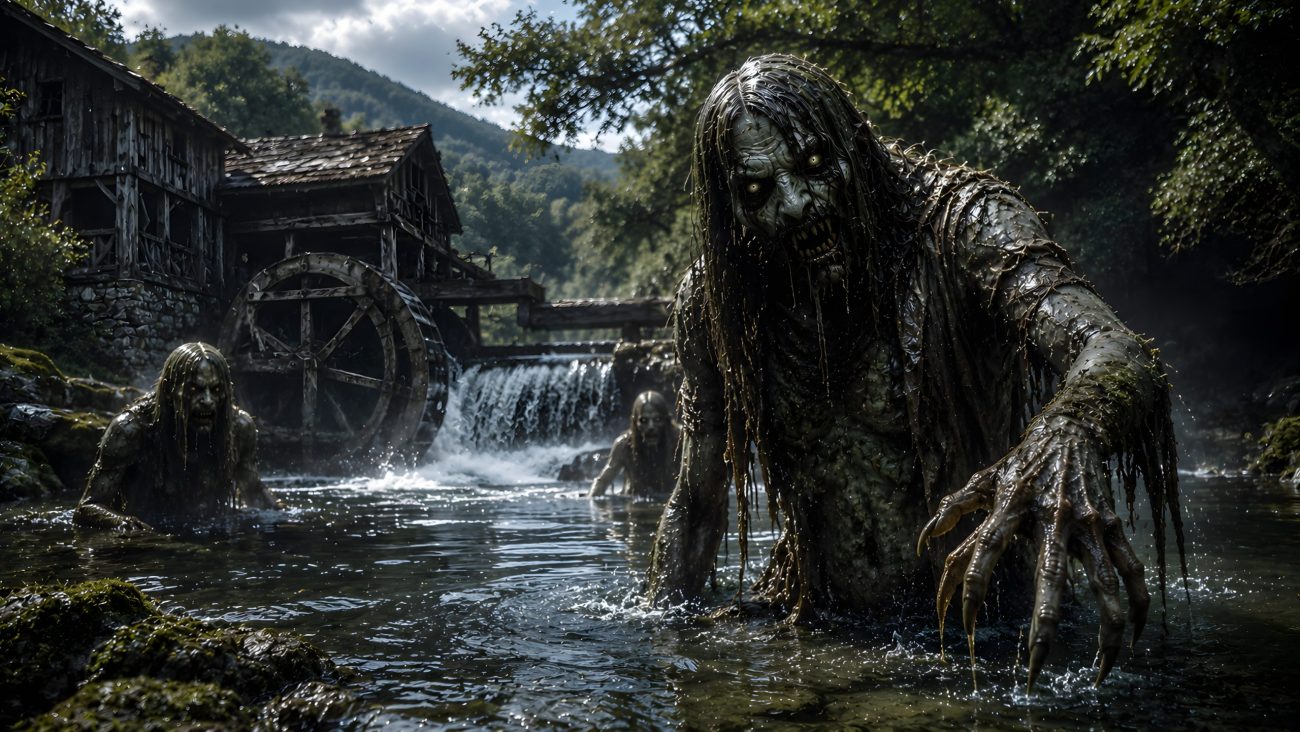
One of the most feared beings was the Vodeni Čovek — the Water Man — a spirit appearing in human form. He lured travelers crossing rivers or walking near dangerous waters, pulling them beneath the surface and drowning them. In Kosovo and other regions, adults frightened misbehaving children with warnings that the “Water Man” would carry them away.

Watermills were considered especially dangerous places because demons, vampires, and devils gathered there during the night. Serbian folklore claimed that every mill housed evil spirits, and many legends described vampires attacking travelers or millers inside lonely mills beside rivers. The famous vampire Sava Savanović was said to haunt a watermill where he murdered those who entered after dark.

Flowing water itself possessed magical properties. “Living water” was pure running water flowing naturally through springs and rivers, while stagnant “dead water” was considered spiritually dangerous. Some waters were believed to become wine for a moment at midnight before Epiphany, while miraculous springs hidden in caves or mountains supposedly healed blindness, deafness, infertility, and disease.

Many rituals involving water were performed for protection against demons. Before thunderstorms, containers of water were covered so devils fleeing lightning could not hide inside them. People avoided drinking from rivers or springs at night for fear of swallowing evil spirits together with the water.

Water was also deeply connected to death and the afterlife. It was believed the souls of the dead suffered terrible thirst in the next world, so water was placed near corpses, poured onto graves, or carried in funeral rituals for the deceased. After someone died, water inside the house was often thrown away because people believed the soul of the dead had entered it.

Certain magical waters possessed special powers. “Untouched water” collected before sunrise retained supernatural strength and was used in rituals, healing, childbirth, and sacred bread-making. “Water of forgetting” supposedly caused those who drank it to forget their families, homeland, and even their faith.

Demons were believed to hide within polluted or spiritually corrupted waters. Rivers before St. George’s Day were feared because devils supposedly dwelled in them during that time. Some springs were avoided because fairies, witches, or dark spirits bathed there and contaminated the water with supernatural power.

Despite their danger, water spirits were not always purely evil. Some waters were guarded by benevolent supernatural beings who protected communities, healed the sick, and brought fertility, rain, and prosperity. Serbian folklore therefore treated water as both sacred and terrifying — a living gateway between the human world and the invisible realm of spirits and demons.


Sources

Кулишић, Ш., Петровић, П. Ж., & Пантелић, Н. (1970). Српски митолошки речник. Београд: Нолит.

Dzun

Tradition / Region: Gabon Mythology
Alternative names: Dzoun
Category: River Dweller


The Myth

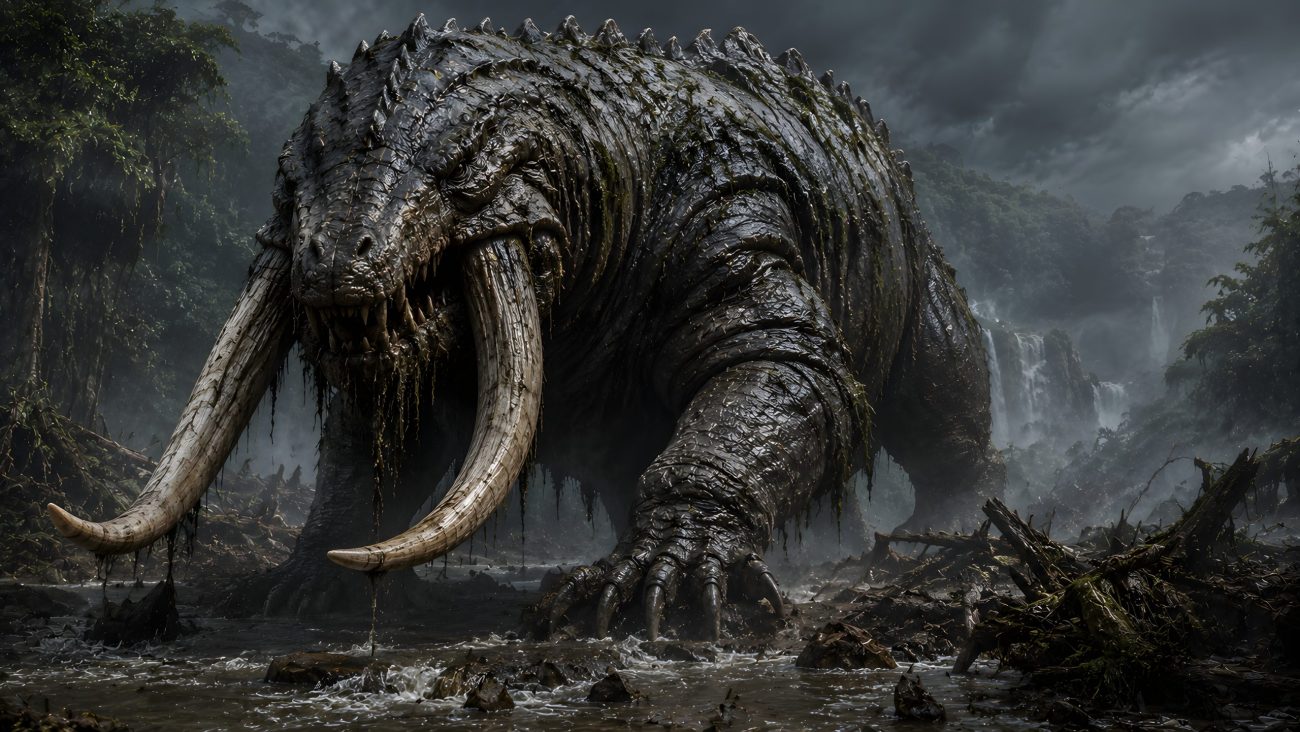
Dzun was a terrifying monster from Fang mythology, remembered as one of the deadliest creatures ever faced by the legendary brothers Etarane, Mendore, and Bisonge. The creature lived near the rivers and forests and was described as a gigantic beast of overwhelming strength and fury.

According to the stories, the Dzun was so massive that every step it took shook the earth and left holes deep enough for a man to hide inside. Trees snapped beneath its body like grass, while its enormous tusks were said to be as long as a human body. The monster could hurl giant rocks through the air as if they were small stones and charged with the force of a storm.

Only the bravest hunters dared approach such a creature.

The legend begins with Ada and her three extraordinary sons: Etarane, Mendore, and Bisonge. After eating the magical fruit of the angonlongo tree, the brothers grew into gigantic hunters with superhuman strength. Etarane became a master fisherman who could dam entire rivers, Mendore became a mighty elephant hunter, and Bisonge became a master trapper whose nets could imprison even the largest beasts.

One day, while fishing at the river, Etarane suddenly encountered the Dzun.

Terrified but determined, he rushed back to warn his brothers and called them to battle the monster. The three hunters armed themselves and hurried toward the riverbank where the creature waited.

When the Dzun saw them, it charged immediately.

The beast thundered across the earth, uprooting trees and shaking the ground beneath its enormous paws. But the brothers stood their ground. As the monster attacked, Etarane struck it with a harpoon, Mendore blinded one of its eyes with his spear, and Bisonge cast his giant net around the creature’s massive body.

The enraged beast fought violently, but the three brothers overwhelmed it together. Mendore destroyed its second eye, Etarane pierced its heart, and finally Bisonge cut off its head with his machete.

Victorious, the brothers carried the gigantic corpse back to their home.

Nothing from the Dzun was wasted. Its skull became a chair, its bones were transformed into magical whistles used against evil spirits, its skin became shields, its ears were turned into enormous drums, and its tusks became ritual instruments and hunting tools.

The defeat of the Dzun spread the fame of the brothers across the land. They became feared as unmatched hunters capable of killing monsters, elephants, and even supernatural beasts that ordinary men could never face.

In Fang tradition, the Dzun represented more than a giant animal. It symbolized terrifying chaos, destructive power, and the dangerous trials a person must overcome before becoming a complete and powerful adult.


Sources

Mvé Ondo, B. (2011). Wisdom and initiation in Gabon: A philosophical analysis of Fang tales, myths, and legends (J. F. Barnes, Trans.). Lanham, MD: Lexington Books.


Kephn

Tradition / Region: Myanmar Mythology
Alternate Names: Swamx
Category: Dog, River dweller


The Myth

Among the Karen people, there are tales of a terrifying being known as the Kephn.

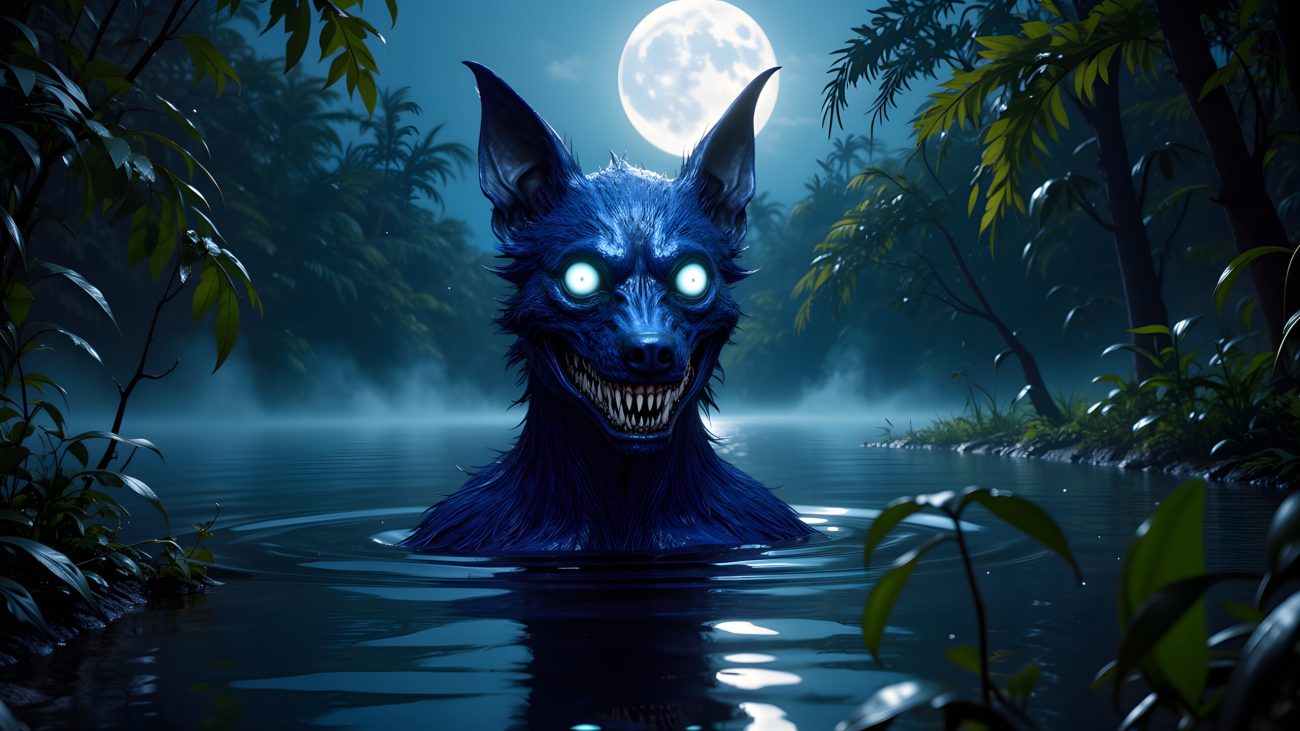
It is said to be created through dark magic and belongs to the world of malevolent spirits. In one of its most feared forms, the Kephn appears as a dog-headed demon that lives near water. It lurks in rivers, pools, and damp places, waiting for the chance to seize a victim.

The creature is driven by a constant hunger. It feeds on human blood and is believed to steal the souls of those it overcomes. Because of this, it is feared not only as a killer but as a spirit that can destroy a person beyond death.

Stories warn that such beings do not arise naturally but are brought into existence through sorcery, making them especially dangerous and unnatural. Once created, they wander in search of prey, tied to the places where darkness, water, and magic meet.

Thus the Kephn was remembered as a dog-headed demon of the waters — a being born from evil rites, forever hungry for the blood and souls of the living.


Gallery


Sources

Vampires Wiki. (n.d.). Kephn. From https://vampires.fandom.com/wiki/Kephn


Interpretive Lenses

Religious Readings
  • Christian Ascetic Deep Dive
Philosophical Readings
  • Nietzschean Deep Dive
Psychological Readings
  • Jungian Deep Dive
Esoteric Deep Dive
  • Hermetic Deep Dive
Political / Social Readings
  • Marxist Deep Dive

Angalapona

Tradition / Region: Madagascar Mythology
Alternate Names:
Category: Dwarf, River dweller


The Myth

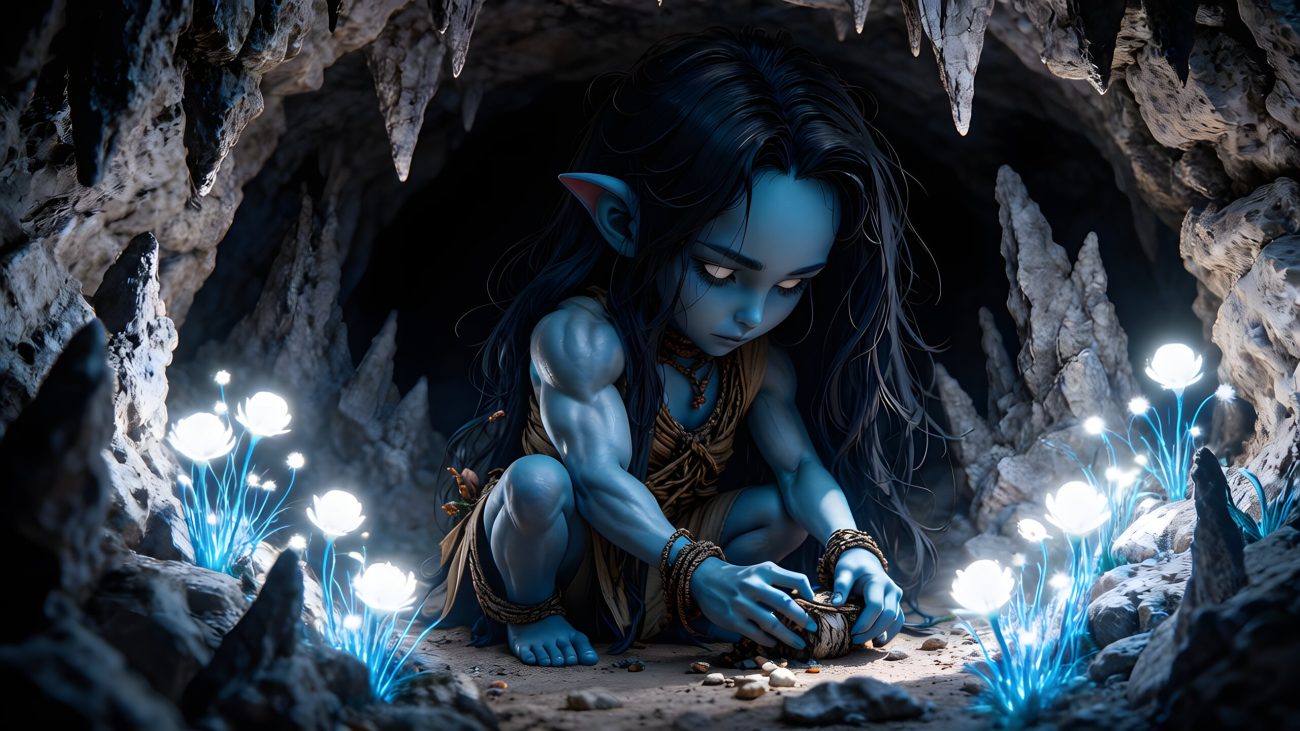
The Angalapona is a human-like being smaller than a grown person, only slightly larger than a child. It lives in water but is never wet, dwelling in a cave beneath the water into which no water enters. It moves through the water by a turning door and passes back and forth without becoming soaked. Its hair is very long, nearly reaching the ground when it stands. It is regarded as a director of divination and the foretelling of fortunate days, and diviners call upon it when working oracles.

A woman named Renisoarahanoro was once in an uninhabited place when the Angalapona called to her by a name pleasing to it. It led her toward its dwelling, and they passed through the water without becoming wet. When they reached the cave, she refused to go farther and stayed at the entrance. She would not eat its food, such as raw eels and crayfish, and because she remained by the doorway her clothes became covered in water-plants. The Angalapona and his wife decided to send her home, but first they granted her the power of divination. After that, people consulted her for this purpose.

Another person, Rainitsimanahy, said that while he was in an uninhabited place, an Angalapona came to him at night and wished him to be its husband. When he refused, it followed him continually.

Many people say they have seen this being, especially those afflicted with a disease called jila.


Sources

Sibree, J. (1896). Madagascar before the conquest: The island, the country, and the people, with chapters on travel and topography, folk-lore, strange customs and superstitions, the animal life of the island, and mission work and progress among the inhabitants. New York: Macmillan; London: T. F. Unwin.


Plätschmännchen of Oberanven

Tradition / Region: Luxembourg Mythology
Alternate Names: The Splash Man, Little Splashing Man
Category: River dweller


The Myth

In the village of Oberanven, people once spoke of a mysterious being called the Plätschmännchen.

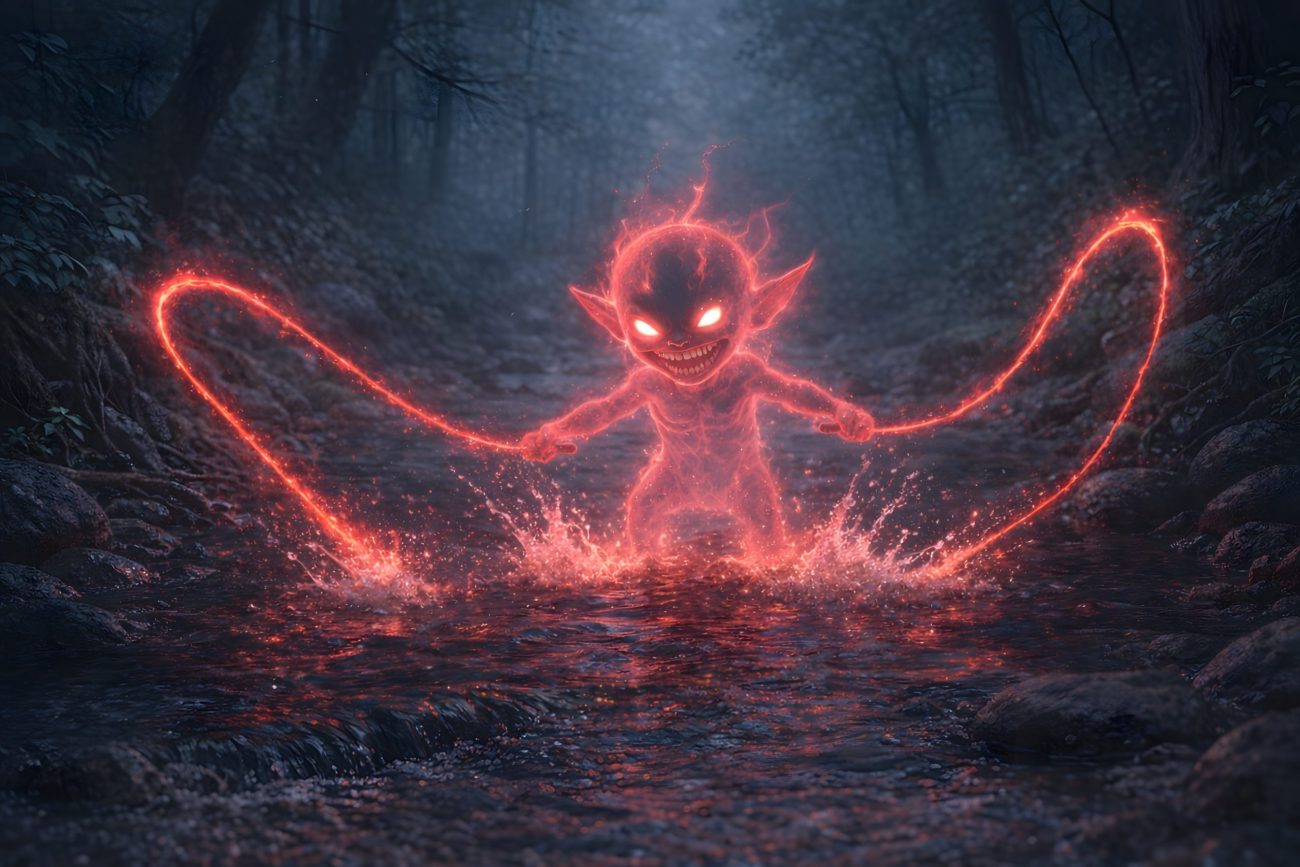
Every evening it was said to move along the stream that ran through the village, splashing loudly in the water as though striking it with a rod or whip. The sound was clear and unmistakable, yet no one ever saw the being itself.

Thus the villagers believed that an unseen water spirit passed through the stream each night, known only by the sound of its splashing.


Gallery


Sources

sagen.at contributors. (n.d.). Das Plätschmännchen. In sagen.at, from https://www.sagen.at/texte/sagen/luxemburg/Plaetschmaennchen.html


Interpretive Lenses

Religious Readings
  • Christian Ascetic Deep Dive
Philosophical Readings
  • Nietzschean Deep Dive
Psychological Readings
  • Jungian Deep Dive
Esoteric Deep Dive
  • Hermetic Deep Dive
Political / Social Readings
  • Marxist Deep Dive

The Great Water Spirit of Echternach

Tradition / Region: Luxembourg Mythology
Alternate Names: Echternach Water Giant
Category: River dweller


The Myth

Near Echternach there was said to dwell an immense water spirit.

During the day he remained in the Spelzbusche, hidden from sight. At nightfall he descended to the Sauer River and plunged into the water.

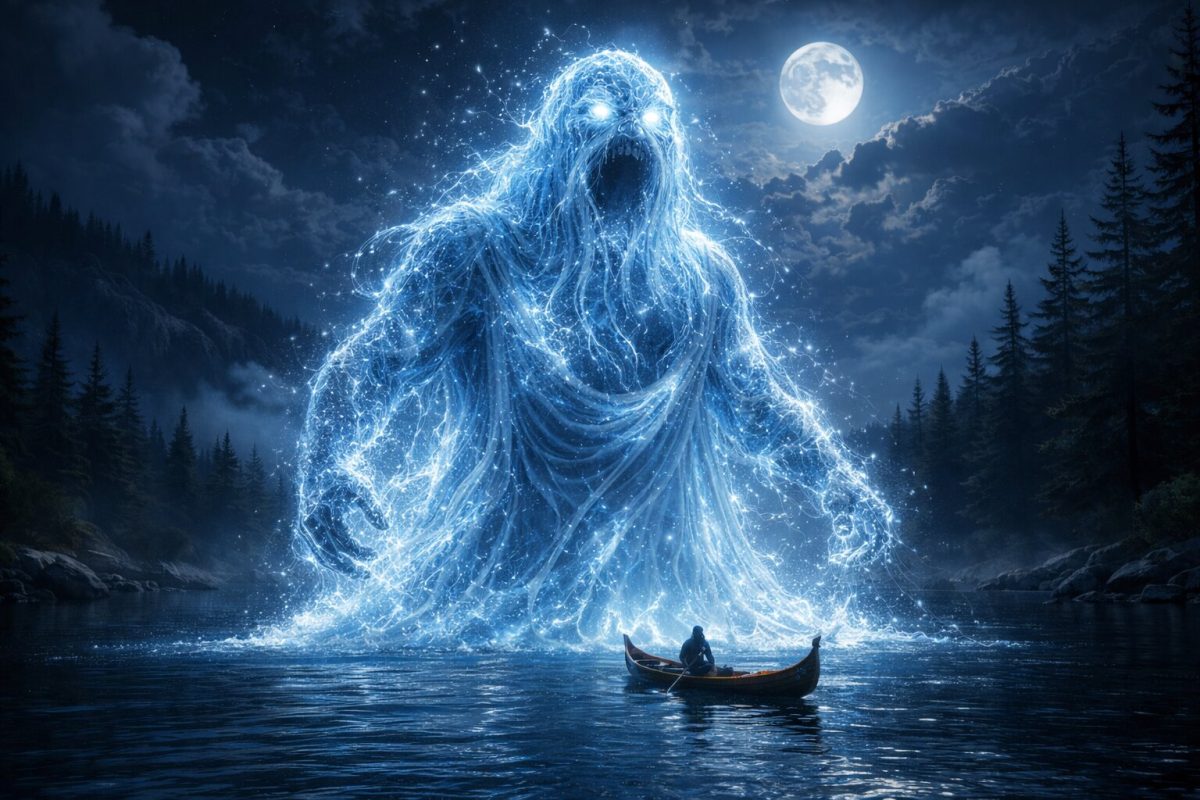
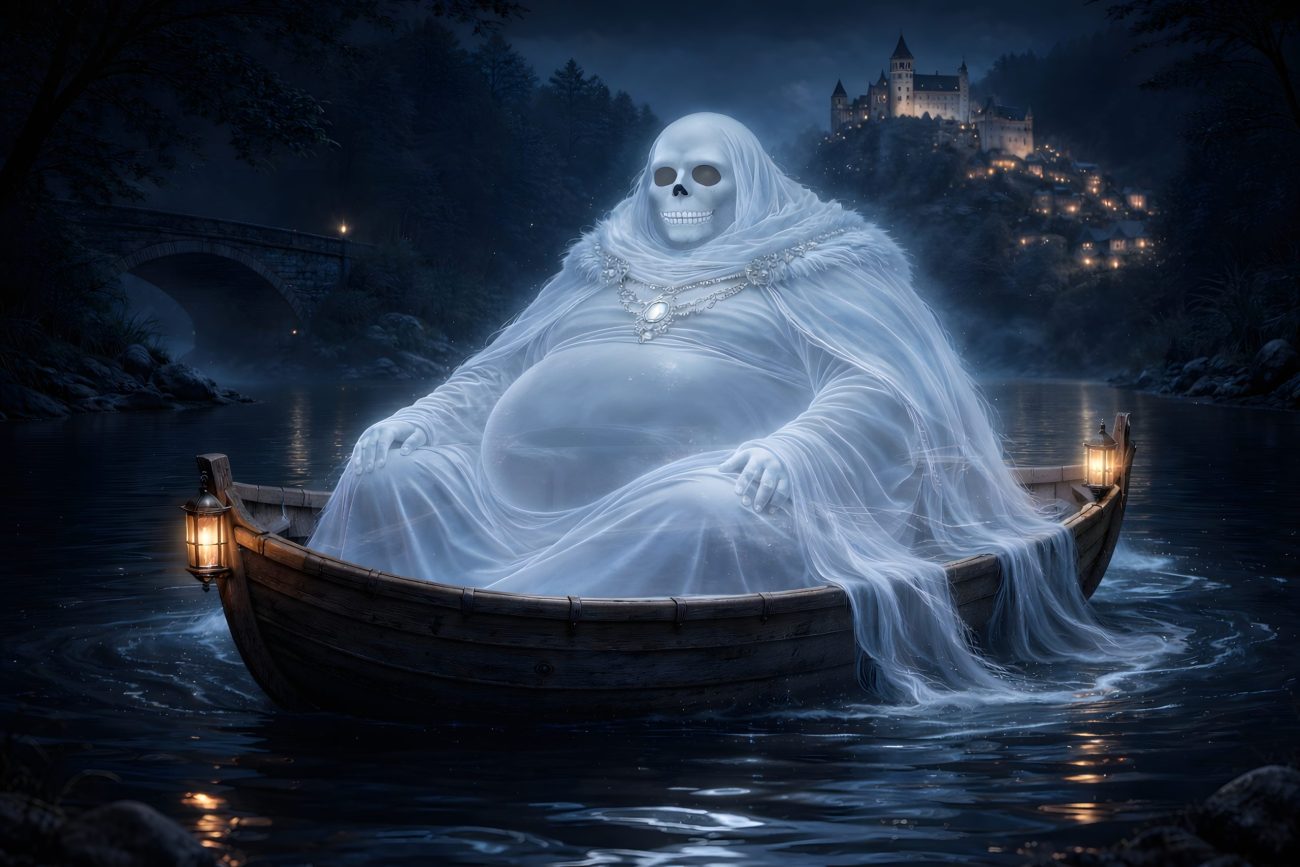
He was described as a gigantic figure clad in long, flowing white robes. Fishermen feared him greatly, for when he hurled himself into the river, the force of his fall shattered boats nearby and broke them to pieces.

Thus the great spirit of the river was believed to move between forest and water, unseen by day and feared at night.


Gallery


Sources

sagen.at contributors. (n.d.). Der große Wassergeist bei Echternach. In sagen.at, from https://www.sagen.at/texte/sagen/luxemburg/Wassergeist_Echternach.html


Interpretive Lenses

Religious Readings
  • Christian Ascetic Deep Dive
Philosophical Readings
  • Nietzschean Deep Dive
Psychological Readings
  • Jungian Deep Dive
Esoteric Deep Dive
  • Hermetic Deep Dive
Political / Social Readings
  • Marxist Deep Dive

Ferry Spirit of Rosport

Tradition / Region: Luxembourg Mythology
Alternate Names: Rosport Ferry Ghost
Category: Ghost, River dweller


The Myth

In earlier times, the ferry at Rosport on the Sauer River was said to be haunted.

When the ferryman had to carry passengers late at night, it sometimes happened that the boat, though empty or only lightly loaded, suddenly became terribly heavy in midstream. It could scarcely be moved and seemed ready to sink at any moment.

The ferrymen believed that this was caused by a malevolent spirit that climbed invisibly into the boat and weighed it down as it crossed the river.

Thus the ferry was feared at night, for people said an unseen being still haunted the crossing.


Gallery


Sources

sagen.at contributors. (n.d.). Der Spuk auf der Rosporter Fähre. In sagen.at, from https://www.sagen.at/texte/sagen/luxemburg/Rosporter_Faehre.html


Interpretive Lenses

Religious Readings
  • Christian Ascetic Deep Dive
Philosophical Readings
  • Nietzschean Deep Dive
Psychological Readings
  • Jungian Deep Dive
Esoteric Deep Dive
  • Hermetic Deep Dive
Political / Social Readings
  • Marxist Deep Dive

The Moselgeist of the Meilesteen

Tradition / Region: Luxembourg Mythology
Alternate Names: Moselstadtgeist, Moselle Spirit
Category: River dweller, Ghost


The Myth

On the Moselle River, at a place called ob em Meilesteen a short distance upstream from Mertert, fishermen who worked at night often heard a strange sound. It resembled the splashing of countless carp striking the water with their tails, and the noise drifted downstream toward Mertert and beyond. Near Wasserbillig it suddenly ceased, and people said it stopped where the old Moselstadt once stood, for it was believed that a great town of that name had existed there long ago.

The fishermen said the splashing was caused by the Moselgeist, the spirit of the Moselle.

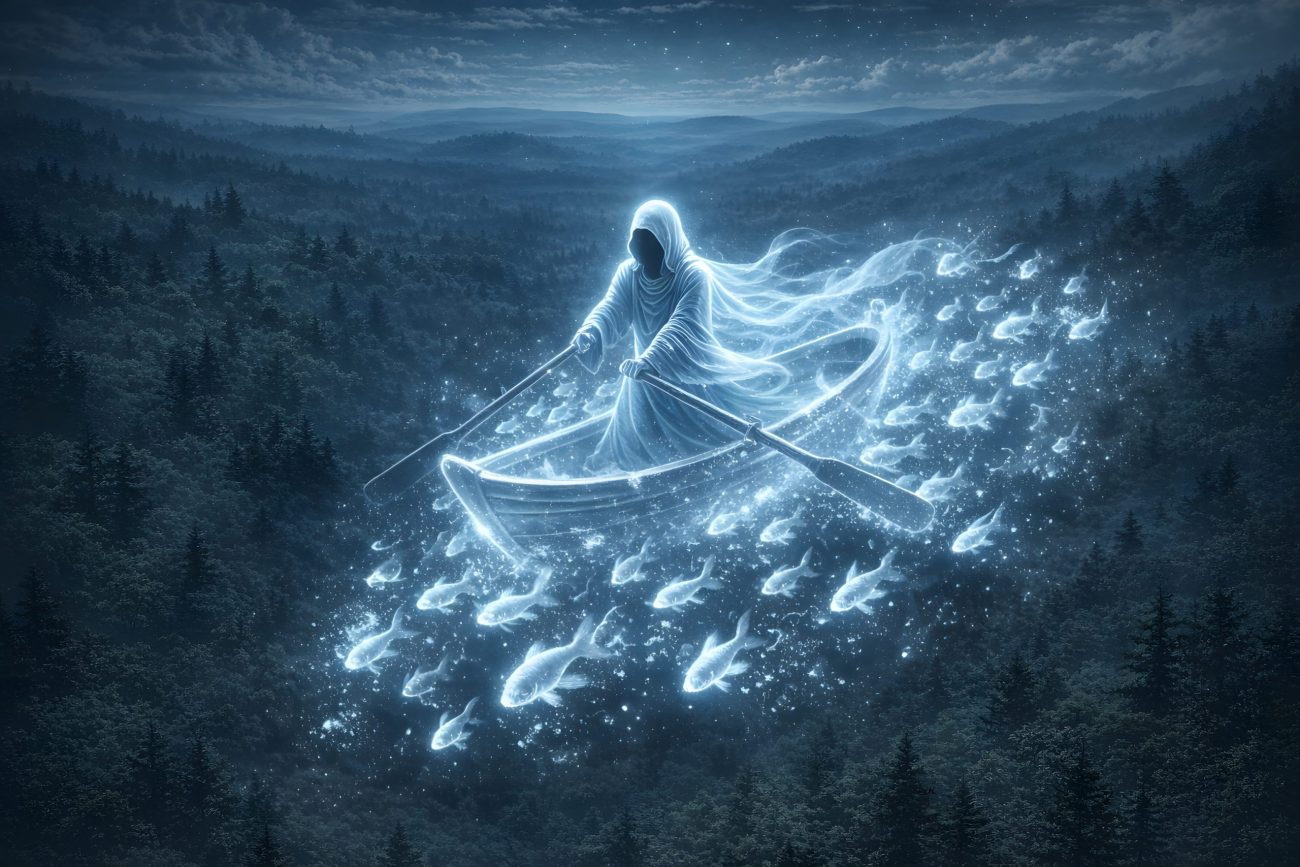
Others told that at the same place, in the darkness of night, they had seen an unknown boatman crossing the river. He rowed silently across the water, and just as suddenly as he had appeared, he vanished into the river and was gone.


Gallery


Sources

sagen.at contributors. (n.d.). Der Moselgeist zwischen Grevenmacher und Wasserbillig. In sagen.at, from https://www.sagen.at/texte/sagen/luxemburg/Moselgeist.html


Interpretive Lenses

Religious Readings
  • Christian Ascetic Deep Dive
Philosophical Readings
  • Nietzschean Deep Dive
Psychological Readings
  • Jungian Deep Dive
Esoteric Deep Dive
  • Hermetic Deep Dive
Political / Social Readings
  • Marxist Deep Dive

Steipmännchen of the Sempchen

Tradition / Region: Luxembourg Mythology
Alternate Names: River Stone Man, Sempchen Steipmännchen
Category: River dweller


The Myth

One evening, as a man was traveling from Ahn to Wormeldange, he saw in the Sempchen river a small, bony old man struggling to force a boat against the current. Moved by pity, the traveler went down to the bank and called out to him, offering to help and asking the old man to throw him a rope so he could pull the boat toward Wormeldange.

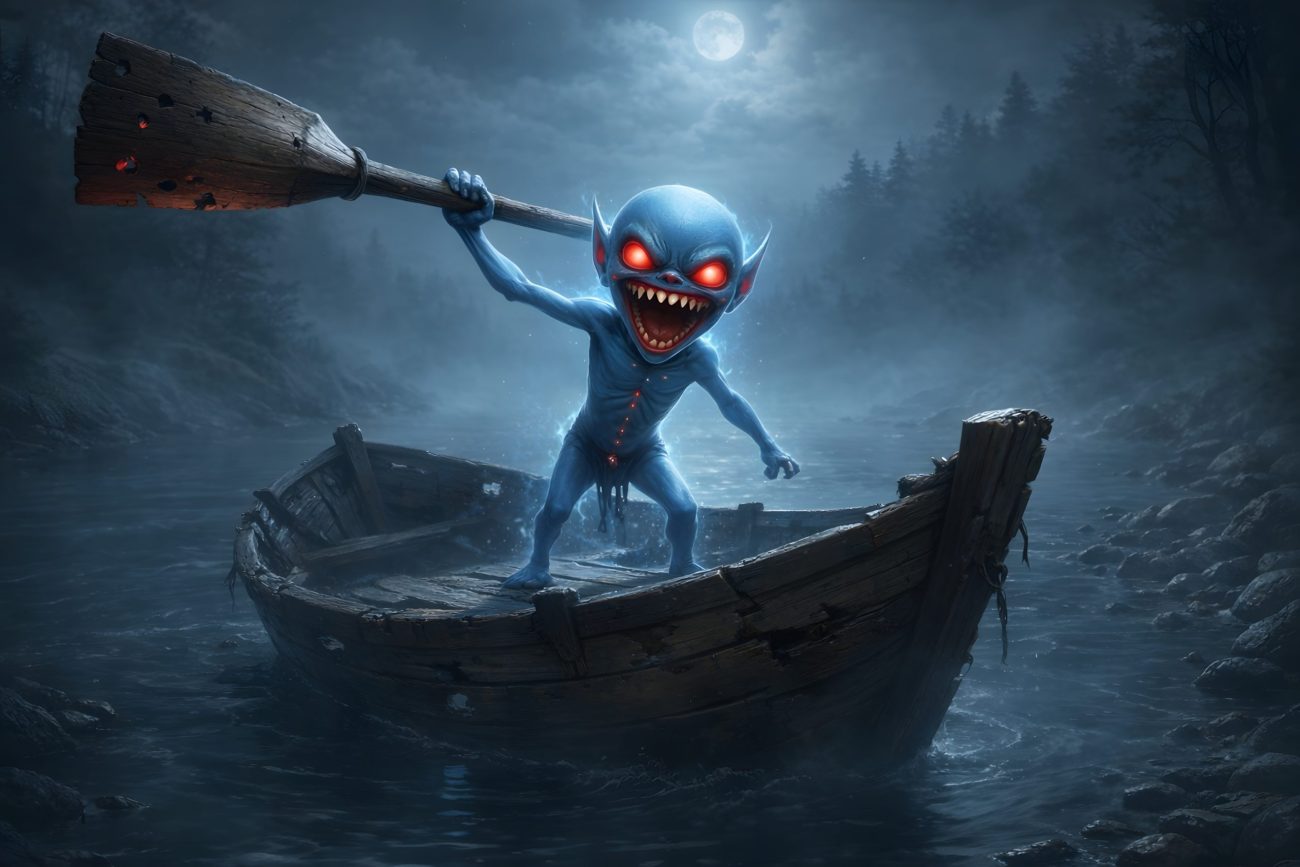
But the little figure had only pretended to struggle in order to lure him. Instead of tossing a rope, the Steipmännchen suddenly struck the man with a violent blow from his oar. The traveler fell to the ground, stunned, while the deceitful river spirit had accomplished his trick.


Gallery


Sources

sagen.at contributors. (n.d.). Steipmännchen in der Sempchen bei Wormeldingen. In sagen.at, from https://www.sagen.at/texte/sagen/luxemburg/Steipmaennchen_Sempchen.html


Interpretive Lenses

Religious Readings
  • Christian Ascetic Deep Dive
Philosophical Readings
  • Nietzschean Deep Dive
Psychological Readings
  • Jungian Deep Dive
Esoteric Deep Dive
  • Hermetic Deep Dive
Political / Social Readings
  • Marxist Deep Dive

Steipmännchen of Ehnen

Tradition / Region: Luxembourg Mythology
Alternate Names: Little Rock Man, Stone Man of the Moselle
Category: River dweller


The Myth

In earlier times, a malicious spirit known as the Steipmännchen lived near Ehnen along the Moselle. He delighted in teasing the boatmen who traveled the river and in playing tricks on them.

On stormy nights he was said to sail a half-boat near the Ehnen weir, splashing loudly with oar and pole while crying out again and again, “Help, help, or I will perish!” If a compassionate boatman rowed toward the dangerous place to rescue him, he found no one in need. Instead, the Steipmännchen laughed and clapped from the rocky bank. Should the boatman grow angry and curse him, the spirit might capsize the boat, leaving the man to struggle in the cold water.

At other times the little being would call from the ferry on the opposite shore, begging to be taken across. When a boatman came to fetch the supposed traveler, he was met only by mocking laughter. As soon as he returned home, the drawn-out cry of “Carry me over!” would sound again from the nearby Braas forest.

People also told that at the witching hour a boat was often heard on the Moselle traveling up from Wormeldingen as far as the statue of Saint Nicholas. There it could go no farther and would suddenly turn back downstream, only to return again and again until the hour had passed. No one ever saw the Steipmännchen himself, but many claimed to have heard his ghostly passage upon the river.


Gallery


Sources

sagen.at contributors. (n.d.). Das Steipmännchen bei Ehnen. In sagen.at, from https://www.sagen.at/texte/sagen/luxemburg/Steipmaennchen.html


Interpretive Lenses

Religious Readings
  • Christian Ascetic Deep Dive
Philosophical Readings
  • Nietzschean Deep Dive
Psychological Readings
  • Jungian Deep Dive
Esoteric Deep Dive
  • Hermetic Deep Dive
Political / Social Readings
  • Marxist Deep Dive