Tradition / Region: Serbian Mythology
Alternative names: Vodeni Čovek, Vodenjak, Water Demons
Category: Demon, River Dweller
The Myth
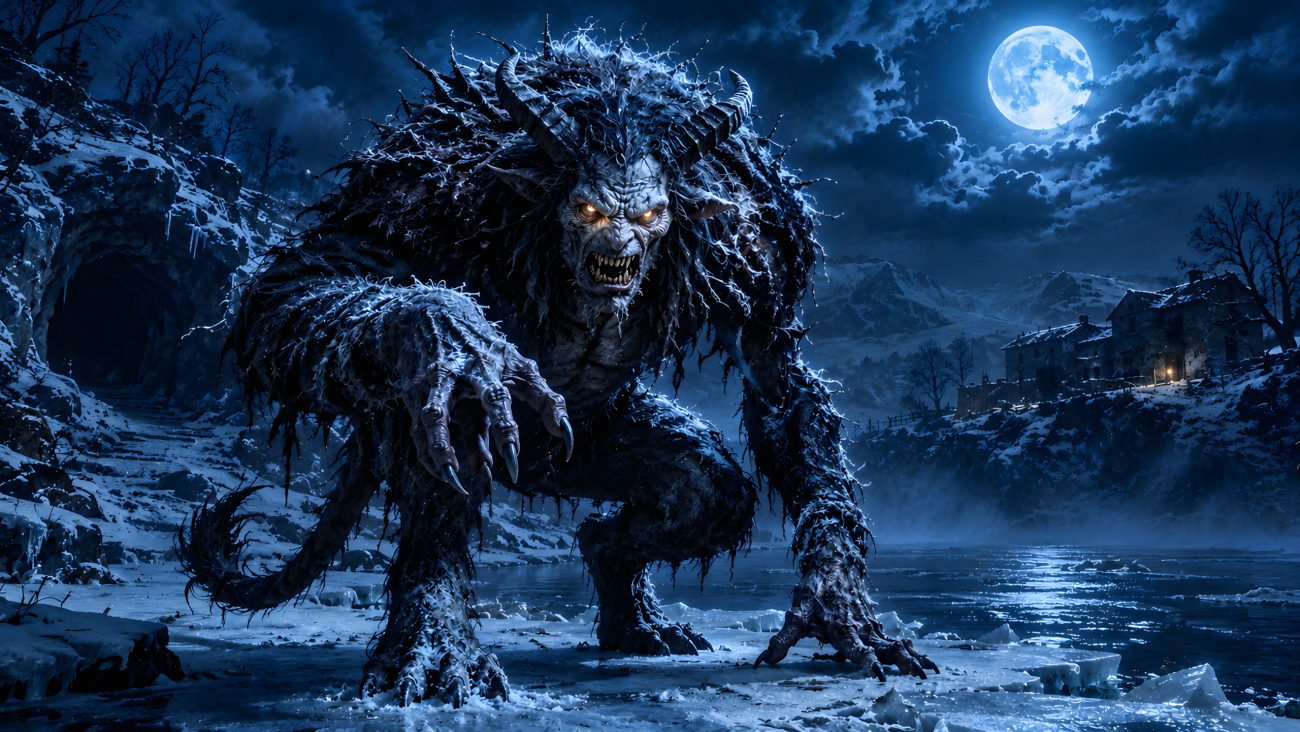
In Serbian folk belief, water was not viewed as an ordinary natural element but as a living supernatural force inhabited by spirits and demons. Rivers, springs, lakes, mills, and deep waters were believed to possess consciousness, magical power, and dangerous invisible inhabitants known as vodeni demoni — water demons.
People spoke to water as if it were alive, greeting it respectfully and asking it for healing and protection. Certain waters were believed to cure illness, restore youth, grant fertility, or protect against evil spirits. Other waters, however, were feared as haunted places inhabited by deadly supernatural beings that dragged humans beneath the surface.
According to folklore, many rivers demanded sacrifices and regularly claimed human lives through drowning. Some rivers became infamous for frequent deaths and were believed to hunger for victims. Water demons especially haunted deep rivers, whirlpools, mills, bridges, springs, and isolated crossings.
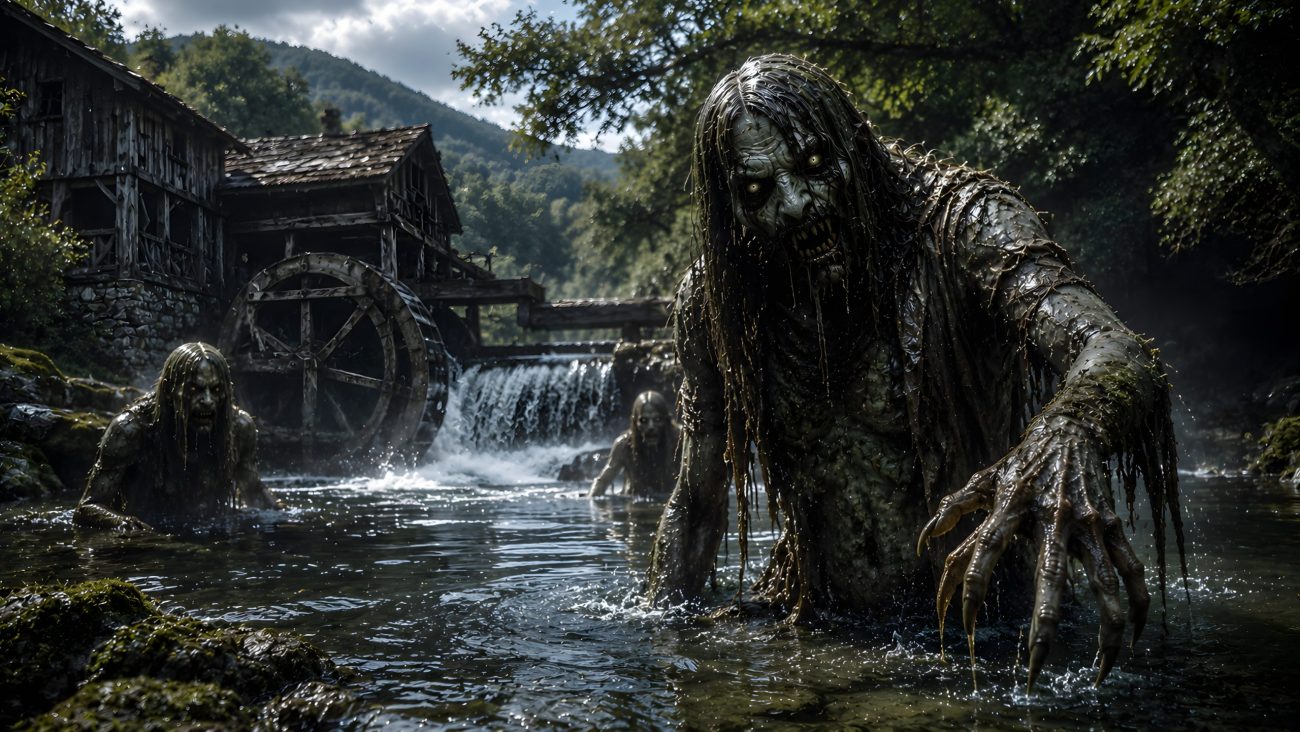
One of the most feared beings was the Vodeni Čovek — the Water Man — a spirit appearing in human form. He lured travelers crossing rivers or walking near dangerous waters, pulling them beneath the surface and drowning them. In Kosovo and other regions, adults frightened misbehaving children with warnings that the “Water Man” would carry them away.
Watermills were considered especially dangerous places because demons, vampires, and devils gathered there during the night. Serbian folklore claimed that every mill housed evil spirits, and many legends described vampires attacking travelers or millers inside lonely mills beside rivers. The famous vampire Sava Savanović was said to haunt a watermill where he murdered those who entered after dark.
Flowing water itself possessed magical properties. “Living water” was pure running water flowing naturally through springs and rivers, while stagnant “dead water” was considered spiritually dangerous. Some waters were believed to become wine for a moment at midnight before Epiphany, while miraculous springs hidden in caves or mountains supposedly healed blindness, deafness, infertility, and disease.
Many rituals involving water were performed for protection against demons. Before thunderstorms, containers of water were covered so devils fleeing lightning could not hide inside them. People avoided drinking from rivers or springs at night for fear of swallowing evil spirits together with the water.
Water was also deeply connected to death and the afterlife. It was believed the souls of the dead suffered terrible thirst in the next world, so water was placed near corpses, poured onto graves, or carried in funeral rituals for the deceased. After someone died, water inside the house was often thrown away because people believed the soul of the dead had entered it.
Certain magical waters possessed special powers. “Untouched water” collected before sunrise retained supernatural strength and was used in rituals, healing, childbirth, and sacred bread-making. “Water of forgetting” supposedly caused those who drank it to forget their families, homeland, and even their faith.
Demons were believed to hide within polluted or spiritually corrupted waters. Rivers before St. George’s Day were feared because devils supposedly dwelled in them during that time. Some springs were avoided because fairies, witches, or dark spirits bathed there and contaminated the water with supernatural power.
Despite their danger, water spirits were not always purely evil. Some waters were guarded by benevolent supernatural beings who protected communities, healed the sick, and brought fertility, rain, and prosperity. Serbian folklore therefore treated water as both sacred and terrifying — a living gateway between the human world and the invisible realm of spirits and demons.
Sources
Кулишић, Ш., Петровић, П. Ж., & Пантелић, Н. (1970). Српски митолошки речник. Београд: Нолит.