Tradition: Russian Mythology, Polish Mythology, Ukranian Mythology, Croatian Mythology, Belarusian Mythology, Serbian Mythology
Alternative Names: Lesovik, Lesovoy, Lesnik, Leshak, Lesun, Borovoy, Gayevoy
Category: Forest Dweller
The Myth
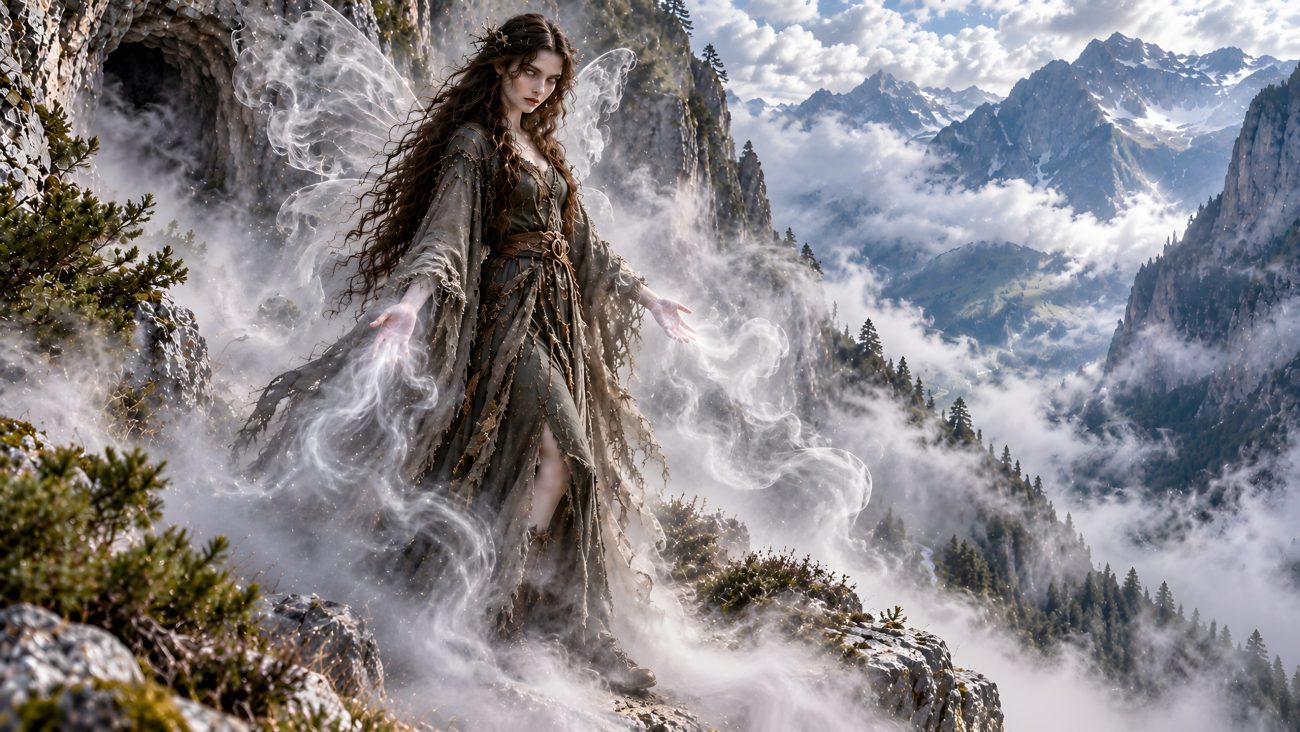
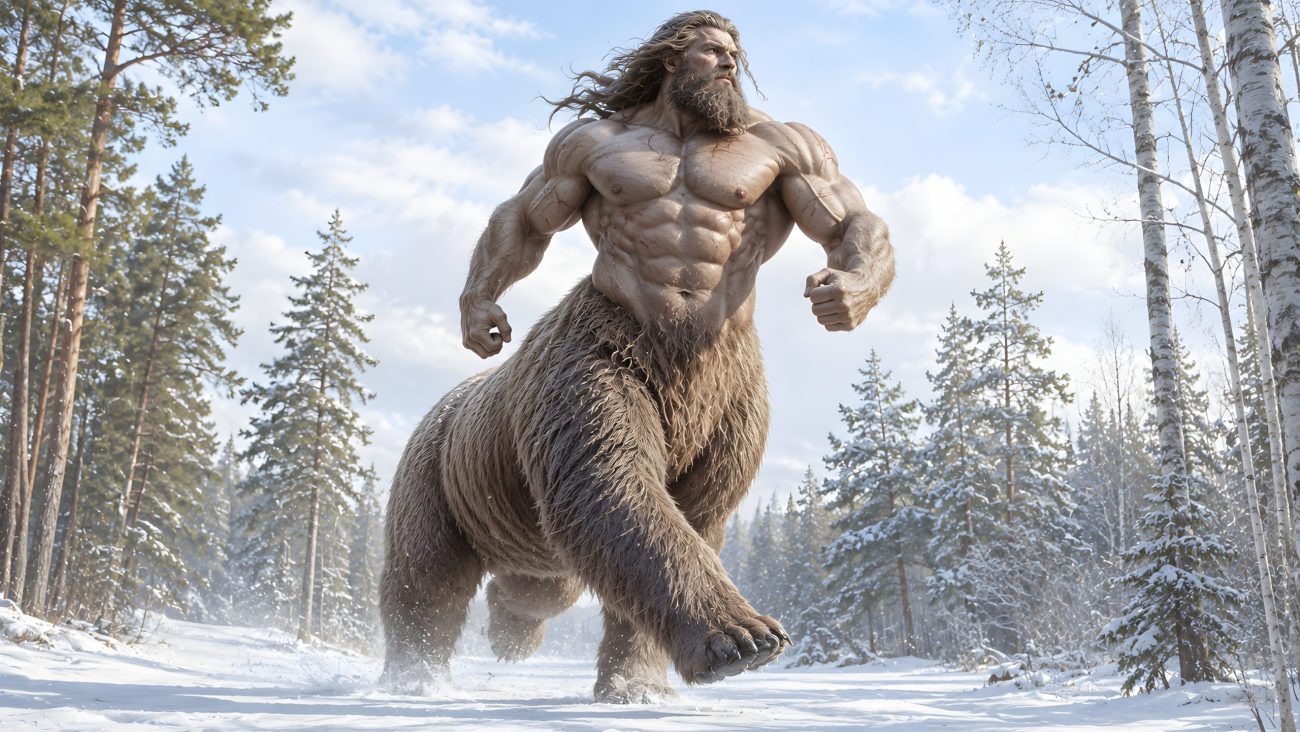
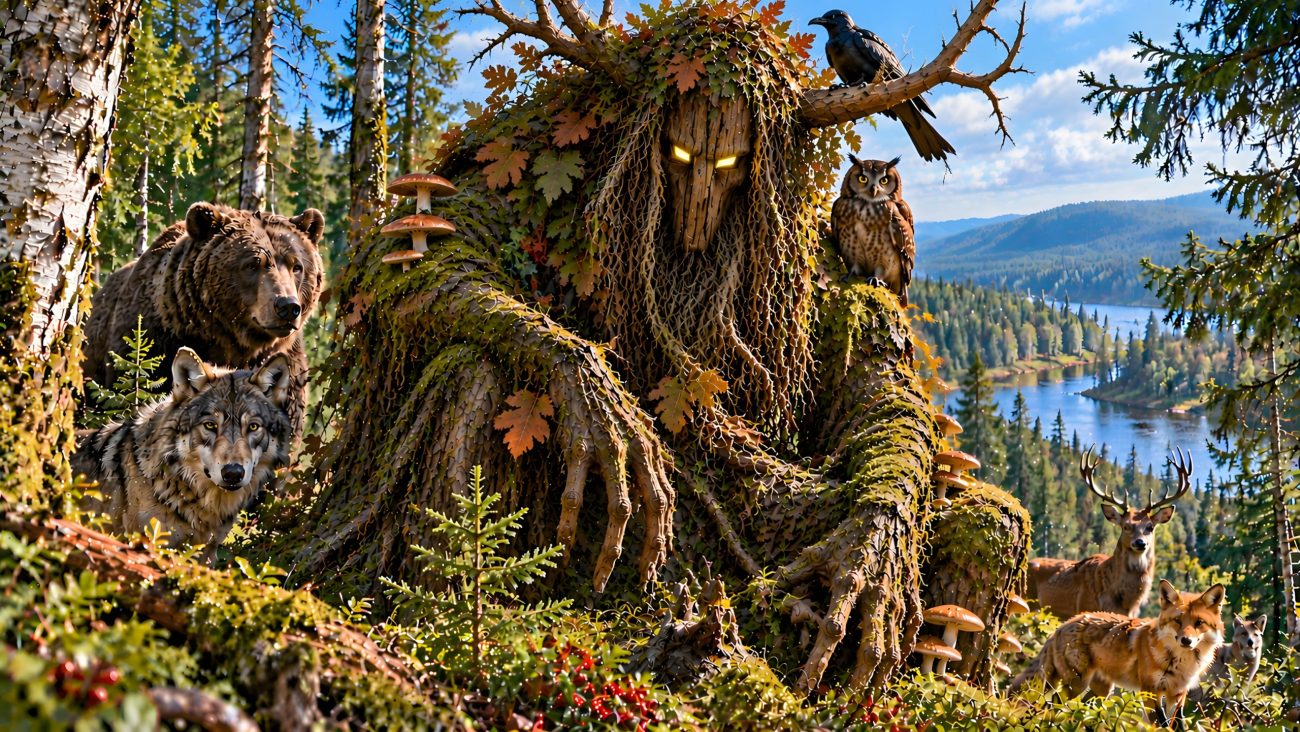
Leshy is a powerful guardian of the forest and hunting, a supernatural being whose appearance reflects the wild woodland he rules. He often takes the form of a man with long, tangled hair in shades of grey, green, or red, a thick beard, and skin resembling tree bark. His hair may look like branches, while his beard may be covered in lichen. He can also appear as a towering giant, a tiny figure no larger than a blade of grass, or an ordinary man. Some tales describe him with green eyes, blue skin, one eye, a long face, or a leg turned backwards. He may wear a wide-brimmed hat, a fur coat, a rough caftan, or enormous bast shoes, although he sometimes appears naked or takes the shape of a tree, stump, bush, mushroom, or other part of the forest.
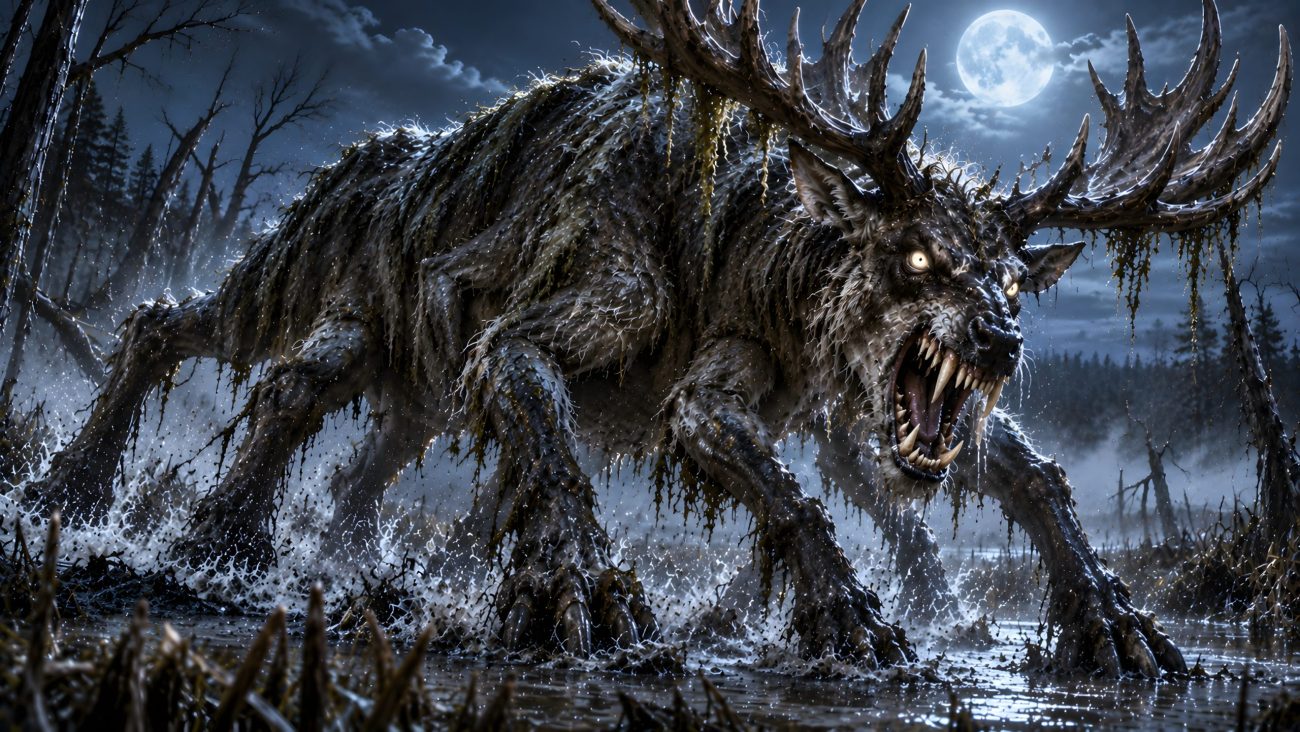
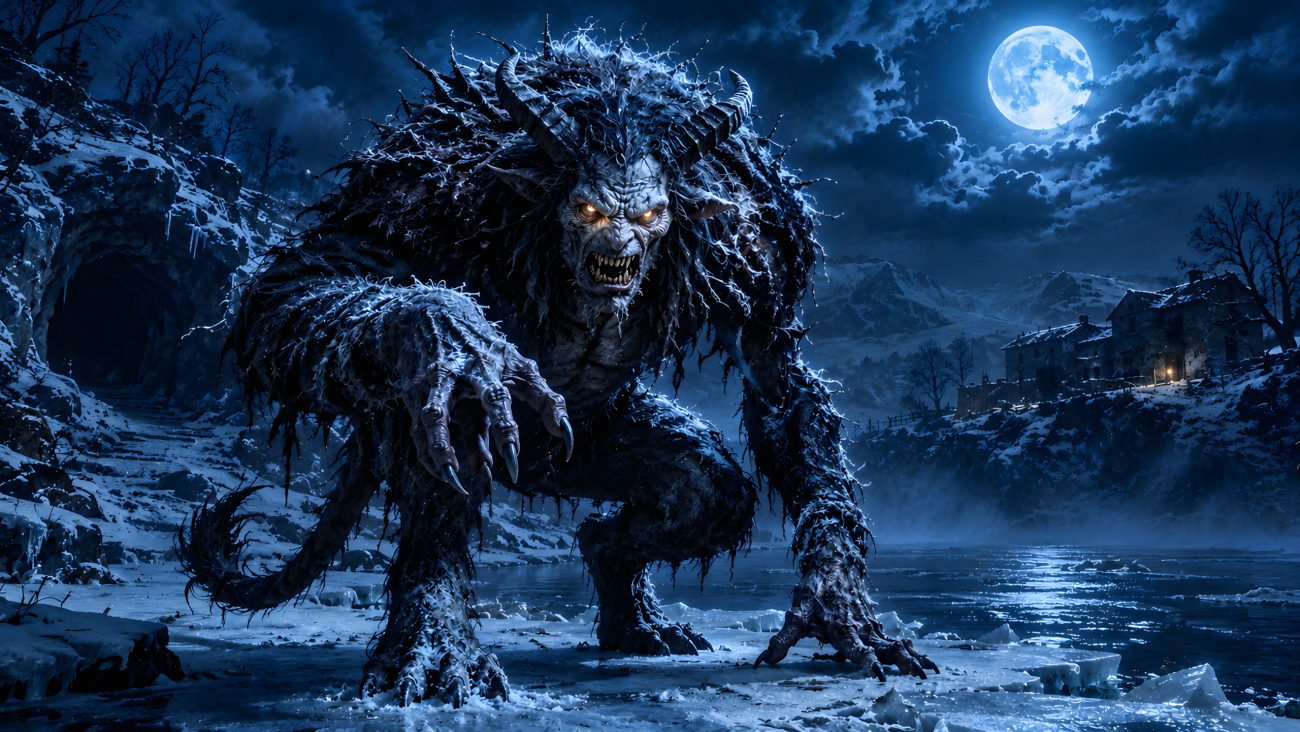
Leshy can change his size and disguise himself as almost anyone, including a traveller’s friend, a family member, or even someone who has died. He can also transform into animals such as bears, wolves, owls, crows, horses, black cats, and goats. Sometimes he appears as a horned, goat-legged creature covered in black fur. He may travel as a whirlwind or manifest through storms, rain, fog, and powerful winds. His presence is often announced by strange sounds echoing through the trees: whistling, laughter, clapping, bellowing, singing, or the cries of animals. He can imitate familiar voices and create false sounds to confuse those who enter his domain.
Leshy delights in misleading travellers, making them lose their way in forests they know well. He may lead people in circles, conceal paths, or disguise himself as someone they trust. He can also frighten those who disturb the woodland, striking people with twigs, causing trees to split, and unleashing powerful winds. His attitude towards humans depends on how they behave towards the forest and its creatures. Although he can be dangerous and temperamental, he also protects the woodland and its animals. In some tales, he carries away children who have been mistreated by their families, taking them to the mysterious realm of forest-dwelling beings. Leshy is sometimes said to have a wife and children of his own, living hidden among the trees. He embodies the forest’s untamed power, capable of protecting its inhabitants, punishing intruders, and making anyone who enters his domain feel lost in a world beyond human control.
Sources
“Leshy.” Wikipedia: The Free Encyclopedia. Wikimedia Foundation. Accessed October 12, 2026. https://en.wikipedia.org/wiki/Leshy