Lampir

Tradition / Region: Bosnian Mythology
Alternate Names: Lampiger, Lampijer, Lampijerović, Lepir, Tenac, Vukodlak
Category: Vampire


The Myth

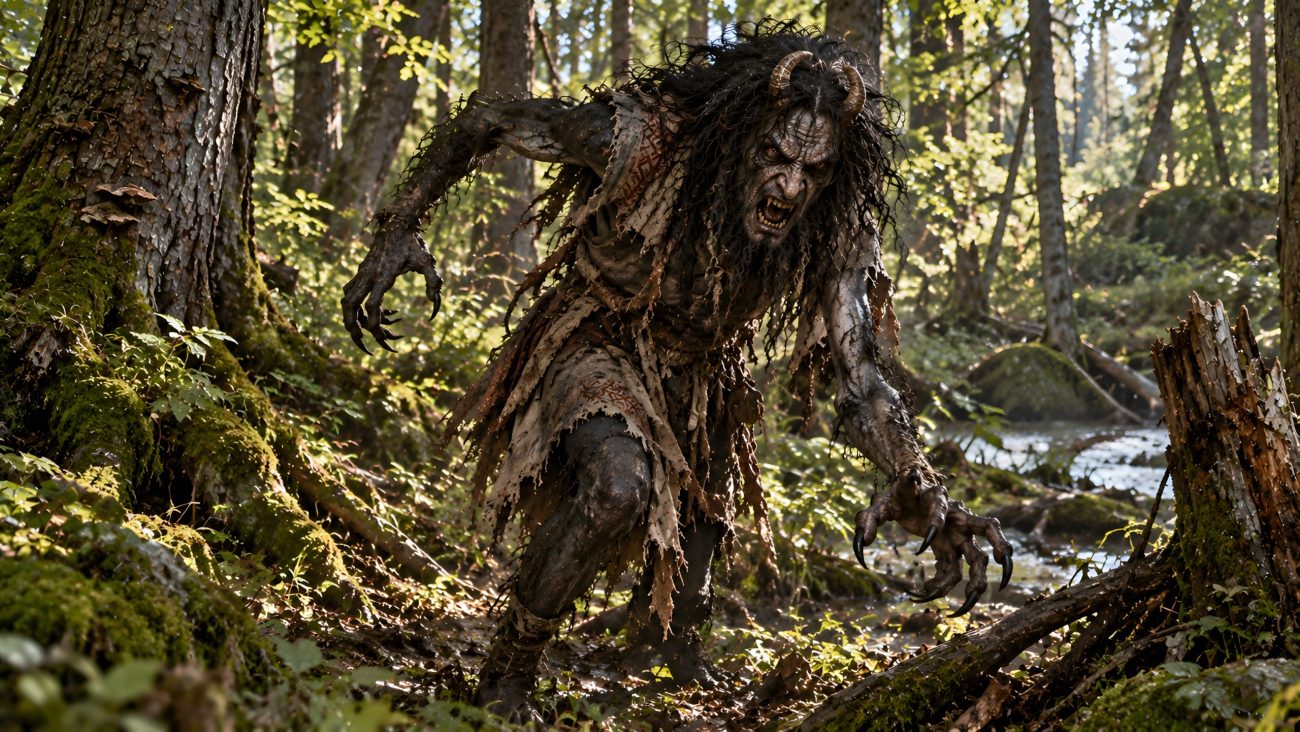
The Lampir is a vampiric revenant believed to arise from the first person who dies during an epidemic or plague. Because of this origin, it is closely associated with death spreading through communities, making it a feared figure during times of disease.

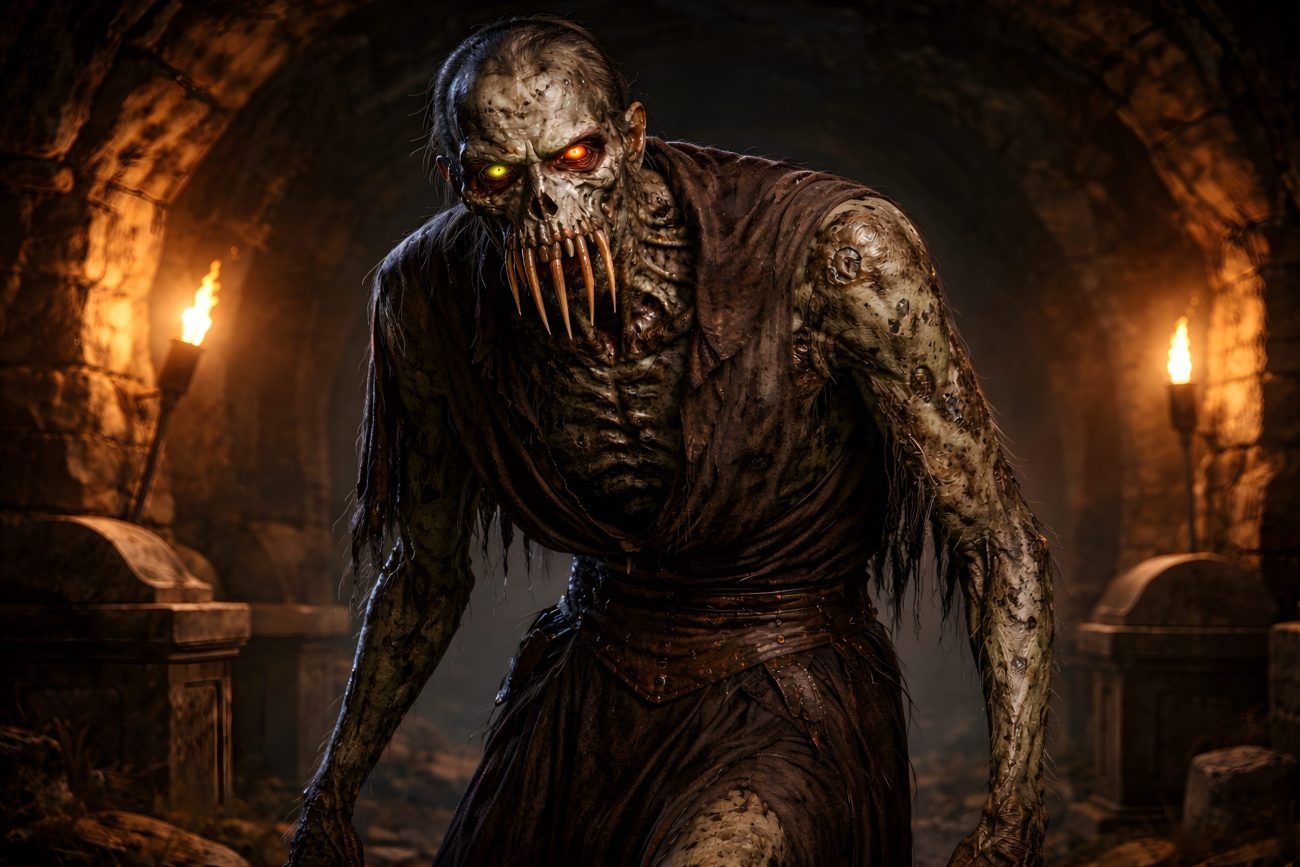
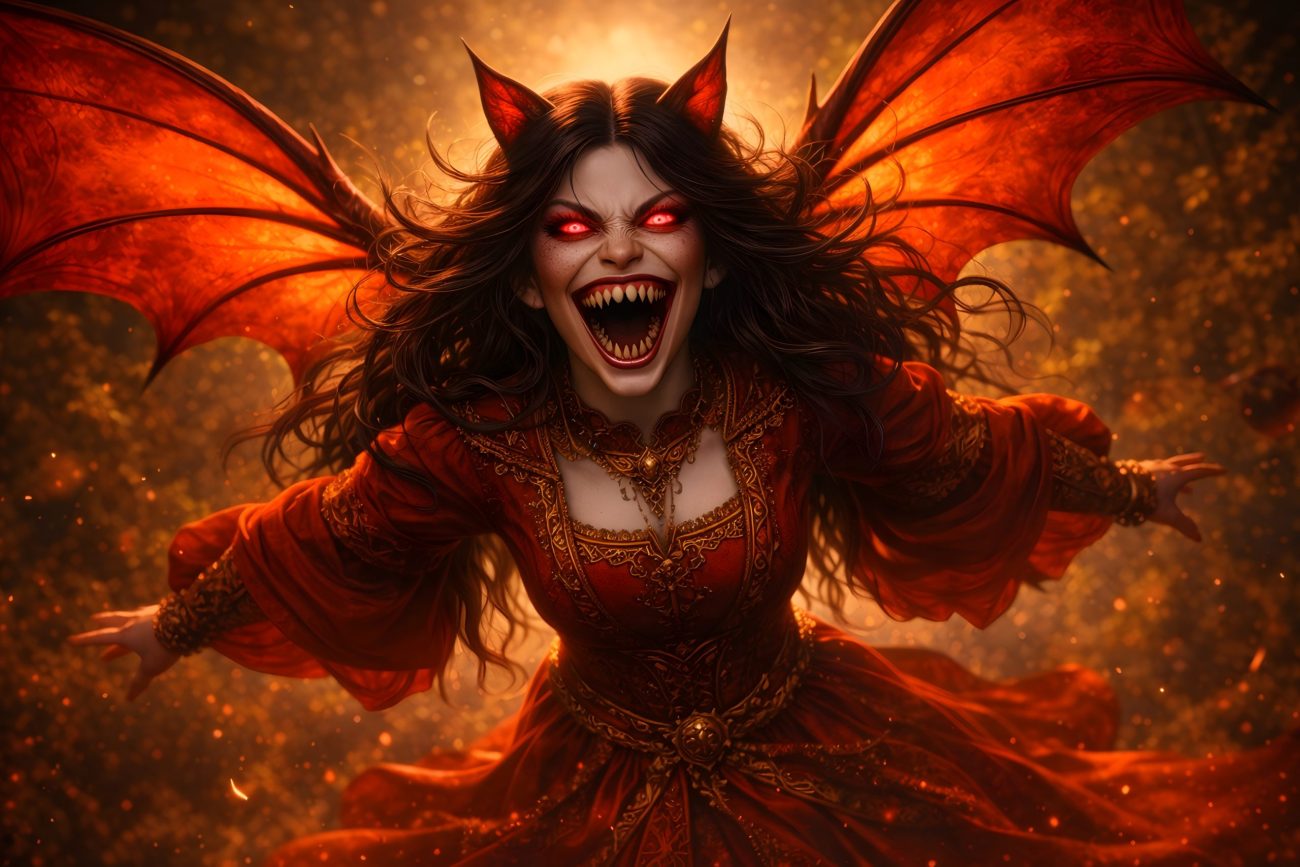
After death, the Lampir returns from the grave as an undead being that feeds on the living. Unlike some other vampires, it is said to attack by biting a small hole into the chest using its distinctive multiple fangs, draining blood directly from the body.

Its curse is contagious in a delayed way: a person who survives an encounter will not immediately turn, but after their natural death they will rise again as a Lampir. This creates a chain of transformation linked to mortality rather than immediate infection.

There are also darker traditions stating that a person could deliberately become such a creature by consuming the flesh of an executed individual, suggesting that the Lampir is tied not only to plague but also to taboo acts and impurity.

To destroy a Lampir, villagers would exhume the corpse during daylight and burn it completely, ensuring that no part of the body remained to rise again.

The Lampir represents a classic Balkan fear:
a disease-bringing undead, where death itself does not end suffering but spreads it further through both body and spirit.


Sources

Bane, T. (2010). Encyclopedia of Vampire Mythology. In McFarland (p. 93).

Vampires Fandom contributors. (n.d.). Lampir. In Vampires Fandom, from https://vampires.fandom.com/wiki/Lampir


Tur

Tradition / Region: Bosnian Mythology
Alternate Names: —
Category: Cow


The Myth

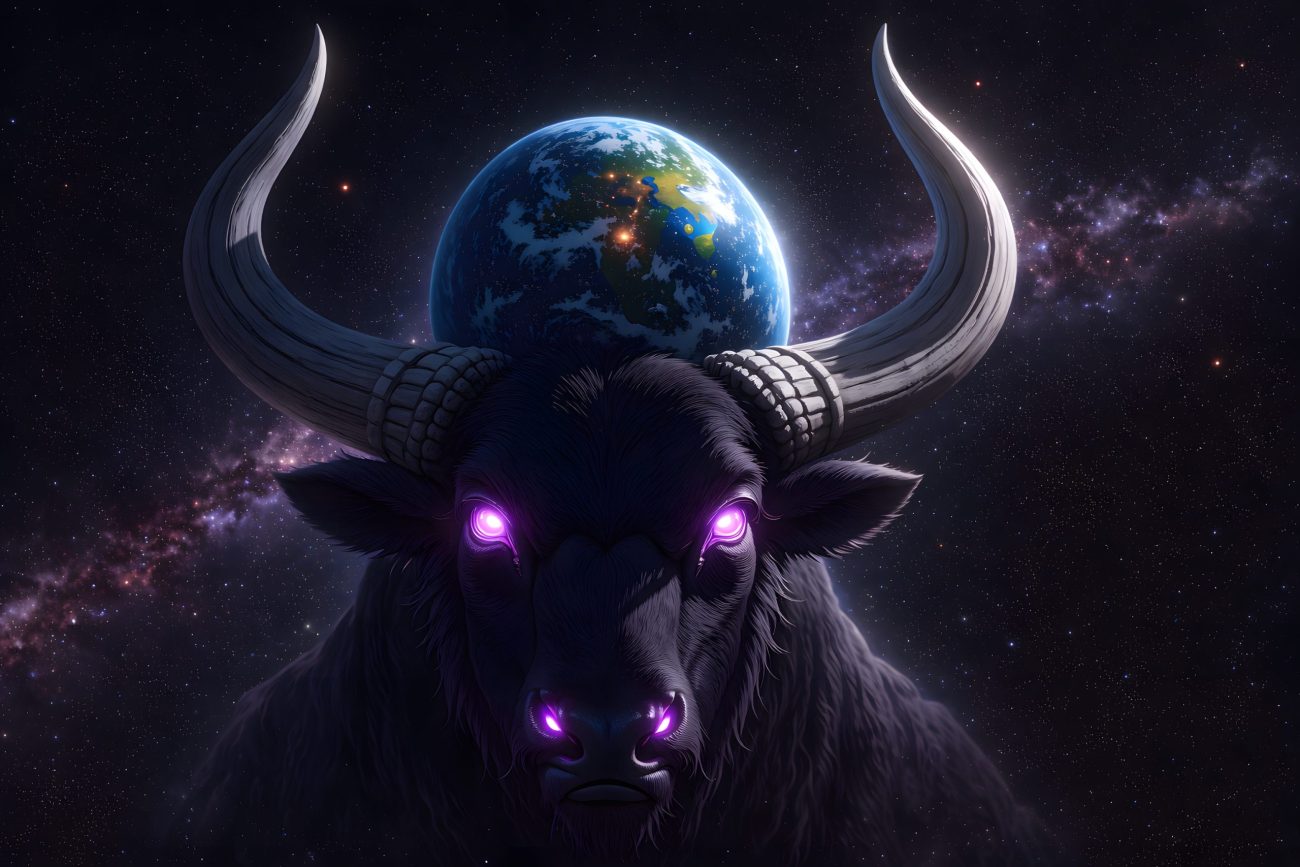
Tur is a colossal black bull believed to carry the weight of the Earth upon his back. He is not merely an animal, but a cosmic being whose existence sustains the balance of the world itself.

Described as immense beyond measure, Tur’s body stretches like a living foundation beneath the world. His dark coat shines like night, and his massive horns are said to reach into the sky, sometimes imagined as piercing the clouds.

According to legend, earthquakes and tremors occur when Tur shifts his horns. Even the smallest movement can shake mountains and disturb the land. Because of this, people believed that the stability of the world depended entirely on his stillness.

Tur is usually calm and unmoving, but this calm is what keeps existence intact. If he were ever to rise or fully move his body, it was said that the Earth would collapse—mountains would fall, seas would overflow, and the world would be destroyed.

For this reason, Tur was both feared and respected. People would offer prayers or small sacrifices to keep him at peace, hoping to prevent any movement that could bring catastrophe.

Tur represents a powerful mythological idea:
a world-bearing creature whose stability maintains reality, where even the slightest disturbance reminds humanity how fragile the order of the world truly is.


Sources

Wikipedia contributors. (n.d.). Tur (Bosnian-Slavic mythology). In Wikipedia, from https://en.wikipedia.org/wiki/Tur_(Bosnian-Slavic_mythology)


Dorat

Tradition / Region: Bosnian Mythology
Alternate Names: Dorin, Dorat of Đerzelez
Category: Horse


The Myth

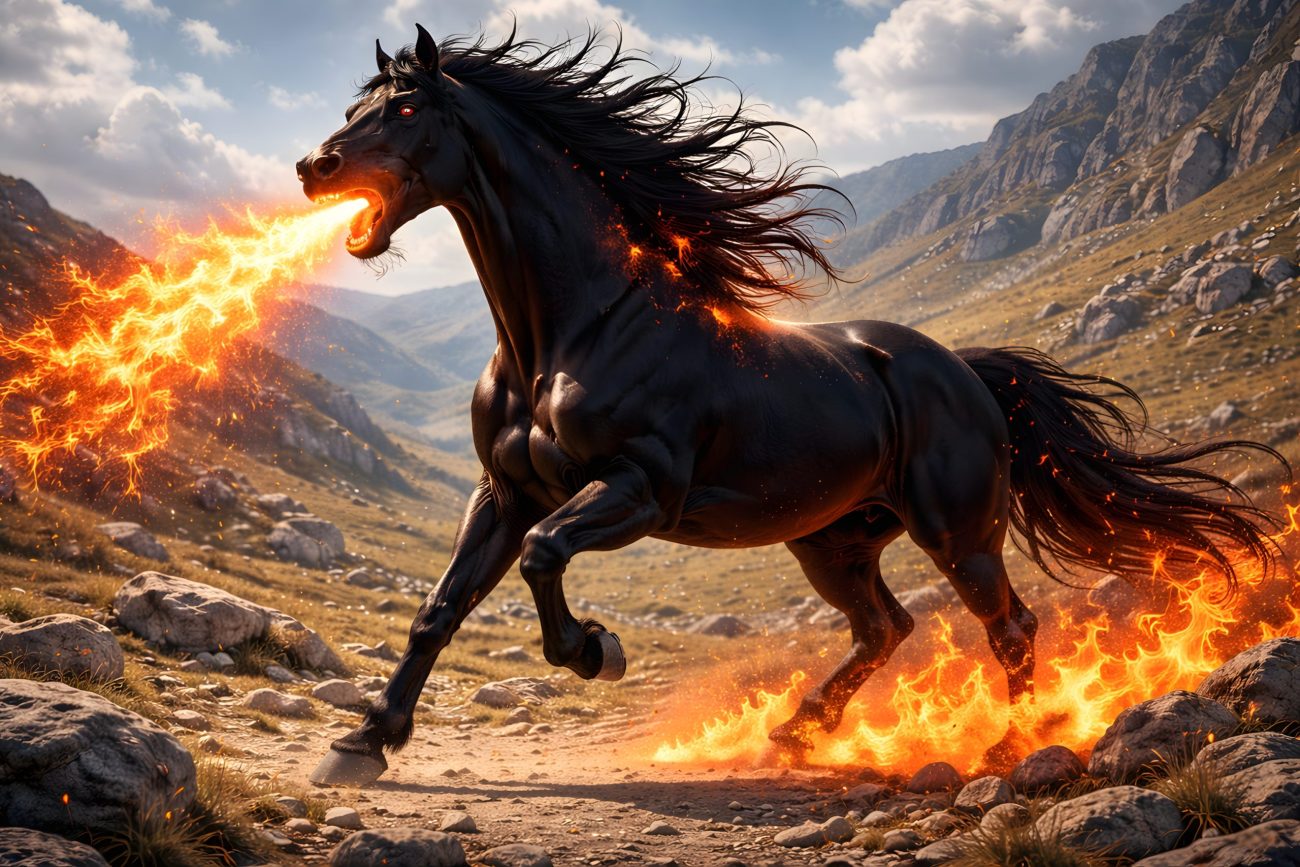
Dorat is the legendary horse of Đerzelez Alija, known in epic songs as a creature of immense power and near-supernatural nature. Unlike ordinary horses, Dorat behaves more like a wild, elemental force than a domesticated animal.

The horse was so dangerous that it had to be restrained with many reins and kept locked away. No one dared approach it, as it would lash out violently, striking with such force that it could kill a man. Many had been promised great rewards to control or even lead the horse to water, but none succeeded.

When Đerzelez Alija approached Dorat, however, the horse immediately recognized him. Instead of attacking, it became obedient, allowing Alija to remove all restraints and lead it outside. This moment shows that Dorat is not merely savage—it is bound to its rightful master.

Dorat’s true nature becomes clear when it moves:
from its nostrils, flames burst outward, marking it as a fire-breathing creature rather than a normal animal. When ridden, it displays overwhelming strength and speed, capable of breaking structures and terrifying all who witness it.

In battle, Dorat enhances Alija’s power, allowing him to chase down enemies effortlessly and dominate the battlefield. The horse moves with such force that it seems unstoppable, almost like a force of nature unleashed.

Despite its destructive potential, Dorat is not evil. It is loyal, intelligent in its own way, and perfectly controlled only by its chosen rider. In this sense, it represents a common motif in epic tradition:
a mythic steed that mirrors the strength and destiny of its hero, combining danger, fire, and absolute loyalty into a single being.


Sources

Hormann, K. (1976). Narodne pjesme muslimana u BiH – Knjiga 1. In Bosna i Hercegovina (collected 1888–1889) p. 122.


Vila of Butkove Stijene

Tradition / Region: Bosnian Mythology
Alternate Names: Butkove Vila
Category: Fairy


The Myth

The Vila of Butkove Stijene is a mountain and river spirit connected to the cliffs above the Drina, near Višegrad. Like other Balkan vile, she is a powerful and dangerous supernatural being tied to wild nature, especially water and rocky heights.

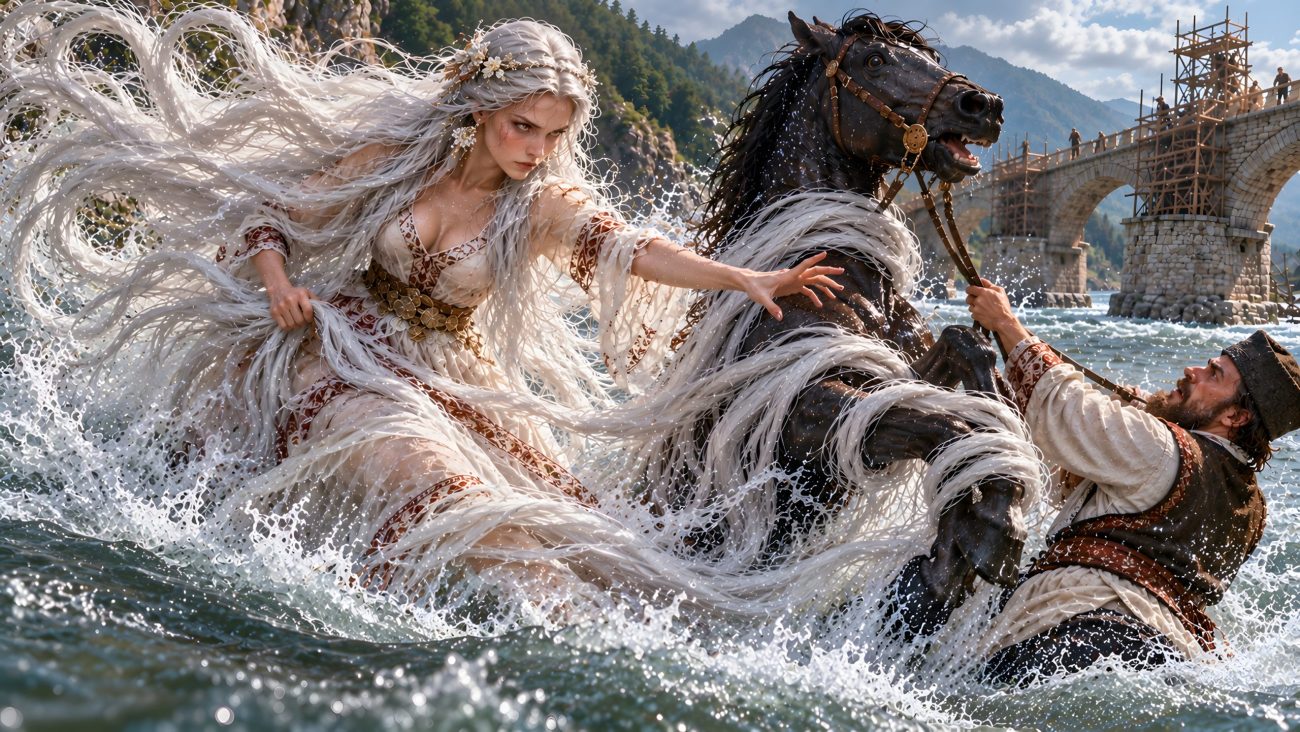
During the construction of the bridge on the Drina, commissioned by Sokollu Mehmed Pasha, the master builder Mitre encountered her while testing whether the river could be crossed. As his horse reached the middle of the river, it suddenly froze, unable to move forward.

At that moment, the vila appeared and tried to drown both Mitre and his horse. However, the horse broke free and leapt back onto dry land, carrying the vila with it. Mitre drew his sword to kill her, but she stopped him by invoking a sacred bond, calling him her brother and begging for mercy.

In exchange for her life, she promised to help him build the bridge. Trusting her, Mitre released her back into the cliffs of Butkove Stijene.

But when the construction repeatedly failed—everything built during the day collapsing by night—Mitre called upon the vila for help. She answered from the rocks, explaining that she could not assist him directly because other vile forbade it. Instead, she revealed the harsh condition required for success: living humans had to be built into the structure.

Following her instruction, two people were immured within the bridge, and only then did the construction succeed.

The Vila of Butkove Stijene reflects the dual nature of vile in Balkan folklore—beautiful and knowledgeable, yet bound by harsh supernatural laws. She does not lie, but her guidance leads to sacrifice, showing that dealing with such beings always comes at a cost.


Sources

Hormann, K. (1976). Narodne pjesme muslimana u BiH – Knjiga 1. In Bosna i Hercegovina (collected 1888–1889).


Psoglav

Tradition / Region: Bosnian Mythology, Montenegrin Mythology
Alternate Names: Psoglavac, Psoglavec
Category: Dog, Demon


The Myth

The Psoglav was a terrifying being spoken of in Balkan tales, especially in regions of Bosnia, Montenegro, and the Istrian lands.

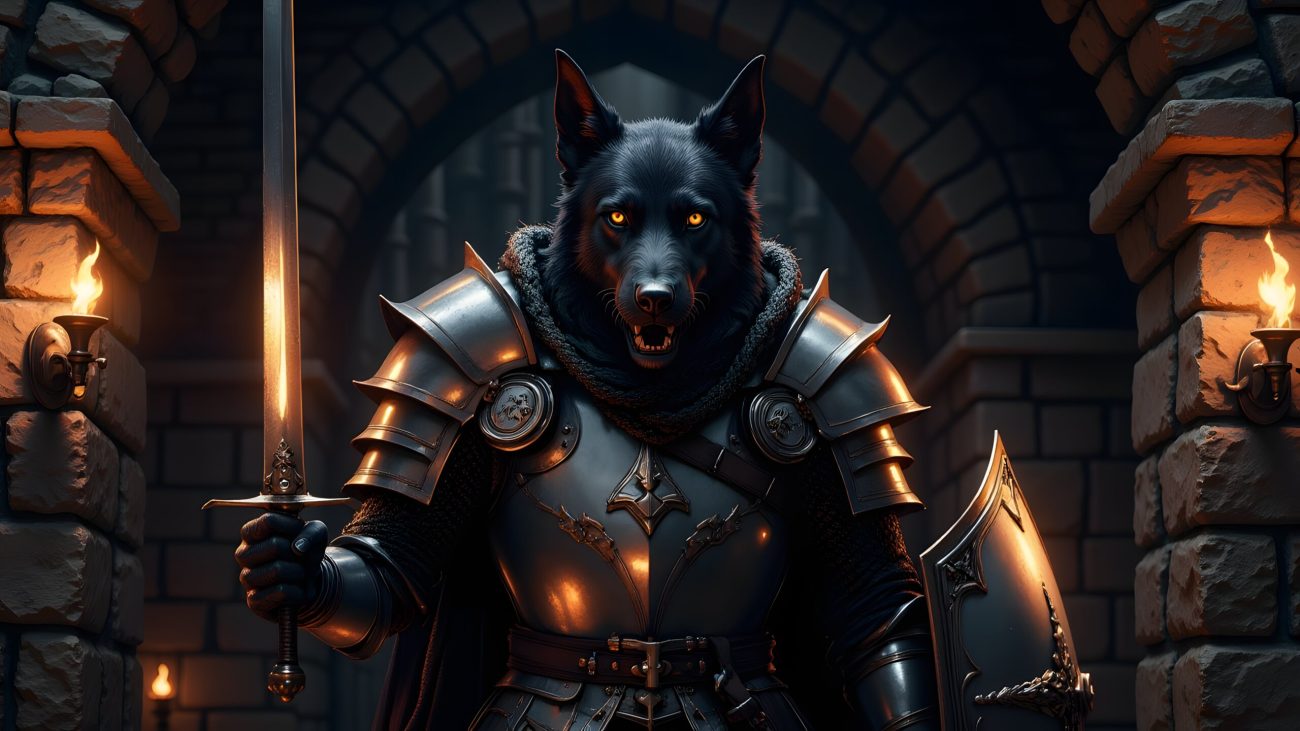
It was described as a monstrous creature with the body of a man but the legs of a horse. Its head was that of a dog, armed with iron teeth, and in the middle of its forehead it bore a single eye. The creature’s appearance marked it as something unnatural, neither beast nor human but a thing of dread.

Psoglavs were said to dwell in caves or in a distant dark land where the sun never shone. That place was believed to be filled with precious stones, yet empty of warmth and light, a realm suited to such creatures.

They were feared for their hunger. Stories claimed they devoured human flesh, attacking travelers and villagers, and even dug up graves to feed on the dead. Because of this, their name became associated with horror and the threat of being taken into the darkness.

Thus the Psoglav was remembered as a dog-headed demon of the shadowed lands — a cave-dwelling devourer with iron jaws and a single eye, feared wherever its legends were told.


Sources

Wikipedia contributors. (n.d.). Psoglav. In Wikipedia, from https://en.wikipedia.org/wiki/Psoglav