Divokoza

Tradition / Region: Montenegro Mythology
Alternative names: Wild Mountain Goat, Chamois
Category: Sheep


The Myth

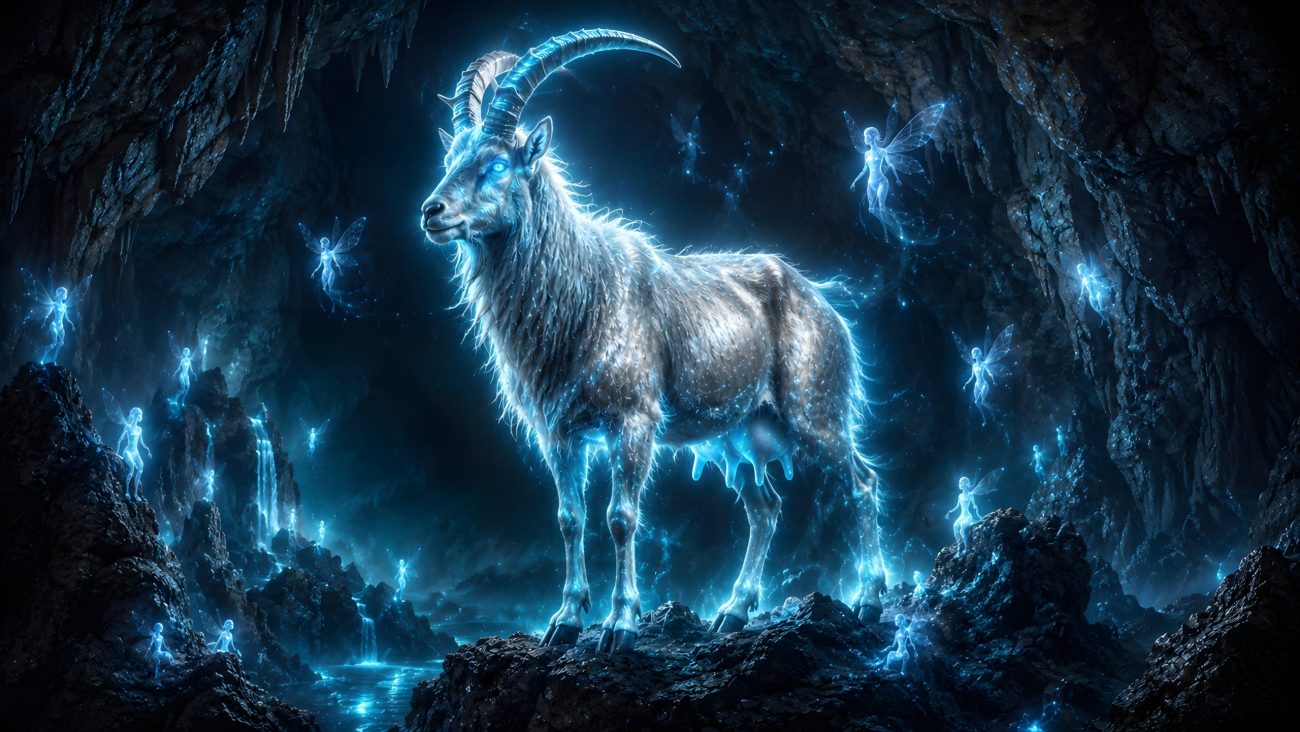
The Divokoza was a wild mountain goat or chamois deeply connected to the supernatural world of South Slavic folklore. In the high mountain regions of Montenegro, especially among the people of Kuči, it was believed that the vile — mysterious fairy women of the mountains — secretly kept and milked divokoze inside hidden caves.

According to legend, the fairies drank the milk of the divokoze and guarded the animals as part of their supernatural herds. Because of this connection, the creatures were viewed as belonging partly to the human world and partly to the hidden realm of the vile.

One famous story tells of a hunter from Kuči who was hunting divokoze in the Komovi mountains when he suddenly heard a vila calling from inside a cave. She shouted for a shepherd to bring the divokoze for milking. The shepherd replied:

“Tomica Micanov will not allow me.”

— referring to the hunter nearby.

The story revealed that the mountain fairies maintained secret herds hidden deep within isolated cliffs and caves, far from ordinary human settlements.

The divokoza became associated with dangerous mountain wilderness, rocky peaks, storms, caves, and remote alpine regions where supernatural beings were believed to dwell. Hunters who pursued the animals too aggressively risked offending the vile themselves.

Because they were considered fairy-owned creatures, killing a divokoza could bring misfortune or supernatural punishment in some traditions. The animals were therefore treated with caution and reverence by mountain communities.

Unlike many monstrous beings of Balkan folklore, however, the divokoza was not considered evil. Instead, it symbolized the untamed spirit of the mountains and the mysterious boundary between nature and the supernatural world.


Sources

Кулишић, Ш., Петровић, П. Ж., & Пантелић, Н. (1970). Српски митолошки речник. Београд: Нолит.

Zduhač

Tradition / Region: Serbian Mythology, Montenegro Mythology, Bosnian Mythology
Alternative names: Zduha, Zduvac, Stuhać, Vjedogonja, Jedogonja
Category: Spirit


The Myth

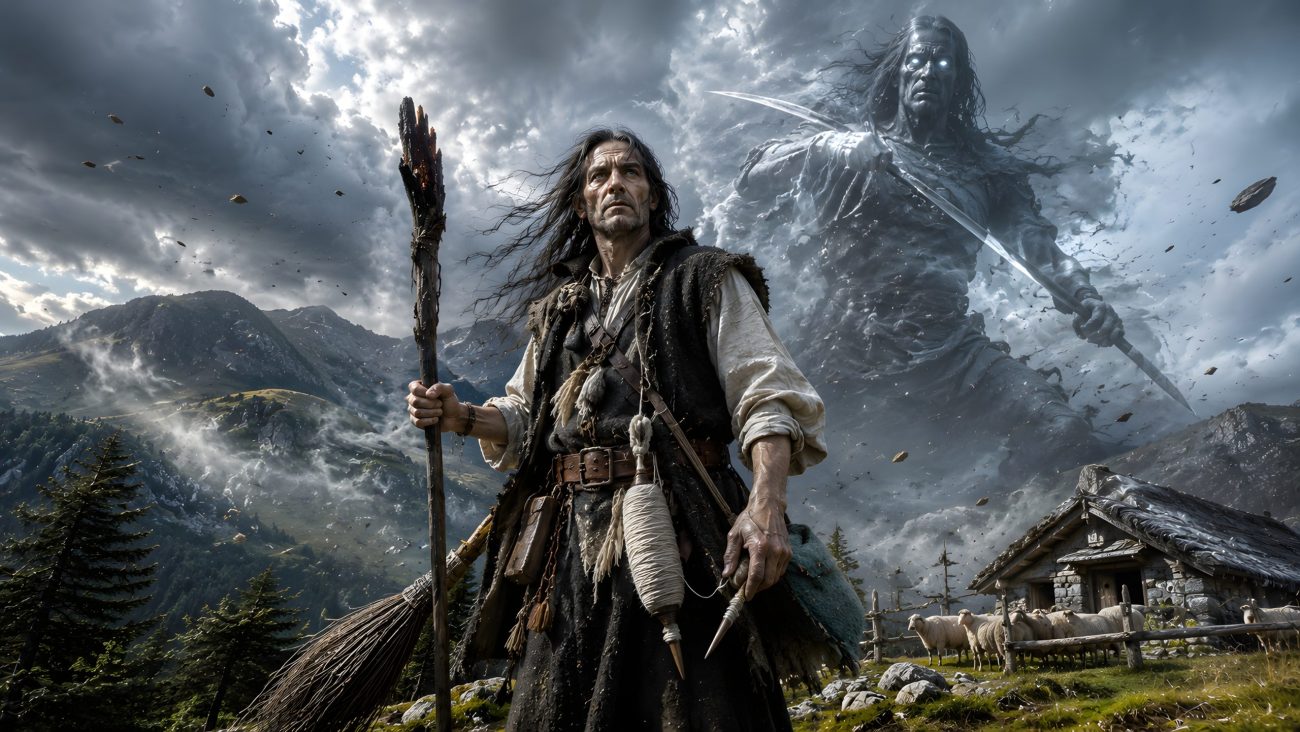
The Zduhač was a supernatural being from South Slavic folklore believed to protect its homeland from storms, hail, and destructive weather. Unlike ordinary spirits or monsters, a Zduhač was usually an ordinary human by day, but during sleep its spirit left the body and traveled through the skies to battle enemy forces.

People believed every region, tribe, or village possessed its own Zduhači who defended the land against rival Zduhači from neighboring territories. Their battles took place high in the mountains, above the clouds, or across storm-filled skies during violent winds and dark nights.

While sleeping, the spirit of the Zduhač was said to leave the body and lead winds, chase storm clouds, and fight supernatural enemies trying to bring hail and destruction. These battles explained storms, whirlwinds, thunder, and violent weather.

The Zduhači fought using bizarre magical weapons. Some wielded giant uprooted trees, enormous stones, burning branches, or sharpened sticks and spindles. Burnt wood was especially feared as a powerful weapon. They also carried symbolic farming objects such as shovels, grain brooms, and milk pails because victory in battle was believed to determine fertility, prosperity, and the success of crops and livestock.

The fighting was dangerous even for the Zduhači themselves. A spirit wounded during battle would return to its sleeping body weakened, sick, or dying. Sudden unexplained deaths were sometimes believed to happen because a Zduhač had been killed in one of these supernatural wars.

A person destined to become a Zduhač was often believed to be born under unusual signs, especially inside a caul or “shirt” covering the body at birth. This birth-cloth was considered magical and had to be carefully hidden and preserved throughout life because the Zduhač supposedly used it during spiritual battles.

Zduhači were usually men, though women, children, and even animals could possess the same power. Certain dogs, oxen, goats, horses, and rams were believed capable of fighting as Zduhači to protect their herds.

In everyday life, a Zduhač looked mostly normal, though folklore described them as quiet, thoughtful, serious people who slept unusually deeply and were difficult to awaken. They were also considered lucky individuals who brought protection and prosperity to their household and community.

Some traditions described the Zduhač not only as a spirit-warrior but also as a strange mountain being similar to a vampire or wandering supernatural creature. In darker beliefs, a Zduhač who turned toward evil or served demonic powers could become a vampire after death.

Unlike many creatures in Slavic folklore, however, the Zduhač was generally viewed as a protective figure — a supernatural defender who fought for the safety of its people, land, crops, and animals against destructive forces carried by storms and enemy spirits.


Sources

Кулишић, Ш., Петровић, П. Ж., & Пантелић, Н. (1970). Српски митолошки речник. Београд: Нолит.

Psoglav

Tradition / Region: Bosnian Mythology, Montenegrin Mythology
Alternate Names: Psoglavac, Psoglavec
Category: Dog, Demon


The Myth

The Psoglav was a terrifying being spoken of in Balkan tales, especially in regions of Bosnia, Montenegro, and the Istrian lands.

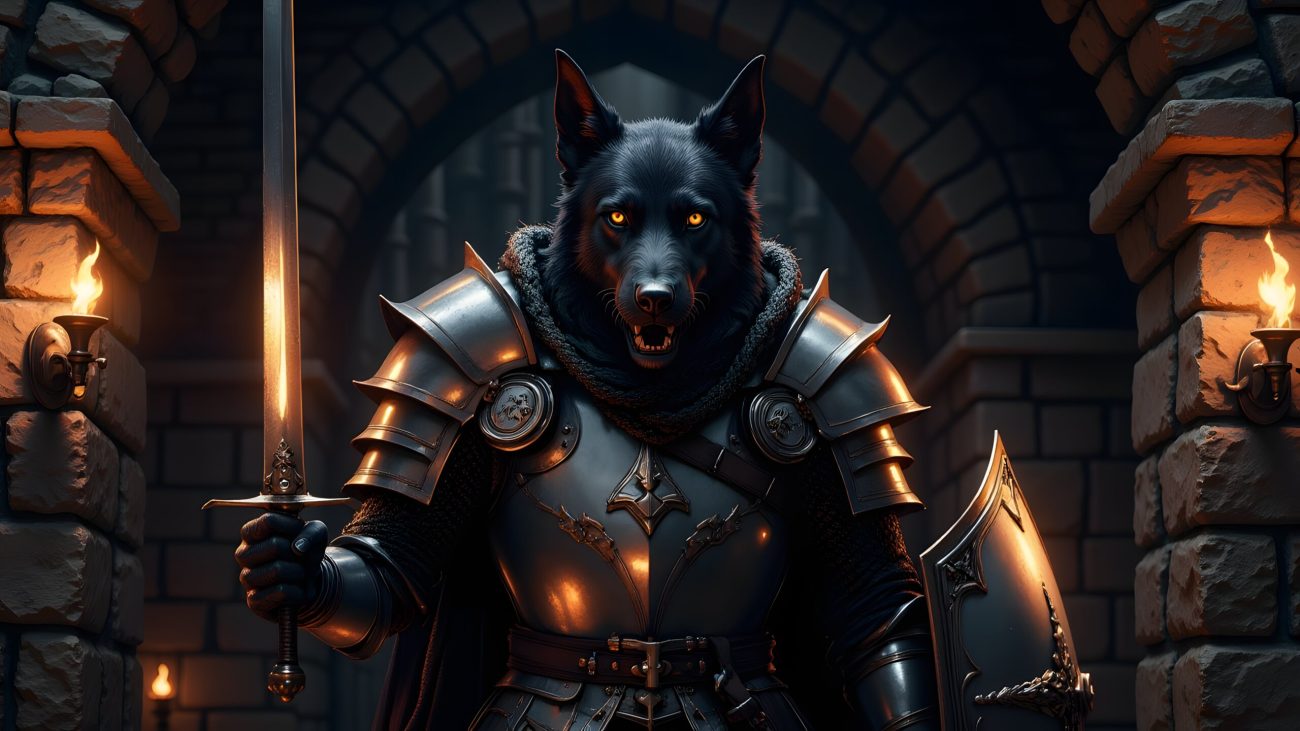
It was described as a monstrous creature with the body of a man but the legs of a horse. Its head was that of a dog, armed with iron teeth, and in the middle of its forehead it bore a single eye. The creature’s appearance marked it as something unnatural, neither beast nor human but a thing of dread.

Psoglavs were said to dwell in caves or in a distant dark land where the sun never shone. That place was believed to be filled with precious stones, yet empty of warmth and light, a realm suited to such creatures.

They were feared for their hunger. Stories claimed they devoured human flesh, attacking travelers and villagers, and even dug up graves to feed on the dead. Because of this, their name became associated with horror and the threat of being taken into the darkness.

Thus the Psoglav was remembered as a dog-headed demon of the shadowed lands — a cave-dwelling devourer with iron jaws and a single eye, feared wherever its legends were told.


Sources

Wikipedia contributors. (n.d.). Psoglav. In Wikipedia, from https://en.wikipedia.org/wiki/Psoglav