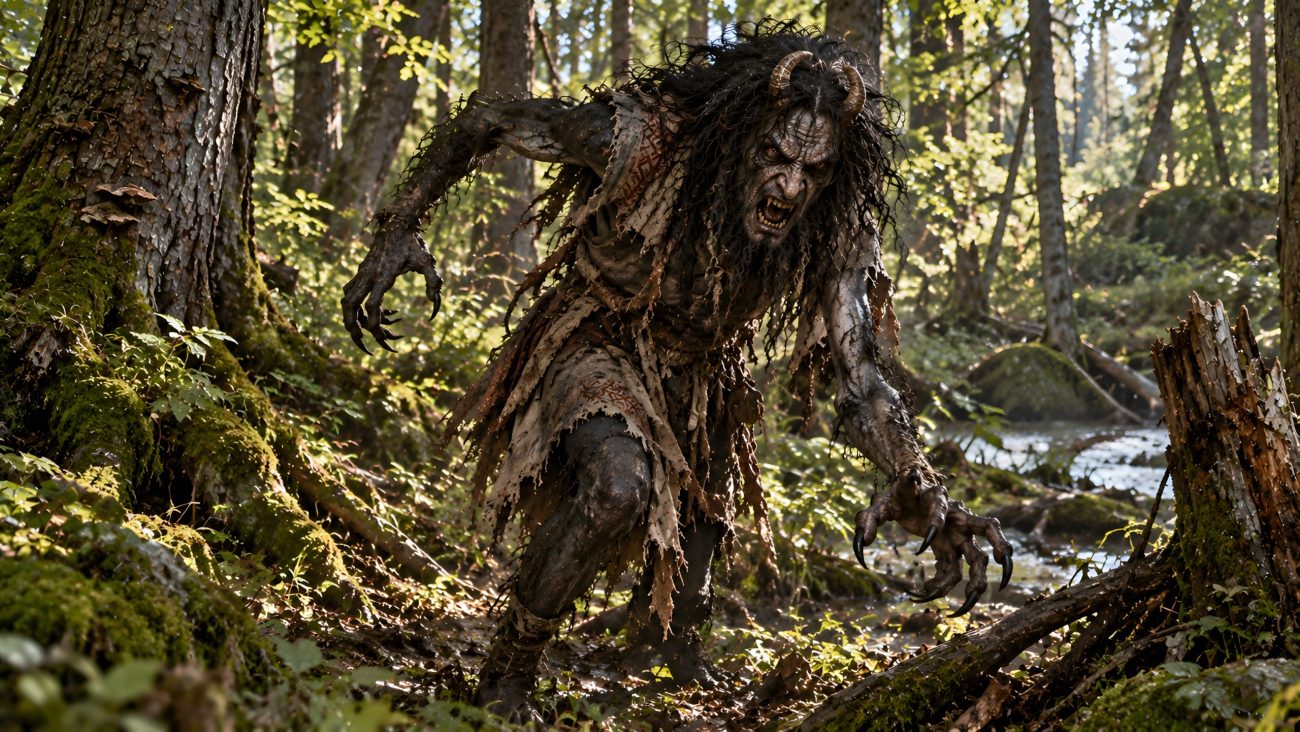
Bies

Tradition: Bosnian mythology, Croatian Mythology, Russian Mythology, Ukranian Mythology, Polish Mythology
Alternative Names: Bies, Bes, Bijes, Bisy, Chort, Czort
Category: Demon


The Myth

Bies is an evil spirit or demon in Slavic mythology. The word bies is associated with an evil supernatural being and, following the Christianization of Slavic peoples, became closely identified with the Devil and with the demon known as Chort or Czort.

In Christian-influenced tradition, Bies came to represent the Devil or other demonic beings. The plural biesy was used in Russian translations of the New Testament for the devils that possessed the swine in the Gospel of Mark. Related Slavic words also developed meanings associated with madness and uncontrolled behavior. In Slovenian, Croatian, and Serbian, the related forms bes and bijes mean “rage” or “fury.”

A separate being called bès is found among the Jah Hut people of Malaysia. These bès are dangerous spirits inhabiting the jungle. They can attack people and cause illness through spirit possession.

The Jah Hut can attempt to tame and contain a bès by carving a small wooden figure called a sepili, representing the particular spirit causing trouble. If the spirit approves of the figure, it may enter it, allowing the people to trap the spirit inside through a special ritual. The sepili must then be taken far away from the village because the bès may become angry when it eventually escapes. Traditionally, the figures were buried deep in the jungle.


Sources

“Bies.” Wikipedia: The Free Encyclopedia. Wikimedia Foundation. Accessed September 10, 2026. https://en.wikipedia.org/wiki/Bies

Stuhać

Tradition: Serbian mythology, Bosnian Mythology
Alternative Names: Stuhać
Category: Demon


The Myth

Stuhać is a demonic creature that lives in high mountains and barren, desolate areas. Its appearance is not described, but it is known for wearing clutters made from human ligaments around its legs.

The ligament clutters allow Stuhać to keep its footing while moving across dangerous mountain precipices. If one of these clutters breaks, Stuhać pulls ligaments from someone’s legs and uses them to make a new one.


Sources

“Stuhać.” Wikipedia: The Free Encyclopedia. Wikimedia Foundation. Accessed September 9, 2026. https://en.wikipedia.org/wiki/Stuha%C4%87


Psoglav

Tradition / Region: Bosnian Mythology, Montenegrin Mythology
Alternate Names: Psoglavac, Psoglavec
Category: Dog, Demon


The Myth

The Psoglav was a terrifying being spoken of in Balkan tales, especially in regions of Bosnia, Montenegro, and the Istrian lands.

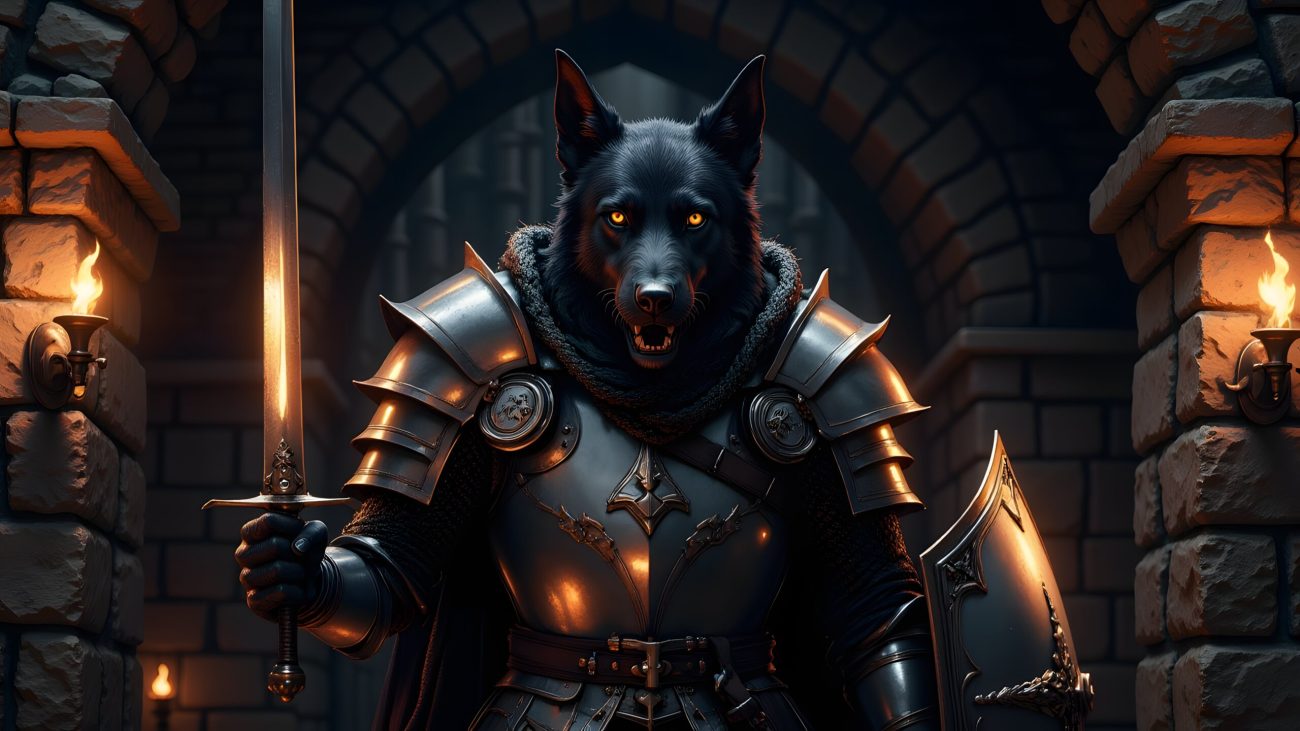
It was described as a monstrous creature with the body of a man but the legs of a horse. Its head was that of a dog, armed with iron teeth, and in the middle of its forehead it bore a single eye. The creature’s appearance marked it as something unnatural, neither beast nor human but a thing of dread.

Psoglavs were said to dwell in caves or in a distant dark land where the sun never shone. That place was believed to be filled with precious stones, yet empty of warmth and light, a realm suited to such creatures.

They were feared for their hunger. Stories claimed they devoured human flesh, attacking travelers and villagers, and even dug up graves to feed on the dead. Because of this, their name became associated with horror and the threat of being taken into the darkness.

Thus the Psoglav was remembered as a dog-headed demon of the shadowed lands — a cave-dwelling devourer with iron jaws and a single eye, feared wherever its legends were told.


Sources

Wikipedia contributors. (n.d.). Psoglav. In Wikipedia, from https://en.wikipedia.org/wiki/Psoglav