Żyrownik

Tradition: Polish Mythology
Alternative Names: Żyrownik, Zhyrownik
Category: Demon


The Myth

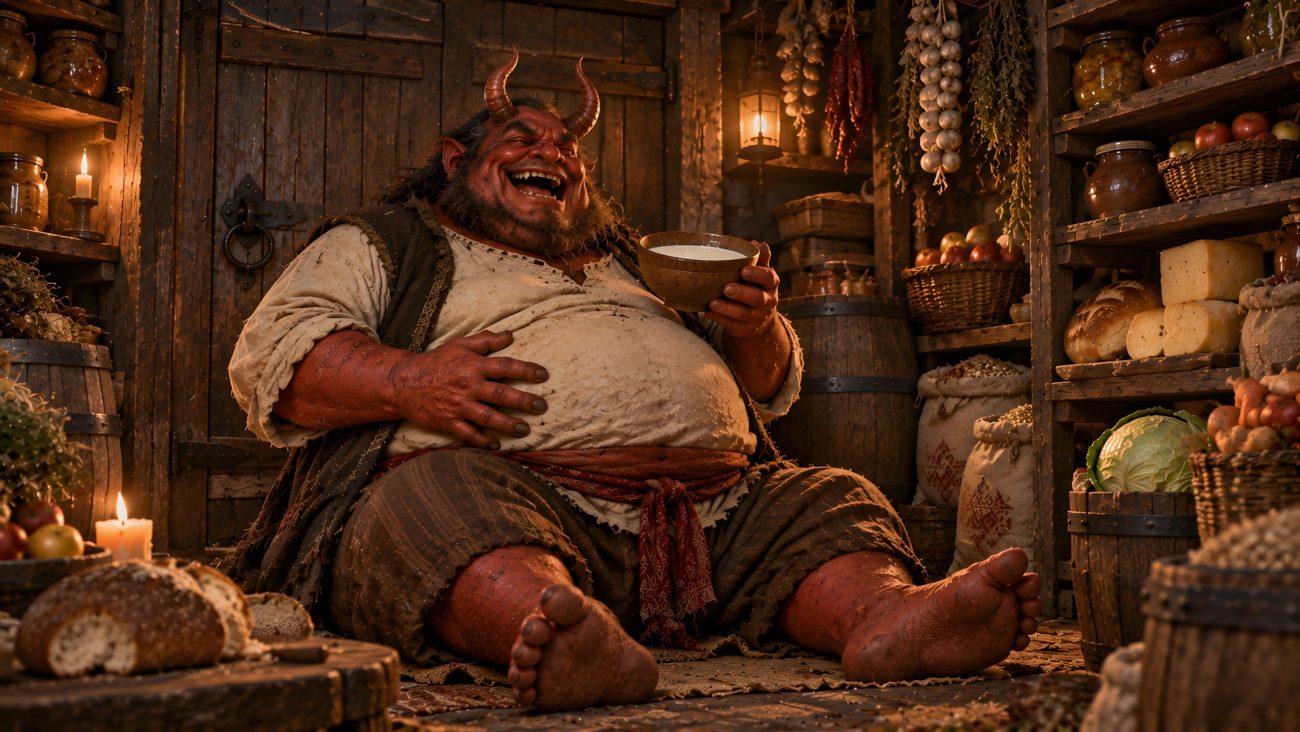
Żyrownik is a fat, obese demon that lives in household pantries and chambers.

When properly treated and fed, usually with fresh cow’s milk, Żyrownik helps increase the household’s supply of food and protects the home from evil spirits. Once a year, the household holds a symbolic feast for him as thanks for his protection.

If the household neglects or mistreats Żyrownik, he does not take revenge. Instead, hunger leaves him too weak to protect the house. Hostile demons, including the devil, can then enter the household.


Sources

“Żyrownik.” Wikipedia, wolna encyklopedia (Polish Wikipedia). Wikimedia Foundation. Accessed September 12, 2026. https://pl.wikipedia.org/wiki/%C5%BByrownik


Bobak

Tradition: Polish Mythology
Alternative Names: Bobak, Bobaki
Category: Demon


The Myth

Bobak is a demonic creature found in several forms in Slavic folklore. In some traditions, it is a bogeyman of unspecified appearance, while in others it can take the form of a white dog or a cat.

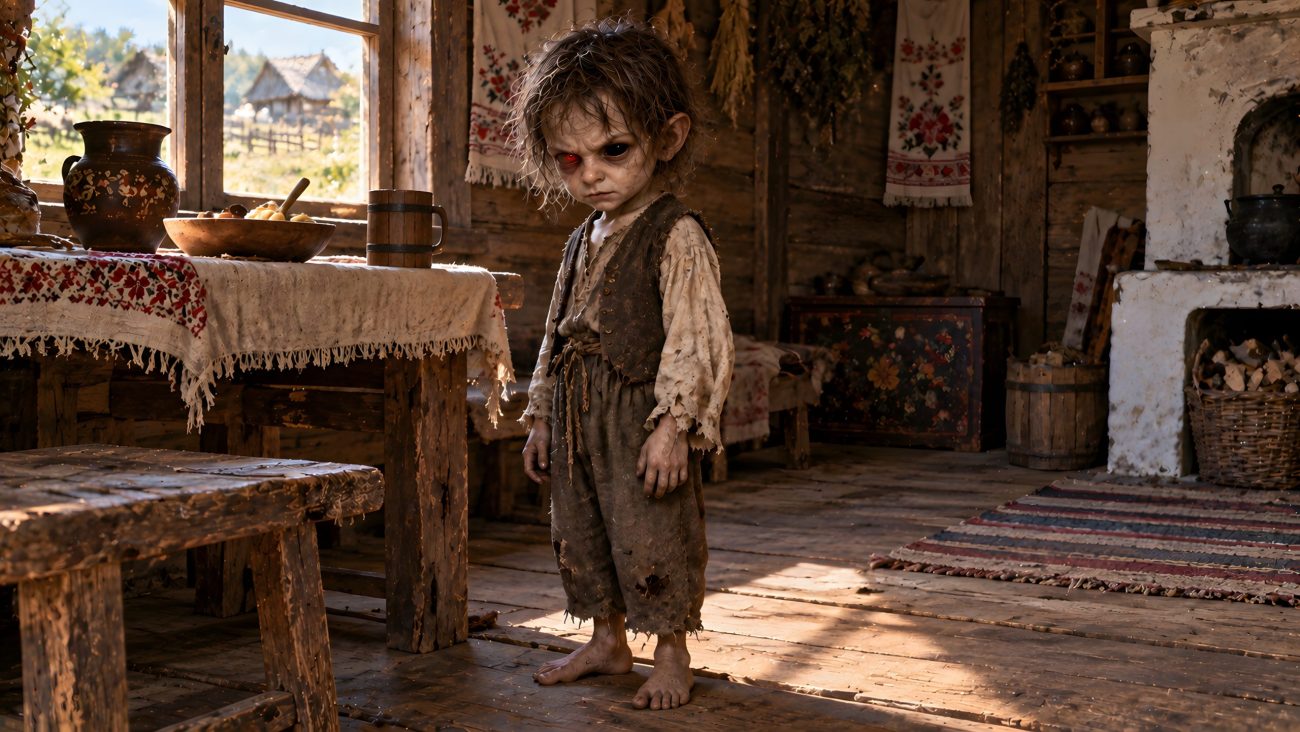
In southeastern Łódź, Bobak was associated with the odmieniec, a demonic changeling believed to be a human child replaced by the demoness Boginka-Mamuna. Unlike an ordinary child, the demonic child was quiet, barely moved, and showed no appetite while other members of the household were present.

When left alone in the house, however, the Bobak became voracious and was also fond of alcohol. If the demonic child survived into adulthood, it was said to become disabled and distrustful of people, although this was uncommon because Bobaks generally died during infancy.

In the Wieluń region, Bobaks were instead described as mischievous dwarves. In the region of Kutno, they were believed to be small devils or demonic children.


Sources

“Bobak (Slavic demon).” Wikipedia: The Free Encyclopedia. Wikimedia Foundation. Accessed September 10, 2026. https://en.wikipedia.org/wiki/Bobak_(Slavic_demon)


Błędnica

Tradition: Polish Mythology
Alternative Names: Błędnica
Category: Demon


The Myth

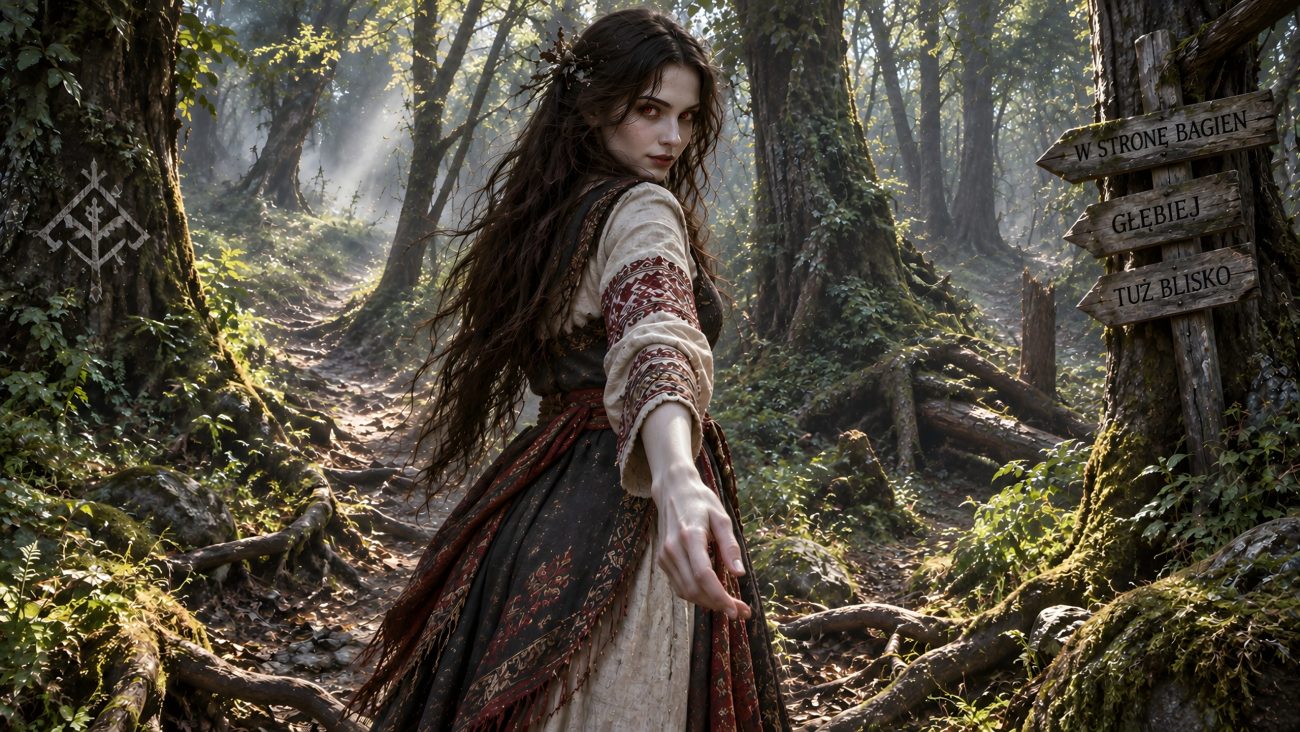
Błędnica is a forest demoness who appears most often as a young and beautiful girl. She inhabits the forest and leads people astray, causing them to become lost deep among the trees.

Those who fall under Błędnica’s influence are led farther and farther into the forest until they are completely lost. The demoness then abandons them in the wilderness, where they may eventually die from starvation or be eaten by wild animals.

Błędnica could be driven away through powerful spells or by making a sacrifice. Such offerings could be made at home or during a hunt in an attempt to protect people from the demoness.


Sources

“Błędnica (Slavic demoness).” Wikipedia: The Free Encyclopedia. Wikimedia Foundation. Accessed September 10, 2026. https://en.wikipedia.org/wiki/B%C5%82%C4%99dnica_(Slavic_demoness)


Bies

Tradition: Bosnian mythology, Croatian Mythology, Russian Mythology, Ukranian Mythology, Polish Mythology
Alternative Names: Bies, Bes, Bijes, Bisy, Chort, Czort
Category: Demon


The Myth

Bies is an evil spirit or demon in Slavic mythology. The word bies is associated with an evil supernatural being and, following the Christianization of Slavic peoples, became closely identified with the Devil and with the demon known as Chort or Czort.

In Christian-influenced tradition, Bies came to represent the Devil or other demonic beings. The plural biesy was used in Russian translations of the New Testament for the devils that possessed the swine in the Gospel of Mark. Related Slavic words also developed meanings associated with madness and uncontrolled behavior. In Slovenian, Croatian, and Serbian, the related forms bes and bijes mean “rage” or “fury.”

A separate being called bès is found among the Jah Hut people of Malaysia. These bès are dangerous spirits inhabiting the jungle. They can attack people and cause illness through spirit possession.

The Jah Hut can attempt to tame and contain a bès by carving a small wooden figure called a sepili, representing the particular spirit causing trouble. If the spirit approves of the figure, it may enter it, allowing the people to trap the spirit inside through a special ritual. The sepili must then be taken far away from the village because the bès may become angry when it eventually escapes. Traditionally, the figures were buried deep in the jungle.


Sources

“Bies.” Wikipedia: The Free Encyclopedia. Wikimedia Foundation. Accessed September 10, 2026. https://en.wikipedia.org/wiki/Bies


Bieda

Tradition: Polish Mythology
Alternative Names: Bieda
Category: Demon


The Myth

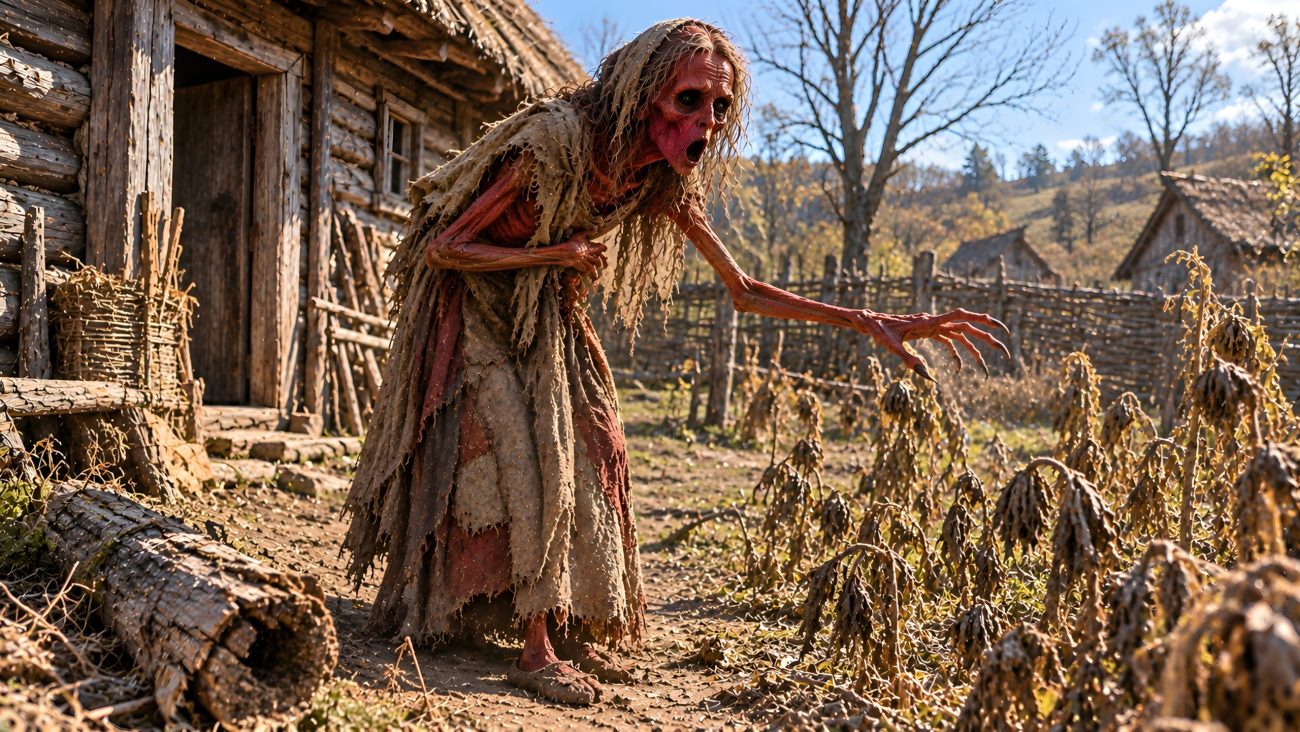
Bieda is an immortal demon who brings poverty, hardship, worries, and misfortune upon people. She appears as a thin, emaciated woman who drains the vital strength from those she afflicts.

Bieda can also enter and become an ordinary object, such as a piece of wood. Once misfortune has taken this form, the best way to get rid of it is to pass the object on to an enemy.


Sources

“Bieda (demon).” Wikipedia, wolna encyklopedia (Polish Wikipedia). Wikimedia Foundation. Accessed September 9, 2026. https://pl.wikipedia.org/wiki/Bieda_(demon)


Rokita

Tradition: Polish Mythology
Alternative Names: Rokita
Category: Demon


The Myth

Rokita is a demon said to inhabit the gateways to the underworld.

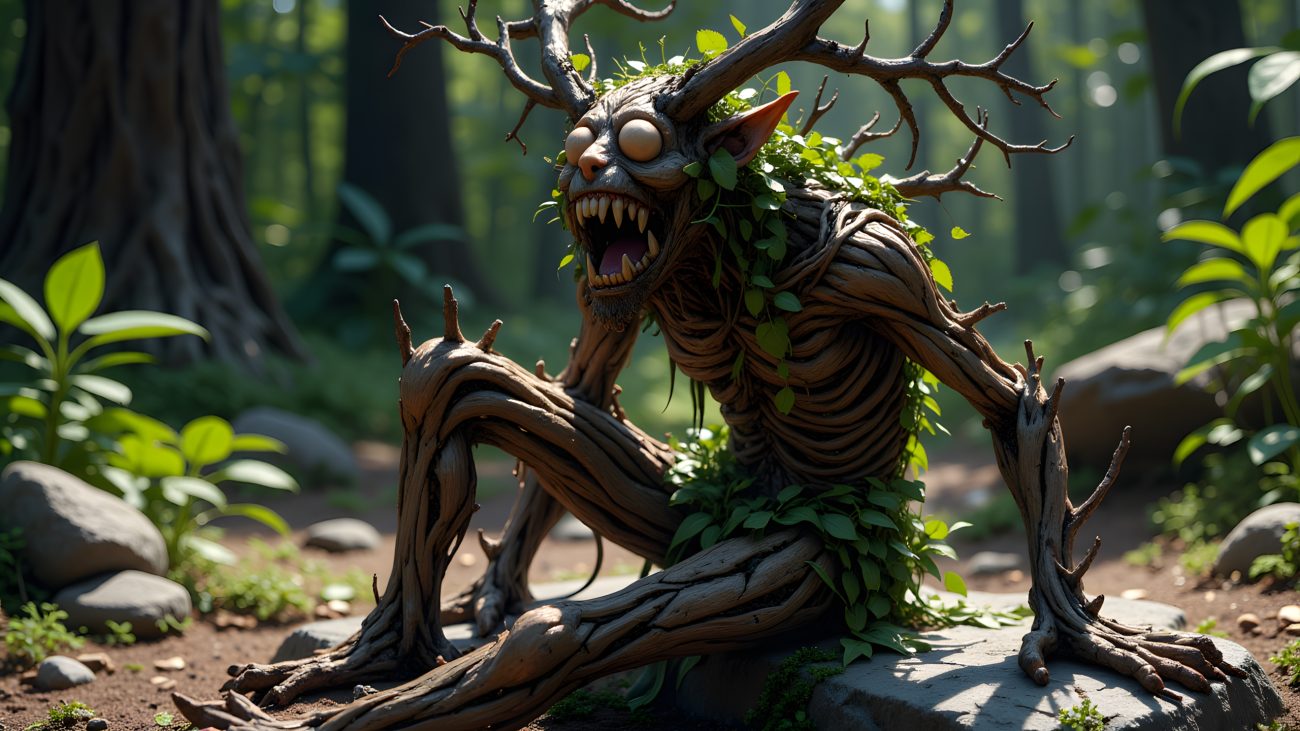
He is associated with wild and isolated places, particularly wetlands and forests. Rokita is also said to dwell inside old willow trees, making these trees another place where the demon may be encountered.

His domains therefore lie between the human world and the underworld: the wetlands, forests, and ancient willows that conceal the entrances to the realm of the dead.


Sources

“Rokita (folklore).” Wikipedia: The Free Encyclopedia. Wikimedia Foundation. Accessed September 9, 2026. https://en.wikipedia.org/wiki/Rokita_(folklore)


Poroniec

Tradition: Polish Mythology
Alternative Names: Poroniec
Category: Demon


The Myth

Poroniec is a malicious and hostile demon believed to arise from the soul of a miscarried child or aborted fetus. The same fate could befall a child who was stillborn, died, or was killed by its mother shortly after birth and was not buried according to traditional customs.

Poroniec was considered an especially powerful demon because it possessed the potential of a life that had never been fulfilled.

Beliefs about Poroniec were connected with numerous taboos surrounding pregnant women, mothers, and newborn children. Pregnant women were forbidden from looking into wells or drawing water from them. Women with newborns were forbidden from leaving the house with the child, particularly going out into the fields, and sexual intercourse was also prohibited.

Newborn children were subjected to protective magical practices. One such practice involved wiping the baby with a bunch of straw. The mother was traditionally kept inside for the first six weeks after childbirth. Only after this period was she taken outside, while the child was considered fully human and given a name.

There was also a belief that a miscarried child buried beneath the threshold of a house as a foundation offering could instead become a favorable Kłobuk. In this way, it would not become a Poroniec.


Sources

“Poroniec (demon).” Wikipedia, wolna encyklopedia (Polish Wikipedia). Wikimedia Foundation. Accessed September 9, 2026. https://pl.wikipedia.org/wiki/Poroniec_(demon)


Habernitsa

Tradition: Russian Mythology, Polish Mythology
Alternative Names: Chabernica, Habernitsa, Cornflower Wraith, Lady Cornflower, Cornflower Witch
Category: Demon


The Myth

Habernitsa is a noon demon who appears as a young, slender woman dressed in azure, with cornflowers woven into her hair. She wanders along the boundaries of fields at midday.

She becomes angry with people who trample the grain or work with sharp tools in the fields at noon. Those she considers deserving of punishment are put to sleep by her whisper.

Once they have fallen asleep, Habernitsa causes them terrible pain and injuries. She can inflict headaches, paralysis, and severe pain in the lower back. In some cases, she attacks more violently, breaking the victim’s arms, legs, or neck.

To avoid Habernitsa’s wrath, field workers must stop working and take a break at midday, at the time of the Angelus.


Sources

“Cornflower Wraith (Habernitsa).” Wikipedia: The Free Encyclopedia. Wikimedia Foundation. Accessed September 9, 2026. https://en.wikipedia.org/wiki/Cornflower_Wraith


Devil Boruta

Tradition / Region: Polish mythology
Alternate Names: Boruta, Błotnik, Borowiec
Category: Demon, Swamp dweller, Shapeshifter


The Myth

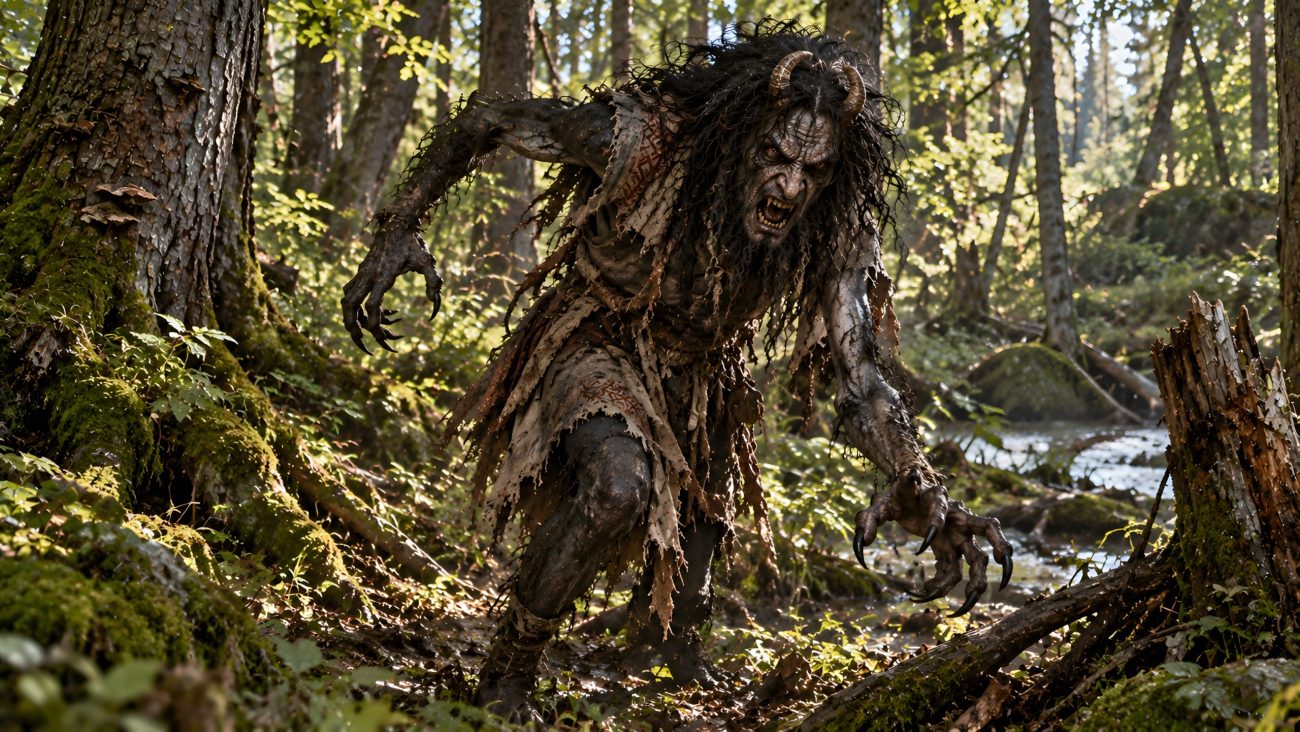
In the forests, swamps, and muddy roads of Poland, people long spoke of Devil Boruta, a spirit who delighted in confusing travelers and leading them astray at night. When carts became stuck in the mud or paths vanished in the dark, it was Boruta who was blamed—lurking unseen, laughing as people wandered in circles through marsh and woodland.

Boruta was not always imagined as a horned demon. In older folk belief, he was closer note a wild forest spirit, a remnant of pre-Christian beings who ruled untamed places. After Christianization, this spirit was reshaped into a devil, though he retained his connection to bogs, dams, forests, and muddy crossings. He could appear suddenly as a black dog, slip through reeds as a shadow, or remain unseen while his presence was felt through fear and confusion.

Later stories—especially those popularized in books—portrayed Boruta as a devil dressed like a nobleman, tempting the upper classes with pride, corruption, and excess. Yet among common folk, Boruta was far less refined. He was a błotnik, a swamp devil, called upon when wagons sank into mud or when travelers lost their way. Peasants did not fear him as a tempter of souls so much as a malicious spirit of difficult terrain, a force of nature that punished arrogance and carelessness.

Boruta did not rule hell, nor did he demand worship. He belonged to the borderlands—between forest and field, road and swamp, safety and danger. To meet him was not always fatal, but it was humiliating, exhausting, and frightening. Those who mocked him or wandered carelessly risked being lost until dawn.

In this way, Devil Boruta stands as a shadow of older pagan spirits: no grand lord of evil, but a sly, muddy trickster who reminds humans that the wild places do not belong to them.


Sources

Wikipedia contributors. (n.d.). Devil Boruta. In Wikipedia, The Free Encyclopedia, from https://en.wikipedia.org/wiki/Devil_Boruta
Mężyk

Tradition / Region: Polish mythology
Alternate Names: Mały mąż, mały człowiek, mały mężczyzna
Category: Demon, Gnome


The Myth

In the old beliefs of the Pomeranian people, Mężyk was a feared male demon who preyed upon the most vulnerable moments of human life. He was especially dangerous to women who had just given birth and to their newborn children, striking during the fragile time of childbirth and early infancy.

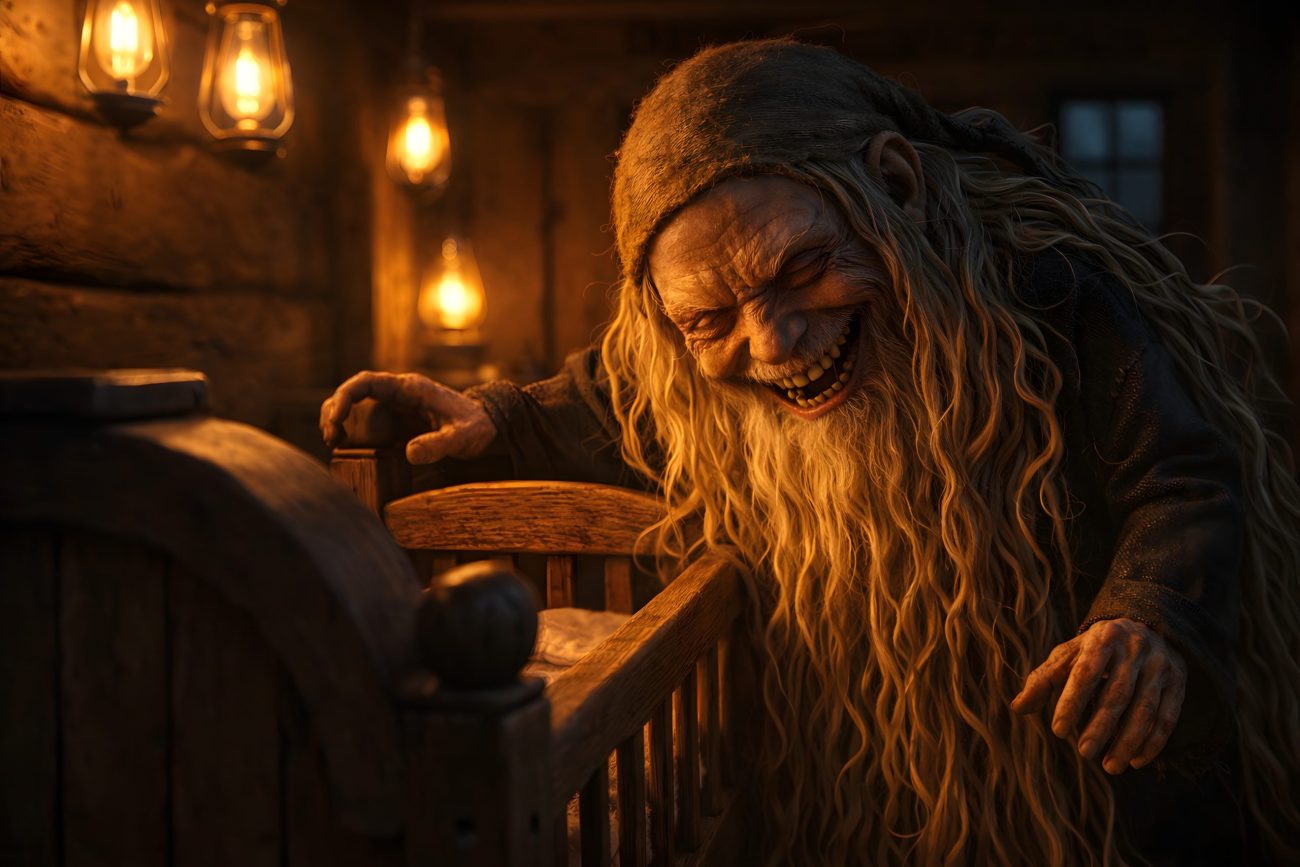
Mężyk was described as a small, male figure with a beard so long it reached all the way to the ground. He moved unseen through homes at night, slipping close to cradles. When his moment came, he would seize a child from its crib and hurl it onto the bench near the hearth. If no one intervened in time, he would steal the infant away completely, carrying it down into the underground world from which he came. Some believed the stolen children were never returned, replaced instead with sickly or unnatural beings.

He was considered the male counterpart to dangerous female spirits such as the dziwożony, mamuny, sybiele, and boginki—beings likewise blamed for the disappearance or exchange of infants. Together, these spirits embodied the deep anxieties surrounding childbirth, infant mortality, and unseen forces lurking at the edge of the household.

To protect against Mężyk, families relied on simple but powerful defenses. Iron or steel objects were placed in the cradle—knives, nails, or other metal items—believed to repel the demon and prevent him from approaching the child. Through such measures, people sought to guard newborns from the bearded thief who waited in the shadows, ready to snatch life away before it had fully begun.


Sources

Wikipedia contributors. (n.d.). Mężyk (demon). In Wikipedia, The Free Encyclopedia (Polish), from https://pl.wikipedia.org/wiki/M%C4%99%C5%BCyk_(demon)