Tündér

Tradition / Region: Hungarian Folklore
Alternate Names:
Category: Fairy


The Myth

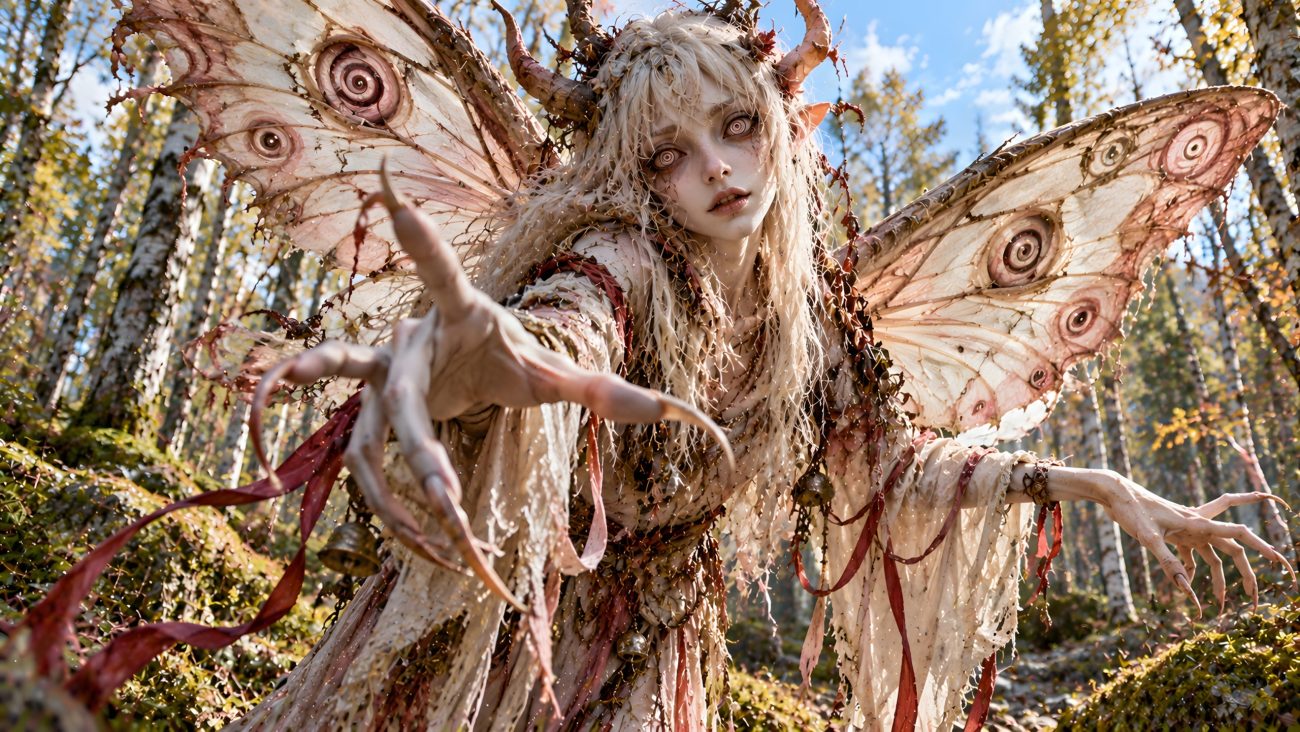
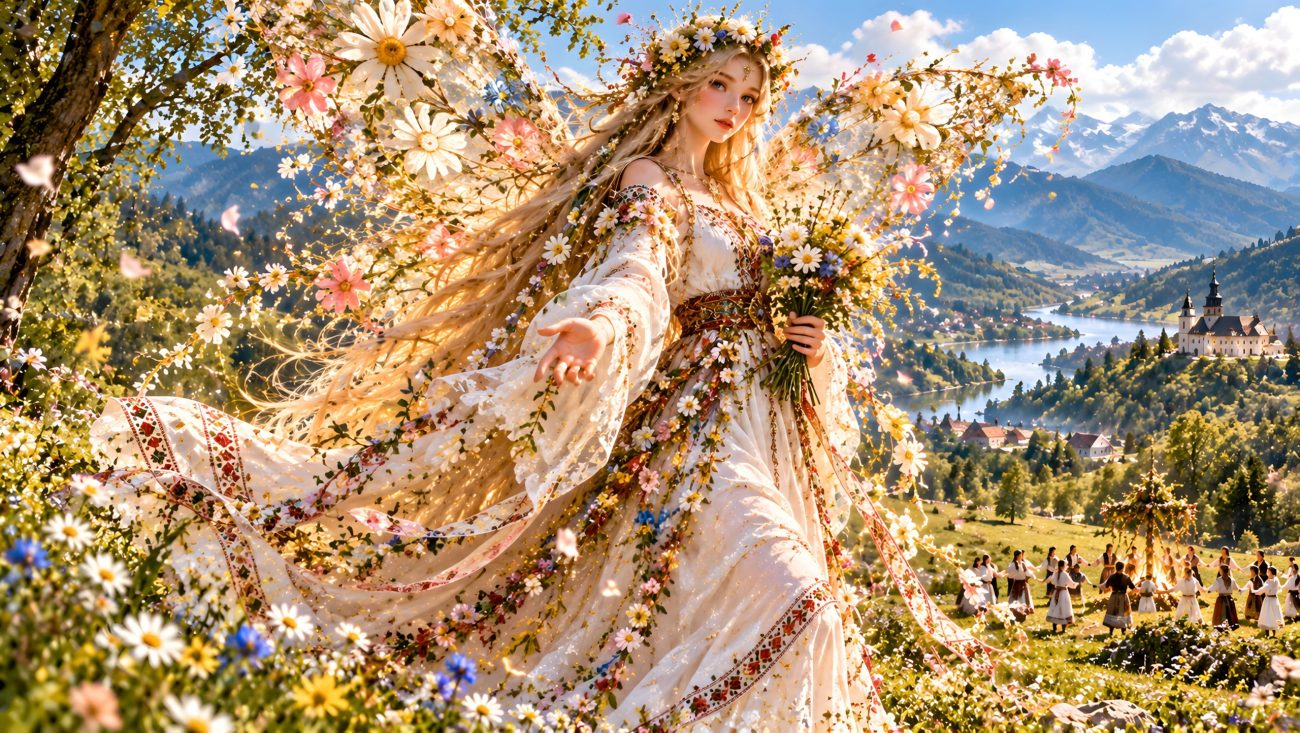
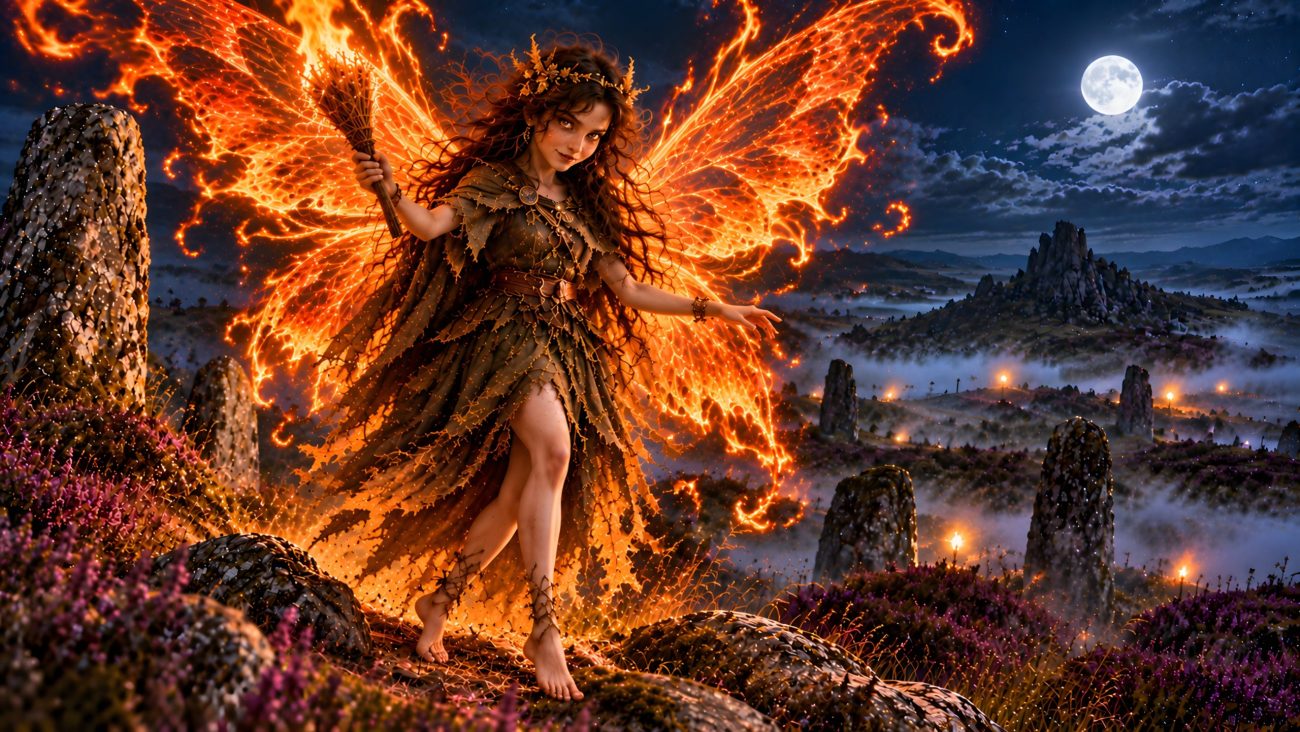
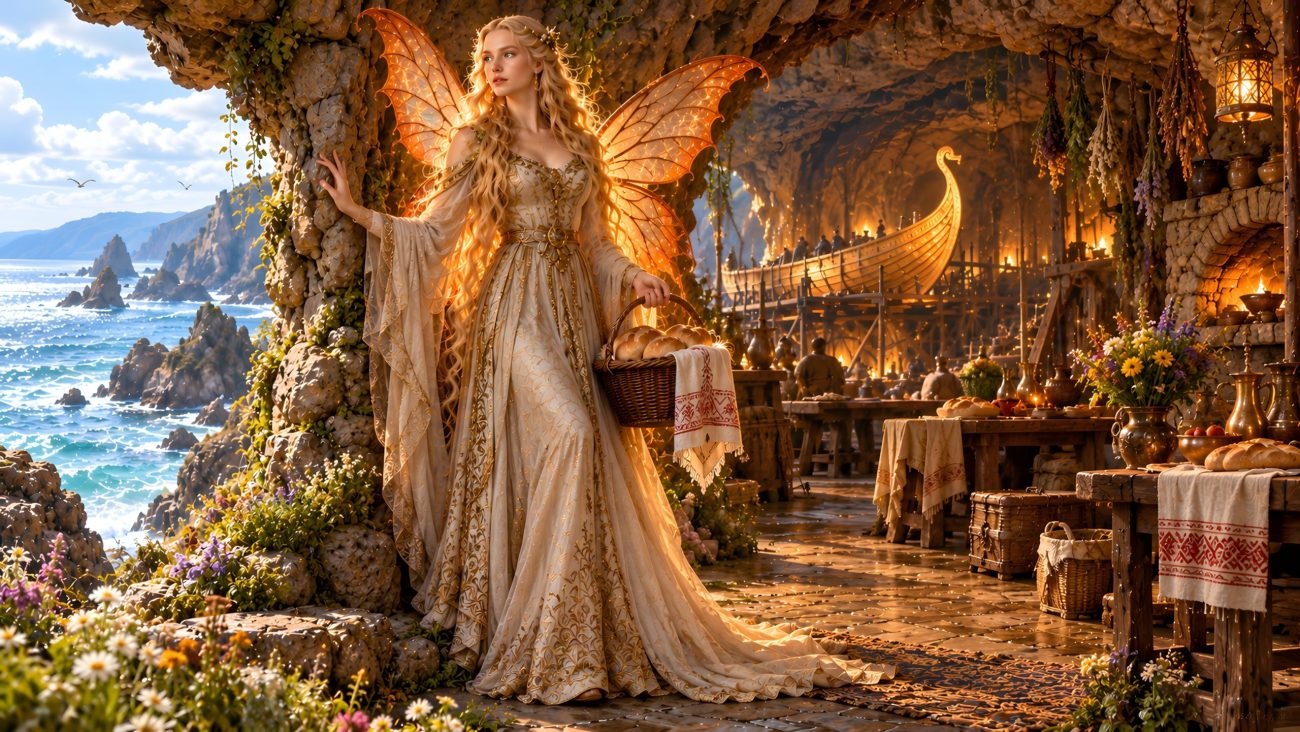
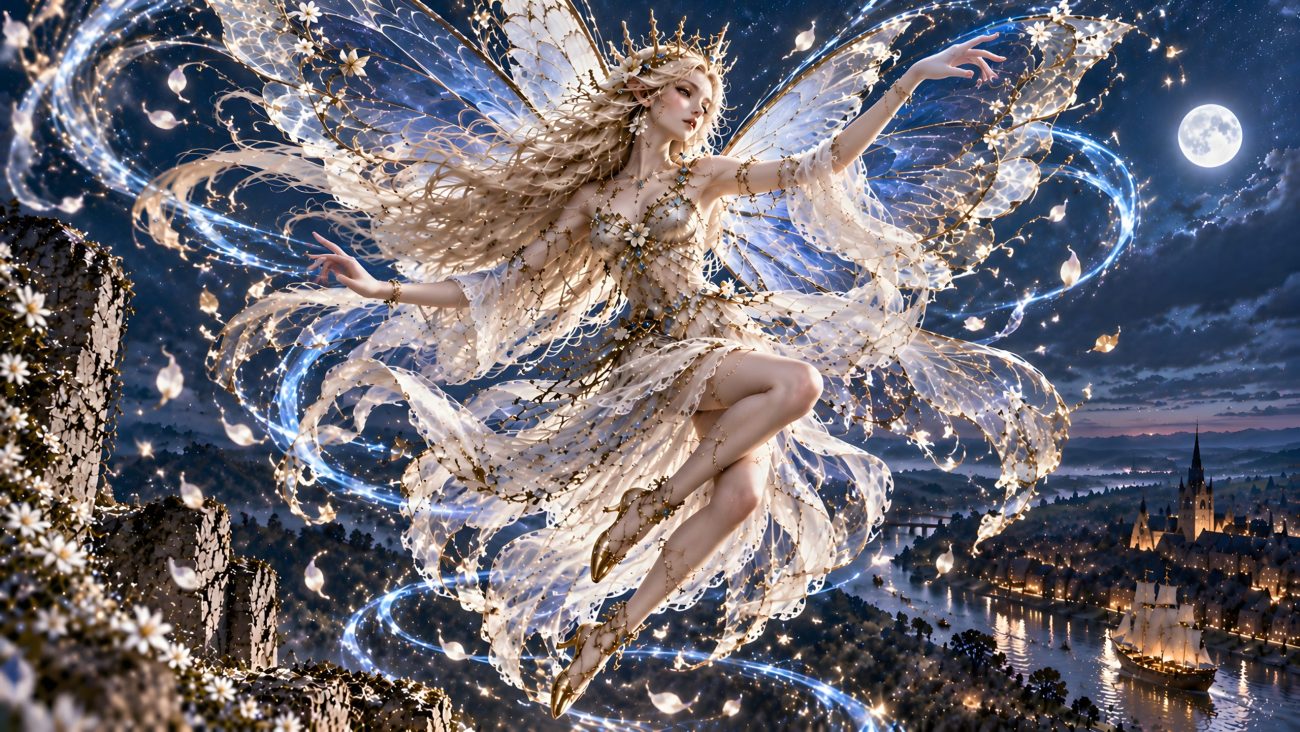
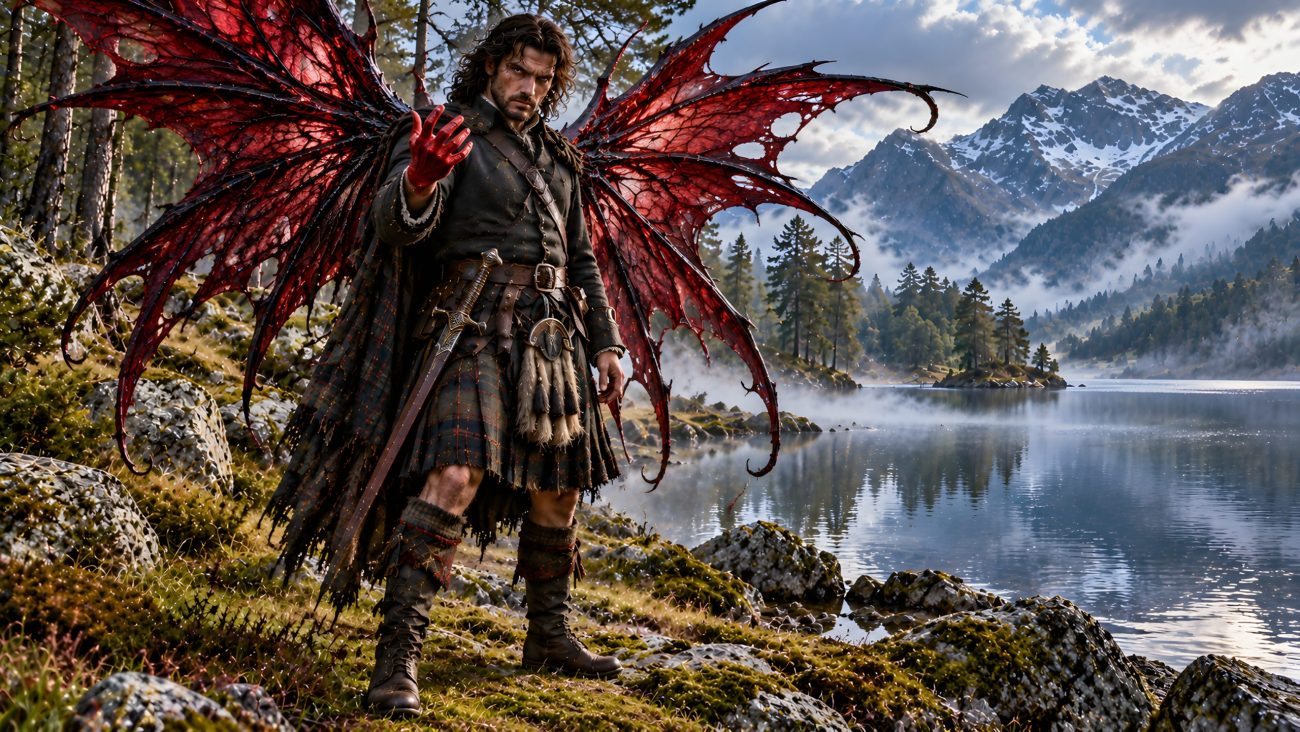
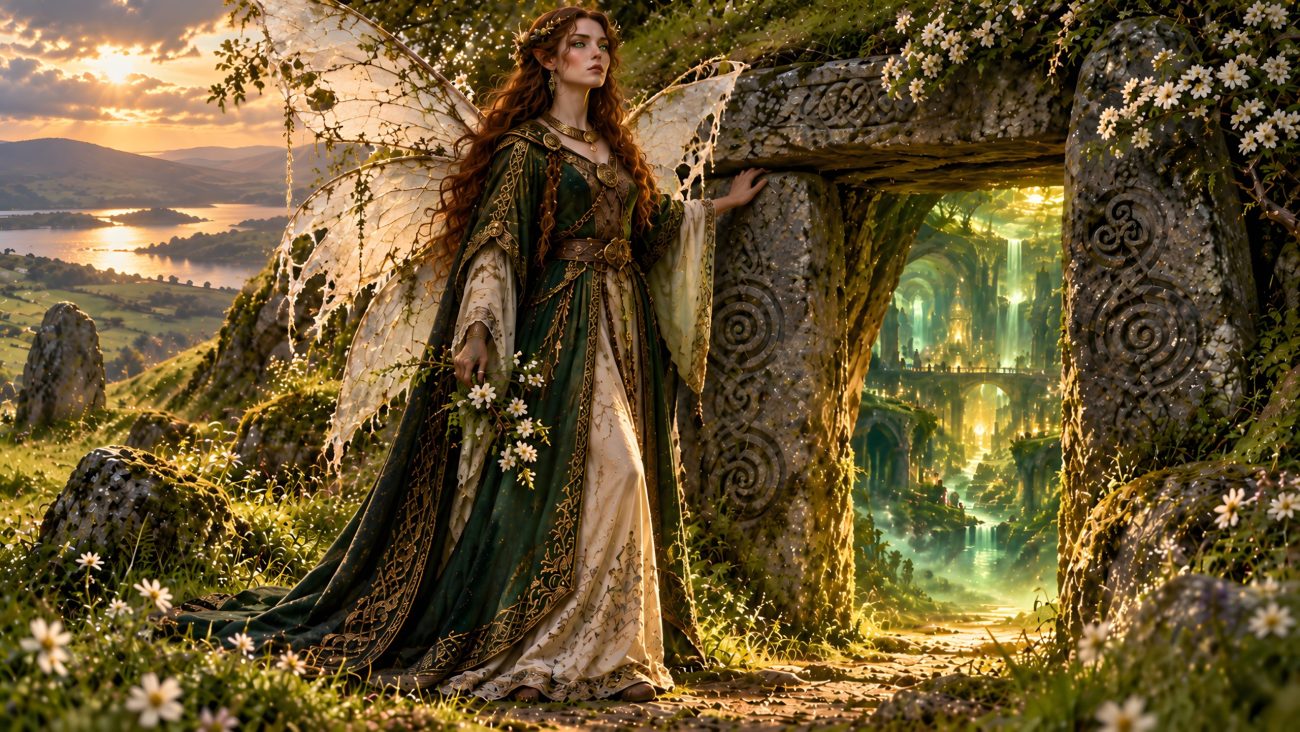
The tündér is a supernatural being in Hungarian folklore, often appearing as a beautiful woman with magical abilities, including granting wishes.

A poor couple lived together and loved each other, but they were very poor and sometimes argued because of it. One evening, the husband returned home and told his wife that on the road he had encountered a beautiful woman sitting in a golden carriage pulled by black dogs. The carriage had been stuck in the mud, and he helped her out. The woman then revealed that she was a tündér and promised to grant three wishes to his wife.

At home, the husband told his wife to try wishing for something. She wished for a sausage, and immediately a large sausage appeared in a pot from the chimney. They were happy and began planning how to use the remaining wishes wisely. While preparing to eat, the husband accidentally knocked the pot into the fire. The wife, upset, wished that the sausage would grow onto her husband’s nose. At once, the sausage appeared hanging from his nose.

They argued about what to do. The husband did not want to cut it off, and after a long dispute, they used their final wish to return the sausage to the pot. With this, all three wishes were gone, and they remained as poor as before.

They ate the sausage and realized that their arguing had caused them to waste the wishes. After that, they decided to live in peace and stopped quarreling. Over time, through work and thrift, they improved their lives.


Sources

László, B. (ed.). (1982). Hungarian Folktale Catalog 3: Types of Hungarian legendary tales (AaTh 750–849). In Budapest: MTA Ethnographic Research Group.


Vila of Butkove Stijene

Tradition / Region: Bosnian Mythology
Alternate Names: Butkove Vila
Category: Fairy


The Myth

The Vila of Butkove Stijene is a mountain and river spirit connected to the cliffs above the Drina, near Višegrad. Like other Balkan vile, she is a powerful and dangerous supernatural being tied to wild nature, especially water and rocky heights.

During the construction of the bridge on the Drina, commissioned by Sokollu Mehmed Pasha, the master builder Mitre encountered her while testing whether the river could be crossed. As his horse reached the middle of the river, it suddenly froze, unable to move forward.

At that moment, the vila appeared and tried to drown both Mitre and his horse. However, the horse broke free and leapt back onto dry land, carrying the vila with it. Mitre drew his sword to kill her, but she stopped him by invoking a sacred bond, calling him her brother and begging for mercy.

In exchange for her life, she promised to help him build the bridge. Trusting her, Mitre released her back into the cliffs of Butkove Stijene.

But when the construction repeatedly failed—everything built during the day collapsing by night—Mitre called upon the vila for help. She answered from the rocks, explaining that she could not assist him directly because other vile forbade it. Instead, she revealed the harsh condition required for success: living humans had to be built into the structure.

Following her instruction, two people were immured within the bridge, and only then did the construction succeed.

The Vila of Butkove Stijene reflects the dual nature of vile in Balkan folklore—beautiful and knowledgeable, yet bound by harsh supernatural laws. She does not lie, but her guidance leads to sacrifice, showing that dealing with such beings always comes at a cost.


Sources

Hormann, K. (1976). Narodne pjesme muslimana u BiH – Knjiga 1. In Bosna i Hercegovina (collected 1888–1889).


Kaches

Tradition / Region: Armenian Mythology
Alternate Names: Devs (popular belief), “The Brave Ones”
Category: Fairy


The Myth

The Kaches are incorporeal spirits in Armenian mythology, forming a link between dragons and the later concept of Devs. Their name, meaning “the brave ones,” is a euphemistic title used to appease them, reflecting a common tradition of referring to dangerous spirits with respectful names.

They are similar to European fairies or kobolds—unpredictable supernatural beings that are not inherently evil but can be harmful. Though considered good in essence by some traditions, they were often instruments of punishment or misfortune.

Kaches were believed to inhabit stony and mountainous places, especially Mount Massis, though they could appear almost anywhere. Many locations were associated with them, indicating a widespread belief in their presence across the landscape.

Like dragons, they were said to have palaces in high or remote places. They were also connected to legendary figures, holding captives such as Artavazd, Alexander the Great, and King Erwand in hidden or supernatural realms.

Their behavior closely resembled that of wild or primitive communities. They hunted, waged wars, and lived in organized groups. At the same time, they interfered with human life by stealing grain and wine, disrupting agriculture, and causing hardship.

They could also be directly hostile. People believed they beat, dragged, or tormented humans, sometimes driving them to madness through their influence.

Kaches were associated with magic and occult practices. Practitioners of magic were said to travel to them, even across water, to gain knowledge or serve them, suggesting that these spirits acted as hidden masters of forbidden knowledge.

They were also known for music. Their singing could be heard by humans, reinforcing their connection to other fairy-like beings in global folklore.

Overall, the Kaches represent a class of elusive and ambivalent spirits—neither fully benevolent nor entirely malevolent—existing between the natural and supernatural worlds, and deeply embedded in the mythological landscape of Armenia.


Sources

Ananikian, M. H. (1925). Armenian Mythology. In The Mythology of All Races, Vol. 7. Published by the Archaeological Institute of America p. 77–79.


Fairy of Fontargent

Tradition / Region: Andorran Mythology
Alternate Names: Water Woman of Fontargent
Category: Fairy, Nymph


The Myth

The Fairy of Fontargent is one of the “water women,” ethereal beings tied to lakes and mountain waters, known for their beauty and benevolent nature. Unlike witches, they were admired and even venerated across the Pyrenees.

These beings were believed to depend on water, living near streams, springs, and high mountain lakes. Their presence symbolized purity, calm, and a hidden supernatural harmony within nature.

One of the most renowned among them dwelled in Lake Fontargent. On certain summer nights, when the moon aligned between the surrounding peaks, she would rise from the water wearing a long, flowing silk tunic. She moved silently across the lake’s surface, as if untouched by gravity, in complete stillness.

Her appearance was brief and sacred. At dawn, as the first light turned the lake blue and revealed the stark mountain landscape around it, the fairy would vanish back into the depths.

Over time, traditions say these fairies disappeared from the region, driven away by the spread of Christian belief, particularly associated with the Virgin of Meritxell.


Sources

Valls, À., & Carol, R. (2023). Llegendes d’Andorra. In Encamp-Montellà: Anem Editors p. 55.


Earthly Beauty

Tradition / Region: Albanian Mythology
Alternate Names: —
Category: Fairy


The Myth

The Earthly Beauty is a supernatural maiden with the power to transform beings and grant wishes. She appears in a garden and is associated with the transformation of a skull into a living man.

A maiden, married to a skull, was troubled because her sisters wished to see her husband. While in distress, she followed a black cat into a garden where she saw a girl and a boy sleeping under a rose bush, with a baby lying in the sun. She covered the baby and carefully freed the girl’s hair from the thorns.

When the girl awoke, she called for the one who had helped her and promised to grant any wish. The maiden came forward and asked to see her husband as he had been before. The girl revealed that the man beside her was the maiden’s husband and that she had turned him into a skull. At that moment, the skull was transformed back into a living man.


Sources

Albanian Literature contributors. (n.d.). Folktale 11. In Albanian Literature, from http://www.albanianliterature.net/folktales/tale_11.html

Frashëri, S. (1936). Folklor shqipëtar. In Durrës (reprinted in Folklor shqiptar 1, Proza popullore, 1963). Translated by Elsie, R.


Lauma

Tradition / Region: Latvian Mythology, Lithuanian Mythology
Alternate Names: Lauma, Laumė, Łauma
Category: Fairy, Spirit


The Myth

Laumė is a fairy-like woodland and sky spirit in Eastern Baltic mythology. She was originally a sky being but came to earth and is associated with clouds, rain, and natural places such as forests, lakes, and swamps. Laumės can shapeshift and appear as animals or as women with animal features. They are linked to weaving, spinning, weather, and fate. They may be dangerous, harming men and women, but they also help the needy, care for children, and act as guardians of orphans. In Latvian belief, Lauma assists at birth, protects children, and spins the cloth of life.

In Lithuanian belief, Laumės were considered among the oldest goddesses, possibly formed in very early times. They could appear as mares, goats, bears, or dogs, or in human-like form with bird claws, a goat’s head or lower body, or a single eye. They were said to have large breasts with stone nipples, which were associated with belemnite fossils found on the ground.

Laumės were feared by both men and women. If a Laumė lost her yarn, she could use women’s hair, veins, or entrails instead, killing them and grinding their bones. Toward men, Laumės felt desire, luring them, exhausting them, and then consuming their bodies. They were also believed to keep great cows whose remains were likewise linked to fossil stones, and they were said to fear iron tools.

Some traditions described Laumė as a cloud-dwelling goddess seated on a diamond throne. In some stories she was the wife of the thunder god Perkūnas; in others, the bride of Perkūnas was a Laumė named Vaiva, whose ribbon was the rainbow. Another tale tells of a Laumė who loved a mortal man and bore a son named Meilius. The highest god discovered the child, placed him among the stars, and cut off Laumė’s breasts, whose stone pieces were said to fall to earth.

Laumės were believed to descend from the sky and live near lakes, bath-houses, islands, forests, rivers, swamps, and meadows. They gathered especially during the new or full moon, danced, sang, and left rings in the grass. They were thought able to cause rain, hail, and storms through song, dance, or curses. Songs attributed to them were performed at weddings, sometimes in dances meant to bring rain. They were also connected with weaving and often appeared in groups of three.

They were said to love children, help the hardworking, and punish the lazy or those who mocked them.

One tale tells of a woman who forgot her sleeping child in a field. When she returned, a Laumė called out gently and returned the unharmed child, giving gifts to the mother because she worked hard. Another woman, jealous, abandoned her own child deliberately. When she returned, the Laumės said she had left the child in greed, and the child had been tortured and died.

Another belief held that Laumės foretold the fate of newborns by calling from outside the window, speaking of the child’s future depending on the hour of birth.

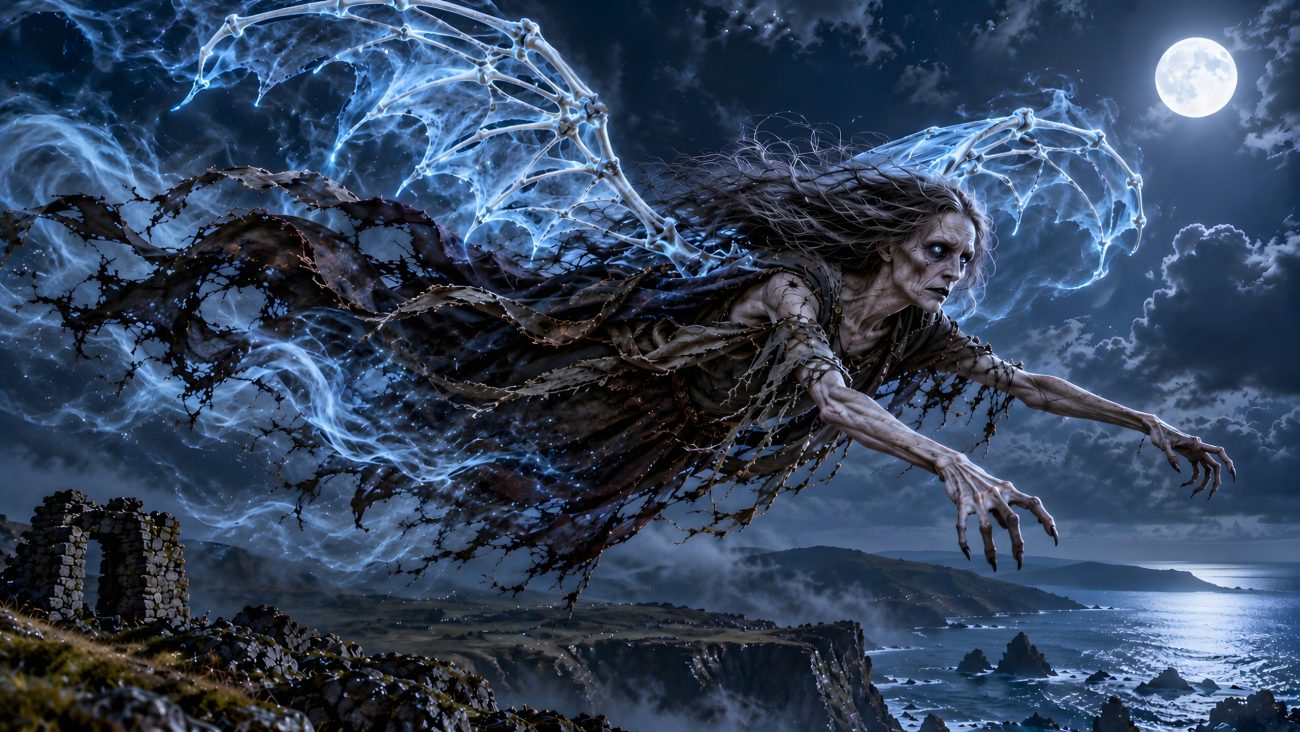
In Latvian tradition, Lauma was believed to assist during childbirth and ensure the well-being of mother and child. If the mother died or abandoned the child, Lauma became a spiritual foster mother. She spun the child’s life-cloth but mourned the fate woven into it. Over time, stories said her image declined, and she came to be seen as an old hag accused of stealing babies, though she longed to return to her former form.


Sources

Wikipedia contributors. (n.d.). Lauma. In Wikipedia, from https://en.wikipedia.org/wiki/Lauma

Mythus Wiki contributors. (n.d.). Lauma. In Mythus Wiki, from https://mythus.fandom.com/wiki/Lauma

Encyclopaedia Britannica. (n.d.). Lauma. From https://www.britannica.com/topic/lauma


Detta

Tradition / Region: Romanian Mythology
Alternate Names:
Category: Fairy


The Myth

In the old town of Timișoara there once lived two fairies, Mazura and Detta. Mazura was cruel and ill-tempered, while Detta was gentle and beautiful. The two quarreled constantly, for Mazura wished to rule the city alone and often threatened to destroy her rival. Detta, who longed for peace and would not live in hatred, finally chose to leave.

One morning she rose early and walked out into the open countryside, not knowing where she would go. She crossed fields and meadows, always heading west. By evening the sun burned red in the sky, and Detta came upon a small river whose waters murmured softly. Pleased with the place, she said, “Here I will stay. I like it here.”

She lifted her hands and whispered a spell, and at once a splendid house appeared on the riverbank. Yet Detta soon felt lonely and wished for human company. The next day she spoke another charm, and an inn sprang up beside her home. Still, she feared no one would pass that way, so she cast a third spell, and a country road formed, running close to the inn.

Now Detta was content. Travelers came along the road and stopped at the welcoming inn of the kind and beautiful hostess. A year later a band of Swabian settlers arrived from the Black Forest, searching for a place to live. Detta urged them to remain, telling them the land had forests, fields, and water enough for all. The Swabians liked what they saw and settled there.

Before long, the bravest and most handsome young hunter among them, Franzl, fell in love with Detta. When he asked her to marry him, she answered, “Franzl, I love you, but you must promise me one thing: never walk beside me in the street and never touch me in public or before strangers. If you break this promise, great misfortune will follow.” Franzl agreed, and they wed.

Ten years passed, and they had two children. One day they were invited to a wedding. Detta told her husband she would go ahead and meet him there, as always. But Franzl felt ashamed. The villagers whispered that husband and wife never appeared together and must not truly love each other. Determined to silence the gossip, he decided to ignore her warning. He believed her fears were only fancy.

He left the house and hurried after her. When he caught up, he slipped his arm around her shoulder and smiled.

Detta turned pale. “Franzl, why did you do that? Now I am lost…”

At once a blinding flash burst forth. In that instant the beautiful fairy, her grand house, and the inn vanished forever.

In memory of her, the settlers named their village Detta. And the place bore that name for generations afterward.


Sources

sagen.at contributors. (n.d.). Die bildschöne Detta. In sagen.at, from https://www.sagen.at/texte/sagen/rumaenien/banat/detta.html


Felsefrächen of Grevenmacher

Tradition / Region: Luxembourg Mythology
Alternate Names: Rock Fairy of the Felser Cliffs
Category: Fairy


The Myth

Two hundred years ago, a strange woman was said to live in the high cliffs that rise above the vineyards between Machtum and Grevenmacher. She was known as Felsefrächen, the Rock Fairy. Some said she lived alone, others that there were three of them.

She was rarely seen by day and then only at mealtimes, when she would silently approach the workers and vintners. At night she roamed the mountains, and around the witching hour her loud singing and cries could be heard. In the Felser cliffs there are two nearby crevices, one large enough for a person to walk through upright, and it was said she always entered through one and left through the other, passing into her hidden underground dwelling.

Her chief work was said to be spinning, and she was known to prepare helpful potions for sick livestock. For this reason she was more loved than feared by the people of the surrounding villages.

One day a woman sent her son to the rock spirit to fetch a drink for a sick cow. The creature took a liking to the boy and lured him into her dwelling beneath the rock, refusing to let him leave. The boy disliked the place and tried twice to escape while she was away, but failed. On the third attempt the rock woman became enraged. She attacked the boy, tore him in two, threw one part into the Moselle River, and devoured the other.

When the deed became known, the people captured the rock creature and burned her at the stake.

Yet it was said that she was often seen afterward, especially by women who went to the Moselle early in the morning to wash their clothes.


Gallery


Sources

sagen.at contributors. (n.d.). Das Felsefrächen bei Grevenmacher. In sagen.at, from https://www.sagen.at/texte/sagen/luxemburg/Felsefraechen.html


Interpretive Lenses

Religious Readings
  • Christian Ascetic Deep Dive
Philosophical Readings
  • Nietzschean Deep Dive
Psychological Readings
  • Jungian Deep Dive
Esoteric Deep Dive
  • Hermetic Deep Dive
Political / Social Readings
  • Marxist Deep Dive

Clurichaun

Tradition / Region: Irish mythology
Alternate Names: Clúrachán, Clobhair-ceann, Cluracan, Cluracaun, Cluricaun, Cluricaune
Category: Gnome, Fairy


The Myth

The clurichaun is a solitary fairy who loves drink above all else. He haunts breweries, pubs, wine cellars, and any place where alcohol is stored, and once he chooses a household or cellar, he is extremely difficult to get rid of.

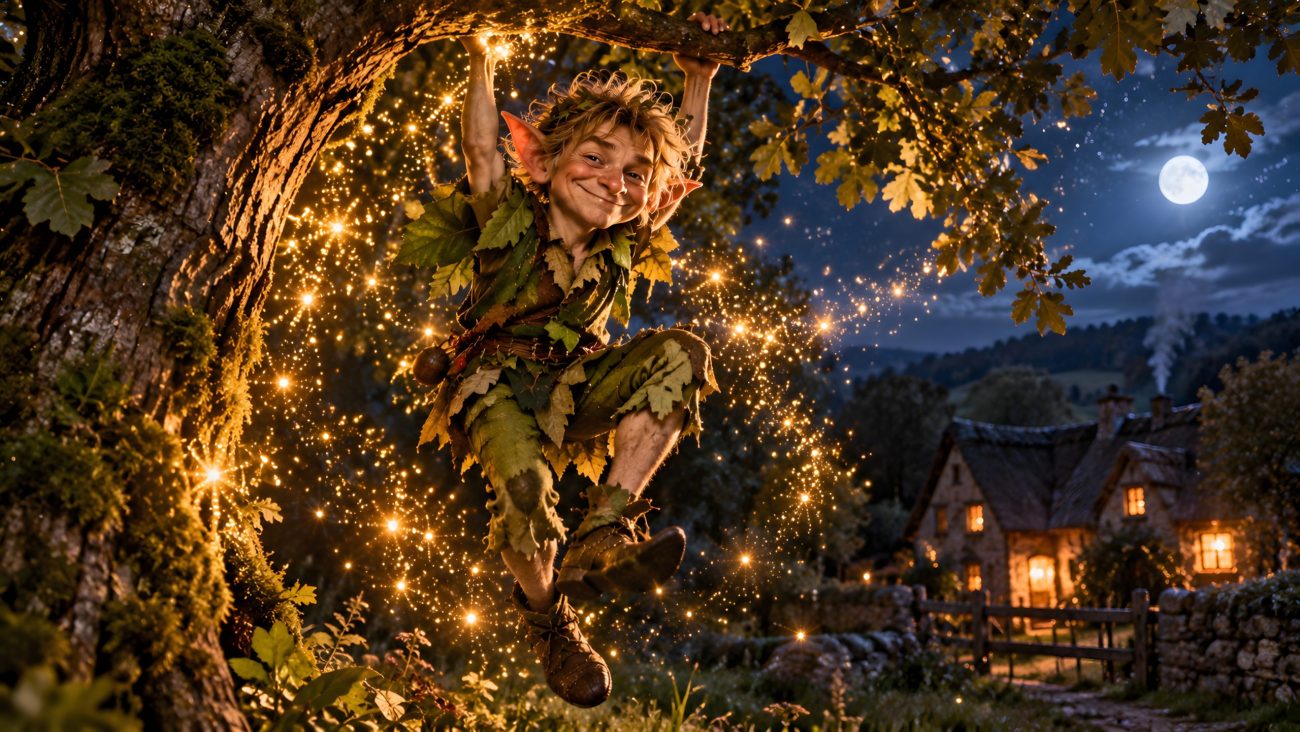
He appears as a tiny old man, often no taller than a foot, with a red and weathered face, twinkling eyes, and a nose stained purple from constant drinking. He usually wears red—most often a red nightcap—along with fine little shoes fastened by silver buckles. Though small, his presence is loud and unmistakable: laughter, singing, banging, and drunken mischief echo wherever he settles.

At night, the clurichaun drinks whatever he can find. He rides atop wine casks like a king on a throne, draining barrels and singing merrily to himself. Servants who are careless suffer his wrath. If a tap is left running, he may wedge his own body into the barrel to stop the flow, waiting patiently until someone comes. But if he is neglected, insulted, or denied food or drink, his temper turns vicious. He pulls people from their beds, throws them down stairs, or beats them black and blue in fits of drunken fury.

Despite this, the clurichaun is not purely malicious. If treated well, he becomes fiercely loyal. He guards the cellar, protects the household’s property, and punishes dishonest servants who steal wine. Many families learned to leave him food and drink each night, fearing his anger more than his appetite.

Some tales say the clurichaun can slip through keyholes, ride through the air on reeds like a witch on a broom, or turn bog rushes into horses for midnight journeys. Others tell of unlucky men who refused to pay him for a drink and were forced into years of service, freed only by calling upon divine blessing.

Like his close cousin the leprechaun, the clurichaun is bound to place rather than people. If a household tries to flee him by moving away, he simply comes along, laughing from inside the new cellar. Once he chooses his haunt, he stays—drinking, singing, guarding, and tormenting—until the wine runs dry or the house falls to ruin.

The clurichaun is thus remembered as a spirit of excess and contradiction: drunken and dangerous, yet protective; cruel when offended, yet loyal when respected—a reminder that hospitality, once given to the unseen, must never be withdrawn.


Sources

Wikipedia contributors. (n.d.). Clurichaun. In Wikipedia, The Free Encyclopedia, from https://en.wikipedia.org/wiki/Clurichaun


Alven

Tradition / Region: Dutch Mythology
Alternate Names: Alf, Elle, Elvinne
Category: Fairy, Spirit


The Myth

The Alven are elusive beings who move between the human world and a hidden one of their own. They are seldom seen directly, yet their influence is felt wherever paths twist strangely, hills rise unnaturally, or circles appear in the grass at dawn.

They are said to travel in floating eggshells upon water or fly through the air in sieves, drifting lightly between places. Wherever they pass, certain plants may become poisonous, marked by their touch. The Alven make their homes inside hills, mounds, and terpen, known as alvenheuvels or alvinnenheuvels, hollow places where their world presses close to the surface.

Those who lose their way without reason are said to have been “led” or “lured” by an alf. The path seems familiar, yet turns endlessly, and the traveler wanders until fear or exhaustion takes hold. This confusion is no accident: the Alven delight in making the world appear other than it truly is.

At night, they dance above marshes and pools or in rings upon the grass. Their music and movement are enchanting, and those who join them may dance until dawn without knowing how much time has passed. When morning comes, the Alven are gone, but a circle remains pressed into the grass, silent proof of their presence.

In old stories and medieval texts, the elvinne is especially known for deception. She casts illusions so convincing that sight itself cannot be trusted—hence the word alfsgedrog, meaning a false vision or glamour. She is alluring, unrestrained, and dangerous in her beauty. Sometimes she exchanges her child for a human infant, leaving confusion and sorrow behind.

In Flemish tradition, the Alven are ruled by a queen named Wanne Thekla, a powerful and unseen sovereign of their hidden courts.

The Alven are not merely playful spirits. They are tricksters, tempters, and deceivers, beings who blur truth and illusion. To encounter them is to risk losing one’s way, one’s certainty, or even one’s child—yet their traces remain lightly stamped upon the land, in hills, circles, and paths that never quite lead where they should.


Gallery


Sources

Abe de Verteller contributors. (n.d.). Van aardmannetje tot zwarte juffer: Een lijst van Nederlandse en Vlaamse elfen en geesten. In Abe de Verteller, from https://abedeverteller.nl/van-aardmannetje-tot-zwarte-juffer-een-lijst-van-nederlandse-en-vlaamse-elfen-en-geesten/