Patupaiarehe

Tradition / Region: Māori Mythology, New Zealand Mythology
Alternate Names: Pakehakeha
Category: Fairy


The Myth

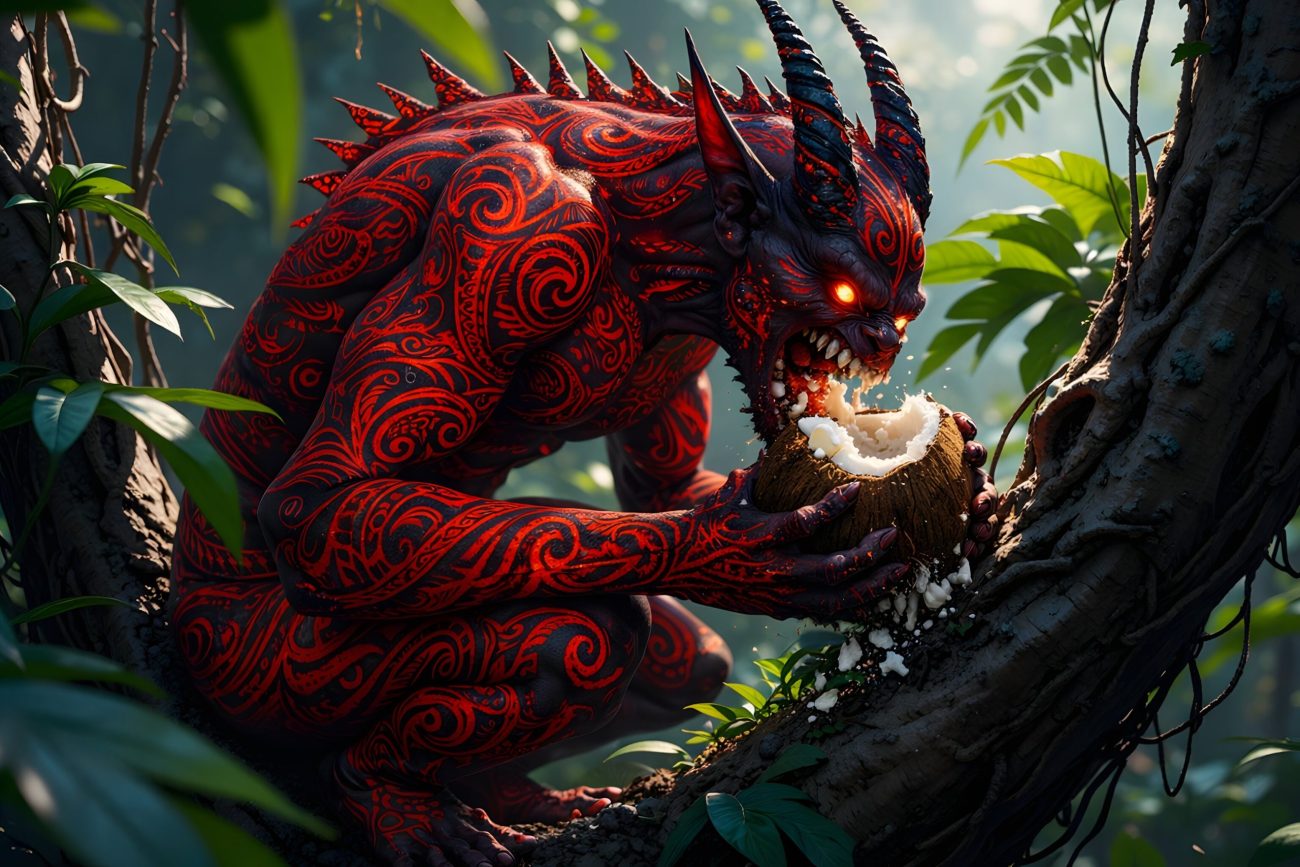
Patupaiarehe are mysterious, otherworldly beings said to live deep within the forests, mountains, and mist-covered hills of New Zealand. They are described as pale-skinned, often with light or reddish hair, and resemble humans in form—yet they are not human.

They belong to the hidden world.

Their homes are said to exist in remote, elevated places—mountain peaks, dense bush, and ridges shrouded in fog. Though they live in communities, their dwellings cannot be seen by ordinary people. They are most active in mist, darkness, or overcast conditions, avoiding sunlight, which is believed to weaken or even destroy them.

Their presence is rarely seen—but often heard.

On foggy days or in the quiet of the night, people may hear beautiful, haunting music drifting through the hills. The sound of flutes and soft singing is said to belong to the patupaiarehe, whose music is more enchanting than anything humans can create. This is often the only sign that they are near.

They are not friendly to intruders.

Those who wander into their territory risk encountering them—and such encounters can be dangerous. Patupaiarehe may lure people deeper into the forest, confuse them, or punish them for trespassing. In some stories, entire groups who disturbed their lands met sudden and violent ends.

One tale tells of hunters who took an object hanging in a forest—unaware it belonged to the patupaiarehe. Strange obstacles appeared, their food turned to nothing, and one by one they were taken and killed, dragged away by unseen forces.

Yet they are not purely hostile.

There are rare stories of interaction and even connection between patupaiarehe and humans. In one, a patupaiarehe woman lived among humans and shared knowledge—teaching weaving—but when tricked into staying beyond dawn, she fled back to the mountains, vanishing into mist.

In another story, a man encountered them at night while they were fishing. When they realized he was human, they fled immediately, unwilling to be seen.

They exist parallel to the human world—close, but separate.

They eat raw food, avoid fire and steam, and live according to their own rules. They can speak with humans, but only under certain conditions, and never fully belong to the same world.

To encounter them is to step outside ordinary reality—into a place governed by mist, silence, and unseen boundaries.


Sources

Wikipedia contributors. (n.d.). Patupaiarehe. In Wikipedia, from https://en.wikipedia.org/wiki/Patupaiarehe

Patupaiarehe

Tradition / Region: Māori mythology (Aotearoa / New Zealand)
Alternate Names: Pakehakeha; Tūrehu (in some traditions)
Category: Forest dweller, Mountain dweller


The Myth

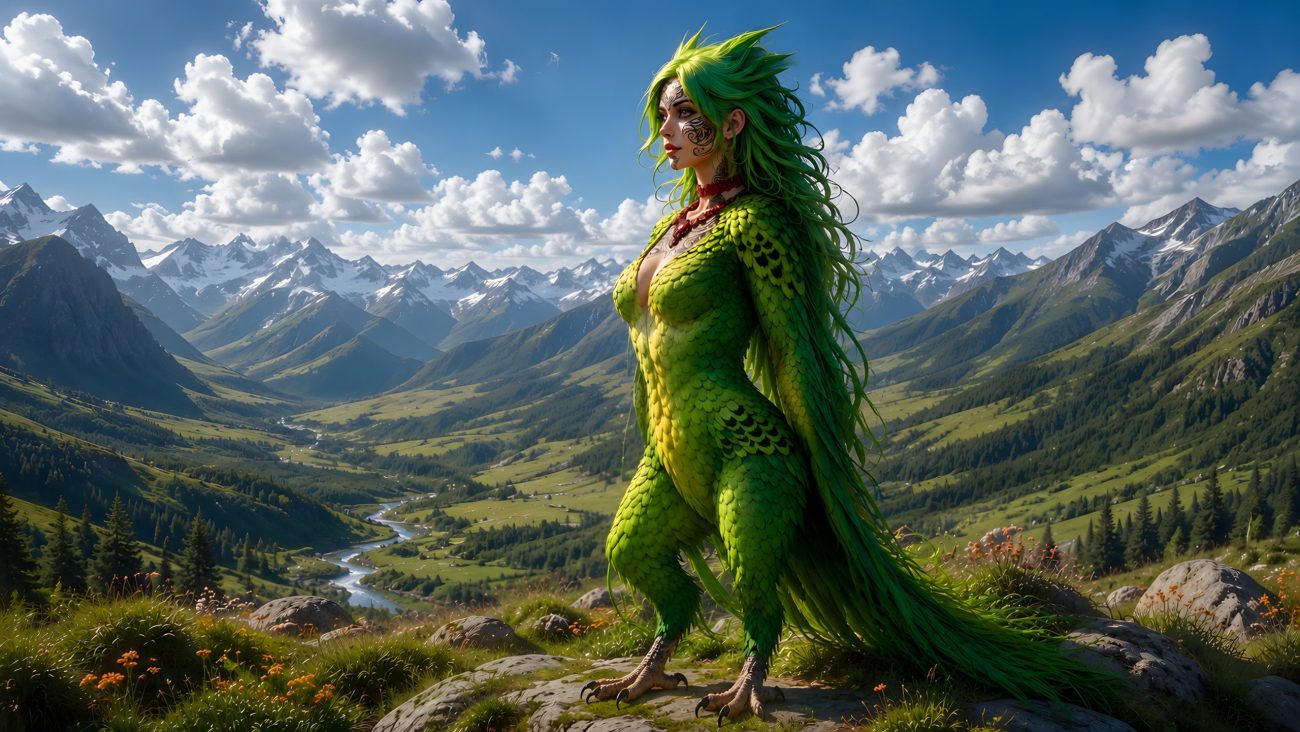
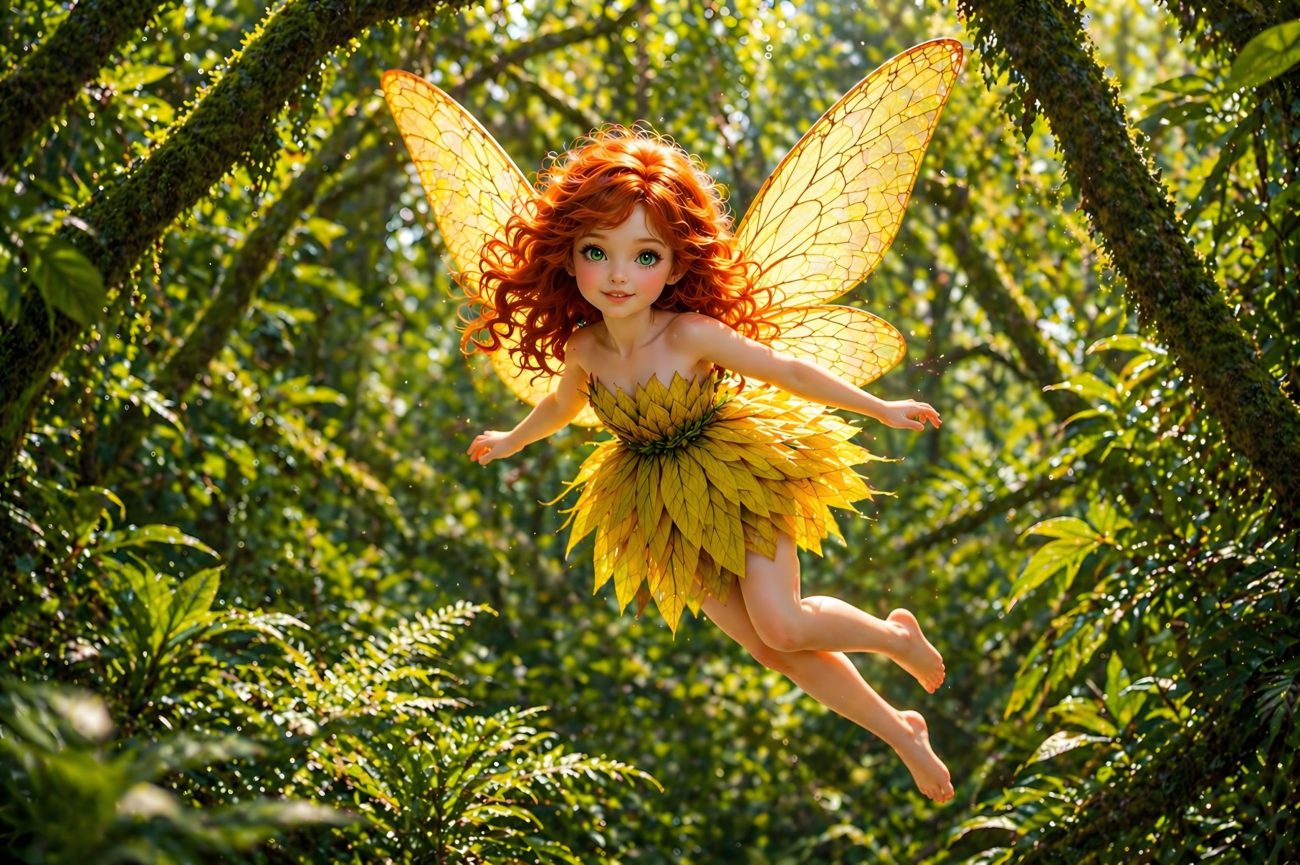
In the deep forests and mist-covered mountains of Aotearoa dwell the patupaiarehe, a hidden people of pale skin and fair or reddish hair. They are of human stature, yet unlike humans they bear no moko upon their skin. They live in great communities in the hills and ranges, in places wrapped in fog and shadow. Their houses and villages cannot be seen by human eyes.

The patupaiarehe are creatures of the mist. They draw it about themselves like a cloak, and they walk most freely in darkness or on foggy days. The full light of the sun is deadly to them, and so they retreat before dawn. They eat raw food and shun steam and fire; when ovens are opened and clouds of steam rise, they hide themselves away.

At times their presence is revealed by music drifting through the forest—the sweet notes of kōauau and pūtōrino flutes, and their haunting waiata carried on the mist. Their music is said to be more beautiful than any played by mortals. Though they can be hostile to those who trespass upon their sacred mountains, it is also told that they may speak with humans, and sometimes even fall in love with them.

On Mount Moehau and in the Coromandel ranges they once dwelled in strength. Some say they were there before the ancestors of the Māori arrived, and that they were driven from their most sacred peaks. In anger they punished those who offended them. Hunters who stole from their lands found their game turned to skin and bone. Men who intruded upon their treasures were dragged away into the night.

Yet there are gentler tales. Kahukura once came upon them at night as they hauled in their fishing nets. He joined them in their labor, and though they fled at dawn when they discovered he was mortal, he had learned their methods and brought that knowledge back to his people.

There is also the story of Hinerehia, a patupaiarehe woman of Moehau, who fell in love with a mortal man while gathering shellfish in the mist. She lived with him and bore children, weaving beautiful garments—but only at night. When the villagers tricked her into weaving past dawn so they could learn her craft, the first light revealed their deception. Heartbroken, she rose within a cloud and returned to the mountains, leaving her husband and children behind.

In the mountains of Ngongotahā they were said to number in the thousands, their skin pale or ruddy, their hair glinting red or gold. They fetched water in gourds from sacred burial cliffs, avoiding the steam of cooking fires. Some among them desired human husbands or wives, yet unions between the two worlds rarely endured.

In the south, on the misty peaks of Tākitimu, a hunter once encountered Kaiheraki, a woman of the mountain. She shone with coppery hair and fair skin, claiming no people but the mountain itself as her mother. The hunter, knowing her nature, tried to bind her to the human world through fire. But when flame touched her skin and blood flowed, she fled back into the high places, vanishing forever among the ridges and cloud.

Thus the patupaiarehe remain—guardians of misty summits and shadowed forests, beautiful and perilous, glimpsed only in song, in fog, or in the edge of human memory.


Gallery


Sources

Wikipedia contributors. (n.d.). Patupaiarehe. In Wikipedia, The Free Encyclopedia. Retrieved February 13, 2026, from https://en.wikipedia.org/wiki/Patupaiarehe

Interpretive Lenses

Religious Readings
  • Christian Ascetic Deep Dive
Philosophical Readings
  • Nietzschean Deep Dive
Psychological Readings
  • Jungian Deep Dive
Esoteric Deep Dive
  • Hermetic Deep Dive
Political / Social Readings
  • Marxist Deep Dive
Other
  • How to Invite The Patupaiarehe