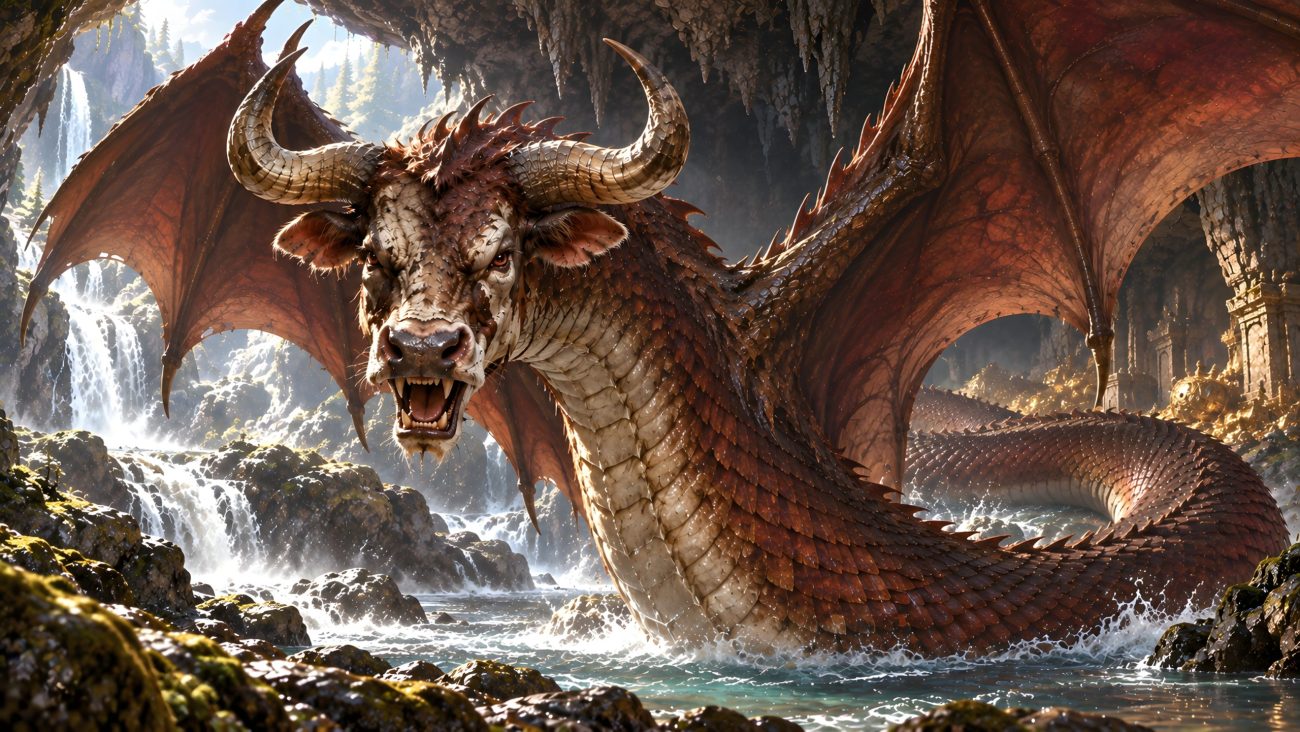
Zhiburinis

Tradition / Region: Lithuanian Mythology
Alternative name: –
Category: Skeleton


The Myth

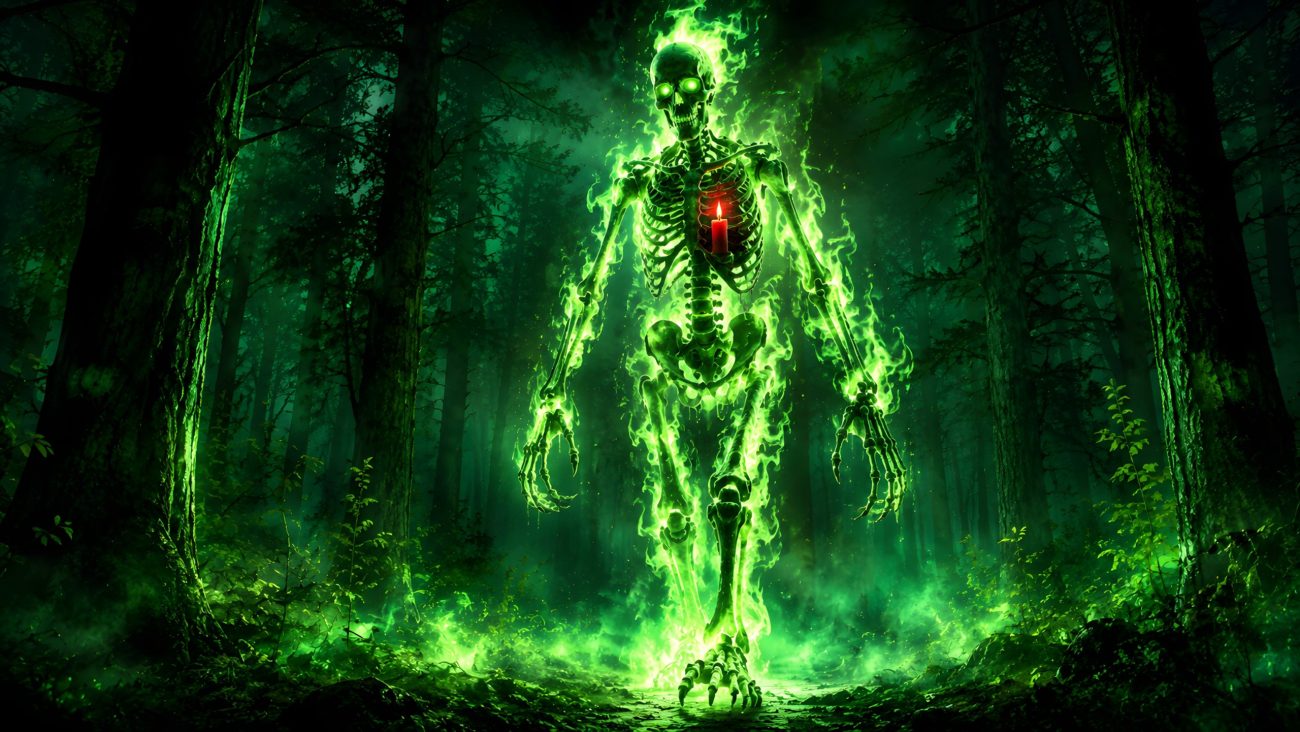
Zhiburinis is a terrifying forest spirit in Lithuanian folklore. It appears as a glowing human figure, a phosphorescent skeleton, or a human-shaped shell with a burning candle where its heart should be.

Anyone who sees Zhiburinis is believed to die almost instantly from overwhelming terror or suffer a fatal heart attack. A small flame is said to appear on the victim’s body near the heart.

The spirit is also known for taking revenge on those who offend it. According to one well-known legend, a man once shot at the glowing silhouette of Zhiburinis in the forest. The following night, the spirit returned disguised as a woman. While the man slept, she embraced him from head to toe, and by morning he was found dead.

Zhiburinis is therefore feared as a deadly forest apparition whose supernatural glow brings terror, sudden death, and vengeance upon those who dare attack or disrespect it.


Sources

Bestiary.us. (n.d.). Zhiburinis. In New Bestiary: Encyclopedia of Imaginary Beings. Retrieved June 29, 2026, from https://www.bestiary.us/zhiburinis


Elnias Devyniaragis

Tradition / Region: Lithuanian Mythology
Alternative name: Nine-Horned Deer
Category: Deer


The Myth

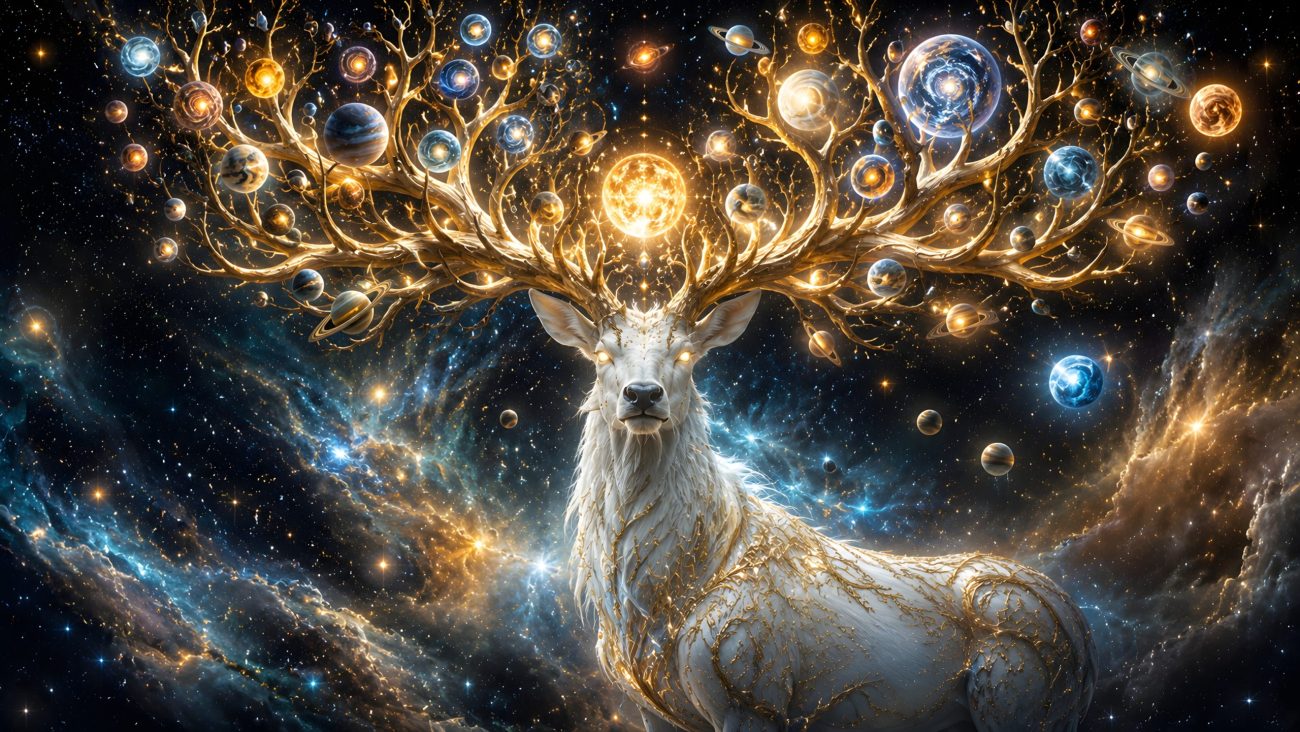
Elnias Devyniaragis, the Nine-Horned Deer, is an ancient Lithuanian mythological deer that carries the celestial bodies—most often the Moon, but sometimes the Sun—upon its antlers.

Its name refers to the nine days between the new moon and the full moon, and it frequently appears in archaic Lithuanian songs as a symbol of the movements of the heavens.

According to tradition, a white deer disappears at the winter solstice and returns at Christmas. The winter solstice festival itself was sometimes known as the Festival of the Nine-Horned Deer. In some songs, the deer carries the Sun upon its antlers, while in others it bears new antlers that are forged by divine blacksmiths.

The Nine-Horned Deer was likely revered as a sacred totem. Lithuanians believed deer were servants of God, capable of warding off disease and protecting people from floods, and that they were guarded in the mountains. In older Eurasian hunting mythology, the deer symbolized the Universe, the sky, and the Moon, making Elnias Devyniaragis a powerful embodiment of the cosmic order.


Sources

Wikipedia contributors. (n.d.). Elnias devyniaragis. In Vikipedija. Retrieved June 29, 2026, from https://lt.wikipedia.org/wiki/Elnias_devyniaragis


Aitvaras

Tradition / Region: Lithuanian Mythology
Alternative names: Aitvar, Ajtwaros, Aitvaros
Category: Dragon


The Myth

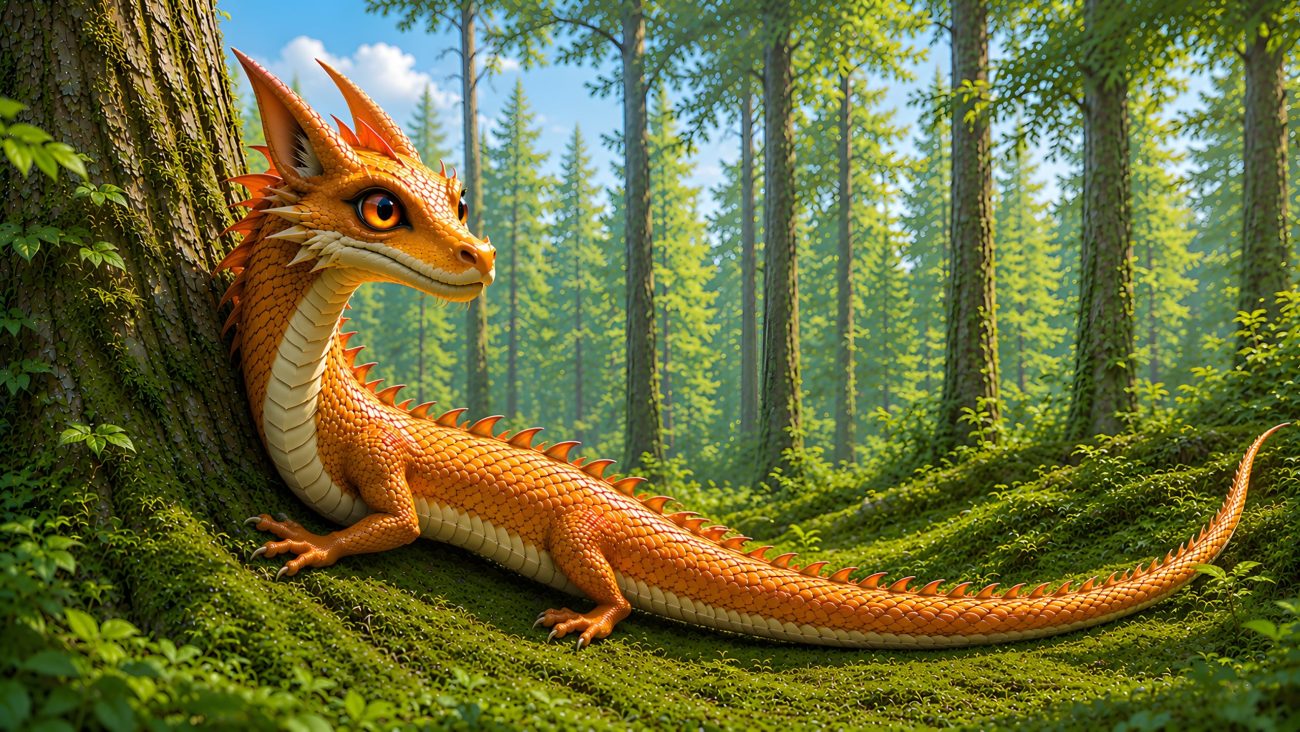
The Aitvaras is a supernatural flying spirit that most often appears as a fiery serpent or dragon, though it may also take the form of a black rooster, crow, heron, cat, or a streak of fire crossing the night sky. It is believed to bring wealth to its master by stealing grain, money, milk, honey, butter, sausages, and other goods from neighboring households.

According to older traditions, the Aitvaras was also viewed as an incubus-like spirit that visited women at night. It was said to press upon sleeping people, seduce young women, and could even enter locked houses through the keyhole. Medieval Prussian chronicles describe these spirits as punishments sent by the old gods after the Christianization of Prussia. Appearing in human form, they tempted people into sin, drove some to madness, and lured others to drown themselves or commit terrible crimes until frightened villagers returned to the pagan priests for protection.

The Aitvaras delighted in braiding horses’ manes and sending nightmares. At night it appeared as a blazing fireball racing across the sky. One legend tells of villagers who trapped one by sticking a knife into the ground between their feet. The fiery creature landed on an alder tree, causing even its highest leaves to tremble, but the terrified men quickly released it.

Many stories tell how people deliberately obtained an Aitvaras to gain riches. One common method was to keep a black rooster for seven years. In the eighth year the rooster laid an egg, from which the Aitvaras hatched. Others claimed one could buy an Aitvaras at the market in Riga, or receive one from the Devil in exchange for a human soul.

Once acquired, the spirit secretly filled its master’s home with stolen goods. In one tale, glowing embers mysteriously appeared inside a poor couple’s house. Had the woman picked them up, they would have turned into money, but she threw them away, and the miracles ceased. In another story, a man unknowingly carried an Aitvaras home hidden inside a pin. From that day his horses flourished, his cattle multiplied, and prosperity came to his farm. When another person accidentally removed the enchanted pin, the wealth vanished overnight.

Although the Aitvaras could make its owner enormously wealthy, it remained a dangerous and unpredictable being. Folklore warns that getting rid of one was extremely difficult, for simply driving it away or killing it could cause a destructive fire.


Sources

Bestiary.us. (n.d.). Ajtvaras. In New Bestiary: Encyclopedia of Imaginary Beings. Retrieved June 29, 2026, from https://www.bestiary.us/ajtvaras


Vilkatis

Tradition / Region: Lithuanian Mythology, Latvian Mythology
Alternative names:
Category: Wolf

The Myth

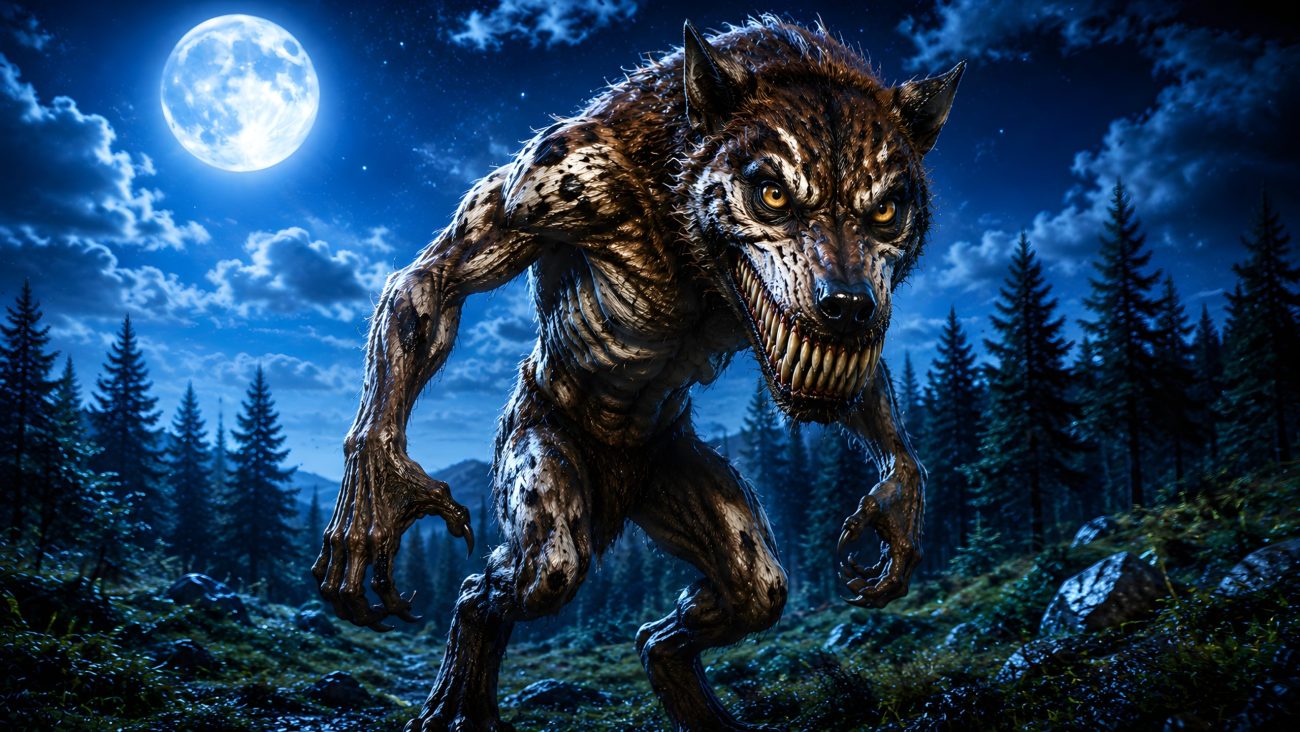
The Vilkatis is the werewolf of Lithuanian and Latvian mythology. It is a human capable of transforming into a wolf.


Sources

Baigutov, K. (2023). Kazachų ir lietuvių mitologijos lyginamoji analizė mene [Comparative Analysis of Kazakh and Lithuanian Mythology in Art]. Logos, 2023(15). https://doi.org/10.24101/logos.2023.15


Marcopoli

Tradition / Region: Lithuanian Mythology
Alternative names: Markopols, Marcopets
Category: Gnome


The Myth

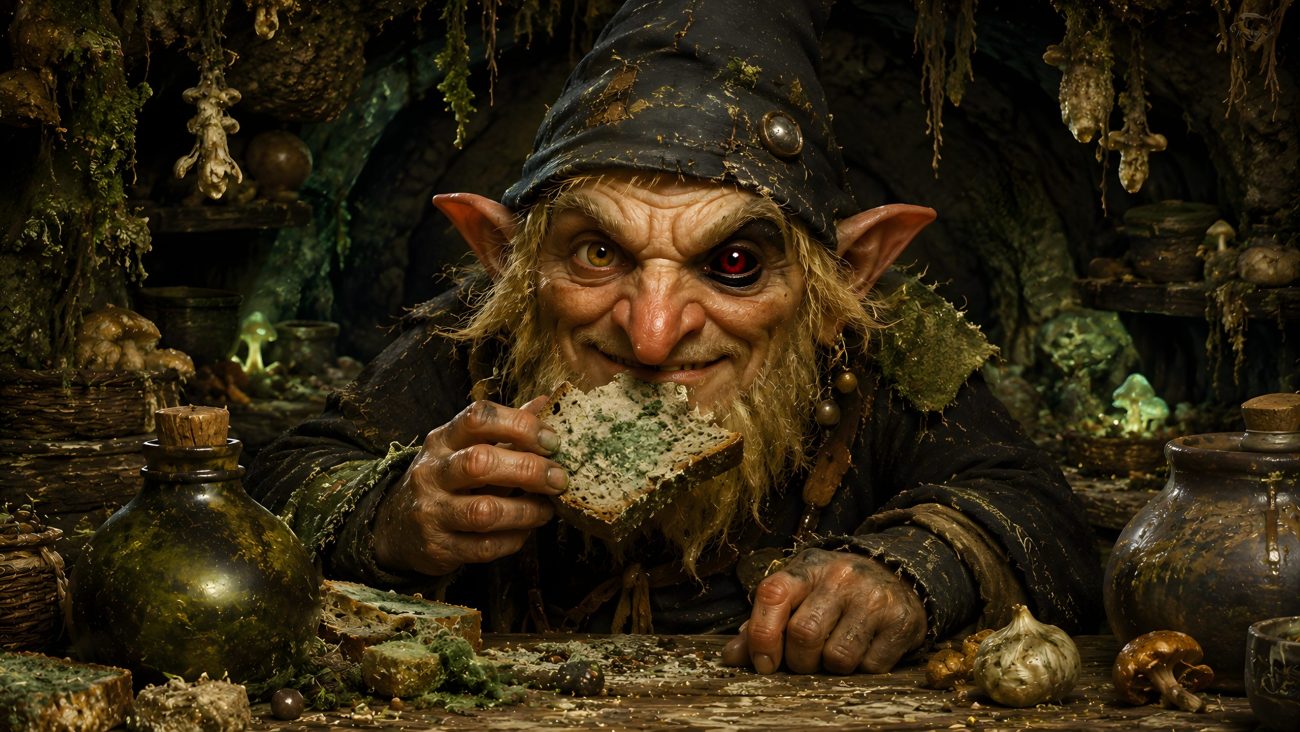
The Marcopoli are subterranean earth spirits in Prussian and Lithuanian mythology. They belong to a higher class of underground gnomes and serve Puškaitis, the god of the earth. Living beneath trees and inside the earth, they receive offerings of bread, beer, cheese, butter, and grain, which help them protect the harvest and ensure abundance.

According to one Prussian legend, the Marcopoli dwell in burrows beneath cliffs. They are described as squealing humanoid creatures with snouts like pigs or monkeys, and are said to possess a single evil eye. People were warned never to catch or steal one of their eyes.

Another legend tells that people cursed by the gods became different underground beings. Those whose inner fire was taken away became the wild, hairy Marcopoli, wandering forests and hiding in the earth, while others shrank into the smaller Barzduki, living beneath stones and underground.


Sources

Bestiary.us. (n.d.). Markopoli. In New Bestiary: Encyclopedia of Imaginary Beings. Retrieved June 29, 2026, from https://www.bestiary.us/markopoli


Barzduki

Tradition / Region: Lithuanian Mythology
Alternative names: Barzdukai
Category: Gnome


The Myth

The Barzduki are small, gnome-like beings who dwell beneath the earth. Their hidden homes lie beneath the roots of trees, where they keep stores of bread and beer in underground chambers.

These mysterious little earth spirits live unseen below the surface, guarding their underground provisions and remaining closely connected to the hidden world beneath the forests.


Sources

Baigutov, K. (2023). Kazachų ir lietuvių mitologijos lyginamoji analizė mene [Comparative Analysis of Kazakh and Lithuanian Mythology in Art]. Logos, 2023(15). https://doi.org/10.24101/logos.2023.15


Šungalvis

Tradition / Region: Lithuanian Mythology
Alternative names: Šungalviai (plural), Dog-Headed One
Category: Dog


The Myth

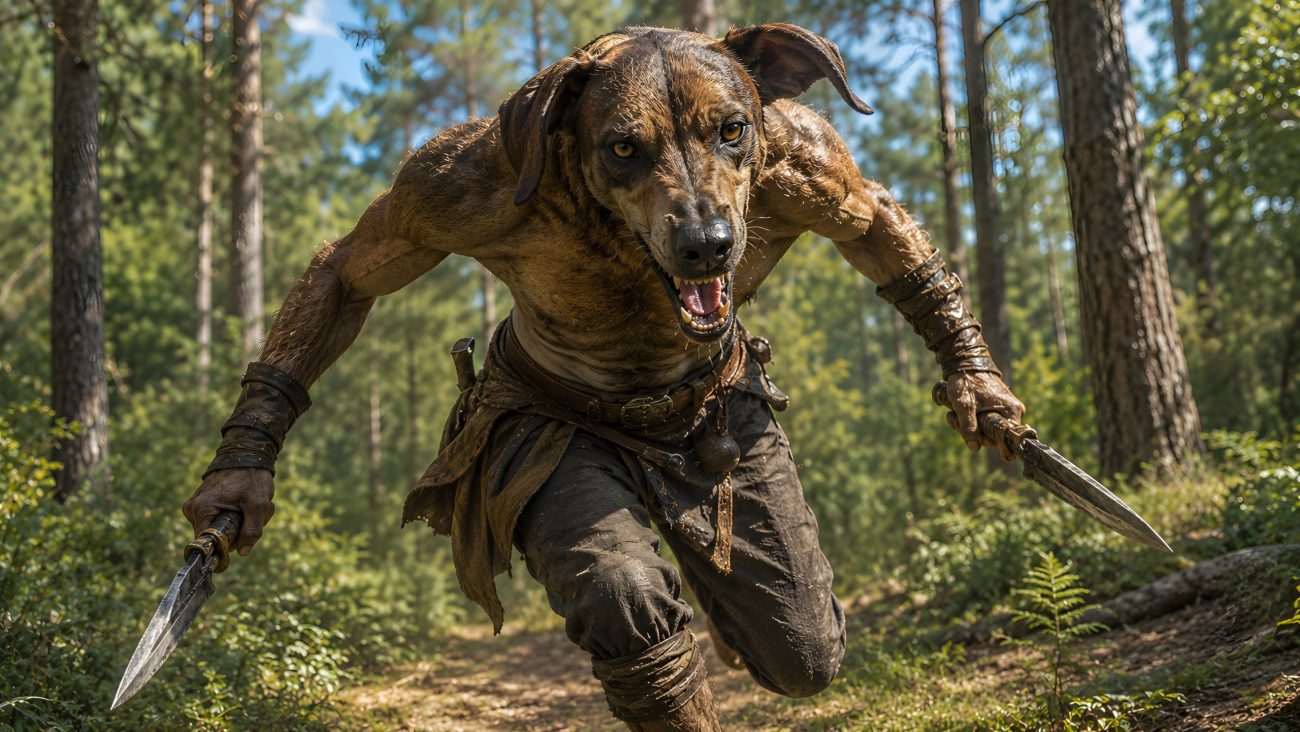
The Šungalvis is a fearsome dog-headed creature of Lithuanian folklore, half man and half dog. In ancient times, before Death existed, these monsters were said to serve as living weapons, hunting and devouring people.

The Šungalvis possesses an extraordinary sense of smell. It can track any person by scent, but there is one way to escape: quickly put your shoes on backwards. The creature follows footprints, and reversed shoes confuse its tracking, causing it to lose its prey.

One folktale tells of a Šungalvis that entered a house and sat in the doorway, trapping a woman inside. Unable to escape, she tipped a cauldron of boiling water over the creature’s head. The scalding water burst its eyes, killing the monster.


Sources

Bestiary.us. (n.d.). Shungalvis. In New Bestiary: Encyclopedia of Imaginary Beings. Retrieved June 29, 2026, from https://www.bestiary.us/shungalvis


Giristis

Tradition / Region: Lithuanian Mythology
Alternative names: Pusinas, Mežu Dejvs (“Forest God”), Mežu Vihrs (“Forest Man”)
Category: Wolf, Sheep


The Myth

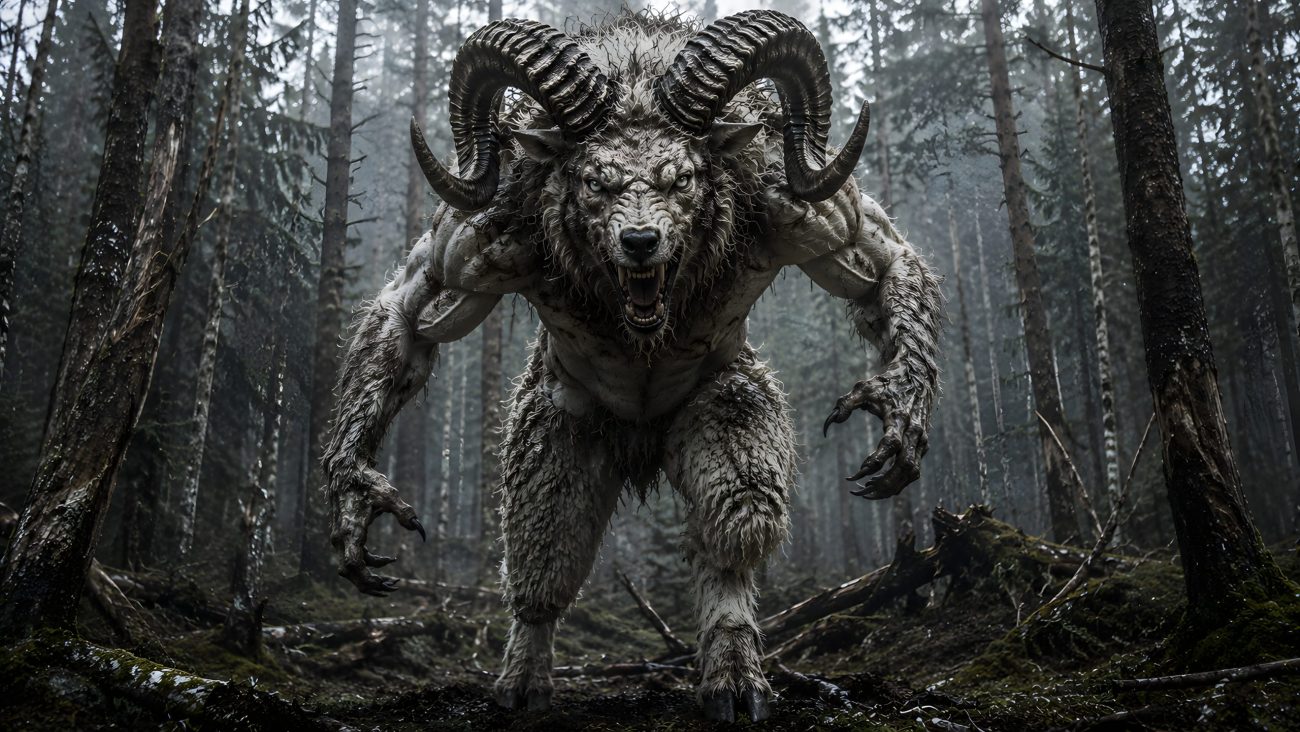
Giristis is a fearsome forest monster and werewolf-like being from Lithuanian mythology. Regarded as both a forest deity and a monstrous spirit of the wilderness, he rules over the deep pine forests and is dreaded by all who venture into them.

Giristis is described as a shaggy, gigantic creature with horns upon his head, possessing immense strength, savage cruelty, and an overwhelming lust for human women. His gaze alone is said to be deadly—those who meet his terrifying eyes may die instantly from fear.

The monster is especially notorious for abducting young women. According to legend, Giristis would emerge from the forest during the celebrations of Ivan Kupala Night, rushing into dancing crowds to seize beautiful maidens before carrying them back into the depths of the woods, where they were never seen again.

In Lithuanian folklore, Giristis is also known by the names Pusinas, Mežu Dejvs (“Forest God”), and Mežu Vihrs (“Forest Man”). Among Lithuanian Ruthenians, a closely related being called Turosik is described as having goat-like legs ending in golden hooves, further linking these forest spirits to ancient horned wilderness deities.

Because of his horned appearance, lustful nature, and association with forests, Giristis has often been compared to the satyrs of Greek mythology. Like them, he embodies the untamed and dangerous forces of the wilderness, preying upon those who stray too far from civilization.


Sources

Bestiary.us. (n.d.). Giristis. In New Bestiary: Encyclopedia of Imaginary Beings. Retrieved June 28, 2026, from https://www.bestiary.us/giristis


Vizunas

Tradition / Region: Lithuanian Mythology
Alternative names: None commonly recorded
Category: Dragon


The Myth

Vizunas is a fearsome dragon of ancient Lithuanian tradition that dwells beneath the sacred mountain of Anafiolis, also called Anapilis. From its lair beneath the inaccessible peak, the monster waits for the souls of the dead that fail in their ascent to the world above.

After death, every soul is destined to climb the steep and rocky mountain of Anafiolis, where a divine judge resides at the summit. There the deeds of each person are weighed, and rewards or eternal punishments are given according to justice.

The journey upward is difficult. Riches acquired during life become a burden upon the soul, making the climb harder. Weapons, horses, servants, and earthly possessions offer no true advantage. A poor and virtuous person, light as a feather, may rise swiftly, while those weighed down by greed and sin struggle upon the mountain’s slopes.

When sinful souls lose their grip and fall from the heights, they descend into the abyss below, where Vizunas lies in wait. The dragon devours the fallen dead without mercy. Rich sinners are consumed by the beast, while poor sinners may be swept away by evil winds before they ever reach the summit.

Thus, Vizunas serves as the terrible guardian beneath the mountain of the dead, a monstrous dragon that punishes those unable to overcome the weight of their earthly sins. While the righteous ascend to judgment above, the wicked risk falling into the jaws of Vizunas, never to reach the divine realm of Anapilis.


Sources

Bestiary.us. (n.d.). Vizūnas. In New Bestiary: Encyclopedia of Imaginary Beings. Retrieved June 16, 2026, from https://www.bestiary.us/vizunas


Baubas

Tradition / Region: Lithuanian Mythology
Alternative names: None commonly recorded
Category: Demon


The Myth

The Baubas is a sinister spirit feared throughout Lithuanian folklore. It is said to lurk in dark corners of houses, beneath carpets, under beds, or anywhere shadows gather. Children were taught to fear it, and parents often warned that the Baubas would come for those who misbehaved.

The creature is described as dark or black in color, with glowing red eyes, long thin arms, and wrinkled fingers. It hides silently and waits for an opportunity to trouble humans.

The Baubas is particularly dangerous at night. It harasses sleeping people, pulls their hair, and is sometimes said to sit upon their chests and suffocate them. Its touch brings terror, and few who encounter it ever clearly see its full form.

For children, the Baubas serves much the same role as the bogeyman in English-speaking traditions. Threats such as “Behave, or the Baubas will come and get you” were commonly used to frighten unruly youngsters into obedience.

Thus, the Baubas remains one of Lithuania’s most feared household spirits—a shadowy being with red eyes and grasping fingers that waits in the darkness for the careless and the disobedient.


Sources

Wikipedia contributors. (n.d.). List of Lithuanian gods and mythological figures. In Wikipedia. Retrieved June 16, 2026, from https://en.wikipedia.org/wiki/List_of_Lithuanian_gods_and_mythological_figures