Aziza

Tradition / Region: Benin Mythology
Also Known As: Azisa
Category: Gnome


The Myth

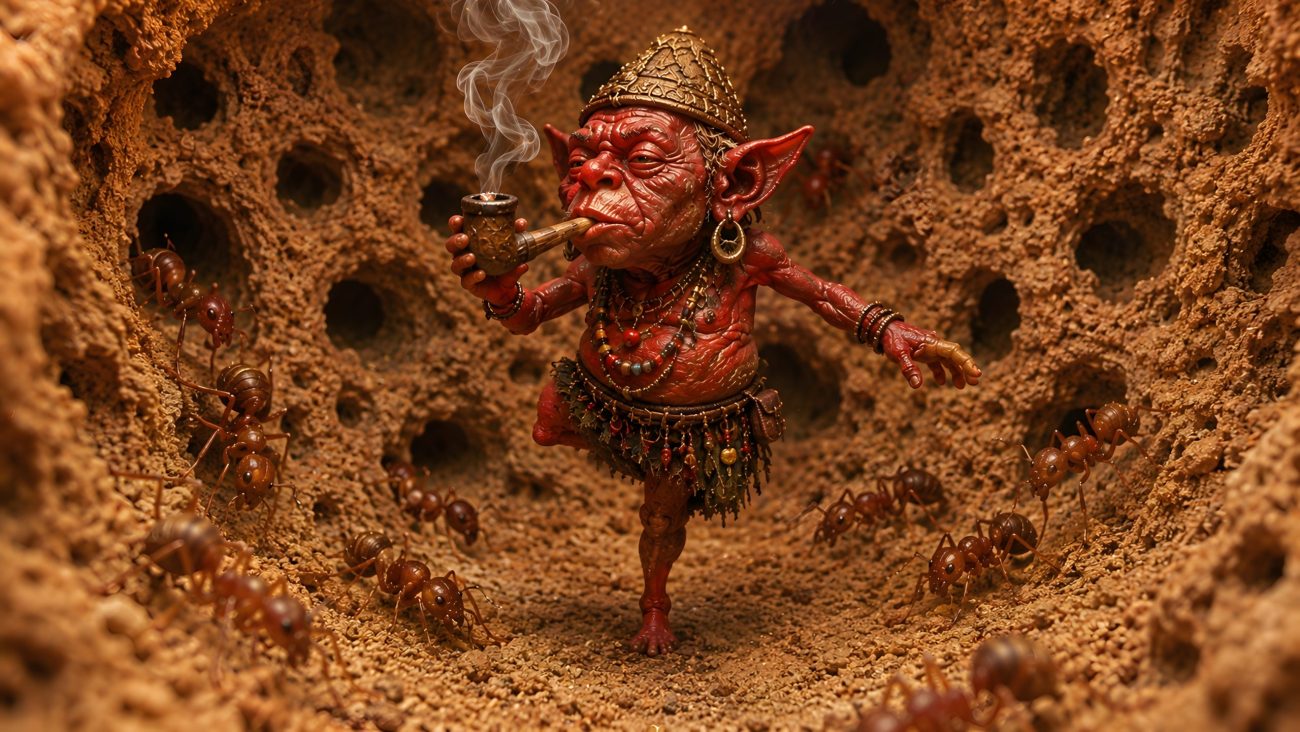
The Aziza are a supernatural race from West African folklore, especially associated with the traditions of Dahomey. They are usually described as small forest-dwelling beings who live deep within the wilderness, particularly inside anthills and silk-cotton trees.

Unlike many dangerous spirits of folklore, the Aziza are generally considered benevolent beings. Hunters who encounter them may receive magical protection, spiritual guidance, or secret knowledge. Legends claim that the Aziza taught humans important skills and sacred wisdom, including the use of fire and practical knowledge needed for survival.

Most traditions describe the Aziza simply as little people connected to the forest and hidden magic. Some oral traditions, however, speak of a singular being named Aziza, described as a small one-legged figure who smokes a pipe and possesses supernatural powers.

Certain later accounts portray the Aziza with wings, resembling fairy-like beings, though many traditions do not include this feature. Because these winged descriptions were recorded after European contact during the Atlantic slave trade era, some scholars question whether European folklore may have influenced these later depictions.


Sources

Wikipedia contributors. (n.d.). Aziza (mythology). In Wikipedia. Retrieved May 10, 2026, from https://en.wikipedia.org/wiki/Aziza_(mythology)


Güijes

Tradition / Region: Cuban Mythology
Alternate Names: Jigües, Chichiricúes
Category: Gnome


The Myth

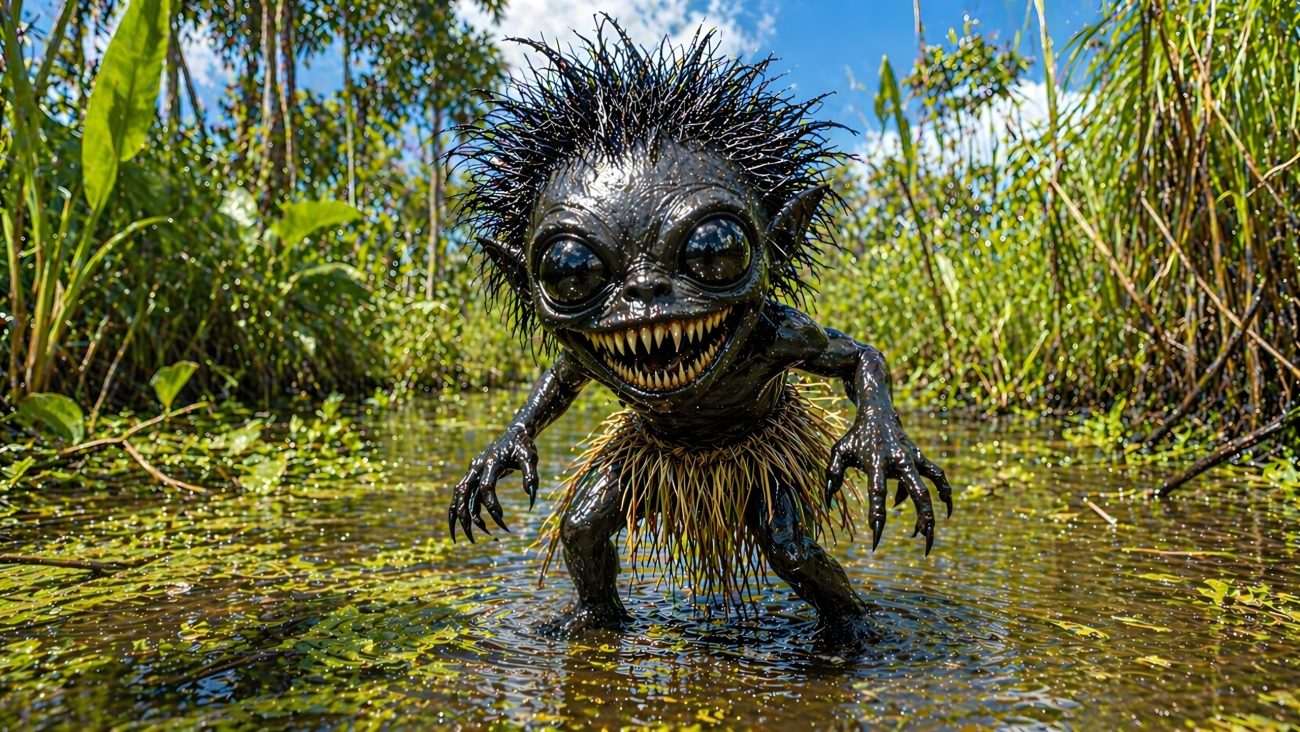
The Güijes are small, elusive beings said to inhabit rivers, lagoons, and deep freshwater pools in Cuba, particularly in places where dense vegetation casts heavy shadows over the water. They belong to hidden, overgrown environments—areas where the natural world feels thick, quiet, and slightly oppressive.

They are typically described as short, dark-skinned humanoids with long, tangled hair. Some accounts portray them as almost childlike in form, while others depict them as more grotesque, hairy, or animal-like. They are usually naked or loosely covered with leaves, blending seamlessly into their surroundings.

Güijes are rarely seen clearly. Their presence is instead suggested through disturbances: rippling water, sudden splashes, or the eerie feeling of being watched. They appear most often at dusk or during the night, when visibility fades and the boundary between the human world and the unseen weakens.

Their behavior is primarily mischievous. They are known for playing tricks on humans, especially those alone near rivers or forests. Children bathing in rivers were often warned about them, as Güijes were said to secretly join their play, only revealing themselves at the last moment—causing panic and driving everyone away from the water.

In some encounters, they attempt to lure people closer to dangerous areas—deeper water, thick brush, or isolated spots—creating confusion rather than outright violence. Victims are typically left frightened, disoriented, or humiliated, but not killed. Their role is that of a tormentor or trickster rather than a predator.

With time, the myth evolved through cultural blending. Indigenous Cuban beliefs merged with African traditions, giving rise to closely related beings known as Chichiricúes. These are similarly small, dark spirits associated with rivers and forests, sometimes described as more intrusive or unsettling. They are often imagined appearing in pairs and harassing travelers at night, especially those caught alone.

Certain rituals are said to summon or attract them—offering cigars, performing repeated movements around sacred trees at midnight, or invoking them through specific group actions. This suggests they are not merely passive spirits, but entities that can be intentionally engaged.

Despite their unsettling nature, Güijes are not purely malevolent. They exist in a space between playful and malicious—embodying the unpredictability of wild, untamed environments. As forests disappeared and rivers became more exposed, stories claim that Güijes also faded, as if tied directly to the presence of dense, living nature.


Sources

MITOLOGIA POPULAR CUBANA contributors. (2012, March 26). Mitologia popular cubana. Archived from the original on March 26, 2010

Wikipedia contributors. (n.d.). Güijes. In Wikipedia, from https://en.wikipedia.org/wiki/G%C3%BCijes

Haspelvrouwtje

Tradition / Region: Dutch Mythology
Alternate Names:
Category: Gnome


The Myth

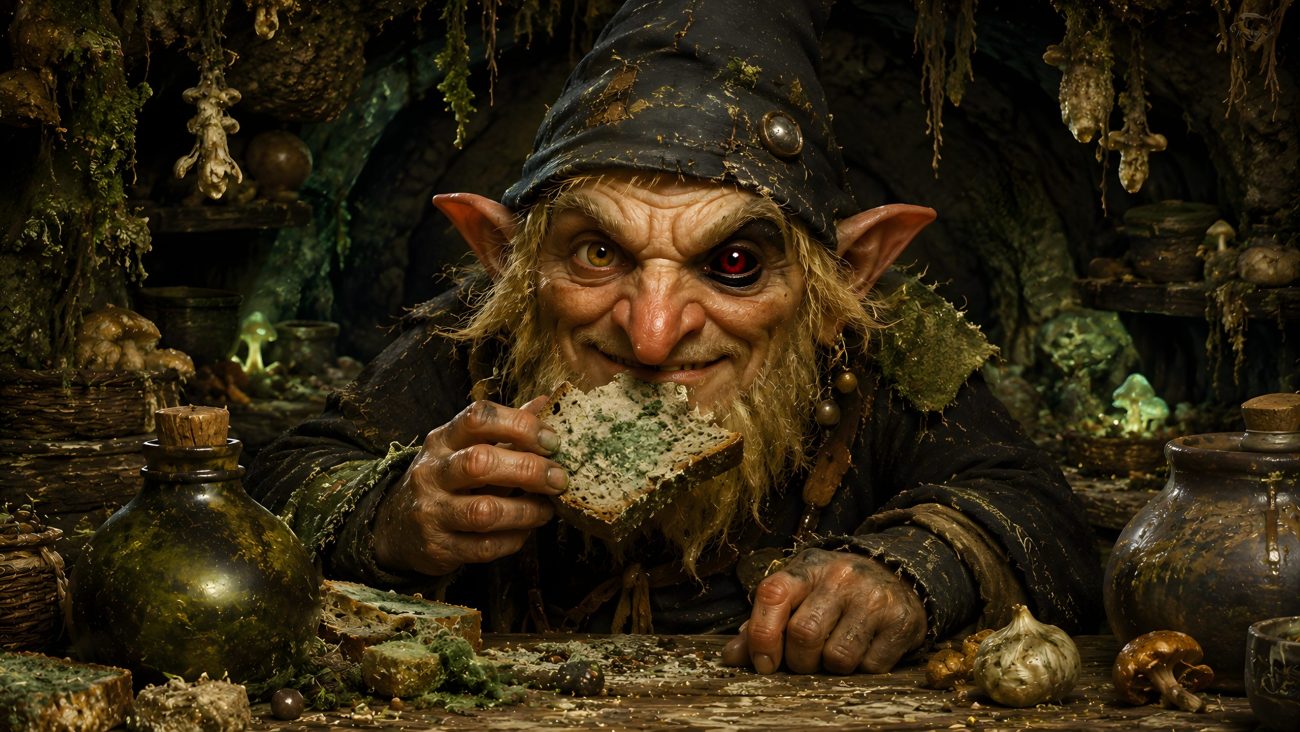
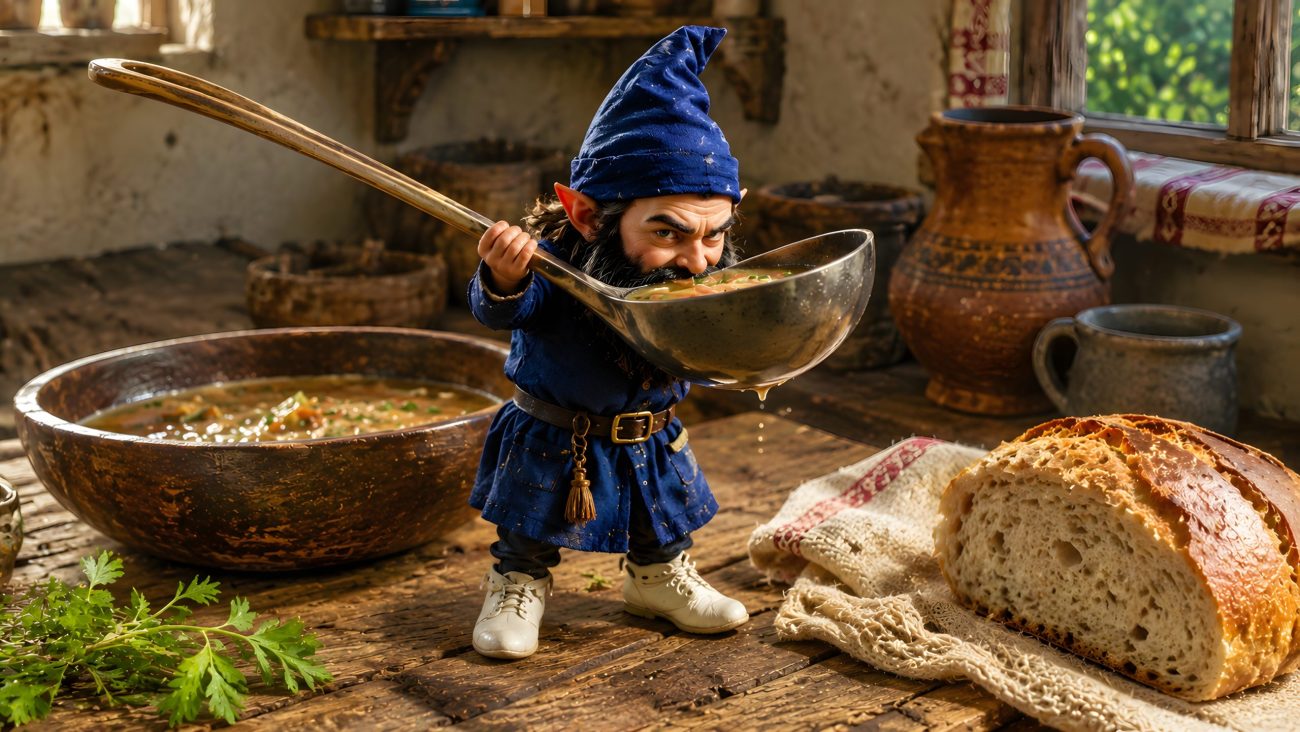
The Haspelvrouwtje is a small female kabouter-like being from Brabant folklore, known for its helpful role within the household, particularly toward women.

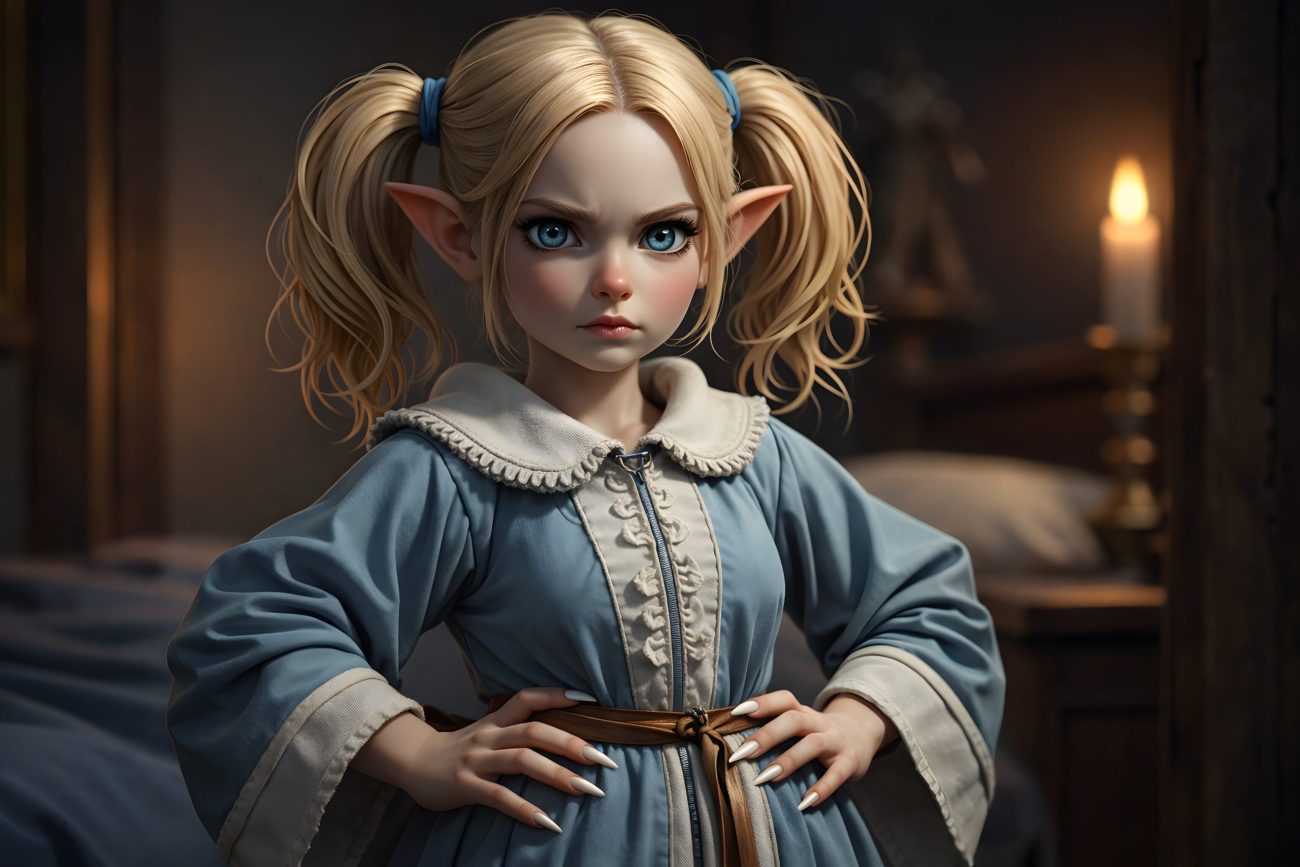
It is described as a tiny, human-like female spirit that assists with domestic and intimate tasks. It helps women in childbirth, cares for sick women, and completes unfinished work for those who are exhausted or overworked.

Despite its benevolent nature, the Haspelvrouwtje can become dangerous if offended. When angered, it may scratch a person’s skin with its sharp nails or abduct them to its underground dwelling.

It represents a dual-natured household spirit: protective and supportive when respected, but vengeful when mistreated.


Sources

Abe de Verteller. (n.d.). Van aardmannetje tot zwarte juffer: Een lijst van Nederlandse en Vlaamse elfen en geesten. Retrieved March 1, 2026, from https://abedeverteller.nl/van-aardmannetje-tot-zwarte-juffer-een-lijst-van-nederlandse-en-vlaamse-elfen-en-geesten/


Nis Puk

Tradition / Region: Danish Mythology, German Mythology
Alternate Names: Nis; Niß; Puk; Nispuk; Niskepuk; Nisebuk; Hauspuk
Category: Gnome


The Myth

The Nis Puk is a small kobold-like household spirit combining traits of the Nordic nisse and the Germanic puck. It appears as a child-sized figure with a large head, long arms, bright eyes, and typically wears a red cap, red stockings, and simple work clothes.

It dwells in farms, barns, lofts, or within the wooden structure of a house, often hiding in beams, corners, or small cavities. Its presence is strongly tied to prosperity: where a Nis Puk lives, livestock thrive, chores are completed overnight, and the household flourishes.

The Nis Puk performs domestic labor such as feeding animals, preparing grain, cleaning, and maintaining the farm. It may also protect property, but often acquires resources by stealing from neighboring farms. Some versions describe it as bringing wealth or goods, while others portray a darker aspect, where it behaves like an infernal spirit bound to its owner.

Its behavior depends on how it is treated. If respected and rewarded—typically with porridge, milk, or butter—it remains helpful. If neglected, mocked, or overworked, it becomes aggressive, disturbing the household, tormenting its owner, or sabotaging work.

In some traditions, the Nis Puk is bound to a person or property and cannot easily be rid of. More dangerous variants demand the owner’s soul after death, especially if acquired through unnatural means. Its presence can thus be both a blessing and a long-term curse.


Sources

Wikipedia contributors. (n.d.). Nis Puk. In Wikipedia. Retrieved March 1, 2026, from https://en.wikipedia.org/wiki/Nis_Puk.


Jetins

Tradition / Region: French Mythology, Brittany Mythology
Alternate Names: Possibly related to Crions
Category: Gnome


The Myth

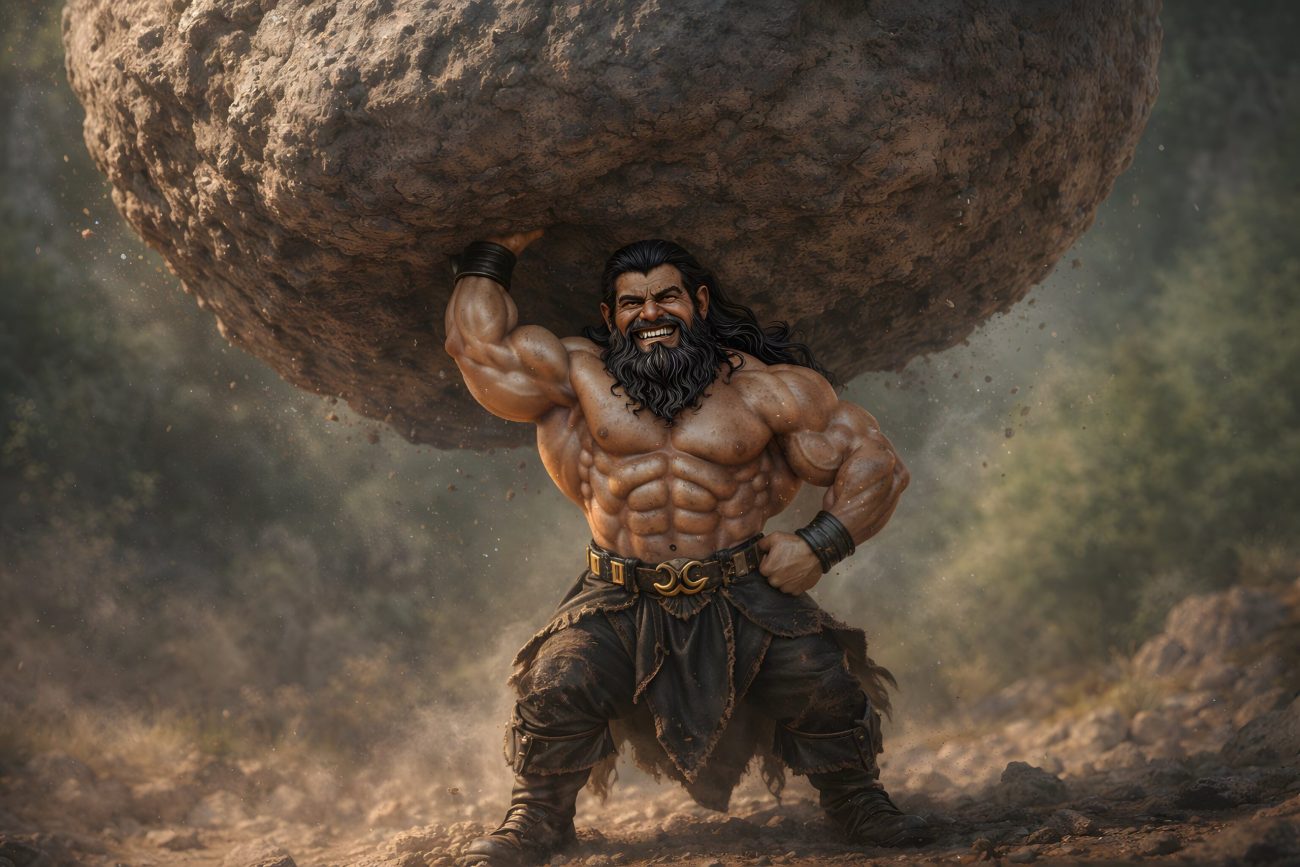
Jetins are tiny fairy-like beings from the seaside caves of Brittany, known for their immense strength and mischievous behavior. Despite ranging in size from as small as a thumb to about 1.5 feet tall, they possess the ability to lift and throw massive stones.

They are described as rough, possibly hairy creatures, sometimes said to wear silver shoes. Jetins delight in displaying their strength by hurling boulders over great distances, and many standing stones and megaliths are attributed to their activity, treated as mere playthings.

Beyond stone-throwing, jetins engage in typical fairy mischief. They tie knots in horse tails, release livestock, and are known for abducting human infants, leaving behind changelings—ugly, wrinkled substitutes that never grow or develop. These stolen children can be recovered by threatening the changeling near a jetin dwelling, forcing the creatures to return the human child.

Jetins are said to share their coastal habitats with other small beings such as the Fions and the Fées des Houles, the latter being more benevolent. Similar roles of stone-throwing in folklore are sometimes attributed to larger beings like giants, but in Brittany, this function belongs to the small yet powerful jetins.


Sources

A Book of Creatures. (n.d.). Jetin. Retrieved March 1, 2026, from https://abookofcreatures.com/2015/04/29/jetin/.


Kaukas

Tradition / Region: Lithuanian mythology
Alternate Names: Kaukutis; Kukas; Pūkis; Tranas; Vyrukas; Kūdikis; Aniuolikas
Category: Gnome, House dweller


The Myth

The Kaukas is a small mythological being in Lithuanian mythology, regarded as a spirit of fertility, harvest, and wealth. It appears as a small human-like figure, sometimes described wearing green, blue, or red clothing, and is associated with homesteads.

Kaukai may be male or female, though they are чаще described as male. They live in or visit farm buildings such as barns, granaries, or storage rooms, and increase the household’s goods. They are seen at night in moonlight or during misty days.

They may be invited or arrive on their own. When first appearing, they bring small, seemingly worthless items such as chips, hay, or splinters. If the хозяин accepts these, the kaukai begin to appear regularly.

Kaukai are mortal and can be destroyed by fire or struck by Perkūnas. They are fed with agricultural products such as bread, milk, and ritual beer, and in return they bring goods. They do not bring money, but objects and resources found in unused places or gathered from fields, as well as riches from beneath the earth.

They are connected to spring festivals later known as Užgavėnės, where masked rituals were performed. Kaukai are also associated with other similar beings such as barstukai and bezdukai, and are sometimes described as underground or dwelling beneath water, emerging to help good people.


Sources

Wikipedia contributors. (n.d.). Kaukas. In Wikipedia. Retrieved March 1, 2026, from https://lt.wikipedia.org/wiki/Kaukas.


Menehune

Tradition / Region: Hawaiian Mythology, American Mythology
Alternate Names:
Category: Dwarf, Gnome


The Myth

The Menehune are described as a race of small, dwarf-like people living in the deep forests and hidden valleys of the Hawaiian Islands. They are known as skilled builders and craftsmen who work at night and remain unseen by most humans.

The Menehune are said to have lived in Hawaiʻi before settlers from Polynesia arrived. They dwell far from human settlements, in forests and caves, and sustain themselves on forest plants, bananas, and fish. They are described as being about two feet tall.

They are known for their craftsmanship, building temples, fishponds, roads, canoes, and houses. These works are said to be constructed during the night, and if the work is not completed before dawn, it is left unfinished. They appear only at night, and only their children or humans connected to them are able to see them.


Gallery


Sources

Wikipedia contributors. (n.d.). Menehune. In Wikipedia. Retrieved March 1, 2026, from https://en.wikipedia.org/wiki/Menehune.


Interpretive Lenses

Religious Readings
  • Christian Ascetic Deep Dive
Philosophical Readings
  • Nietzschean Deep Dive
Psychological Readings
  • Jungian Deep Dive
Esoteric Deep Dive
  • Hermetic Deep Dive
Political / Social Readings
  • Marxist Deep Dive

Klabautermann

Tradition / Region: German Mythology, Dutch Mythology
Alternate Names: Kalfater; Klabautermännchen; Kaboutermanneken
Category: Gnome


The Myth

The Klabautermann is a water kobold associated with ships, appearing as a small humanlike figure or sometimes as a ship’s carpenter. It is linked to the wood of the vessel and is rarely seen, as its appearance is considered an ill omen.

The Klabautermann lives within the wood of a ship and assists sailors and fishermen with their duties. It may pump water from the hold, arrange cargo, repair damage, and work at night to fix broken objects. It is often said to sit beneath the capstan. Its presence protects the ship from danger such as illness, fire, or attack, and ensures the vessel remains seaworthy.

It appears only rarely to humans, and seeing it is considered bad luck. It may be seen as a small figure with a pipe, wearing a sailor’s cap and a red or grey jacket, though descriptions vary. It can also appear in the form of the ship’s carpenter.

The spirit reacts to the behavior of the crew. If treated with respect, it continues its helpful work. If angered, it creates disturbances, tangles ropes, makes noise, and damages objects. When the ship is beyond saving, the Klabautermann becomes restless, making loud sounds, running through the ship, or leaving it. Its departure signals that the vessel is doomed to sink.


Sources

Wikipedia contributors. (n.d.). Klabautermann. In Wikipedia. Retrieved March 1, 2026, from https://en.wikipedia.org/wiki/Klabautermann.


Little One of Reussen

Tradition / Region: Romanian Mythology
Alternate Names: The Little One; The Bought Little One; The Farmer’s Familiar
Category: House dweller, Gnome


The Myth

In the village of Reussen there once lived a farmer who had acquired a being known as the Little One. He had obtained it for money, and from that time onward wealth flowed to him in such abundance that he scarcely knew what to do with it.

Every year he built new stables, barns, and sheds, only to tear them down again and rebuild them, simply to spend the money that continued to pour in.

Yet despite his riches, he found no peace. At last, wishing to be rid of the being, he bored a hole into a heavy floor beam with a large drill. Into this hole he forced the Little One and sealed it tightly, hoping to imprison it there forever.

But the Little One would not be confined. It burst the prison apart and destroyed everything the farmer possessed. His buildings were ruined, his property laid waste, and all his wealth vanished.

In the end, when the farmer went into the forest and leaned his rifle against a ladder, the Little One seized the weapon. It fired the gun and shot the man who had tried to betray it.

Thus the farmer lost both his fortune and his life to the very being that had once made him rich.


Sources

sagen.at contributors. (n.d.). Der „Kleine“ in Reußen. In sagen.at, from https://www.sagen.at/texte/sagen/rumaenien/siebenbuergen/reussen.html


Little One of Alzen

Tradition / Region: Romanian Mythology
Alternate Names: The Little One; The Hidden Boy; House Little One
Category: House dweller, Gnome


The Myth

In the village of Alzen there once lived a farmer named Stefan Guipets. In his house, people said, there lived a small unseen being known only as the Little One.

Whenever the family sat down to eat, they always threw the first bite beneath the table for him. In return, the household prospered. In the pantry stood a sack of grain that was never empty, no matter how much was taken from it. Yet no one was allowed to touch this sack carelessly, for it belonged to the Little One.

On the chimney of the house the farmer had written a warning:

“Whoever wants to keep something secret
must not tell any woman.”

And so the Little One remained in the house, unseen, fed, and quietly guarding the farmer’s fortune.


Sources

sagen.at contributors. (n.d.). Der „Kleine“ in Alzen. In sagen.at, from https://www.sagen.at/texte/sagen/rumaenien/siebenbuergen/alzen.html