Jetins

Tradition / Region: French Mythology, Brittany Mythology
Alternate Names: Possibly related to Crions
Category: Gnome


The Myth

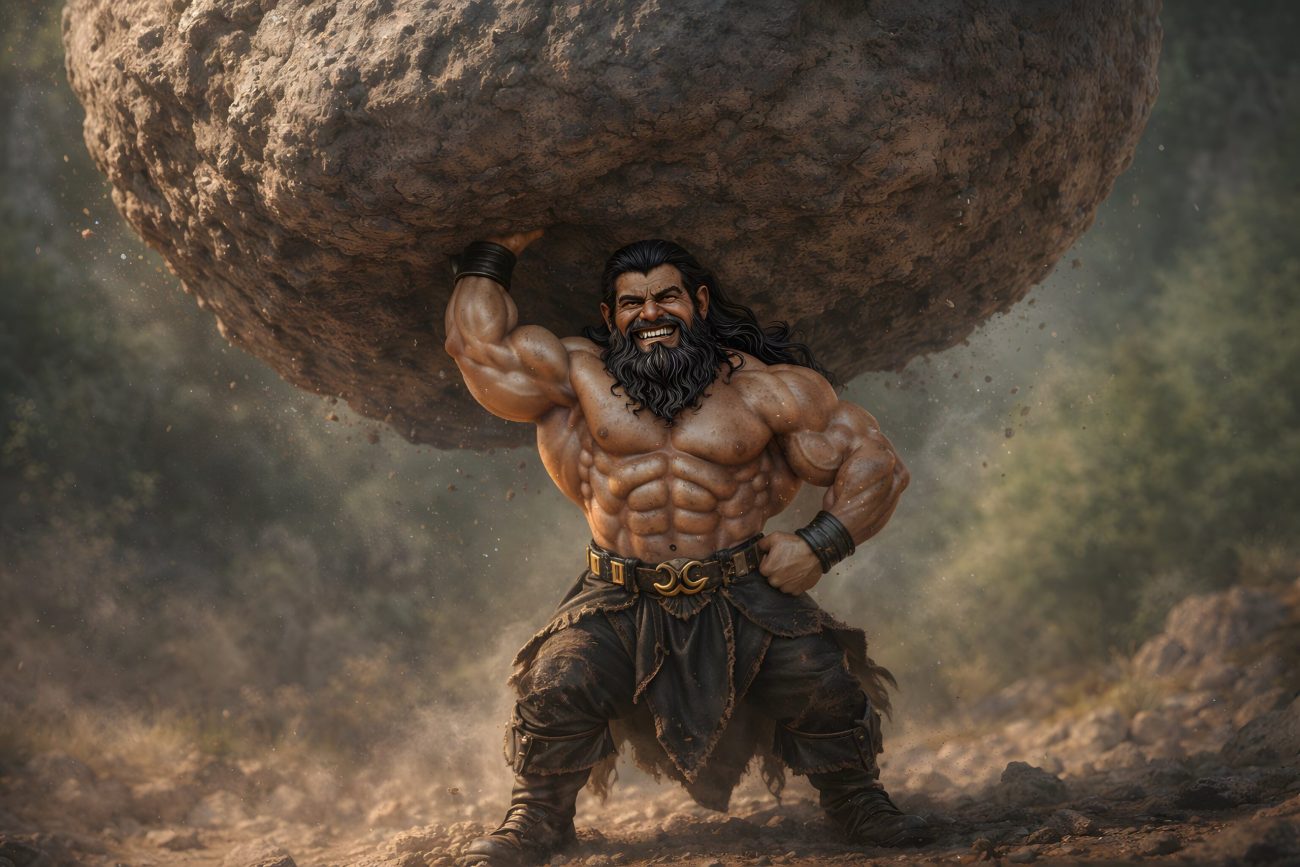
Jetins are tiny fairy-like beings from the seaside caves of Brittany, known for their immense strength and mischievous behavior. Despite ranging in size from as small as a thumb to about 1.5 feet tall, they possess the ability to lift and throw massive stones.

They are described as rough, possibly hairy creatures, sometimes said to wear silver shoes. Jetins delight in displaying their strength by hurling boulders over great distances, and many standing stones and megaliths are attributed to their activity, treated as mere playthings.

Beyond stone-throwing, jetins engage in typical fairy mischief. They tie knots in horse tails, release livestock, and are known for abducting human infants, leaving behind changelings—ugly, wrinkled substitutes that never grow or develop. These stolen children can be recovered by threatening the changeling near a jetin dwelling, forcing the creatures to return the human child.

Jetins are said to share their coastal habitats with other small beings such as the Fions and the Fées des Houles, the latter being more benevolent. Similar roles of stone-throwing in folklore are sometimes attributed to larger beings like giants, but in Brittany, this function belongs to the small yet powerful jetins.


Sources

A Book of Creatures. (n.d.). Jetin. Retrieved March 1, 2026, from https://abookofcreatures.com/2015/04/29/jetin/.

Lutin

Tradition / Region: French Mythology
Alternate Names: Lutine (female), Nain Rouge, Cheval Bayard (horse form)
Category: Gnome, House dweller


The Myth

The lutin is one of the small hidden folk who live close to humans, slipping easily between the visible and invisible worlds. Mischievous by nature, clever rather than cruel, the lutin delights in tricks, surprises, and quiet interference in everyday life.

Often unseen, the lutin may suddenly make its presence known through tangled hair, twisted into stubborn elf-locks, or by the unexplained movement of objects in a home or stable. Horses are particular targets of its playfulness: their manes may be braided overnight, or they may be found lathered and exhausted, as though ridden hard while no rider was seen.

At times, the lutin takes on a striking form—a horse already saddled and waiting, known as Le Cheval Bayard. Those foolish enough to mount it may find themselves carried off at impossible speed, only to be dropped far from home, confused and shaken.

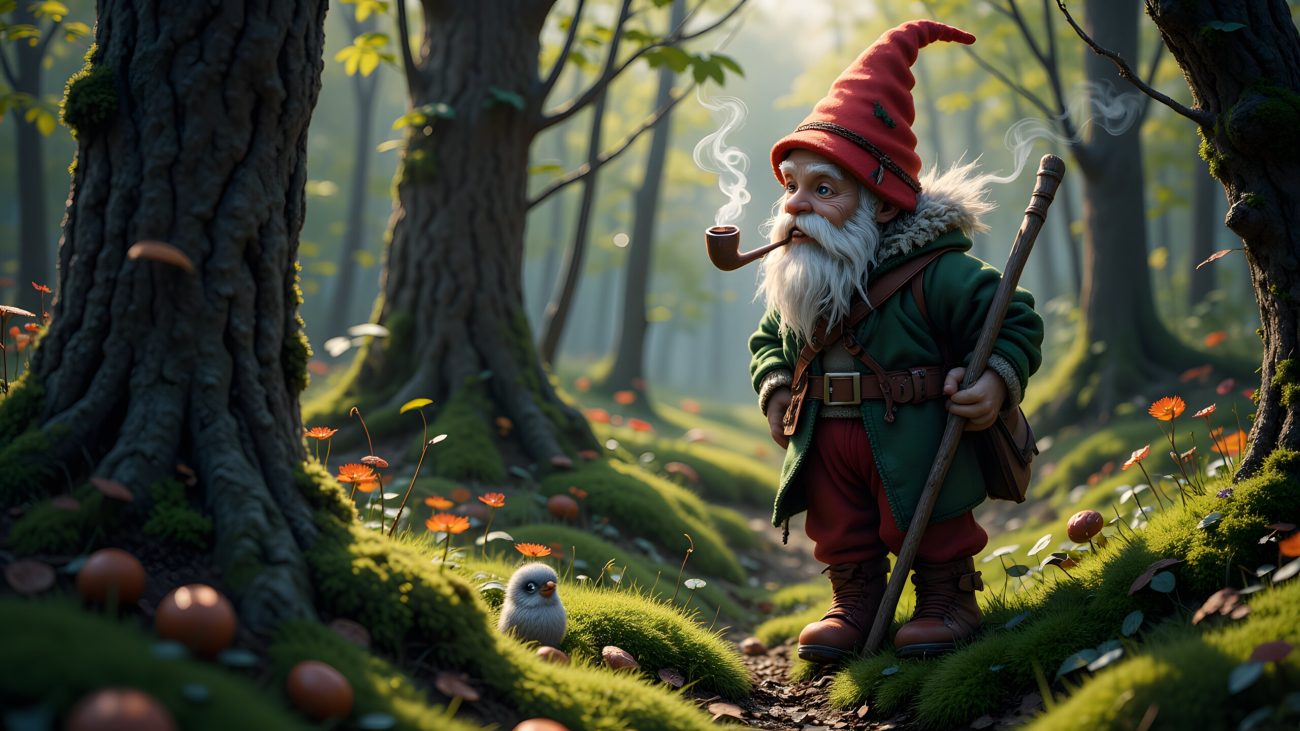
Lutins possess remarkable powers. They can become invisible at will, pass through walls, doors, and locked spaces, rise into the air without wings, dive into the sea without drowning, and cross vast distances in an instant. They are not bound by the limits of land, water, or sky. When they choose to be seen, they appear in a small, human-like form, often wearing a red cap, sometimes enchanted so that it grants invisibility.

Though playful and troublesome, lutins are not enemies of humankind. Like household spirits elsewhere in Europe, they may help or hinder depending on how they are treated. Kindness may earn quiet assistance; disrespect invites mockery and confusion.

In later tradition, the lutin’s role softened further. It is said that they now assist Père Noël, working unseen to help with his labors in the far north. Yet even then, they retain their old nature—quick, elusive, fond of tricks, and never entirely trustworthy.

To encounter a lutin is to brush against a world where rules bend, doors open without keys, and laughter may echo just beyond sight.


Sources

Wikipedia contributors. (n.d.). Lutin. In Wikipedia, The Free Encyclopedia, from https://en.wikipedia.org/wiki/Lutin