Aziza

Tradition / Region: Benin Mythology
Also Known As: Azisa
Category: Gnome


The Myth

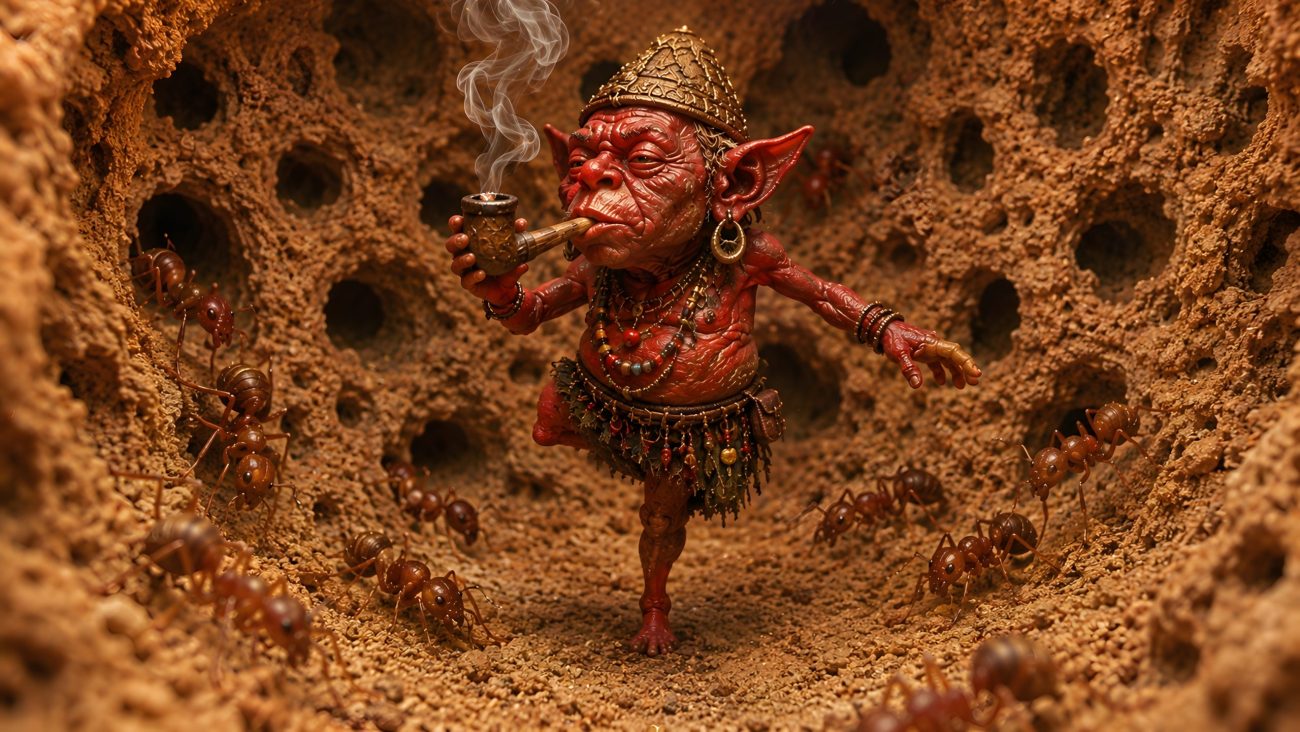
The Aziza are a supernatural race from West African folklore, especially associated with the traditions of Dahomey. They are usually described as small forest-dwelling beings who live deep within the wilderness, particularly inside anthills and silk-cotton trees.

Unlike many dangerous spirits of folklore, the Aziza are generally considered benevolent beings. Hunters who encounter them may receive magical protection, spiritual guidance, or secret knowledge. Legends claim that the Aziza taught humans important skills and sacred wisdom, including the use of fire and practical knowledge needed for survival.

Most traditions describe the Aziza simply as little people connected to the forest and hidden magic. Some oral traditions, however, speak of a singular being named Aziza, described as a small one-legged figure who smokes a pipe and possesses supernatural powers.

Certain later accounts portray the Aziza with wings, resembling fairy-like beings, though many traditions do not include this feature. Because these winged descriptions were recorded after European contact during the Atlantic slave trade era, some scholars question whether European folklore may have influenced these later depictions.


Sources

Wikipedia contributors. (n.d.). Aziza (mythology). In Wikipedia. Retrieved May 10, 2026, from https://en.wikipedia.org/wiki/Aziza_(mythology)

Ayida-Weddo

Tradition / Region: Benin Mythology
Also Known As: Ayida Wedo, Ayida-Wedo
Category: Snake


The Myth

Ayida-Weddo is a great rainbow serpent in Fon mythology, believed to have existed before the creation of the Earth. The serpent served the creator deity Mawu-Lisa and helped shape the world at the beginning of time.

According to the myths, Ayida-Weddo carried Mawu-Lisa in its mouth while the goddess formed the Earth. As the serpent moved across the world, its immense body created rivers, valleys, canyons, and mountains. The serpent possessed two natures: a red male half and a blue female half.

The female aspect of Ayida-Weddo was associated with rainbows, storms, clouds, rivers, springs, and rain. The male aspect coiled beneath the Earth itself, supporting the weight of the world and preventing it from collapsing into the abyss below. Legends say that when the serpent shifts beneath the Earth from exhaustion, earthquakes occur.

Some traditions claim the serpent feeds on iron to maintain its strength. One prophecy warns that if Ayida-Weddo ever consumes all the iron in the world, it will begin devouring its own tail, causing the Earth to sink into chaos and destruction.

In other stories, Ayida-Weddo descends from the heavens together with the first humans created by Mawu-Lisa. The serpent is strongly connected with life, fertility, rain, blood, and creation, and is often portrayed as a cosmic being linking the heavens, the Earth, and the waters beneath the world.


Sources

Wikipedia contributors. (n.d.). Ayida-Weddo. In Wikipedia. Retrieved May 10, 2026, from https://en.wikipedia.org/wiki/Ayida-Weddo


Aruan of Udo

Tradition / Region: Benin Mythology
Also Known As: Arhuanran, Aruanran
Category: Giant, Hero


The Myth

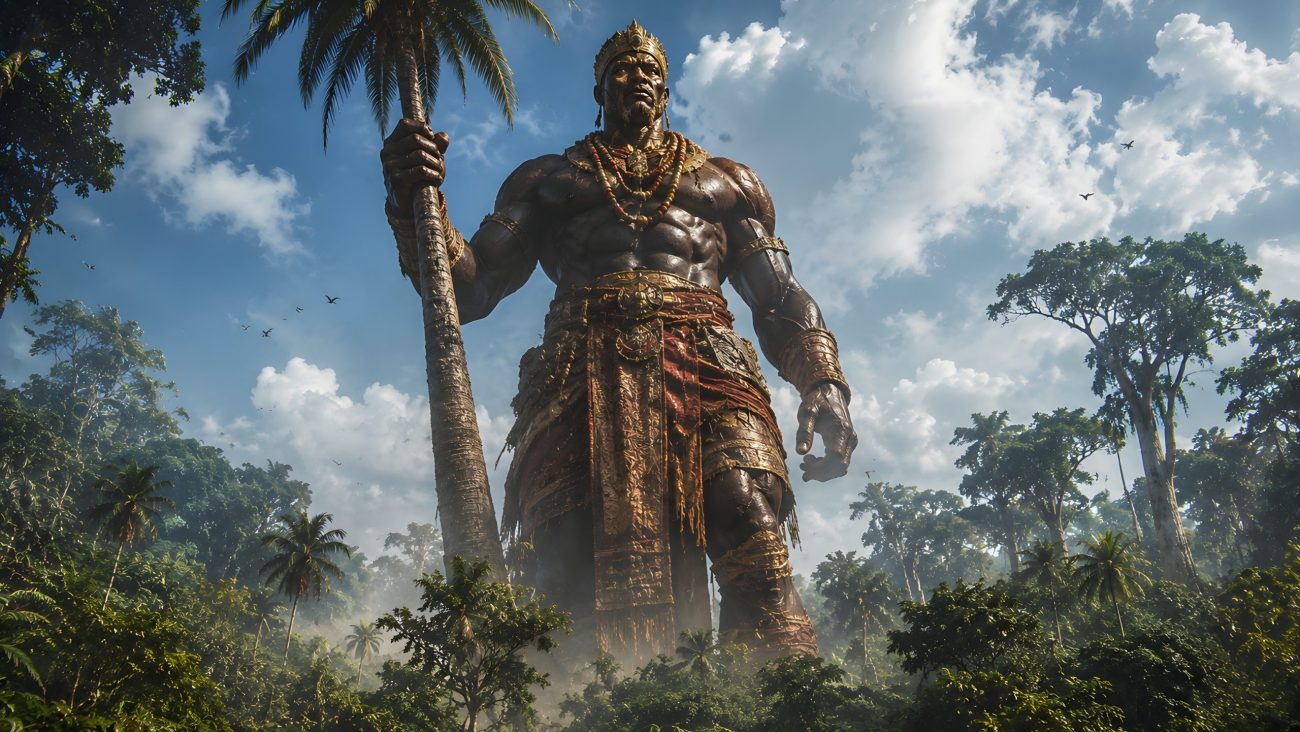
Aruan of Udo is a legendary prince from the ancient Kingdom of Benin, remembered in oral tradition as a giant of enormous strength and size. According to the stories, he was so powerful that he could sweep the entire city of Benin using palm trees.

Born in the 16th century to Oba Ozolua and Queen Ohonmi, the prince was originally named Idubor. Tradition says that he and his younger brother were born on the same day. Although Idubor was born first, he did not cry at birth. His younger brother Osawe, born later to Queen Idia, cried immediately after being born. Because of this, Osawe was considered the rightful heir and later became the famous Oba Esigie.

Having lost the throne despite being the elder brother, Idubor was compensated by his father and granted rule over the town of Udo near Benin City. From that point onward he became known as Aruan of Udo.

Benin oral traditions remember Aruan as a gigantic and powerful figure connected to strength, nobility, and the royal history of the Benin Kingdom.


Sources

Wikipedia contributors. (n.d.). Aruan of Udo. In Wikipedia. Retrieved May 10, 2026, from https://en.wikipedia.org/wiki/Aruan_of_Udo