Stretching Lynx

Tradition / Region: American Mythology
Alternative names: Lynx of Old Man’s Tale
Category: Cat


The Myth

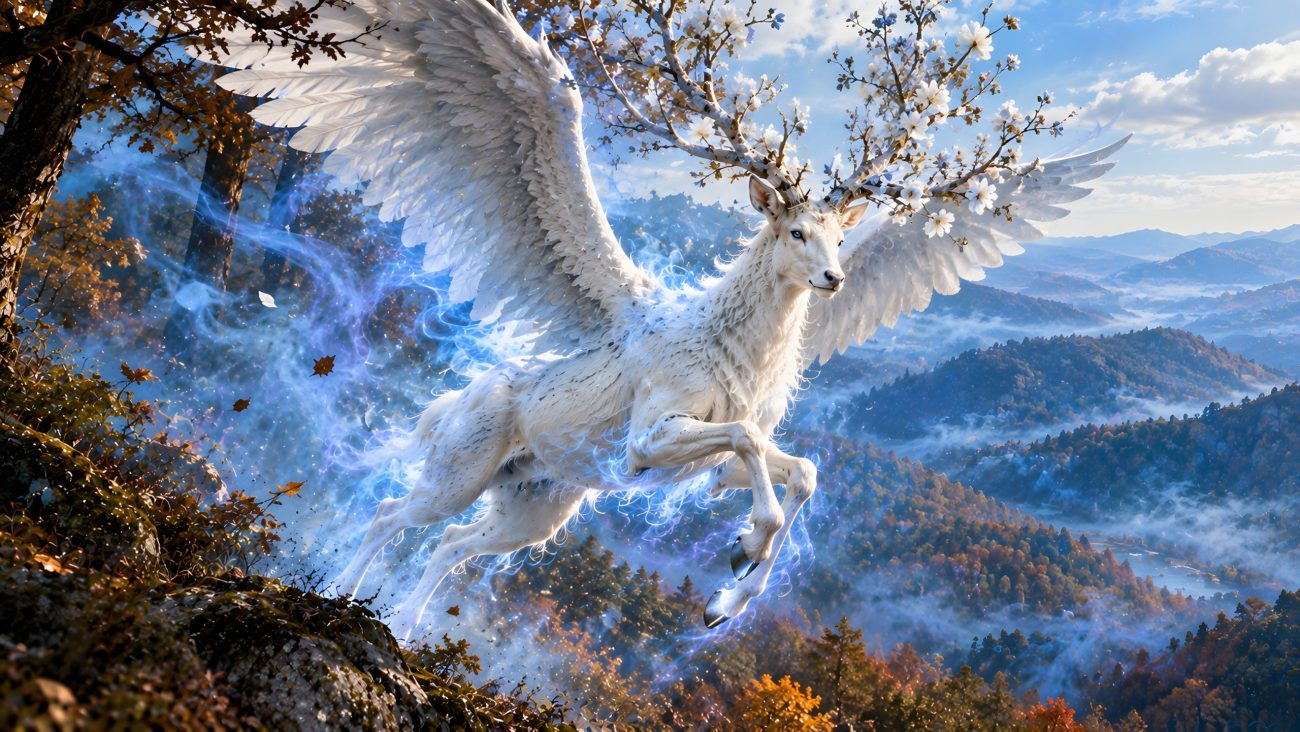
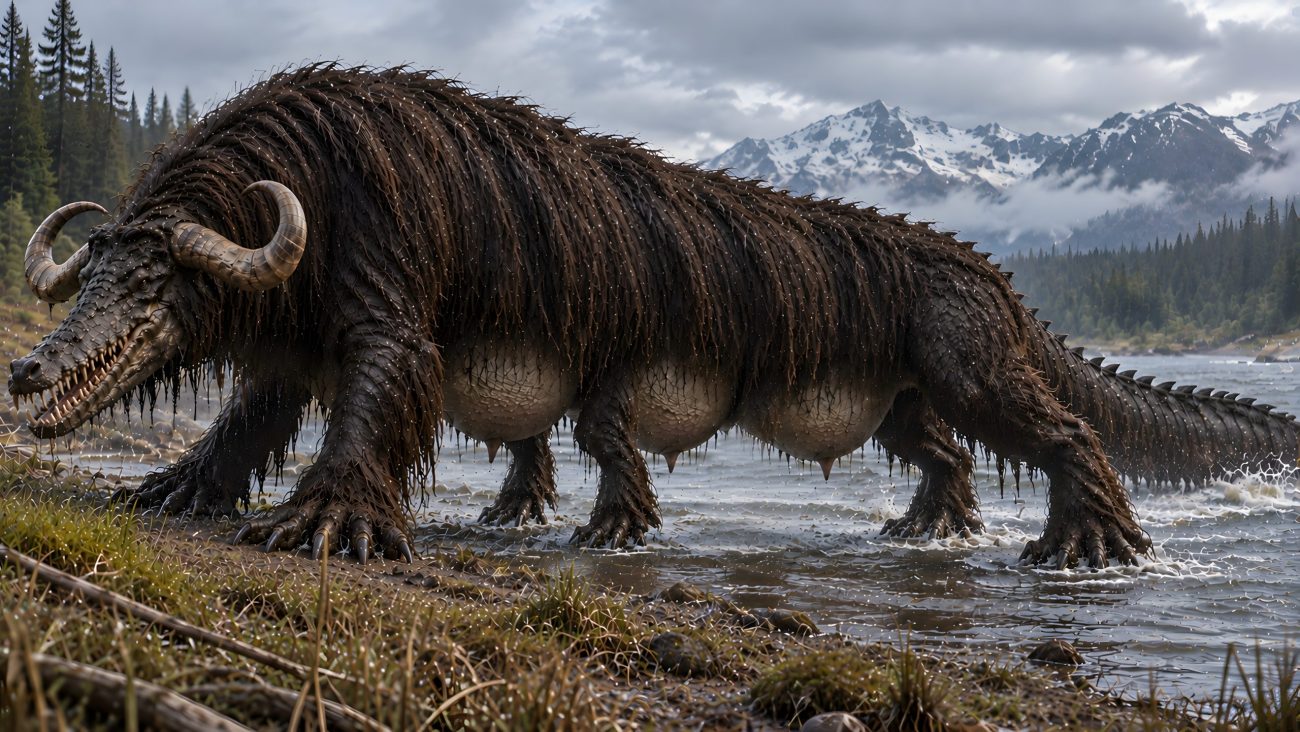
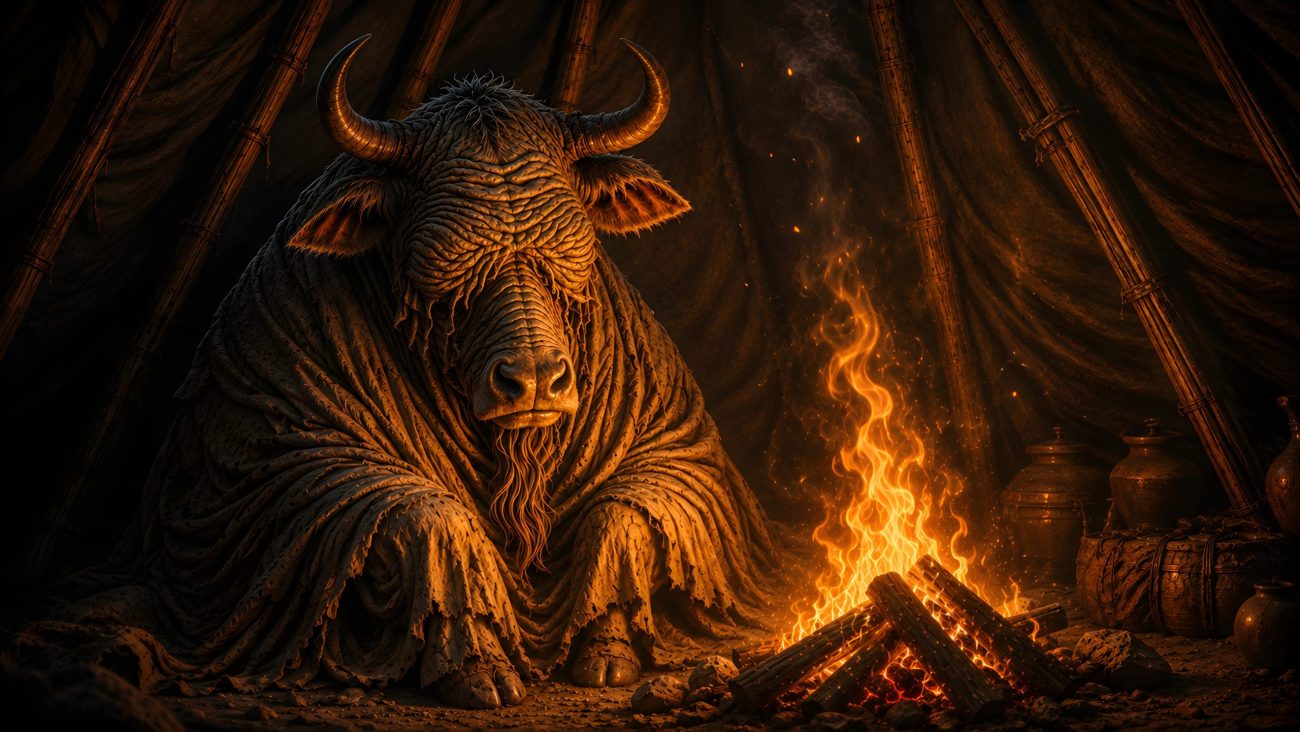
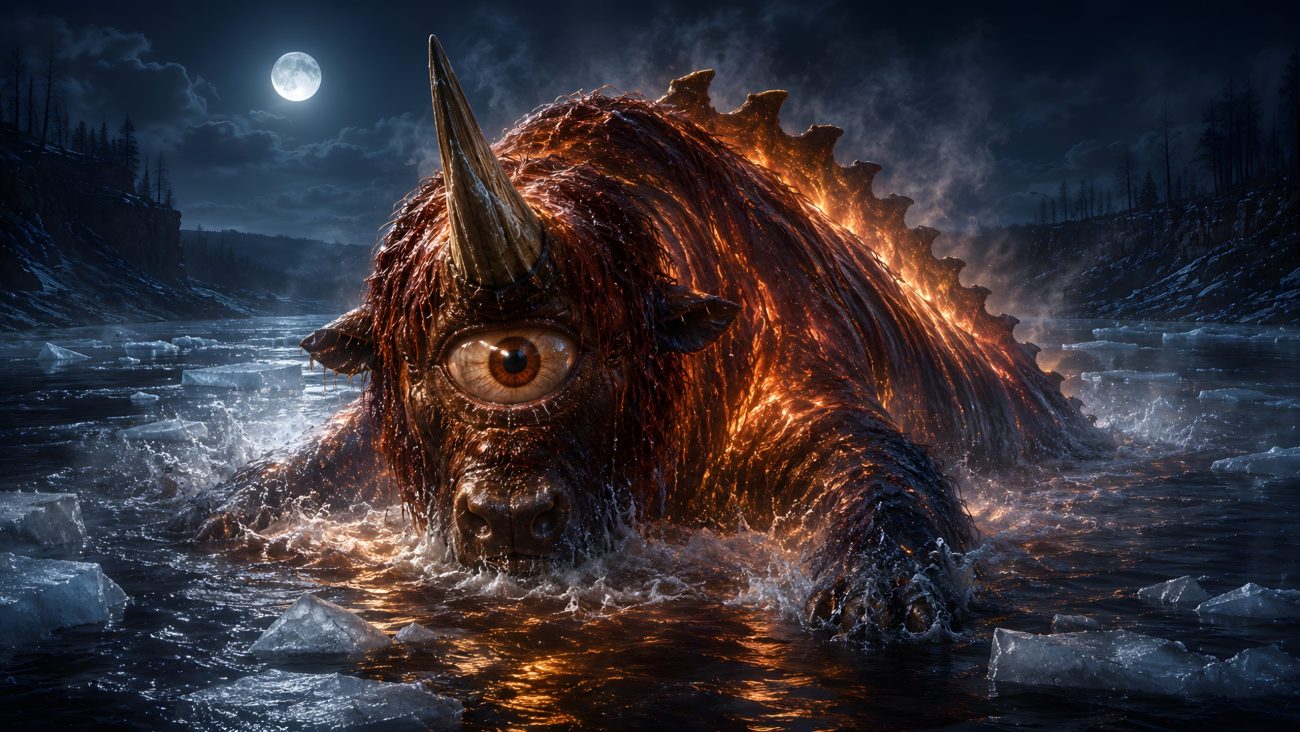
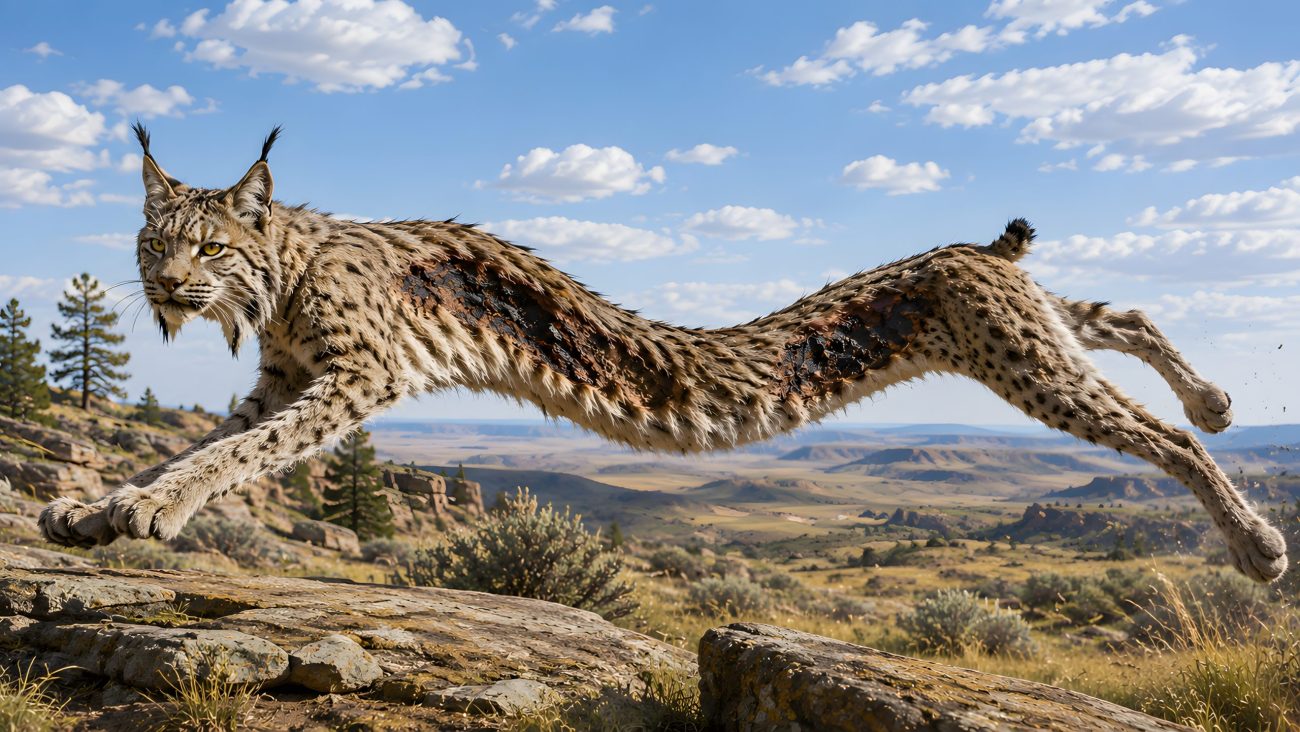
The Stretching Lynx appears as a large wild lynx whose body already resembles that of a modern lynx, though its final appearance is explained through the actions of Old Man, the Blackfoot trickster and culture hero.

One day Old Man encountered a group of squirrels playing a game in hot ashes. The squirrels would bury one another beneath the hot ashes and quickly dig each other out before they were burned. Although they warned Old Man that he would not understand the game, he tricked them into letting him bury them all at once. Instead of rescuing them, he piled on more hot ashes until nearly all the squirrels were roasted alive, sparing only a pregnant squirrel who had begged for mercy.

Old Man built a scaffold from red willow branches and laid the roasted squirrels upon it to cool before eating them. After satisfying his hunger, he lay down to sleep, leaving his Little Brown-Eye to keep watch. While he slept, a lynx quietly approached and devoured every squirrel on the scaffold. Although Little Brown-Eye tried to warn him, Old Man slept through the alarm. Furious when he awoke to find his meal gone, he blamed Little Brown-Eye and burned it with a burning willow stick, creating the origin of the foul-smelling stinking wood.

Old Man then followed the lynx’s greasy tracks until he found it asleep upon a great flat rock. Seizing the animal, he declared that it deserved punishment for stealing his food. He broke off part of its tail, leaving the lynx with its short tail. Standing the animal upright, he grabbed its forelegs and stretched its body until it became long and lean. He then smashed its snout against a rock until it became broad and flat, tore out a handful of hair and fixed it to the animal’s face to create its whiskers, and finally held it over a fire, scorching its sides. These punishments explained why the lynx has its distinctive short tail, flattened face, whiskers, elongated body, and mottled coat.

Afterward, Old Man rested again, but the burn on Little Brown-Eye caused him such discomfort that he repeatedly called for the wind to blow harder to cool it. The wind grew into a violent storm that carried Old Man tumbling across hills and mountains. He grabbed at bushes and trees until only a sturdy birch held firm. When the storm finally subsided, Old Man angrily blamed the birch for ending his wild ride and slashed its bark repeatedly with his knife. According to the tale, the scars still visible on birch trees are the marks left by Old Man’s blade.


Sources

Wissler, Clark, and D. C. Duvall. Mythology of the Blackfoot Indians. Vol. 2, Anthropological Papers of the American Museum of Natural History. New York: The Trustees of the American Museum of Natural History, 1908. Accessed July 28, 2026. https://archive.org/details/mythologyblackf01duvagoog


Splintercat

Tradition / Region: American Mythology
Alternative names: None known
Category: Cat


The Myth

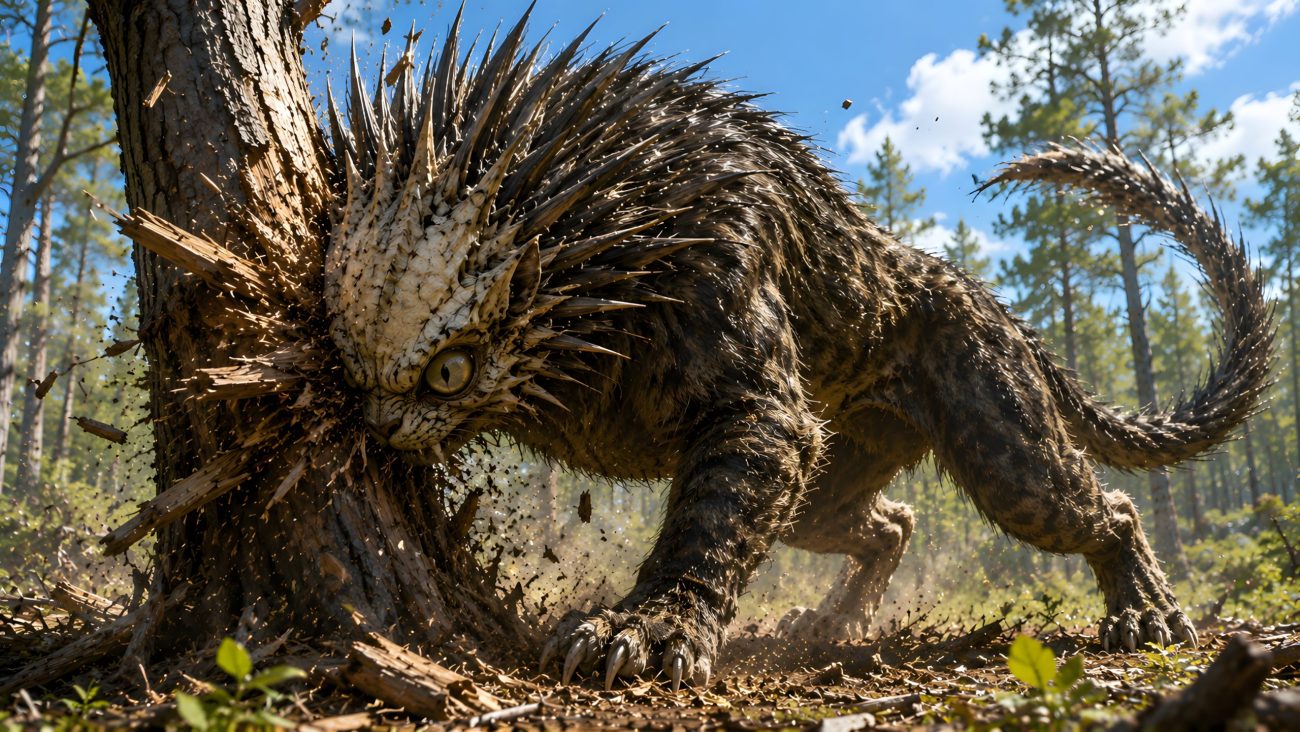
The Splintercat is a fierce nocturnal feline that flies through the air at tremendous speed. It is said to smash headfirst into large trees, knocking off their branches and leaving the trunks dead and stripped bare like pale ghostly snags. It performs this remarkable feat to expose raccoons and wild bees hiding inside the trees for food. Constantly battering trees with its head leaves the creature with a perpetual headache, making it notoriously ill-tempered and dangerous to approach.

An alternate tradition from Nova Scotia describes the Splintercat as emerging from trees during winter after spending the summer hibernating inside them. The loud cracking sounds heard in frozen forests are said to be the creature breaking free from its tree. In this version, it has exceptionally long claws, powerful legs, and fur patterned like tree bark, allowing it to remain perfectly camouflaged until it suddenly leaps from the shadows to ambush its prey.


Sources

“Splintercat.” Wikipedia: The Free Encyclopedia. Wikimedia Foundation. Accessed July 28, 2026. https://en.wikipedia.org/wiki/Splintercat


Cactus Cat

Tradition / Region: American Mythology
Alternative names:
Category: Cat


The Myth

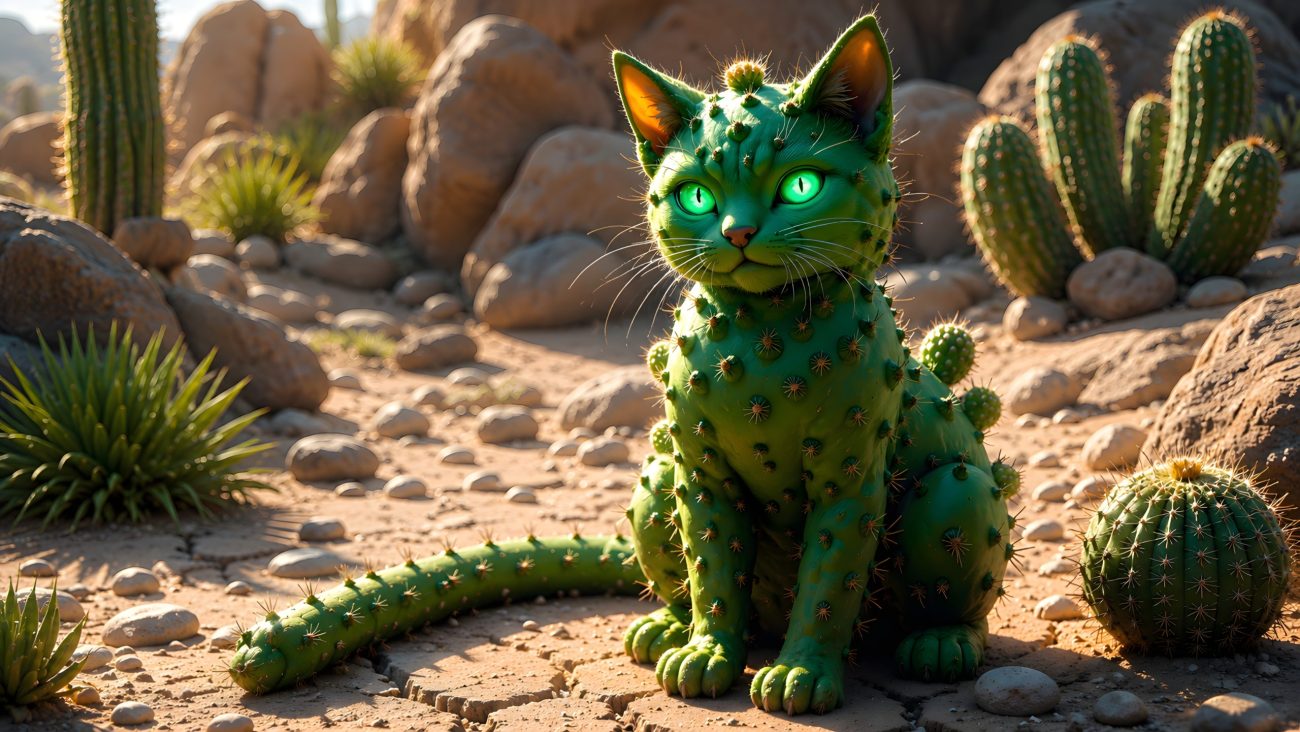
The Cactus Cat is a legendary creature of the American Southwest, resembling a bobcat covered in sharp, cactus-like spines. Long thorns project from its legs, and its branching, armored tail is likewise covered in deadly spikes. Its coat blends perfectly with the desert, making it almost impossible to spot.

According to legend, the Cactus Cat emerges at night to slash giant cacti with its thorn-covered body. The cuts allow the cactus juice to flow freely. After leaving the sap to ferment for several nights, the creature returns to drink the intoxicating liquid.

The Cactus Cat is closely associated with the harsh deserts of the American Southwest and is often regarded as a living embodiment of the desert itself. It was said to haunt the arid wilderness, where its camouflage and thorny body made it perfectly adapted to its unforgiving home.

The legend was passed down through oral tradition and was later shared among frontiersmen, miners, and cowboys, ensuring that tales of the mysterious, spine-covered feline continued to roam the deserts long after its supposed tracks had vanished.


Sources

“Cactus Cat.” Wikipedia: The Free Encyclopedia. Wikimedia Foundation. Accessed July 28, 2026. https://en.wikipedia.org/wiki/Cactus_cat


Ball-Tailed Cat

Tradition / Region: American Mythology
Alternative names: Dingmaul, Sliver Cat
Category: Cat


The Myth

The Ball-Tailed Cat is a fearsome beast said to resemble a mountain lion, distinguished by an extraordinarily long tail ending in a heavy, solid ball.

The creature hunts by swinging its powerful tail with tremendous force, striking prey unconscious before moving in to kill it. Travelers who wandered too close were said to be knocked senseless by a single blow from the tail.

Some stories describe a more dangerous variety known as the Sliver Cat. Instead of a smooth club, one side of its tail ends in sharp spikes. After stunning its victim with the smooth side, it turns the tail and drives the spiked side into its prey, holding it fast before delivering the final attack.

Another variant, the Dingmaul, is similarly known for using its massive tail as its primary weapon, making the Ball-Tailed Cat one of the most feared creatures said to roam the forests of North America.


Sources

“Ball-tailed Cat.” Wikipedia: The Free Encyclopedia. Wikimedia Foundation. Accessed July 28, 2026. https://en.wikipedia.org/wiki/Ball-tailed_cat


Tsenahale

Tradition / Region: American Mythology
Alternative names: Tse’nahale, Tse’na’hale, Tsanahale
Category: Bird


The Myth

The Tsenahale were a male and female pair of monstrous bird beings counted among the Anaye, the Alien Gods. They were born from unnatural practices after men and women had been separated, their father being nothing more than a pile of feathers. Abandoned at birth, they grew into gigantic bird-like monsters resembling enormous eagles or harpies. The male hunted only men, while the female preyed upon women, and Raven served as their scout.

The two creatures nested atop Tse’bit’ai (Shiprock). When the hero Nayenezgani, the Slayer of Alien Gods, came to destroy them, the male attacked from the sky, creating violent whirlwinds with his wings. He seized Nayenezgani in his talons and dropped him into the nest, believing him dead. Hidden among the chicks, Nayenezgani learned when the parents would return.

The male arrived first with a great thunderstorm and perched upon a rock. Nayenezgani killed him with a single lightning arrow. Soon afterward the female returned through pouring rain carrying the body of a Pueblo woman, and she too was slain.

The frightened chicks begged for mercy. Instead of killing them, Nayenezgani transformed the elder into the eagle, whose feathers would be used in sacred ceremonies and whose bones would become ritual whistles. The younger chick became the owl, whose calls would sometimes foretell the truth and sometimes deceive. The remaining feathers of the Tsenahale were scattered and transformed into the many small birds of the world, including sparrows, wrens, chickadees, warblers, and others.


Sources

Countess Sica. “Tsenahale.” A Book of Creatures. June 12, 2015. Accessed July 27, 2026. https://abookofcreatures.com/2015/06/12/tsenahale/


Piasa Bird

Tradition / Region: American Mythology
Alternative names: Piasa; Piasa
Category: Bird


The Myth

The Piasa Bird is a legendary monster of Native American tradition associated with the towering cliffs above the Mississippi River in present-day Illinois. It was depicted in a great cliff mural long before the arrival of Europeans. Later legends describe it as a terrifying winged creature with horns like a deer, red eyes, a human-like face, a body covered in scales, powerful claws, and a long tail ending in a fish’s fin. It was feared as a man-eater that swooped from its rocky home to seize human victims.

According to the best-known legend, the monster developed a taste for human flesh and repeatedly attacked nearby villages. Desperate to end its reign of terror, Chief Ouatoga prayed to the Great Spirit, who revealed a plan in a dream. The chief stood alone before the creature’s cave as bait while his bravest warriors hid nearby with poisoned arrows.

When the Piasa Bird dived toward the chief, the hidden warriors loosed a deadly volley of arrows. Mortally wounded, the great beast crashed to the ground and died, freeing the people from its attacks. To commemorate the victory, the people painted the image of the monster high upon the cliffs overlooking the Mississippi River, where it remained for generations as one of North America’s most famous legendary creatures.


Sources

Wikipedia contributors. (n.d.). Piasa. In Wikipedia. Retrieved June 29, 2026, from https://en.wikipedia.org/wiki/Piasa


Pamola

Tradition / Region: American Mythology
Alternative names: Pamolai; P-mol-a; Pomola; Bmola; Bumole
Category: Bird


The Myth

Pamola is a mighty bird spirit and thunder god of Penobscot tradition who dwells atop Mount Katahdin, the highest peak in Maine. Banished there by the culture hero Gluskab, Pamola became the sacred guardian of the mountain. He is commonly described as having the head of a moose, the body of a man, and the wings and talons of an eagle, though some traditions portray him with a gigantic human face upon an eagle’s body.

Pamola rules over storms, fierce winds, snow, dense fog, and bitter cold. It is said that he beats his great wings to summon violent weather, protecting the mountain from those who would disturb it. The Penobscot regarded Katahdin as sacred, and climbing its summit was long considered forbidden because Pamola fiercely resented human intruders.

Legends warn that Pamola carries trespassers away to Alomkik, the land of the dead near the mountain. Other stories tell how he hurled boulders at those who lingered too long on his slopes or descended from the sky to drive away anyone who dared challenge his domain. Through these tales, Pamola remains the eternal guardian of Katahdin, keeping watch over the sacred mountain with thunder and storm.


Sources

Wikipedia contributors. (n.d.). Pamola. In Wikipedia. Retrieved June 29, 2026, from https://en.wikipedia.org/wiki/Pamola.


Snallygaster

Tradition / Region: American Mythology
Alternative names: Schneller Geist
Category: Bird


The Myth

The Snallygaster is a terrifying bird-reptile monster from the folklore of Maryland, especially around Frederick County. According to early German settlers, it was a winged creature with the body of a reptile, a long metallic beak lined with razor-sharp teeth, steel-like claws, and sometimes octopus-like tentacles. Some tales also gave it a single eye in the center of its forehead. It was said to fly silently through the night before swooping down to seize people or livestock in its claws.

Early legends claimed the Snallygaster drank the blood of its victims, making it one of the most feared monsters in the region. To protect themselves, local people painted seven-pointed stars on their barns, believing the strange symbol would keep the creature away.

In 1909, reports spread across Maryland describing encounters with a huge flying beast whose enormous wings, pointed beak, iron-like claws, and piercing whistle terrified witnesses. The stories became so widespread that rewards were reportedly offered for the creature’s hide, although the wave of sightings was later revealed to have been an elaborate newspaper hoax inspired by the older German-American legend. Despite this, the Snallygaster remains one of the best-known monsters of American folklore.


Sources

Wikipedia contributors. (n.d.). Snallygaster. In Wikipedia. Retrieved June 29, 2026, from https://en.wikipedia.org/wiki/Snallygaster


Goose Wife

Tradition / Region: Inuit Mythology, Canadian Mythology, American Mythology
Alternative names: Goose Woman; Goose Maiden
Category: Bird, Nymph


The Myth

The Goose Wife is a bird maiden found in the traditions of the Inuit and other Arctic peoples. A hunter discovers a group of geese that remove their goose skins to become women while bathing in a lake. He secretly steals the skin of one of the women, preventing her from returning to bird form, and she is forced to become his wife. Together they have children, but she never forgets her home in the Land of Birds.

In time, the Goose Wife secretly gathers feathers and fashions new wings for herself and her children. Once they are complete, they transform back into birds and fly away. Determined to reunite with his family, the hunter journeys to the distant Land of Birds, where he encounters marvelous beings, including a giant who creates fish from chips of wood and helps him cross the waters to his wife’s homeland.

The ending varies among different Arctic traditions. In some versions, the hunter is reunited with his wife for a time before she departs again with the bird people. In others, he is transformed into a bird himself so he may remain with his family, while some stories end tragically, with the Goose Wife dying or the husband never truly recovering what he had lost. Despite these differences, the Goose Wife remains one of the best-known bird maiden figures of Arctic folklore.


Sources

Wikipedia contributors. (n.d.). Goose Wife (Inuit). In Wikipedia. Retrieved June 29, 2026, from https://en.wikipedia.org/wiki/Goose_Wife_(Inuit)


Dingbat

Tradition / Region: American Mythology
Alternative names: Dingbat
Category: Bird


The Myth

The Dingbat is a legendary Fearsome Critter of the Great Lakes region. It is described as a strange hybrid of bird and mammal, with a short feathered body, large wings, and a pair of short antlers.

Rather than attacking people directly, the Dingbat delights in tormenting hunters. During deer season it is said to catch bullets in mid-air before they can strike their target, drink the gasoline from hunters’ automobiles, and play countless other tricks that leave sportsmen frustrated and unsuccessful.

Because of its mischievous nature, hunters have long blamed the Dingbat whenever an apparently perfect shot inexplicably misses. Although sightings of the creature are rare, it remains one of the best-known pranksters among the legendary Fearsome Critters of North American folklore.


Sources

A Book of Creatures. (2019, October 25). Dingbat. Retrieved June 29, 2026, from https://abookofcreatures.com/2019/10/25/dingbat/