Höritz Cemetery Skeleton

Tradition / Region: Czech Mythology
Alternate Names: —
Category: Skeleton


The Myth

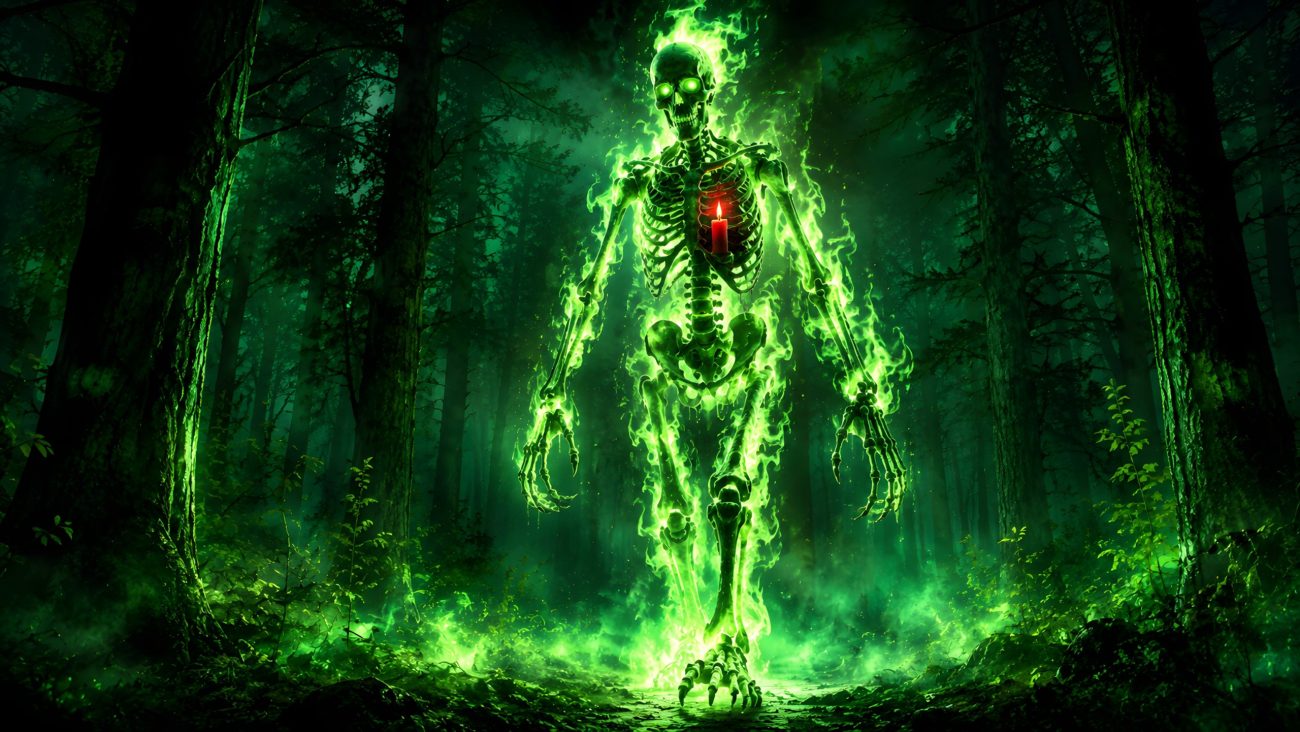
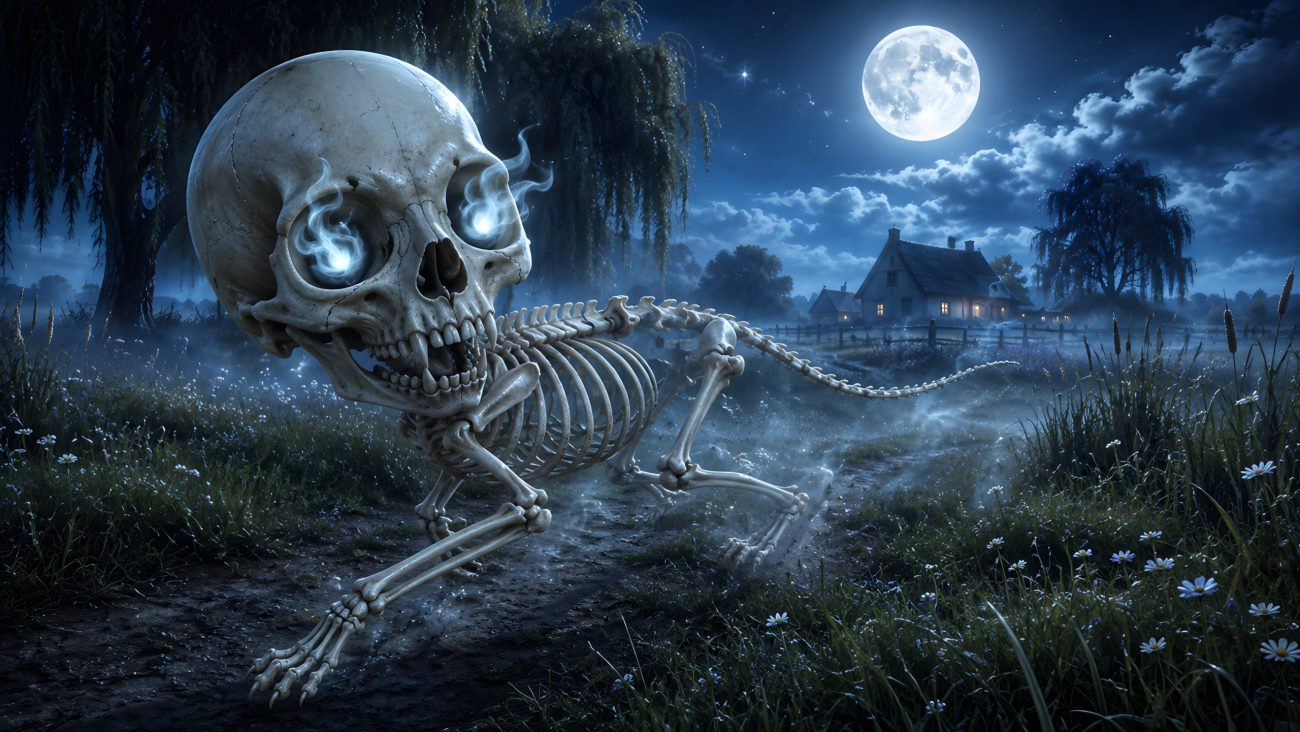
The Höritz Cemetery Skeleton is a manifestation of disturbed remains, representing the danger of disrespecting the dead. It is not a living being in the usual sense, but a corpse animated by unseen forces when provoked.

In the story, a gravedigger uncovered a large skeleton and left it leaning against the cemetery wall. That same evening, villagers gathered nearby and, seeing the skeleton, dared one another to fetch it as a joke.

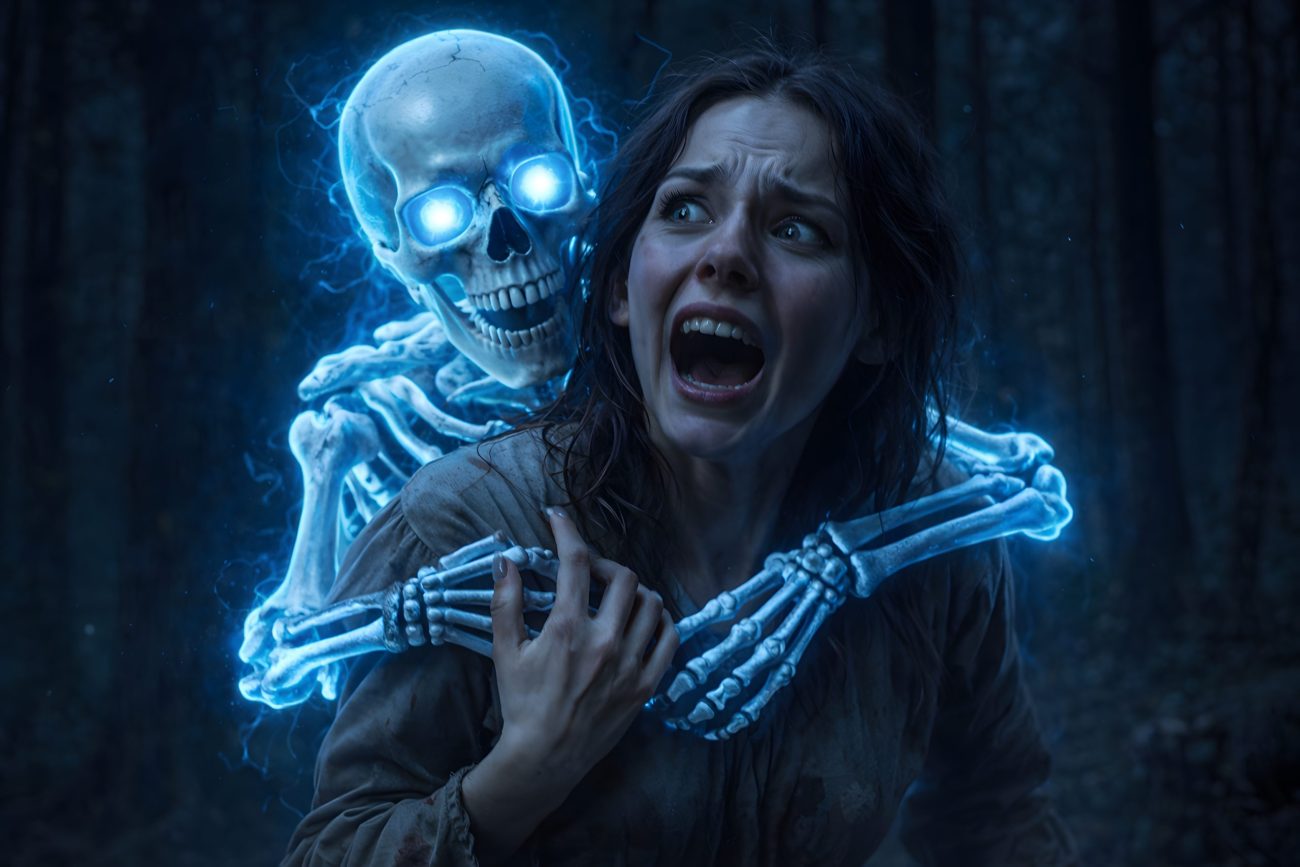
A fearless servant girl accepted the challenge and carried the skeleton on her back. But as she descended the steps, the bones came to life. The skeletal arms slowly tightened around her neck, strangling her while she struggled to break free. Unable to escape, she reached the doorway—only to collapse dead as she entered.

In another account, a girl removed a skull from the charnel house. When she returned it, the skull spoke, warning that only her good nature had spared her from being torn apart.

The Höritz Cemetery Skeleton reflects a clear belief:
the dead are not inert, and disturbing them invites retaliation.

It represents a guardian-like aspect of the grave, where bones themselves can act as vessels of lingering force, punishing mockery, arrogance, or irreverence toward burial places.


Sources

sagen.at contributors. (n.d.). Die Wichtelcher zu Useldingen. In sagen.at, from https://www.sagen.at/texte/sagen/luxemburg/Wichtlein_Useldingen.html


Skull Husband

Tradition / Region: Albanian Mythology
Alternate Names: —
Category: Skeleton


The Myth

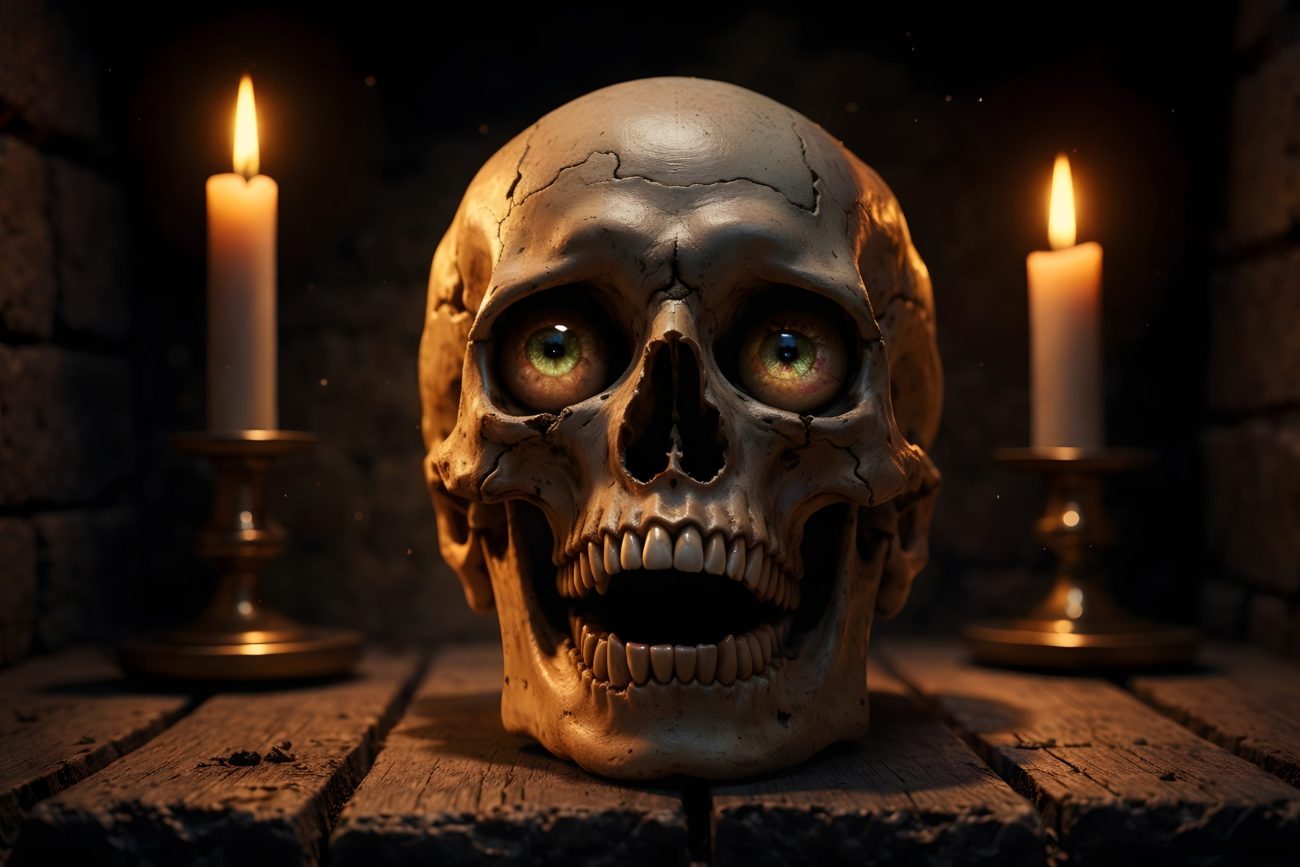
The Skull Husband is a man transformed into a skull, bound to exist in that form until restored. Despite his appearance, he possesses agency and the ability to provide wealth and assistance.

A king promised his daughter in marriage to whoever freed his horse. When the oath was fulfilled, she was sent to a palace where her husband appeared only as a skull. The first two daughters rejected this fate, but the third accepted it without fear and treated the skull as a true husband.

The skull responded to her acceptance by providing for her needs. Through commands delivered by a servant, it granted her access to wealth, food, and servants. Her life became one of abundance, despite the unnatural form of her husband.

When her sisters demanded to see the husband in human form, the maiden sought help. She encountered a supernatural maiden who revealed that the skull was in fact a transformed man. At that moment, the enchantment was broken, and the skull became a living man once more.

The transformation had been imposed to keep him hidden from the world, and it was undone through intervention and the maiden’s actions.


Sources

Albanian Literature contributors. (n.d.). Folktale 11. In Albanian Literature, from http://www.albanianliterature.net/folktales/tale_11.html

Frashëri, S. (1936). Folklor shqipëtar. In Durrës (reprinted in Folklor shqiptar 1, Proza popullore, 1963). Translated by Elsie, R.