Tradition: Albanian mythology
Alternative Names: Shtojzorreshta, Shtozote
Category: Fairy
The Myth
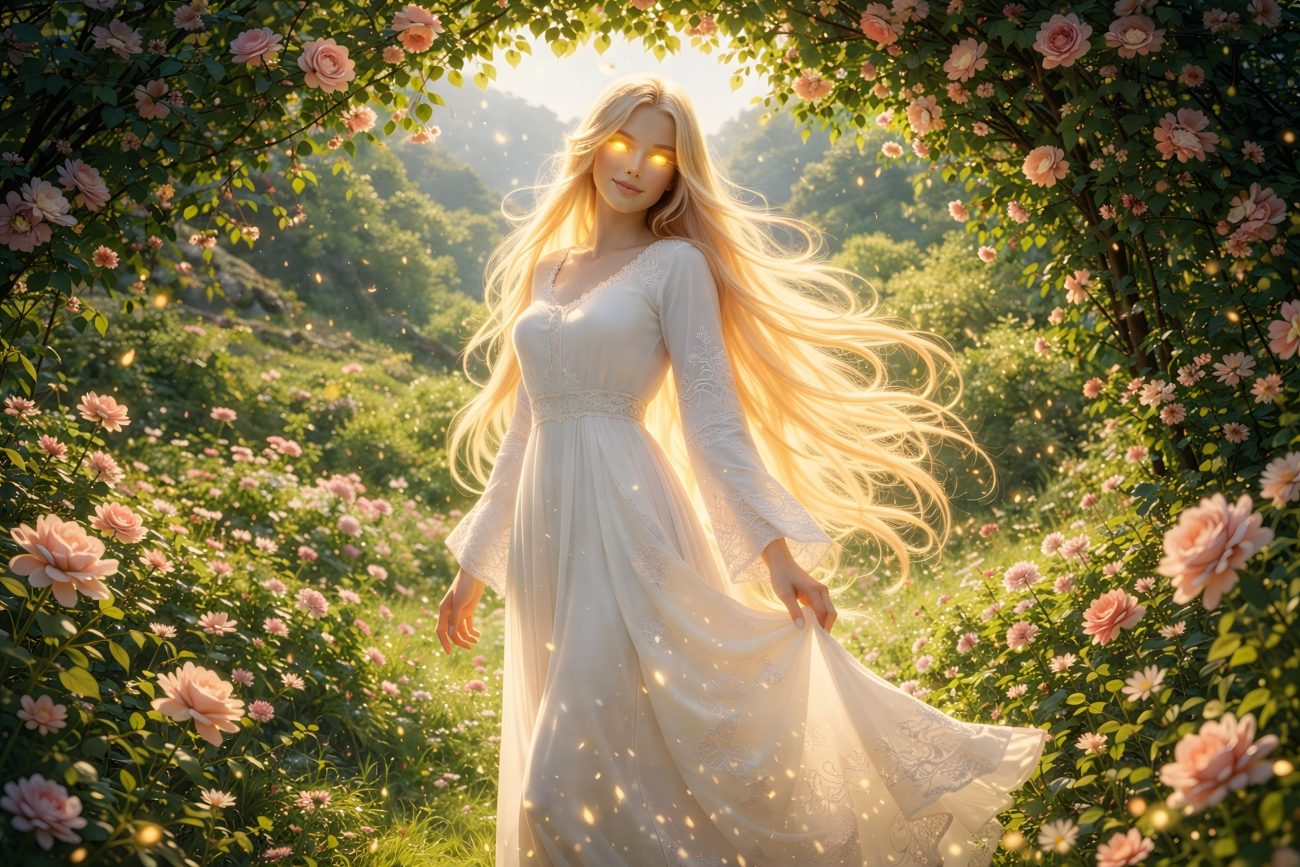
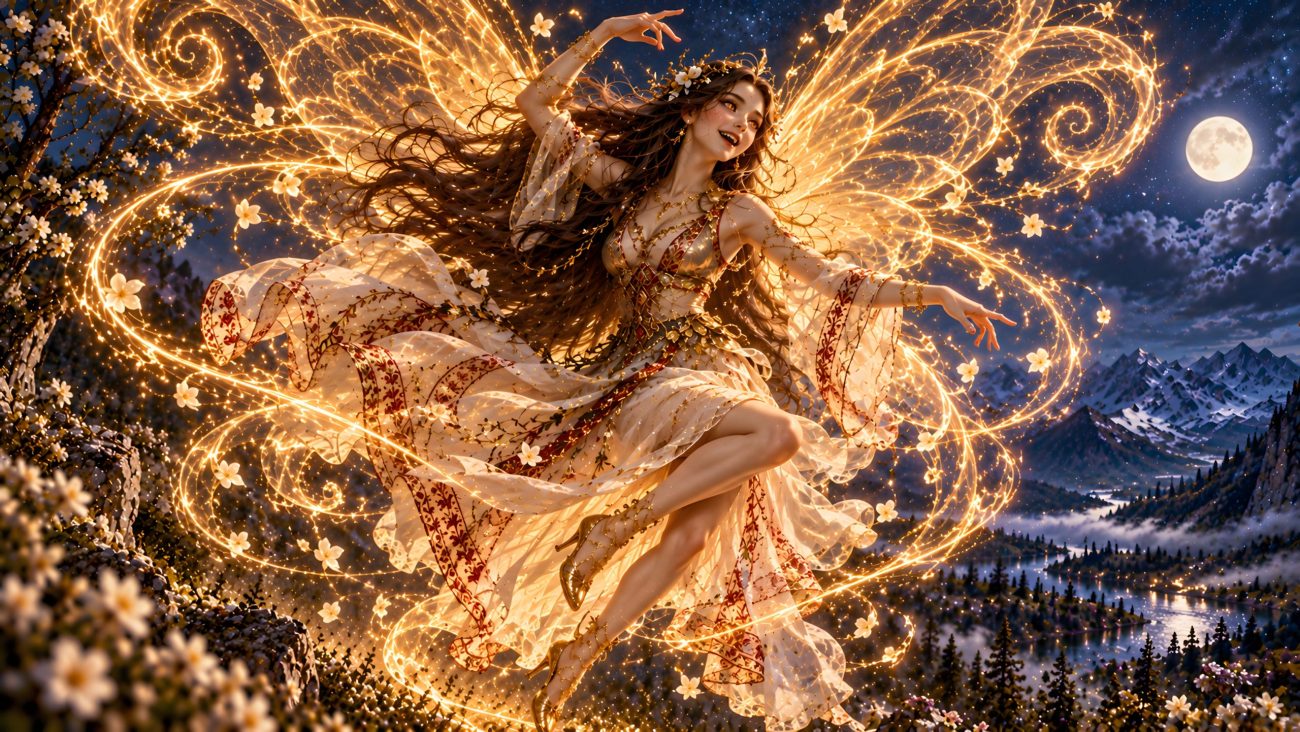
The Shtojzovalle were small supernatural beings of extraordinary beauty who lived in forests and open pastures. Both male and female, they were normally invisible to humans and could only rarely be seen. They possessed the ability to fly and spent much of their time singing and dancing. At night they were said to spin the thread of human existence, connecting them with the mysterious forces that governed human life. A person could see them only if the invisible veil before their eyes was lifted.
The Shtojzovalle could sometimes form relationships with humans, and human men were occasionally said to marry Shtojzovalle maidens. A man could keep such a fairy as his wife only if he gave her his own clothes to wear. Their presence could also become dangerous when humans disturbed their territory. If someone built a house on land inhabited by Shtojzovalle, the supernatural inhabitants would haunt it by shaking heavy iron chains. A person walking through their territory could even step on one of the invisible creatures and be devoured.
In northern Albanian Christian tradition, particularly among Catholics of Albania and Malësia, the Shtojzovalle were given another origin. When the Archangel Michael fought Satan, the angels who remained neutral were transformed into Shtojzovalle. They regretted their neutrality and wandered the forests singing and dancing while weeping over their sin. Their tears were dangerous: if a tear fell upon a human, that person would die. This belief became associated with the Albanian expression i ka rënë pika, meaning that a drop had fallen upon someone and, figuratively, that the person had died.
Sources
“Shtojzovalle.” Wikipedia: The Free Encyclopedia. Wikimedia Foundation. Accessed October 5, 2026.
https://en.wikipedia.org/wiki/Shtojzovalle