Tradition: Bosnian Mythology
Alternative Names: Bjelogorka Vila, Višegrad Fairy
Category: Fairy
The Myth
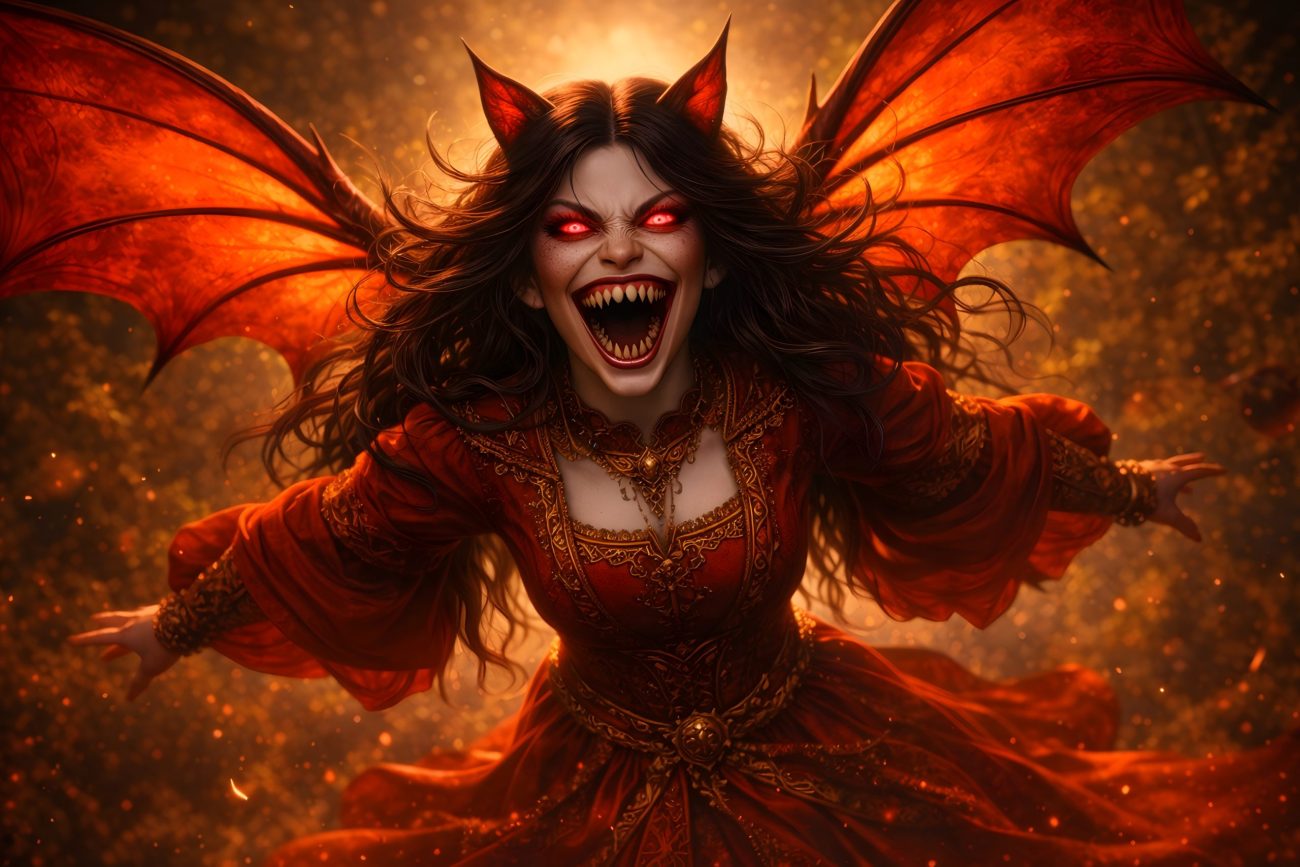
The Bjelogorka Vila was a beautiful fairy who lived among the rocks near Višegrad and the Drina River. She had long, pale hair, which became entangled around the front legs of a powerful black horse. When the builder Mitar Neimare first came to the Drina to determine whether a bridge could be constructed there, his horse entered the river but suddenly refused to move. No amount of kicking or striking could make the animal advance. Mehmed-paša then gave Mitar a protective amulet and told him to place it around the horse’s neck. The amulet caused the horse to leap back onto dry land, carrying the fairy with it. The fairy had tried to drown both Mitar and his horse, but they escaped.
Mitar drew his sword and prepared to kill her, but the fairy begged him to spare her and called him her brother. She promised that if he allowed her to return to the rocks of Butkovo, she would help him construct the bridge. Mitar agreed and began the work. For seven years he laboured on the bridge, but whatever he managed to build during the day was mysteriously undone during the night. Eventually Mehmed-paša demanded to know where Mitar’s fairy helper was. When Mitar called to her, the fairy answered from the rocks, explaining that she could no longer help him because her sisters would not allow it. Instead, she told him to go into the green fields, seize Stoja and Ostoja, and build them into the bridge as a tower. Mitar followed her instructions, and the construction was finally completed after nine years.
When the Drina later became wild and muddy, a slender tree appeared in the river and struck one of the bridge’s towers, causing the entire structure to shake. Mehmed-paša feared that the bridge would collapse, but Mitar told him that the river had not yet been properly given its due. He instructed the pasha to place treasure upon the bridge, take a silver shovel, and offer the wealth to the turbulent Drina. Mehmed-paša did so, scattering the treasure toward the four sides of the river. Seeing that he was willing to sacrifice his wealth, Mitar told him to turn his axe upside down and lower him down on ropes so that he could cut the slender tree. When Mitar struck it, blood flowed from the tree and a voice emerged, declaring that the bridge would remain on the Drina that day and forever. The fairy herself does not appear again after giving Mitar her instructions, but her intervention makes her an important supernatural force behind the building of the Višegrad bridge.
Sources
Hormann, Kosta. Narodne pjesme muslimana u BiH, vol. 1. Sarajevo, 1888. Reprinted 1976.