Çahık

Tradition / Region: Turkic mythology
Alternative names: Alban, Chahik, Ozor, Körmös, Körmöz, Körmös Spirit
Category: Ghost


The Myth

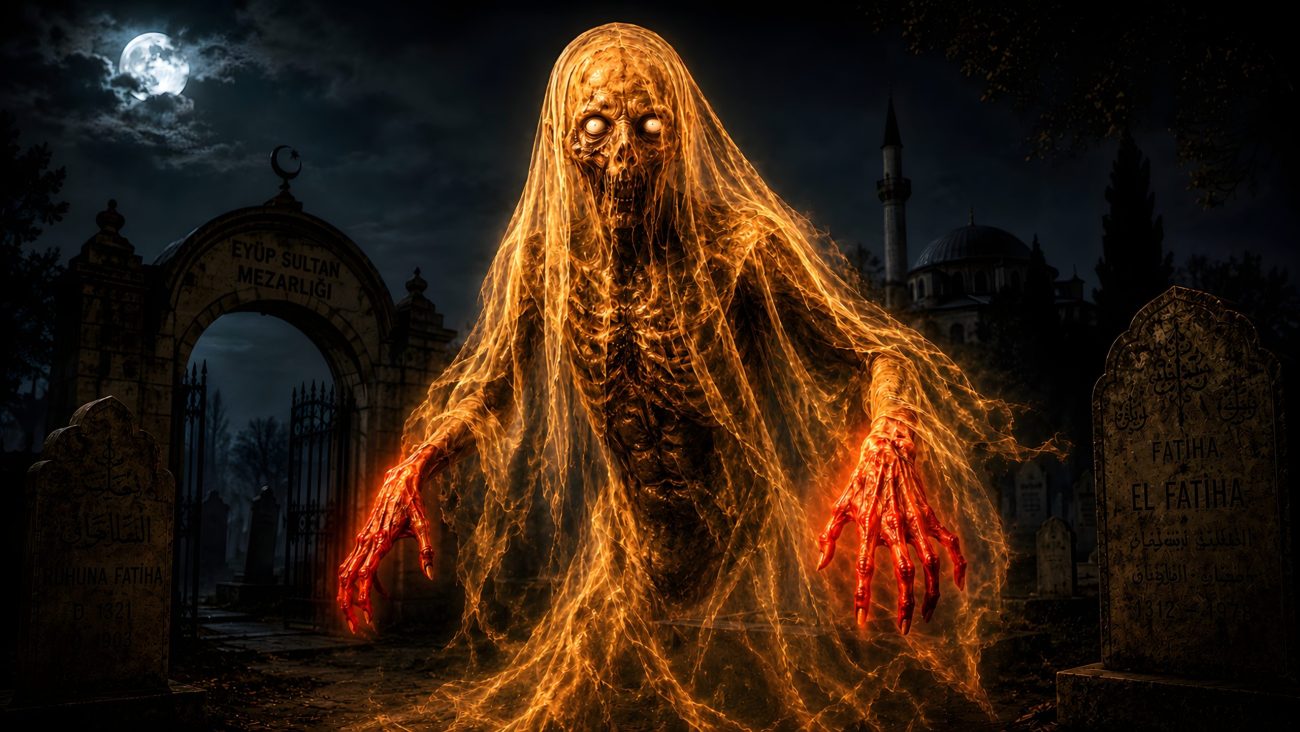
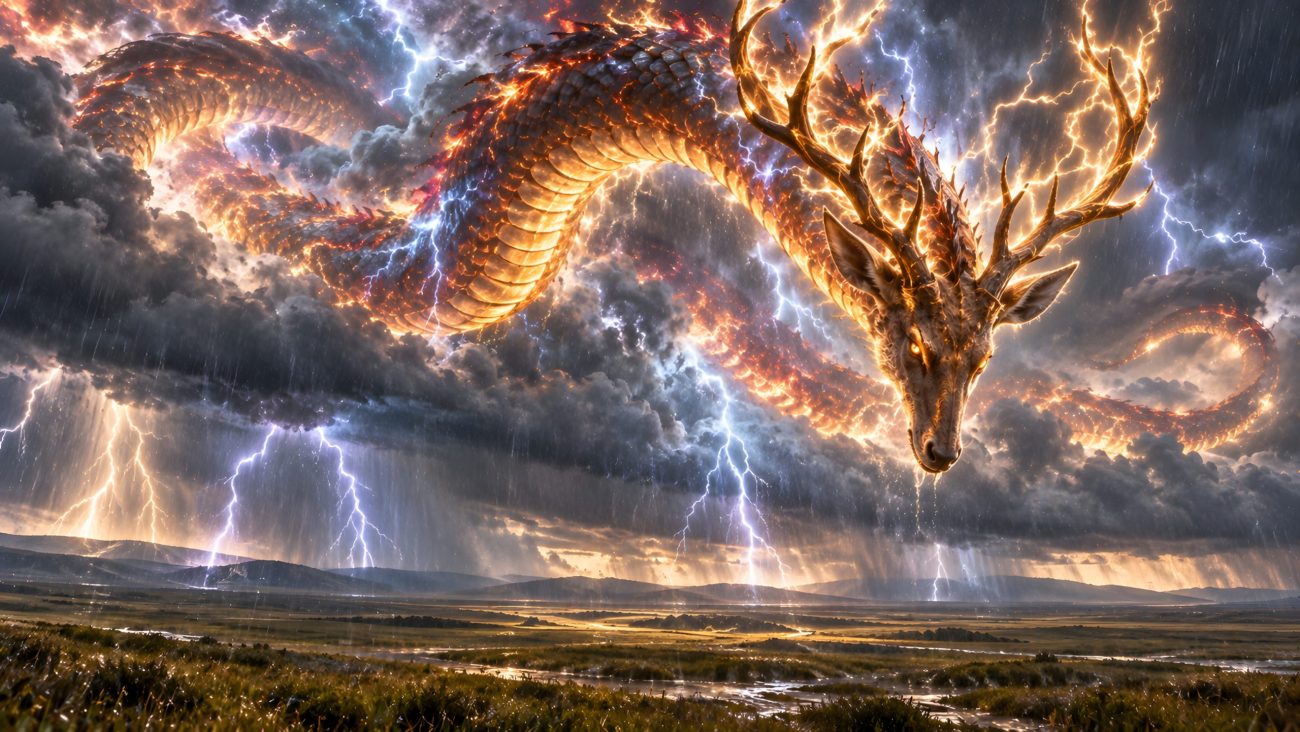
The Çahık is one of the many forms of the Kormos spirits found in Turkic mythology. These beings are wandering souls and supernatural entities associated with the earth, the heavens, and the underworld. Some are protectors, some are servants of darkness, and others exist in a state of endless misery between the two.

Çahıks are often described as the souls of the damned. They are shape-shifters capable of taking different forms, making them difficult to recognize. Their hands are stained with blood, their eyes are dry and lifeless, and their words themselves are deadly. Merely listening to their speech is considered dangerous.

Kormos spirits are ruled by Körmös Khan and are divided into three kinds. Arug Körmös are benevolent spirits under the command of Ülgen, helping righteous people and maintaining balance in the world. Caman Körmös are demonic servants of Erlik who dwell in Tamag, the underworld, where they torment and abduct humans. Between these two are the Kal Körmös, wandering ghosts neither wholly good nor evil, condemned to roam the earth in sorrow and suffering.

A soul may become a Kormos after death. The spirits of ancestors are known as Ozor, while the souls of those who died violently or by suicide are called Alban. Because of this connection with the dead, Kormoses are often linked to ancestral spirits and ghosts.

Çahıks and other Kormos spirits are believed to appear most often at sunrise and sunset. These moments are regarded as dangerous, and people are traditionally warned not to remain outside or awake during these hours. The spirits are said to seize human souls and carry them away.

Although demonic Kormoses serve Erlik in the underworld, they are not necessarily damned forever. A soul transformed into one of these spirits may eventually escape torment and ascend to Uçmag, the heavenly realm, if the good within it proves stronger than its evil.

Among the wandering spirits of Turkic belief, the Çahık is one of the most feared—a shape-shifting soul with bloody hands and deadly words, forever caught between damnation, suffering, and the possibility of redemption.


Sources

Wikipedia contributors. (n.d.). Kormos. In Wikipedia. Retrieved June 16, 2026, from https://en.wikipedia.org/wiki/Kormos


Karakondzhul

Tradition / Region: Serbian, Macedonian, Bulgarian, Turkish, Albania, Kosovo
Alternative names: Karakondzhal, Karakoncolos
Category: Demon


The Myth

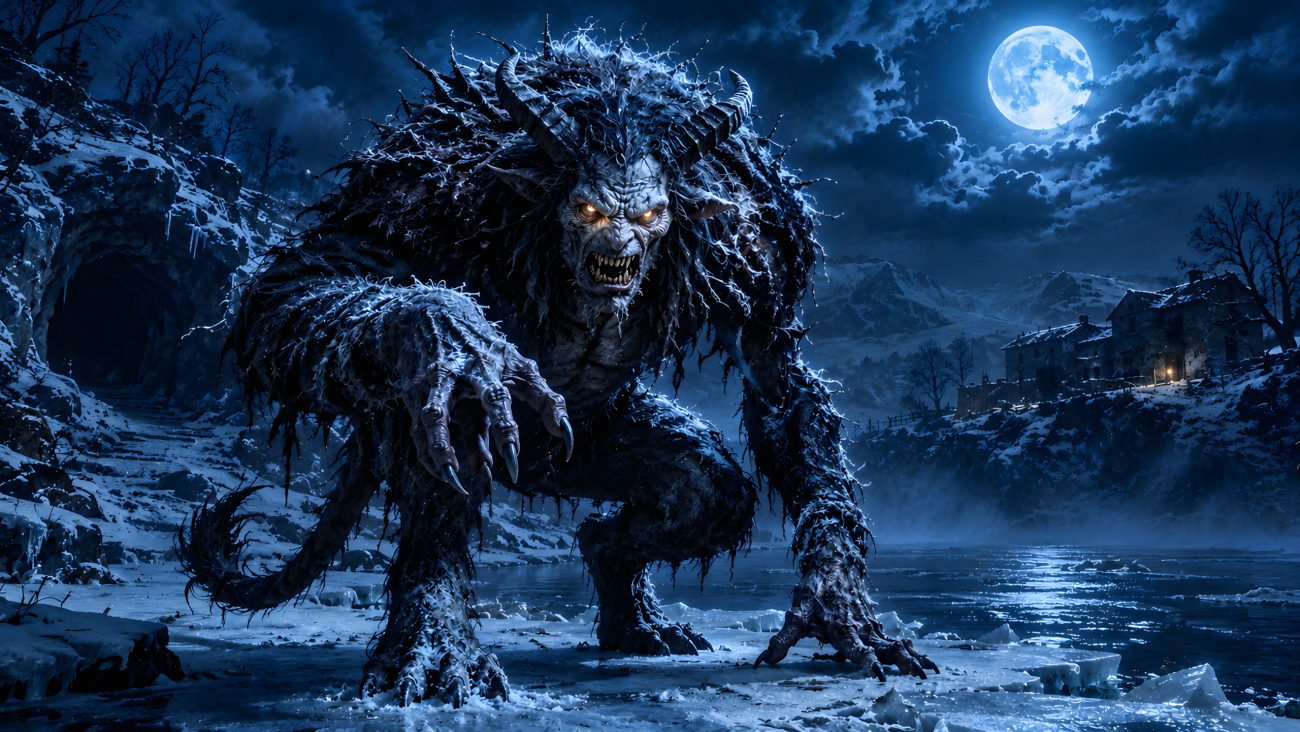
The Karakondzhul is a terrifying winter demon from Balkan and Anatolian folklore that appears during the darkest and coldest days of midwinter. These creatures emerge during the dangerous period between Christmas and Epiphany, especially during severe frosts and the “unbaptized days” of winter when the boundary between the human world and the spirit world was believed to weaken.

The demons rise from rivers, caves, frozen lakes, abandoned places, and other unclean locations after midnight. They wander through villages, fields, and riverbanks until the first rooster crows at dawn. During these nights people avoided traveling alone because the Karakondzhuls were believed to attack travelers, leap onto their backs, and force them to run wildly through the darkness until exhaustion or death.

In Serbian tradition, Karakondzhuls were associated with the spirits of children conceived or dead during the impure winter period. They were believed to especially target women and children, scratching faces, drinking blood, and devouring victims.

The appearance of the Karakondzhul changes constantly. Folklore describes them as shaggy black or red humanoids with horns and tails, naked thorn-covered creatures, horse-bodied beings with human heads and wings, monstrous little people that lure victims onto dangerous ice, or animals such as dogs, sheep, and calves. Some traditions considered them werewolf-like beings capable of changing shape freely.

In Turkish and Anatolian folklore, the related Karakoncolos appears as a small black hairy creature roughly the size of a monkey, child, or cat. It roams winter roads at night questioning travelers with strange riddles such as “Where are you from?” and “Where are you going?” The answer had to include the word kara, meaning “black.” If the traveler failed, the creature attacked them using a massive comb.

People believed iron, fire, bread, salt, ashes from the Christmas badnjak fire, and sharp metal objects could repel the demon. In some regions combs were hidden during winter so the Karakoncolos could not use them as weapons.

The Karakondzhul was feared not simply as a monster, but as a spirit of the dangerous winter season itself — a creature of darkness, frost, wilderness, and the chaotic nights when the world temporarily fell outside divine protection.


Sources

Bestiary.us. (n.d.). Karakonj. Retrieved May 16, 2026, from https://www.bestiary.us/karakonj


Aykaska’s Calf

Tradition / Region: Turkish mythology
Alternate Names: Golden Horn
Category: Cow


The Myth

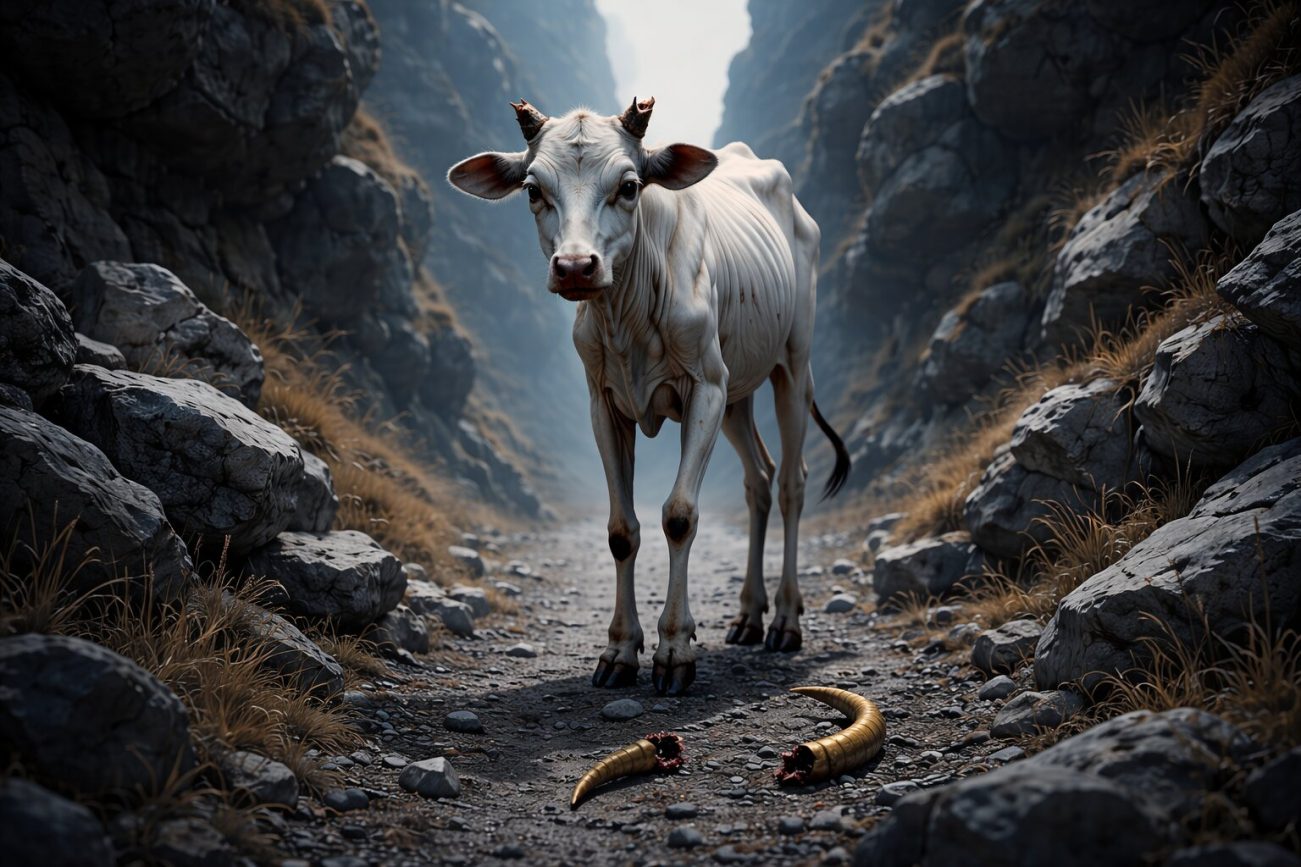
There was once a poor villager who owned a cow named Aykaska. One year she gave birth to a calf whose horns shone like pure gold. Though the family had little, they rejoiced greatly, held a small feast, and tied the calf in the place of honor within their home. They named it Golden Horn and cared for it with devotion.

People came from far and wide to see the calf. All who looked upon it marveled at its beauty and said it was blessed, certain to bring fortune. Golden Horn grew strong and well-fed, knowing neither hunger nor hardship.

When autumn came, the calf had grown into a young heifer. One day it followed its mother to a lake to drink. There, in the water’s surface, it saw its reflection. Admiring its shining horns and graceful form, it then looked at the other cattle and found them ugly and coarse. Pride filled its heart. Ashamed to live among them, it decided that only horses were worthy companions and left the herd to join them.

The owner searched everywhere but could not find the calf. At last he said that a creature born with golden horns must have vanished by the will of God.

Winter came early and cruel. The horses broke the snow with their hooves and fed with ease, but Golden Horn did not know their ways. It went hungry, slept on frozen ground, and grew thin and weak.

One morning wolves appeared. The horses gathered tightly together, but when Golden Horn tried to join them, they drove it away. Cornered by the wolves, the calf backed in terror and fell from a high stone. A wolf leapt after it, but herdsmen arrived and scared the beast away. Golden Horn survived the fall by landing in deep snow, but its golden horns shattered at the base.

Bleeding and exhausted, the calf wandered back toward the village. At the lake it found its mother, who licked it gently. Looking once more at its reflection, Golden Horn scarcely recognized itself. The horns were gone, its body was ruined, and its beauty had vanished.

Only then did the calf understand its pride and ingratitude. It returned to its owner and lived the rest of its life as an ordinary ox, working faithfully and giving its strength in service, never again boasting of what it once had been.


Sources

SAGEN.at contributors. (n.d.). Aykaska’s Kalb. In SAGEN.at – Märchen aus der Türkei, from https://www.sagen.at/texte/maerchen/maerchen_tuerkei/kalb.htm