Çahık

Tradition / Region: Turkic mythology
Alternative names: Alban, Chahik, Ozor, Körmös, Körmöz, Körmös Spirit
Category: Ghost


The Myth

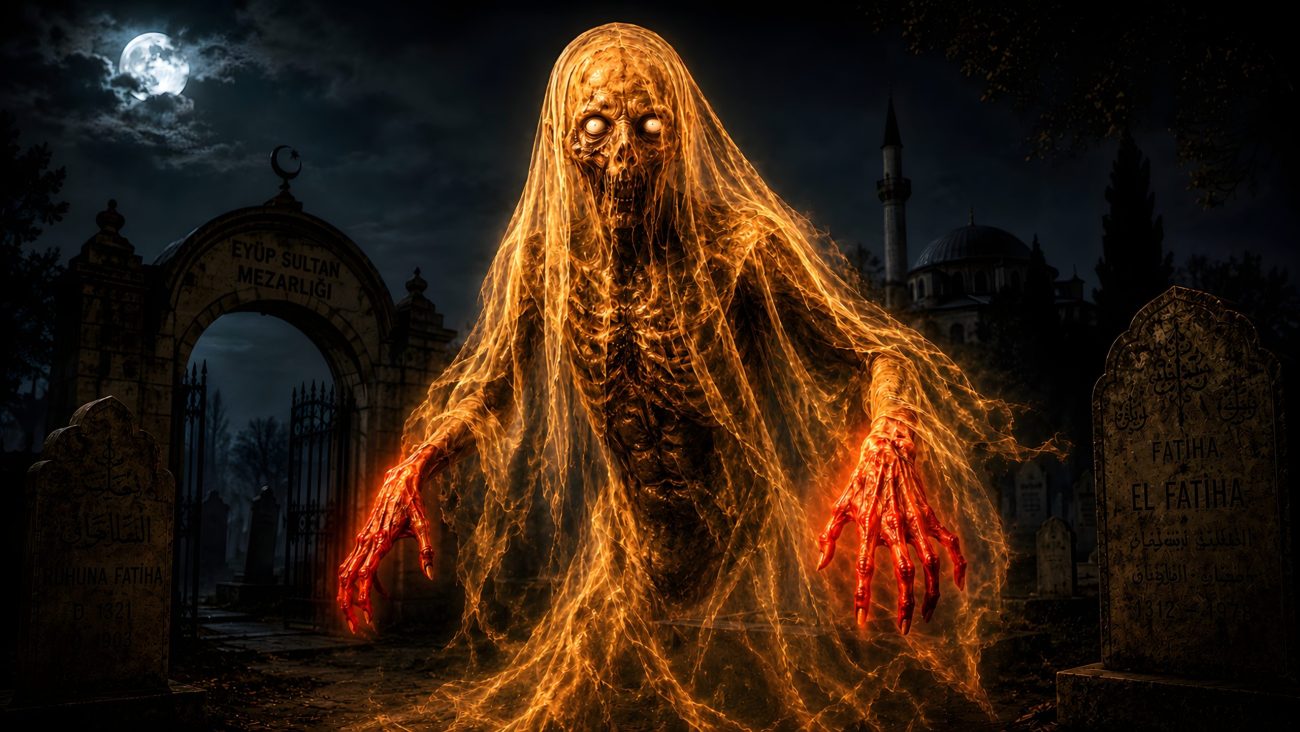
The Çahık is one of the many forms of the Kormos spirits found in Turkic mythology. These beings are wandering souls and supernatural entities associated with the earth, the heavens, and the underworld. Some are protectors, some are servants of darkness, and others exist in a state of endless misery between the two.

Çahıks are often described as the souls of the damned. They are shape-shifters capable of taking different forms, making them difficult to recognize. Their hands are stained with blood, their eyes are dry and lifeless, and their words themselves are deadly. Merely listening to their speech is considered dangerous.

Kormos spirits are ruled by Körmös Khan and are divided into three kinds. Arug Körmös are benevolent spirits under the command of Ülgen, helping righteous people and maintaining balance in the world. Caman Körmös are demonic servants of Erlik who dwell in Tamag, the underworld, where they torment and abduct humans. Between these two are the Kal Körmös, wandering ghosts neither wholly good nor evil, condemned to roam the earth in sorrow and suffering.

A soul may become a Kormos after death. The spirits of ancestors are known as Ozor, while the souls of those who died violently or by suicide are called Alban. Because of this connection with the dead, Kormoses are often linked to ancestral spirits and ghosts.

Çahıks and other Kormos spirits are believed to appear most often at sunrise and sunset. These moments are regarded as dangerous, and people are traditionally warned not to remain outside or awake during these hours. The spirits are said to seize human souls and carry them away.

Although demonic Kormoses serve Erlik in the underworld, they are not necessarily damned forever. A soul transformed into one of these spirits may eventually escape torment and ascend to Uçmag, the heavenly realm, if the good within it proves stronger than its evil.

Among the wandering spirits of Turkic belief, the Çahık is one of the most feared—a shape-shifting soul with bloody hands and deadly words, forever caught between damnation, suffering, and the possibility of redemption.


Sources

Wikipedia contributors. (n.d.). Kormos. In Wikipedia. Retrieved June 16, 2026, from https://en.wikipedia.org/wiki/Kormos
Asena

Tradition / Region: Turkic Mythology
Alternate Names: Bozkurt
Category: Wolf


The Myth

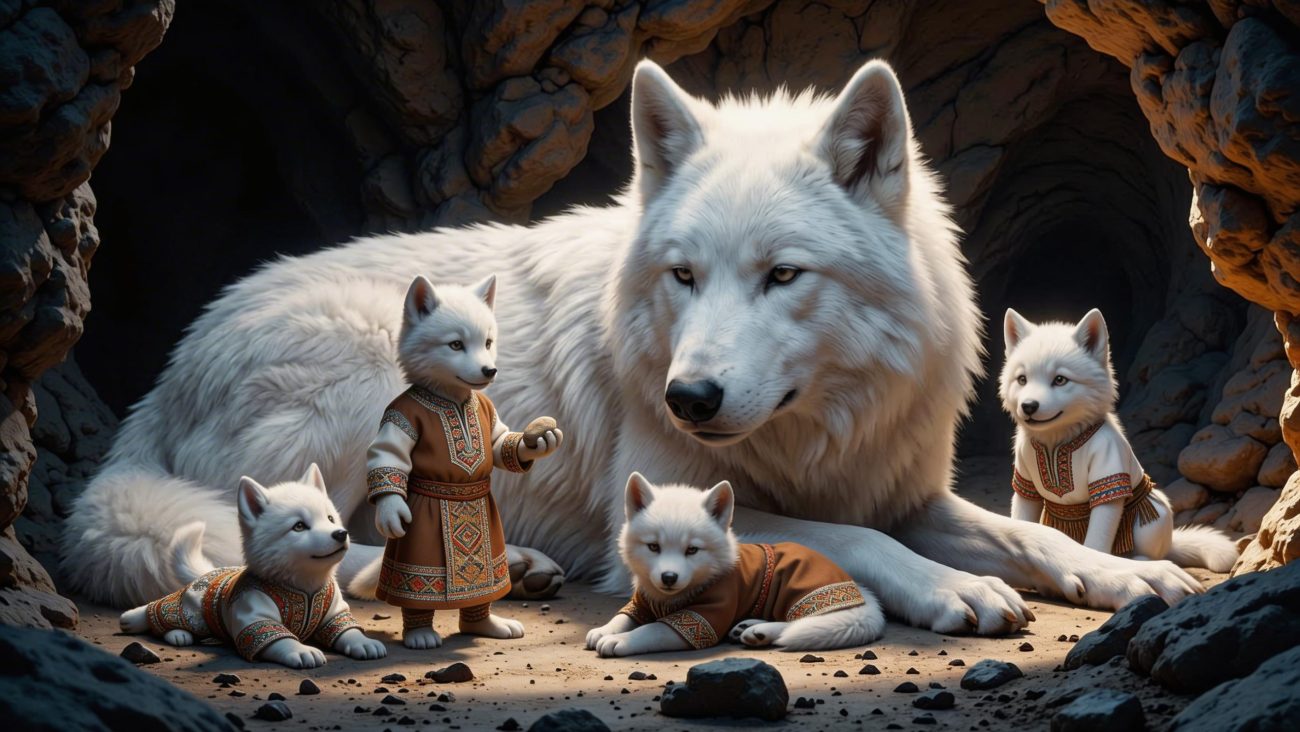
Asena is the legendary she-wolf tied to the foundation myth of the Göktürks. After a massacre, a lone surviving boy is found and nursed back to health by a she-wolf. She later bears ten half-wolf, half-human sons, one of whom becomes the ancestor of the Ashina clan, founders of the Göktürk ruling line.

In later traditions the wolf ancestor is linked with the symbol of the Bozkurt (“Gray Wolf”), an emblem of origin, protection, and leadership among Turkic peoples.


Sources

Wikipedia contributors. (n.d.). Asena. In Wikipedia, from https://en.wikipedia.org/wiki/Asena


Itbarak

Tradition / Region: Turkic Mythology
Alternate Names: Baraks
Category: Dog, Hyrbid


The Myth

In the ancient Turkic epics, especially the stories of Oghuz Khagan, there is mention of a strange people known as the Itbaraks.

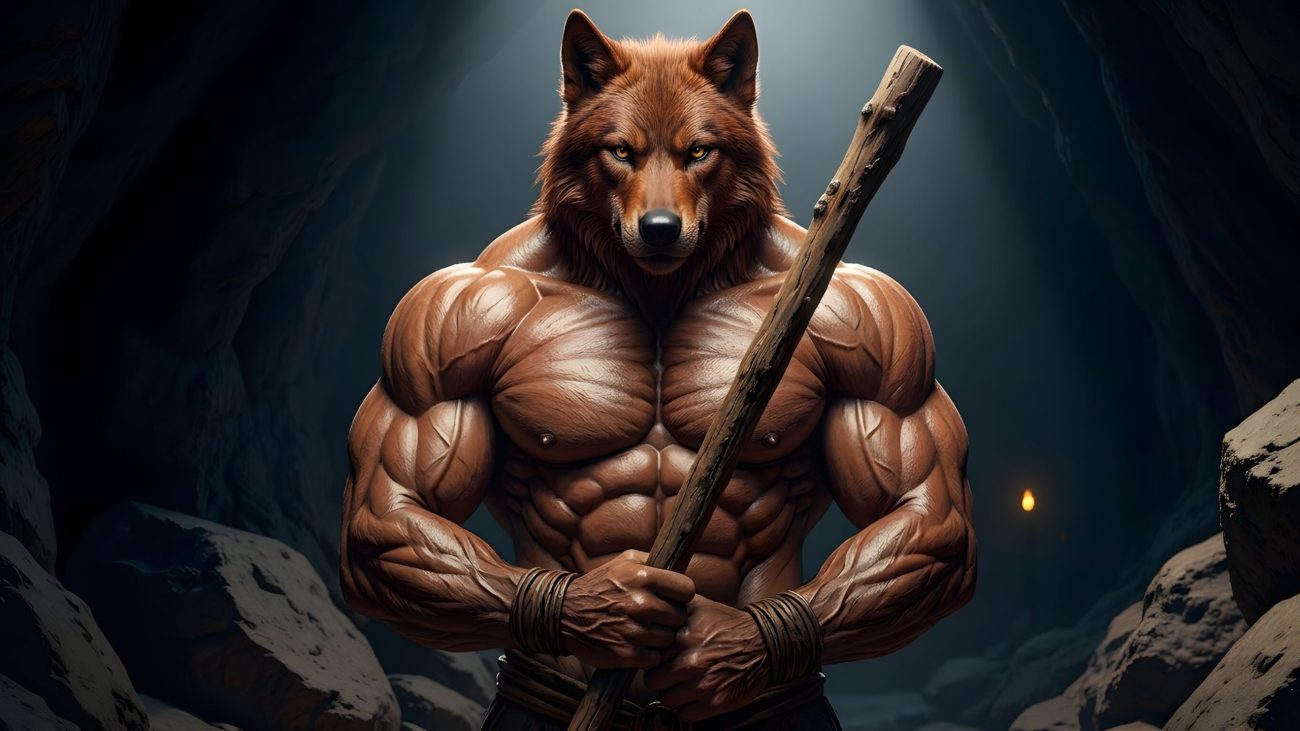
Their name came from the Turkic words for dog and for a dark, shaggy breed of hound. They were said to be powerful beings with the bodies of men but the heads of dogs. Their skin was dark, and they were described as fierce, strong, and difficult to defeat. Their homeland lay far to the northwest, in lands unknown to the Turkic peoples, somewhere beyond the familiar steppe.

When Oghuz Khagan set out to conquer distant regions, he marched against the Itbaraks. But their land proved difficult, and the dog-headed warriors were strong. In this first campaign, Oghuz could not defeat them and was forced to retreat with his army to a small island.

While they were encamped there, one of his warriors’ widows gave birth. With no tent or shelter, the child was born in a hollow. Oghuz named him Kıpçak, a word meaning “hollow” in the old tongue.

Years passed, and Oghuz gathered strength again. After seventeen years he returned to the land of the Itbaraks and this time overcame them. According to the tales, even the women of that land played a role in ending the struggle.

When the victory was won, Oghuz gave the conquered territory to the grown Kıpçak to rule. From him, it was said, came the lineage of the Kipchak people, whose name preserved the memory of his birth and of the long war in the land of the dog-headed folk.

Thus the Itbaraks remained in Turkic legend as a distant and powerful race — part man, part dog — whose land lay on the edge of the known world and whose defeat marked the rise of a new people.


Gallery


Sources

Wikipedia contributors. (n.d.). Itbarak. In Wikipedia, from https://en.wikipedia.org/wiki/Itbarak


Interpretive Lenses

Religious Readings
  • Christian Ascetic Deep Dive
Philosophical Readings
  • Nietzschean Deep Dive
Psychological Readings
  • Jungian Deep Dive
Esoteric Deep Dive
  • Hermetic Deep Dive
Political / Social Readings
  • Marxist Deep Dive