Paasselkä Devils

Tradition / Region: Finnish Mythology
Alternate Names: Paasselän pirut
Category: Flame


The Myth

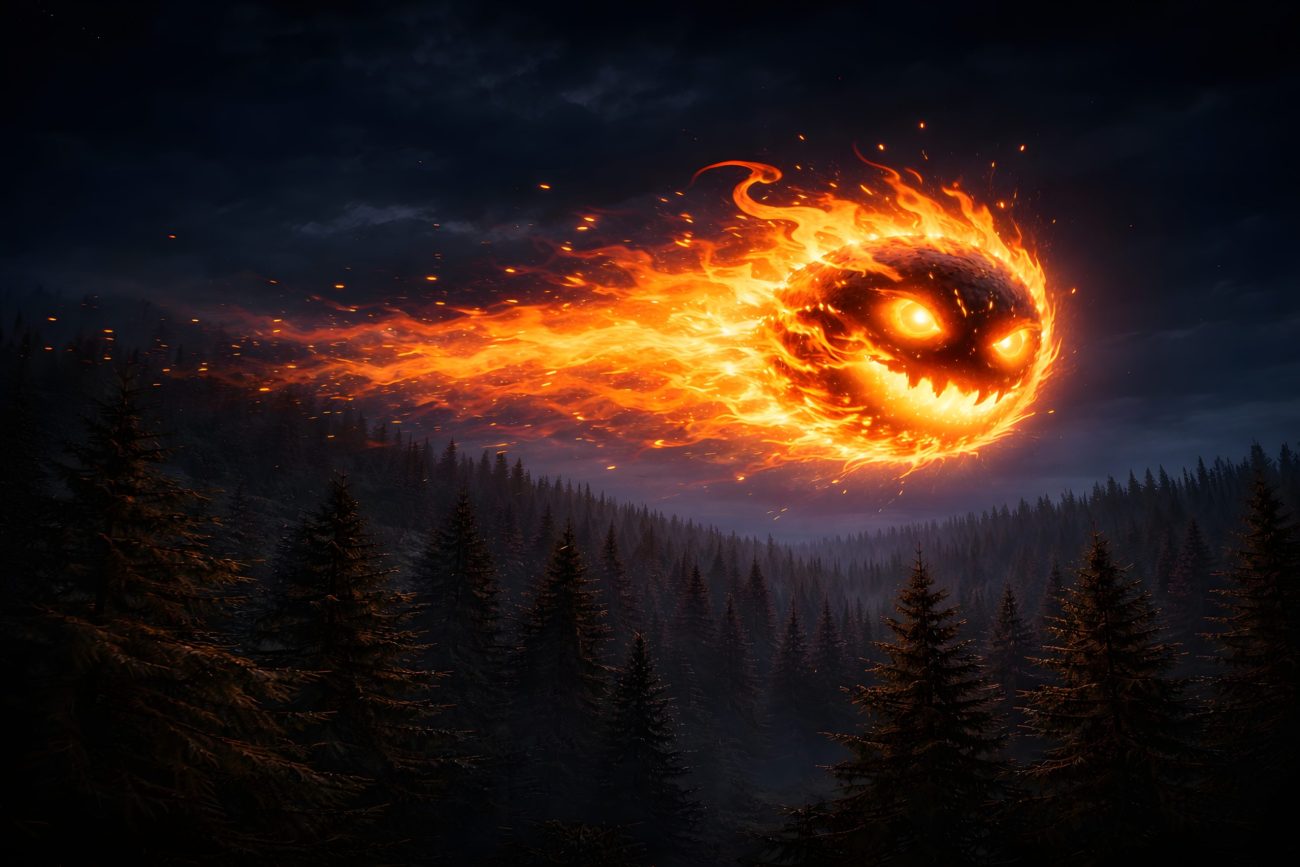
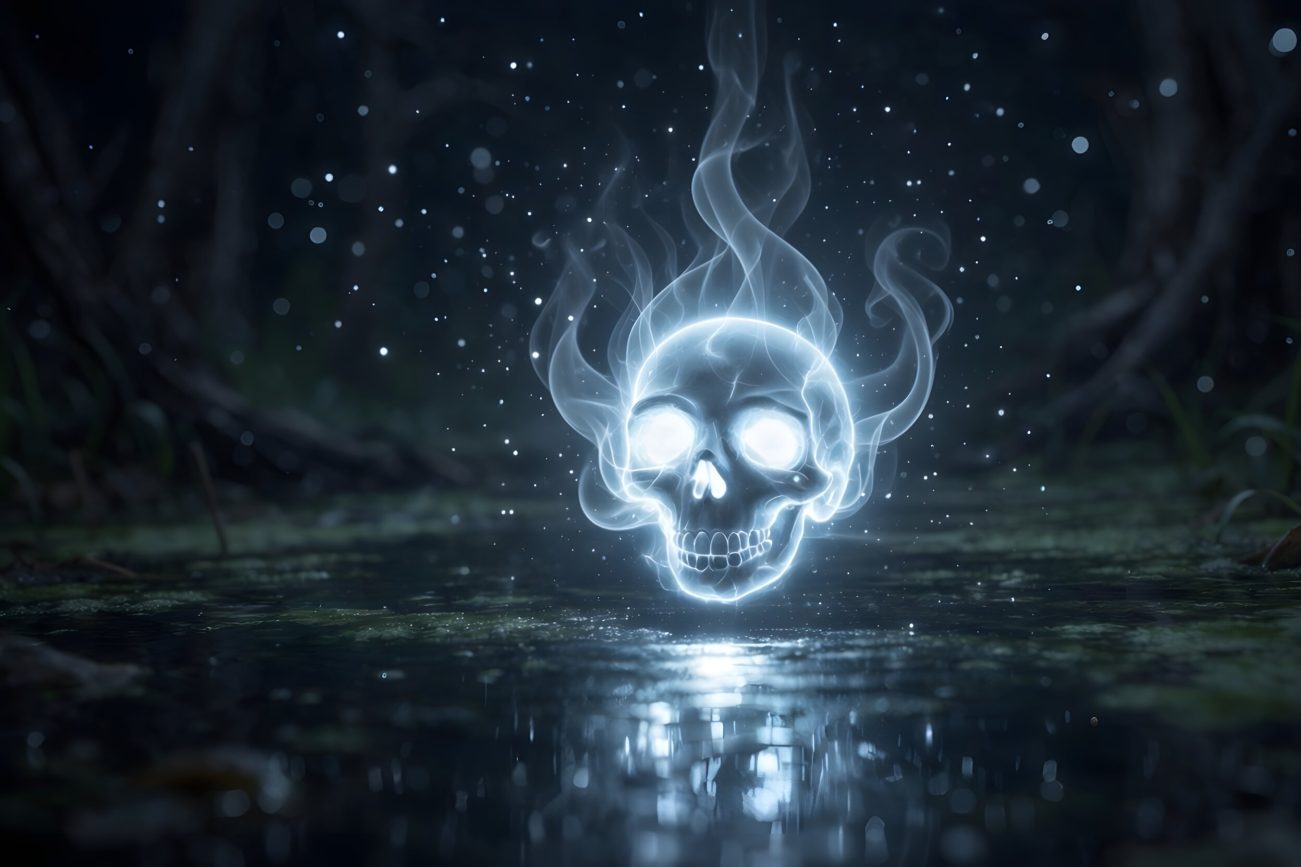
The Paasselkä Devils are mysterious glowing lights said to appear over Lake Paasselkä and the surrounding forests and swamps. In folklore, they are not merely natural lights, but supernatural beings with a will of their own.

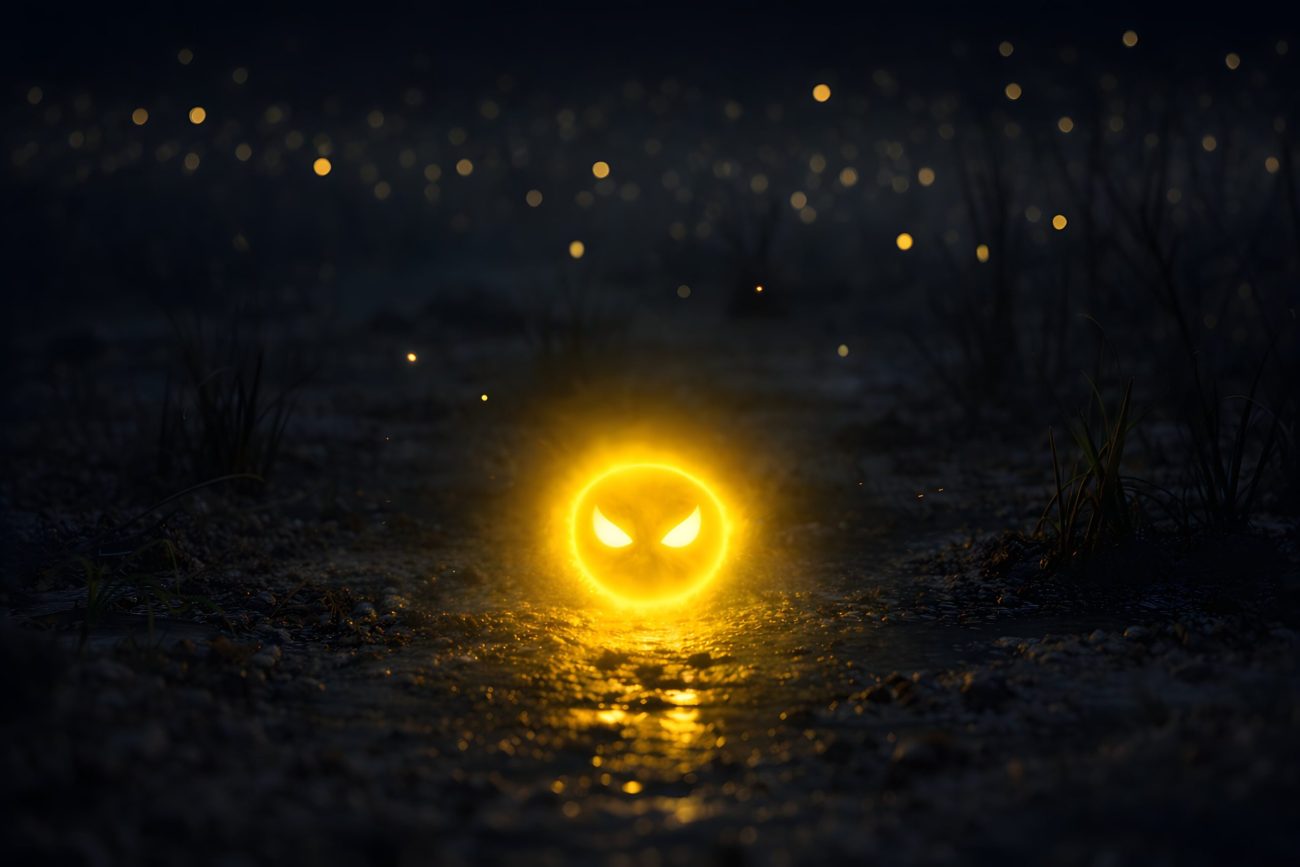
They are most often seen as floating balls of fire or light hovering above the water or drifting through the night air. Sometimes a single light appears, while at other times several move together across the landscape.

What makes them feared is their strange, almost intelligent behavior. The lights may follow boats, approach people, or suddenly flee when pursued. They can remain still for long periods, then dart away at incredible speed, as if reacting to human presence.

Because of this, locals came to believe that these lights were living entities — spirits or demons — rather than simple natural phenomena. Their unpredictable movements and eerie glow gave them a sinister reputation.

In older belief, encountering these lights was considered dangerous. They were thought to mislead travelers, lure people into unsafe places, or bring misfortune.

The Paasselkä Devils represent
a haunting presence in the wilderness — lights that watch, move, and react, as if something unseen is alive within them.


Sources

Wikipedia contributors. (n.d.). Paasselkä devils. In Wikipedia, from https://en.wikipedia.org/wiki/Paasselk%C3%A4_devils


Kitsunebi

Tradition / Region: Japanese folklore
Alternate Names: Fox Lantern, Fox Torch, Kitsunebi
Category: Fox, Flame


The Myth

Across many parts of Japan, people have long spoken of mysterious lights appearing in the night, known as Fox Fire.

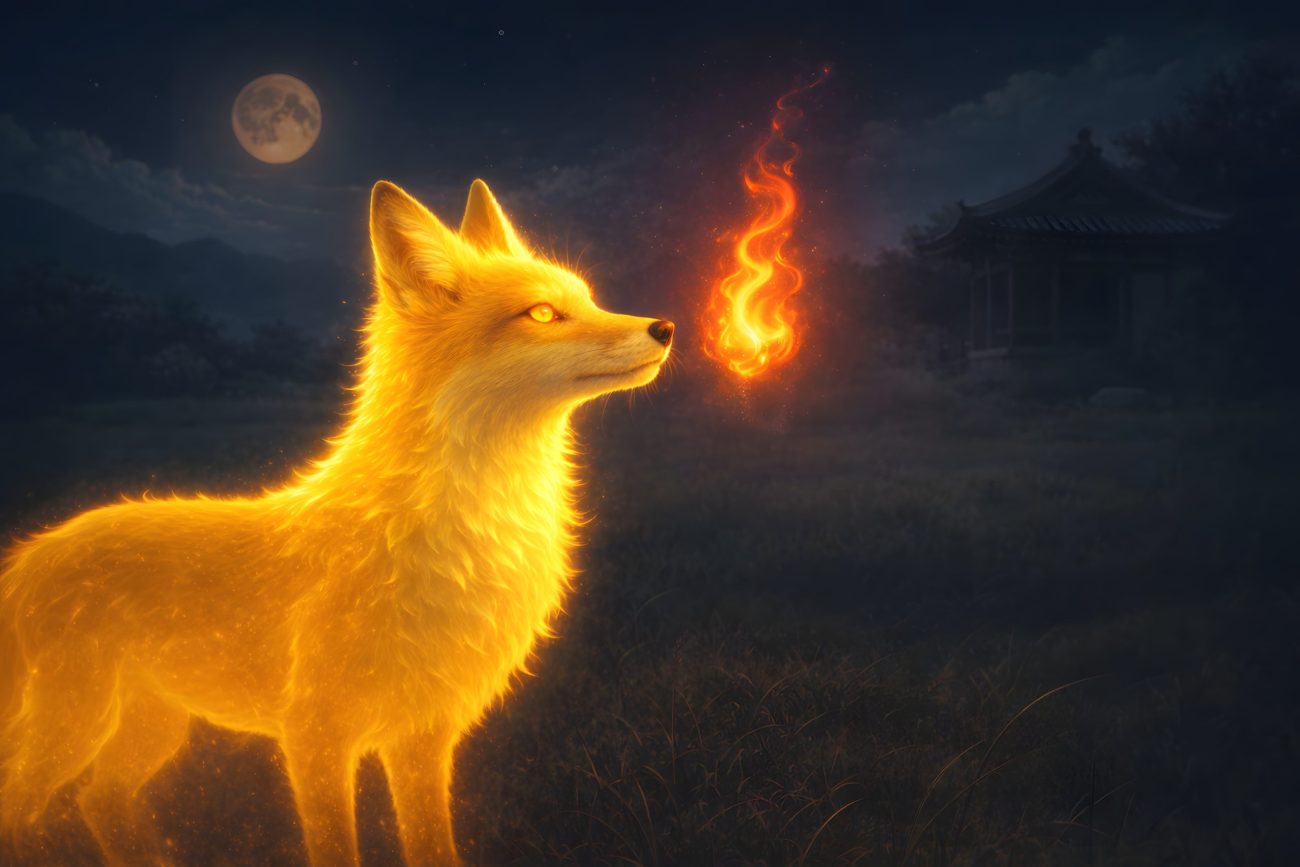
These flames are said to be created by foxes. Some believe the fire comes from their breath, glowing as they exhale into the darkness. Others say foxes strike their tails together to spark the light, or that they kindle it from strange materials such as bones. Sometimes the fire appears as floating balls of light that drift across fields and roads.

Because of its steady glow, the light is often called a fox lantern or fox torch. When many of these lights appear at once and move together through the night, people say a fox wedding is taking place somewhere unseen.

One famous tradition tells that at Ōji Inari Shrine in Edo, foxes from across the Kantō region gathered on New Year’s Eve. On that night, countless fox fires were said to dance across the fields as the foxes assembled to receive ranks from their deity. Villagers would watch the number and movement of the lights, believing they foretold whether the coming year would bring a good harvest.

Thus Fox Fire became known as both a sign of the hidden world and a message carried in light — a glow in the night that revealed the unseen presence of foxes and the mysteries that followed them.


Gallery


Sources

Tyz-Yokai Blog. (n.d.). Kitsunebi. Retrieved March 1, 2026, from https://tyz-yokai.blog.jp/archives/1010653498.html


Interpretive Lenses

Religious Readings
  • Christian Ascetic Deep Dive
Philosophical Readings
  • Nietzschean Deep Dive
Psychological Readings
  • Jungian Deep Dive
Esoteric Deep Dive
  • Hermetic Deep Dive
Political / Social Readings
  • Marxist Deep Dive

Innu

Tradition / Region: Japanese Mythology
Alternate Names: Innu fī kutē atchūn
Category: Dog, Flame


The Myth

In the folklore of Okinawa, there is said to be a mysterious yokai known as Innu, a name that simply means “dog” in the local language. The creature is remembered mainly through brief written references rather than long stories, but those mentions describe it as something uncanny and supernatural.

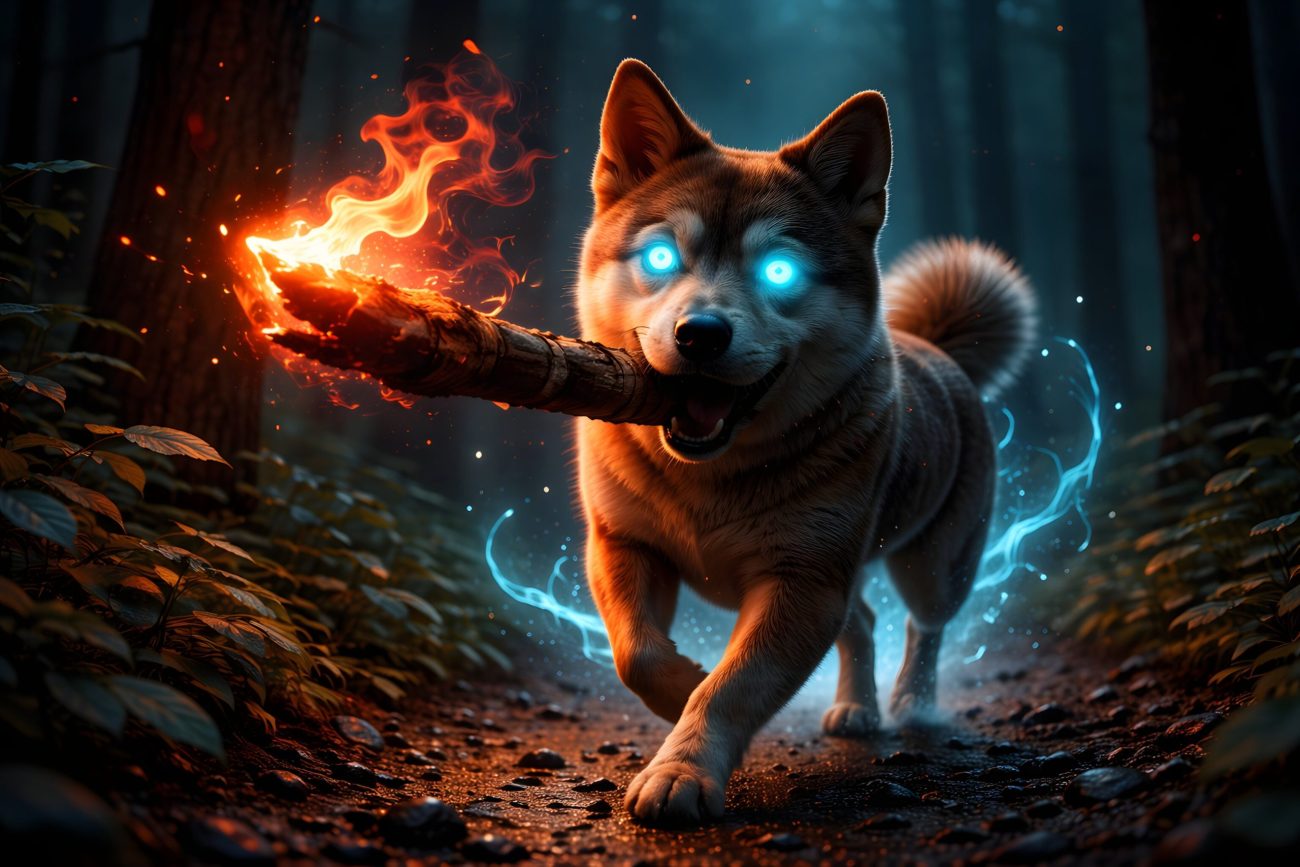
According to one early account, the Innu is a strange being that wanders about while dealing with fire. Some traditions say it roams the night devouring flames, moving from place to place as if feeding on burning light. Other interpretations describe it not as eating fire, but as carrying it, walking through the darkness with flames in its presence like a living torch.

Though little detail survives about its appearance or behavior beyond this, the Innu is remembered as a roaming, fire-associated dog spirit, moving silently through the night in the villages of Okinawa, its presence tied to mysterious lights and wandering flames.


Sources

Tyz-Yokai Blog. (n.d.). Innu. Retrieved March 1, 2026, from https://tyz-yokai.blog.jp/archives/1069220364.html


Błudnik

Tradition / Region: Sorbian Mythology, Polish Mythology, German Mythology
Alternate Names:
Category: Swamp dweller, Flame, Spirit


The Myth

In Sorbian tales, the Błudnik appears at night in places where the land itself is uncertain: bogs, marshes, wetlands, dark forests, and damp meadows. Travelers speak of strange lights drifting low over the ground—flickering, swaying, and always just out of reach. To follow them is dangerous.

The Błudnik is not merely a light, but a being with intent. It lures wanderers from safe paths, drawing them deeper into swamps or endless forest loops. Those who follow its glow find themselves hopelessly lost, walking in circles until exhaustion, fear, or the land itself overcomes them. In some stories, travelers vanish forever after chasing the light.

The spirit delights in confusion. It does not attack openly, nor does it speak. Instead, it misleads with false hope—appearing like a guiding flame, a lantern, or a sign of human presence. Only when it is too late does the victim realize the truth.

Elders warned that the Błudnik appears especially to the careless, the proud, or those who wander at night without respect for the land. To protect oneself, one must ignore strange lights, turn clothing inside out, pray, or mark a cross in the earth—anything to break the spell of deception.

In this way, the Błudnik stands as a reminder that not all light leads to safety, and that the night has its own will.


Sources

Wikipedia contributors. (n.d.). Błudnik. In Wikipedia, The Free Encyclopedia (Lower Sorbian), from https://dsb.wikipedia.org/wiki/B%C5%82udnik


Lidérc

Tradition / Region: Hungarian Mythology
Alternate Names: Ludvérc
Category: Bird, Chicken, Flame, Spirit, Shapeshifter


The Myth

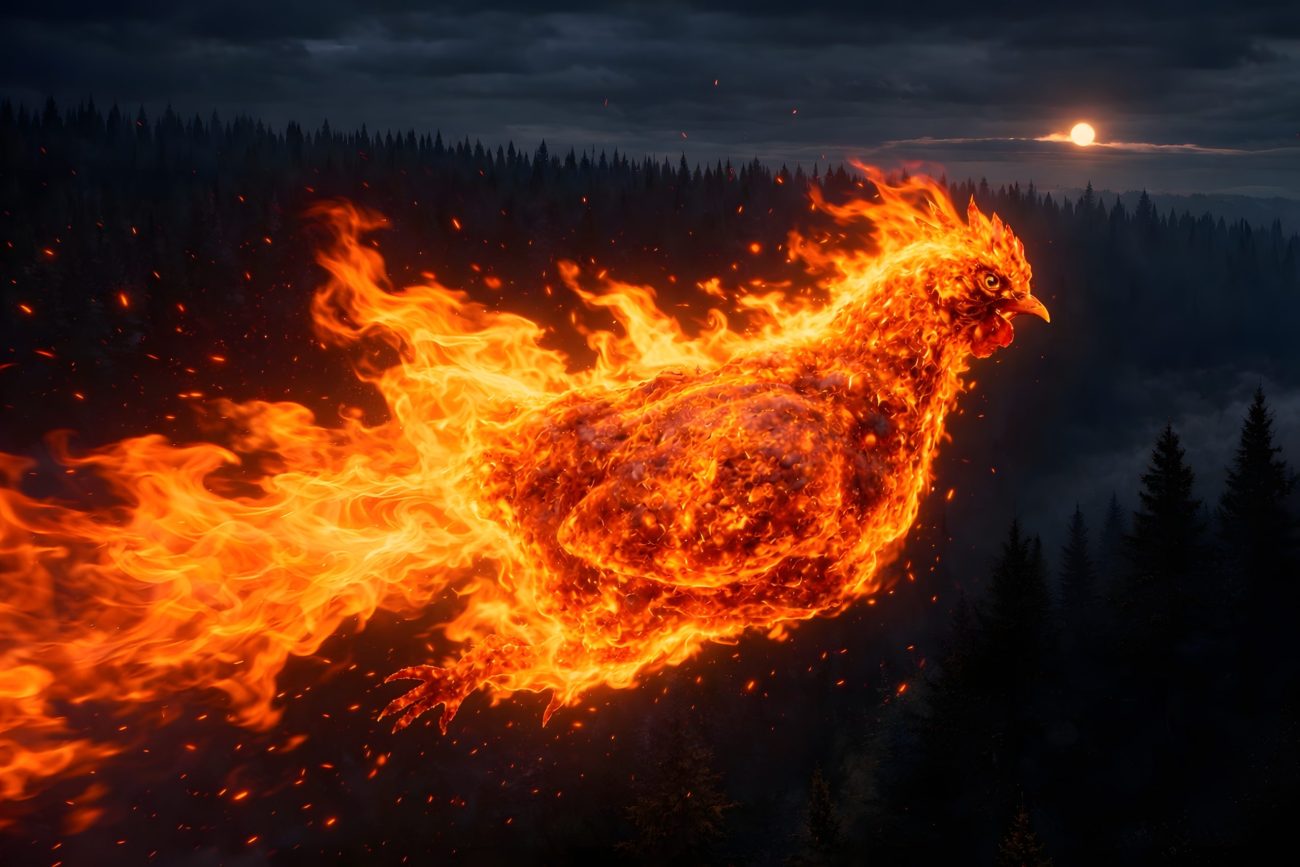
In the villages and marshlands of Hungary, people speak of the Lidérc, a restless and many-formed spirit that moves between fire, flesh, and shadow.

On some nights it appears as a shooting star or a wandering flame, streaking low across the sky or flickering over bogs and fields. Wherever it passes, sparks leap and fires may break out, barns and pens igniting without cause. In other places it takes the shape of a fiery rod, a blazing figure, or a marsh light that lures the unwary.

But the Lidérc is most feared for the form it takes among humans.

It seeks the lonely: widows, widowers, abandoned lovers, those whose beloveds are far away or dead. Slipping through the night, it enters their homes and assumes the exact appearance of the person they long for most. It speaks gently, knows their memories, and offers comfort, affection, and desire. Night after night it returns, lying beside its victim, feeding not on blood but on life itself. The victim grows pale and weak, dizzy and thin, until at last they waste away and die, loved to death. When its prey is spent, the Lidérc abandons the body and rises again into the sky as a star, seeking another heart to consume.

Yet the Lidérc is never perfect in its disguise. One of its legs always betrays it: a scaly goose foot, a chicken’s claw, or sometimes a horse’s iron-shod hoof. Those who scatter ashes at their threshold may see the tracks—one human footstep, one monstrous—and know what has crossed their door. Garlic, cords, and household charms can bar its entry, if the danger is recognized in time.

There is another kind of Lidérc as well, one born not from fire but from human greed. If the first egg laid by a black hen is hidden beneath a person’s armpit and warmed there, a strange, featherless creature will hatch. This Lidérc binds itself to its keeper, speaking with intelligence and obeying commands. It brings wealth, steals treasure, and works tirelessly, living on butter and favors. But it is never satisfied. If its master fails to give it constant tasks, it becomes restless and cruel, pestering day and night until it finally destroys the one who raised it.

The only escape is to give the Lidérc an impossible command: to carry water in a sieve, to squeeze through solid wood, to complete a task that cannot be done. Unable to endure failure, the creature will rage, weaken, and finally vanish.

Thus the Lidérc remains a warning whispered in Hungarian folklore: that desire, loneliness, and greed can summon something that looks like love or fortune—but feeds only on ruin.


Sources

A Book of Creatures contributors. (2021). Lidérc. In ABookOfCreatures.com, from https://abookofcreatures.com/2021/03/22/liderc/

Wikipedia contributors. (n.d.). Lidérc. In Wikipedia, The Free Encyclopedia, from https://en.wikipedia.org/wiki/Lid%C3%A9rc


Blauw Vuurtje

Tradition / Region: Dutch Mythology
Alternate Names:
Category: Flame


The Myth

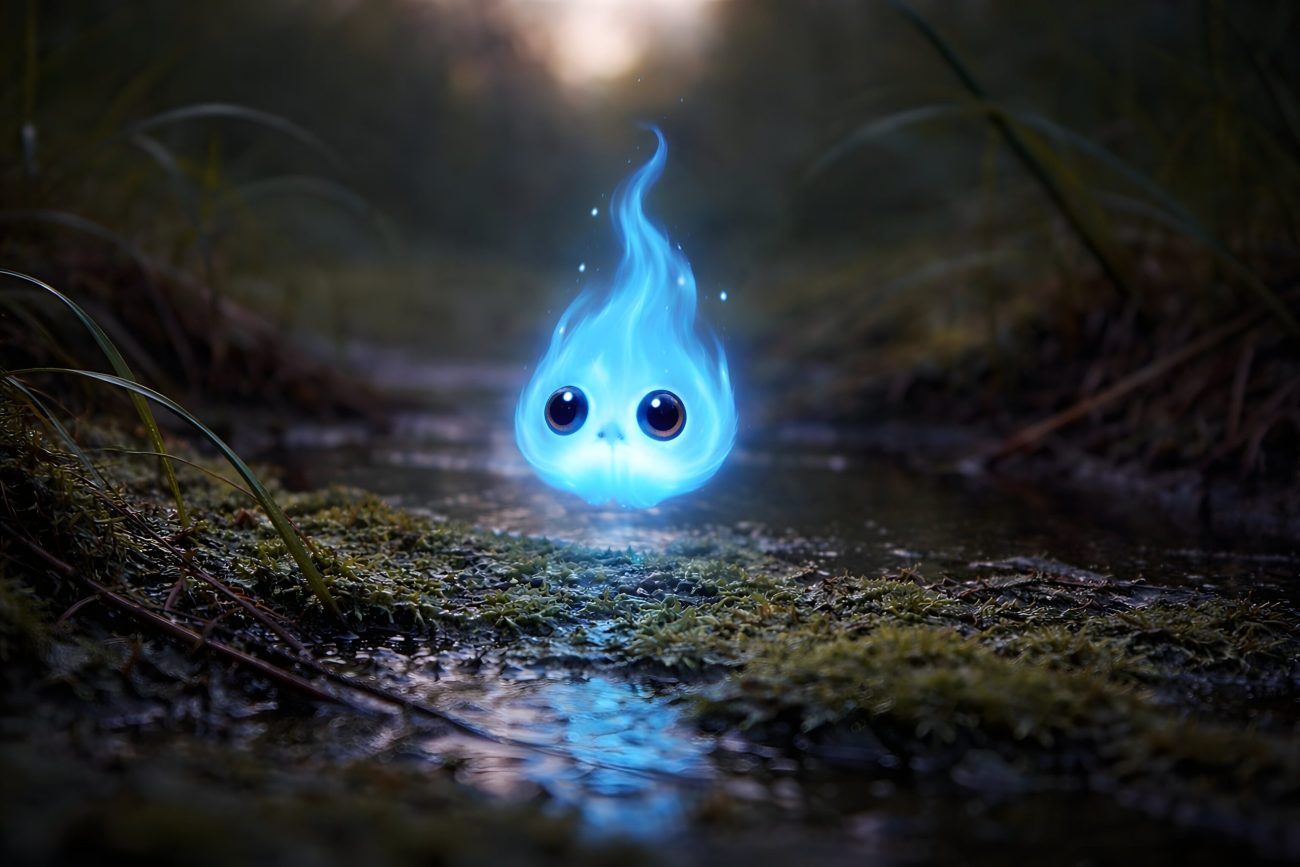
In the quiet places of Limburg and the Veluwe, small blue flames are said to appear at night. These are the Blauw Vuurtje, fire-elves that drift silently above the earth.

They hover only where treasures lie hidden beneath the ground. Their light is soft but unwavering, marking the spot for those who know how to read the signs. Yet the treasure is not meant for everyone.

Only a person of pure heart may dig where the blue flame floats. He must also know how to keep silent, for a single spoken word will cause the Blauw Vuurtje to vanish at once. If the flame disappears, the earth closes its secret again, and the treasure is lost forever.

Thus the blue fire waits patiently, glowing in the darkness, revealing riches only to the worthy and the wordless.


Gallery


Sources

Abe de Verteller. (2014). Van aardmannetje tot zwarte juffer: Een lijst van Nederlandse en Vlaamse elfen en geesten. In AbeDeVerteller.nl, from https://abedeverteller.nl/van-aardmannetje-tot-zwarte-juffer-een-lijst-van-nederlandse-en-vlaamse-elfen-en-geesten/


Interpretive Lenses

Religious Readings
  • Christian Ascetic Deep Dive
Philosophical Readings
  • Nietzschean Deep Dive
Psychological Readings
  • Jungian Deep Dive
Esoteric Deep Dive
  • Hermetic Deep Dive
Political / Social Readings
  • Marxist Deep Dive
Other
  • How to Invite The Blauw Vuurtje

Annequin

Tradition / Region: French Mythology, Belgian Mythology
Alternate Names: Hannequet; Hannequin; Harliquin
Category: Fairy, Goblin, Flame


The Myth

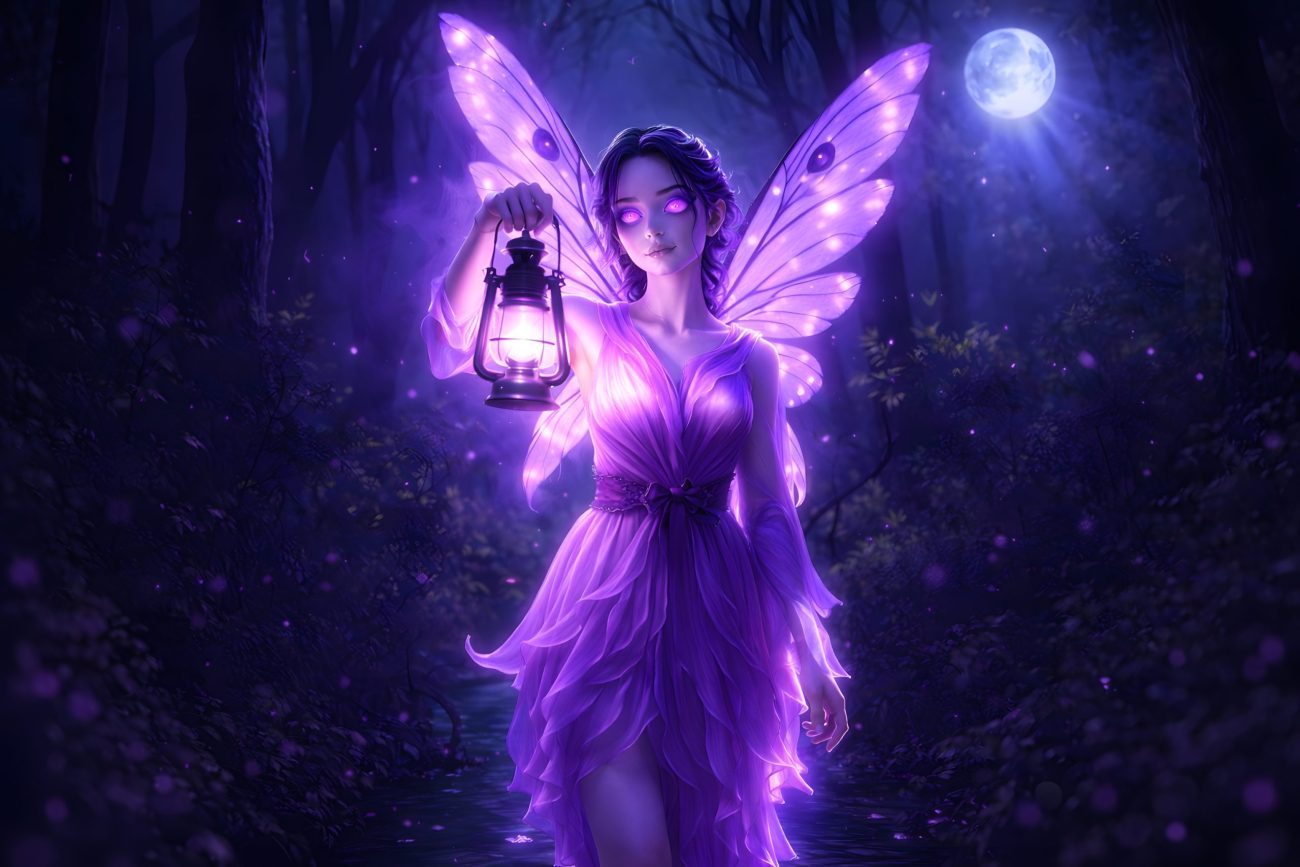
In the folklore of the Ardennes, the annequin is a malevolent fairy creature, often described as a kind of goblin or will-o’-the-wisp. It is known above all for luring humans to their deaths. Those who encounter an annequin are said to be drawn irresistibly toward marshes and wetlands, where they become lost and drown.

The annequins are closely associated with the mesnie Hellequin, the spectral procession that roams the night sky, and through it with the figure later known as Harlequin. Their nature is restless and predatory, bound to movement, noise, and disappearance.

According to tradition, annequins gather in a round dance every Saturday night. On certain nights, they are said to pass above houses, flying through the air while emitting shrill, piercing whistles. Anyone who is surprised by their passage is believed to vanish forever, leaving no trace behind.

The annequins are said to dwell especially in wooded areas, particularly in the forests of Puilly, where their presence is marked by strange sounds, sudden lights, and the dangerous pull toward bogs and swamps. Those who follow these signs are rarely seen again.

In the legends of the Ardennes, the annequin is remembered as a being of deception and disappearance, a nocturnal spirit whose call leads not to wonder, but to death.


Sources

Wikipedia contributors. (n.d.). Annequin (folklore). In Wikipedia, from https://fr.wikipedia.org/wiki/Annequin_(folklore)


Badnjak

Tradition / Region: Bosnian Mythology, Croatian Mythology, Montenegrin Mythology, Serbian Mythology
Alternate Names: Badњak
Category: Flame


The Myth

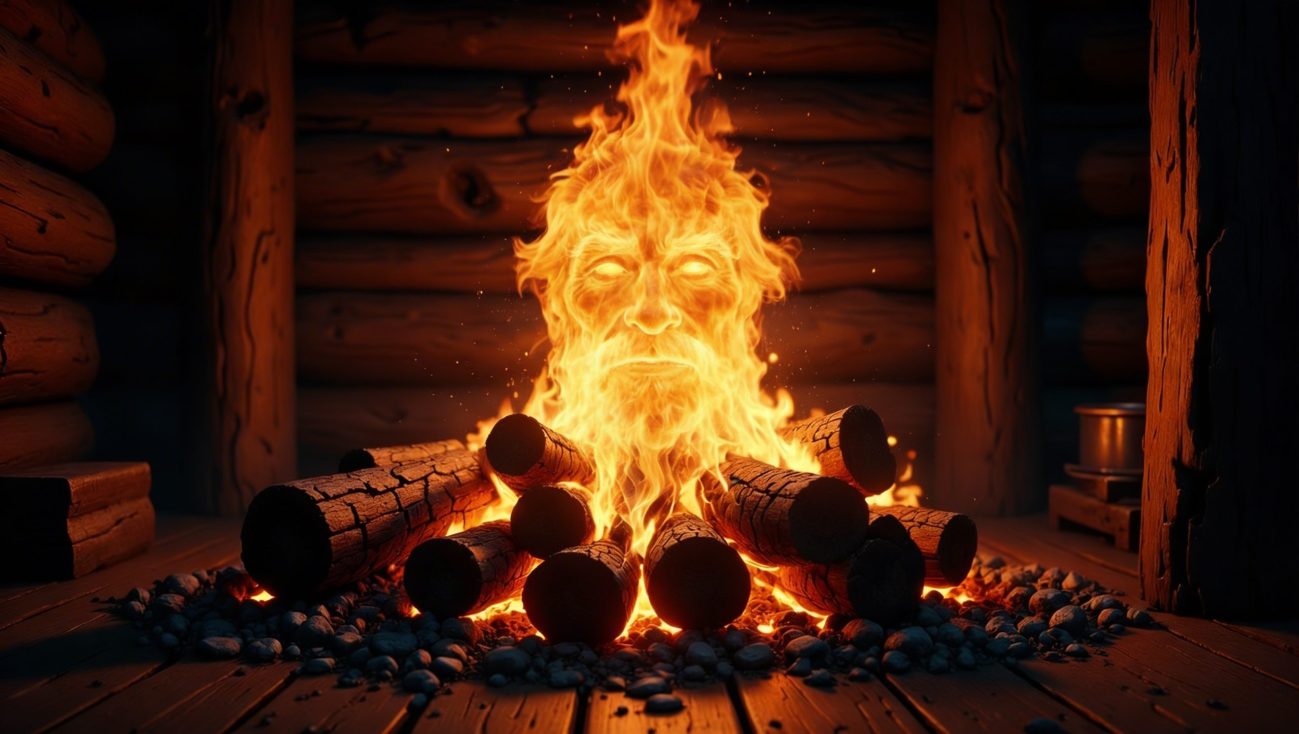
Badnjak is a spirit known among the Southern Slavs, closely associated with Christmas Eve. It is believed to appear either in the form of a bearded old man or embodied within a log prepared for ritual burning.

On Christmas Eve, a special log—also called the badnjak—is brought into the home and placed on the fire. This log is not considered ordinary wood, but the dwelling place or manifestation of the Badnjak spirit itself. As the log burns, it is believed to bring warmth, protection, fertility, and prosperity to the household for the coming year.

In some traditions, the Badnjak is imagined as an elderly, bearded figure who visits the home symbolically through the fire. The crackling, sparks, and glow of the burning log are taken as signs of the spirit’s presence and favor.

Through this ritual, Badnjak remains a liminal being—both spirit and object—bridging the human household and the sacred time of midwinter, appearing each year with the lighting of the Christmas Eve fire.


Błędne ogniki

Tradition / Region: Polish Mythology
Alternate Names:
Category: Flame


The Myth

In marshes, swamps, and peat bogs, people spoke of small lights that appeared at night, hovering just above the wet ground. These wandering flames were known as Błędne ogniki. They flickered softly, drifting without clear purpose, and were most often seen where the land was treacherous and paths were uncertain.

According to Polish and wider Slavic belief, Błędne ogniki were the souls of the dead. They were commonly said to be the spirits of wicked or dishonest people, especially unjust landowners and fraudulent surveyors who had cheated others during their lives. After death, they were condemned to wander endlessly, glowing faintly as a sign of their unrest and repentance.

The lights were feared by travelers. It was said that Błędne ogniki could lead people astray, drawing them off safe paths and deeper into bogs where they might become lost or perish. To follow the lights was dangerous, and their appearance was usually taken as a bad omen.

In some regions, however, the lights were also linked to hidden treasures buried beneath the earth. In these tales, the glow was believed to come from the lanterns of underground beings guarding their riches. Even so, such encounters were risky, for those who chased the promise of wealth often met misfortune instead.

Thus Błędne ogniki were remembered as restless lights of the night — spirits bound to the land, warning travelers that not every guiding flame leads to safety.