Topielec

Tradition / Region: Polish Mythology
Alternate Names: Utopiec, Utopce (plural), Vodník, Topnik, Topielica (female form)
Category: Swamp dweller


The Myth

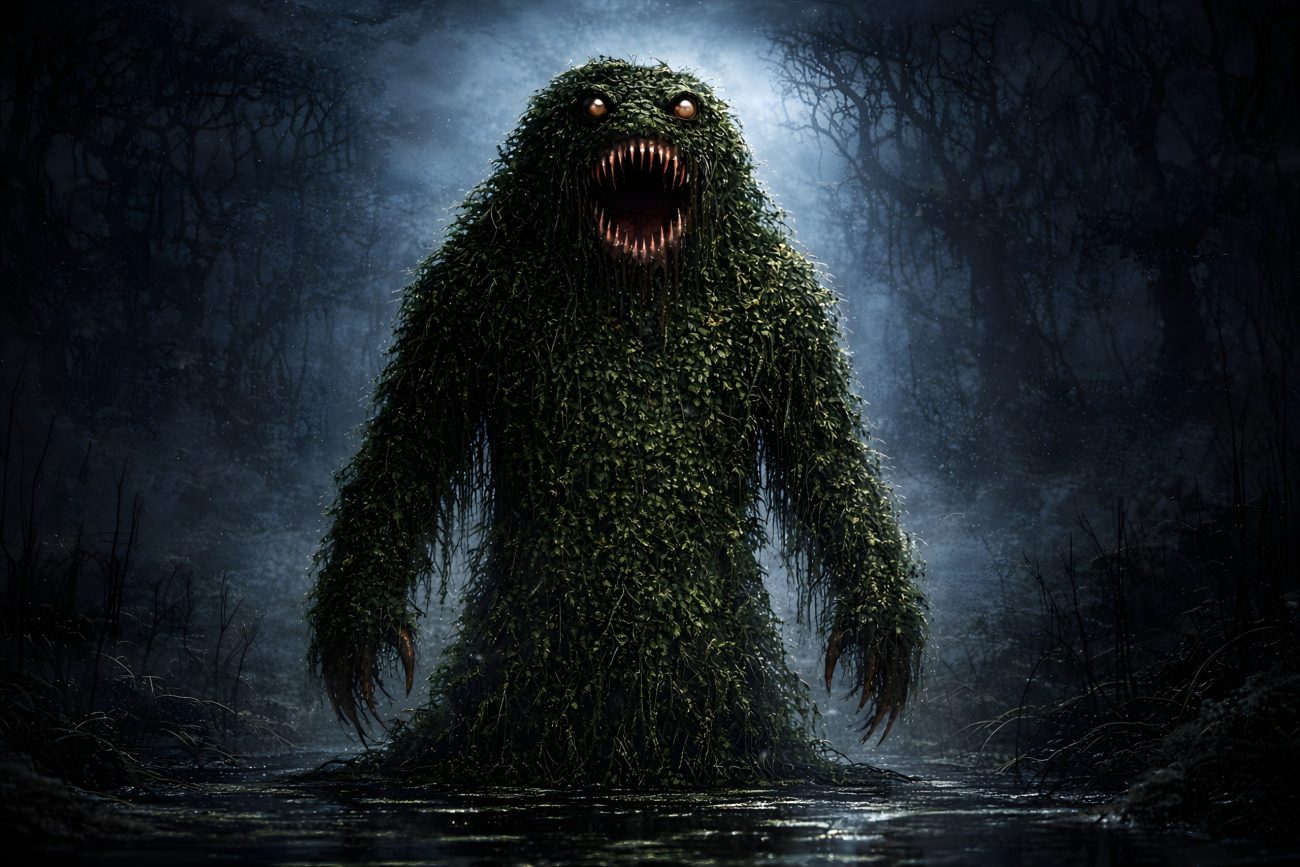
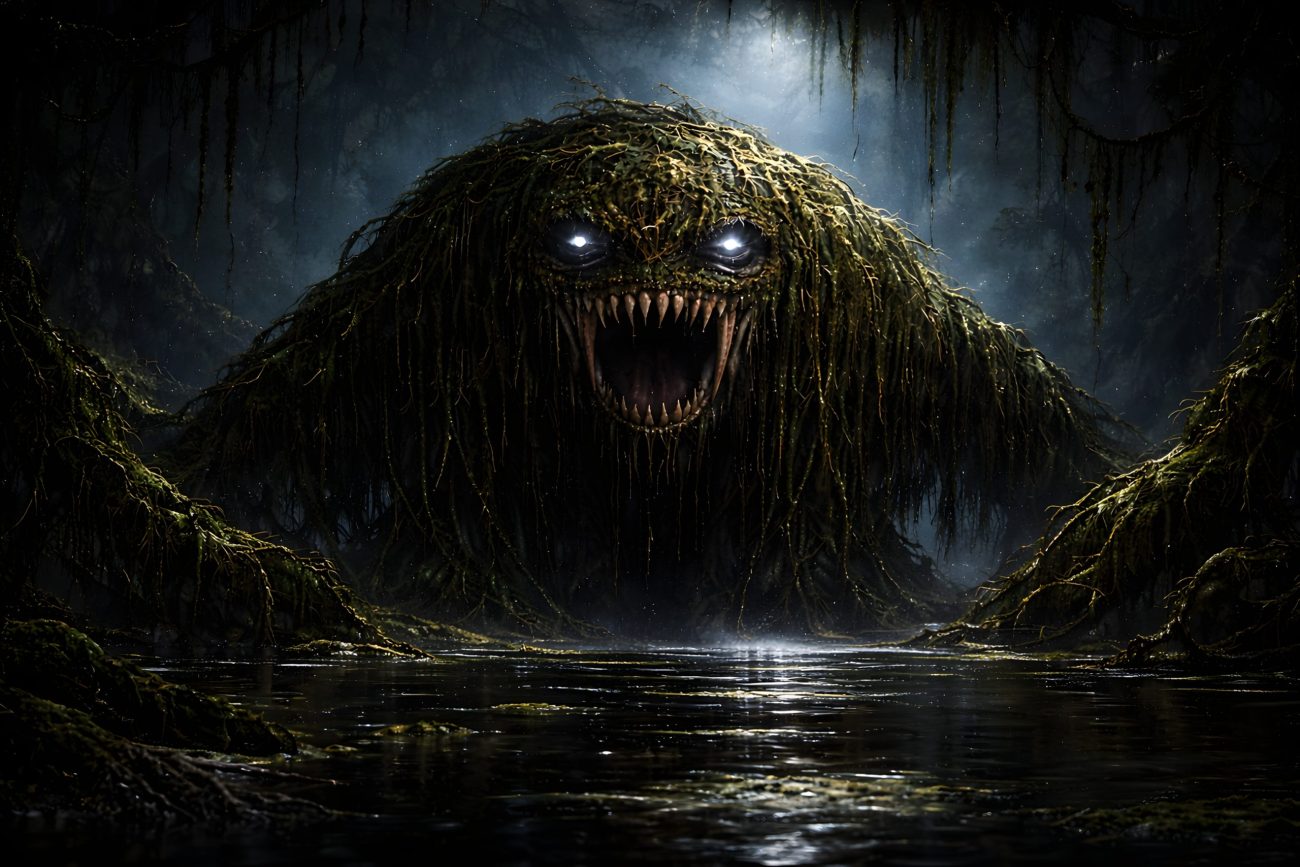
In Slavic lands it was believed that not all who died in water truly left the world. Those who drowned—whether by accident, despair, or violence—might return as restless spirits bound forever to the element that took their lives. Such beings were called Topielce or Utopce.

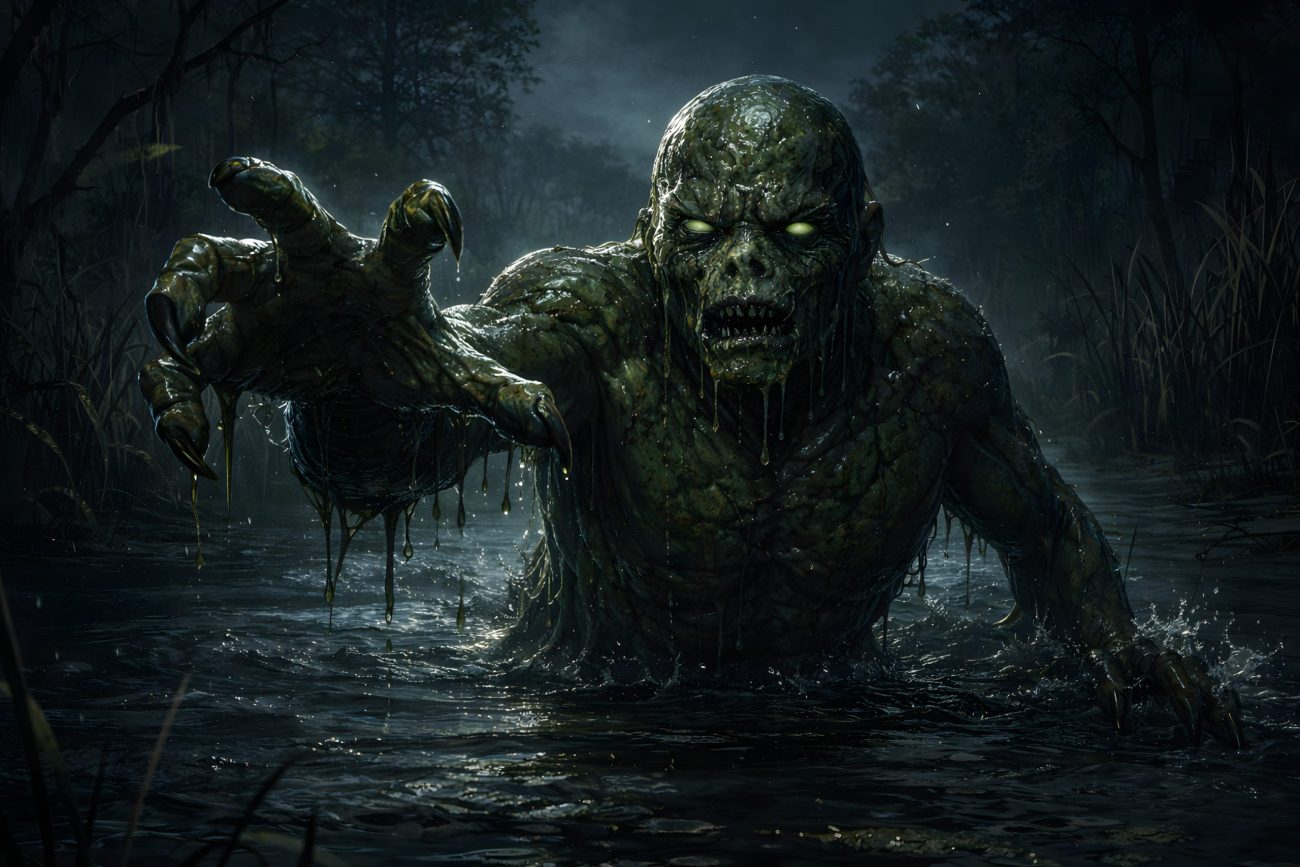
They were said to dwell in lakes, rivers, marshes, and deep ponds, hiding beneath still water or lurking among reeds and mud. The places where they lived were often silent and treacherous, the surface calm while danger waited below.

These spirits did not rest peacefully. Drawn by envy of the living, they were believed to seize people who came too close to the water’s edge. Bathers, fishermen, children playing on riverbanks, even animals drinking at a pond could suddenly be dragged down into the depths. Many said the spirit would clutch its victim with cold hands and pull them under, adding another soul to the water’s domain.

The female forms, called Topielice, were sometimes said to appear near the shore, luring the unwary closer before the water closed over them.

Because of this, people treated lonely waters with caution. They crossed themselves before swimming, avoided marshes at dusk, and warned children never to mock the river. For it was said that beneath the quiet surface, the drowned were waiting—forever bound to the waters that claimed them, and eager to draw the living down to join them.


Sources

Wikipedia contributors. (n.d.). Topielec. In Wikipedia, The Free Encyclopedia. Retrieved February 14, 2026, from https://en.wikipedia.org/wiki/Topielec
Devil Boruta

Tradition / Region: Polish mythology
Alternate Names: Boruta, Błotnik, Borowiec
Category: Demon, Swamp dweller, Shapeshifter


The Myth

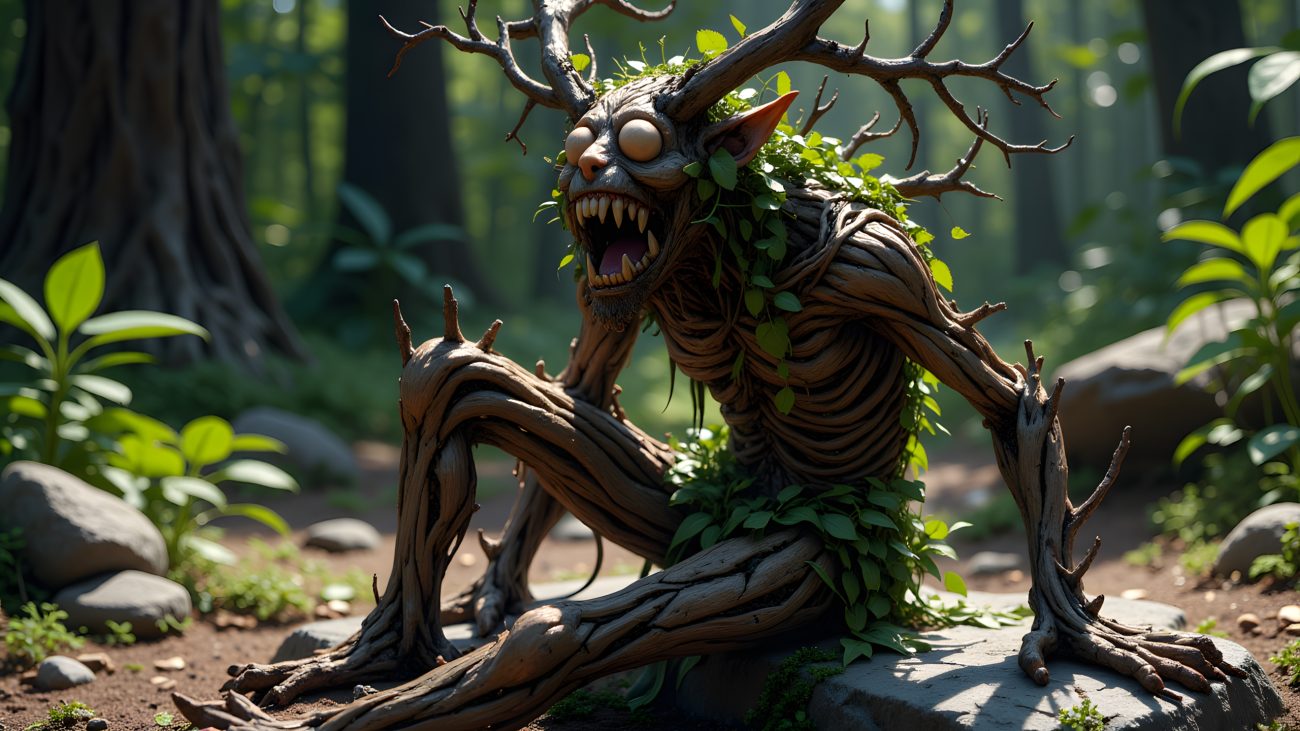
In the forests, swamps, and muddy roads of Poland, people long spoke of Devil Boruta, a spirit who delighted in confusing travelers and leading them astray at night. When carts became stuck in the mud or paths vanished in the dark, it was Boruta who was blamed—lurking unseen, laughing as people wandered in circles through marsh and woodland.

Boruta was not always imagined as a horned demon. In older folk belief, he was closer note a wild forest spirit, a remnant of pre-Christian beings who ruled untamed places. After Christianization, this spirit was reshaped into a devil, though he retained his connection to bogs, dams, forests, and muddy crossings. He could appear suddenly as a black dog, slip through reeds as a shadow, or remain unseen while his presence was felt through fear and confusion.

Later stories—especially those popularized in books—portrayed Boruta as a devil dressed like a nobleman, tempting the upper classes with pride, corruption, and excess. Yet among common folk, Boruta was far less refined. He was a błotnik, a swamp devil, called upon when wagons sank into mud or when travelers lost their way. Peasants did not fear him as a tempter of souls so much as a malicious spirit of difficult terrain, a force of nature that punished arrogance and carelessness.

Boruta did not rule hell, nor did he demand worship. He belonged to the borderlands—between forest and field, road and swamp, safety and danger. To meet him was not always fatal, but it was humiliating, exhausting, and frightening. Those who mocked him or wandered carelessly risked being lost until dawn.

In this way, Devil Boruta stands as a shadow of older pagan spirits: no grand lord of evil, but a sly, muddy trickster who reminds humans that the wild places do not belong to them.


Sources

Wikipedia contributors. (n.d.). Devil Boruta. In Wikipedia, The Free Encyclopedia, from https://en.wikipedia.org/wiki/Devil_Boruta


Błudnik

Tradition / Region: Sorbian Mythology, Polish Mythology, German Mythology
Alternate Names:
Category: Swamp dweller, Flame, Spirit


The Myth

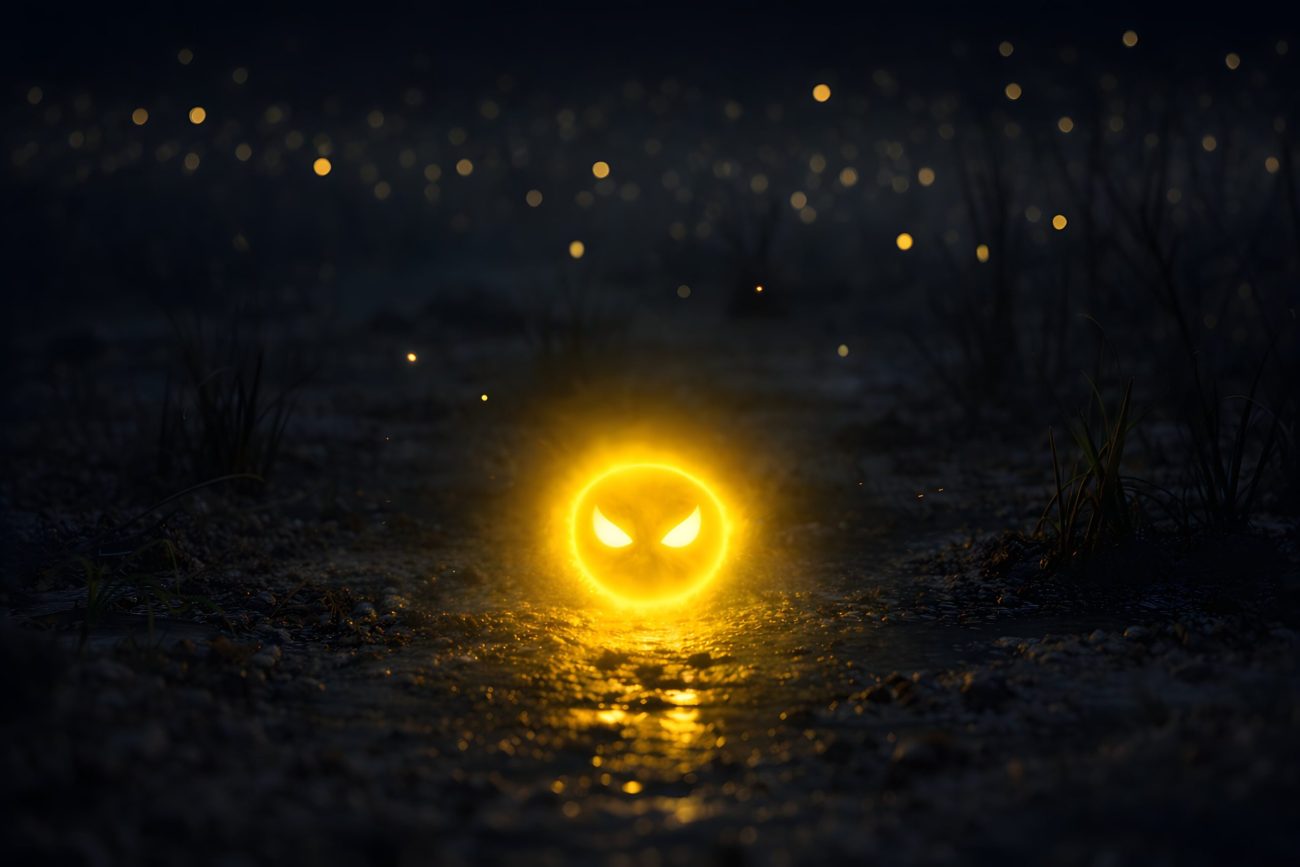
In Sorbian tales, the Błudnik appears at night in places where the land itself is uncertain: bogs, marshes, wetlands, dark forests, and damp meadows. Travelers speak of strange lights drifting low over the ground—flickering, swaying, and always just out of reach. To follow them is dangerous.

The Błudnik is not merely a light, but a being with intent. It lures wanderers from safe paths, drawing them deeper into swamps or endless forest loops. Those who follow its glow find themselves hopelessly lost, walking in circles until exhaustion, fear, or the land itself overcomes them. In some stories, travelers vanish forever after chasing the light.

The spirit delights in confusion. It does not attack openly, nor does it speak. Instead, it misleads with false hope—appearing like a guiding flame, a lantern, or a sign of human presence. Only when it is too late does the victim realize the truth.

Elders warned that the Błudnik appears especially to the careless, the proud, or those who wander at night without respect for the land. To protect oneself, one must ignore strange lights, turn clothing inside out, pray, or mark a cross in the earth—anything to break the spell of deception.

In this way, the Błudnik stands as a reminder that not all light leads to safety, and that the night has its own will.


Sources

Wikipedia contributors. (n.d.). Błudnik. In Wikipedia, The Free Encyclopedia (Lower Sorbian), from https://dsb.wikipedia.org/wiki/B%C5%82udnik


Bebok

Tradition / Region: Polish Mythology, Silesian Mythology
Alternate Names:
Category: Forest dweller, Swamp dweller, House dweller


The Myth

In Polish and Silesian folklore, the bebok is a supernatural being associated with darkness and fear. It belongs to the family of bogeymen—creatures invoked to warn, threaten, and discipline, rather than to be seen directly.

In Upper Silesia in particular, the bebok is the most familiar and widely used bogeyman. Parents invoke its name to frighten disobedient or unruly children, warning that the bebok will come for those who misbehave or wander where they should not.

According to legend, beboks dwell in places avoided by people: forests thick with shadow, swamps and marshy ground, dark basements, cellars, and similar hidden or neglected spaces. These are places where light fades and sound carries strangely, and where the presence of the bebok is felt rather than seen.

The bebok is not described in detail, for its power lies in suggestion. It exists as a warning embodied—a lurking threat tied to darkness itself. Through fear of the bebok, children are taught caution, obedience, and respect for the boundaries between safety and danger.


Sources

Bestiary.us contributors. (n.d.). Eterari. In Bestiary.us, from https://www.bestiary.us/eterari/


Bolotnik

Tradition / Region: Belarusian Mythology, Polish Mythology, Russian Mythology, Ukrainian Mythology
Alternate Names: Balotnik, Bolotianyk, Błotnik, Swamp Devil, Swamp Old Man
Category: Swamp dweller


The Myth

Bolotnik is a male swamp spirit who inhabits bogs, marshes, and quagmires, places long feared in Slavic tradition as dangerous and unclean. He is most often described as a man or old man with large frog-like eyes, a green beard, and long hair. His body is covered in mud, algae, fish scales, and swamp growth. In some regions, especially the Vitebsk Governorate, he is said to be eyeless, fat, and motionless, sitting silently at the bottom of the swamp. Other accounts give him long arms and even a tail.

Bolotnik is known to lure people and animals toward the edge of the swamp and drown them. He imitates familiar sounds to deceive travelers, quacking like a duck, mooing like a cow, gurgling like birds, or calling out with human-like cries. At night, he may create strange lights on the surface of the water or grow stupefying plants near the swamp, drawing victims closer. Once a person steps into the mire, Bolotnik seizes them by the feet and slowly drags them down into the depths.

Some legends say Bolotnik lives alone, while others claim he is married to Bolotnitsa, a female swamp spirit. In many regions, swamp spirits were not clearly distinguished and were often confused with other beings such as the vodyanoy, leshy, chort, rusalka, or kikimora. In certain Ukrainian and Belarusian stories, Bolotnik appears deceptively hospitable: he invites passers-by into beautiful rooms filled with music and dancing, offering gifts and feasts. When the illusion fades, the victims find themselves sitting in a swamp, holding only rubbish instead of treasures.

Different types of swamp spirits were sometimes distinguished. Orzhavinik was said to inhabit iron-rich swamps and appeared as a creature with dirty ginger fur, a thick belly, and thin legs. Bagnik lived deep in bogs and never surfaced, grabbing people only by the legs, its presence marked by bubbles and pale lights. Lozoviki dwelled among willows and vines near swamps, entangling travelers before sometimes helping them escape. Another spirit, Virovnik, lived in deep pools within marshes.

Bolotnik was believed to originate like other evil spirits, as a fallen angel cast down from heaven or as a creation of Satan. In some creation legends, swamps themselves were formed when the devil spat out earth he had hidden in his mouth. Medieval sources record that pre-Christian Slavs made sacrifices to swamps, suggesting that such spirits were once propitiated rather than avoided.

Unlike many demons, Bolotnik is not afraid of lightning, as thunderbolts lose their power upon striking swamp water. He is said to perish when swamps are drained or when they freeze solid in winter. In Polish folklore, the błotnik appears as a pitch-black man carrying a lantern, leading travelers astray into marshes, and is sometimes associated with Boruta.

Bolotnik remains a feared embodiment of the swamp itself—deceptive, suffocating, and inescapable—waiting patiently for those who stray too close to the water’s edge.