Tradition / Region: Sorbian Mythology, Polish Mythology, German Mythology
Alternate Names:
Category: Swamp dweller, Flame, Spirit
The Myth
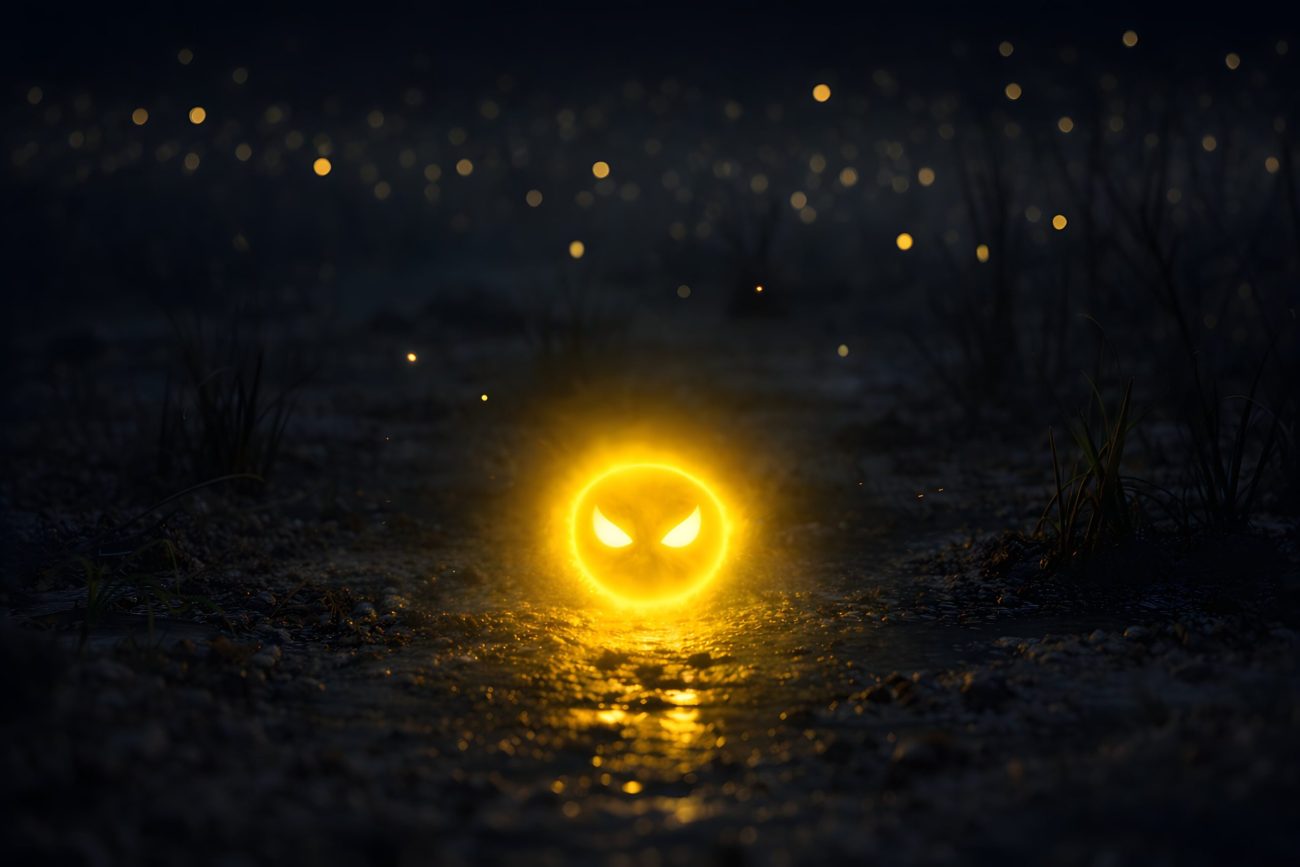
In Sorbian tales, the Błudnik appears at night in places where the land itself is uncertain: bogs, marshes, wetlands, dark forests, and damp meadows. Travelers speak of strange lights drifting low over the ground—flickering, swaying, and always just out of reach. To follow them is dangerous.
The Błudnik is not merely a light, but a being with intent. It lures wanderers from safe paths, drawing them deeper into swamps or endless forest loops. Those who follow its glow find themselves hopelessly lost, walking in circles until exhaustion, fear, or the land itself overcomes them. In some stories, travelers vanish forever after chasing the light.
The spirit delights in confusion. It does not attack openly, nor does it speak. Instead, it misleads with false hope—appearing like a guiding flame, a lantern, or a sign of human presence. Only when it is too late does the victim realize the truth.
Elders warned that the Błudnik appears especially to the careless, the proud, or those who wander at night without respect for the land. To protect oneself, one must ignore strange lights, turn clothing inside out, pray, or mark a cross in the earth—anything to break the spell of deception.
In this way, the Błudnik stands as a reminder that not all light leads to safety, and that the night has its own will.
Sources
Wikipedia contributors. (n.d.). Błudnik. In Wikipedia, The Free Encyclopedia (Lower Sorbian), from https://dsb.wikipedia.org/wiki/B%C5%82udnik