Tradition: French Mythology
Alternative Names: Gobelin, Gobelyn, Boggle (related folkloric term)
Category: Goblin
The Myth
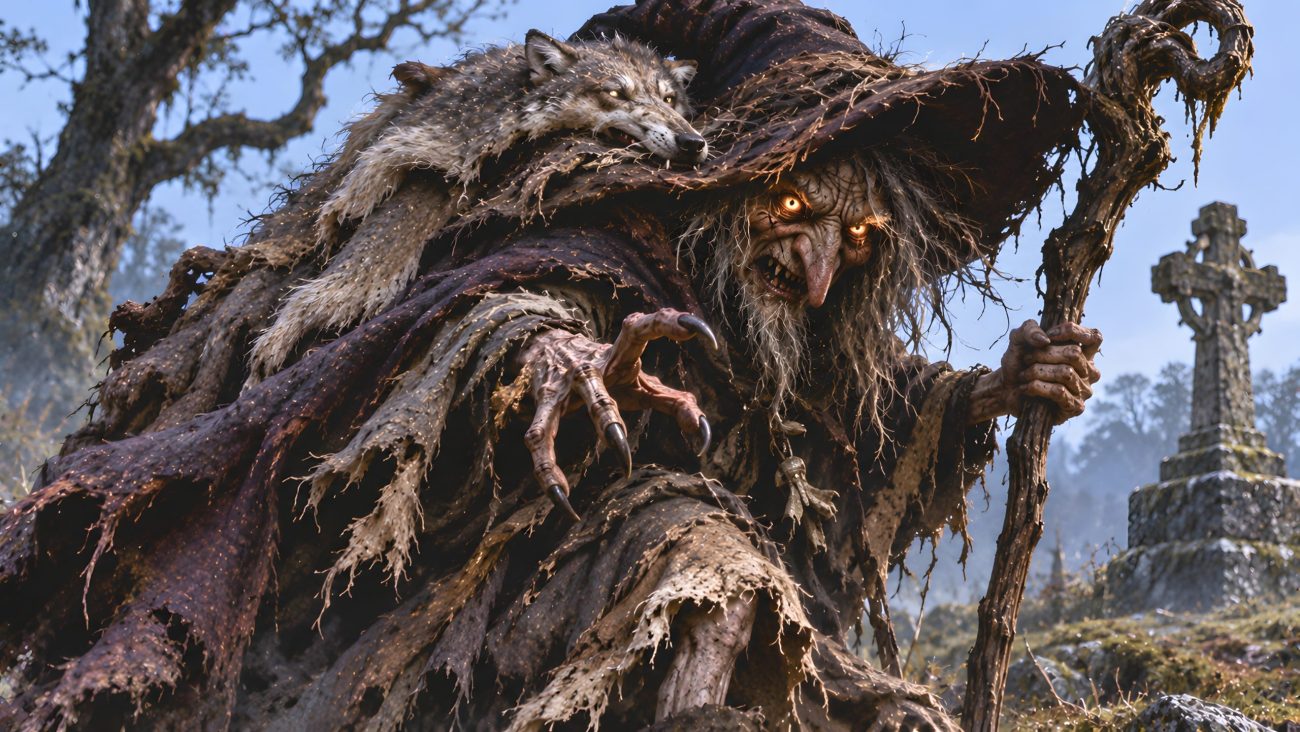
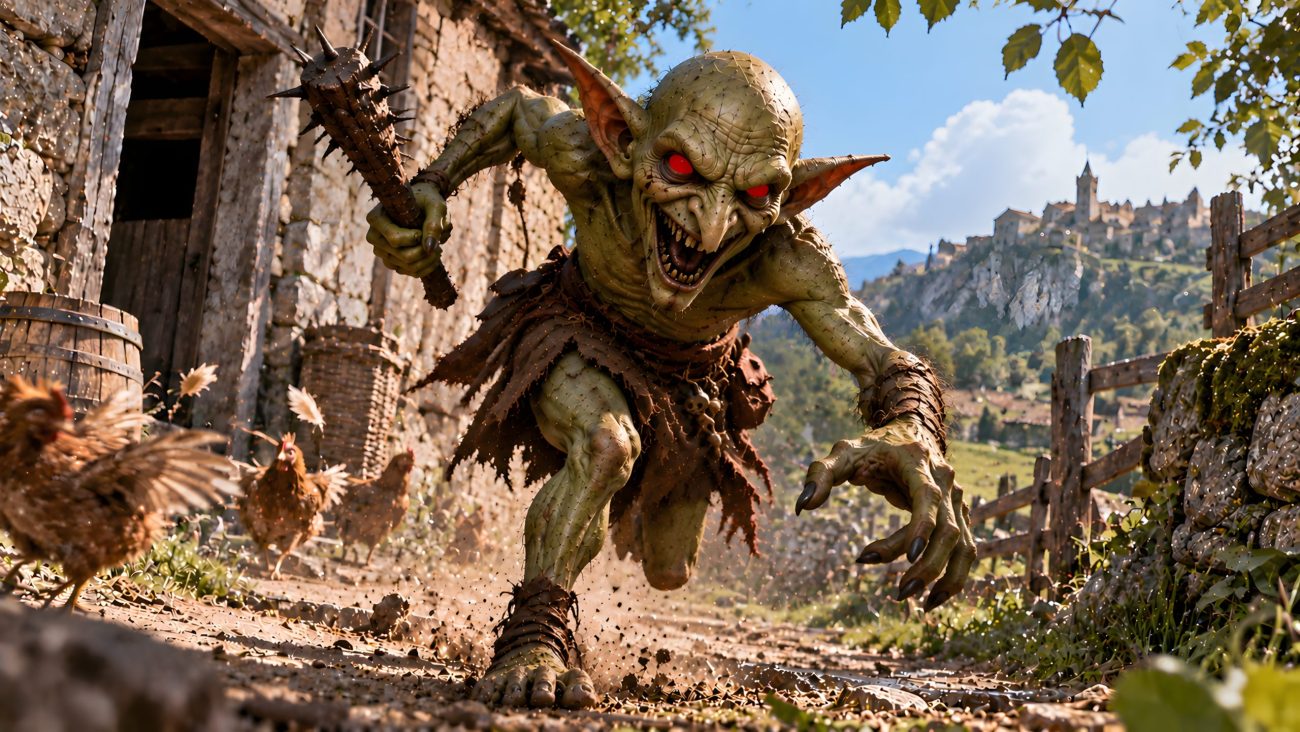
Goblins are small, grotesque humanoid supernatural beings found throughout European folklore. They are often depicted as malevolent, mischievous, or demonic creatures, sometimes standing only around 30 centimetres tall. Their appearance varies between traditions, but they may have furry or leathery bodies and the ability to change shape. Depending on the type of goblin, they may resemble a small, shaggy-haired man in ragged clothing, a grotesque monster, or an elusive spirit that can assume animal forms. They are associated with houses, stables, ruins, underground places, and other secluded locations, where they may perform household chores, play tricks, frighten travellers, or even attack and kill people.
In English and Scottish folklore, some goblins resemble brownies, small household spirits that secretly perform tasks such as threshing grain, churning butter, and tending livestock during the night. They may expect simple offerings of milk or porridge left near the hearth. However, these helpful beings can become offended if their work is criticised or if they are given clothing as a gift, sometimes abandoning the household or turning mischievous. More malicious relatives, such as Yorkshire boggarts, attach themselves to particular homes or farms and cause trouble when mistreated. They may shapeshift into animals or objects while playing pranks, spreading illness, or bringing misfortune to the people who live there.
Other goblin-like beings have their own characteristic habits. In Welsh folklore, the púca is a trickster that misleads travellers at night, sometimes taking the form of a goat or horse to lure them from familiar paths and into dangerous bogs. In Irish tradition, the clurichaun haunts cellars and breweries, steals alcoholic drinks, rides barrels as though they were horses, and becomes furious when disturbed. French and Norman folklore features lutins, impish spirits that play in stables, tangle horses’ manes into knots, and sometimes help with nighttime work. Their behaviour often depends on how humans treat them, shifting between helpfulness and mischief.
Some goblins are far more dangerous than these household spirits. The Redcap of Anglo-Scottish border folklore is a squat, murderous creature that inhabits ruined castles associated with cruelty and wicked deeds. Armed with a pikestaff and wearing iron boots, it attacks travellers and soaks its red cap in the blood of its victims. It can be driven away by Scripture or the sight of a crucifix, which causes it to scream and vanish in flames. Other stories describe supernatural markets where goblins offer enchanted or illusory goods to tempt unwary people, turning ordinary exchanges into dangerous encounters with the otherworld.
The word goblin therefore encompasses many different kinds of supernatural beings rather than one creature with a fixed appearance or behaviour. Some are household helpers, others are playful tricksters, and still others are murderous monsters. Across these traditions, goblins inhabit the uncertain boundary between the human world and the supernatural, where an apparently ordinary house, stable, forest path, or ruined castle may conceal a mischievous or dangerous presence.
Sources
“Goblin.” Wikipedia: The Free Encyclopedia. Wikimedia Foundation. Accessed October 17, 2026. https://en.wikipedia.org/wiki/Goblin