Impundulu

Tradition / Region: South African Mythology
Alternative names: Lightning-bird; Intakezulu; Chimungu; Inyoni Yezulu; Isivolovolo; Izulu
Category: Bird


The Myth

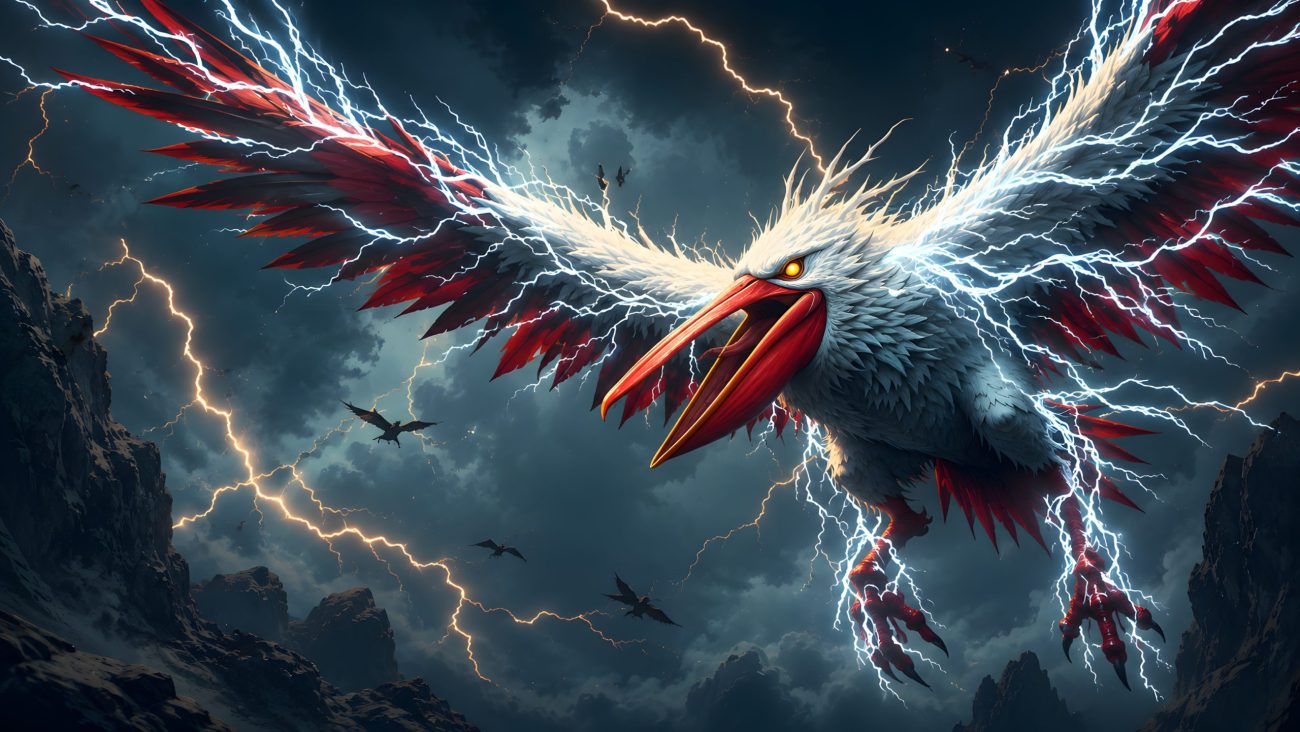
The Impundulu, or Lightning-bird, is a supernatural bird of storms that appears throughout southern African folklore in many different forms. Among the Xhosa it is usually described as a great white bird with red wings, red legs, and a short red tail, though it can also take the shape of a human. The beating of its wings creates thunder, while flashes of lightning mark its descent to the earth to bury a single enormous egg beneath the ground.

The bird is closely connected with witches and shamans. Witches are said to keep an Impundulu as a familiar spirit, sending it to attack their enemies, while shamans search for its buried eggs and destroy them before they hatch, preventing more Lightning-birds from entering the world. Warriors also throw spears into the sky to discourage the creature from landing during storms.

The Impundulu is feared as a vampire that drinks human blood until its victims die. It is also blamed for carrying away unprotected children and for causing illnesses by stealing a person’s breath. Although it craves blood, it is also said to love milk, and poisoned milk is one of the few ways to kill it.

When the Impundulu assumes human form, it may seduce women, and legends claim that any children born from such unions become birds. Despite its fearsome reputation, the bird also appears in local sayings, where being “visited by the Impundulu” can refer either to misfortune, such as a nosebleed, or to an unexpected stroke of good luck.


Sources

A Book of Creatures. (2016, November 7). Impundulu. Retrieved June 29, 2026, from https://abookofcreatures.com/2016/11/07/impundulu/. (abookofcreatures.com)

Cikavac

Tradition / Region: Serbian Mythology
Alternate Names:
Category: Bird


The Myth

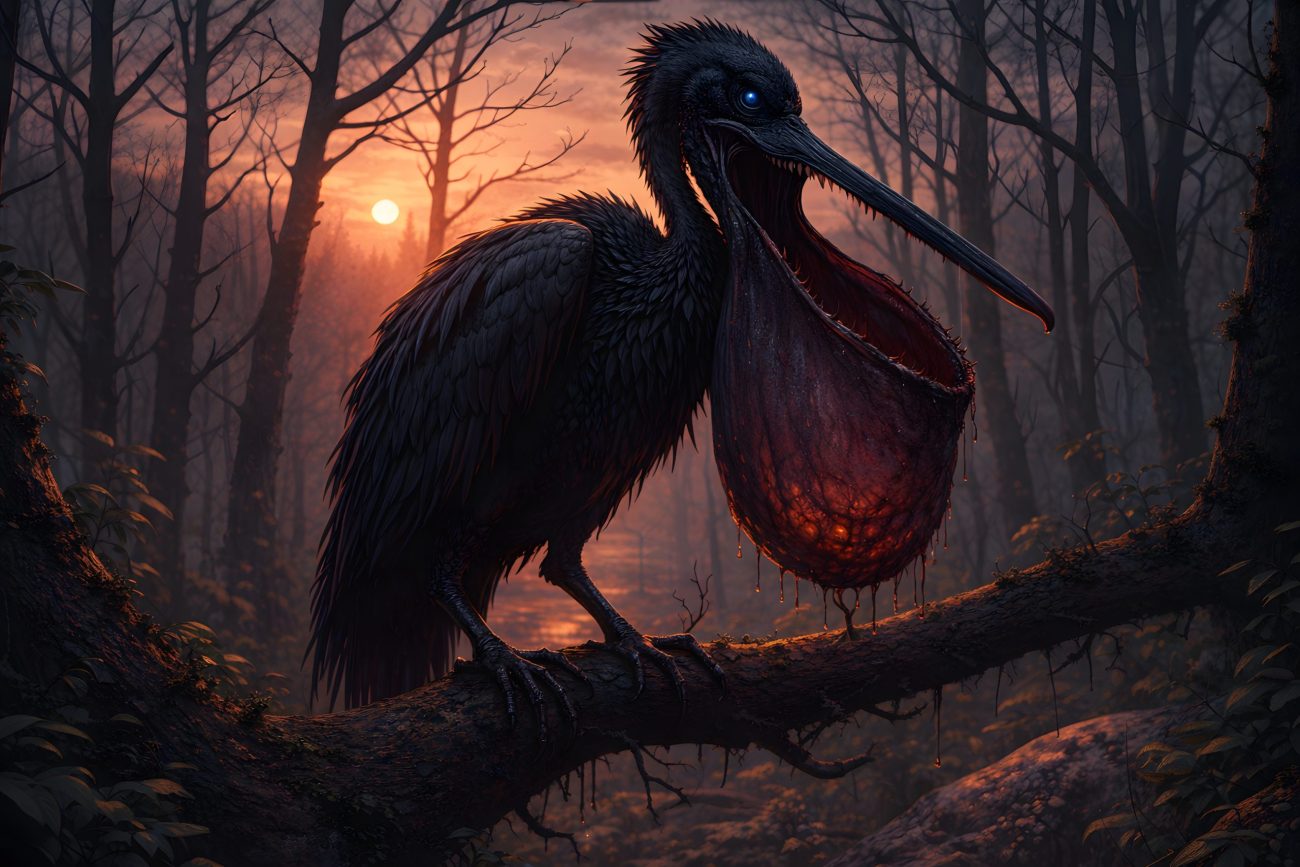
The Cikavac is a creature of Serbian folklore, described as a strange winged being that is neither fully bird nor beast. It is said to resemble a bird with a long beak and a pouch like that of a pelican. The Cikavac does not appear naturally in the world but must be deliberately created through a secret ritual.

To obtain a Cikavac, a person must take an egg laid by a black hen. The egg is then carried under the armpit of a woman for forty days. During this time, strict rules must be followed. The caretaker must not confess sins, must not pray, must not wash her face, cut her nails, or speak of what she is doing. If these conditions are kept, the egg hatches, and the Cikavac is born.

Once created, the Cikavac becomes bound to its owner. At night, it flies out to perform tasks on their behalf. It is said to steal honey from neighboring beehives and milk from other people’s cattle, bringing these goods back to its master. Despite this, the beehives and animals it visits are often described as remaining unharmed.

The Cikavac is also believed to grant its owner the ability to understand the language of animals. Through this power, humans gain insight into the hidden world of beasts and birds, learning things normally beyond human hearing.

The Cikavac remains close to the household that created it, acting as a secret helper and bringer of prosperity. Its existence depends on secrecy and careful observance of the ritual that brought it into the world. If the rules are broken, the creature is said to fail to form or to disappear.

In Serbian tradition, the Cikavac is remembered as a liminal being—born through human action, moving between forest, farm, and home, and serving as a hidden companion that operates under cover of night.