Alû

Tradition / Region: Mesopotamian Mythology, Iraqi Mythology
Alternative Name: –
Category: Demon


The Myth

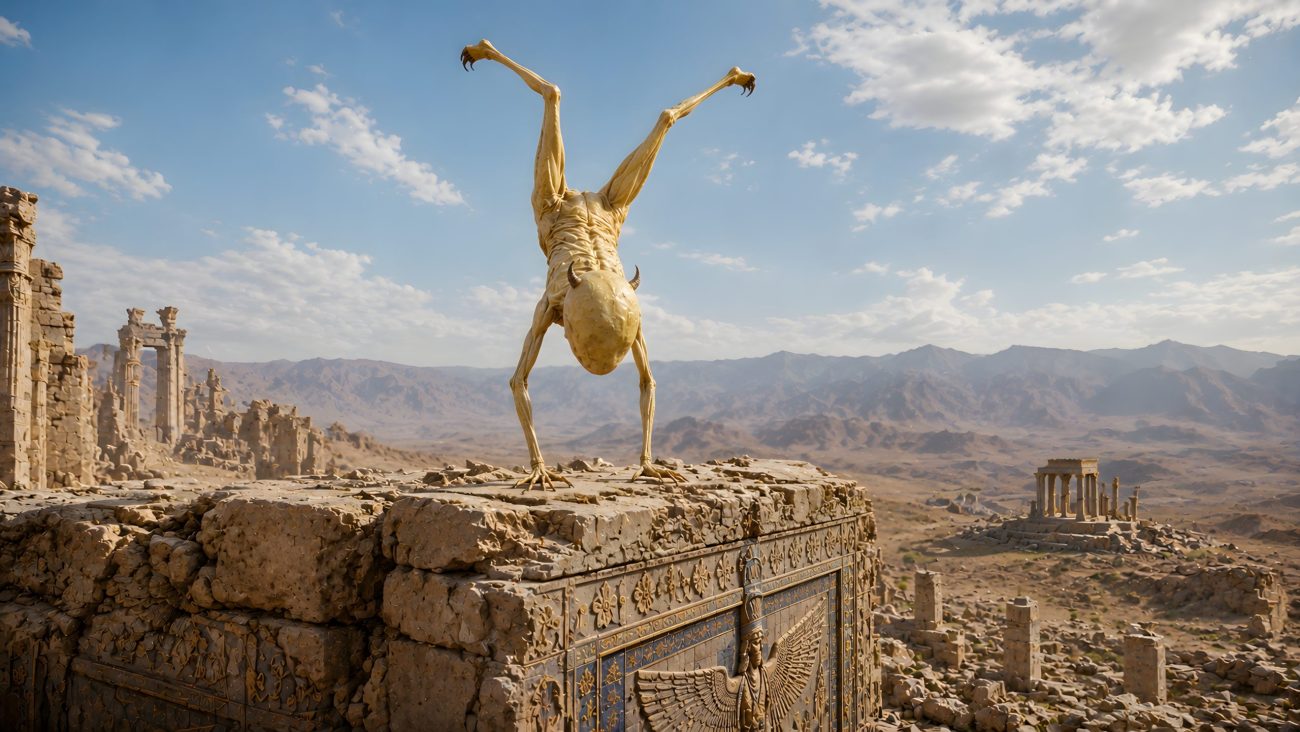
The Alû is a terrifying spirit from Akkadian and Sumerian mythology associated with nightmares, sickness, fear, and the underworld. It belongs to a class of malevolent beings connected to the Utukku demons and was believed to wander during the night searching for victims.

Ancient descriptions portray the Alû as a strange and unnatural being without a mouth, lips, or ears. It attacks sleeping people, overwhelming them with terror while they lie helpless in bed. Some traditions say the Alû presses itself upon the chest of its victim like a heavy garment, leaving the person unable to move or cry out.

The demon was feared for causing unconsciousness, illness, and states resembling coma or sleep paralysis. Mesopotamian texts describe it appearing alongside other dark spirits such as the Gallu, Lilu, and ghostly Etimmu, all associated with disease, curses, and torment.

Ancient incantations describe the Alû entering the body of the sick and filling it with poison, fear, suffering, and evil influences. It was believed to attack both physically and spiritually, afflicting humans with nightmares and wasting illnesses simply for its own cruel amusement.

The Alû eventually became one of the best-known night demons of Mesopotamian folklore, representing unseen terror, oppressive sleep, and supernatural affliction during the darkness of night.


Sources

Wikipedia contributors. (n.d.). Alû. In Wikipedia. Retrieved May 10, 2026, from https://en.wikipedia.org/wiki/Al%C3%BB

Palm Tree King

Tradition / Region: Iraqi Mythology, Mesopotamian Mythology, Sumerian Mythology
Alternative Name: –
Category: Demon


The Myth

The Palm Tree King was one of the strange and monstrous beings known as the Slain Heroes in ancient Sumerian mythology. These creatures appear in the epic Lugale, which tells the story of the warrior god Ninurta battling monstrous enemies to recover the stolen Tablets of Destiny.

The Slain Heroes served the monstrous being Imdugud, also known later as Anzu, who had stolen the divine Tablets of Destiny from the god Enlil, ruler of wind, storms, and the heavens. Ninurta set out to defeat these creatures and reclaim the tablets.

Very little survives about the Palm Tree King compared to the other monsters in the epic. Ancient texts mention him among the creatures allied with Imdugud, but few details describe his appearance or powers. His unusual name suggests a connection to sacred trees, fertility, or the wilderness of southern Mesopotamia.

Unlike many of the other Slain Heroes defeated by Ninurta during his campaign, the Palm Tree King may have escaped destruction. Some interpretations of the surviving myths describe him as the only monstrous servant of Imdugud not clearly slain in battle.


Sources

Wikipedia contributors. (n.d.). Palm Tree King. In Wikipedia. Retrieved May 10, 2026, from https://en.wikipedia.org/wiki/Palm_Tree_King


Uridimmu

Tradition / Region: Mesopotamian Mythology
Alternate Names: Mad Dog, Gruesome Hound
Category: Dog, Demon


The Myth

Uridimmu was a strange and powerful being known in the myths and rituals of ancient Mesopotamia.

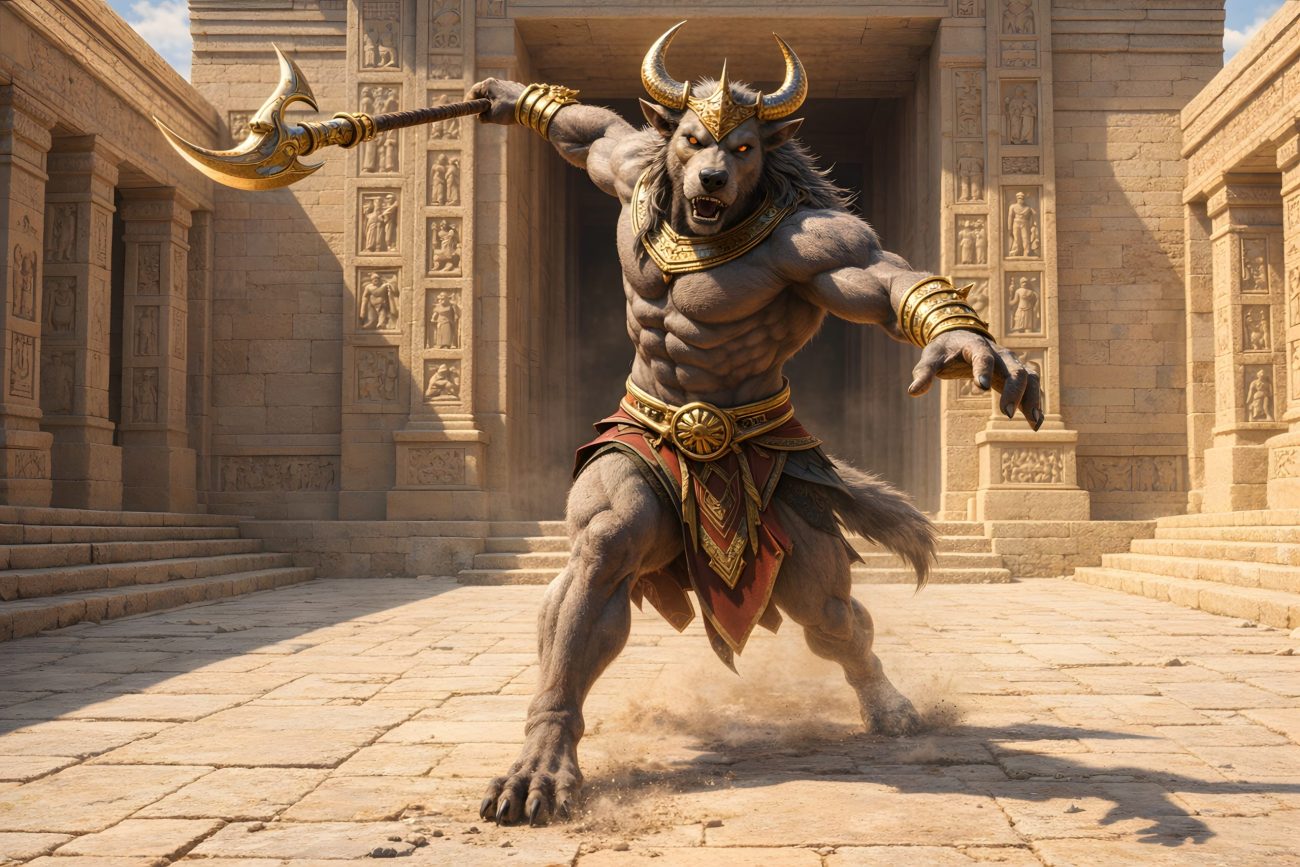
He was depicted as a creature with the body of a dog standing upright like a man, but with a human head. He often wore a horned crown and carried a staff tipped with a crescent, marking him as a being connected to divine power. His name was associated with the idea of a raging or rabid dog, suggesting both ferocity and danger.

In the stories of the gods, Uridimmu was counted among the monstrous beings born from Tiamat during the great battle between chaos and order. When Marduk defeated these creatures, their forms were later used as protective symbols. Images of Uridimmu were set on doorways and buildings so that his frightening presence would drive away evil.

Over time he was no longer remembered only as a defeated monster but also as a guardian spirit. Figures of him were placed in temples and homes as protection. In ritual tradition he appeared among the attendants of the sun god Shamash and was called upon in ceremonies connected with healing and divine aid.

Thus Uridimmu was remembered both as a creature of chaos and as a protector — a human-headed dog spirit whose image guarded doorways and whose presence was meant to keep harm away.


Gallery


Sources

Wikipedia contributors. (n.d.). Uridimmu. In Wikipedia, from https://en.wikipedia.org/wiki/Uridimmu


Interpretive Lenses

Religious Readings
  • Christian Ascetic Deep Dive
Philosophical Readings
  • Nietzschean Deep Dive
Psychological Readings
  • Jungian Deep Dive
Esoteric Deep Dive
  • Hermetic Deep Dive
Political / Social Readings
  • Marxist Deep Dive