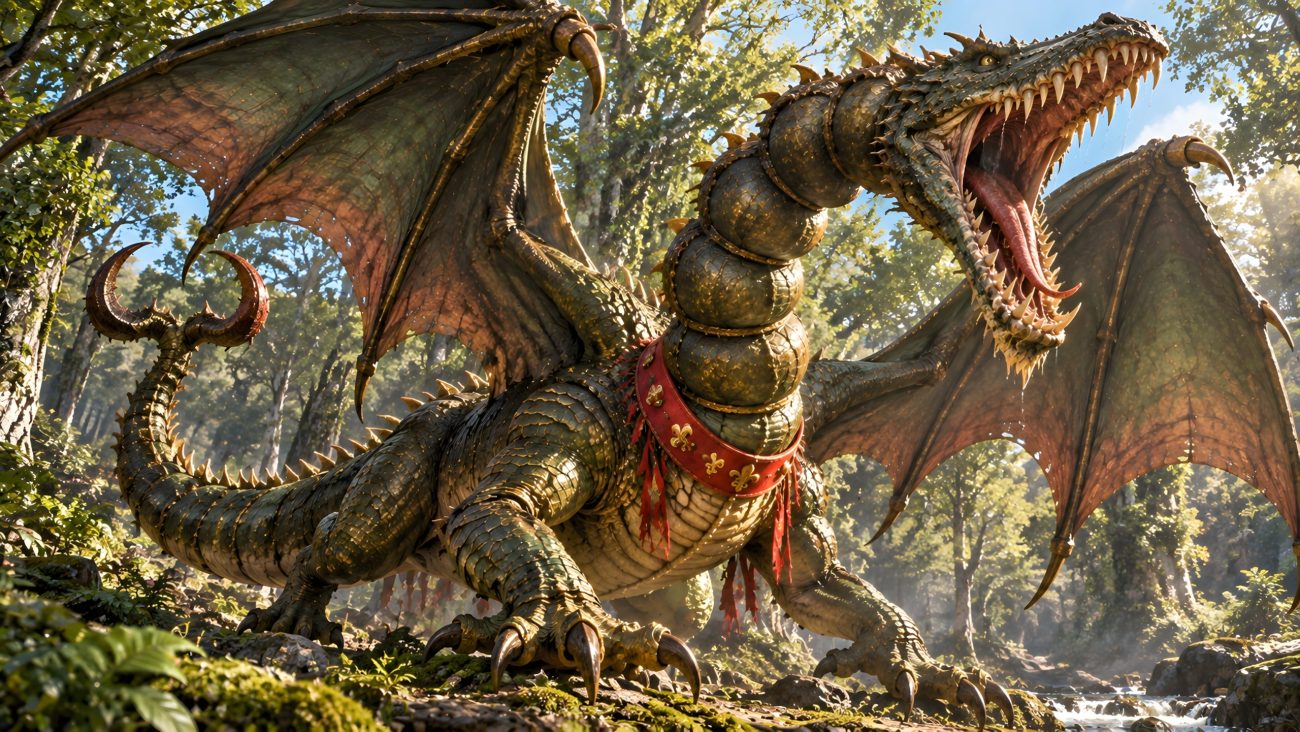
Talafsa

Tradition / Region: Algerian Mythology
Alternative Name:
Category: Dragon, Snake


The Myth

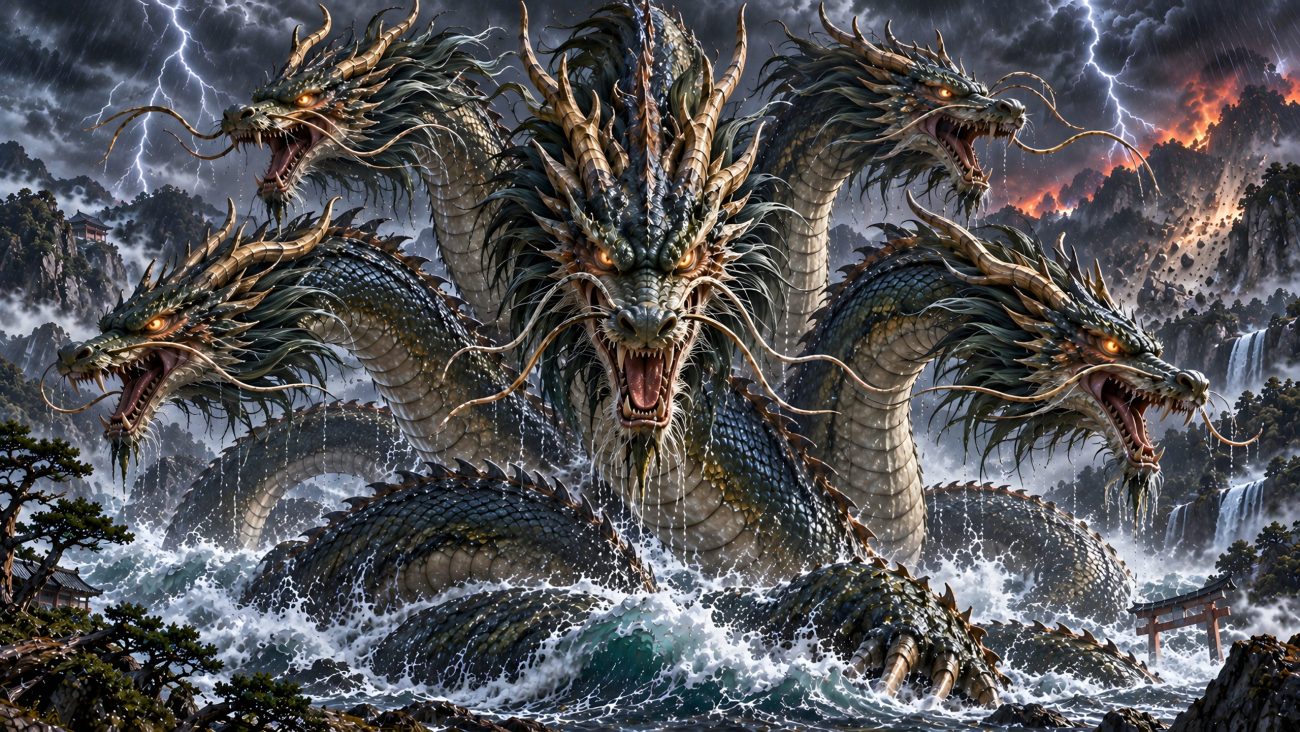
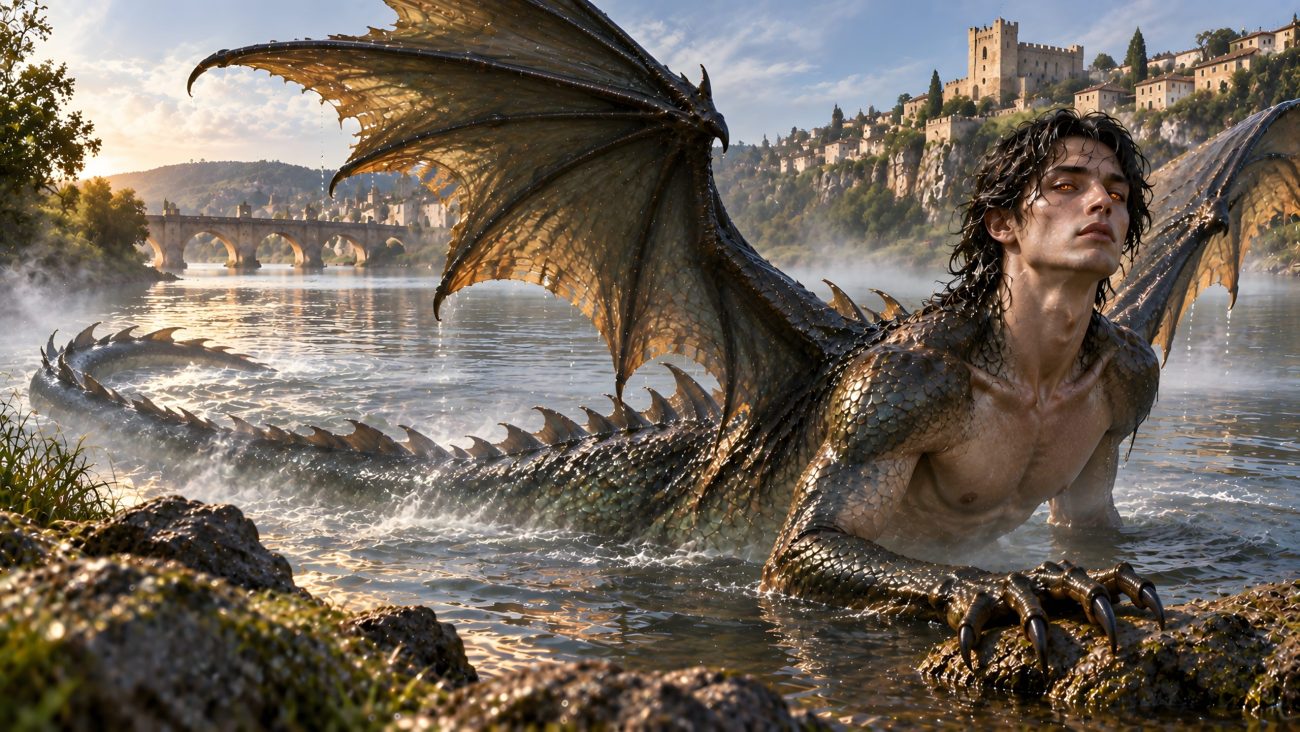
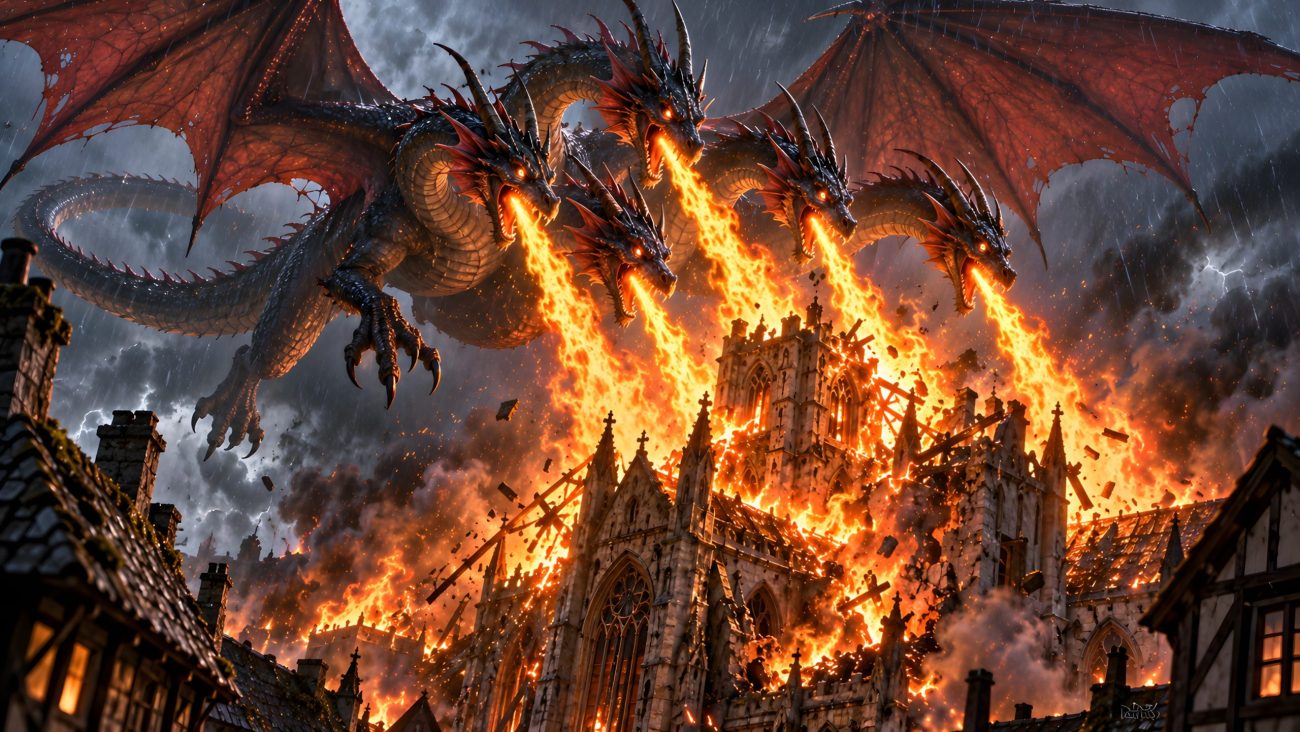
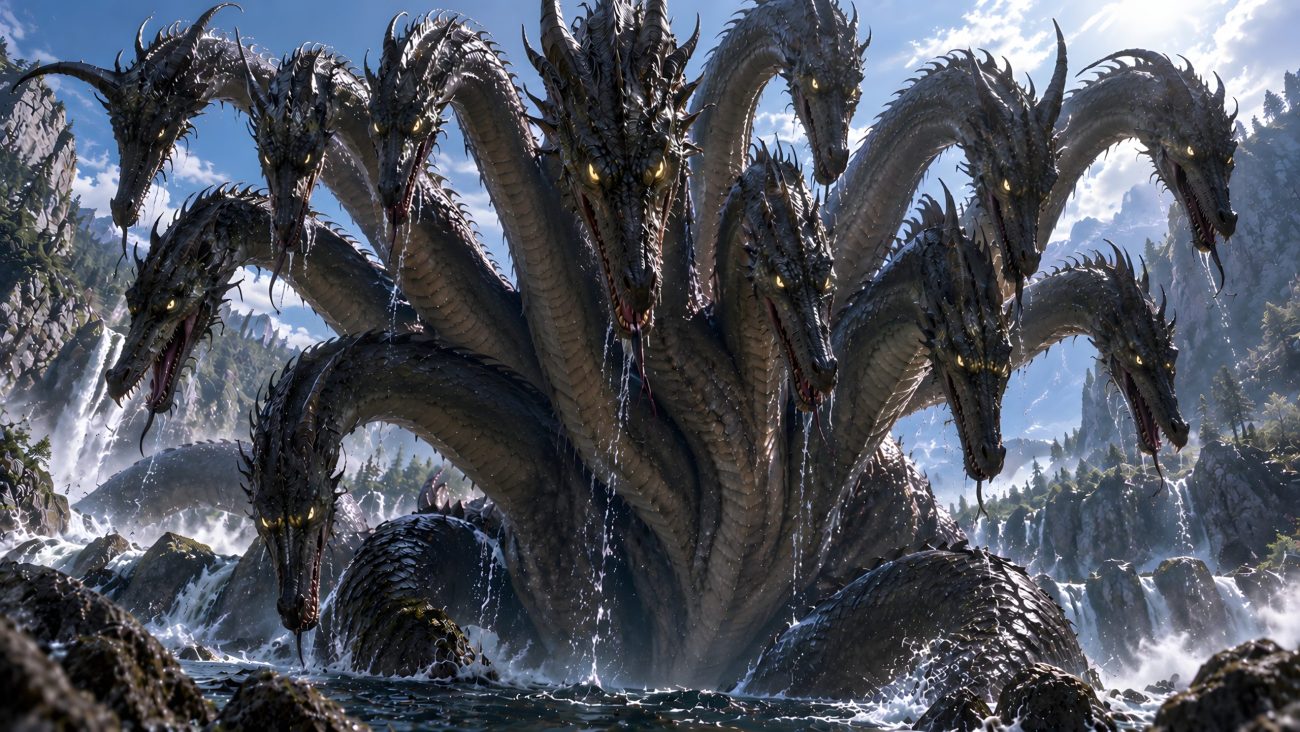
Talafsa is a monstrous female dragon from Kabyle and North African folklore, often described as a many-headed serpent similar to a hydra. In some legends, she possesses seven heads and lives near forests, caves, springs, or sources of water.

According to the myths, Talafsa controls the water of entire regions. Villages and cities suffer from drought because she guards rivers or springs and refuses to release the water unless she receives a yearly sacrifice. The sacrifice is usually a young girl chosen from the local people and offered to the monster to prevent destruction and thirst.

Stories about Talafsa are part of a wider North African tradition of dragon-slayer myths. In many versions, a hero eventually appears to confront the beast, defeat her, and free the water for the people. These tales were especially widespread in Kabylia, where Talafsa became one of the best-known monstrous beings of local folklore.


Sources

Tadukli.free.fr. (2006, July 22). Éléments de mythologie kabyle. Retrieved May 10, 2026, from https://tadukli.free.fr/pages/culture/histoire_01_elements_de_mythologie_kabyle.htm


Teryel

Tradition / Region: Algerian Mythology
Also Known As: Teryalin (plural)
Category: Mountain Dweller, Forest Dweller


The Myth

Teryel is a monstrous ogress from Kabyle mythology, described as a wild and dangerous female being that lives far from human settlements. She belongs to the teryalin, a race of ogresses associated with mountains, forests, and the untamed wilderness beyond civilization.

According to Kabyle myths, in the earliest age of the world, men and women first emerged from the underworld and lived separately. Women were believed to have initiated the first relations between the sexes and originally held power over men. Later, men began building stone houses, creating settled life and human society. Women entered these homes and became tied to domestic life and civilization.

One woman, however, rejected this new way of life. Together with a man, she chose to remain wild and free rather than live among humans. Because of this choice, the pair transformed into creatures of the wilderness. The man became the lion, while the woman became Teryel, the cannibal ogress.

Kabyle folklore often portrays ogresses as more powerful and important than male ogres. The teryalin are described as rulers of the wild world, standing in direct opposition to villages, families, and civilized life. Some legends also claim that one of the ogresses consumed the golden leaves of a magical tree and afterward gave birth to the race of ogres.


Sources

Tadukli.free.fr. (2006, July 22). Éléments de mythologie kabyle. Retrieved May 10, 2026, from https://tadukli.free.fr/pages/culture/histoire_01_elements_de_mythologie_kabyle.htm


Aicha Kandicha

Tradition / Region: Moroccan Mythology
Also Known As: Aisha Qandisha, Qandisa
Category: Succubus, Spirit


The Myth

Aicha Kandicha is a feared female spirit from Moroccan folklore, often described as a beautiful young woman with the legs or hooves of a goat or camel. She is strongly associated with rivers, lakes, marshes, canals, and the sea, and is believed to appear near water after dark.

Legends describe her wearing a dark cloak that hides her supernatural form. She uses her beauty and charm to lure men toward her, sometimes appearing as a lost woman or even disguising herself as the victim’s wife. Once alone with her target, she drives him mad, possesses him, or kills him.

Different regions of Morocco describe her differently, but nearly all traditions connect her to water and dangerous seduction. Some stories say she can manipulate water, freeze it, or disappear beneath it. Others claim she fears iron knives or needles.

In certain Moroccan spiritual traditions and possession rituals, Aicha Kandicha is treated as one of the powerful female spirits connected to trance ceremonies and spirit possession. People believed her presence could cause strange behavior, animal-like sounds, nightmares, illness, or madness.

Some later legends claim Aicha Kandicha may have originated from a real woman who fought Portuguese forces during the colonial period by seducing enemy soldiers before leading them into ambushes. Over time, stories about her blended with older supernatural beliefs until she became one of the most famous spirits in Moroccan folklore.


Sources

Wikipedia contributors. (n.d.). Aisha Qandicha. In Wikipedia. Retrieved May 10, 2026, from https://en.wikipedia.org/wiki/Aisha_Qandicha


Mantahungal

Tradition / Region: Philippines Mythology
Alternative Name: –
Category: Cow


The Myth

The Mantahungal is a terrifying creature from the folklore of the Tagbanua people of Palawan in the Philippines. It is said to dwell deep within remote mountain forests at high altitudes, far from human settlements.

The creature is usually described as resembling a gigantic hornless cow covered in long shaggy hair that hangs almost to the ground. Despite its cattle-like appearance, the mantahungal possesses a monstrous mouth filled with huge fangs and tusk-like teeth, including massive upper and lower tusks used to tear apart its prey.

According to legend, the mantahungal is a violent predator that hunts humans and animals in the mountain wilderness. It chases down victims through the forest before ripping them apart with its enormous teeth.

Stories describe it as a hidden and feared creature of the highlands, rarely seen but associated with danger, disappearance, and death in isolated forest regions.


Sources

Cryptid Archives. (n.d.). Mantahungal. Retrieved May 10, 2026, from https://cryptidarchives.fandom.com/wiki/Mantahungal

Bestiary.us. (n.d.). Mantakhungal. Retrieved May 10, 2026, from https://www.bestiary.us/mantakhungal/en/


Taejagwi

Tradition / Region: Korean Mythology
Alternative Name: –
Category: Ghost, Spirit


The Myth

Taejagwi is a spirit from ancient Korean shamanic tradition believed to be the ghost of a young girl who died from smallpox during an epidemic. In some rarer stories, the spirit may also be that of a deceased boy, though it is most commonly associated with girls.

The spirit was feared and respected because it was believed to possess knowledge of both the past and the future. Taejagwi would sometimes appear to humans in order to reveal hidden truths, predict future events, or expose secrets long forgotten.

Unlike many ghosts in Korean folklore, Taejagwi was usually not seen directly. Witnesses claimed its presence was recognized through strange cries or the sound of a child’s voice seemingly emerging from empty air. These eerie voices were believed to carry prophecies or supernatural knowledge.

Belief in Taejagwi became especially widespread in Korea after outbreaks of smallpox, and stories of the spirit often came from grieving mothers who had lost children during epidemics. Some accounts claimed the spirit appeared before groups of people, astonishing witnesses with accurate revelations about past events or warnings of things yet to come.

In Korean folk belief, Taejagwi became associated with sorrow, disease, death, and supernatural foresight.


Sources

Bestiary.us. (n.d.). Thjedzhagvi. Retrieved May 10, 2026, from https://www.bestiary.us/thjedzhagvi/


Chandusa

Tradition / Region: Korean Mythology
Alternative Name: –
Category: Snake, Deer


The Myth

The Chandusa is a mysterious giant serpent from Korean folklore and classical literature of the Joseon period. It is described as an enormous snake around seven meters long with the hornless head of a roe deer. Some traditions considered it related to other strange serpents such as cat-headed snakes and gigantic tesa serpents.

Unlike ordinary snakes, the chandusa was believed to possess supernatural powers. It often appeared near human homes and settlements, especially around gates, courtyards, or walls. Despite its massive size, it lived inside tiny holes or burrows that seemed impossibly deep.

Legends claimed that attempts to block its lair were useless. Stones placed over the hole would mysteriously return to their original position by the next morning, as though the creature had moved them through unnatural means.

One famous story appears in the Taedong Yaseung. The scholar and nobleman Yiam Seong-in reportedly encountered a chandusa near his home at night. He described seeing a massive snake with the head of a roe deer moving near the gate before vanishing into a tiny hole by the southern wall.

After discovering that the creature’s burrow could not be sealed, even with heavy stones, he became convinced the serpent was supernatural. Fearing the creature, he sold his house and moved away entirely.


Sources

Bestiary.us. (n.d.). Chandusa. Retrieved May 10, 2026, from https://www.bestiary.us/chandusa


Alû

Tradition / Region: Mesopotamian Mythology, Iraqi Mythology
Alternative Name: –
Category: Demon


The Myth

The Alû is a terrifying spirit from Akkadian and Sumerian mythology associated with nightmares, sickness, fear, and the underworld. It belongs to a class of malevolent beings connected to the Utukku demons and was believed to wander during the night searching for victims.

Ancient descriptions portray the Alû as a strange and unnatural being without a mouth, lips, or ears. It attacks sleeping people, overwhelming them with terror while they lie helpless in bed. Some traditions say the Alû presses itself upon the chest of its victim like a heavy garment, leaving the person unable to move or cry out.

The demon was feared for causing unconsciousness, illness, and states resembling coma or sleep paralysis. Mesopotamian texts describe it appearing alongside other dark spirits such as the Gallu, Lilu, and ghostly Etimmu, all associated with disease, curses, and torment.

Ancient incantations describe the Alû entering the body of the sick and filling it with poison, fear, suffering, and evil influences. It was believed to attack both physically and spiritually, afflicting humans with nightmares and wasting illnesses simply for its own cruel amusement.

The Alû eventually became one of the best-known night demons of Mesopotamian folklore, representing unseen terror, oppressive sleep, and supernatural affliction during the darkness of night.


Sources

Wikipedia contributors. (n.d.). Alû. In Wikipedia. Retrieved May 10, 2026, from https://en.wikipedia.org/wiki/Al%C3%BB


Scorpion-Men

Tradition / Region: Mesopotamian Mythology, Iraqi Mythology
Alternative Name: Girtablullû
Category: Insect


The Myth

Scorpion-men are ancient creatures from Mesopotamian mythology, usually depicted with the upper body of a human and the lower body and tail of a giant scorpion. They appear in Akkadian myths and were represented in the art of Mesopotamia and ancient Iran long before many written stories survived.

In the Babylonian creation epic Enuma Elish, scorpion-men are listed among the monstrous beings created by the primordial goddess Tiamat during her war against the younger gods after the death of her mate Apsu.

The creatures are most famous for their appearance in the Epic of Gilgamesh. There, scorpion-men guard the gates of the sun god Shamash at the twin mountains of Mashu, the entrance to the dark realm through which the sun passes every night.

Their appearance is terrifying. The epic describes their presence as so dreadful that their gaze itself brings death. Each day they open the gates for Shamash as he travels across the heavens, and at night they close the gates after his return through the underworld.

When the hero Gilgamesh arrives seeking the secret of immortality, the scorpion-man and his wife recognize that he is not entirely human. They perceive divine blood within him and allow him to continue through the mountain passage into the land of darkness.

Scorpion-women also appear in the myths alongside the scorpion-men, usually as guardians or companions who possess great wisdom and supernatural perception.


Sources

Wikipedia contributors. (n.d.). Scorpion man. In Wikipedia. Retrieved May 10, 2026, from https://en.wikipedia.org/wiki/Scorpion_man


Palm Tree King

Tradition / Region: Iraqi Mythology, Mesopotamian Mythology, Sumerian Mythology
Alternative Name: –
Category: Demon


The Myth

The Palm Tree King was one of the strange and monstrous beings known as the Slain Heroes in ancient Sumerian mythology. These creatures appear in the epic Lugale, which tells the story of the warrior god Ninurta battling monstrous enemies to recover the stolen Tablets of Destiny.

The Slain Heroes served the monstrous being Imdugud, also known later as Anzu, who had stolen the divine Tablets of Destiny from the god Enlil, ruler of wind, storms, and the heavens. Ninurta set out to defeat these creatures and reclaim the tablets.

Very little survives about the Palm Tree King compared to the other monsters in the epic. Ancient texts mention him among the creatures allied with Imdugud, but few details describe his appearance or powers. His unusual name suggests a connection to sacred trees, fertility, or the wilderness of southern Mesopotamia.

Unlike many of the other Slain Heroes defeated by Ninurta during his campaign, the Palm Tree King may have escaped destruction. Some interpretations of the surviving myths describe him as the only monstrous servant of Imdugud not clearly slain in battle.


Sources

Wikipedia contributors. (n.d.). Palm Tree King. In Wikipedia. Retrieved May 10, 2026, from https://en.wikipedia.org/wiki/Palm_Tree_King


Azhdaha

Tradition / Region: Iranian Mythology, Persian Mythology
Also Known As: Azhdahak, Ezhdeha, Azhdar
Category: Dragon


The Myth

The Azhdaha is a dragon-like creature from Iranian mythology, often described as a gigantic serpent with an enormous body, blazing eyes, huge jaws, and countless teeth. In Persian legends, azhdahas could live in the sea, on land, or in the sky, and some were said to possess wings or fin-like appendages.

The creature appears throughout Persian epic literature, especially in the Shahnameh, where heroic warriors such as Rostam, Esfandiar, and Sām battle and slay monstrous azhdahas during their legendary quests.

In later Islamic-era traditions, the azhdaha was sometimes said to begin life as an ordinary snake. After living for hundreds of years and growing to an unnatural size, the serpent became violent and destructive. Because of the chaos it caused, God cast it into the sea. There the creature continued to grow even larger, developing fins or wings and creating massive waves with its movements.

Some medieval Persian accounts claimed that the heart of an azhdaha granted courage and bravery to whoever consumed it. Its skin was believed to possess healing properties, while its buried head was said to fertilize the earth.

The azhdaha became one of the most feared monsters in Persian mythology, representing destruction, chaos, and the dangerous power of nature.


Sources

Wikipedia contributors. (n.d.). Azhdaha. In Wikipedia. Retrieved May 10, 2026, from https://en.wikipedia.org/wiki/Azhdaha