Golden Bee

Tradition / Region: Croatian Mythology
Alternative names: Mother of Lightning
Category: Insect


The Myth

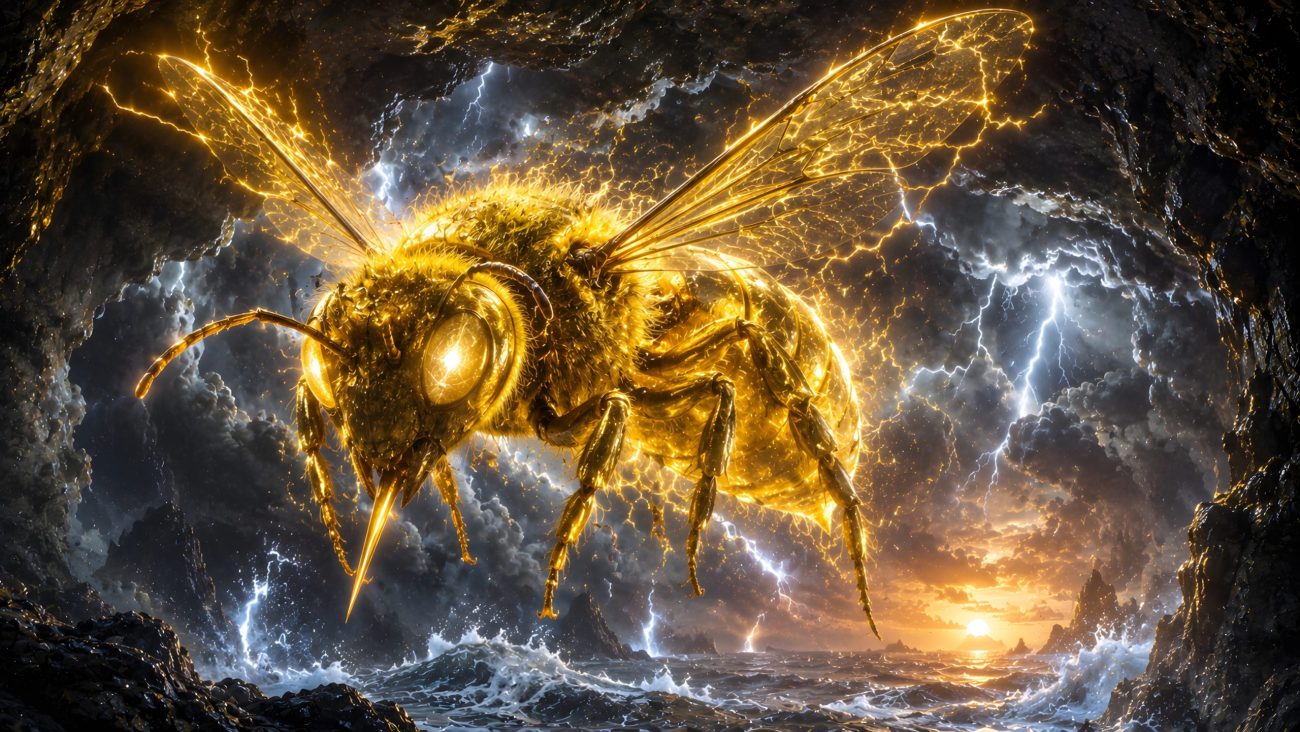
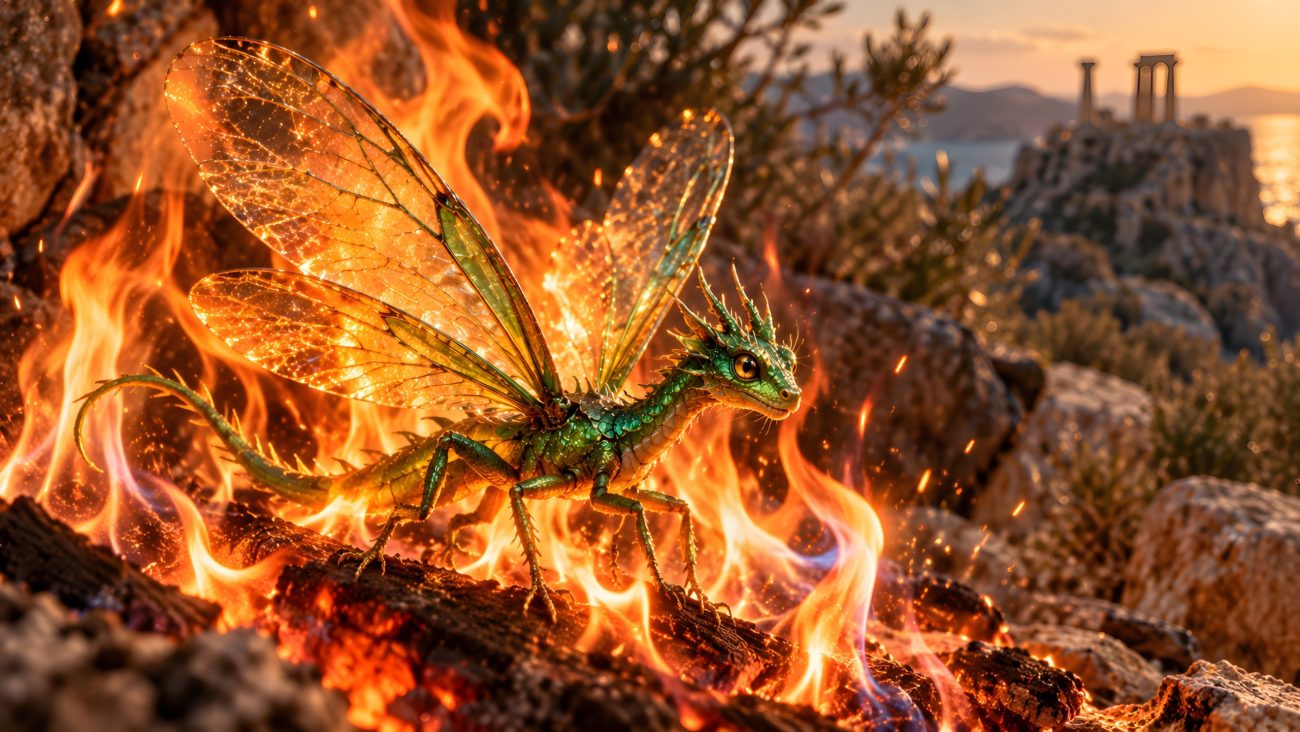
The Golden Bee was a supernatural storm-being that lived inside a cavern of clouds above the Unknown Sea. She controlled thunder and lightning, filling the sky with flashing fire and roaring storms whenever she moved. Her cavern was the third and most dangerous of the great cloud caverns.

The Golden Bee appeared during the journey of Plunk’s wife as she crossed the sea searching for the magical Bass with the golden fin. To reach the Unknown Sea, she first passed the cavern of the Mother of All Snakes, who stirred the sea and raised the waves, and then the cavern of the Mother of All Birds, who created storms by beating her enormous wings. Beyond them waited the Golden Bee.

Inside the third cavern, thunder rolled endlessly and lightning burst through the clouds as the Golden Bee flew before the entrance. Terrified but determined, the woman ripped off her loose white sleeve and threw it over the Bee, trapping her. The moment the Golden Bee was captured, the thunder stopped and the lightning vanished.

While trapped, the Golden Bee pleaded to be released and offered the woman a reward. Looking across the sea, the woman saw the silver boat of the Dawn-Maiden gliding over crimson waters with her lost child seated beside her holding a golden apple. The Golden Bee promised to reveal how the woman could reach her child and live happily with him again if she would set her free.

The woman refused because she still needed to continue through the cavern toward the Unknown Sea to save her husband. Keeping the Golden Bee trapped, she safely passed through the storm cavern and continued her journey across the dark waters.


Sources

Brlić-Mažuranić, I. (1924). Croatian tales of long ago (F. S. Copeland, Trans.). New York: Frederick A. Stokes Company.


Apshait

Tradition / Region: Egypt Mythology
Alternative names: Apshait Beetle
Category: Insect


The Myth

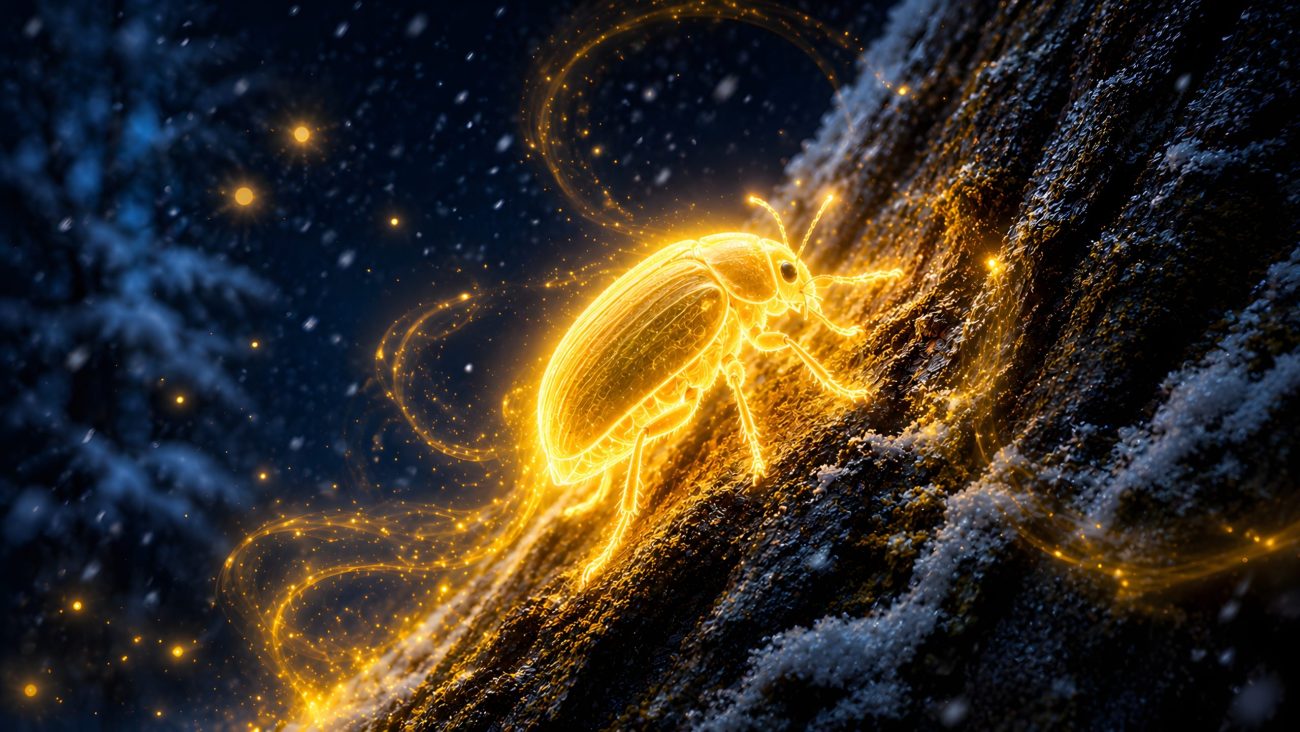
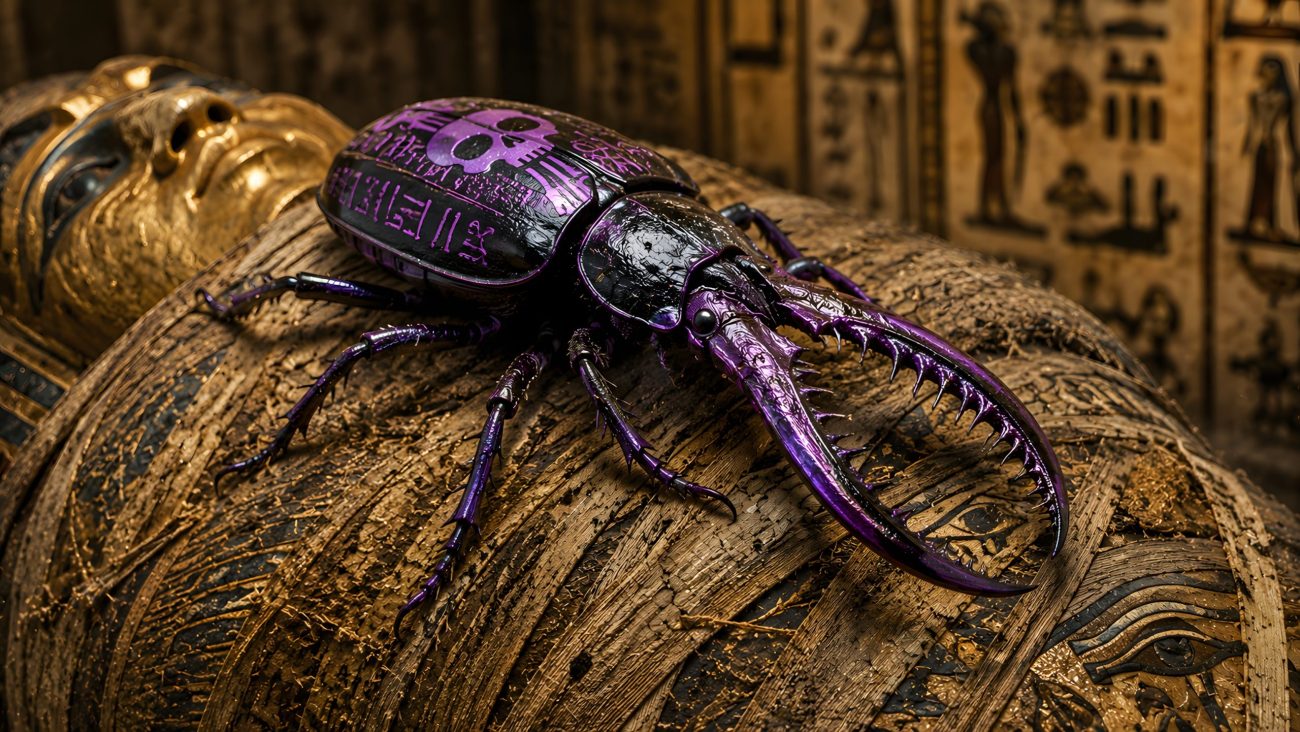
The Apshait was a monstrous flesh-eating beetle from ancient Egyptian mythology and funerary tradition. It appears in the Book of the Dead, particularly in Chapter 36, where it is described as a corpse-devouring creature feared by the dead.

The creature was believed to gnaw upon bodies and consume corpses, making it a symbol of decay and destruction within the tomb. Egyptian funerary spells were designed to protect the deceased from beings like the Apshait during the journey through the afterlife.

In protective rituals, the soul of the dead threatens the Apshait with weapons such as knives and spears, magically driving the monster away before it can damage the body.

Some scholars believe the myth may have originated from real carrion beetles found inside damaged or poorly preserved mummies, where insects fed upon the wrappings and flesh of the dead.

Later Egyptian texts sometimes confused the Apshait with the tortoise, another creature occasionally associated with darkness and enemies of the sun god Ra.


Sources

A Book of Creatures. (2017, May 22). Apshait. Retrieved May 15, 2026, from https://abookofcreatures.com/2017/05/22/apshait/

Wikipedia contributors. (n.d.). Apshait. In Wikipedia. Retrieved May 15, 2026, from https://en.wikipedia.org/wiki/Apshait


Mbe the Cockroach

Tradition / Region: Cameroon Mythology
Alternative names: Mbe
Category: Insect


The Myth

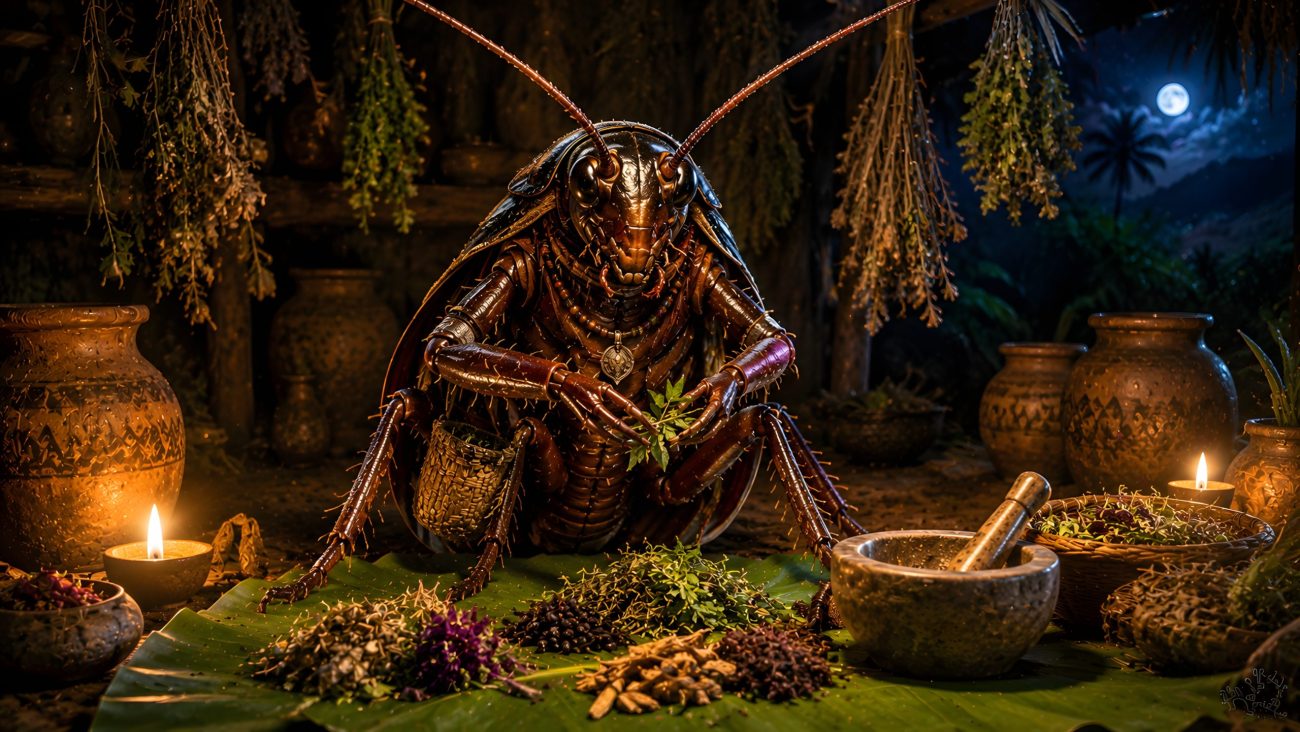
Mbe the Cockroach is portrayed in Beba folklore as a small but highly respected healer associated with medicine, herbal knowledge, and dangerous intelligence. Though physically tiny and vulnerable, Cockroach possesses powerful medical skills feared and admired throughout the land. She carries bags of herbs, healing oils, and secret remedies, functioning almost like a wandering spirit-doctor among animals.

Despite her reputation, Mbe is also deeply mistrusted because of her ancient hostility with Hen. In the tale, Hawk and Hen are inseparable friends whose families live together peacefully until Hawk’s oldest child becomes gravely ill with painful scabies and fever. After every local remedy fails, Hawk travels to seek the help of Cockroach, believing her healing powers can save his child.

Cockroach arrives at Hawk’s compound carrying medicinal herbs and special oils, including python oil used to soothe wounds and induce sleep. Calm and professional, she carefully divides the herbs into piles and instructs Hawk exactly how to prepare the treatments. She promises the child should recover within a week.

But Hen immediately becomes hostile.

Seeing Cockroach inside the home, Hen begins screaming accusations, claiming the healer intends to poison the child rather than cure him. The old hatred between Hen and Cockroach overwhelms reason. Cockroach attempts to ignore the insults and continue her work, but Hen’s rage only grows stronger.

Finally, in a sudden burst of violence, Hen attacks.

She scatters the sacred medicines across the compound, destroying the remedies, then lunges forward and swallows Cockroach whole in a single gulp.

With the healer dead and the medicines ruined, Hawk’s child dies soon afterward.

Hawk becomes consumed with grief and fury. He swears eternal revenge against Hen and her descendants. From that day onward, according to the myth, hawks began hunting chickens and their chicks forever.

In this story, Mbe the Cockroach represents fragile wisdom and vulnerable healing knowledge destroyed by jealousy, mistrust, and uncontrolled anger. Though small and physically weak, Cockroach possesses life-saving powers that larger animals lack. Her death marks the collapse of friendship, medicine, and social harmony, transforming the natural relationship between hawks and chickens into permanent blood-feud.


Sources

Makuchi. (2008). The sacred door and other stories: Cameroon folktales of the Beba. Athens, OH: Ohio University Press.


Scorpion-Men

Tradition / Region: Mesopotamian Mythology, Iraqi Mythology
Alternative Name: Girtablullû
Category: Insect


The Myth

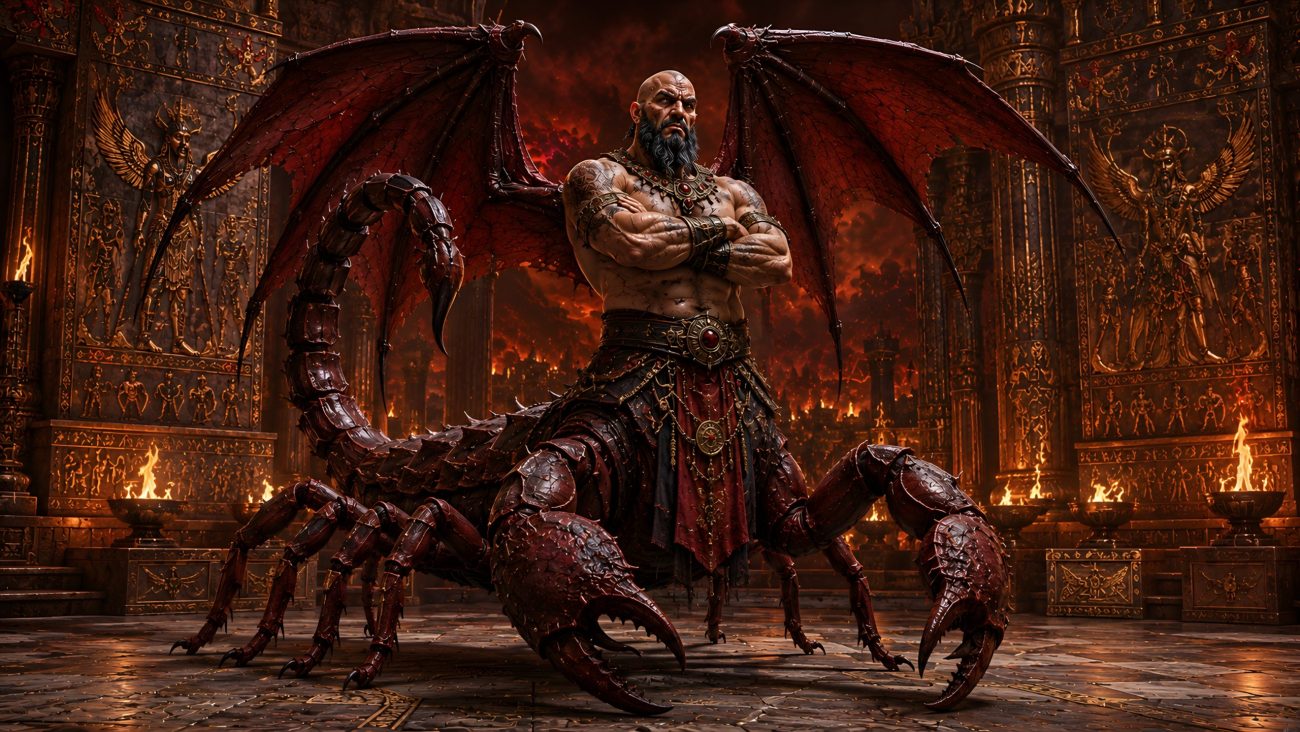
Scorpion-men are ancient creatures from Mesopotamian mythology, usually depicted with the upper body of a human and the lower body and tail of a giant scorpion. They appear in Akkadian myths and were represented in the art of Mesopotamia and ancient Iran long before many written stories survived.

In the Babylonian creation epic Enuma Elish, scorpion-men are listed among the monstrous beings created by the primordial goddess Tiamat during her war against the younger gods after the death of her mate Apsu.

The creatures are most famous for their appearance in the Epic of Gilgamesh. There, scorpion-men guard the gates of the sun god Shamash at the twin mountains of Mashu, the entrance to the dark realm through which the sun passes every night.

Their appearance is terrifying. The epic describes their presence as so dreadful that their gaze itself brings death. Each day they open the gates for Shamash as he travels across the heavens, and at night they close the gates after his return through the underworld.

When the hero Gilgamesh arrives seeking the secret of immortality, the scorpion-man and his wife recognize that he is not entirely human. They perceive divine blood within him and allow him to continue through the mountain passage into the land of darkness.

Scorpion-women also appear in the myths alongside the scorpion-men, usually as guardians or companions who possess great wisdom and supernatural perception.


Sources

Wikipedia contributors. (n.d.). Scorpion man. In Wikipedia. Retrieved May 10, 2026, from https://en.wikipedia.org/wiki/Scorpion_man


Mājas gars

Tradition / Region: Latvian Mythology
Alternate Names: House spirit, house god, lord of the house
Category: House dweller, Frog, Insect, Beetle, Snake


The Myth

Mājas gars is a household spirit in Latvian mythology that protects the inhabitants of a home from evil and brings prosperity and good fortune. It is regarded as one of the lower deities (dieviņi) and is sometimes called Mājas kungs, the Lord of the House. The spirit is associated with the hearth and may dwell behind the stove, beneath the floor, or elsewhere in the farmstead, and it could still be honored in some places as late as 1935.

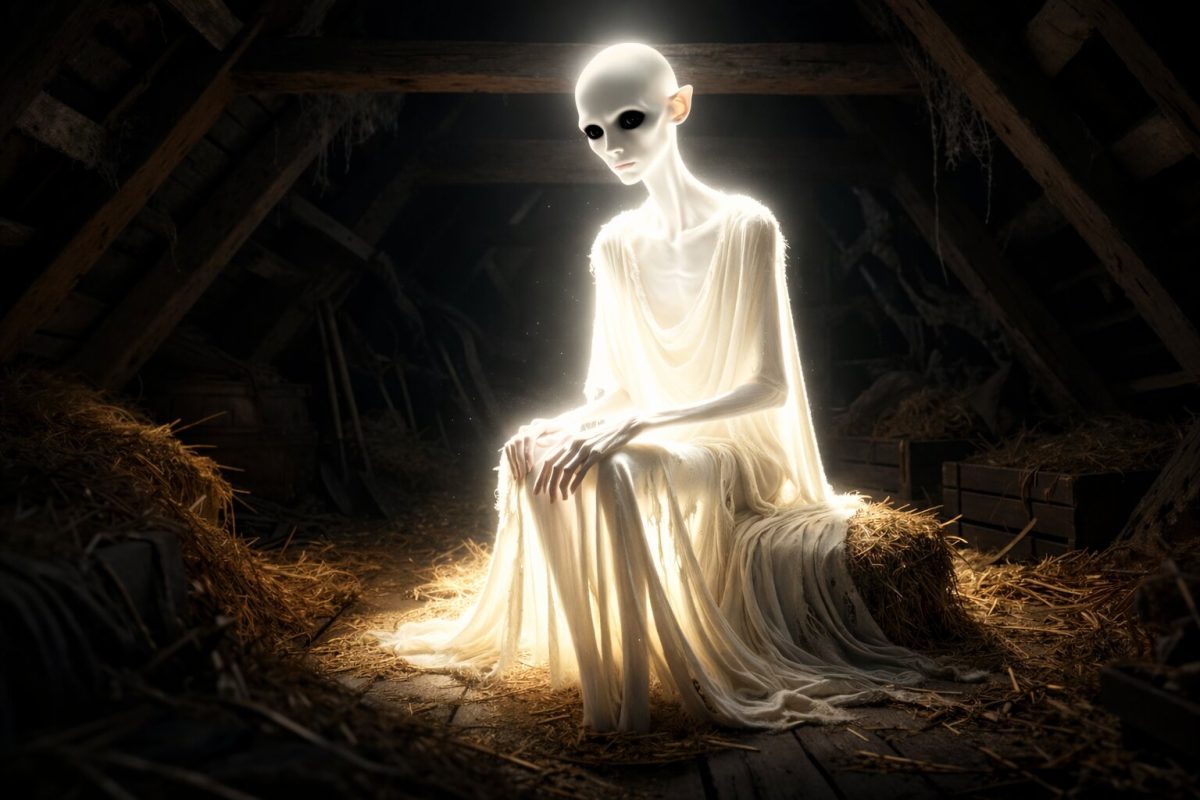
Mājas gars watches over the household and everything within it, ensuring the protection of the home and the well-being of the family. The spirit may appear to people in different forms, sometimes as a man or woman dressed in white, and at other times as an animal connected to the home, such as a toad, a snake, or a beetle. It is understood as a presence guarding the house, living near the hearth or elsewhere on the farmstead, and acting as the household’s protective spirit, bringing good fortune and keeping away harmful forces.


Sources

Wikipedia contributors. (n.d.). Mājas gars. In Wikipedia, from https://lv.wikipedia.org/wiki/M%C4%81jas_gars


Lou Carcolh

Tradition / Region: France (Gascony; Hastingues)
Alternate Names: Carcolh, Liu-Karkul
Category: Snail / dragon


The Myth

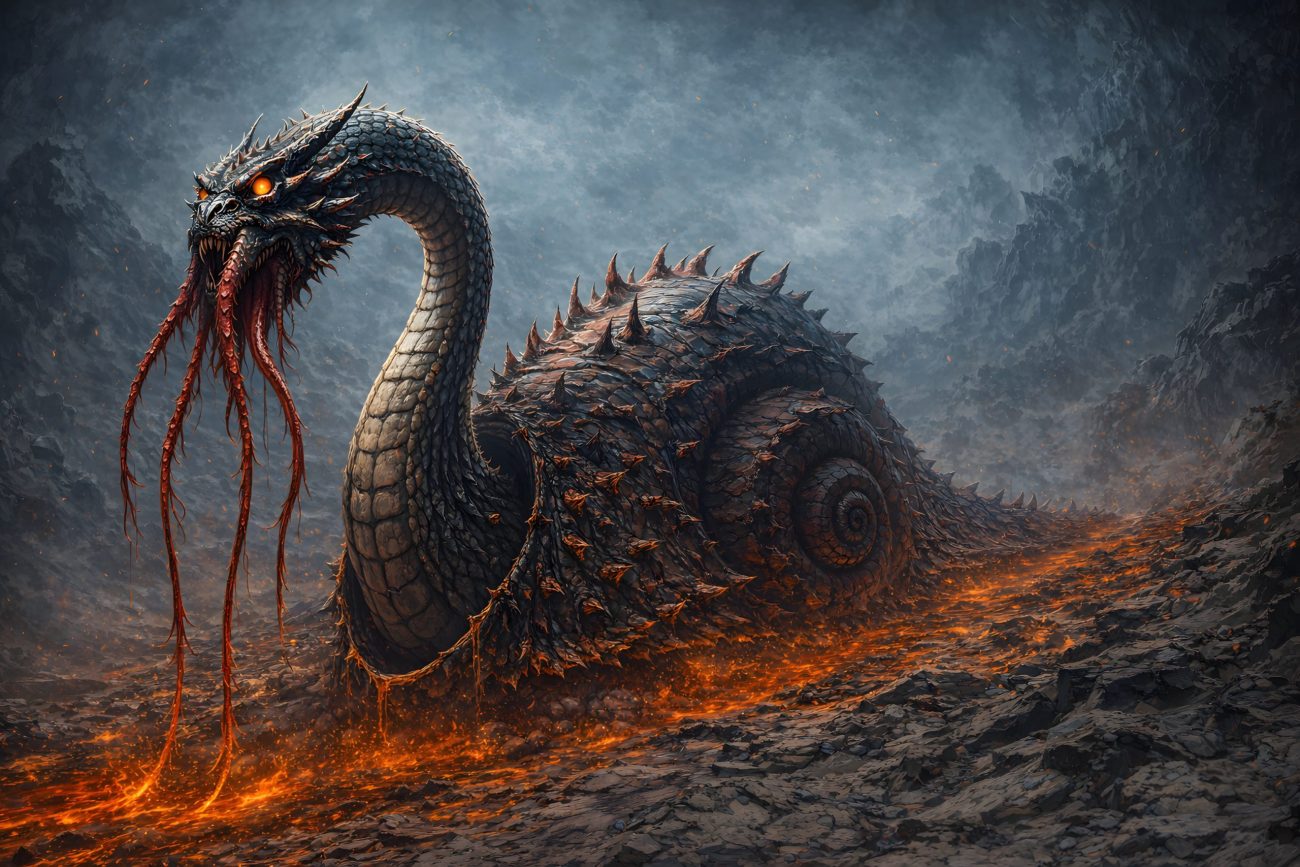
Lou Carcolh is a monstrous creature of Gascon folklore, whose name means “snail.” It is said to dwell in a deep cavern beneath the town of Hastingues in southwestern France. Half serpent and half mollusk, Lou Carcolh possesses a vast, elongated body crowned by an enormous shell as large as a house.

From its gaping mouth extend numerous long, hairy tentacles, slick with mucus. These appendages spread outward from the cave, lying flat against the ground and coated in thick slime. The tentacles can reach great distances, and anything that comes within their grasp is seized and dragged back toward the cave. Once pulled inside, the victim is swallowed whole.

People said that the creature’s slime could sometimes be seen long before Lou Carcolh itself appeared, glistening on the ground as a warning of its presence. Those who followed the trail too closely risked being taken without a sound, hauled away by the creature’s unseen reach.

Lou Carcolh became so closely associated with Hastingues that the creature’s name was used as a nickname for the town itself, which stands upon a rounded hill. In local tradition, the men of Hastingues were said to warn young women playfully, “The Carcolh will catch you,” invoking the lurking monster beneath the ground.

Through these stories, Lou Carcolh is remembered as a vast, slimy dragon-snail, hidden beneath the earth, whose silent tentacles stretched outward to claim the unwary and pull them into the darkness below.


Interpretive Lenses

Religious Readings
Philosophical Readings
Psychological Readings
Esoteric Deep Dive
Political / Social Readings
Other