Scorpion-Men

Tradition / Region: Mesopotamian Mythology, Iraqi Mythology
Alternative Name: Girtablullû
Category: Insect


The Myth

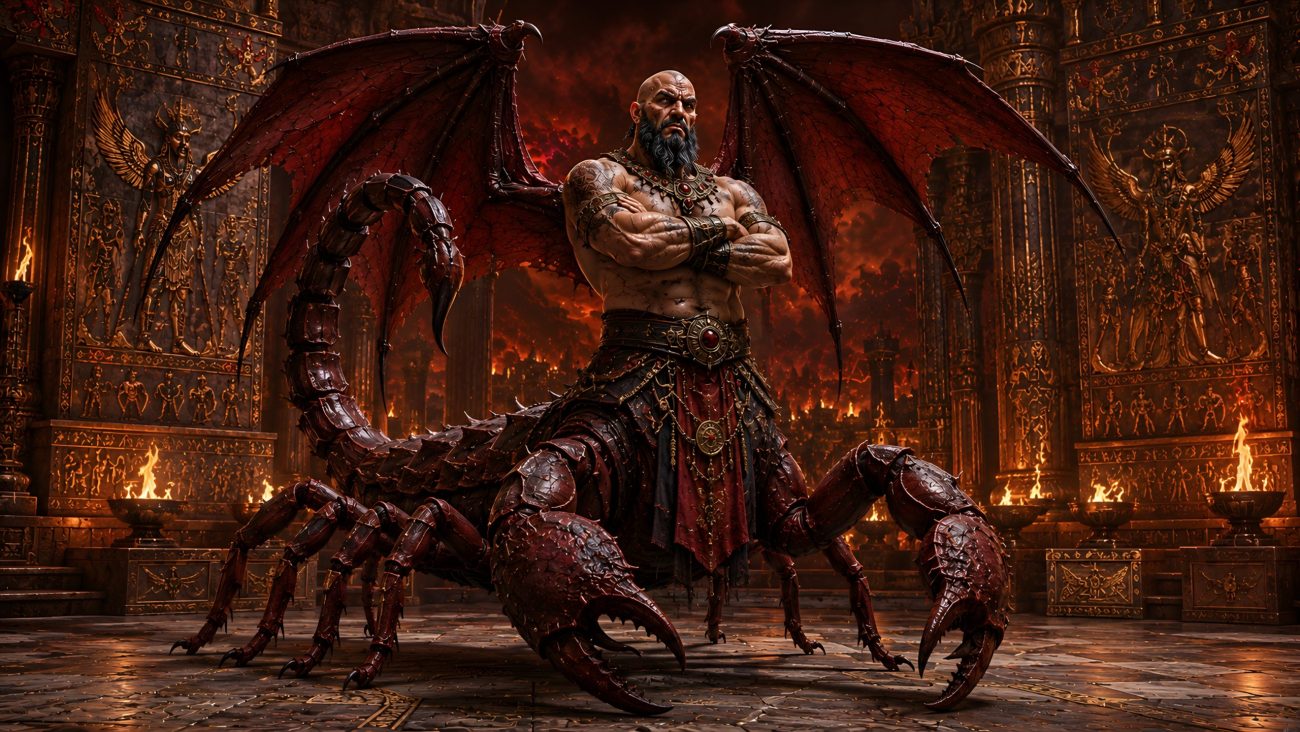
Scorpion-men are ancient creatures from Mesopotamian mythology, usually depicted with the upper body of a human and the lower body and tail of a giant scorpion. They appear in Akkadian myths and were represented in the art of Mesopotamia and ancient Iran long before many written stories survived.

In the Babylonian creation epic Enuma Elish, scorpion-men are listed among the monstrous beings created by the primordial goddess Tiamat during her war against the younger gods after the death of her mate Apsu.

The creatures are most famous for their appearance in the Epic of Gilgamesh. There, scorpion-men guard the gates of the sun god Shamash at the twin mountains of Mashu, the entrance to the dark realm through which the sun passes every night.

Their appearance is terrifying. The epic describes their presence as so dreadful that their gaze itself brings death. Each day they open the gates for Shamash as he travels across the heavens, and at night they close the gates after his return through the underworld.

When the hero Gilgamesh arrives seeking the secret of immortality, the scorpion-man and his wife recognize that he is not entirely human. They perceive divine blood within him and allow him to continue through the mountain passage into the land of darkness.

Scorpion-women also appear in the myths alongside the scorpion-men, usually as guardians or companions who possess great wisdom and supernatural perception.


Sources

Wikipedia contributors. (n.d.). Scorpion man. In Wikipedia. Retrieved May 10, 2026, from https://en.wikipedia.org/wiki/Scorpion_man


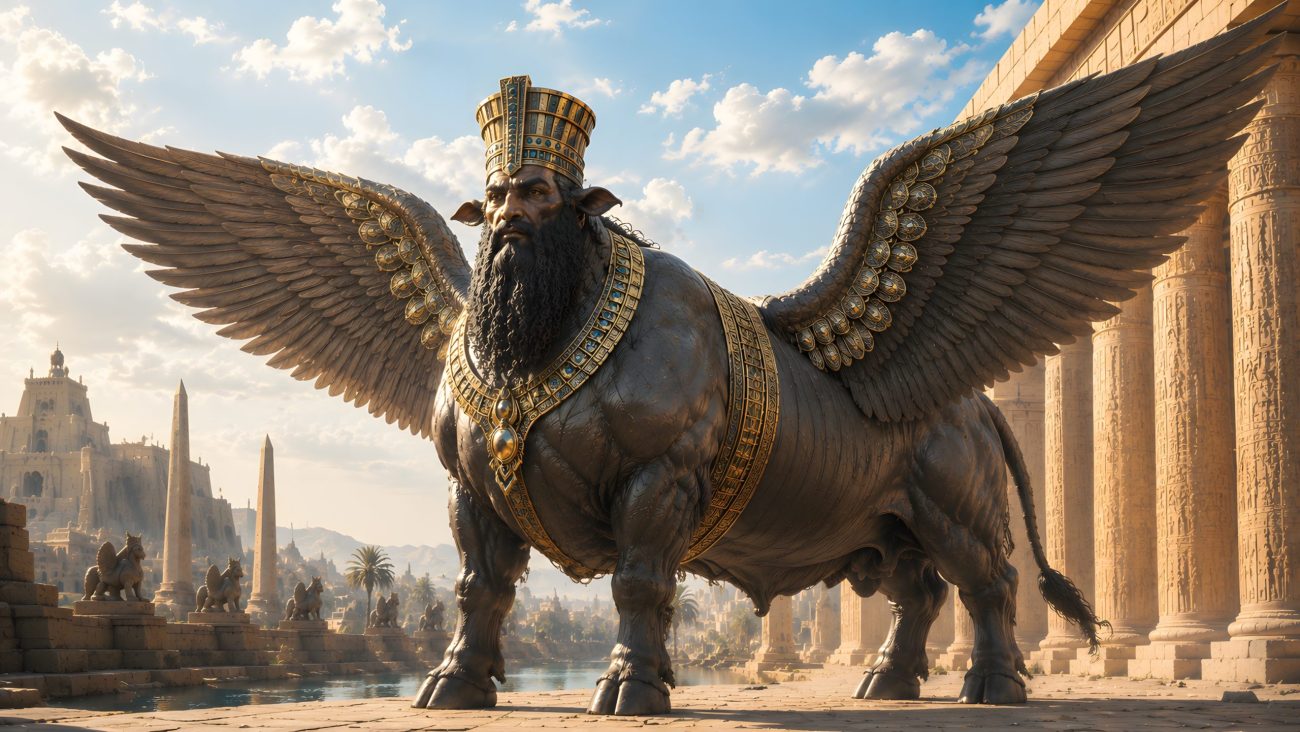
Bull of Heaven

Tradition / Region: Mesopotamian mythology, Iraq Mythology
Alternate Names:
Category: Cow


The Myth

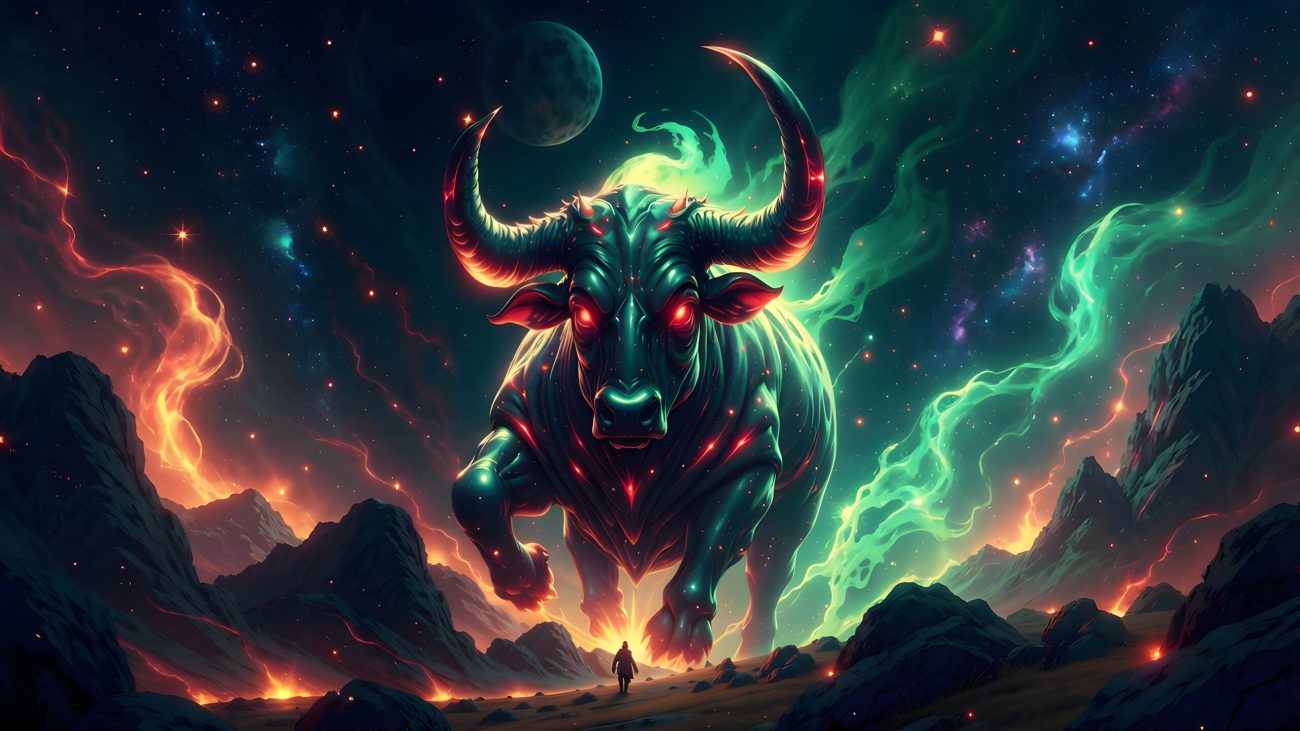
The Bull of Heaven was a creature of immense and terrifying power, kept under restraint by the gods because its release meant ruin for the world. When it was allowed to roam the earth, famine and destruction were sure to follow.

After the hero Gilgamesh returned to Uruk in triumph, the goddess Ishtar desired him and offered herself as his consort. Gilgamesh rejected her, reminding her of the many lovers she had ruined and cast aside. Humiliated and enraged, Ishtar ascended to the heavens and demanded that her father, the sky-god Anu, release the Bull of Heaven so she might punish Gilgamesh.

Anu warned her that unleashing the Bull would bring years of famine and suffering. Ishtar answered that she had prepared stores of grain enough for gods, humans, and beasts alike. At last, Anu relented and handed the Bull of Heaven over to her.

Ishtar released the Bull upon the land. With its first breath, the earth split open and swallowed a hundred men. With its second breath, another chasm opened, claiming two hundred more. Fields were ruined, the ground cracked beneath its hooves, and terror spread through Uruk as the monstrous bull ravaged the land.

Gilgamesh went out to face the Bull, joined by his companion Enkidu. As the creature charged, Enkidu seized it from behind, gripping its tail and holding it fast. In that moment, Gilgamesh struck, plunging his sword into the Bull’s neck and killing it. They cut out its heart and offered it to the sun-god Shamash in thanks.

When Ishtar saw the Bull of Heaven slain, she climbed the walls of Uruk and cursed Gilgamesh. In defiance, Enkidu tore the Bull’s thigh from its body and hurled it at her. Ishtar gathered her followers and mourned the fallen beast.

But the killing of a divine creature could not go unpunished. The gods met in council and decreed that one of the two heroes must die. Their judgment fell upon Enkidu. Soon after, he was struck by illness and died, having visions of the Underworld before his end.

The death of Enkidu shattered Gilgamesh’s heart and marked the turning point of his life. From the slaying of the Bull of Heaven came not triumph, but grief—and the beginning of Gilgamesh’s search for meaning beyond strength and glory.


Sources

Jacobsen, T. (1976). The Treasures of Darkness: A History of Mesopotamian Religion. Yale University Press, pp. 195–215.

Wikipedia contributors. (n.d.). Bull of Heaven. In Wikipedia, The Free Encyclopedia, from https://en.wikipedia.org/wiki/Bull_of_Heaven