Azhdaha

Tradition / Region: Iranian Mythology, Persian Mythology
Also Known As: Azhdahak, Ezhdeha, Azhdar
Category: Dragon


The Myth

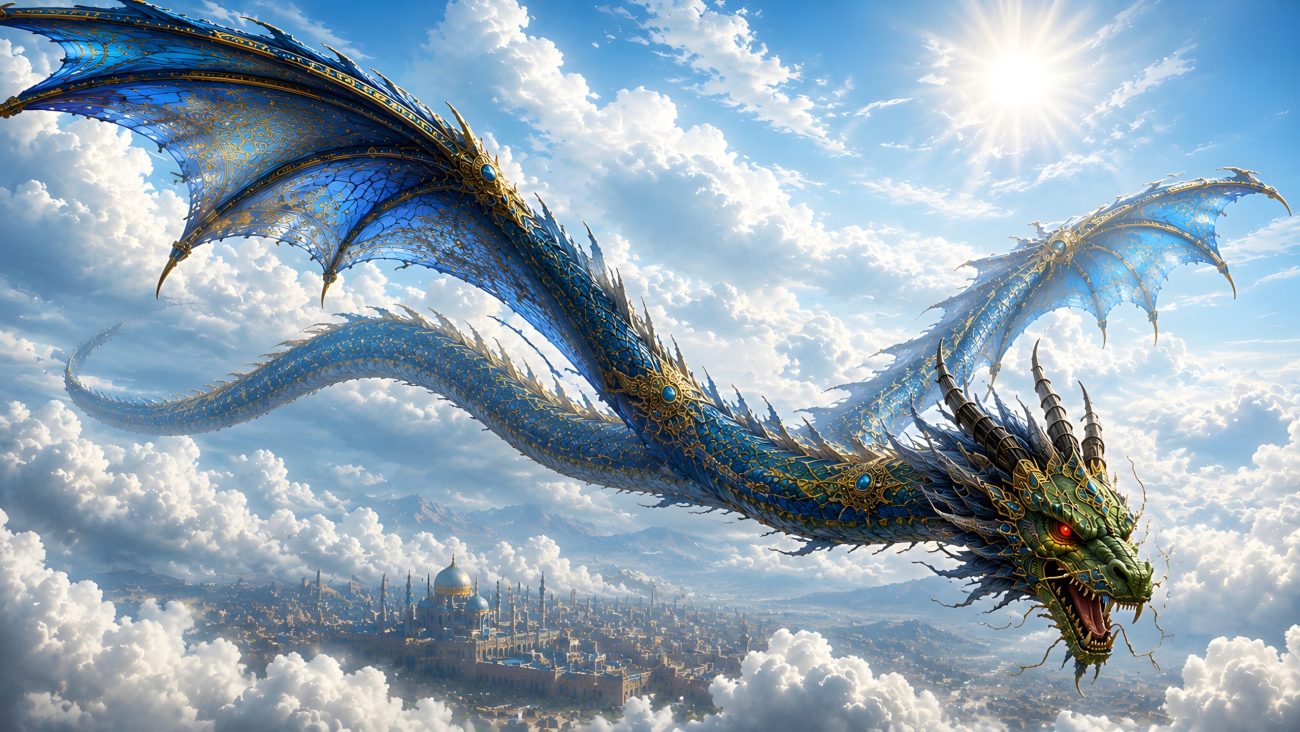
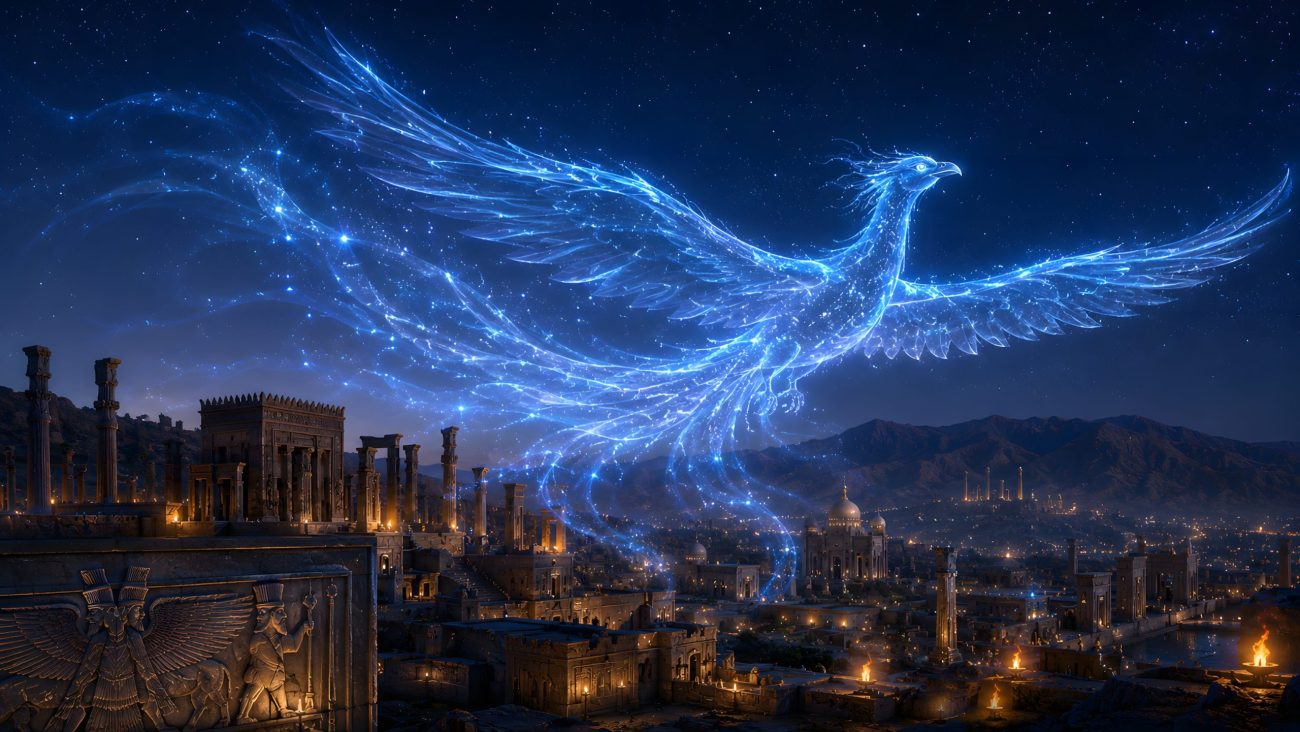
The Azhdaha is a dragon-like creature from Iranian mythology, often described as a gigantic serpent with an enormous body, blazing eyes, huge jaws, and countless teeth. In Persian legends, azhdahas could live in the sea, on land, or in the sky, and some were said to possess wings or fin-like appendages.

The creature appears throughout Persian epic literature, especially in the Shahnameh, where heroic warriors such as Rostam, Esfandiar, and Sām battle and slay monstrous azhdahas during their legendary quests.

In later Islamic-era traditions, the azhdaha was sometimes said to begin life as an ordinary snake. After living for hundreds of years and growing to an unnatural size, the serpent became violent and destructive. Because of the chaos it caused, God cast it into the sea. There the creature continued to grow even larger, developing fins or wings and creating massive waves with its movements.

Some medieval Persian accounts claimed that the heart of an azhdaha granted courage and bravery to whoever consumed it. Its skin was believed to possess healing properties, while its buried head was said to fertilize the earth.

The azhdaha became one of the most feared monsters in Persian mythology, representing destruction, chaos, and the dangerous power of nature.


Sources

Wikipedia contributors. (n.d.). Azhdaha. In Wikipedia. Retrieved May 10, 2026, from https://en.wikipedia.org/wiki/Azhdaha


Manticore

Tradition / Region: Iranian Mythology, Persian Mythology
Alternative Name: Mantichore, Martichora
Category: Lion


The Myth

The Manticore is a monstrous creature from Persian mythology later adopted into Greek and medieval European legends. Its name means “man-eater,” reflecting its terrifying appetite for human flesh.

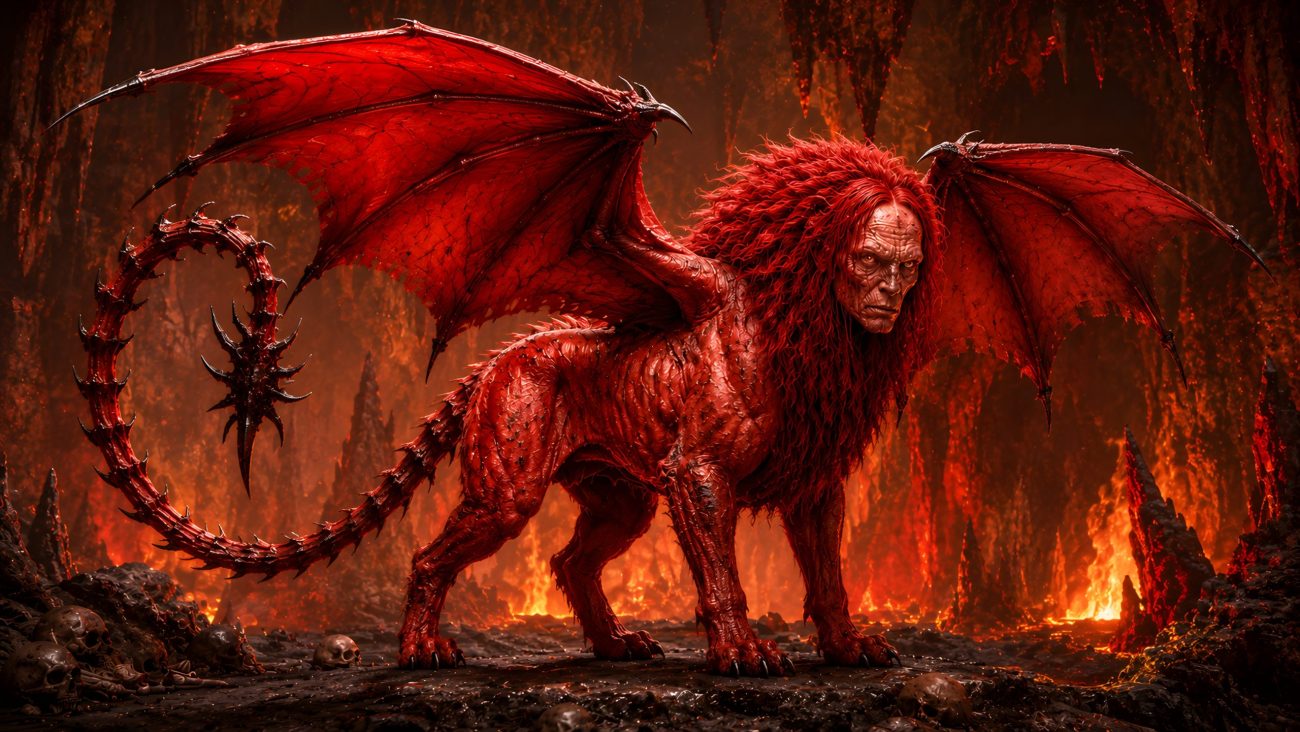
The creature is most commonly described as having the body of a lion, the face of a human, and the tail of a scorpion. Some legends describe the tail as being covered in venomous spines or quills that can be launched like arrows at enemies. It was also said to possess three rows of teeth and a powerful voice resembling a trumpet or pipe.

Ancient writers claimed the manticore lived in India or the distant eastern lands beyond Persia. It was feared as a swift and aggressive predator capable of overpowering humans and animals alike. According to the earliest stories, the beast would devour its victims entirely, leaving no bones behind.

Greek physician Ctesias recorded one of the earliest descriptions of the creature after hearing stories from Persian sources during the Achaemenid Empire. Later Roman writers such as Pliny the Elder repeated and expanded the legend, helping spread the manticore throughout medieval Europe.

During the Middle Ages, the manticore became a common creature in bestiaries and medieval art. Illustrations often portrayed it with a human-like face, massive claws, a lion’s body, and a deadly spiked tail. Some depictions gave it wings or exaggerated monstrous features, though these additions varied between manuscripts.

The manticore eventually became a symbol of savagery, hidden danger, and insatiable hunger in folklore and literature.


Sources

Wikipedia contributors. (n.d.). Manticore. In Wikipedia. Retrieved May 10, 2026, from https://en.wikipedia.org/wiki/Manticore


Davalpa

Tradition / Region: Iranian Mythology
Alternative name: Old Man of the Sea, Devalpa, Dawal-bay
Category: Human Creature


The Myth

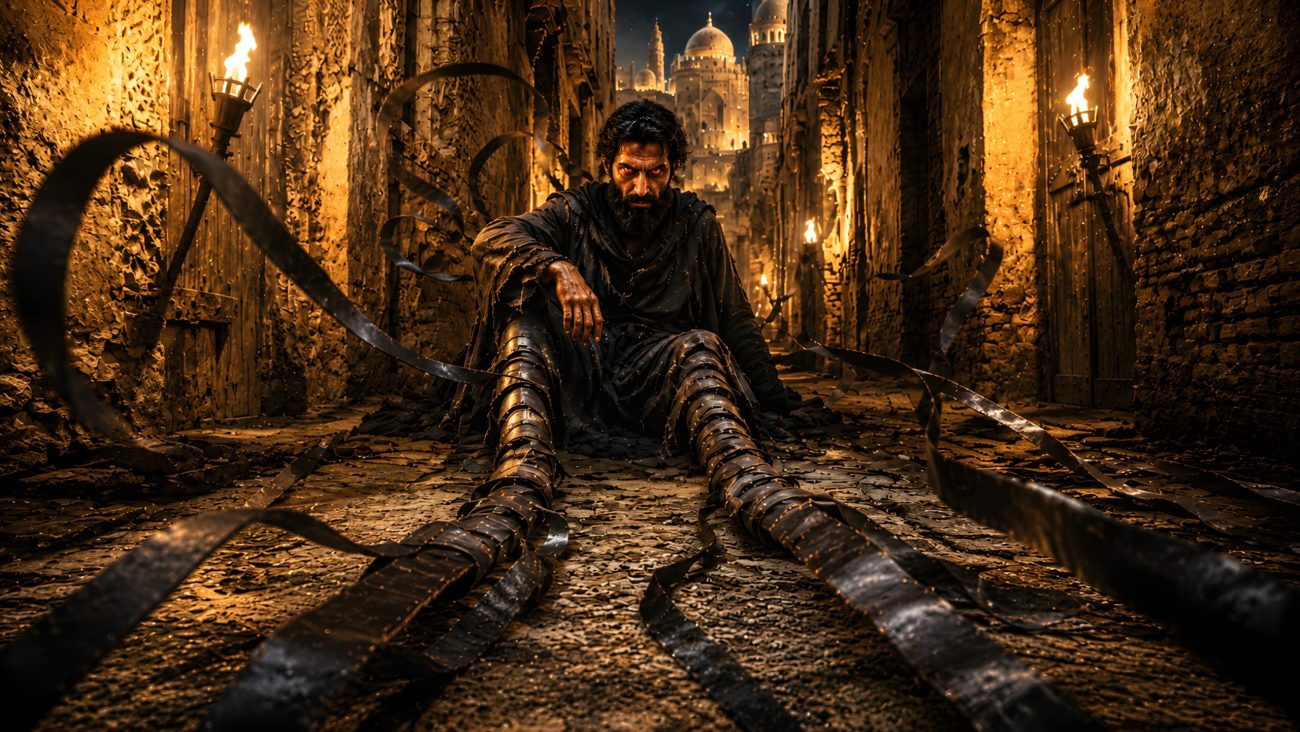
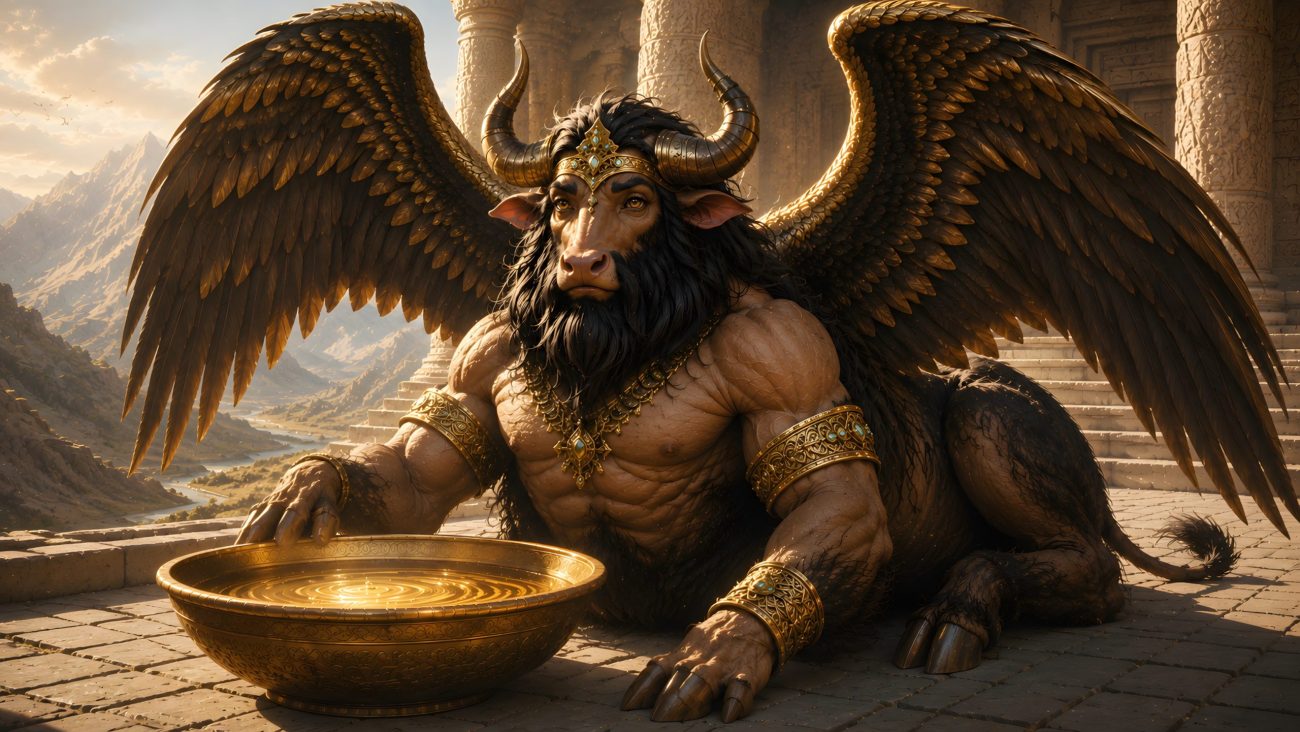
The Davalpa is a terrifying creature from Persian and Middle Eastern folklore, usually described as an old, frail-looking man dressed in rags. At first glance it appears weak and helpless, often begging travelers to carry it across rivers or rough terrain.

Its true horror is hidden beneath its clothing. The davalpa possesses long, leathery legs resembling straps or snakes, sometimes stretching several meters in length. Once lifted onto a victim’s shoulders, the creature wraps these powerful limbs tightly around the person’s neck and body, trapping them completely. From that moment on, the victim becomes the creature’s unwilling servant.

The davalpa forces its captive to carry it endlessly across deserts, islands, and wilderness while it strikes them with whips or its tail and demands food and movement. Some victims are strangled to death, while others slowly die from exhaustion after days or weeks of enslavement.

The most famous tale involving the creature appears in the adventures of One Thousand and One Nights through the story of Sindbad the Sailor and the Old Man of the Sea. Sindbad helps what appears to be a helpless old man cross a river, only for the creature to lock its legs around his neck and enslave him. Sindbad eventually escapes by giving the creature fermented grape juice until it becomes drunk and loosens its grip, allowing him to kill it with a stone.

Older legends place davalpas on remote islands shared with other monstrous races and strange beings. Ancient Greek writers described similar creatures called Himantopodes or “strap-feet,” beings unable to walk normally who crawled or clung to others.

Over time, the davalpa became a symbol of parasitic oppression in folklore — a creature that survives only by draining the strength and freedom of others.


Sources

A Book of Creatures. (2015, June 5). Davalpa. Retrieved May 10, 2026, from https://abookofcreatures.com/2015/06/05/davalpa/
Huma

Tradition / Region: Iranian Mythology, Persian Mythology
Alternative Name: –
Category: Bird


The Myth

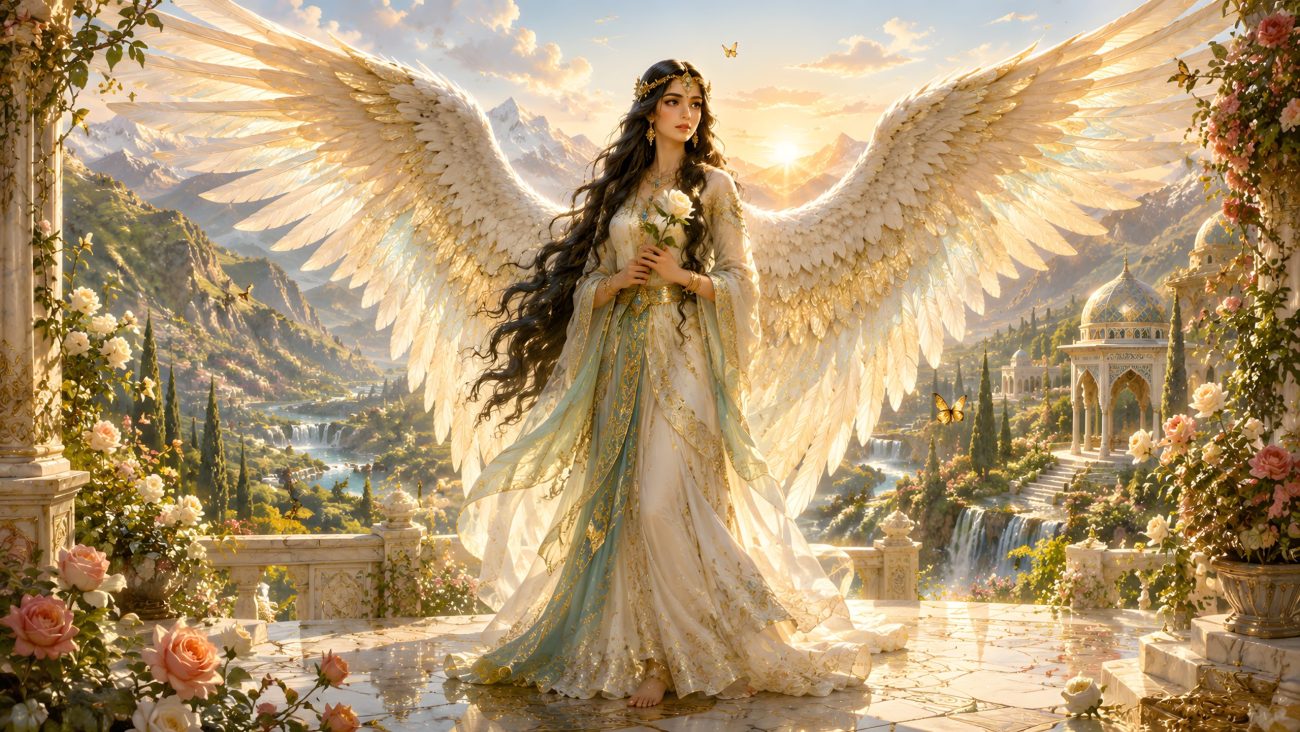
The Huma is a legendary bird from Persian mythology said to live its entire life flying high above the earth without ever landing. In many legends, the bird is invisible to humans and is believed to never touch the ground.

The Huma is often described as a bird of fortune and divine blessing. Seeing its shadow or catching even a brief glimpse of it is believed to bring happiness, luck, or greatness for the rest of a person’s life. In some traditions, the bird’s shadow falling upon someone foretells that they will become a ruler or king.

Certain legends describe the Huma as similar to a phoenix, burning itself in fire after many centuries before rising again from its ashes. Some stories also say the creature possesses both male and female qualities within a single body.

In Persian and Sufi traditions, the Huma became a symbol of spiritual elevation, destiny, and unreachable perfection. The bird was believed to be impossible to capture, and legends warned that anyone who killed a Huma would die within forty days.

The Huma later appeared in Ottoman, Mughal, and Central Asian traditions, where it continued to symbolize kingship, fortune, and heavenly blessing.


Sources

Wikipedia contributors. (n.d.). Huma bird. In Wikipedia. Retrieved May 10, 2026, from https://en.wikipedia.org/wiki/Huma_bird