Simurgh

Tradition / Region: Persian Mythology, Iranian Mythology
Alternative names: Senmurv; Simorgh; Simurg; Simoorg; Simorq; Simourv
Category: Bird, Dog


The Myth

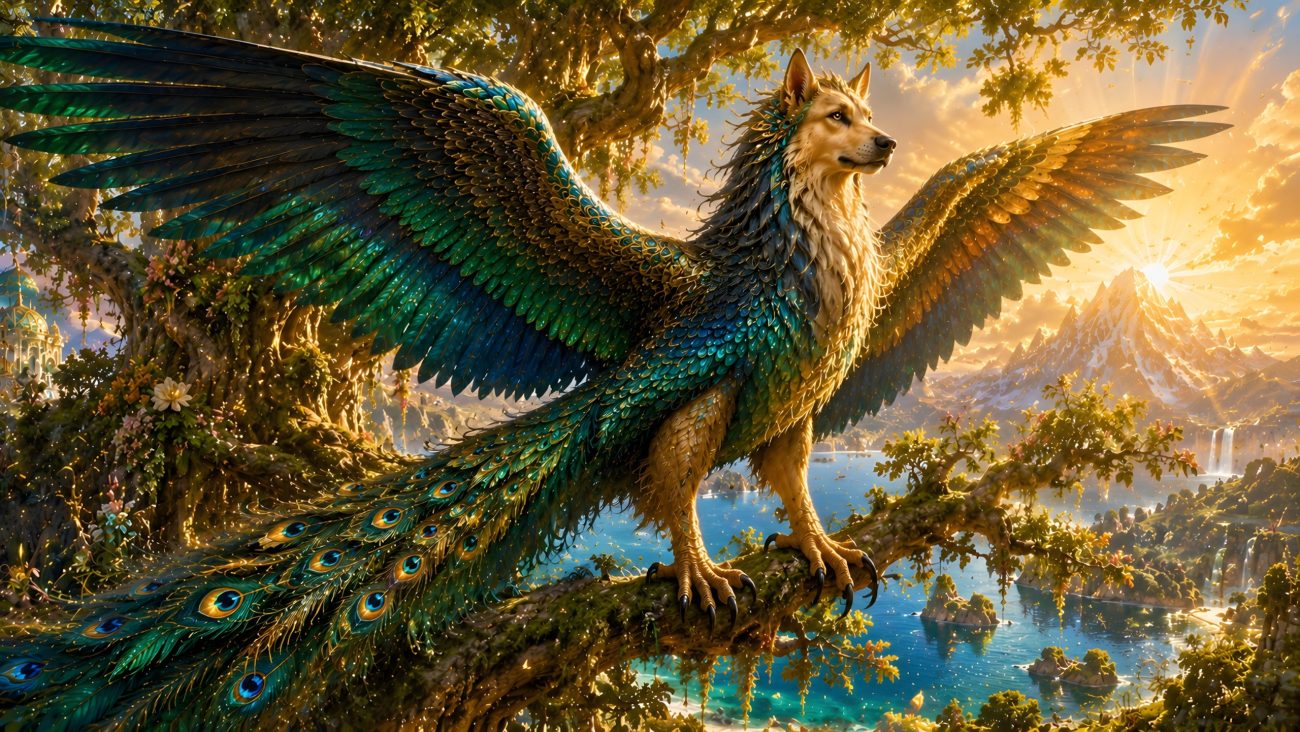
The Simurgh is a colossal and benevolent bird of Persian mythology, dwelling upon the Tree of Life that stands in the middle of the cosmic sea. Enormous enough to carry away an elephant, it is commonly described as having the body of a peacock, the head of a dog or human, the claws of a lion, and copper-colored feathers. Ancient beyond measure, the Simurgh is said to have witnessed the destruction of the world three times and possesses the wisdom of every age. When it takes flight from the Tree of Life, the seeds of every plant scatter across the world, bringing healing and fertility to the earth.

The Simurgh is best known for raising the abandoned prince Zal. Rejected at birth because of his white hair, Zal was left upon Mount Alborz, where the compassionate bird found him, nurtured him as her own, and taught him great wisdom. When he was grown, she returned him to humanity but gave him three golden feathers, telling him to burn one whenever he needed her aid. Later, when Zal’s wife Rudaba faced certain death in childbirth, the Simurgh answered his call and instructed him in performing a successful cesarean section, saving both mother and child. That child grew up to become the legendary hero Rostam.

The Simurgh later came to Rostam’s aid as well, healing both him and his horse Rakhsh after they were wounded in battle. She also revealed the only way to defeat the invincible prince Esfandiyār, instructing Rostam to fashion a double-headed arrow from a tamarisk branch. Although the Simurgh warned that killing Esfandiyār would bring lasting sorrow, Rostam followed her counsel, and the enchanted arrow ended the prince’s life, fulfilling the bird’s prophecy.


Sources

Wikipedia contributors. (n.d.). Simurgh. In Wikipedia. Retrieved June 29, 2026, from https://en.wikipedia.org/wiki/Simurgh
Parī

Tradition / Region: Persian Mythology, Iranian Mythology
Alternative names: Peri; Pari
Category: Bird


The Myth

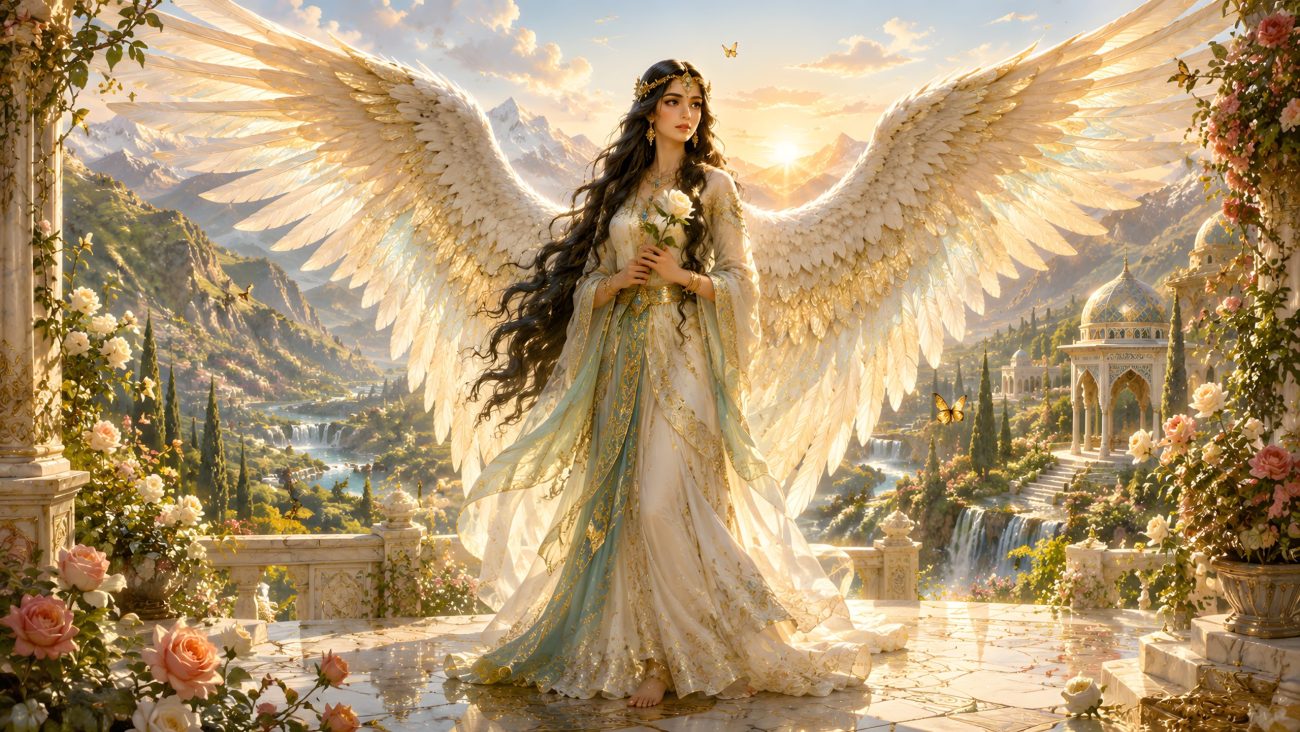
The Parī is a beautiful supernatural being often depicted with magnificent wings and a radiant human appearance. They dwell in Parīstān, their own enchanted realm, where they live in societies much like those of humans. Although renowned for their grace and beauty, the Parīs possess powerful magic and can travel freely between their world and that of mortals.

In ancient Persian tradition, the Parīs were once regarded as malevolent spirits, but later legends transformed them into noble and generally benevolent beings. They are often portrayed as the eternal rivals of the hideous Dīvs, standing in opposition to these monstrous creatures. In many tales, Parīs aid heroes, offer magical gifts, or marry worthy mortals, though they remain beings of immense supernatural power.

Despite their kindness, the Parīs are not without danger. They are said to enchant humans with their beauty, abducting them to Parīstān or carrying them away to witness weddings and celebrations in the fairy realm. Some people never return, while others awaken believing they have spent time among the winged beings. Those who offend or disrespect the Parīs may also suffer their magical punishment, making them both admired and feared throughout Persian folklore.


Sources

Wikipedia contributors. (n.d.). Parī. In Wikipedia. Retrieved June 29, 2026, from https://en.wikipedia.org/wiki/Par%C4%AB


Huma

Tradition / Region: Iranian Mythology, Persian Mythology
Alternative Name: –
Category: Bird


The Myth

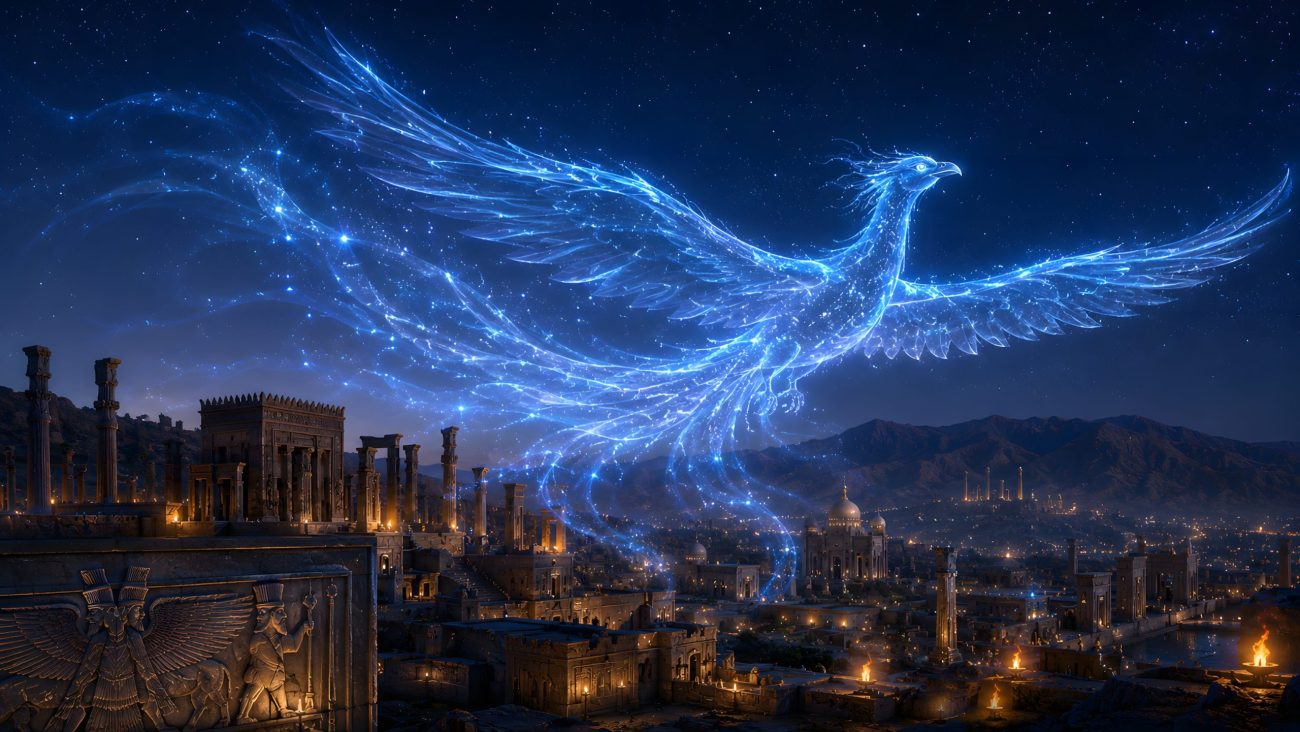
The Huma is a legendary bird from Persian mythology said to live its entire life flying high above the earth without ever landing. In many legends, the bird is invisible to humans and is believed to never touch the ground.

The Huma is often described as a bird of fortune and divine blessing. Seeing its shadow or catching even a brief glimpse of it is believed to bring happiness, luck, or greatness for the rest of a person’s life. In some traditions, the bird’s shadow falling upon someone foretells that they will become a ruler or king.

Certain legends describe the Huma as similar to a phoenix, burning itself in fire after many centuries before rising again from its ashes. Some stories also say the creature possesses both male and female qualities within a single body.

In Persian and Sufi traditions, the Huma became a symbol of spiritual elevation, destiny, and unreachable perfection. The bird was believed to be impossible to capture, and legends warned that anyone who killed a Huma would die within forty days.

The Huma later appeared in Ottoman, Mughal, and Central Asian traditions, where it continued to symbolize kingship, fortune, and heavenly blessing.


Sources

Wikipedia contributors. (n.d.). Huma bird. In Wikipedia. Retrieved May 10, 2026, from https://en.wikipedia.org/wiki/Huma_bird