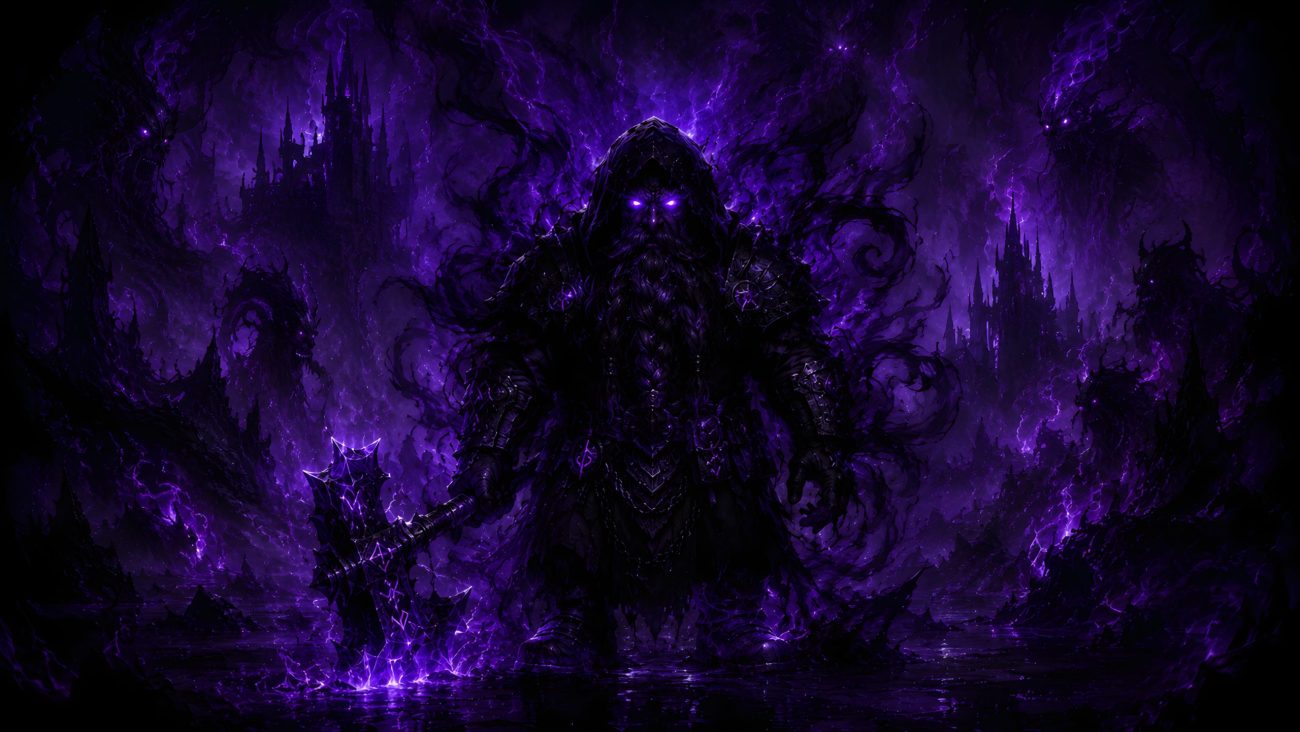
Subterranean Algerian Dwarf

Tradition / Region: Algerian Mythology
Alternative Name:
Category: Dwarf


The Myth

In Kabyle mythology, beneath the world of humans exists another hidden world beneath the earth. This underground realm is described as a dark and inverted version of the human world — a shadowy place where sterility reigns and where everything exists in opposition to normal life.

The subterranean world is inhabited by many strange beings, including spirits, giants, ogres, ogresses, and swarms of mysterious dwarves sometimes compared to ants because of their numbers and constant movement. Though the landscapes beneath the earth resemble mountains, forests, ravines, and pastures found in the human world, everything there is reversed or corrupted. Sheep are black, goats produce black milk, and productive human activities become twisted parodies.

Legends say that the first humans originally emerged from this underground world before coming to the surface and establishing the fertile world of humankind. Openings such as wells, caves, hidden doors, or iron slabs sometimes allow passage between the two realms. Heroes, serpents, spirits, and even the dead can travel between them.

The underground beings are especially feared at night, when the boundary between worlds weakens and creatures from below wander into human lands. Only the brave or the spiritually protected are believed capable of resisting the dangerous forces that emerge after dark.

One Kabyle myth explains the cycle of day and night through two brothers in the underworld who endlessly unwind two balls of yarn: one made of white thread that brings daylight, and one made of black thread that brings night.


Sources

Tadukli.free.fr. (2006, July 22). Éléments de mythologie kabyle. Retrieved May 10, 2026, from https://tadukli.free.fr/pages/culture/histoire_01_elements_de_mythologie_kabyle.htm
Talafsa

Tradition / Region: Algerian Mythology
Alternative Name:
Category: Dragon, Snake


The Myth

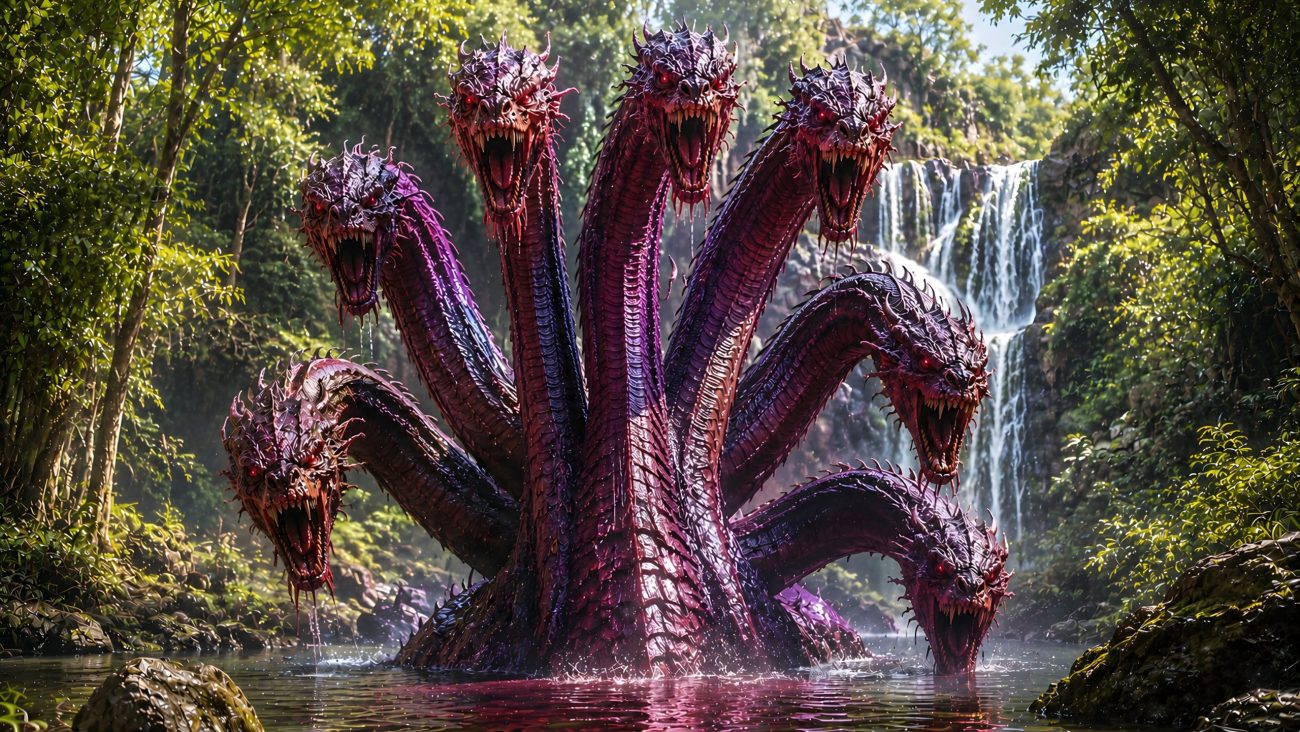
Talafsa is a monstrous female dragon from Kabyle and North African folklore, often described as a many-headed serpent similar to a hydra. In some legends, she possesses seven heads and lives near forests, caves, springs, or sources of water.

According to the myths, Talafsa controls the water of entire regions. Villages and cities suffer from drought because she guards rivers or springs and refuses to release the water unless she receives a yearly sacrifice. The sacrifice is usually a young girl chosen from the local people and offered to the monster to prevent destruction and thirst.

Stories about Talafsa are part of a wider North African tradition of dragon-slayer myths. In many versions, a hero eventually appears to confront the beast, defeat her, and free the water for the people. These tales were especially widespread in Kabylia, where Talafsa became one of the best-known monstrous beings of local folklore.


Sources

Tadukli.free.fr. (2006, July 22). Éléments de mythologie kabyle. Retrieved May 10, 2026, from https://tadukli.free.fr/pages/culture/histoire_01_elements_de_mythologie_kabyle.htm


Teryel

Tradition / Region: Algerian Mythology
Also Known As: Teryalin (plural)
Category: Mountain Dweller, Forest Dweller


The Myth

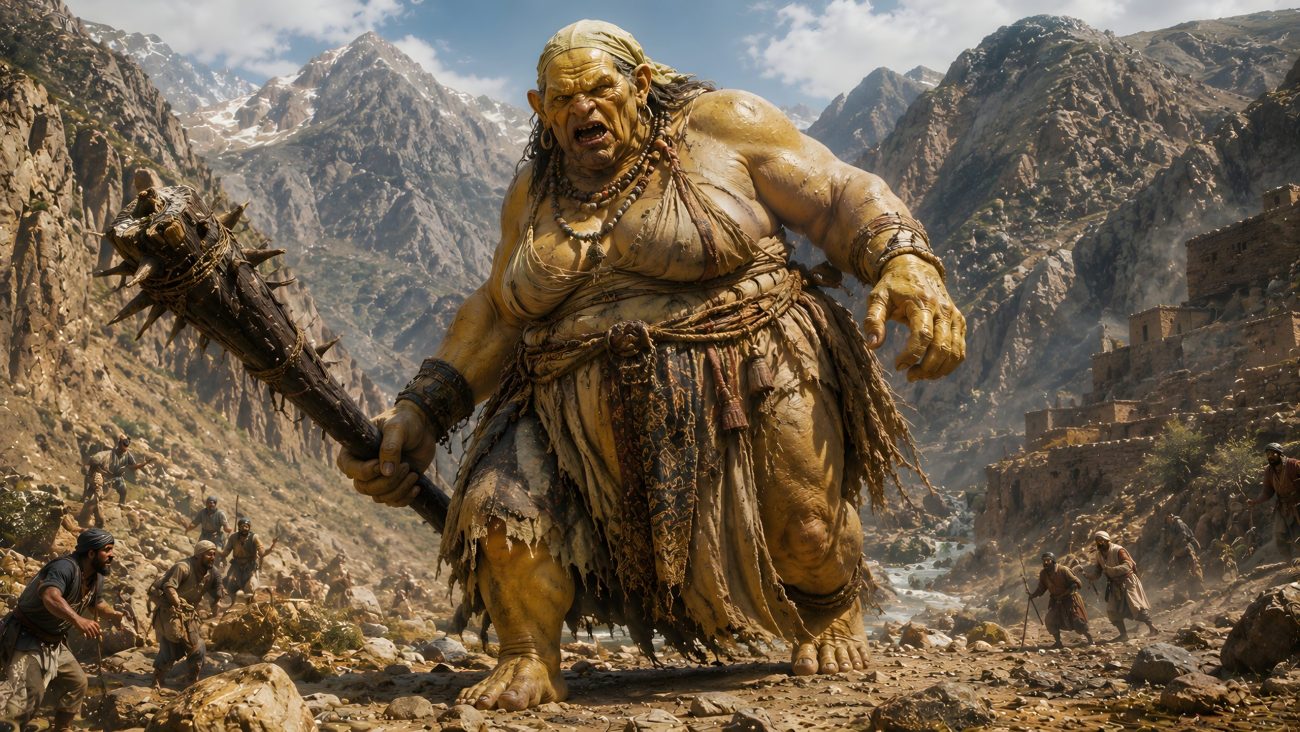
Teryel is a monstrous ogress from Kabyle mythology, described as a wild and dangerous female being that lives far from human settlements. She belongs to the teryalin, a race of ogresses associated with mountains, forests, and the untamed wilderness beyond civilization.

According to Kabyle myths, in the earliest age of the world, men and women first emerged from the underworld and lived separately. Women were believed to have initiated the first relations between the sexes and originally held power over men. Later, men began building stone houses, creating settled life and human society. Women entered these homes and became tied to domestic life and civilization.

One woman, however, rejected this new way of life. Together with a man, she chose to remain wild and free rather than live among humans. Because of this choice, the pair transformed into creatures of the wilderness. The man became the lion, while the woman became Teryel, the cannibal ogress.

Kabyle folklore often portrays ogresses as more powerful and important than male ogres. The teryalin are described as rulers of the wild world, standing in direct opposition to villages, families, and civilized life. Some legends also claim that one of the ogresses consumed the golden leaves of a magical tree and afterward gave birth to the race of ogres.


Sources

Tadukli.free.fr. (2006, July 22). Éléments de mythologie kabyle. Retrieved May 10, 2026, from https://tadukli.free.fr/pages/culture/histoire_01_elements_de_mythologie_kabyle.htm


Âssas Buxxam

Tradition / Region: Algerian Mythology
Alternate Names: Guardian of the House
Category: Household Dweller


The Myth

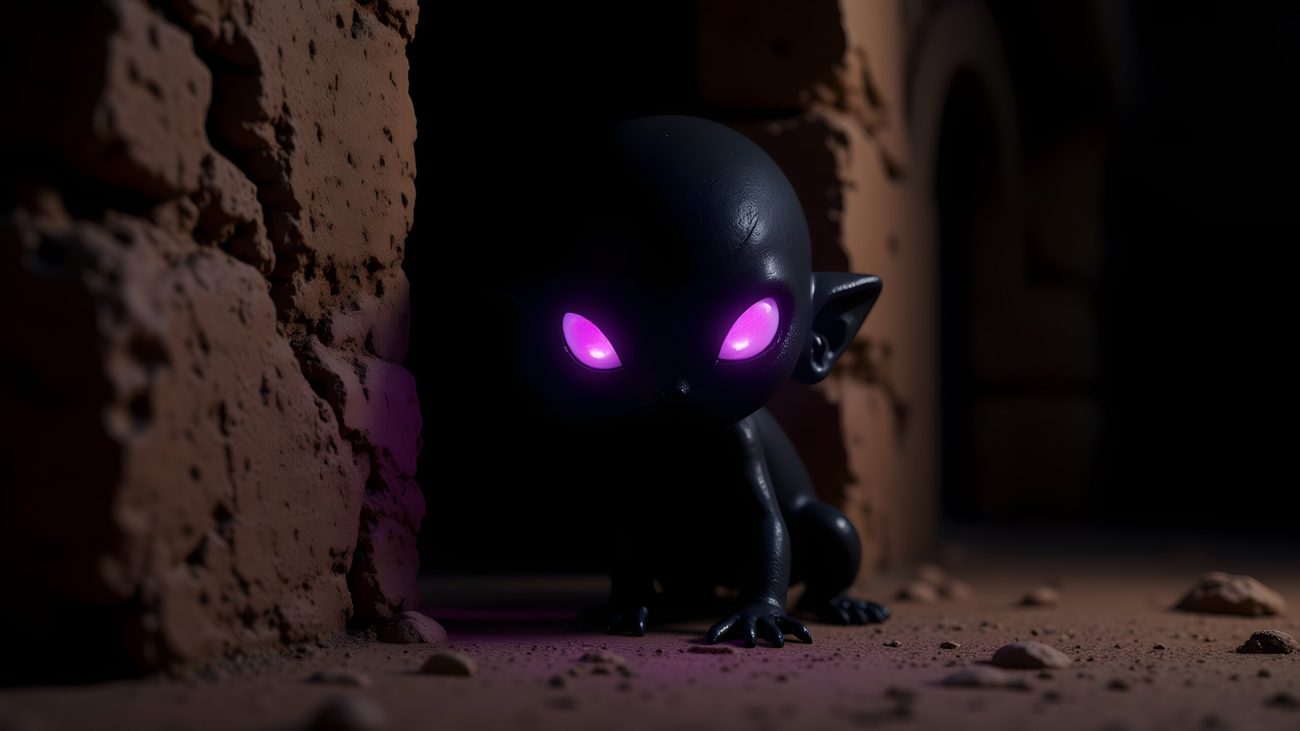
Every home is watched by an unseen presence known as the Âssas Buxxam, the guardian of the house. It lives quietly among the family, observing daily life, protecting the household, and expecting respect in return. When a house contains a rocky outcrop, it is believed the guardian dwells there, and during celebrations a lamp is kept burning so it is not neglected.

The Âssas Buxxam is not alone. It belongs to a greater host of Guardians who dwell in fields, trees, caves, and notable places shaped by nature. These spirits must be greeted and honored, for they are the watchers of the world.

They serve the great lord Aguellid Amokrane, acting as his sentinels. To them, humans do not truly own their homes or lands—they merely borrow them. The Guardians watch how people live, how they treat the earth, and how they behave toward one another.

When respected, the Âssas Buxxam brings harmony to the household and may even speak on behalf of its people before God. When ignored or insulted, its favor withdraws, reminding all who live there that the home is never truly empty, and never entirely theirs.


Sources

Tadukli contributors. (n.d.). Éléments de mythologie kabyle. In Tadukli, from http://tadukli.free.fr/pages/culture/histoire_01_elements_de_mythologie_kabyle.htm