Song Gaksi

Tradition: Korean Mythology
Alternative Names: Song Gaksi, Cheonyeo Gwis​in, Cheonyeogwis​in, Cheonyeo gwisin (처녀귀신), Malmyeong, Cheonyeo, Song Gaksi (송각시), Song Gaksi Ghost
Category: Ghost


The Myth

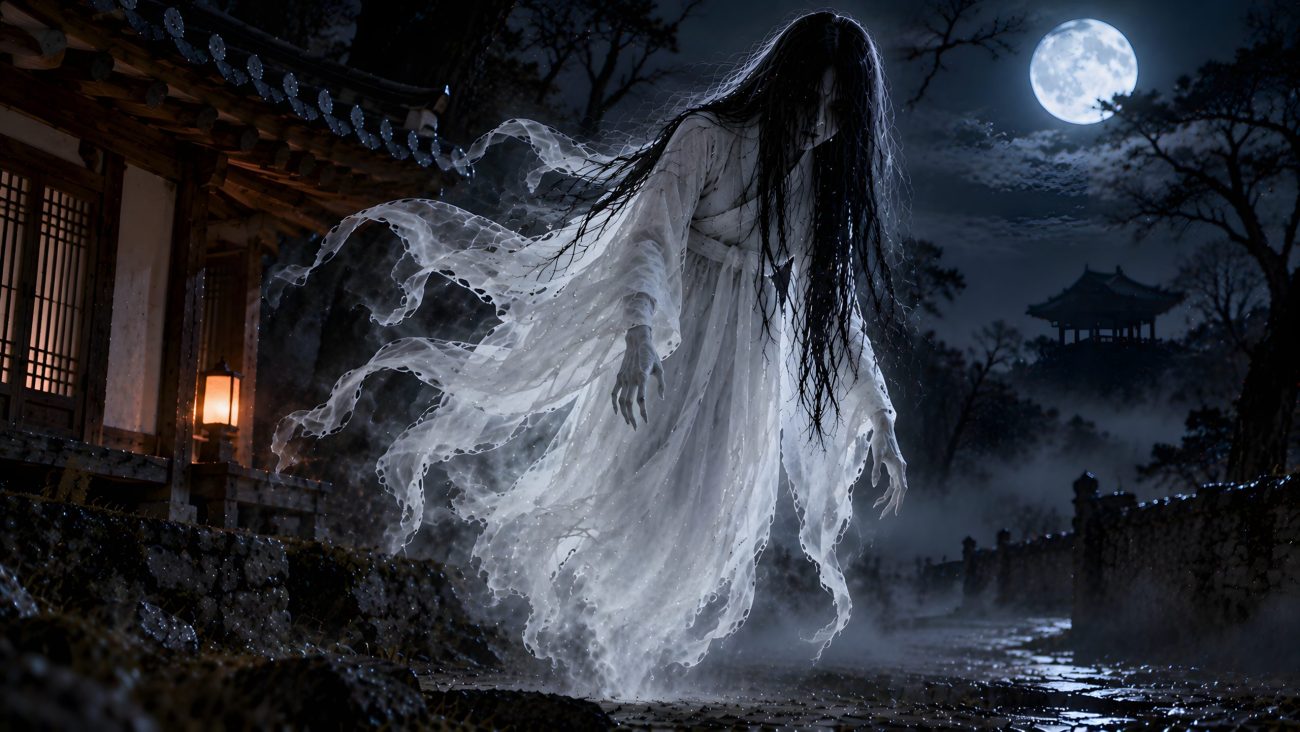
Song Gaksi, also known as Cheonyeo Gwis​in, is one of the most famous ghosts in Korean folklore. She is the spirit of a young woman who died before marriage, often after being abandoned by her lover or suffering the grief of an unfulfilled romance. In some accounts, she takes her own life after being rejected. The name Cheonyeo Gwis​in literally means “virgin ghost,” reflecting the belief that a woman who dies unmarried may become a restless spirit burdened by the life and marriage she never experienced. Song Gaksi is a type of wongwi, a Korean vengeful spirit associated with resentment and an untimely or unjust death.

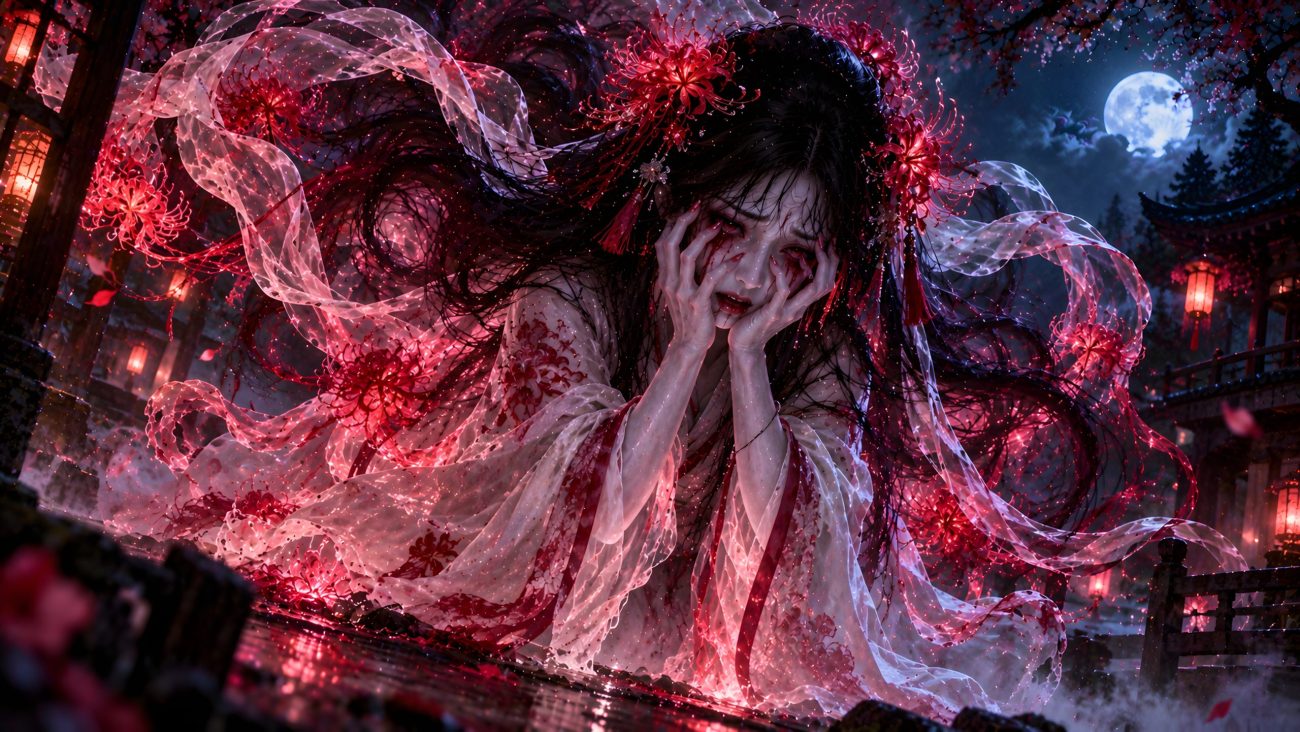
Song Gaksi is commonly depicted as a young woman with long, disheveled black hair, dressed in a white traditional Korean funeral garment. Her face is pale, with dark circles beneath her eyes and bloody streaks running from the corners of her mouth. Some depictions show traces of blood or present her as an almost indistinguishable human figure. She is often associated with abandoned buildings, hospitals, schools, bathhouses, cemeteries, and dark roads or forests. According to tradition, she may appear during the darkest hours of the night, from midnight until dawn, and is believed to bring illness or misfortune. Her presence may be accompanied by a sudden change in temperature or wind direction, and she can appear in dreams as well as in waking life.

Stories of Song Gaksi appear in Korean folklore, including tales associated with the historical figures Sin Rip and Aran. In one account, Sin Rip saves a young woman from ghosts near the Munyeong-jae mountain pass. She asks to accompany him, but he refuses, and she takes her own life shortly before his eyes. Later, when Sin Rip faces danger during a military campaign, her ghost appears to him in a dream and advises him to go to Thangmyondae. He follows her advice but is ultimately killed. Another tale tells of a newly appointed mayor of Miryang who dies at the hands of a ghost on his first night in office. When the ghost appears to a brave new official, it explains its grievance, allowing the official to identify and punish the criminal responsible. In this story, revealing the truth behind the ghost’s suffering brings peace to her soul.


Sources

“Son Gaksi.” New Bestiary (Bestiary.us). https://www.bestiary.us/son-gaksi

Dalgyal Gwisin

Tradition: Korean Mythology
Alternative Names: Egg Ghost
Category: Ghost


The Myth

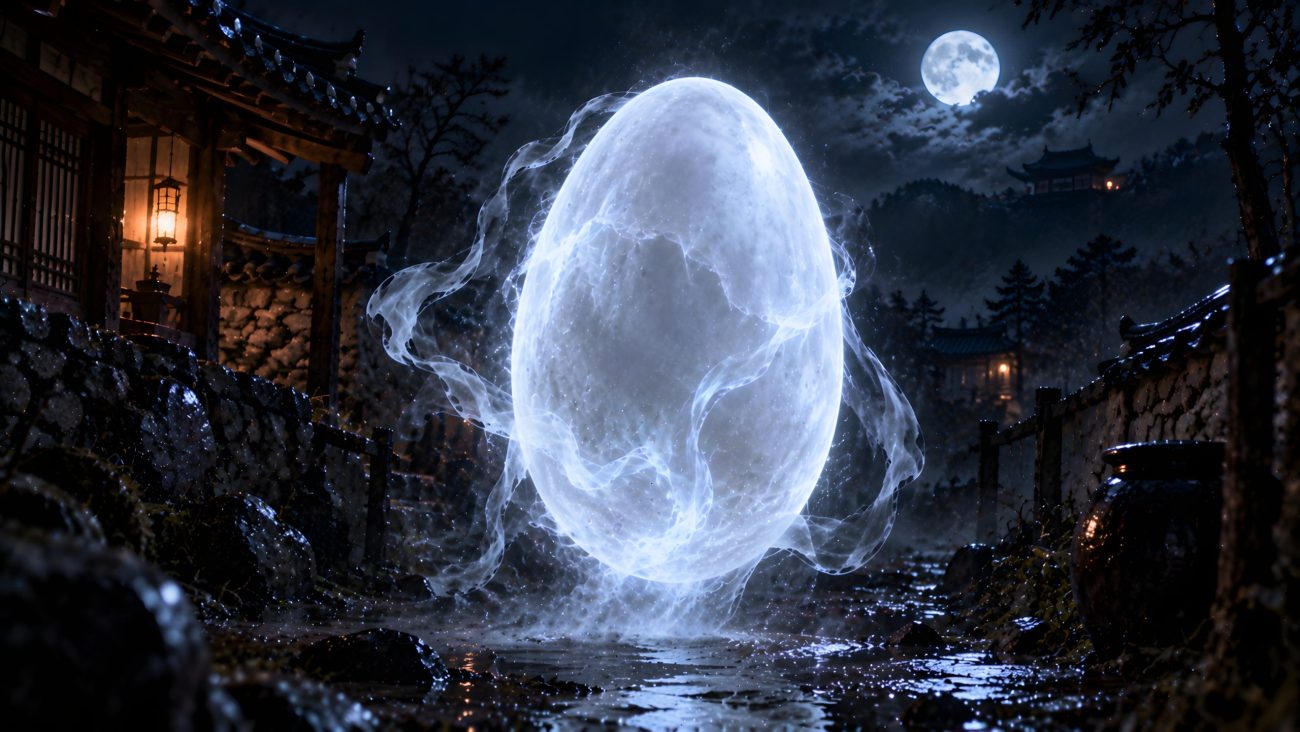
The dalgyal gwisin, or Egg Ghost, is a terrifying Korean spirit named for its resemblance to an egg. It has a smooth, featureless body without arms, legs, or a distinct head. It possesses no eyes, nose, or mouth, appearing as a completely blank, egg-shaped figure. Its origin and personality are considered unimportant in the traditional descriptions, making its strange and empty appearance its defining characteristic.

Encountering an Egg Ghost is believed to be a fatal omen. According to legend, anyone who sees one will die. Some accounts suggest that these spirits may change their nature over time, with their personalities becoming less incorruptible. Other rumours claim that an Egg Ghost can transform into an ordinary egg, conceal itself, and emerge again whenever it wishes.

Some interpretations connect the Egg Ghost to the mujagui, or childless ghost, a spirit without descendants or relatives to perform ancestral memorial rites on its behalf. Without anyone to remember or honour it, such a ghost may remain among the living. The Egg Ghost’s featureless form and association with death make it one of the most unsettling figures in Korean ghost traditions.


Sources

“Egg ghost.” Wikipedia: The Free Encyclopedia. Wikimedia Foundation. Accessed October 15, 2026. https://en.wikipedia.org/wiki/Egg_ghost


Gwisin

Tradition: Korean Mythology
Alternative Names: Kwisin
Category: Ghost


The Myth

Gwisin are the spirits of deceased humans who remain in the world of the living because they have unfinished business. They are often depicted as transparent, legless figures that float through the air. Unlike supernatural beings such as dokkaebi, gwisin are the spirits of people who have died. They may linger because they seek revenge, wish to protect a loved one, or have unresolved ties to their former lives. Once their purpose is fulfilled, they can finally depart for the underworld.

Many legends describe gwisin as vengeful spirits who return to punish those who wronged them or their families. They may haunt places connected to their deaths, including homes, schools, and other locations where they suffered injustice. Stories also tell of people who were murdered or betrayed by unfaithful spouses returning as ghosts to seek revenge. Their presence serves as a frightening reminder that wrongdoing may have consequences even after death.

There are several kinds of gwisin, each associated with a different death or lingering grievance. The cheonyeo-gwisin is the ghost of a woman who died unmarried. She is commonly depicted wearing a white funeral hanbok, with long, drooping black hair that sometimes conceals her face. The chonggak-gwisin is the male counterpart, representing a man who died unmarried. The mul-gwisin is the spirit of someone who drowned and is said to drag unsuspecting people into the water out of jealousy or loneliness. The wonhan-gwisin is a spirit who died unjustly, while the yuk-gwisin is the ghost of someone who was murdered. The ja-sa gwisin is the spirit of someone who died by suicide.

Gwisin are feared because they may bring misfortune or harm to the living. Traditional methods of protection include hanging a strainer above the entrance to a house or burning a strand of hair and scattering its ashes around the courtyard. Such practices reflect the belief that restless spirits can be kept away through protective measures, preventing them from intruding upon the lives of the living.


Sources

“Gwisin.” Wikipedia: The Free Encyclopedia. Wikimedia Foundation. Accessed October 15, 2026. https://en.wikipedia.org/wiki/Gwisin


Taejagwi

Tradition / Region: Korean Mythology
Alternative Name: –
Category: Ghost, Spirit


The Myth

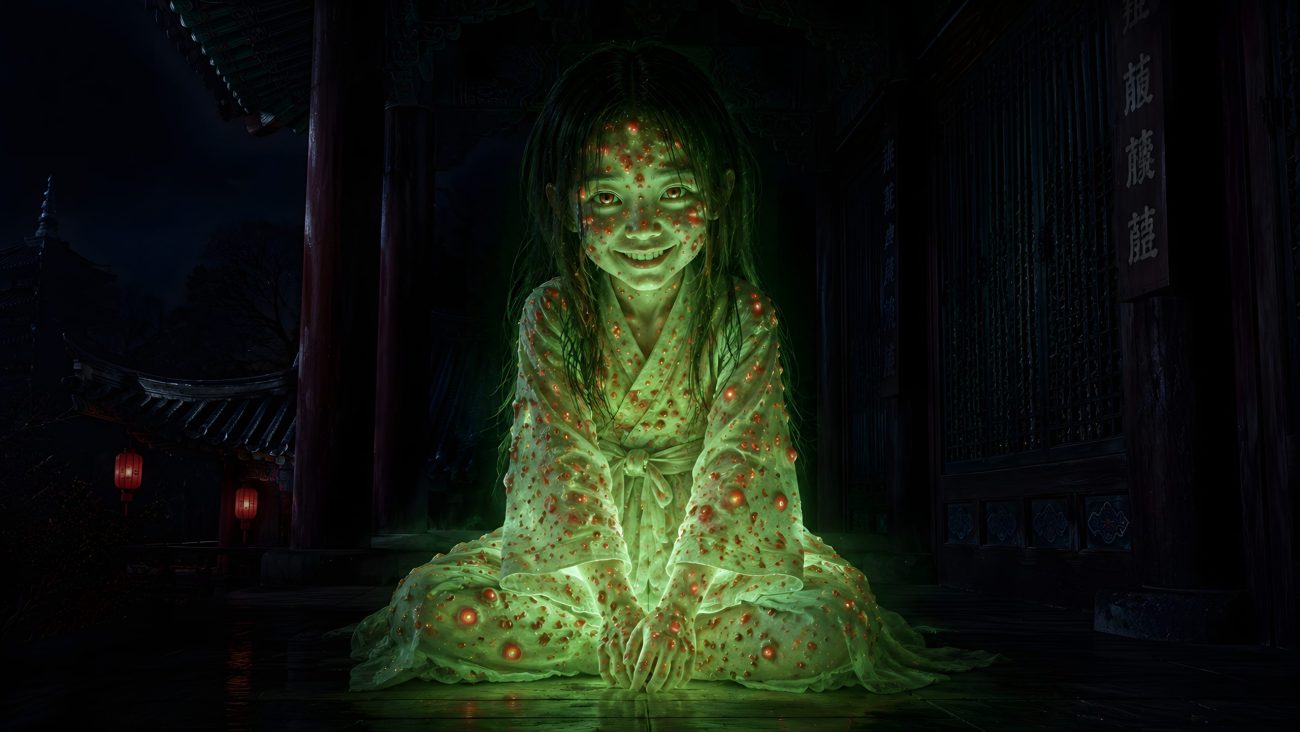
Taejagwi is a spirit from ancient Korean shamanic tradition believed to be the ghost of a young girl who died from smallpox during an epidemic. In some rarer stories, the spirit may also be that of a deceased boy, though it is most commonly associated with girls.

The spirit was feared and respected because it was believed to possess knowledge of both the past and the future. Taejagwi would sometimes appear to humans in order to reveal hidden truths, predict future events, or expose secrets long forgotten.

Unlike many ghosts in Korean folklore, Taejagwi was usually not seen directly. Witnesses claimed its presence was recognized through strange cries or the sound of a child’s voice seemingly emerging from empty air. These eerie voices were believed to carry prophecies or supernatural knowledge.

Belief in Taejagwi became especially widespread in Korea after outbreaks of smallpox, and stories of the spirit often came from grieving mothers who had lost children during epidemics. Some accounts claimed the spirit appeared before groups of people, astonishing witnesses with accurate revelations about past events or warnings of things yet to come.

In Korean folk belief, Taejagwi became associated with sorrow, disease, death, and supernatural foresight.


Sources

Bestiary.us. (n.d.). Thjedzhagvi. Retrieved May 10, 2026, from https://www.bestiary.us/thjedzhagvi/