Karango

Tradition / Region: Philippines Mythology
Alternate Names: Carango
Category: Spirit, Forest dweller


The Myth

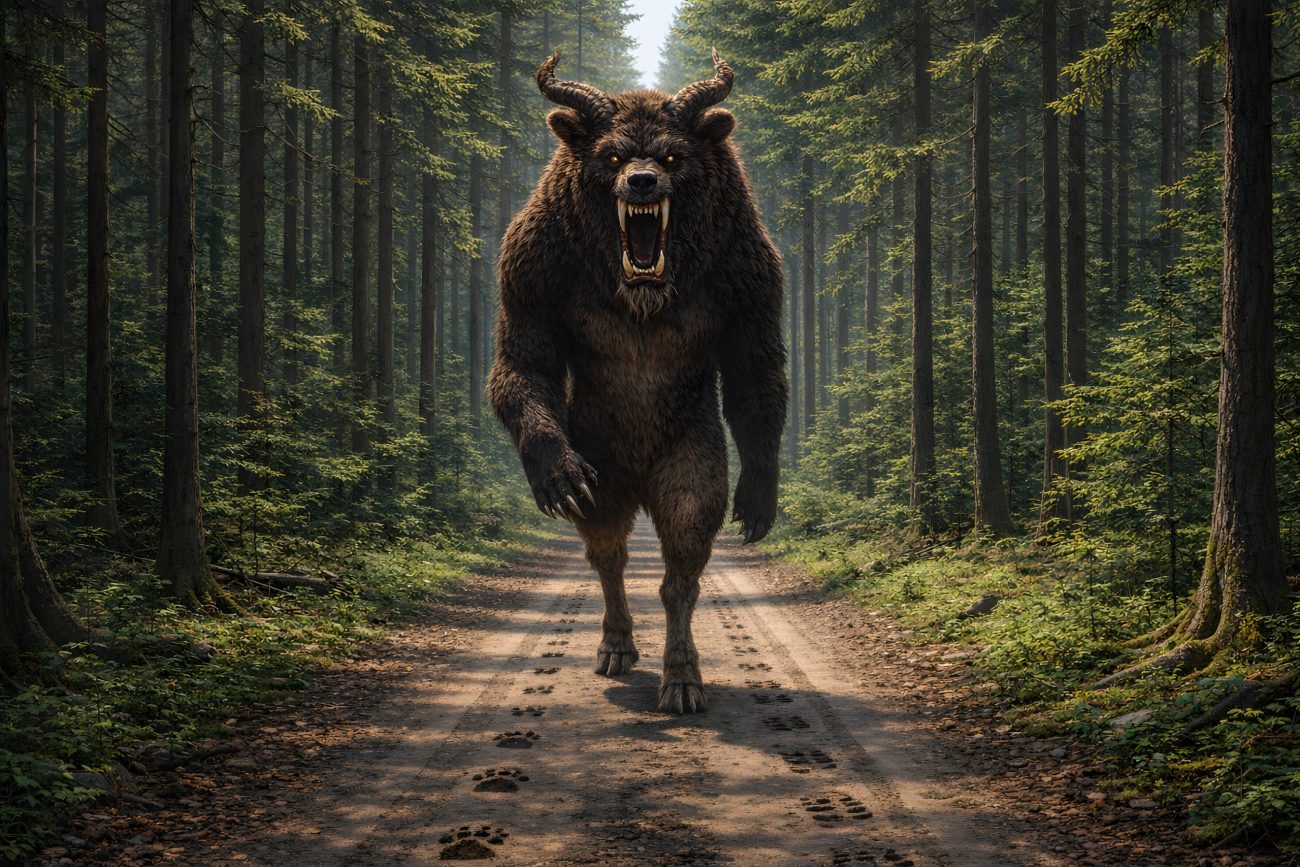
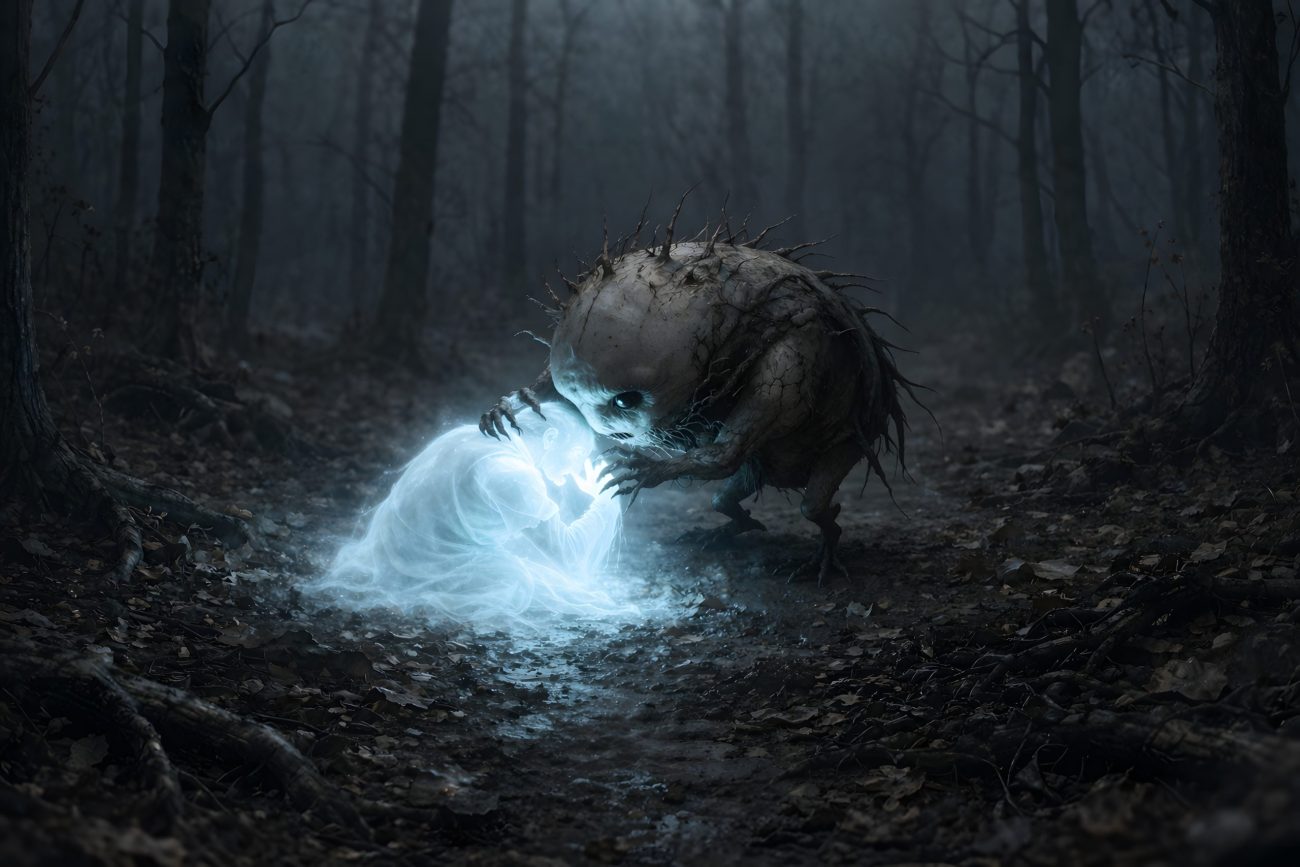
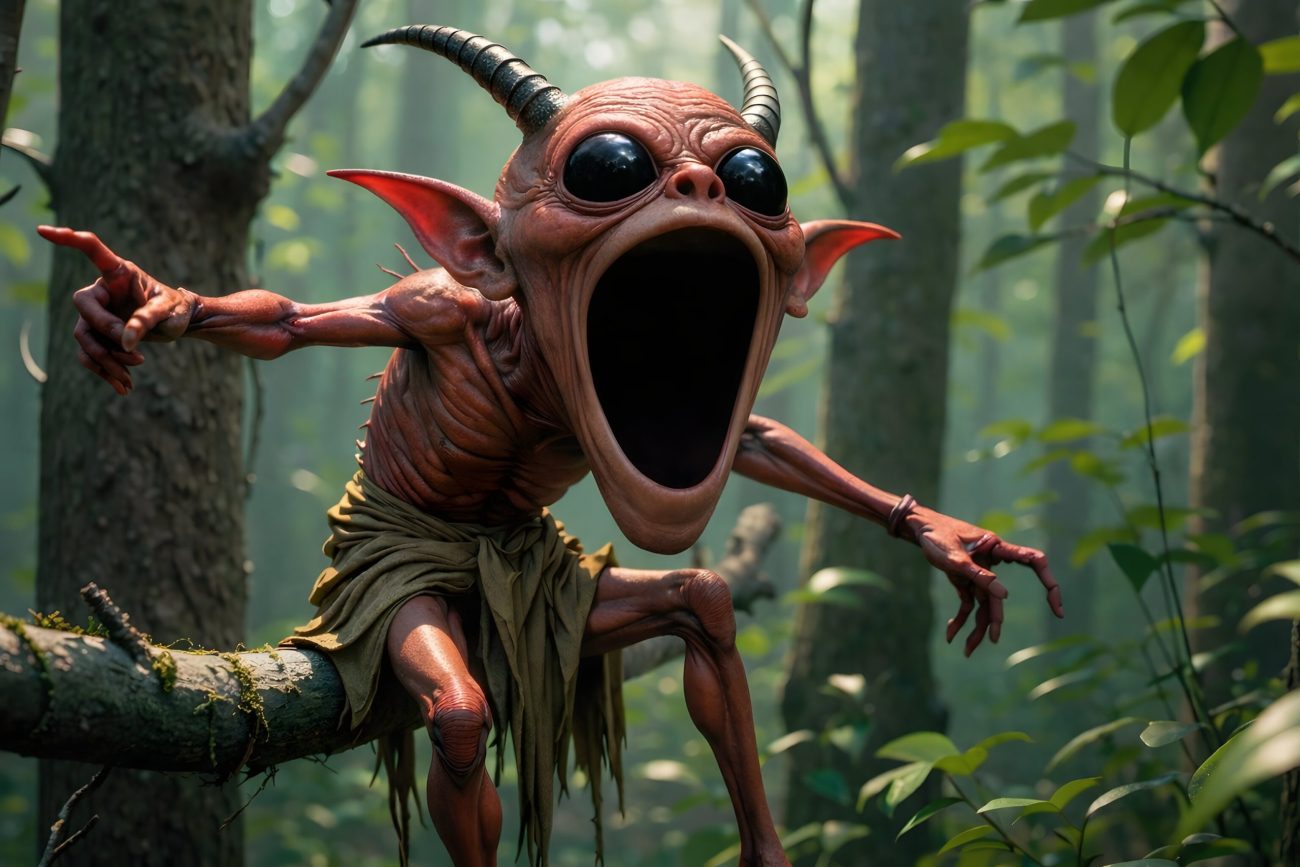
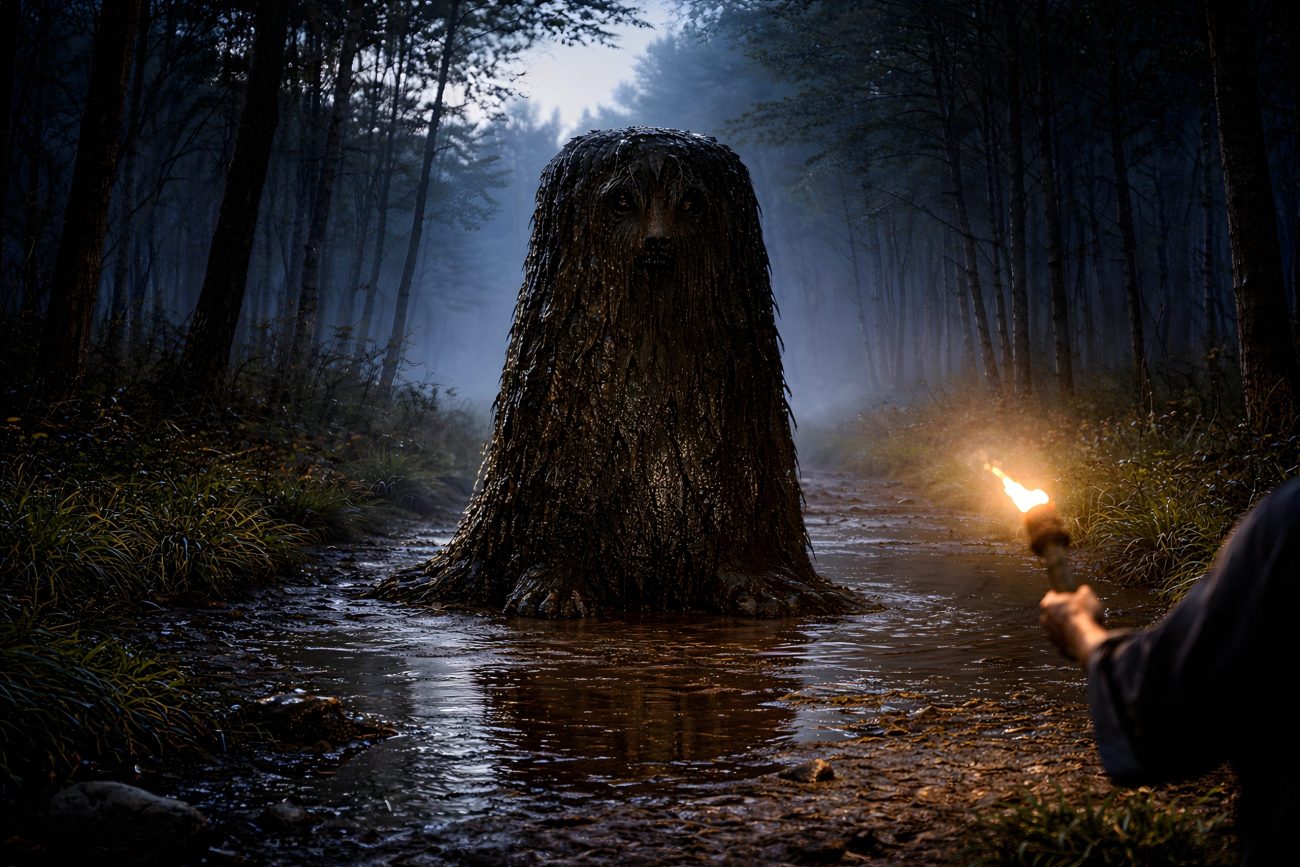
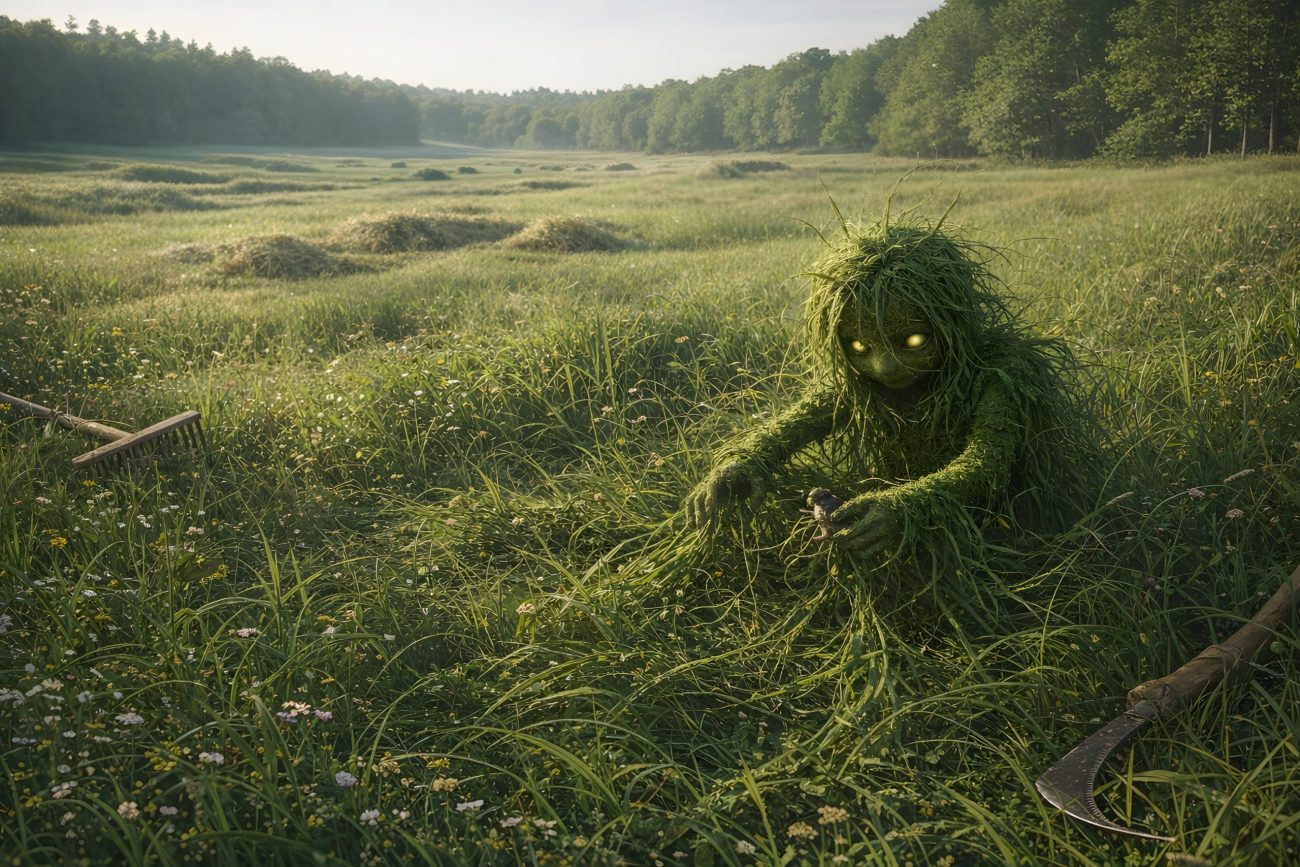
In the folklore of the Ibanag people of northern Luzon, karangos are small nature spirits who dwell throughout the landscape. They inhabit the earth itself, as well as hills, forests, and cultivated fields. These beings are not tied to villages or human structures, but to the land in its natural state.

Karangos are regarded as the true owners of the land. Humans may live, farm, and travel across these places, but the spirits are believed to possess them in a deeper and older sense. Because of this, respect toward the land is essential, and careless or disruptive behavior is considered dangerous.

When summoned by a shaman, karangos are said to answer with a whistling sound, signaling their presence. This sound serves as their form of response rather than speech, marking a boundary between the human and spirit worlds.

Although small, karangos are not harmless. They are known to cause harm to those who disturb their dwellings, whether by damaging the land or failing to observe proper conduct. Their punishment is not described in detail, but their role as guardians of the land makes them figures to be feared as well as respected.

The name Carango appears as a Latinized spelling, but it refers to the same beings known among the Ibanag as karangos—spirits bound to the soil, unseen but ever-present, enforcing the unseen laws of the land they claim as their own.


Gallery


Sources

Bestiary.us contributors. (n.d.). Karango. In Bestiary.us, from https://www.bestiary.us/Karango


Interpretive Lenses

Religious Readings
  • Christian Ascetic Deep Dive
Philosophical Readings
  • Nietzschean Deep Dive
Psychological Readings
  • Jungian Deep Dive
Esoteric Deep Dive
  • Hermetic Deep Dive
Political / Social Readings
  • Marxist Deep Dive
Other
  • How to Invite The Karango

Endar

Tradition / Region: Russian Mythology
Alternate Names:
Category: Forest dweller


The Myth

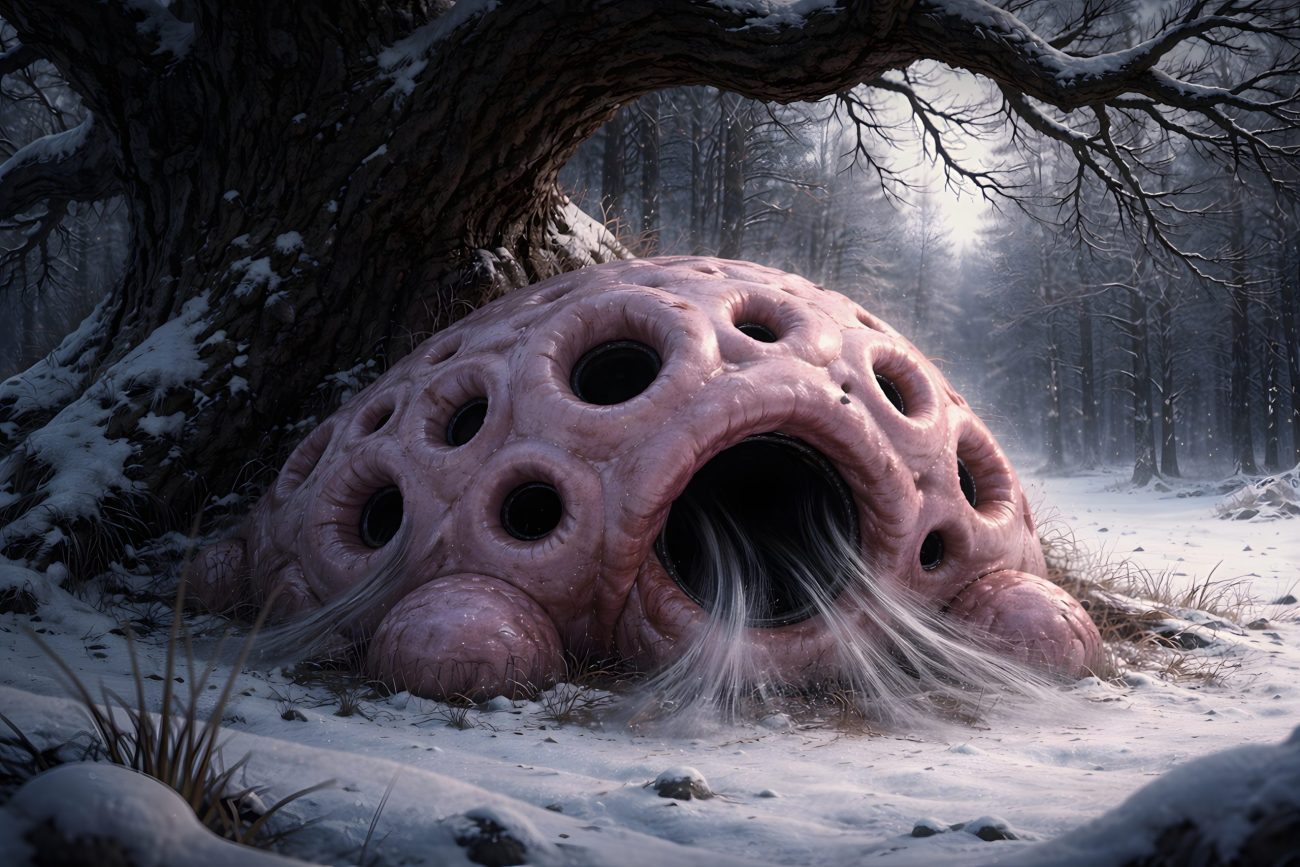
In Russian folklore, Endar is a scarcely described mythical being known primarily for its unusual way of sustaining itself. According to legends recorded in the Vyatka Province, the Endar lives beneath an old oak tree and feeds not on food or flesh, but on air itself.

Marina Vlasova, in her Encyclopedia of Russian Superstitions, notes that little else is known about this creature. Its form is not clearly described, and no detailed accounts of its behavior survive. The Endar remains largely undefined, existing more as a name and a location than as a fully formed figure.

Later retellings, particularly in modern sources, add that the Endar is said to be roughly the size of a boar. Beyond this single detail, however, its appearance remains uncertain.

The Endar thus occupies a quiet place in folklore: a being tied to a specific landscape, sustained by invisible means, and remembered more for its mystery than for any deeds or encounters.


Sources

Bestiary.us contributors. (n.d.). Endar. In Bestiary.us, from https://www.bestiary.us/endar


Bzionek

Tradition / Region: Silesian Mythology, Polish Mythology
Alternate Names:
Category: Forest dweller, Gnome, Spirit


The Myth

Bzionek is a guardian spirit known in Silesian superstition, believed to protect villages from evil spells and misfortune. It was imagined in the form of a small man who lived beneath or within elder bushes, especially the black elder growing close to human dwellings. From this association, the spirit took its name.

Because the bzionek was thought to dwell in elder bushes, these plants were treated with great reverence. Cutting them down, digging them up, or burning elder wood in an oven was strictly forbidden, as such acts might offend the spirit and bring harm upon the household or village.

Certain customs were connected to the elder bush and the bzionek. After washing the body of a deceased person, people would pour the used water beneath the elder bush to avert misfortune. In moments of desperation, when a baby was gravely ill, the child might be brought beneath the bush so that the bzionek could drive away the sickness.

The bzionek was not feared as a malicious being, but respected as a quiet protector whose presence demanded careful behavior. Through the elder bush, it stood as a silent guardian between the human world and unseen dangers.


Sources

Bestiary.us contributors. (n.d.). Eterari. In Bestiary.us, from https://www.bestiary.us/eterari/


Bebok

Tradition / Region: Polish Mythology, Silesian Mythology
Alternate Names:
Category: Forest dweller, Swamp dweller, House dweller


The Myth

In Polish and Silesian folklore, the bebok is a supernatural being associated with darkness and fear. It belongs to the family of bogeymen—creatures invoked to warn, threaten, and discipline, rather than to be seen directly.

In Upper Silesia in particular, the bebok is the most familiar and widely used bogeyman. Parents invoke its name to frighten disobedient or unruly children, warning that the bebok will come for those who misbehave or wander where they should not.

According to legend, beboks dwell in places avoided by people: forests thick with shadow, swamps and marshy ground, dark basements, cellars, and similar hidden or neglected spaces. These are places where light fades and sound carries strangely, and where the presence of the bebok is felt rather than seen.

The bebok is not described in detail, for its power lies in suggestion. It exists as a warning embodied—a lurking threat tied to darkness itself. Through fear of the bebok, children are taught caution, obedience, and respect for the boundaries between safety and danger.


Sources

Bestiary.us contributors. (n.d.). Eterari. In Bestiary.us, from https://www.bestiary.us/eterari/


Alan

Tradition / Region: Philippines Mythology
Alternate Names: Alans
Category: Forest dweller, Bird


The Myth

Among the Tingyan people of northwestern Luzon, the Alans are known as wild, winged female spirits who belong to a lower order of supernatural beings. They dwell deep within forests, and at times near rivers, in places seldom visited by humans.

In appearance, the Alans resemble women, but their features are disturbing. Their faces are said to be rough and deeply wrinkled, resembling the hide of a carabao buffalo. They possess wings and are able to fly. Their fingers are inverted, and their toes point backward, emerging from their heels rather than their feet, making them frightening to behold.

The Alans are believed to live in houses much like those of humans, though far more splendid and richly furnished. These dwellings are hidden within the dark forest. At night or when unseen, the Alans are said to hang upside down from tree branches, like bats.

Despite their terrifying appearance, the Alans are credited with a nurturing role. It is believed that when they find drops of menstrual blood, a placenta, or the remains of a miscarriage, they are able to raise a child from it. These children are raised secretly, without the knowledge of their human parents. Once grown, the Alans assist the children throughout their lives, offering help and protection.

Thus, the Alans are remembered not only as fearsome forest spirits, but also as mysterious foster mothers, moving between danger and care, concealment and guardianship.


Sources

Bestiary.us contributors. (n.d.). Eterari. In Bestiary.us, from https://www.bestiary.us/eterari/


Akui-Khalava

Tradition / Region: Brazilian Mythology
Alternate Names:
Category: Forest Dweller


The Myth

Among the Paresi people of western Mato Grosso, who live along the Buruti, Verde, Guaporé, Juba, Juruena, and Papagayo rivers, there is a forest being known as Akui-Khalava.

He is described as a forest man with long white hair and a handsome appearance. Though human in shape, he is said to be a cannibal. He sings constantly, repeating a refrain rendered as “Amm-lalala, amm-lalala.” He is fond of plums, songs, women, and local beer.

Akui-Khalava is believed to live in trees, especially fruit trees. From there he throws fruit pits—particularly plum pits—at people who pass beneath. He is known to enter villages and force his way into the homes of both single and married women, demanding beer and meat. Because his lips are pierced, he spills beer when he drinks, which is said to provoke annoyance among those who witness it.

After receiving beer, Akui-Khalava kills and eats women, carrying them away into the forest. He is described as ill-tempered and solitary, and he is never said to have a wife.

Some believe that Akui-Khalava originated from an old story about foreign sailors who somehow reached the Amazon. According to this idea, the name Akui-Khalava may have come from words frequently spoken by uninvited guests, which were distorted by people unfamiliar with the language. His love of beer, singing, and women is sometimes cited in support of this belief, though such explanations remain speculative.


Sources

Bestiary.us contributors. (n.d.). Eterari. In Bestiary.us, from https://www.bestiary.us/eterari/


Etengena

Tradition / Region: Papua New Guinea Mythology
Alternate Names:
Category: Forest Dweller, Bird, Snake


The Myth

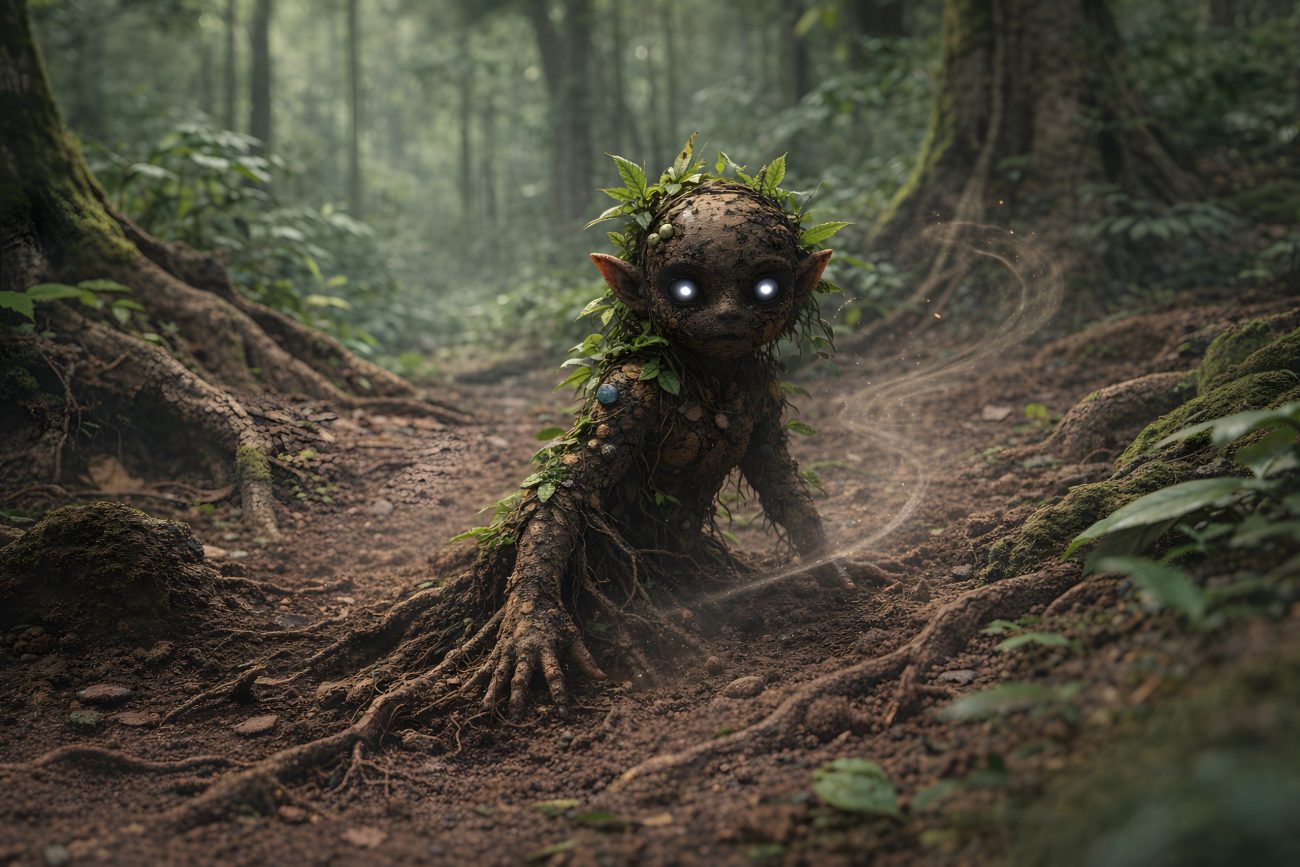
In Kiwai Papuan folklore, etengena are mythical beings associated with particular places in the natural world. They are said to dwell in large trees, springs, and similar locations where nature is dense and undisturbed. Some etengena are believed to watch over vegetable gardens, guarding them from harm or intrusion.

Etengena do not have a single fixed appearance. At times they may take on human form, while at other times they reveal themselves as animals. They are known to appear as snakes, birds, or other creatures, depending on the situation and the person who encounters them.

The idea of the etengena overlaps in part with that of the ororarora, another class of mythical beings known in Kiwai belief. Because of this, the boundaries between these beings are not always clear, and their roles and forms may blend into one another in stories and traditions.


Gallery


Sources

Bestiary.us contributors. (n.d.). Etengena. In Bestiary.us, from https://www.bestiary.us/etengena/


Interpretive Lenses

Religious Readings
  • Christian Ascetic Deep Dive
Philosophical Readings
  • Nietzschean Deep Dive
Psychological Readings
  • Jungian Deep Dive
Esoteric Deep Dive
  • Hermetic Deep Dive
Political / Social Readings
  • Marxist Deep Dive
Other
  • How to Invite The Etengena

Oriogorukho

Tradition / Region: Papua New Guinea Mythology
Alternate Names: Oriogoruho
Category: Pig, Forest Dweller


The Myth

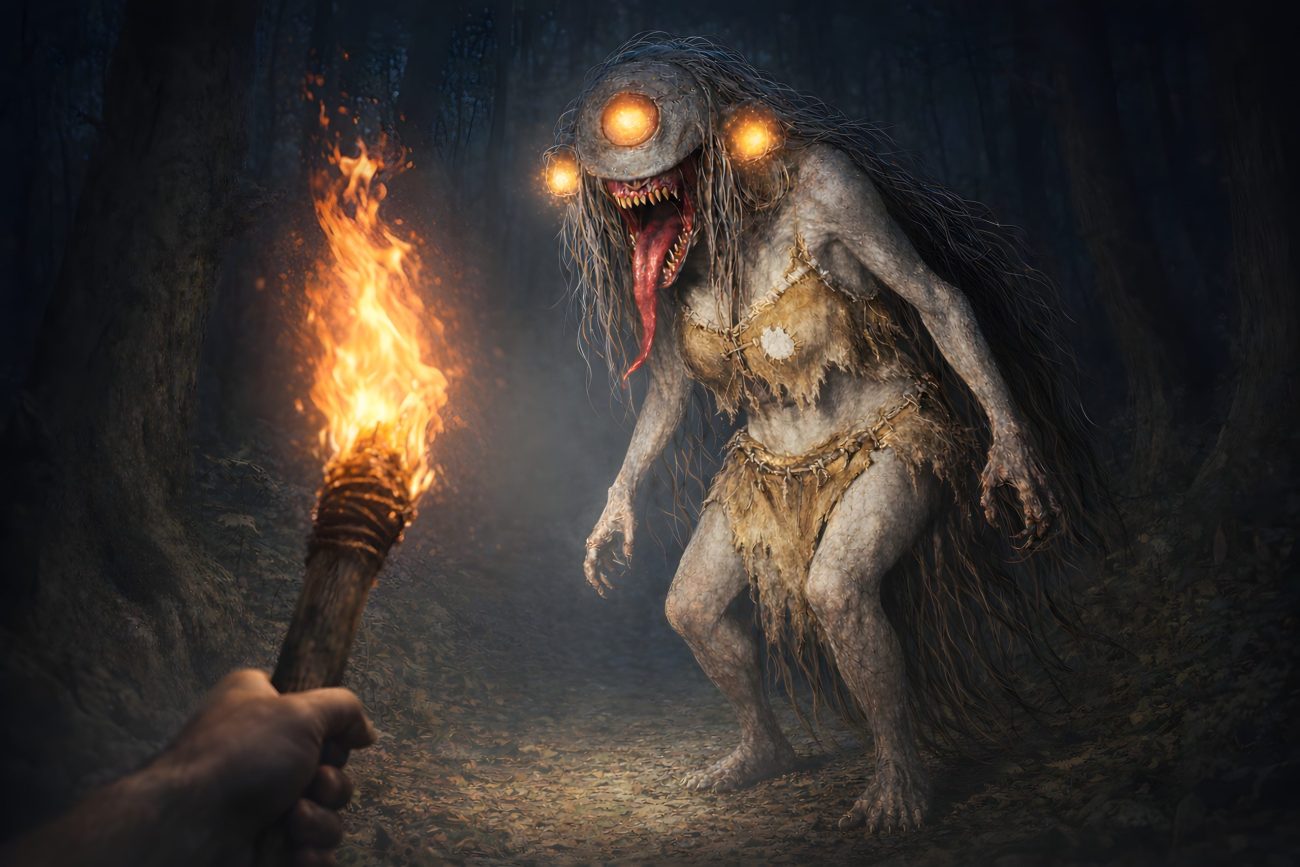
In the folklore of the Kiwai Papuans, Oriogorukho is described as an evil mythical creature that resembles a human in general form, but is clearly distinguished by several frightening features. Most striking are its enormous ears, which hang down to the ground. At night, the creature uses these ears to cover itself while it sleeps.

Although its body is broadly human-like, the Oriogorukho’s legs end in pig-like hooves. From its mouth protrude two pairs of sharp fangs, and instead of hair, bushes and creeping plants grow upon its head. Despite this monstrous appearance, the Oriogorukho possesses the ability to take on the shape of an ordinary human being. When it does so, it can be very difficult, or even impossible, to recognize it for what it truly is.

Oriogorukho are said to live in the forest, where they attack people. Their diet further sets them apart from humans. In addition to human flesh, they consume raw meat, fish, and unripe fruits. According to belief, a person who eats such improper food may themselves begin to transform into an Oriogorukho, with the first visible sign being the growth of the creature’s characteristic drooping ears.

In one tale, a man who has been shamed by his wife leaves his village and wanders into the forest. There he encounters an Oriogorukho and agrees to live together with it. Stories such as this suggest that although the Oriogorukho is regarded as a clearly negative and dangerous being, it is capable of treating people well if they themselves behave well toward it.


Gallery


Sources

Bestiary.us contributors. (n.d.). Oriogorukho. In Bestiary.us, from https://www.bestiary.us/Oriogorukho/


Interpretive Lenses

Religious Readings
  • Christian Ascetic Deep Dive
Philosophical Readings
  • Nietzschean Deep Dive
Psychological Readings
  • Jungian Deep Dive
Esoteric Deep Dive
  • Hermetic Deep Dive
Political / Social Readings
  • Marxist Deep Dive
Other
  • How to Invite The Oriogorukho

Ororarora

Tradition / Region: Papua New Guinea Mythology
Alternate Names:
Category: Forest Dweller


The Myth

Among the people of Kiwai Island, located in the Fly River delta of southeastern New Guinea, Ororarora is a name used to refer to mythical creatures. Rather than identifying a single being, the term functions as a general designation applied to such creatures within local belief.

The name appears in accounts of Kiwai mythology as a collective label, indicating the presence of beings understood to belong to the mythic or supernatural world.


Gallery


Sources

Bestiary.us contributors. (n.d.). Ororarora. In Bestiary.us, from https://www.bestiary.us/aromo-rubi/


Interpretive Lenses

Religious Readings
  • Christian Ascetic Deep Dive
Philosophical Readings
  • Nietzschean Deep Dive
Psychological Readings
  • Jungian Deep Dive
Esoteric Deep Dive
  • Hermetic Deep Dive
Political / Social Readings
  • Marxist Deep Dive
Other
  • How to Invite The Ororarora

Aghach Kishi

Tradition / Region: Azerbaijani mythology
Alternate Names: Mesha Adam
Category: Monkey, Forest dweller, Mountain dweller, Ghost


The Myth

In the mountainous forests there lives Aghach Kishi, the Woodman. He is a wild, ghostlike being, his body covered in hair, moving through the trees with a will of his own. Some say he resembles a man, others a beast, but he belongs fully to the forest.

Aghach Kishi wanders near villages and gardens, where he sometimes appears without warning. He has a strong, unpleasant smell, and he is known to take clothing left behind by humans. In older times, people would leave garments for him on purpose, hoping to avoid angering him.

Though he does not always attack, encounters with Aghach Kishi are uneasy and unsettling. He is a reminder that the forests are not empty, and that something older and untamed still walks among the trees.


Sources

JAMnews.net. (2017). The magical creatures of Azerbaijani mythology. Retrieved from https://jam-news.net/azerbaijani-demons/