Yōsei

Tradition: Japanese Mythology
Alternative Names: 妖精, Fairy
Category: Fairy


The Myth

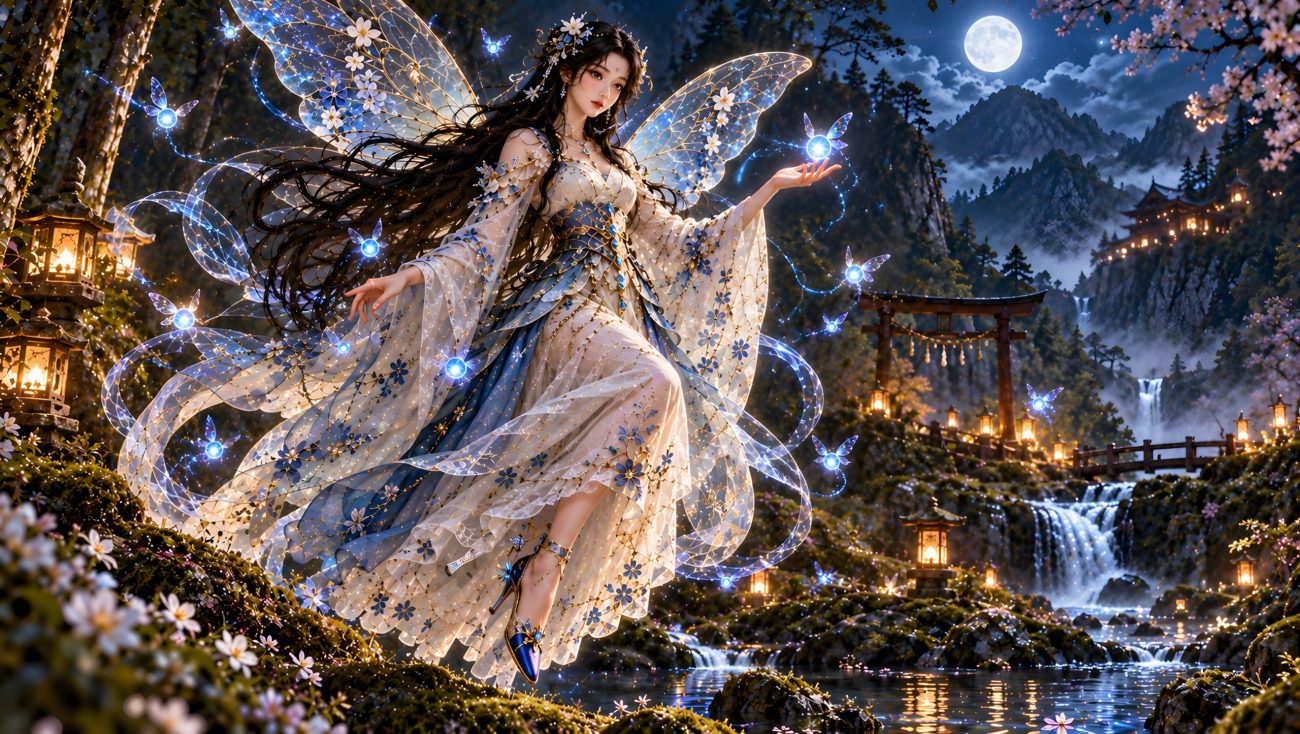
Yōsei is the Japanese term used for fairy-like supernatural beings, generally referring to small and mysterious spirits. In Japanese tradition, the word can describe beings resembling the fairies of Western folklore, while some older beliefs associate such creatures with supernatural powers that could affect the living and the dead.

One old belief from Iwate Prefecture held that yōsei could resurrect the dead, giving them an unusual and potentially frightening power over the boundary between life and death. Another tradition speaks of the small fairy-like people of Mount Hōrai, who were said to know nothing of great evil. Because they were untouched by such wickedness, their hearts never grew old, portraying them as beings of innocence and supernatural purity.

Japanese and neighboring traditions also contain several other small fairy-like peoples. Ainu folklore tells of the Koro-pok-guru, a race of small people, while Okinawan tradition has the Kijimunā, tree-dwelling spirits associated with banyan trees. Together, these traditions provide the wider Japanese folklore context in which yōsei can be understood as small, mysterious supernatural beings existing between the familiar human world and the realm of spirits.


Sources

“Yōsei.” Wikipedia: The Free Encyclopedia. Wikimedia Foundation. Accessed October 5, 2026.
https://en.wikipedia.org/wiki/Y%C5%8Dsei


Wiła

Tradition: Ukrainian Mythology, Russian Mythology, Belarusian Mythology
Alternative Names: Samowiła, Samodiva, Vila, Wila
Category: Fairy


The Myth

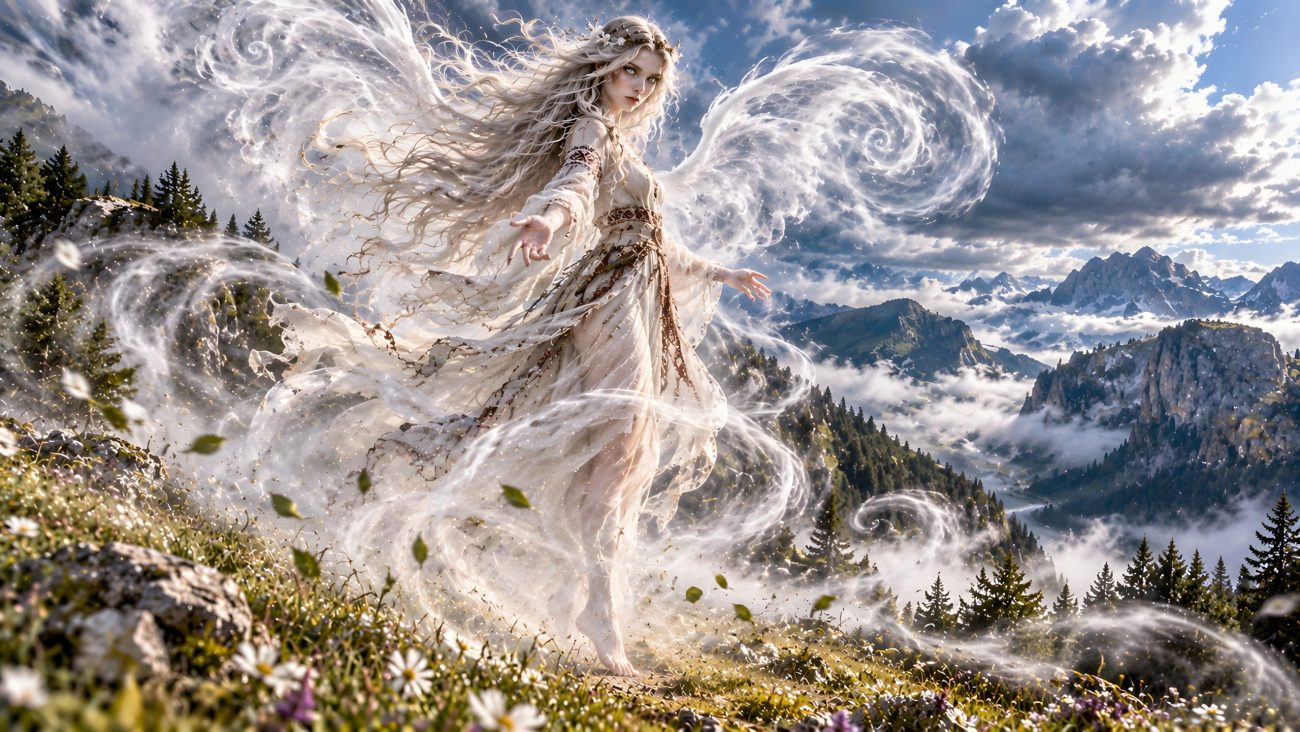
The Wiły were beautiful supernatural spirits associated with the wild places of the natural world. They were believed to originate from the souls of young women who died, and could inhabit forests, mountains, rivers, lakes, and even clouds. Forest Wiły were called samowily, while others were associated with mountains, waters, or clouds. They could appear as beautiful winged girls with pale, almost transparent bodies, usually naked or lightly clothed, but were also able to take the forms of horses, swans, falcons, and wolves. They could transform themselves into whirlwinds and were sometimes associated with serpent-like forms. In groups, they moved through the wilderness and could even ride upon clouds or move them simply by fixing their gaze upon them.

The Wiły were capricious toward humans and could be either helpful or dangerous. They might assist young men in finding wives, warn people of approaching hailstorms, help farmers in need, or reveal knowledge of the future. Their favor could therefore bring protection and prosperity, but their anger was feared. When offended, they could unleash hail, powerful winds, or drought upon fields, destroying crops and bringing hardship to entire communities. They were especially dangerous to people who encountered them directly, as they could dance with men until they died, blind them, drive them mad, or fill them with overwhelming and impossible desires.

In Western Slavic tradition the Wiła could eventually become associated with a more sinister kind of supernatural being, particularly one that brought madness to humans. The old meaning of the word itself became connected with madness, reflecting the belief that encountering these spirits could drive a person out of his senses. Their nature therefore stood between the beautiful and the terrifying: they were alluring spirits of forests, mountains, waters, and storms who could aid mortals when treated well, but whose supernatural beauty concealed a dangerous and unpredictable power.


Sources

“Wiła.” Wikipedia, wolna encyklopedia (Polish Wikipedia). Wikimedia Foundation. Accessed October 5, 2026.
https://pl.wikipedia.org/wiki/Wi%C5%82a


Tylwyth Teg

Tradition: Welsh Mythology
Alternative Names: Bendith y Mamau, Gwyllion, Ellyllon
Category: Fairy


The Myth

The Tylwyth Teg, meaning the Fair Family, were the fairy folk of Wales. They were beautiful supernatural beings, often described as fair-haired and dwelling in an Otherworld hidden beneath the earth or beneath lakes and streams. They danced together in secluded places and left behind fairy rings where they had held their celebrations. They could appear in great fairy processions riding horses through the countryside, while households sometimes left bowls of milk outside for them. The Tylwyth Teg could be generous toward those they favored, granting them wealth and good fortune, but their gifts could disappear if the recipient revealed their existence to others.

The fairies could also form relationships with humans. Fairy maidens sometimes became wives to mortal men, but their marriages were governed by strict supernatural taboos. One important prohibition concerned iron: if the fairy woman was touched by iron, she would disappear from the human world and return permanently to her own realm. The Tylwyth Teg could also be dangerous toward human families, particularly because they were said to covet beautiful, golden-haired children. They might steal a human child and leave a changeling, known as a crimbil, in its place. In one tale, a mother whose three-year-old son had been taken sought the advice of a cunning man. Following his instructions, she performed a series of strange acts, including stirring the contents of a raw egg and roasting an entire black hen over a wood fire without plucking it. The changeling revealed his supernatural nature while watching her, and after the final ritual the false child disappeared and her real son was returned.

The Tylwyth Teg were also understood as a broad fairy population containing several kinds of supernatural beings. The Ellyllon were elf-like fairies living in groves and valleys, while the Coblynau inhabited mines, the Bwbachod served as household fairies, the Gwragedd Annwn lived around lakes and streams, and the Gwyllion were mountain fairies with a more hag-like nature. The Ellyllon were said to eat toadstools and fairy butter, wear foxglove flowers as gloves, and live under the rule of Queen Mab. Across these forms, the Tylwyth Teg represented a hidden supernatural people living alongside humanity, capable of bringing prosperity and wonder but also of stealing children, enforcing their own laws, and drawing mortals into the dangerous world of the fairies.


Sources

“Tylwyth Teg.” Wikipedia: The Free Encyclopedia. Wikimedia Foundation. Accessed October 5, 2026.
https://en.wikipedia.org/wiki/Tylwyth_Teg


Mooinjer Veggey

Tradition: Manx Mythology
Alternative Names: Little People, Mooinjer Veggey
Category: Fairy


The Myth

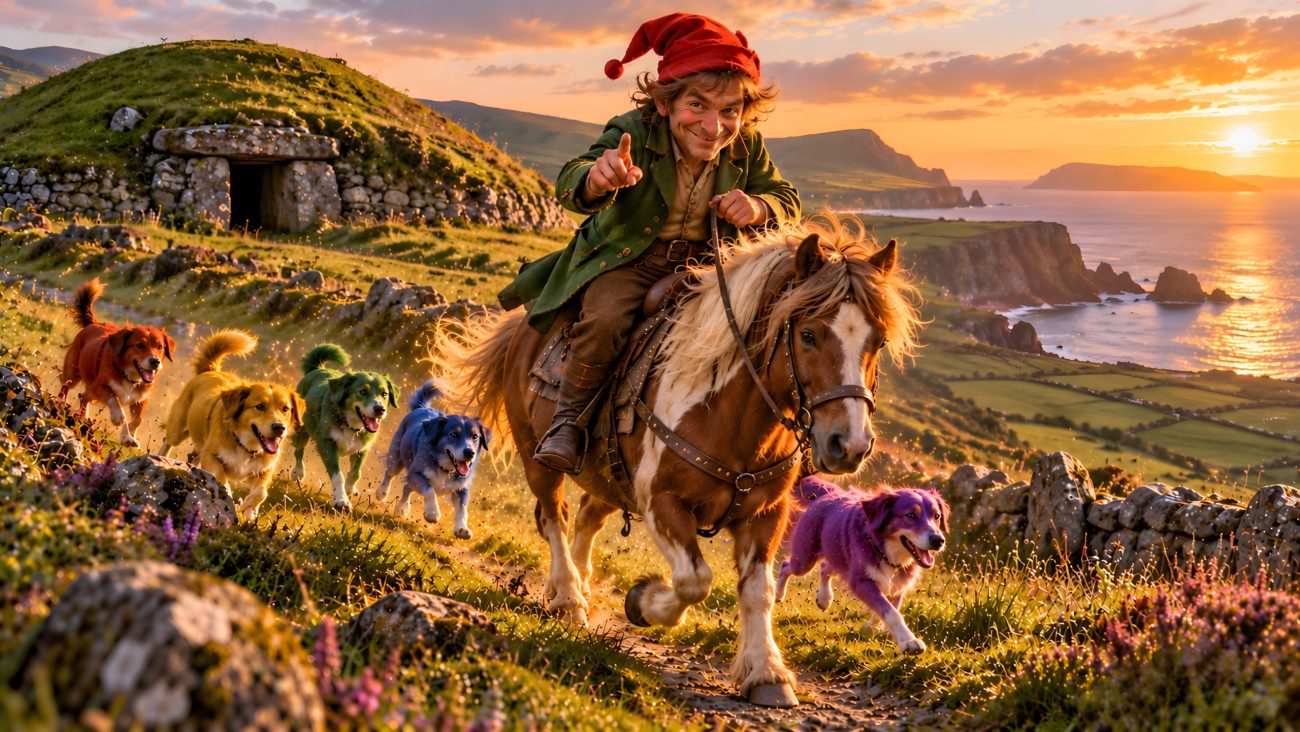
The Mooinjer Veggey, meaning “little people,” were small fairy beings of Manx folklore, usually standing between two and three feet tall and otherwise resembling human beings. They were commonly described wearing red caps and green jackets and were often seen riding horses accompanied by packs of little hounds of many different colors. They lived in the green hills of the Isle of Man, particularly around ancient burial mounds and other old earthworks. On pleasant summer evenings, people wandering near these places might hear beautiful fairy music. The fairies could make themselves visible or invisible as they wished, and anyone who heard their music was warned not to remain too long, particularly musicians, who were especially vulnerable to being entrapped by them.

The Mooinjer Veggey were not uniformly benevolent. Some were helpful spirits who could cure illness and rescue people from misfortune, while others were spiteful and dangerous, stealing children, abducting adults, and bringing bad luck upon those who offended them. Because the fairies were believed to visit human homes, Manx households maintained customs intended to keep them satisfied. A fire was traditionally left burning through the night so that the fairies could warm themselves by the embers, especially during dark and stormy weather. Bread was left for them, fresh water was placed in the household water crocks, and after baking and churning, a small piece of dough and butter was left on the wall for them to eat.

The Mooinjer Veggey were also believed to take offense at certain kinds of household work. Manx women traditionally avoided spinning on Saturday evenings because it was thought to displease the fairies. Clean water left for them was never used for ordinary purposes and was thrown away the following morning. Against their more harmful magic, salt and iron were regarded as effective protections. Thus the Mooinjer Veggey occupied an important place in Manx folklore as a hidden fairy population living alongside human communities, capable of rewarding kindness and hospitality but equally capable of bringing misfortune when neglected or offended.


Sources

“Mooinjer veggey.” Wikipedia: The Free Encyclopedia. Wikimedia Foundation. Accessed October 5, 2026. https://en.wikipedia.org/wiki/Mooinjer_veggey


Spaewife

Tradition: Scottish Mythology
Alternative Names: Spaewife, Spae-wife, Spey-wife
Category: Fairy


The Myth

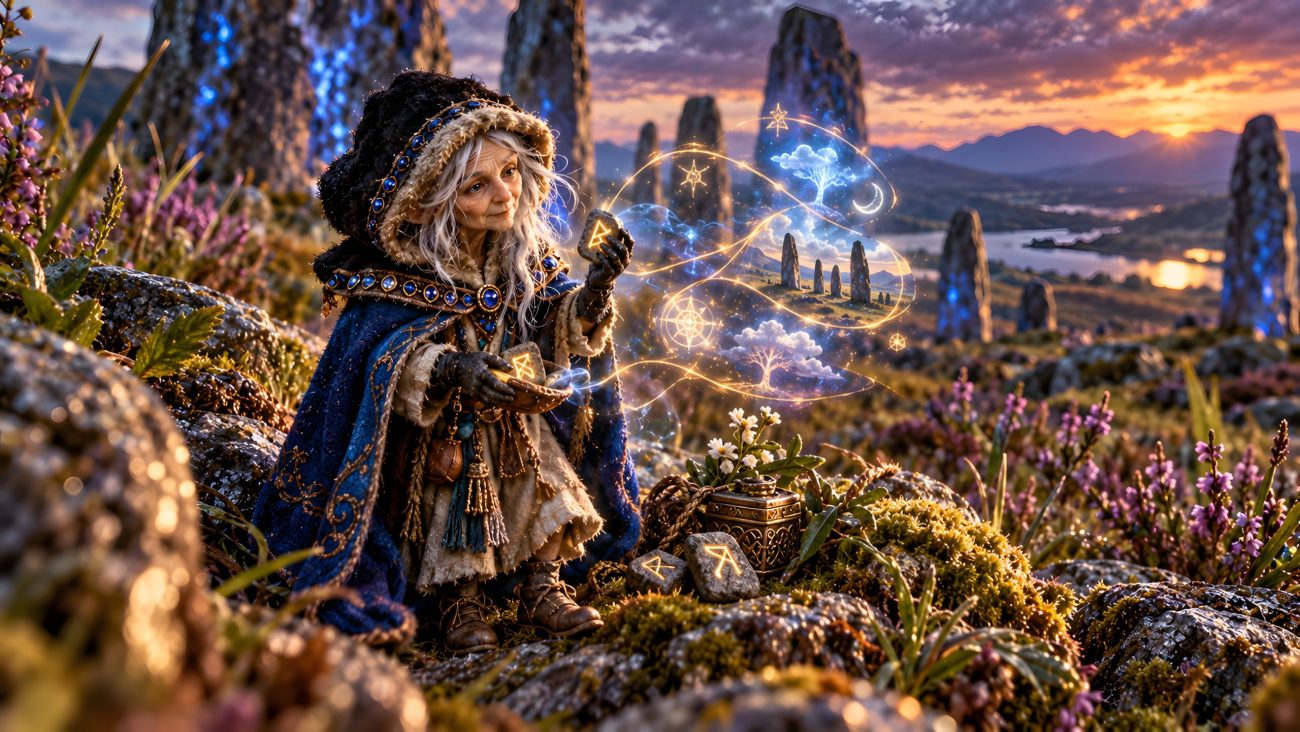
The fairy Spaewives were tiny supernatural women, no taller than a human finger, who were said to possess the gift of prophecy. They usually dressed like ordinary peasant women, but when properly summoned their appearance became magnificent. Their humble clothing was transformed into a blue cloak with a gem-lined collar, a black lambskin hood lined with catskin, calfskin boots, and catskin gloves. They were also skilled healers and could perceive the future through runes, tea leaves, and signs revealed by natural phenomena.

The Spaewives were believed to descend from the supernatural beings who erected the ancient standing stones. Their prophetic abilities therefore belonged to an old and mysterious tradition connected with the landscape and its ancient monuments. Like human fortune-tellers who bore the same name, they could reveal what was yet to come, but their supernatural nature made their knowledge and healing abilities part of the hidden fairy world.

The name Spaewife was also used for human female fortune-tellers in Scots, but the fairy Spaewife was a distinct little supernatural being. She combined the roles of seer and healer with the mysterious powers of an elf, appearing as an insignificant peasant woman until called upon to reveal her true magical nature.


Sources

“Spey-wife.” Wikipedia: The Free Encyclopedia. Wikimedia Foundation. Accessed October 5, 2026. https://en.wikipedia.org/wiki/Spey-wife


Ghillie Dhu

Tradition: Scottish Mythology
Alternative Names: Gille Dubh
Category: Fairy


The Myth

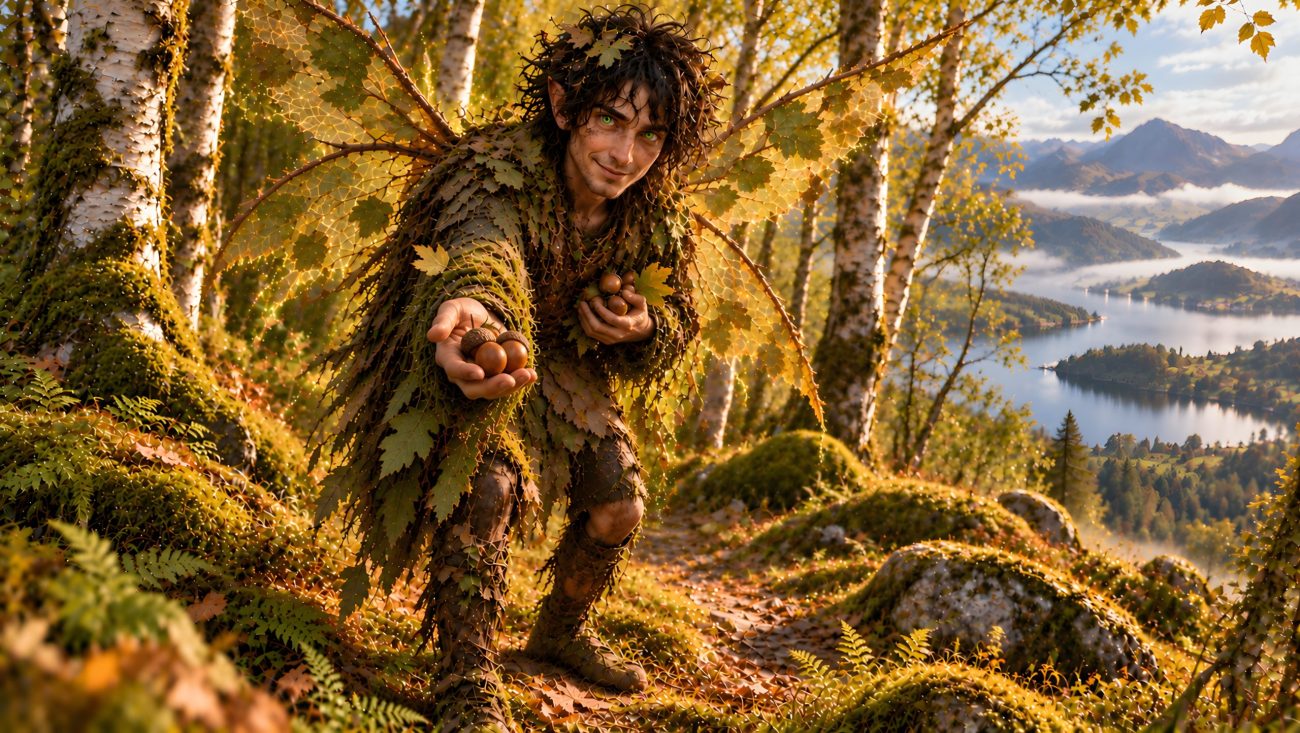
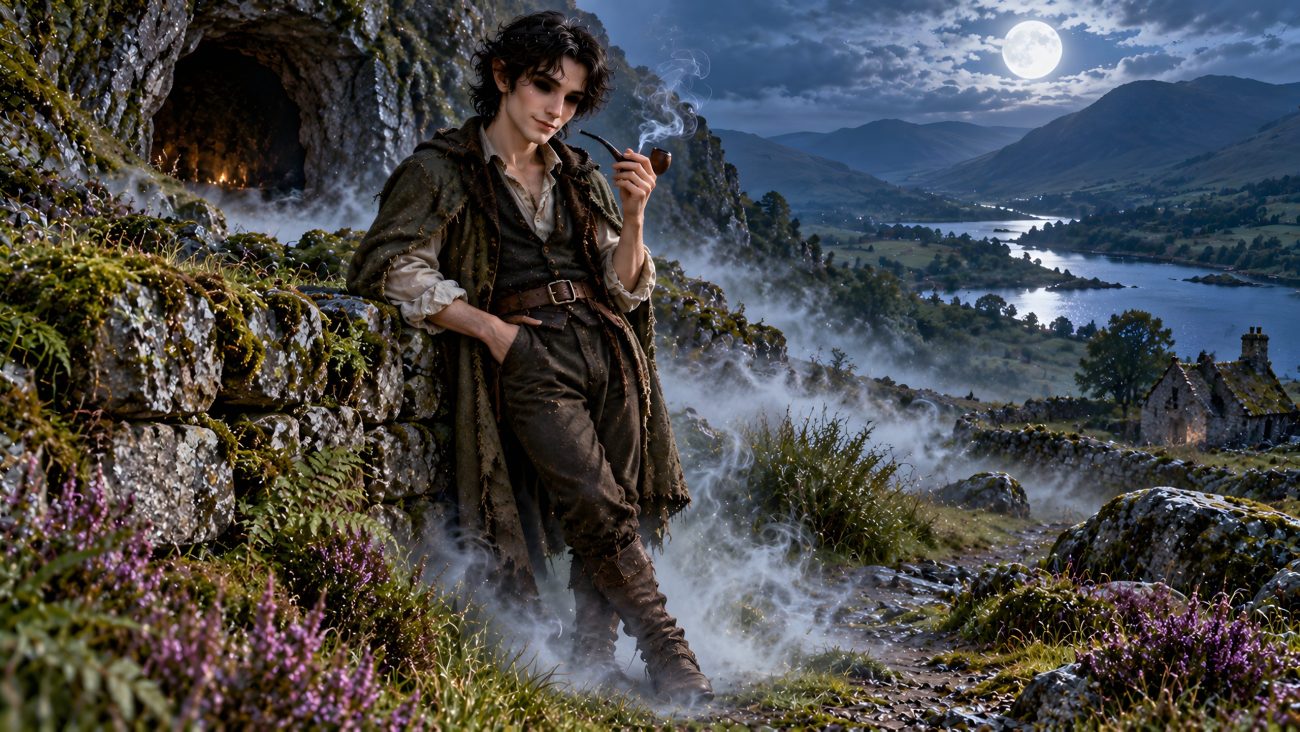
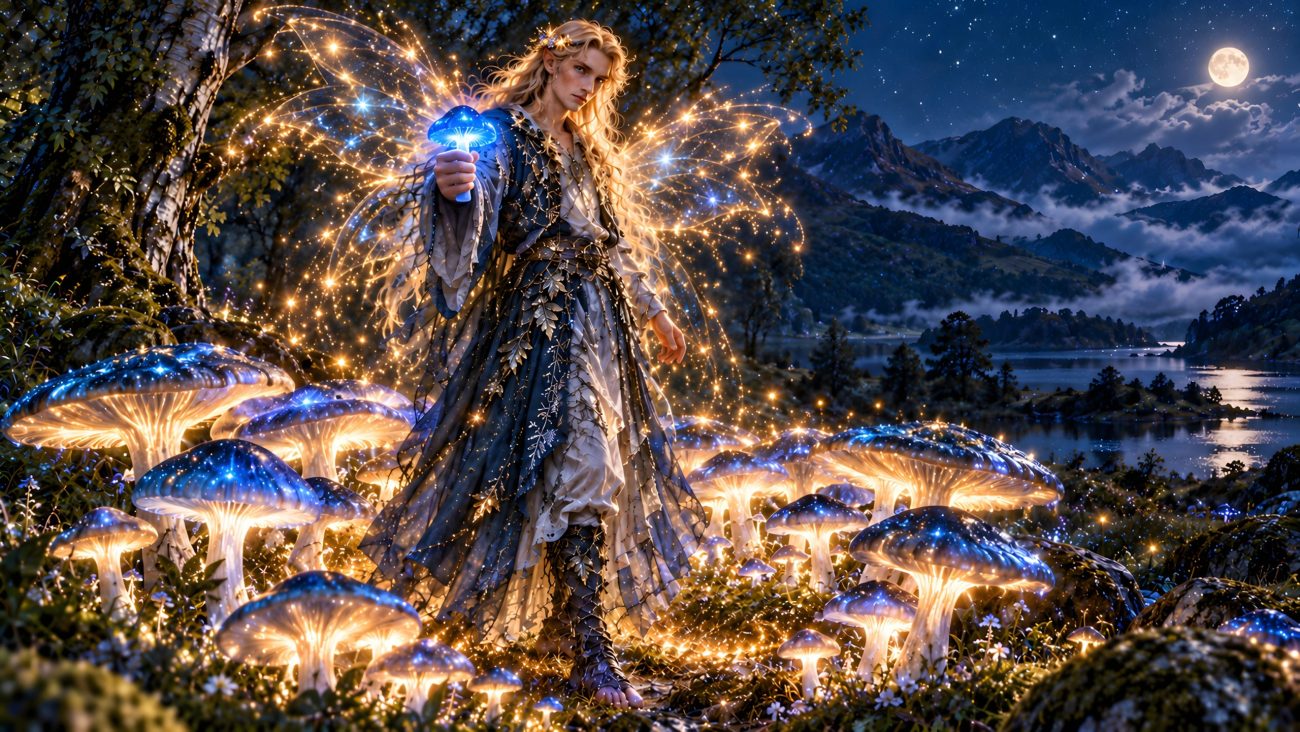
The Ghillie Dhu was a solitary male fairy who lived in a birch wood near Loch an Draing in the north-west Highlands around Gairloch. He was a small, dark-haired and disheveled figure, with black hair and a wild appearance. Rather than wearing ordinary clothing, he covered himself in leaves and green moss taken from the surrounding trees, making him almost indistinguishable from the forest. Although timid and sometimes wild, he was generally regarded as a gentle and kind-hearted nature spirit who fiercely protected his woodland home from outsiders. He was particularly fond of children and was known to treat them with remarkable kindness.

The best-known encounter involved a girl named Jessie Macrae, who wandered into the birch woods and became lost as the sun went down. Her frightened sobs attracted the Ghillie Dhu, who came to comfort her. He either guided her safely home before darkness fell or remained with her through the night and brought her back the following morning. Over the following decades, many people reportedly saw the strange fairy in the woods, but Jessie was the only person known to have spoken with him.

Eventually, Sir Hector Mackenzie of Gairloch decided that the Ghillie Dhu was a threat and organized a hunt to capture him. Five Mackenzie dignitaries searched the woods throughout the night, but despite their efforts they could not find him. After that unsuccessful hunt, the Ghillie Dhu was reportedly never seen again. His story remained that of a solitary forest fairy who lived among the birches, feared outsiders but showed gentleness toward those who were vulnerable, especially children.


Sources

“Ghillie Dhu.” Wikipedia: The Free Encyclopedia. Wikimedia Foundation. Accessed October 5, 2026.
https://en.wikipedia.org/wiki/Ghillie_Dhu


Uriande

Tradition: French Mythology
Alternative Names: Uriande
Category: Fairy


The Myth

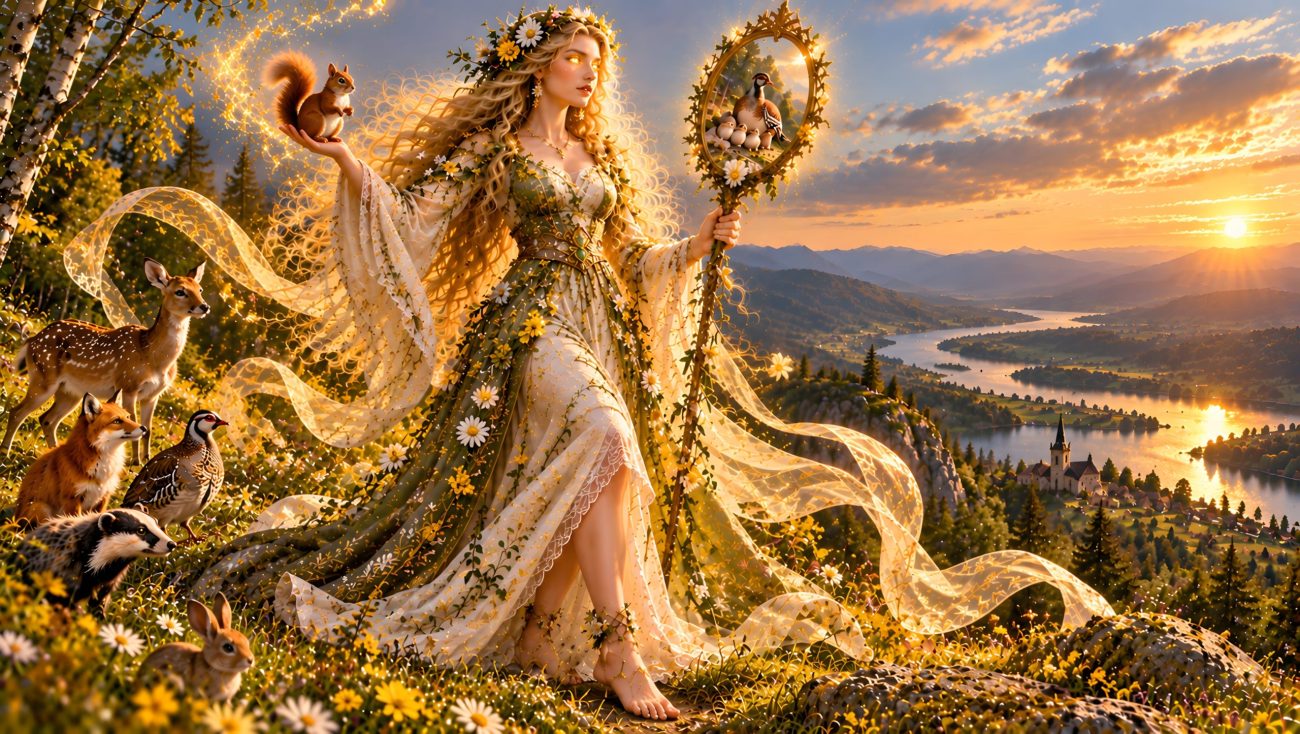
Uriande was a benevolent fairy associated with the Pilat massif. In one legend, a partridge became separated from her young during a violent storm and wandered in search of them. Uriande took the distressed bird into her care and, using a magical mirror, showed her that her chicks were safe and sheltered. The fairy’s compassion and magical power impressed the animals of the Pilat, who proclaimed her Queen of the Pilat at the summit of the Crêt de la Perdrix.

Uriande also appears in another legend in which she helps Henry of Léon, the seneschal of Brittany. Here she is again portrayed as a benevolent and mystical fairy, reinforcing her connection with the mysterious traditions surrounding the Pilat.

Uriande is therefore remembered as a protective fairy of the mountain, whose kindness extends both to animals and to human heroes. Her magical mirror and her role as Queen of the Pilat give her a particularly strong connection with the landscape and its creatures.


Sources

“Uriande.” Wikipédia, l’encyclopédie libre (French Wikipedia). Wikimedia Foundation. Accessed October 5, 2026. https://fr.wikipedia.org/wiki/Uriande


Gancanagh

Tradition: Irish Mythology
Alternative Names: Ganconer, Geancánach, Love-Talker
Category: Fairy


The Myth

The Gancanagh was a male fairy associated with seduction and dangerous love. He was described as a small fairy man, sometimes resembling a leprechaun, and in one tradition as a handsome, dark-eyed being with no shadow. A mist accompanied his approach, and he was especially known for appearing to women such as shepherdesses and milkmaids. His name was associated with the idea of a “love-talker,” reflecting his ability to charm and seduce women. Meeting him was considered extremely unlucky, and a man who wasted his money pursuing women could be said to have met a Gancanagh.

The Gancanagh could also appear as one of a larger community of fairy people. Some traditions described little men living in caves under the leadership of Captain Dearg, the Red Captain. In one tale, a Gancanagh abducts a human woman, and her lover attempts to rescue her on Halloween night. He catches her at a crossroads, but she becomes trapped between him and the fairies and dies. In another story, a group of Gancanagh play hurling and carry away a widow’s cow into their fairyland beneath Loughleagh. The widow manages to recover the animal, but when someone nearby speaks the name of God, the cow suddenly sinks into the earth and disappears forever.

The most dangerous form of the Gancanagh was the seductive fairy who left his victims wasting away after their encounter. His beautiful appearance and enchanting manner concealed a deadly nature, and the sign of the cross could drive him away, though sometimes only after he had already ensnared his victim. Other traditions give the Gancanagh a more mischievous role, similar to that of a leprechaun: one was captured and forced to reveal where his gold was hidden, only to deceive the person holding him. Gancanaghs could also appear as fairy warriors, with Captain Dearg and his supernatural followers riding through the air.


Sources

“Gancanagh.” Wikipedia: The Free Encyclopedia. Wikimedia Foundation. Accessed October 5, 2026.


Iele

Tradition: Romanian mythology
Alternative Names: Dânse, Drăgaice, Vâlve, Rusalii, Vântoase, Domniţe, Măiestre, Frumoase, Fetele Codrului, Împărătesele Văzduhului
Category: Fairy


The Myth

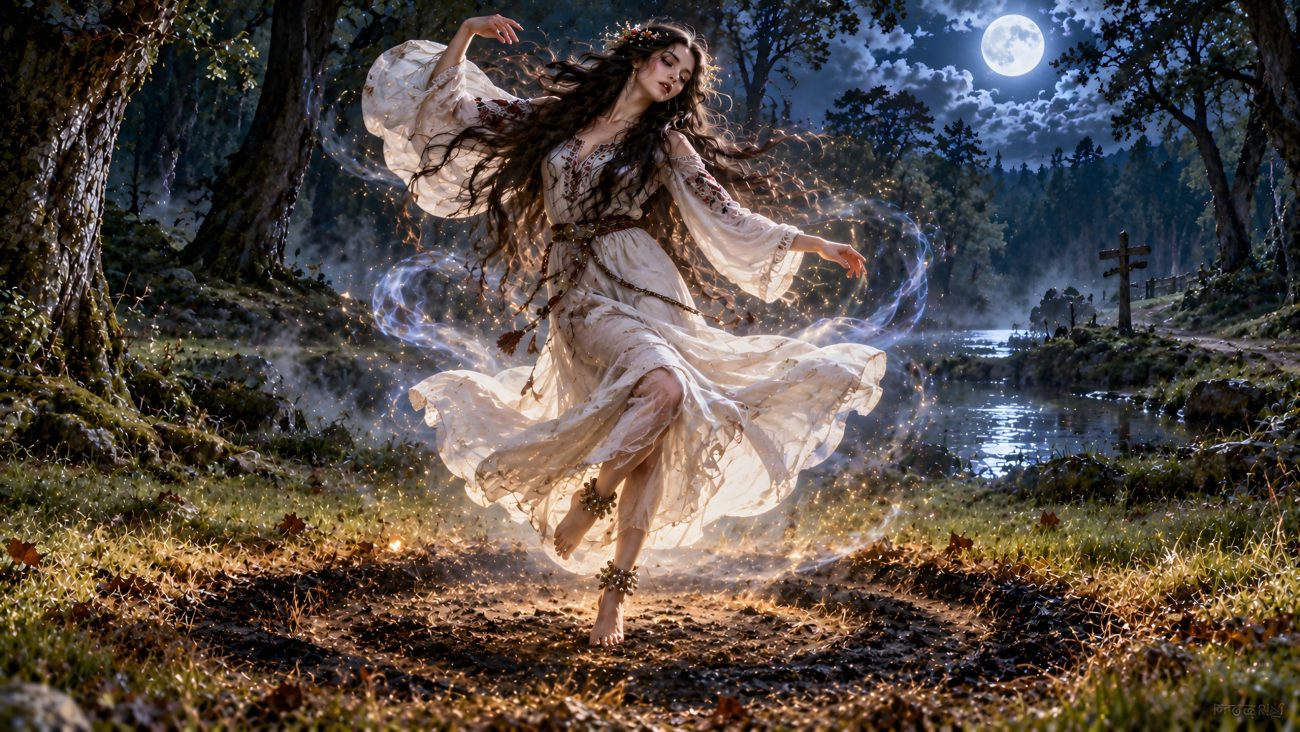
The Iele were beautiful feminine supernatural beings who appeared as young, voluptuous women with an enchanting presence. They could be visible or completely incorporeal, and were sometimes said to fly with wings and sometimes without them. They gathered in groups, most commonly three or seven, and could travel through the air at incredible speed, sometimes riding fiery chariots. They inhabited forests, caves, isolated mountain cliffs, springs, ponds, crossroads, and the open sky. At night, especially under the moon, they appeared in secluded places and danced in circles, often naked with their disheveled hair covering their bodies, bells around their ankles and candles in their hands. Their voices and music were extraordinarily beautiful, and anyone who heard their songs could become enchanted. The places where they danced were left scorched, with blackened ground and withered or burned vegetation.

The Iele were not necessarily evil, but they were proud, dangerous, and easily angered. They punished anyone who watched them dancing, imitated their movements, disturbed their sacred places, slept beneath trees belonging to them, or drank from their springs and wells. Those who refused an invitation to dance could suffer terrible supernatural punishment, while someone who accidentally heard their songs could lose the ability to speak. A person caught watching the Iele dance might be surrounded by their frantic Hora until he fell into sleep and delirium, after which the fairies would carry him away and he might disappear forever. Their beautiful voices could lure people like the songs of sirens, while their dancing could leave a victim confused, entranced, or driven into madness. In some traditions they were also spirits of vengeance, acting on behalf of God or the Devil and forcing those they were sent against into the center of their dance until the victim died from madness or torment.

The Iele could be appeased by respecting the days dedicated to them, particularly the festivals associated with Rusaliile. Those who worked when such days were supposed to be kept sacred risked their anger, which could bring vertigo, paralysis, mysterious deaths, hail, floods, withered trees, or fires. People protected themselves with garlic and mugwort worn on the body or hung from their clothing, while other protective customs included displaying a horse’s skull outside the house. The most important defense was the ritual dancing of the Călușari, whose movements were believed to protect people from the power of the Iele. In this way, the Iele remained both beautiful and dangerous beings of the Romanian landscape: enchanting spirits of the night who could grant no simple distinction between benevolent fairy and terrifying supernatural avenger.


Sources

“Iele.” Wikipedia: The Free Encyclopedia. Wikimedia Foundation. Accessed October 5, 2026. https://en.wikipedia.org/wiki/Iele
Fausserole

Tradition: French Mythology
Alternative Names: Fausserole
Category: Fairy


The Myth

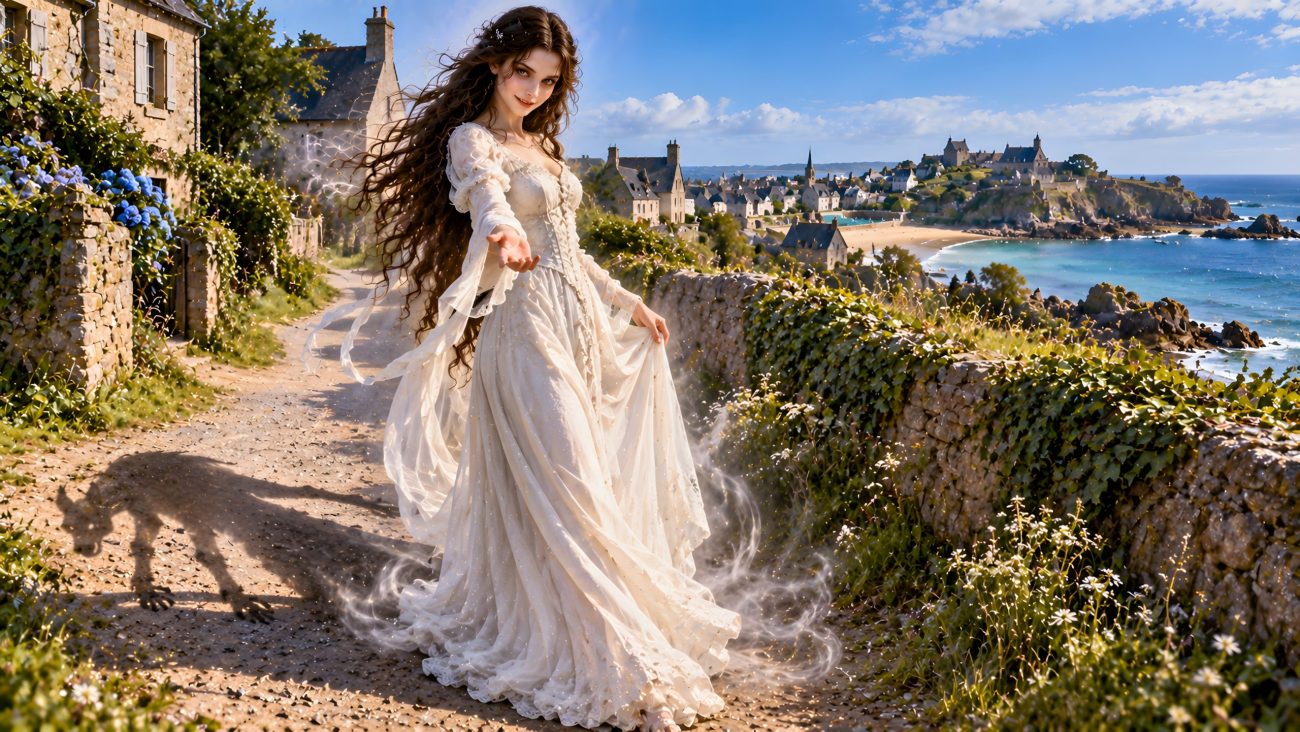
The Fausserole was a malevolent supernatural creature associated with Saint-Cast in Brittany. It was said to take the form of a dog or a calf and to attack people by knocking them over. The creature was blamed for an incident in 1832 when it allegedly knocked down the rector of the village church. A place called La Fausserole still carried the creature’s name, although the tradition does not make clear whether the beast took its name from the place or the place from the beast.

The Fausserole was also described as a lutin capable of changing its form. In another tradition, it was a beautiful young woman dressed in white, said to have been banished from the fairy realm because of her wickedness. She wandered from village to village, making herself beloved by the people around her and seeking a husband. Once she succeeded in marrying, however, her true nature was revealed: she killed her husband by absorbing his vital essence.

The Fausserole therefore appeared in several frightening forms, from an animal-like creature that violently knocked people down to a beautiful fairy who concealed her murderous nature beneath an innocent appearance. Its ability to change form made it particularly dangerous, allowing the creature to disguise its malevolent nature until its victim was unable to escape.


Sources

“Fausserole.” Wikipédia, l’encyclopédie libre (French Wikipedia). Wikimedia Foundation. Accessed October 5, 2026. Wikipedia
https://fr.wikipedia.org/wiki/Fausserole