Yōsei

Tradition: Japanese Mythology
Alternative Names: 妖精, Fairy
Category: Fairy


The Myth

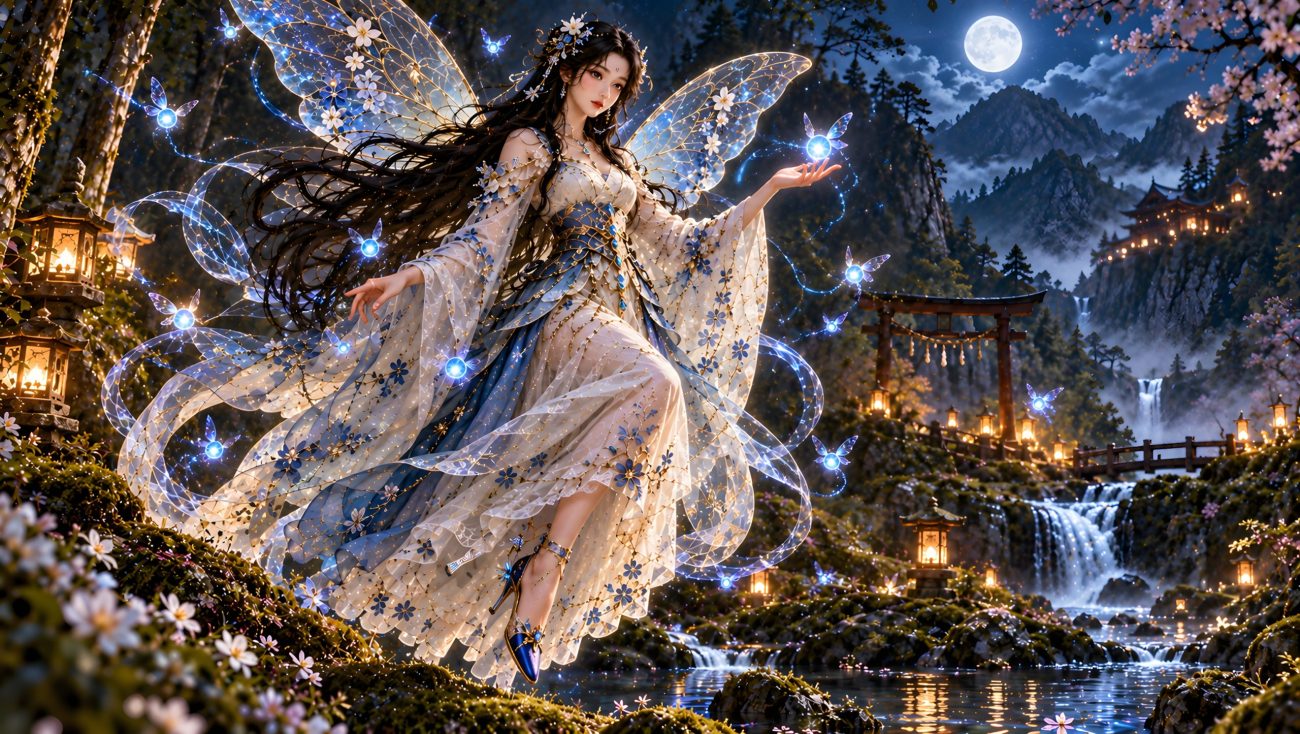
Yōsei is the Japanese term used for fairy-like supernatural beings, generally referring to small and mysterious spirits. In Japanese tradition, the word can describe beings resembling the fairies of Western folklore, while some older beliefs associate such creatures with supernatural powers that could affect the living and the dead.

One old belief from Iwate Prefecture held that yōsei could resurrect the dead, giving them an unusual and potentially frightening power over the boundary between life and death. Another tradition speaks of the small fairy-like people of Mount Hōrai, who were said to know nothing of great evil. Because they were untouched by such wickedness, their hearts never grew old, portraying them as beings of innocence and supernatural purity.

Japanese and neighboring traditions also contain several other small fairy-like peoples. Ainu folklore tells of the Koro-pok-guru, a race of small people, while Okinawan tradition has the Kijimunā, tree-dwelling spirits associated with banyan trees. Together, these traditions provide the wider Japanese folklore context in which yōsei can be understood as small, mysterious supernatural beings existing between the familiar human world and the realm of spirits.


Sources

“Yōsei.” Wikipedia: The Free Encyclopedia. Wikimedia Foundation. Accessed October 5, 2026.
https://en.wikipedia.org/wiki/Y%C5%8Dsei

Kijimunā

Tradition: Japanese Mythology
Alternative Names: Kijimunā, Sēma, Bunagaya
Category: Fairy


The Myth

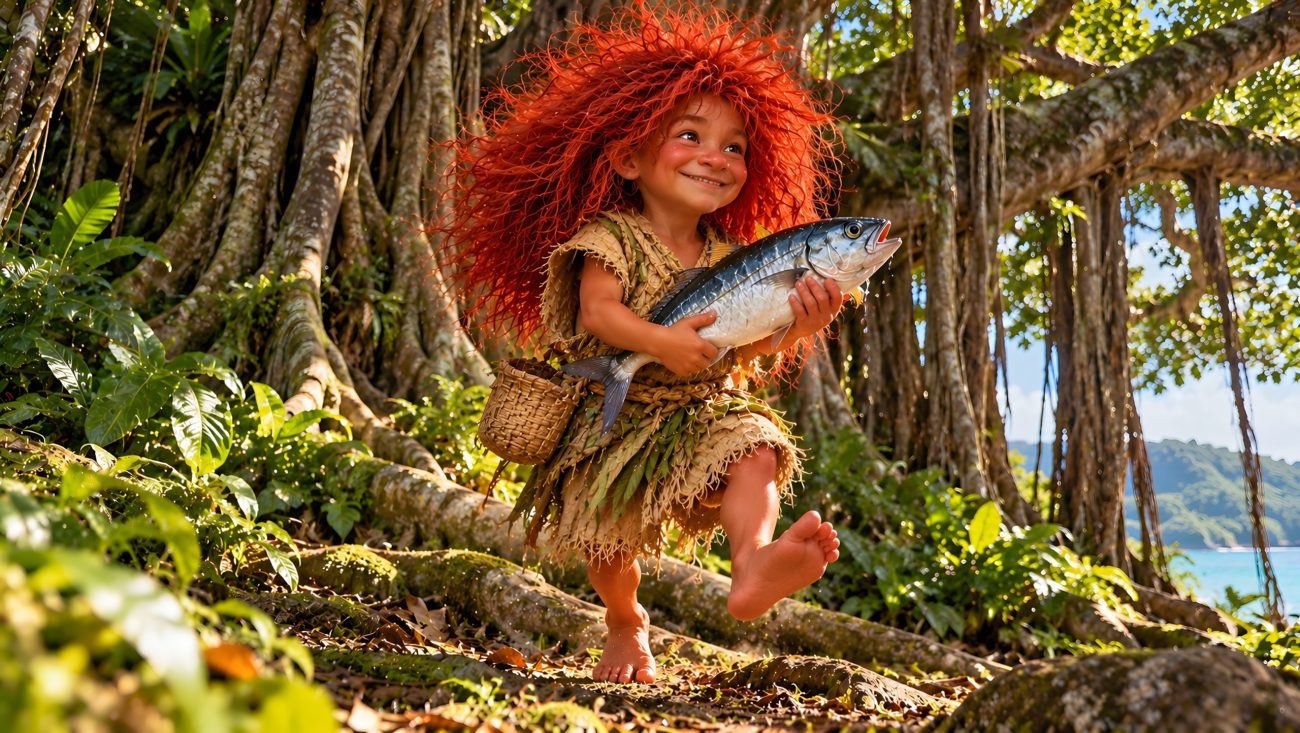
Kijimunā are small elfin beings that live among the banyan trees of the Okinawan and wider Ryukyu Islands. They are about the height of a human child and have wild, thick, bright red hair and reddish skin. They wear skirts made from grass and move by hopping rather than walking. Although they retain a youthful, childlike appearance throughout their lives, adult males are described as having notably large testicles. Kijimunā live in family groups much like humans, marry, raise children, and sometimes even marry into human families.

They are skilled fishermen who live almost entirely on seafood. Kijimunā fish along the shores and are particularly talented divers, using their abilities to catch their favorite food: fish heads, especially those of the double-lined fusilier. They have an unusual fondness for fish eyes, with a preference for the left eye over the right, and Okinawans traditionally attribute fish washed ashore without their eyes to hungry Kijimunā. They have several strange dislikes as well. They hate chickens and cooking pots, are disgusted by people passing gas, and above all fear and despise octopuses, avoiding them whenever possible.

Kijimunā can be helpful toward humans, especially fishermen. They may help people catch fish or perform other useful services in exchange for a cooked meal. A friendship with one can last for an entire lifetime, with the Kijimunā returning repeatedly to visit its human friend and even spending holidays with the family. But their kindness can quickly turn to hatred if they are mistreated. Cutting down a banyan tree inhabited by a Kijimunā is one of the surest ways to provoke it. An angered Kijimunā may kill livestock, sabotage a fishing boat so that it sinks far out at sea, trap people inside hollow trees, press down upon sleeping people’s chests, or extinguish lights during the night. Once a Kijimunā has been made an enemy, its hatred is said to be impossible to overcome.


Sources

“Kijimunaa.” Yokai.com: The Japanese Yokai Encyclopedia. Accessed October 4, 2026. https://yokai.com/kijimunaa/