Simurgh

Tradition / Region: Persian Mythology, Iranian Mythology
Alternative names: Senmurv; Simorgh; Simurg; Simoorg; Simorq; Simourv
Category: Bird, Dog


The Myth

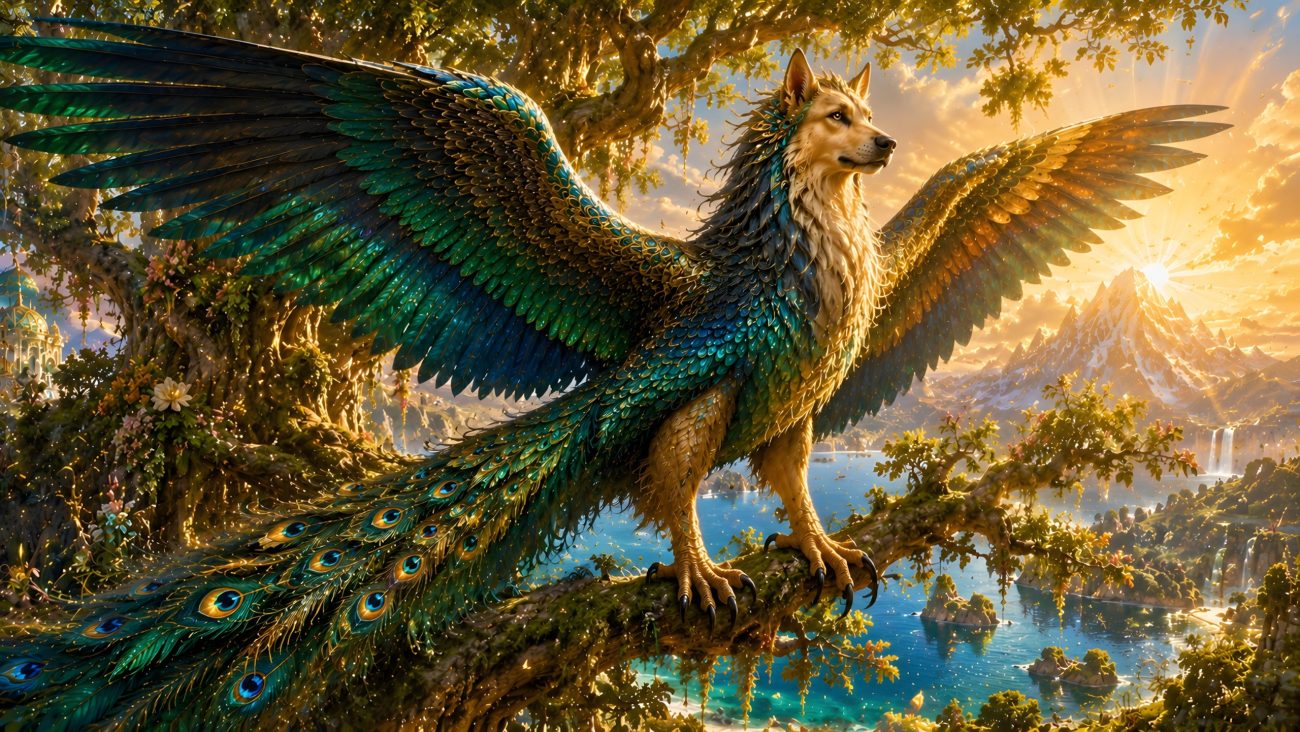
The Simurgh is a colossal and benevolent bird of Persian mythology, dwelling upon the Tree of Life that stands in the middle of the cosmic sea. Enormous enough to carry away an elephant, it is commonly described as having the body of a peacock, the head of a dog or human, the claws of a lion, and copper-colored feathers. Ancient beyond measure, the Simurgh is said to have witnessed the destruction of the world three times and possesses the wisdom of every age. When it takes flight from the Tree of Life, the seeds of every plant scatter across the world, bringing healing and fertility to the earth.

The Simurgh is best known for raising the abandoned prince Zal. Rejected at birth because of his white hair, Zal was left upon Mount Alborz, where the compassionate bird found him, nurtured him as her own, and taught him great wisdom. When he was grown, she returned him to humanity but gave him three golden feathers, telling him to burn one whenever he needed her aid. Later, when Zal’s wife Rudaba faced certain death in childbirth, the Simurgh answered his call and instructed him in performing a successful cesarean section, saving both mother and child. That child grew up to become the legendary hero Rostam.

The Simurgh later came to Rostam’s aid as well, healing both him and his horse Rakhsh after they were wounded in battle. She also revealed the only way to defeat the invincible prince Esfandiyār, instructing Rostam to fashion a double-headed arrow from a tamarisk branch. Although the Simurgh warned that killing Esfandiyār would bring lasting sorrow, Rostam followed her counsel, and the enchanted arrow ended the prince’s life, fulfilling the bird’s prophecy.


Sources

Wikipedia contributors. (n.d.). Simurgh. In Wikipedia. Retrieved June 29, 2026, from https://en.wikipedia.org/wiki/Simurgh


Kinnara

Tradition / Region: Indian Mythology
Alternative names: Kinnari (female)
Category: Bird


The Myth

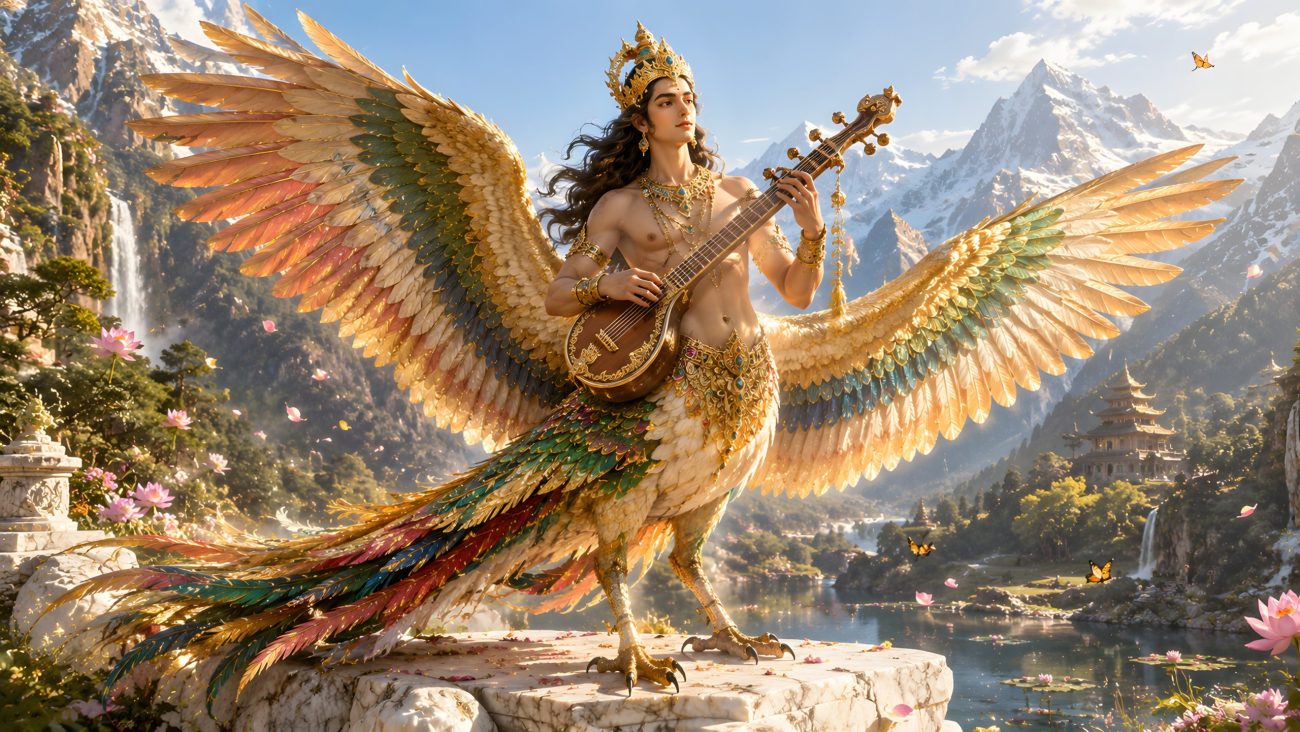
The Kinnara is a celestial being that is part human and part bird, dwelling in the forests and mountains of the Himalayas. Renowned for their beauty, music, and devotion, Kinnaras live in loving pairs, spending their lives singing, dancing, and playing heavenly instruments. They are gentle spirits who watch over humans in times of danger and are celebrated for their compassion and harmony.

According to the Mahabharata, Kinnaras are eternal lovers who never separate from one another. They remain forever husband and wife, embracing one another without seeking children or allowing anyone to come between them. Their existence is one of unending love, joy, and companionship.

Buddhist stories describe Kinnaras as innocent and harmless beings who delight in music and flowers. They nourish abandoned children, comfort the suffering, and are so trusting that hunters sometimes capture them and present them to kings as curiosities. Despite this, they never lose their gentle nature and continue to symbolize grace, love, and artistic excellence.


Sources

Wikipedia contributors. (n.d.). Kinnara. In Wikipedia. Retrieved June 29, 2026, from https://en.wikipedia.org/wiki/Kinnara


Peteu

Tradition / Region: France Mythology
Alternative names: Peteu; Pteu
Category: Bird


The Myth

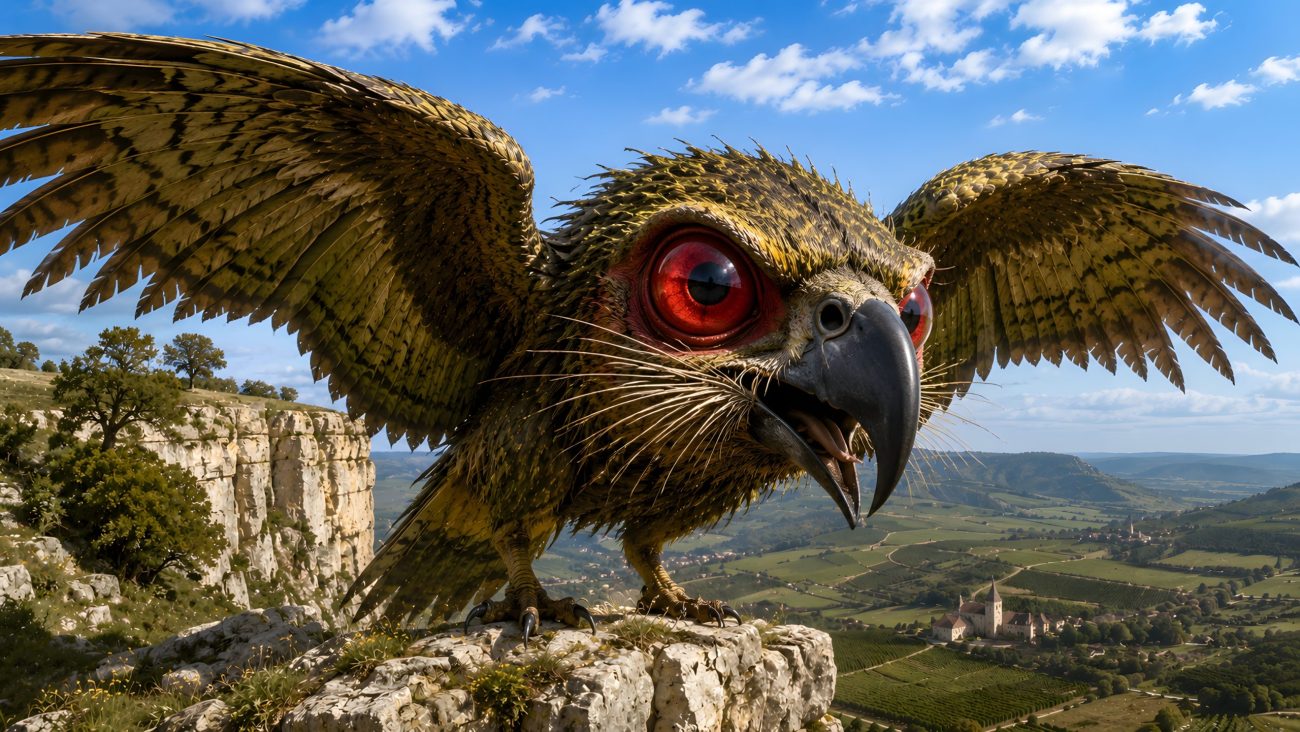
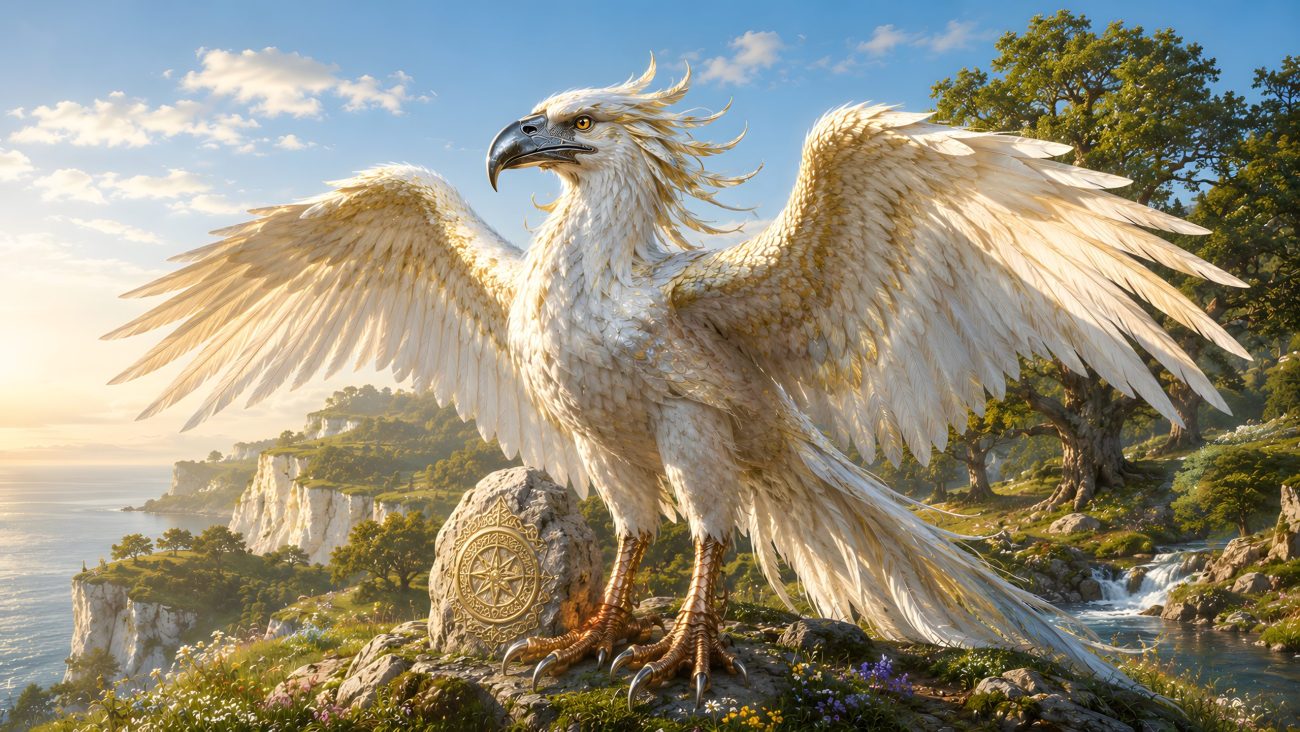
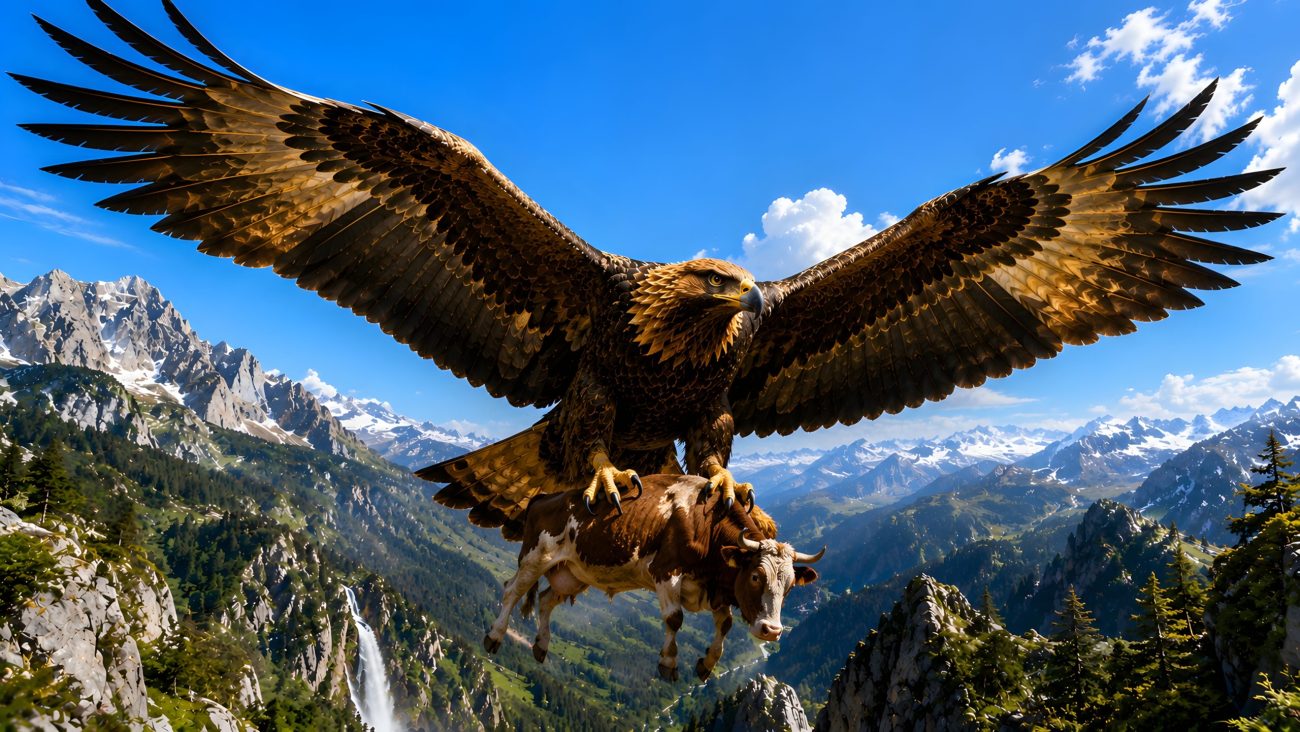
The Peteu was a monstrous bird said to haunt the skies around Vergisson and the Rock of Solutré in eastern France. With immense wings, a razor-sharp beak surrounded by whip-like feathers, and a shadow large enough to darken the land below, it soared across the countryside in search of prey.

The bird was blamed for carrying off sheep, pigs, goats, cattle, horses, and even horse-drawn carts. The thunder of its wings terrified livestock, sending them fleeing back to their barns. One tale even claims the Peteu swooped down upon a scholar writing a history of the popes and fouled his manuscript before disappearing into the sky.

Unable to endure the creature any longer, the hunter Émilien Protat led a small band to the Rock of Solutré. When the Peteu passed overhead, blotting out the sun, Émilien shot it from the sky. Even after crashing to the ground, the bird tried to bite off his head, but he thrust his rifle into its beak and fired again, finally killing the monster.

The hunters proudly carried the Peteu back to Vergisson to pluck and roast it. To everyone’s astonishment, once its feathers had been removed, the fearsome giant weighed no more than four ounces, revealing that its terrifying size had been nothing more than an illusion created by its enormous plumage.


Sources

A Book of Creatures. (2016, January 29). Peteu. Retrieved June 29, 2026, from https://abookofcreatures.com/2016/01/29/peteu/


Ice Loon

Tradition / Region: Inuit Mythology, Greenlandic Mythology
Alternative names: Ice Loon
Category: Bird


The Myth

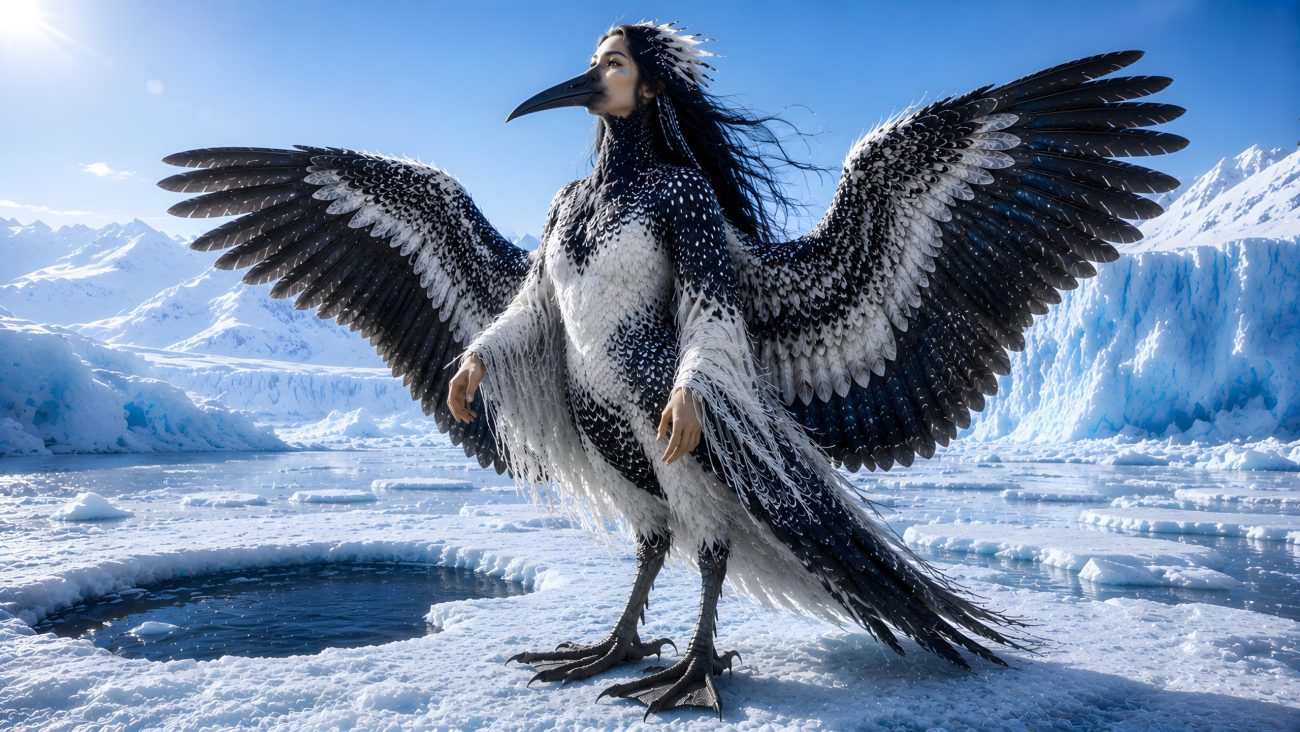
The Ice Loon is a mysterious spirit being described as half bird and half human. Inuit shamans sought out the creature when ordinary means failed, believing it possessed the power to grant life and alter fate. One powerful shaman, desperate after losing many children, traveled onto the inland ice to ask the Ice Loon for help in giving him a child who would survive.

The spirit answered his plea, and his daughter was said to have been born through the aid of the Ice Loon. During a time of famine, the shaman asked the spirits for a sign of whether the child would live. As long as a seal’s breathing hole in the ice remained open and seals continued to appear, he knew his daughter had been spared. Even when she later fell gravely ill, further omens confirmed that her life had been protected.

As the child grew older, she could see and play with the spirits of her dead brothers and sisters, mistaking them for living children. Her father learned through his helping spirits that, because of her supernatural birth, she remained closely connected to the world of the dead. To keep her from being taken away by them, the spirits raised an invisible rocky barrier whenever she tried to follow the ghostly children, ensuring that the child born through the Ice Loon’s blessing would continue to live among the living.


Sources

A Book of Creatures. (2016, January 29). Peteu. Retrieved June 29, 2026, from https://abookofcreatures.com/2016/01/29/peteu/


Tuyango

Tradition / Region: Argentinian Mythology
Alternative names: Tagänogók; Tuyango
Category: Bird


The Myth

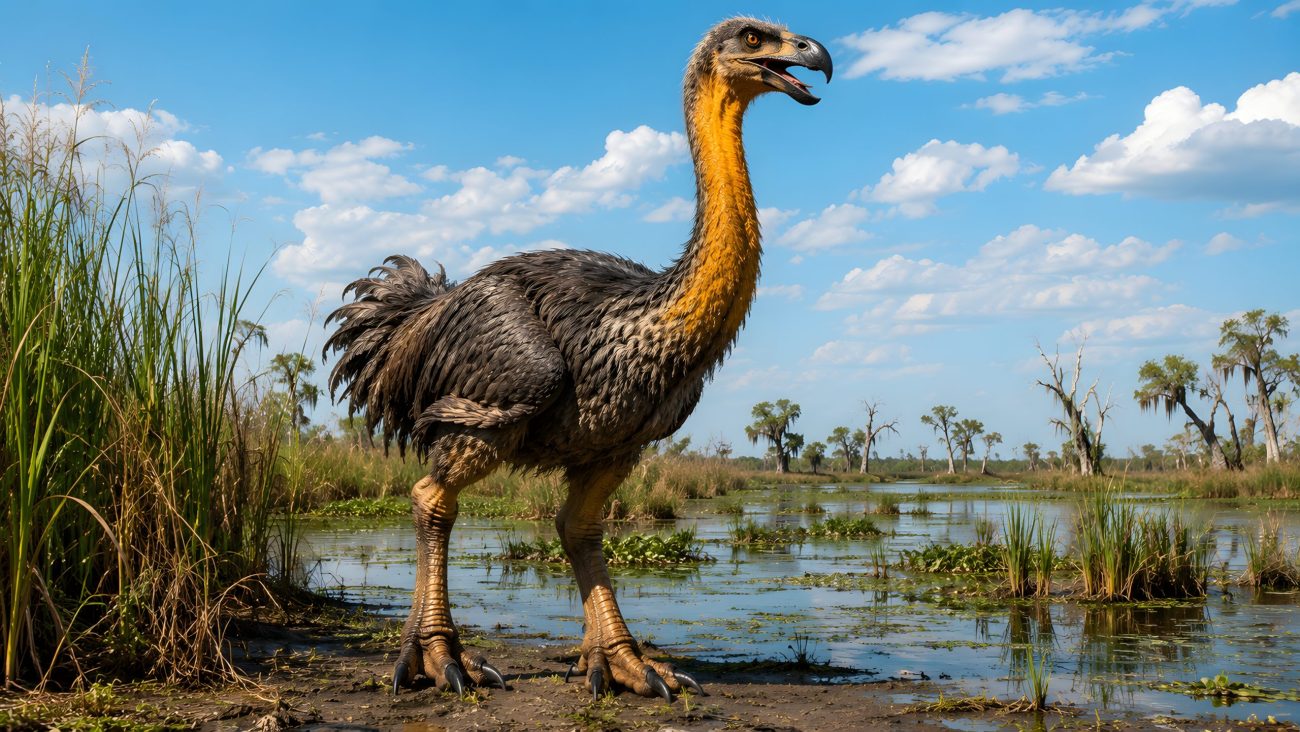
The Tuyango, known to the Mocoví as Tagänogók, is a monstrous swamp bird said to resemble a rhea but with a distinctive yellow neck. It is a fierce carnivore that hunts humans, dragging its victims back to its lair to devour them.

According to legend, the Tuyangos became infamous for their cannibalism, earning the hatred of the hawk. One day, a Tuyango returned home carrying the bodies of two slain men, only to discover that the hawk had killed all four of its chicks. Crying out in grief, the bird and its mate set out to avenge them.

The hawk outwitted the pair by asking for fire and repeatedly darting through the smoke until the bewildered Tuyangos became exhausted and confused. Seizing the opportunity, the hawk struck them down with a club and killed them both. Returning home in triumph, he assured his frightened daughter that the man-eating bird was dead, and the people rejoiced, believing the terror of the Tuyango had finally come to an end.


Sources

A Book of Creatures. (2016, November 28). Tuyango. Retrieved June 29, 2026, from https://abookofcreatures.com/2016/11/28/tuyango/


Sirin

Tradition / Region: Russian Mythology
Alternative names: Sirin
Category: Bird


The Myth

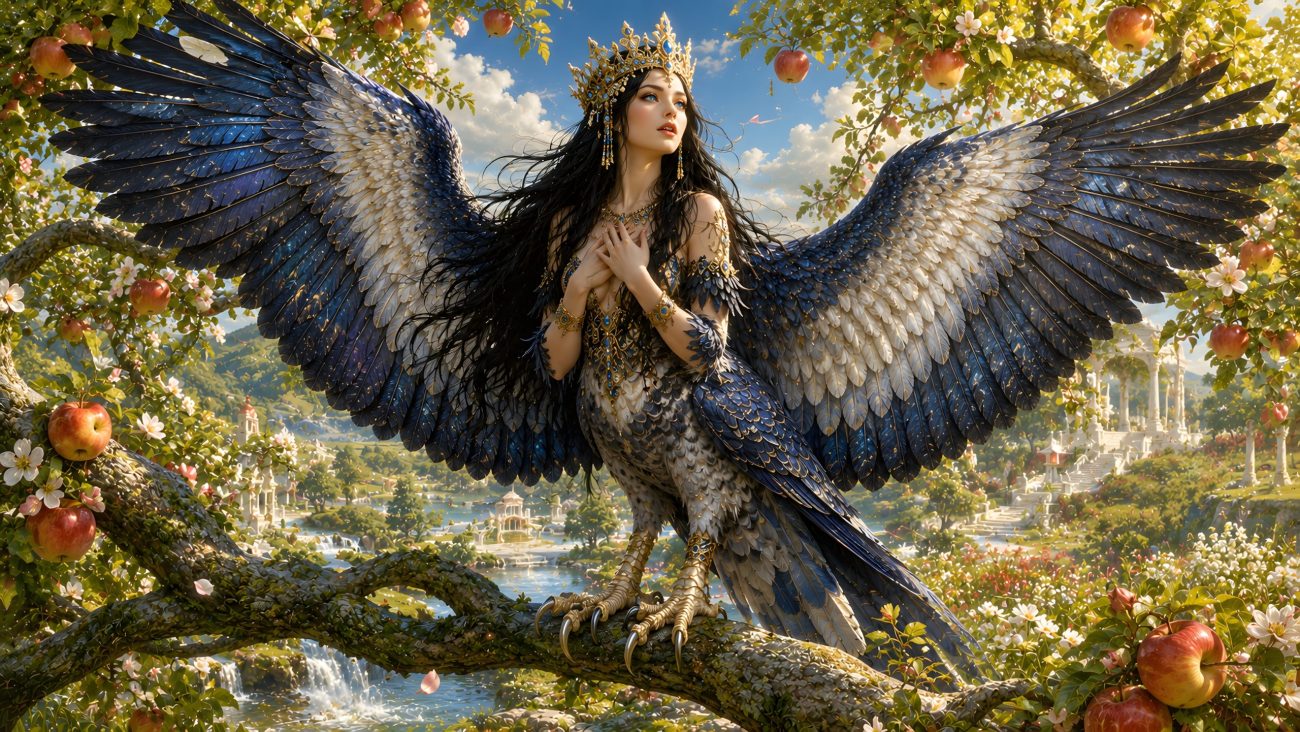
The Sirin is a legendary creature with the head of a beautiful woman and the body of a bird, usually an owl. She is said to dwell in Iriy, the paradise of Slavic tradition, or near the Euphrates River. Often depicted wearing a crown or halo, she is a mysterious being whose enchanting voice is both a blessing and a deadly temptation.

The Sirin’s song is so beautiful that anyone who hears it forgets the ordinary world and longs only to follow her. Those who succumb to her melody wander after the bird until they perish. To protect themselves, people were said to ring church bells, fire cannons, or make other loud noises to frighten the Sirin away before her song could claim another victim.

According to East Slavic tradition, on the morning of the Apple Feast of the Saviour, the Sirin visits an apple orchard and weeps in sorrow. Later that day, her counterpart, the Alkonost, arrives laughing with joy. As the Alkonost brushes the dew from her wings onto the fruit, the apples gain miraculous healing powers, completing the balance between sorrow and happiness represented by the two mythical birds.


Sources

Wikipedia contributors. (n.d.). Sirin. In Wikipedia. Retrieved June 29, 2026, from https://en.wikipedia.org/wiki/Sirin


Gagana

Tradition / Region: Russian Mythology
Alternative names: Gagana
Category: Bird


The Myth

The Gagana is a miraculous bird of Russian folklore, distinguished by her iron beak and copper claws. She dwells on the mythical Buyan Island, where she serves as one of the guardians of the sacred Alatyr Stone alongside the serpent Garafena. Because of her wisdom and supernatural nature, Gagana is frequently invoked in traditional Slavic incantations.

Gagana is said to possess the power to perform miracles and grant aid to those who know the proper words with which to ask for her help. She is also unique among all birds, for she alone can provide the mysterious “milk of the birds,” a miraculous substance known only in legend.

In Russian folklore, Gagana is regarded as one of the oldest and greatest of all birds. Her iron beak and copper claws symbolize her immense strength, while her role as guardian of the sacred island places her among the powerful supernatural beings that protect the hidden treasures and mysteries of the world.


Sources

Wikipedia contributors. (n.d.). Gagana. In Wikipedia. Retrieved June 29, 2026, from https://en.wikipedia.org/wiki/Gagana


Parī

Tradition / Region: Persian Mythology, Iranian Mythology
Alternative names: Peri; Pari
Category: Bird


The Myth

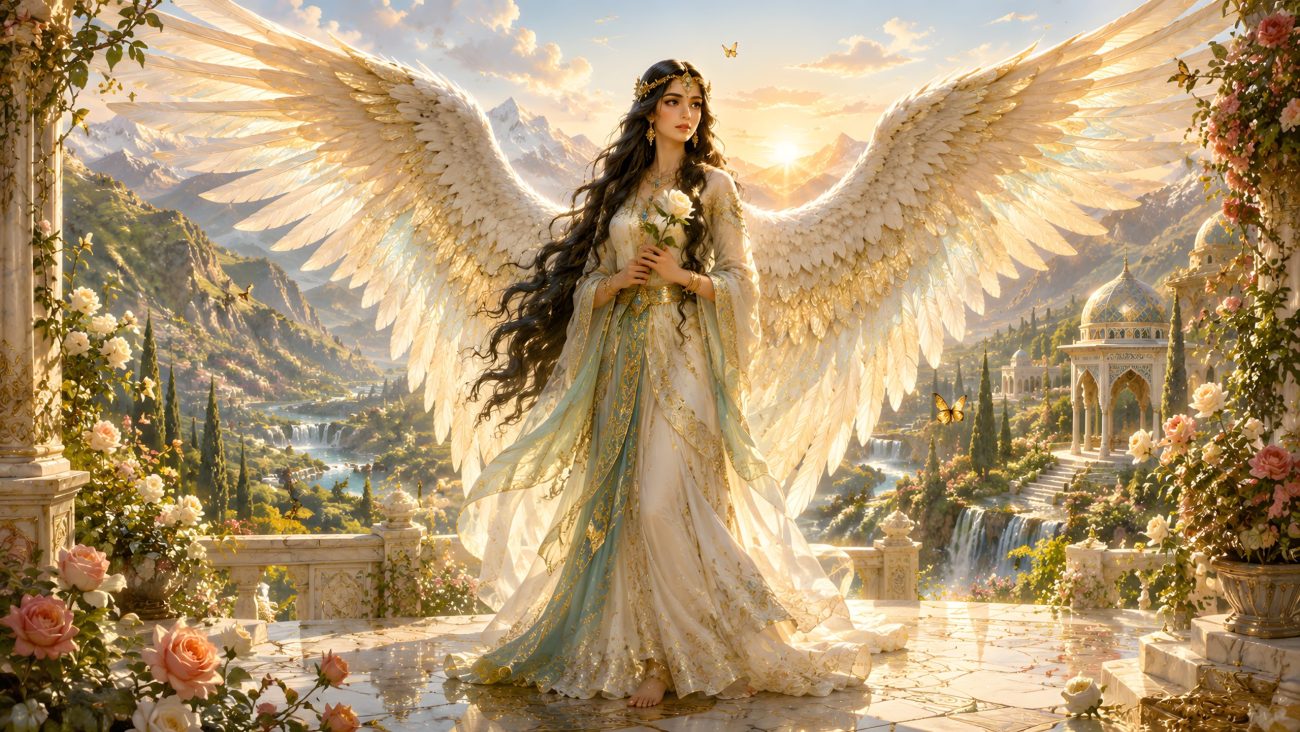
The Parī is a beautiful supernatural being often depicted with magnificent wings and a radiant human appearance. They dwell in Parīstān, their own enchanted realm, where they live in societies much like those of humans. Although renowned for their grace and beauty, the Parīs possess powerful magic and can travel freely between their world and that of mortals.

In ancient Persian tradition, the Parīs were once regarded as malevolent spirits, but later legends transformed them into noble and generally benevolent beings. They are often portrayed as the eternal rivals of the hideous Dīvs, standing in opposition to these monstrous creatures. In many tales, Parīs aid heroes, offer magical gifts, or marry worthy mortals, though they remain beings of immense supernatural power.

Despite their kindness, the Parīs are not without danger. They are said to enchant humans with their beauty, abducting them to Parīstān or carrying them away to witness weddings and celebrations in the fairy realm. Some people never return, while others awaken believing they have spent time among the winged beings. Those who offend or disrespect the Parīs may also suffer their magical punishment, making them both admired and feared throughout Persian folklore.


Sources

Wikipedia contributors. (n.d.). Parī. In Wikipedia. Retrieved June 29, 2026, from https://en.wikipedia.org/wiki/Par%C4%AB


Anshōtei

Tradition / Region: Japanese Mythology
Alternative names: Anshōtei
Category: Bird


The Myth

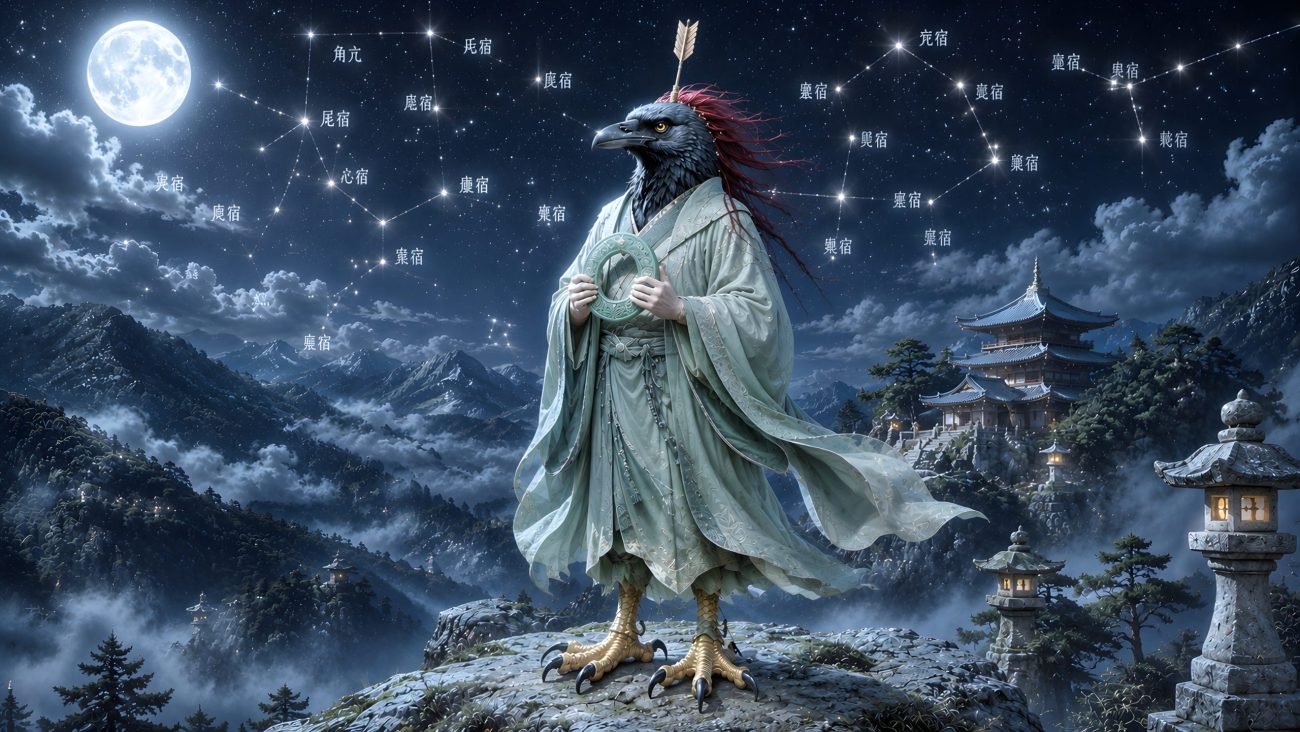
Anshōtei is a bird-headed disease demon associated with the Kishuku constellation in the system of Shukuyōdō, a form of esoteric Buddhist astrology. It is depicted with the head and feet of a bird, a ring-like object held in its hands, and an arrow embedded in its forehead, like many other disease demons.

On the day governed by the Kishuku constellation, Anshōtei is said to appear in people’s dreams disguised as a beautiful woman, seeking to uncover their innermost thoughts. Those it afflicts are struck with a wasting disease of the lungs, such as tuberculosis, which is believed to bring death within three years.

To avert its curse, anyone who dreams of Anshōtei on a Kishuku day should make offerings of incense, paper money, and tea. These offerings are said to appease the demon and drive it away before the illness takes hold.


Sources

TYZ. (2020, August 8). 暗鐘亭 (Anshōtei). In 新版TYZ 妖怪図鑑. Retrieved June 29, 2026, from https://tyz-yokai.blog.jp/archives/1077741574.html


Kekko

Tradition / Region: Chinese Mythology
Alternative names: Jiegou; Keikin (Japanese variant)
Category: Bird, Rat


The Myth

The Kekko is a legendary bird described in the ancient Chinese Classic of Mountains and Seas. It is said to dwell upon Mount Kō, where it resembles a duck but possesses the tail of a mouse and is unusually adept at climbing trees.

The bird is feared as a harbinger of disease. Whenever a Kekko appears in a region, sickness is believed to spread among the people, making its arrival a dreadful omen. Rather than attacking directly, its mere presence foretells widespread illness.

In later centuries, stories of the Kekko spread from China to Japan through encyclopedias and illustrated collections of strange creatures. During the Edo period it was occasionally depicted alongside other exotic birds and beasts from the Classic of Mountains and Seas, preserving its reputation as one of the ominous creatures of ancient Chinese legend.


Sources

TYZ. (2020, March 15). ケッコ (Kekko). In 新版TYZ 妖怪図鑑. Retrieved June 29, 2026, from https://tyz-yokai.blog.jp/archives/1077285093.html