Long Bug

Tradition: American Mythology
Alternative names: Long Bug
Category: Cow, Snake


The Myth

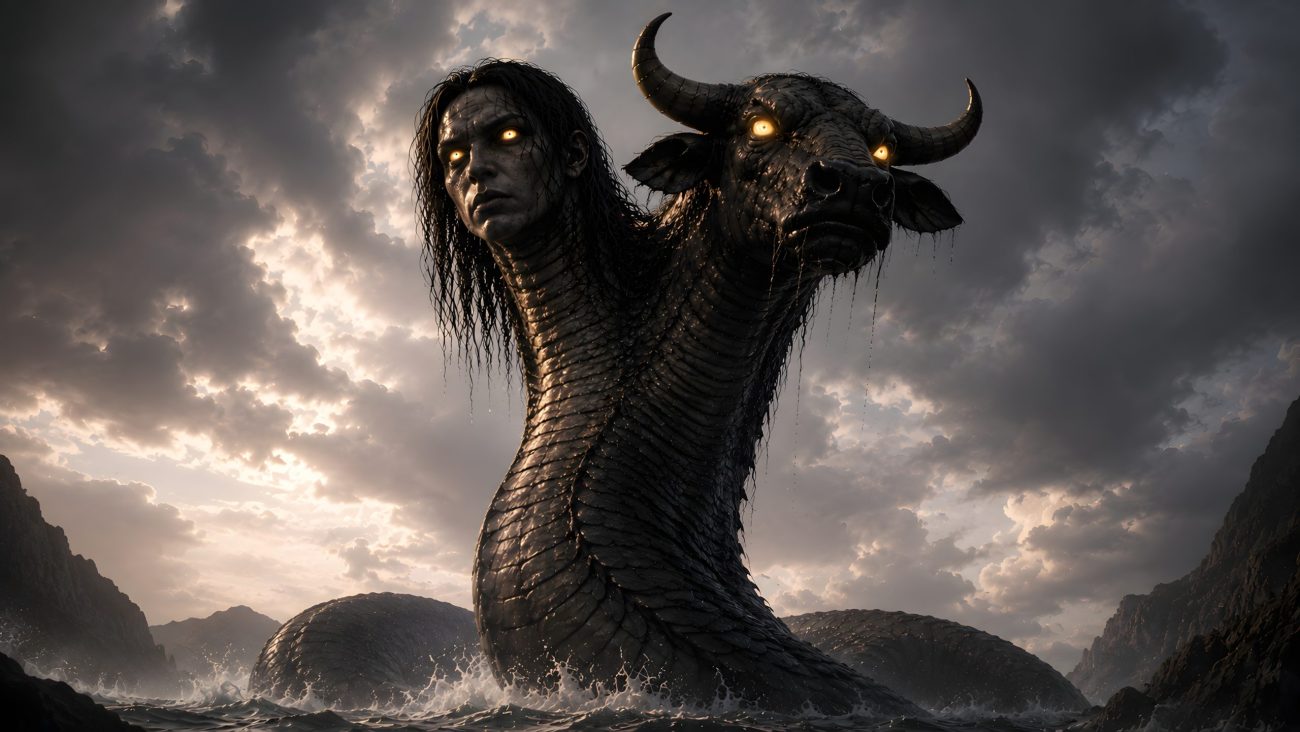
The Long Bug is described as the chief of the underwater animals, an enormous serpent-like creature with a body like a gigantic snake.

It possesses two heads, each radically different from the other. One is the head of a cow, complete with two long horns and enormous eyes as large as sunflowers. The second resembles a human head, with a long nose and a single enormous eye set in the center of its forehead. Above this eye rises one great horn.

As ruler of the underwater creatures, the Long Bug combines the forms of serpent, cow, and man into a single monstrous being.


Sources

“Long Bug.” Pantheon: Facts, Information, and Mythology. Accessed August 22, 2026. https://pantheon.org/articles/l/long_bug.html


Liu-Fish

Tradition: Chinese mythology
Alternative names: Liu (鯥)
Category: Cow, Fish


The Myth

Three hundred li east of the previous region lies Root Mountain, a strange place filled with rivers but lacking plants and trees.

A peculiar creature lives there called the Liu. Although it is a fish, its body resembles an ox. It lives among the hills and possesses a snake’s tail, while wings and feathers grow along its ribs.

The Liu makes a sound resembling that of the Lingering-Ox and has a remarkable seasonal existence. It appears during summer and dies during winter, leading the ancient commentator Guo Pu to suggest that this description might refer to a form of hibernation.

The Liu also possesses medicinal properties. Eating it is said to prevent swellings.


Sources

Strassberg, Richard E., ed. and trans. A Chinese Bestiary: Strange Creatures from the Guideways Through Mountains and Seas. Berkeley: University of California Press, 2002.


Linghu

Tradition: Chinese mythology
Alternative names: Humped-Neck, Linghu (陵胡)
Category: Cow


The Myth

Three hundred li east of the previous region stands Bright Mountain, a place rich in jade, metal, and copper.

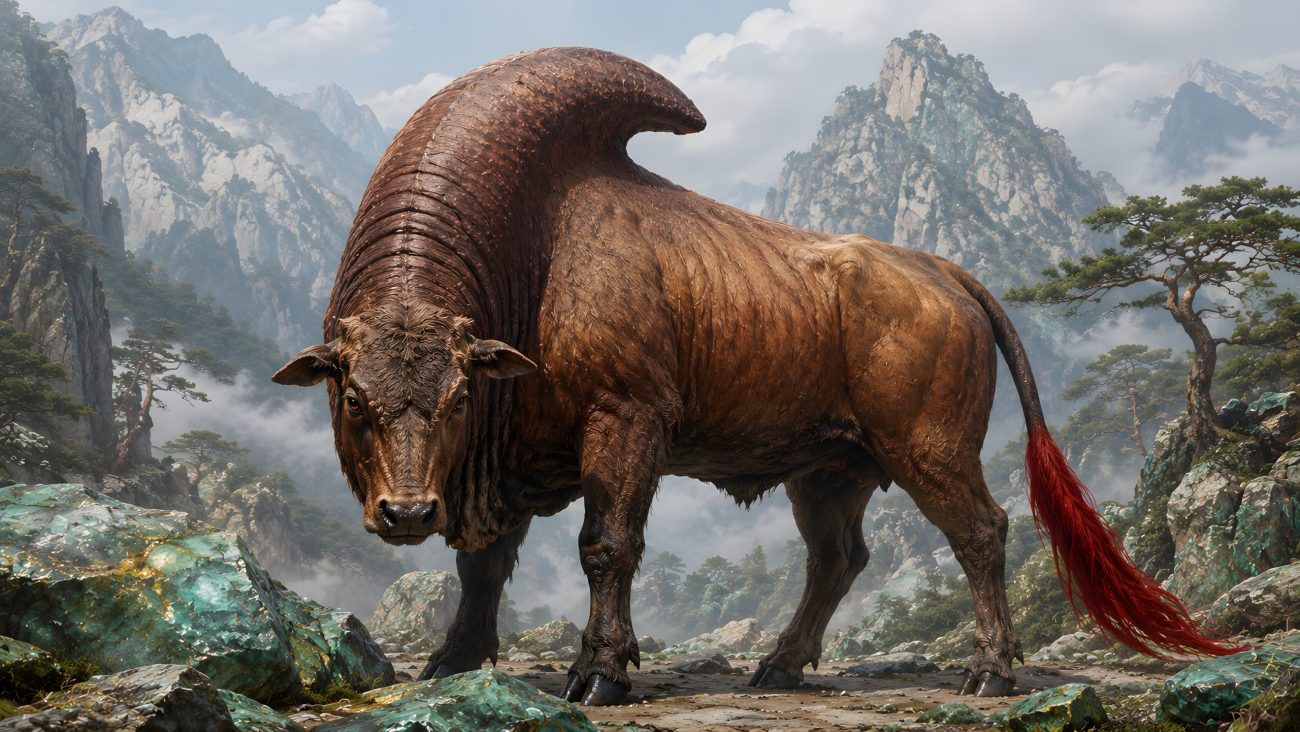
There lives a strange beast called the Linghu. Its body resembles an ox, but it has a red tail and a remarkable hump rising from its neck, shaped like an overturned dipper. Its cry sounds like its own name.

The Linghu possesses an unusual medicinal property: eating its flesh is said to cure insanity.

The text also compares it with the Bo-Ox, another ox-like creature recorded in an ancient glossary, which was reputed to be capable of traveling three hundred li in a single day.


Sources

Strassberg, Richard E., ed. and trans. A Chinese Bestiary: Strange Creatures from the Guideways Through Mountains and Seas. Berkeley: University of California Press, 2002.


Iksuyakwoo

Tradition: Korean Mythology
Alternative names: Isu Yakwoo, Yisu Yakwoo (異獸若牛)
Category: Cow


The Myth

In 799, during the reign of King Soseong of Silla, the governor of Uduju sent a report to the king describing a strange beast that had appeared in the region.

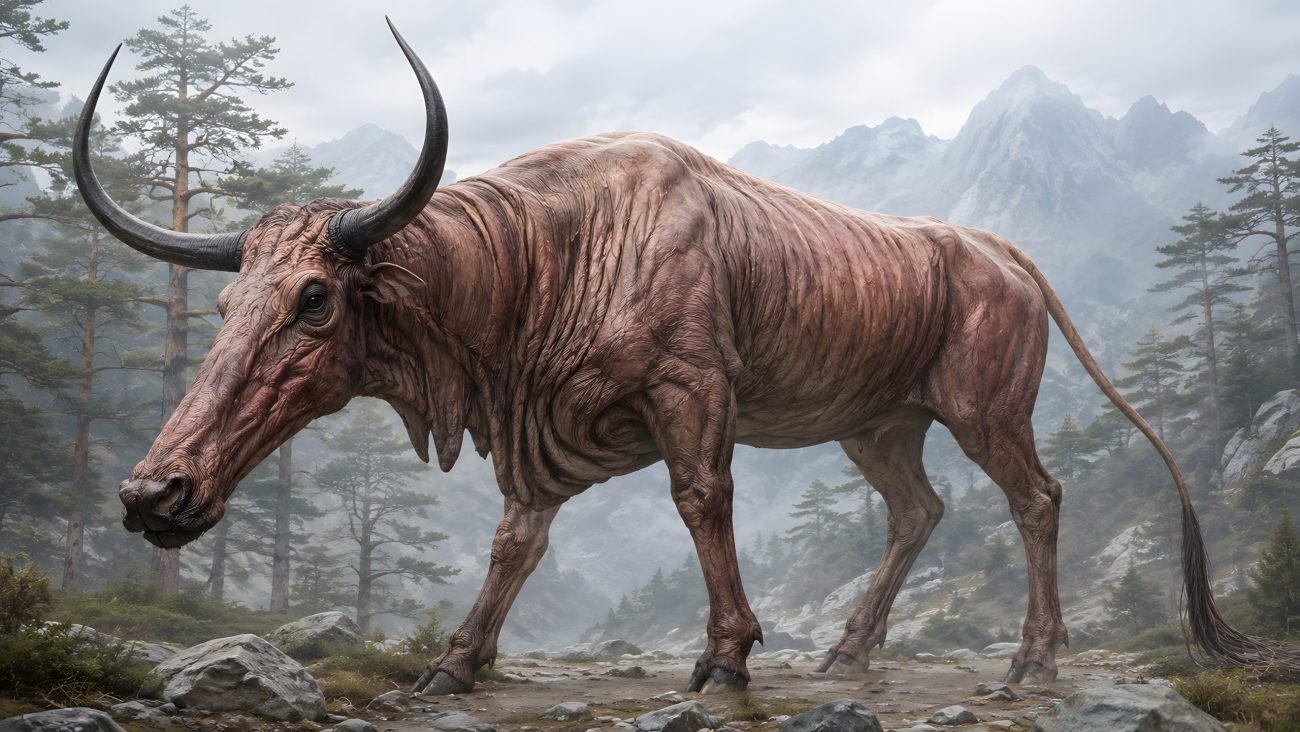
The creature was described as resembling a cow, but it was far larger and stranger than any ordinary cattle. It had a long, massive body, a tail approximately three feet long, no hair, and an unusually long nose. It was seen traveling from Hyeonseongcheon toward Osikyang.

The Silla record gives no name for the creature or any further account of what happened to it. Its description is simply preserved as an “extraordinary beast resembling an ox” (異獸若牛).

Later Korean tradition has sometimes regarded this creature as an early form or possible precursor of the Bulgasari, a famous Korean monster. Its bizarre combination of an ox-like body, hairlessness, enormous size, and elongated nose made it sufficiently unusual to be recorded as an omen-like beast in the Samguk Sagi.


Sources

“이수약우.” 나무위키 (NamuWiki). Accessed August 21, 2026. https://namu.wiki/w/이수약우


Lamassu

Tradition: Mesopotamian mythology, Iraqi Mythology
Alternative names: Lamma, Lam(m)a, Aladlammu, Shedu
Category: Cow


The Myth

The Lamassu is a powerful protective deity of ancient Mesopotamia. In its earliest Sumerian form, Lamma was a goddess who acted as a mediator, presenting worshippers before the gods. Later, particularly in Assyrian tradition, the figure developed into the famous hybrid guardian.

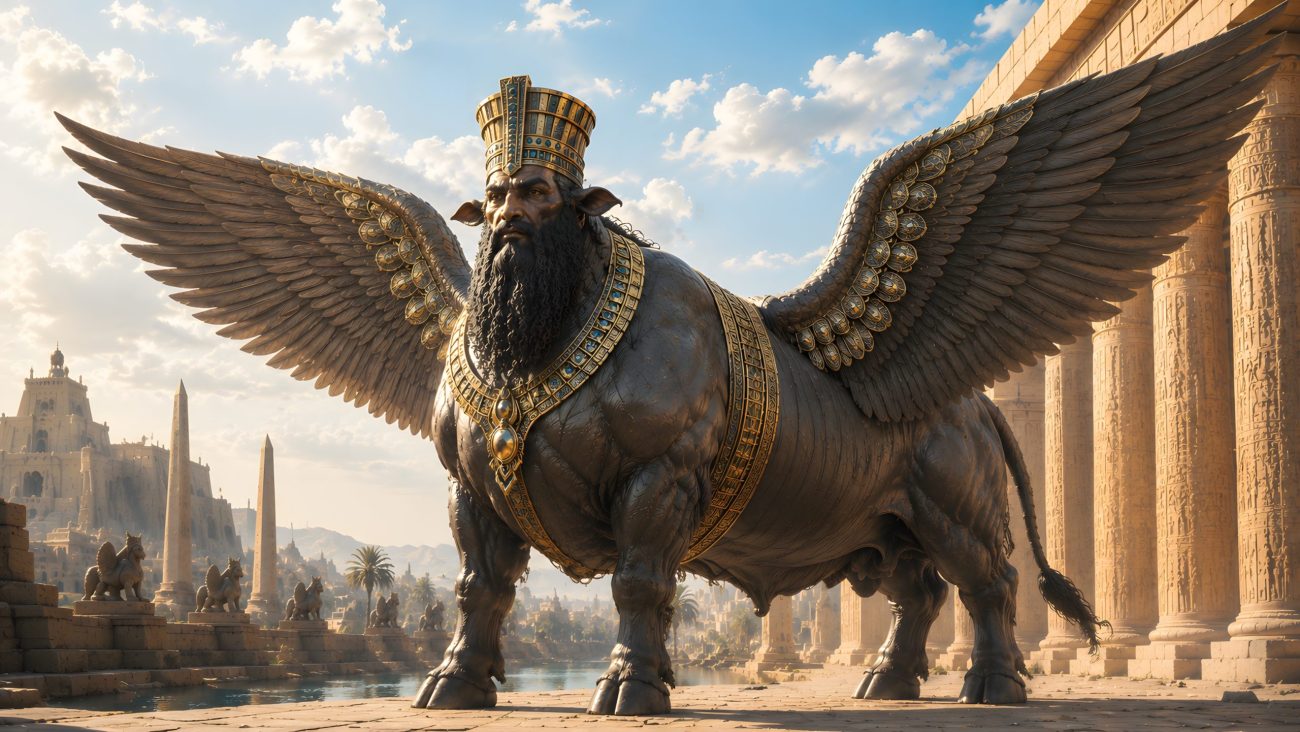
The Lamassu possessed a human head, the body of a bull or lion, and enormous bird wings. Its human head represented intelligence, the bull represented strength, and the wings represented freedom. It could also possess the horns and ears of a bull.

Lamassu served as guardians against evil spirits and malevolent intruders. Protective representations could be buried beneath the thresholds of ordinary houses, while enormous stone Lamassu were placed in pairs at the entrances of palaces, cities, and other important buildings.

Their monumental presence was deliberately intimidating. A person approaching an Assyrian palace would encounter these enormous hybrid beings standing watch over the entrance, symbolically declaring that the building was under divine protection.

The Lamassu also had a celestial dimension, being associated with stars, constellations, and the zodiac. Thus the creature combined the qualities of several realms: human intelligence, animal strength, divine protection, and celestial power.

The male counterpart was known as the Shedu, while the Lamassu itself could retain its older feminine association with the goddess Lamma.


Sources

“Lamassu.” Wikipedia: The Free Encyclopedia. Wikimedia Foundation. Accessed August 21, 2026. https://en.wikipedia.org/wiki/Lamassu

Làlomèna

Tradition: Madagascar Mythology
Alternative names: Làlimèna
Category: Cow


The Myth

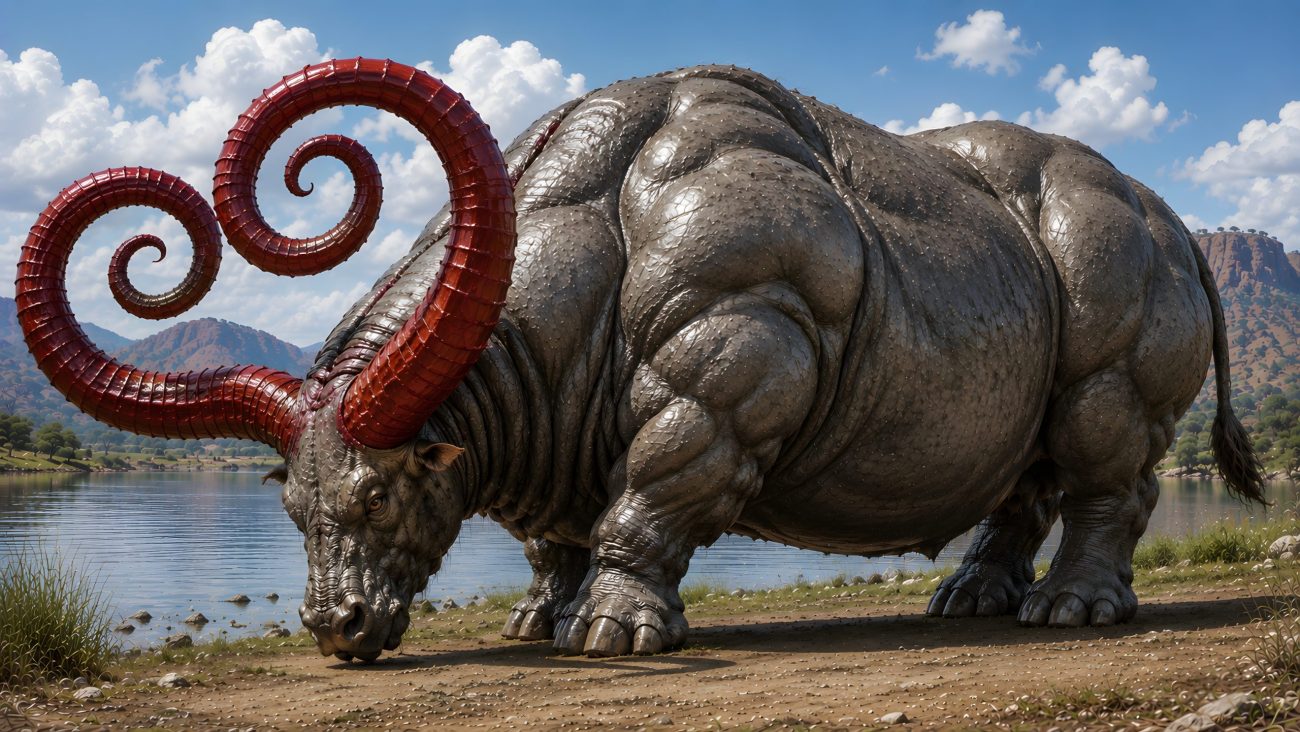
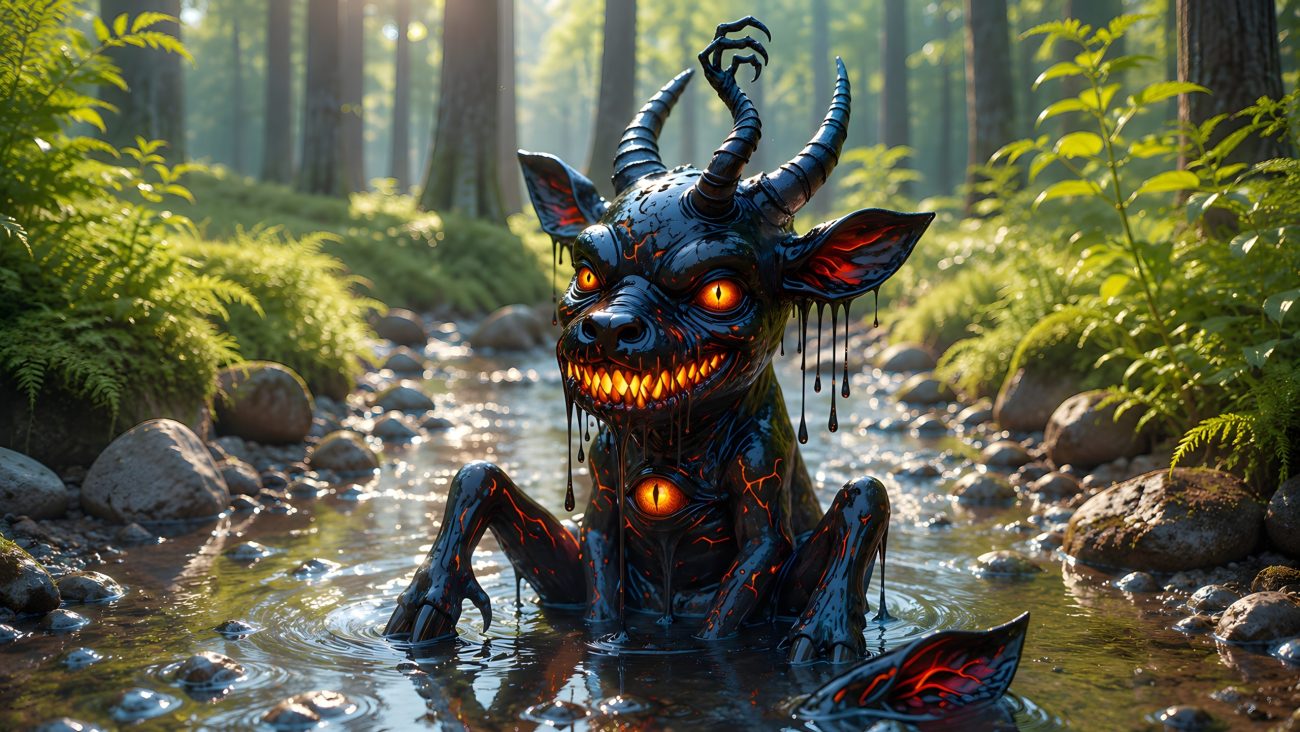
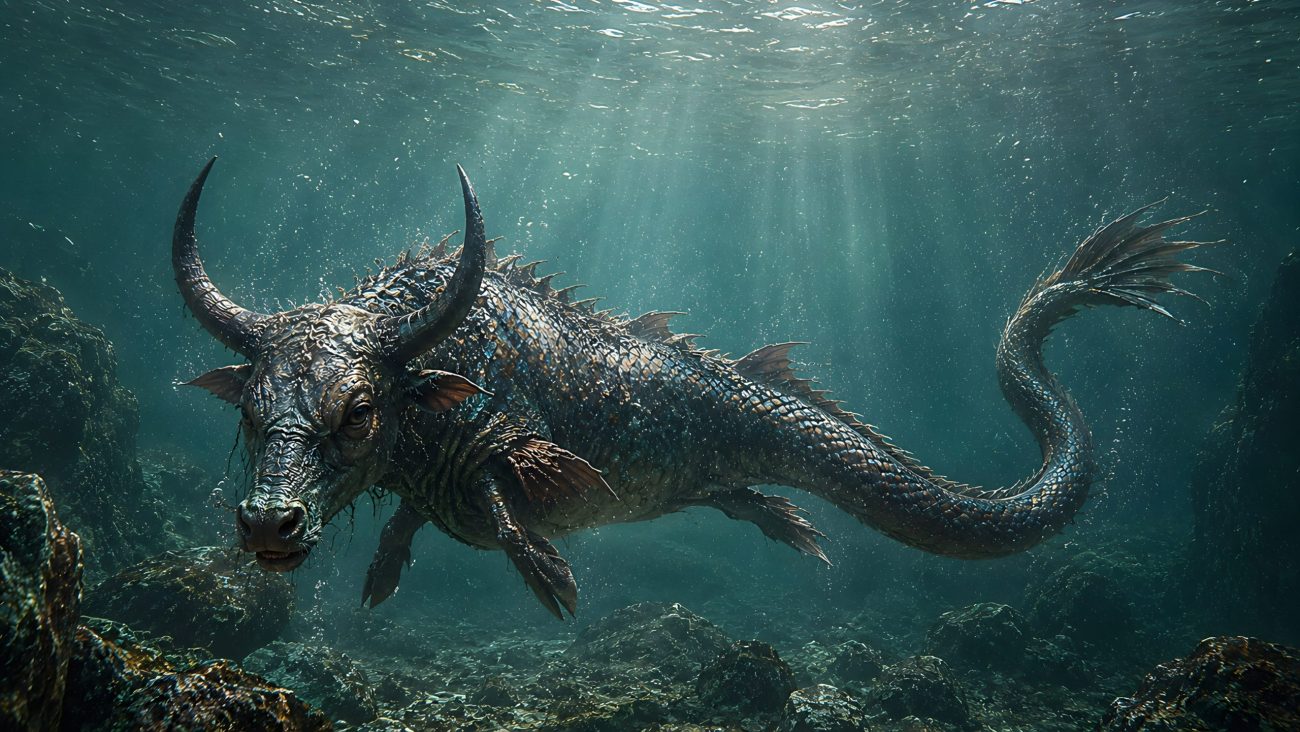
The Làlomèna is a mysterious creature said to inhabit the waterways of Madagascar. It resembles an ox and possesses two extremely red horns.

It is described as one of the strongest animals of the waters, although little else is recorded about its appearance or abilities.

In Malagasy tradition, the remains of the extinct Madagascan hippopotamuses were sometimes identified as the bones of the Làlomèna, giving the creature a connection between a legendary aquatic beast and the mysterious remains discovered in the landscape.


Sources

Countess Sica. “Làlomèna.” A Book of Creatures. February 25, 2019. Accessed August 21, 2026. https://abookofcreatures.com/2019/02/25/lalomena/


La Diablesse

Tradition: Saint Lucia Mythology
Alternative names: Ladjablès
Category: Demon, Cow


The Myth

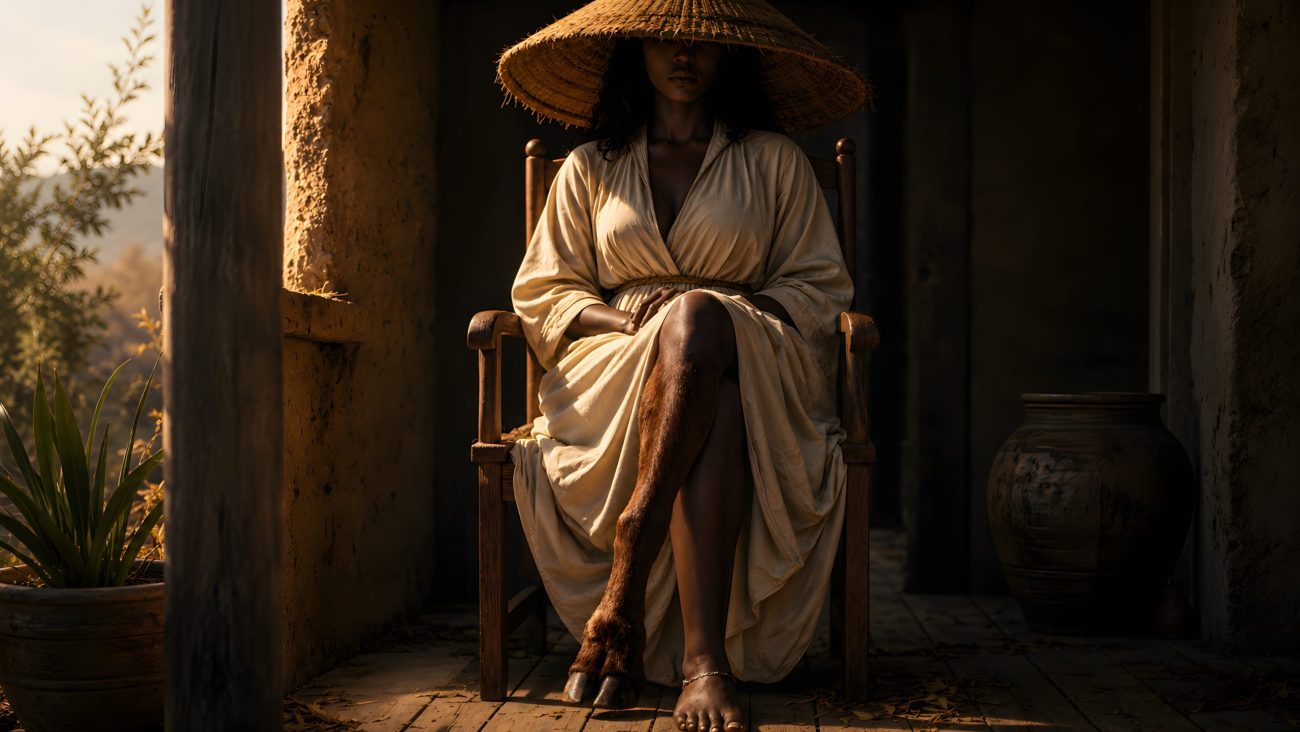
La Diablesse is a beautiful but deadly supernatural woman said to be the spirit of an enslaved African woman who made a pact with the Devil, surrendering her soul in exchange for eternal beauty.

She appears elegant and alluring, dressed in a long gown with a broad-brimmed hat that conceals her hideous face. Her greatest secret, however, is beneath her dress: one of her legs ends in a cow’s hoof. She walks with her human foot on the road while keeping the hoof hidden in the grass.

La Diablesse uses her beauty and supernatural powers to lure unsuspecting men away from the road and into the forest. Once deep among the trees, she suddenly disappears, leaving her victim confused and lost. He may eventually fall into a ravine or river, or become prey to wild animals.

Her cow hoof marks her as unmistakably demonic: beneath an attractive human appearance lies something inhuman and dangerous.


Sources

“La Diablesse.” Wikipedia: The Free Encyclopedia. Wikimedia Foundation. Accessed August 21, 2026. https://en.wikipedia.org/wiki/La_Diablesse


Kusarikku

Tradition: Mesopotamian mythology, Iraqi Mythology
Alternative names: Bull-Man, Gud-alim
Category: Cow


The Myth

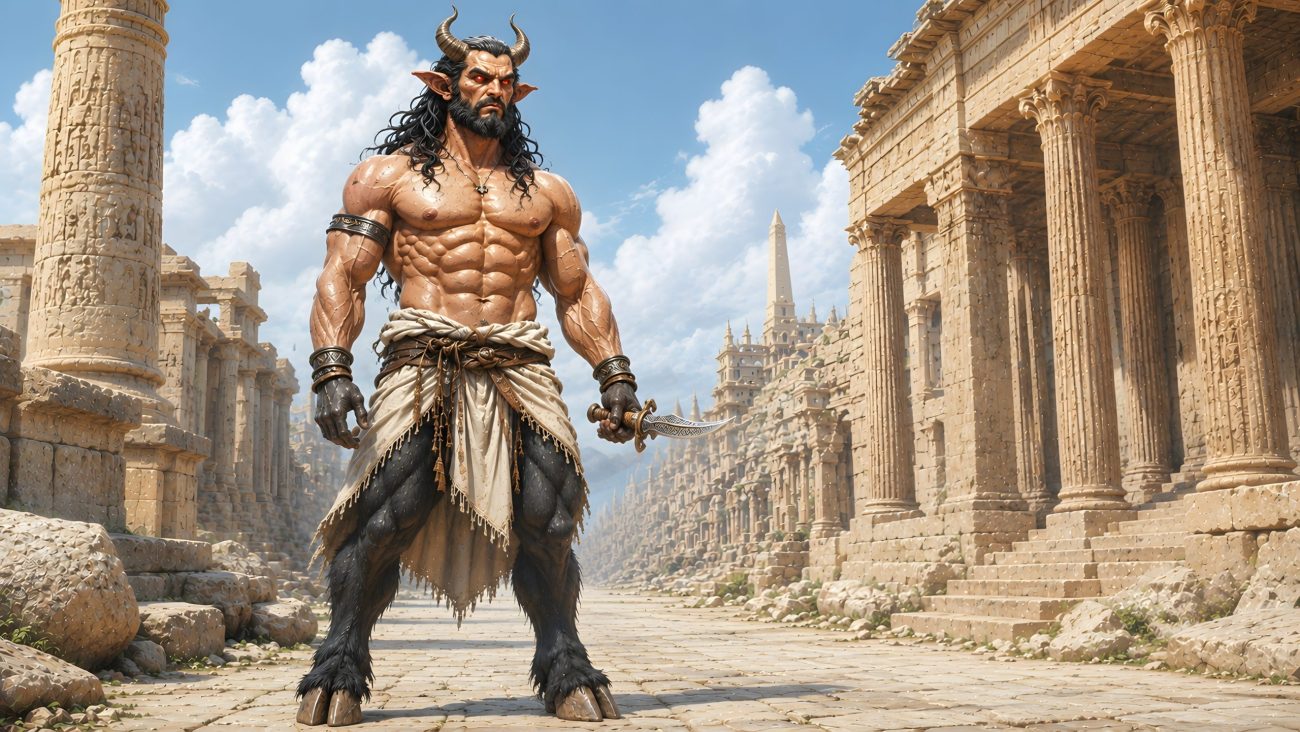
Kusarikku, meaning “Bull-Man,” was a powerful Mesopotamian supernatural being depicted with the head, torso, and arms of a human but the horns, ears, and hindquarters of a bull. He walked upright and was associated with mountains.

Kusarikku served as a guardian and gatekeeper, protecting people and sacred spaces from malevolent beings and unwanted intruders. In later Mesopotamian art, he could be shown carrying a bucket or a spade.

He also appears in several myths as a formidable supernatural being. In the Anzû myth, Ninurta defeats a Kusarikku in the midst of the sea, while other traditions associate the creature with the defeated forces of primordial chaos. Kusarikku was also among the protective supernatural figures placed around buildings and palaces to ward off evil spirits.

The Bull-Man was associated with Šamaš, the god of justice, alongside other hybrid guardians such as the Scorpion-Man and the Bison-Man. His celestial counterpart, gud-alim, was associated with part of the constellation Centaurus.


Sources

“Kusarikku.” Wikipedia: The Free Encyclopedia. Wikimedia Foundation. Accessed August 21, 2026. https://en.wikipedia.org/wiki/Kusarikku


Kuhwampen

Tradition: Austrian Mythology
Alternative names: Kuhwampen
Category: Cow


The Myth

The Kuhwampen is described in the folklore of Rauris as a misshapen, ghostly creature. One day, while a shoemaker was working in a farmhouse, a Kuhwampen rolled through the doorway.

Annoyed by its intrusion, the shoemaker stabbed at the creature with his awl. The following morning, the farmer’s wife was found with a stab wound in her eye. The shoemaker had not known that she was a Trud—a supernatural being associated with causing harm in dreams—and the wound he inflicted upon the Kuhwampen had manifested upon her.


Sources

“Die Kuhwampen.” SAGEN.at – Traditionelle Sagen aus Österreich, Salzburg, Pinzgau. Accessed August 21, 2026. https://www.sagen.at/texte/sagen/oesterreich/salzburg/pinzgau/kuhwampen.html


Kudan

Tradition: Japanese Mythology
Alternative names: Kutabe, Kudabe, Kutahe, Gudabe, Gutabe, Dodaku, Dotaku
Category: Cow


The Myth

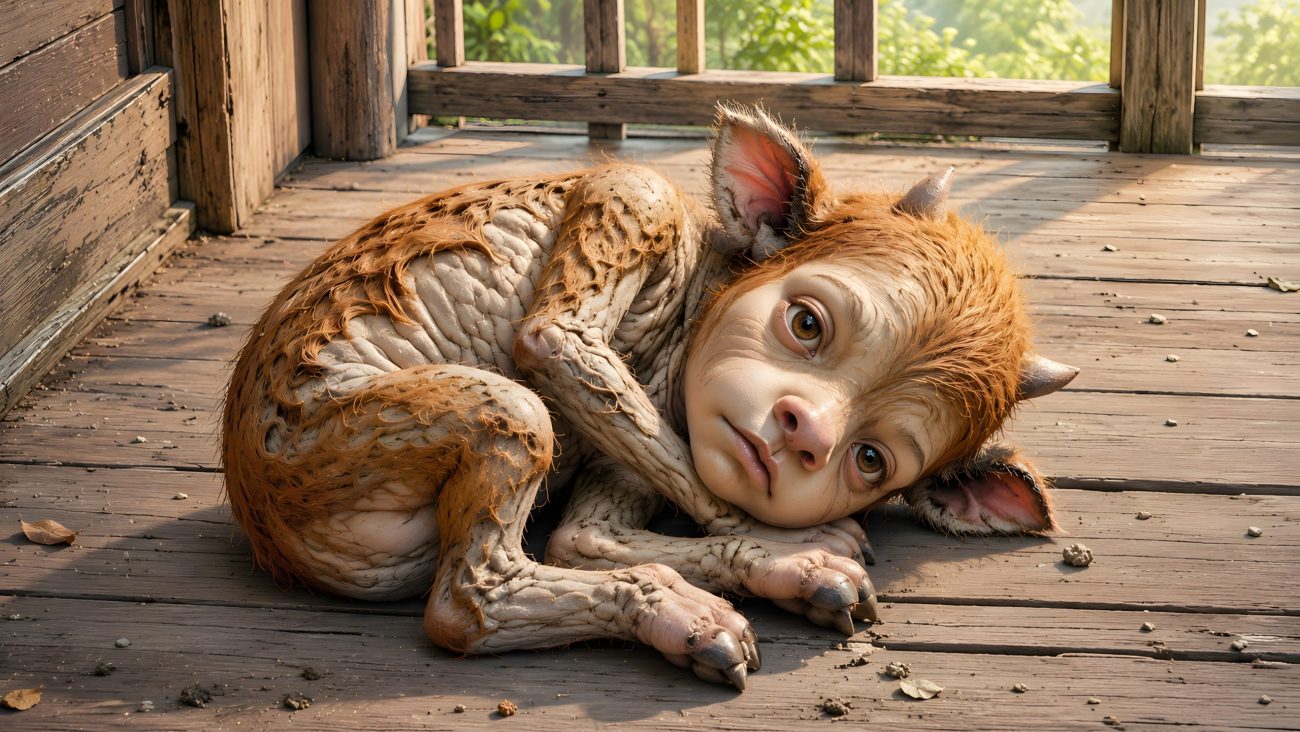
The Kudan is a strange human-faced, bovine-bodied creature said to appear in Japan during times of great uncertainty. It is a prophecy beast, possessing the ability to speak and foretell events that will soon affect humanity.

According to traditions recorded from the Edo period onward, a Kudan could be born from a cow. After its birth, it would speak in human language and reveal a prophecy concerning coming disasters, epidemics, famine, drought, or war. Having delivered its message, the creature would die only a few days later.

One famous account places the Kudan’s appearance at Mount Kurahashi in 1836. This particular Kudan foretold abundant harvests and prosperity rather than disaster. People were instructed to display an image of the creature in their homes, where it would function as a protective charm against misfortune and disease and bring prosperity and a plentiful harvest.

A related creature, the Kutabe, was associated with Mount Tate and was more ominous. It warned of an approaching epidemic and instructed people to look upon an image of itself to escape the coming calamity. Some traditions even prescribed eating mochi made from seven-colored herbs after viewing its image.

The Kudan therefore occupies an unusual place among Japanese monsters: its appearance is terrifying, but its purpose can be protective. It appears briefly, reveals the fate awaiting humanity, gives people a means of surviving it, and then disappears through death.


Sources

“Kudan (yōkai).” Wikipedia: The Free Encyclopedia. Wikimedia Foundation. Accessed August 21, 2026. https://en.wikipedia.org/wiki/Kudan_(y%C5%8Dkai)