Schwarze Kuh

Tradition: Austrian Mythology
Alternative names: The Black Cow
Category: Cow


The Myth

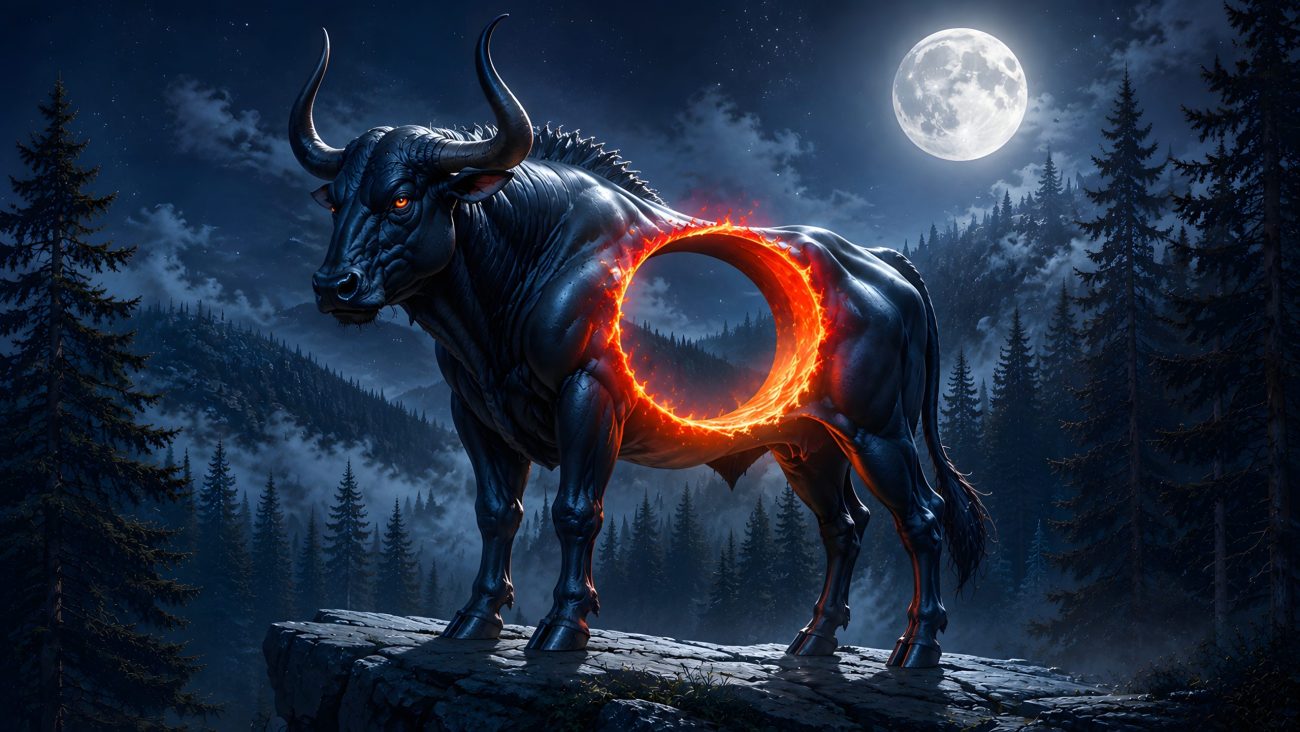
One evening, a shepherd from Montavon arrived late at the Latonz Alp to retrieve a black cow that had been left behind when the herd descended from the mountain. He put the cow in the stable and spent the night sleeping on a bunk in the alpine hut.

Around midnight, the alpine spirits, known as Bütze, entered the hut. They began cooking, boiling, and roasting in the room with an incredible din. The shepherd awoke and stared at them in confusion.

Suddenly, one of the spirits called to him to come down from his bunk. He was forced to leave his sleeping place and join them.

Then he noticed something horrifying. His black cow, standing outside in the stable, appeared to have an enormous hole in its body. The shepherd thought that the spirits had cut the flesh out of his cow and feared that they would have eaten the entire animal before dawn.

After their meal, the Bütze began playing music and dancing so violently that the alpine hut seemed almost to come apart. At the first light of dawn, the strange visitors departed.

The shepherd watched them leave and noticed a hide stretched across the doorway of the alpine hut. He believed that it was the hide of his black cow.

But when daylight had fully arrived, the hide had mysteriously disappeared. Outside, the black cow stood in the stable completely unharmed.

The terrifying events of the night had apparently been an illusion—or something supernatural that had left no lasting mark on the cow.


Sources

Vonbun, Franz Josef. “Die schwarze Kuh.” In Die Sagen Vorarlbergs. Mit Beiträgen aus Liechtenstein, no. 183, p. 141. Reproduced by SAGEN.at. Accessed August 29, 2026. https://www.sagen.at/texte/sagen/oesterreich/vorarlberg/montavon/schwarzekuh.html
Stiertratte

Tradition: Austrian Mythology
Alternative names: –
Category: Cow


The Myth

In the Glödnitz Valley, near the place known as the “Bauer im Ort,” there is a location called the Stiertratte.

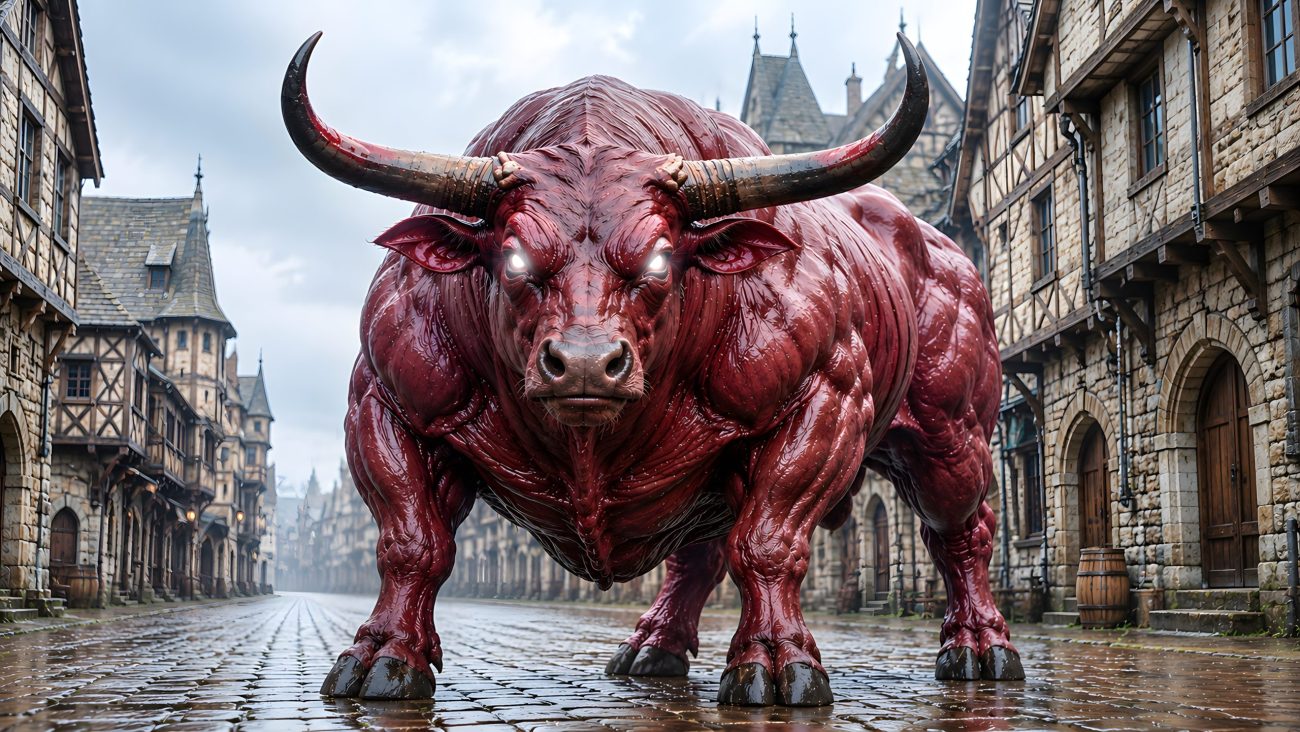
According to the legend, a group of arrogant miners once committed a cruel act against a living bull. They skinned the animal alive and drove it to Weitensfeld for people to see. They then spread the bull’s hide out at the location of the Stiertratte and played dice upon it.

As an eternal disgrace and punishment for their arrogance and cruelty, not a single blade of grass has grown at the place ever since.

The story therefore explains the existence of the barren patch of land known as the Stiertratte as a supernatural punishment for the miners’ mistreatment of the bull.


Sources

Rappold, J. “Die Stiertratte.” In Sagen aus Kärnten. Augsburg and Leipzig, 1887, no. 17, p. 23. Reproduced by SAGEN.at. Accessed August 29, 2026. https://www.sagen.at/texte/sagen/oesterreich/kaernten/allgemein/stiertratte.html


Kuhwampen

Tradition: Austrian Mythology
Alternative names: Kuhwampen
Category: Cow


The Myth

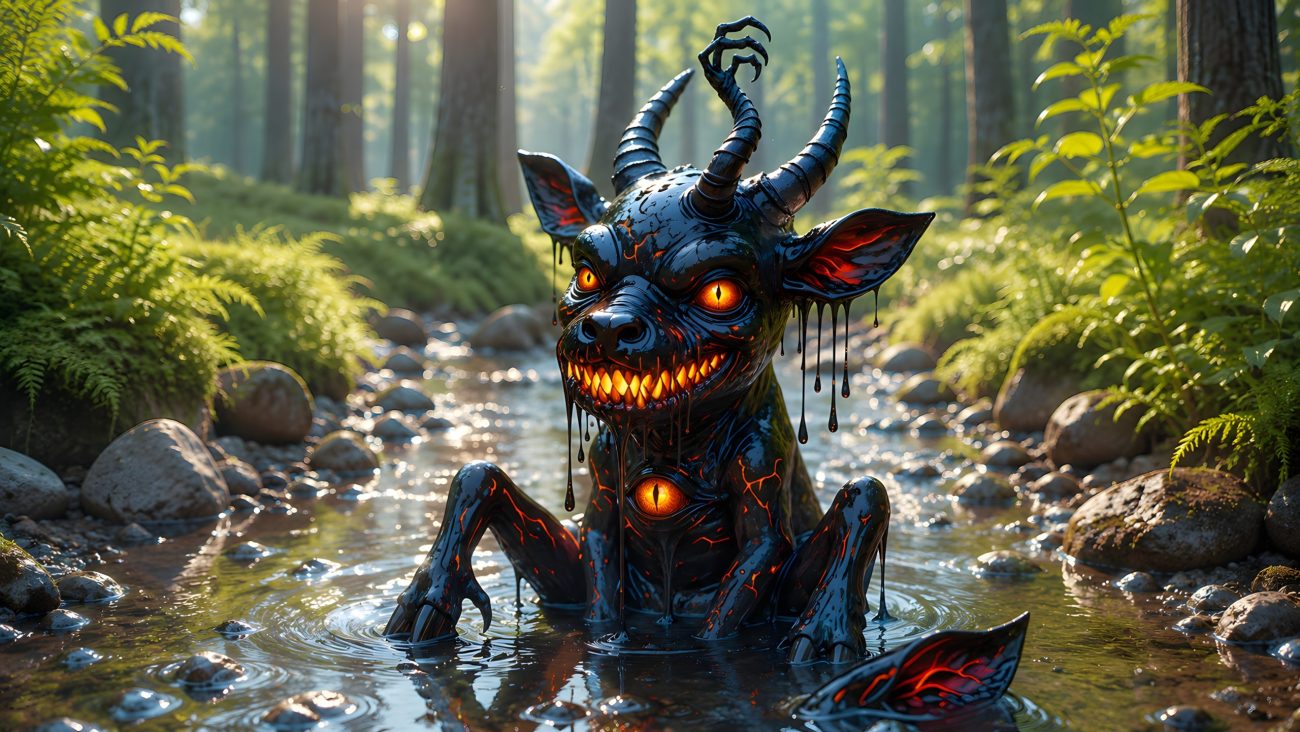
The Kuhwampen is described in the folklore of Rauris as a misshapen, ghostly creature. One day, while a shoemaker was working in a farmhouse, a Kuhwampen rolled through the doorway.

Annoyed by its intrusion, the shoemaker stabbed at the creature with his awl. The following morning, the farmer’s wife was found with a stab wound in her eye. The shoemaker had not known that she was a Trud—a supernatural being associated with causing harm in dreams—and the wound he inflicted upon the Kuhwampen had manifested upon her.


Sources

“Die Kuhwampen.” SAGEN.at – Traditionelle Sagen aus Österreich, Salzburg, Pinzgau. Accessed August 21, 2026. https://www.sagen.at/texte/sagen/oesterreich/salzburg/pinzgau/kuhwampen.html