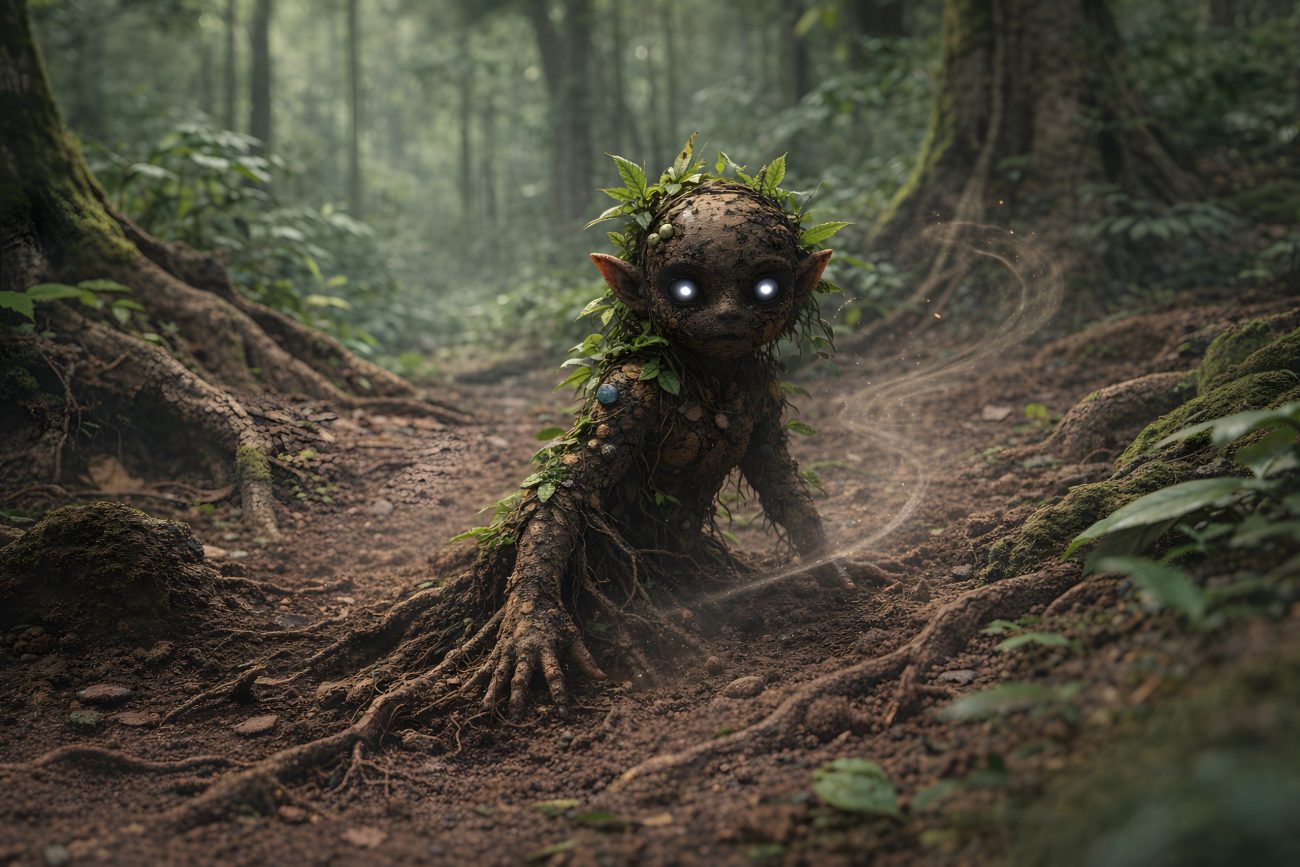
Liiva-Annus

Tradition / Region: Estonian mythology
Alternative name: –
Category: Spirit


The Myth

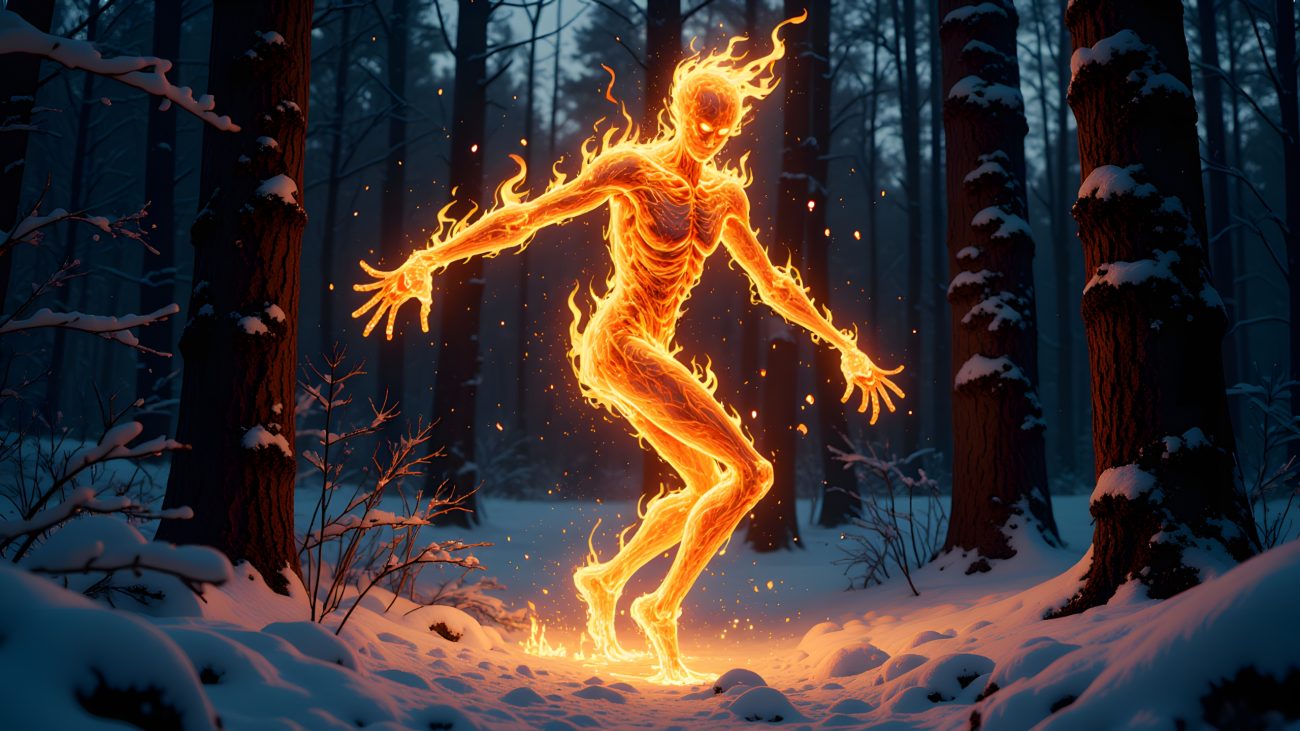
Liiva-Annus is one of the most widespread names used by Estonians to refer to Death itself, understood not merely as an abstract end, but as an active, personified spirit. Because death was feared as something that could be summoned by name, people avoided calling it directly and instead used substitute names and nicknames. Among these were Mulla-Madis, Kalmu-Kaarel, Haua-Kusta, Toone-Toomas, Death-Peeter, as well as descriptive titles such as the scytheman, boneman, blackman, and coldfoot. Liiva-Annus is one of the most enduring of these euphemisms.

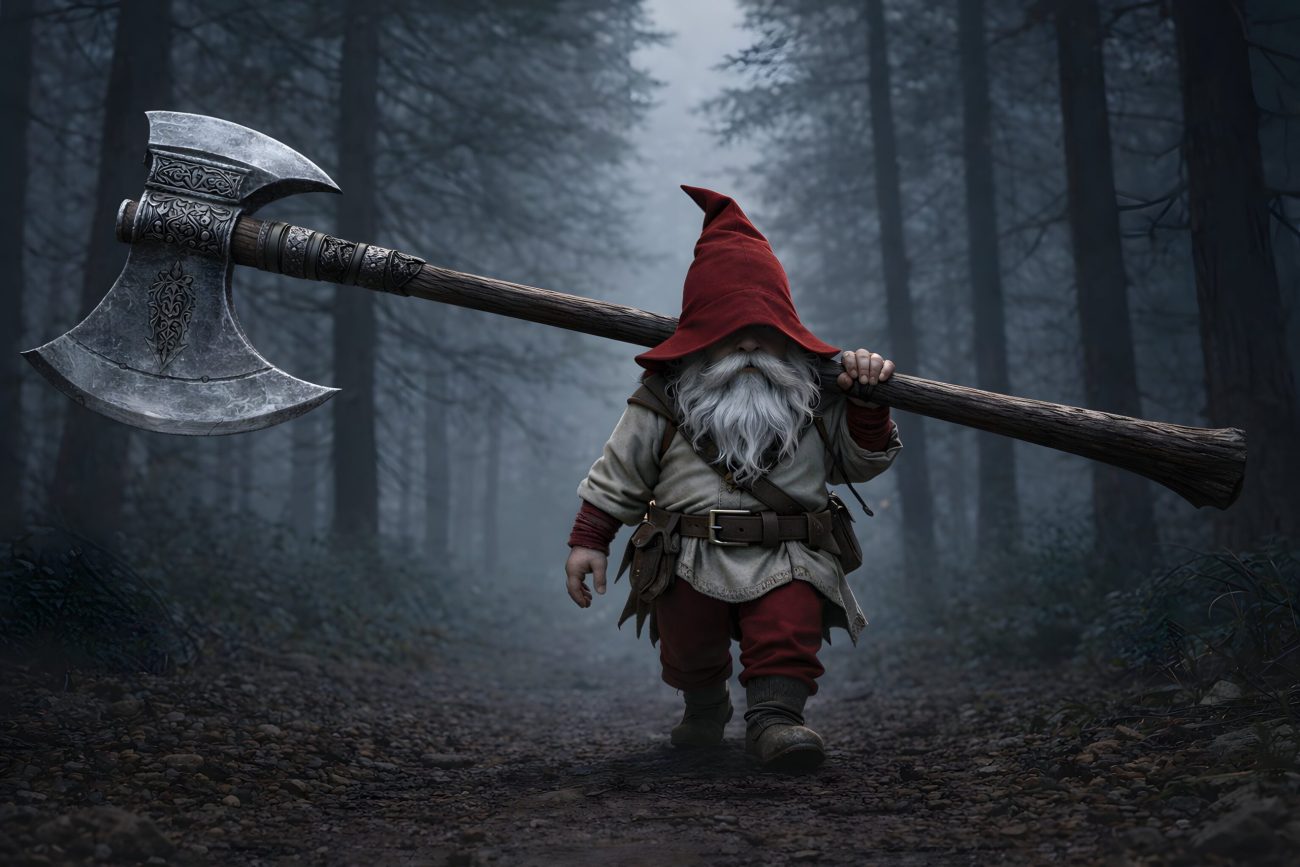
In folk imagination, Liiva-Annus appears as an old man who comes to claim human lives by force. He is said to beat people to death using tools associated with earth and burial—such as a scythe, shovel, pickaxe, or similar implements—linking him closely to the grave, soil, and the labor of digging. His presence is sudden, unavoidable, and final.

The figure of Liiva-Annus belongs to a broader, internationally known image of Death found throughout Christian Europe: the aged reaper who harvests human lives. In Estonian tradition, however, his many names emphasize both fear and familiarity—Death is ever-present, but must be spoken of carefully, indirectly, and with respect.


Rahaaugu Haldjad

Tradition / Region: Estonian mythology
Alternative name: –
Category: Spirit


The Myth

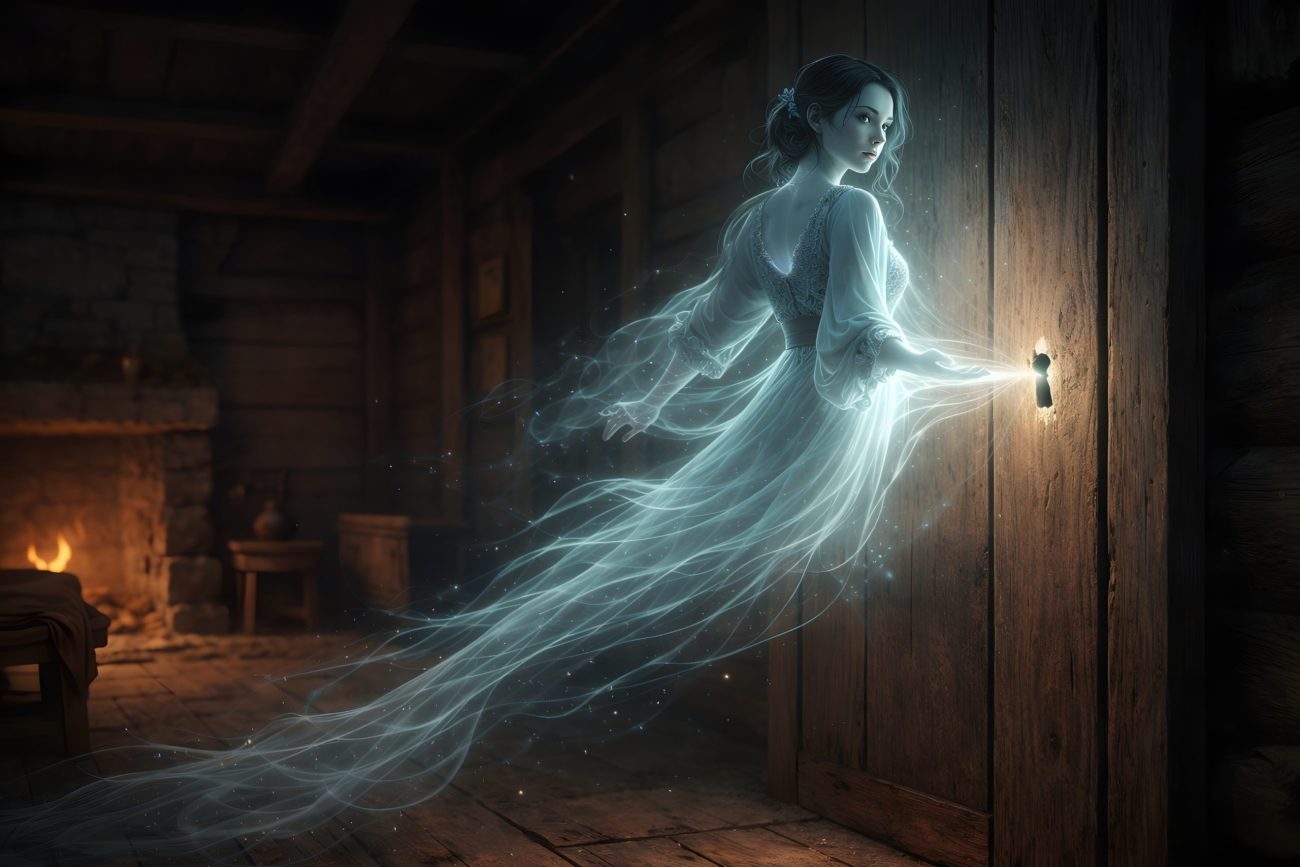
Rahaaugu haldjad, the Fairies of the Money Pit, are spirits believed to guard buried treasure hidden in the earth. In ancient times, money and valuable metal objects were often buried to protect them from war, raids, or theft. When the owners of these treasures died or were unable to return, the wealth remained underground, and the soul of the person who buried it became bound to the site as its guardian.

These spirits are not pagan priests or “old pagans,” despite later confusion in folklore. Their role is specific: they are keepers of wealth, bound to the treasure by death and unfinished responsibility. In some cases, a single money pit may be guarded by several fairies, reflecting that the treasure once had multiple owners, all of whom became its guardians after death.

To those deemed worthy, a fairy of the money pit may appear in a dream, inviting the dreamer to seek the hidden treasure. Yet this invitation is also a trial. Before allowing the treasure to be taken, the fairy tests the seeker’s courage. It may conjure shadowy apparitions, ghosts, or frightening visions, or transform itself into animals such as a dog, goat, wolf, or bear to terrify the human.

Only those who face these trials without fear or hesitation may succeed. In this way, the Rahaaugu haldjad embody the belief that wealth is never freely given, and that courage, resolve, and moral strength are required to claim what lies buried beneath the earth.


Ebajalg

Tradition / Region: Estonian mythology
Category: Spirit, Demon


The Myth

Ebajalg is a being of Estonian folklore that manifests as a violent whirlwind. Rather than a natural phenomenon alone, it is believed to be a malicious spirit or demon moving through the landscape in the form of spinning wind.

Ebajalg is associated with sudden destruction and overwhelming force. When it appears, it may tear through fields, damage buildings, or scatter objects, its strength far beyond that of ordinary wind. Encounters with Ebajalg are not personal or communicative; its presence is felt through impact and chaos rather than speech or form.

In Estonian belief, Ebajalg represents the dangerous animation of nature itself—an unseen will acting through the air, embodying the fear that destruction may arise suddenly, without warning, and without human cause.


Jeekim

Tradition / Region: Estonian Mythology
Alternative Name: –
Category: Spirit


The Myth

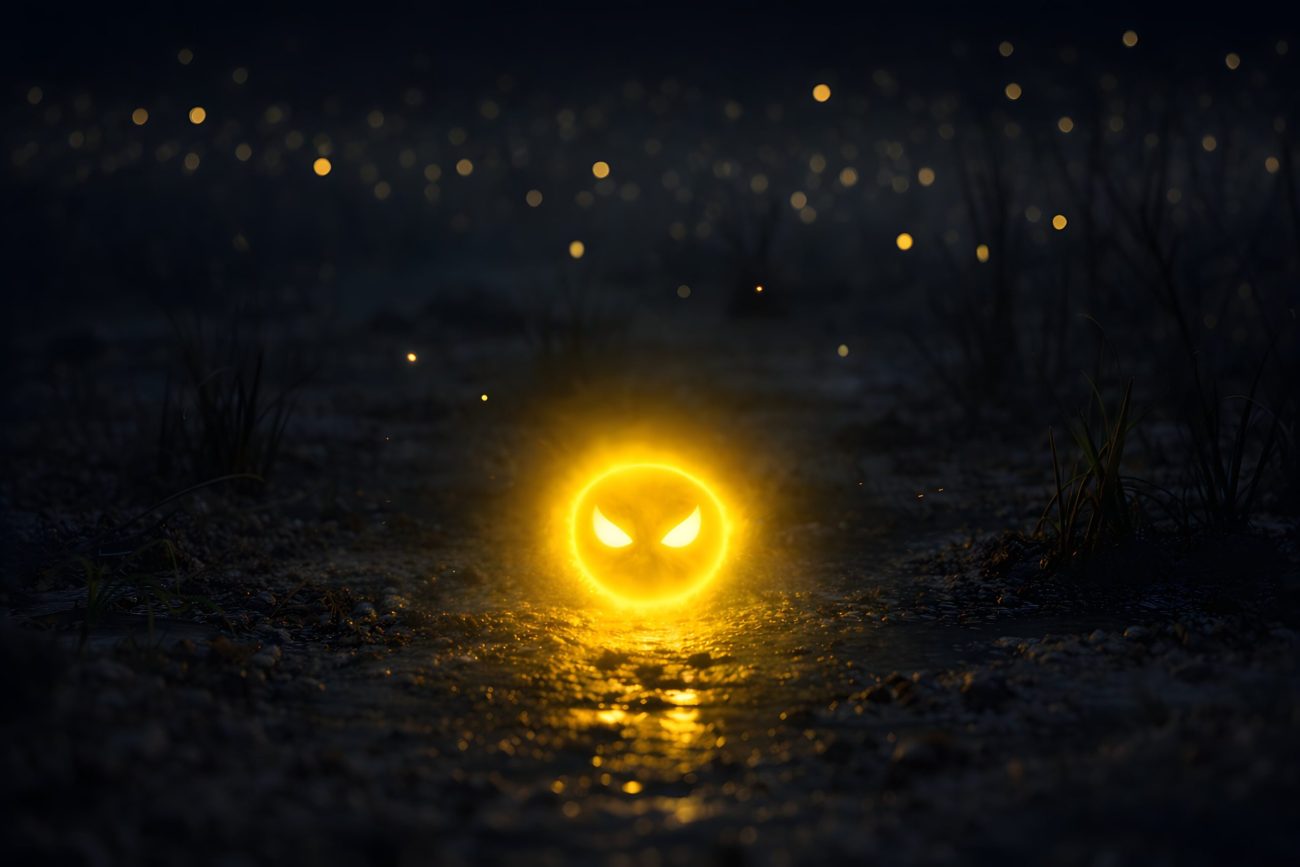
Jeekim is a penitent cemetery spirit found in Estonian legends and myths. The name Jeekim refers to a spirit bound to burial grounds, associated with repentance and unrest rather than active malevolence.

In traditional belief, Jeekim dwells among graves as a presence marked by penitence, suggesting a soul unable to leave the cemetery due to unresolved guilt or unfinished atonement. No detailed deeds or encounters are preserved, and the spirit is known primarily through its association with the place of the dead.

Jeekim belongs to a group of Estonian cemetery spirits whose existence is attested in folklore sources but whose myths survive only in fragmentary form, emphasizing presence and state rather than narrative action.


Kigutilik

Tradition / Region: Inuit mythology
Category: Monster spirit · Failed helping spirit


The Myth

Kigutilik, whose name means “the one with the giant teeth,” is a terrifying spirit encountered during a spring sealing expedition. It rose suddenly from an opening in the ice, described as being as large as a bear but even taller, with long legs swollen at the joints. The creature had two tails, a single enormous ear attached only by a fold of skin, and a mostly bare body with hair growing only in ragged fringes. Its teeth were immense, likened to the tusks of a walrus.

When Kigutilik emerged, it released a thunderous roar—“Ah—ah—ah!”—so overwhelming that the man fled in terror, abandoning the encounter. Because of this fear, he failed to secure Kigutilik as a helping spirit, losing the chance to bind its power.

Kigutilik stands as an example of unclaimed spiritual force in Inuit tradition: a being whose power can only be gained through courage and composure, and which vanishes from those who recoil in fear.


Interpretive Lenses

Religious Readings
Philosophical Readings
Psychological Readings
Esoteric Deep Dive
  • Hermetic Deep Dive
Political / Social Readings
Other

Nålaqnaq

Tradition / Region: Inuit mythology
Category: Spirit


The Myth

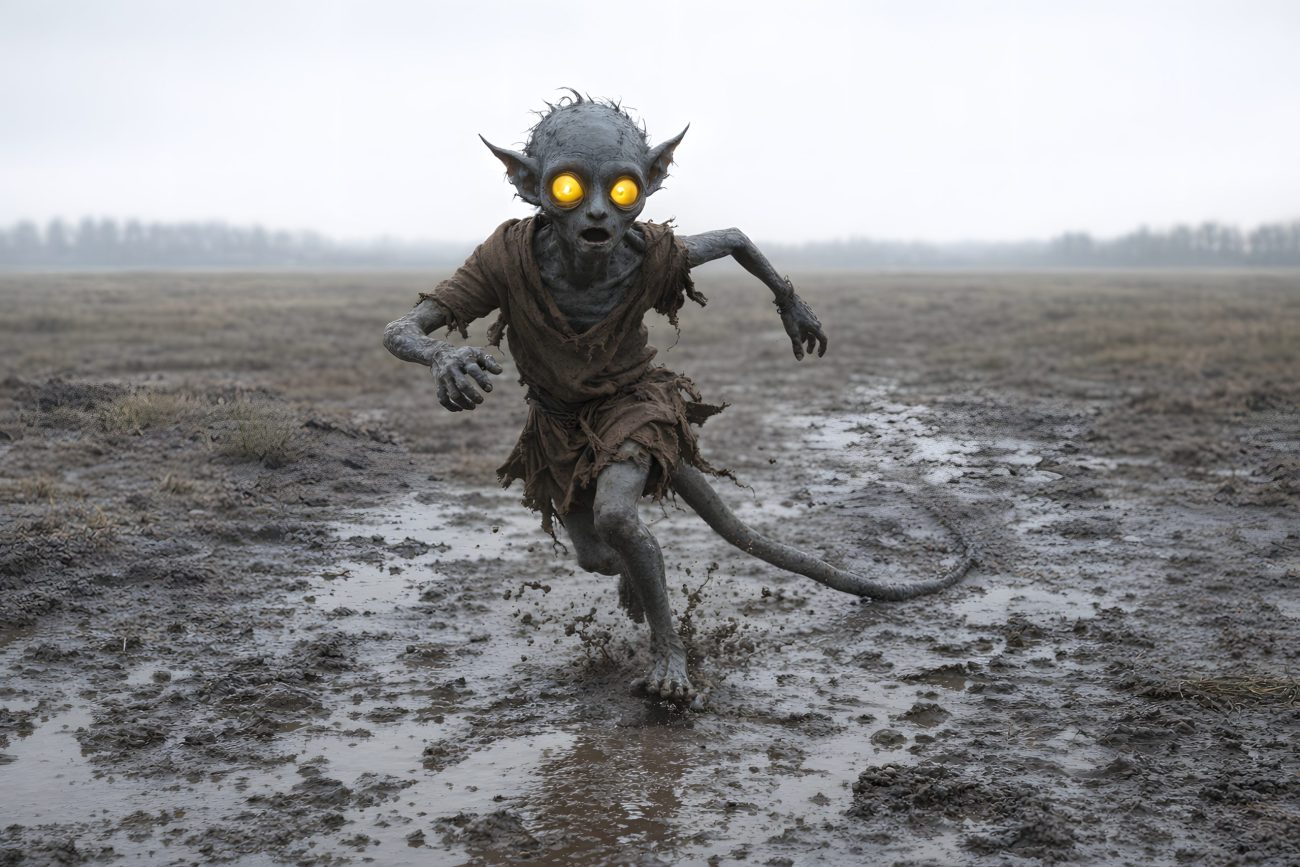
Nålaqnaq, known as the Listener, is a strange and unsettling spirit distinguished by its exaggerated sensory features. It is described as having a large, gaping mouth, two prominent teeth, and a tongue that protrudes outward, emphasizing its nature as a being that listens, hears, and perceives beyond ordinary limits. Its hands are shapeless, each bearing six fingers, marking it unmistakably as non-human.

Nålaqnaq is said to move at a run, suggesting constant alertness and restless awareness, as though it is forever attuned to sounds, words, or cries that escape human notice. Rather than embodying physical strength, it represents heightened perception—a spirit whose power lies in attention and awareness of the unseen.

As the Listener, Nålaqnaq reflects an Inuit understanding that nothing spoken—or unspoken—passes unheard. Its presence reinforces the importance of caution, respect, and mindfulness in speech and behavior, reminding people that words, intentions, and hidden actions may always be perceived by forces beyond the human world.


Interpretive Lenses

Religious Readings
Philosophical Readings
Psychological Readings
Esoteric Deep Dive
  • Hermetic Deep Dive
Political / Social Readings
Other

Putuliq

Tradition / Region: Inuit mythology
Alternate Names: The Spirit of the Many Holes
Category: Helping spirit


The Myth

Putuliq, known as the Spirit of the Many Holes, is an Inuit spirit encountered by a human while fishing for salmon. One day, while the man was fishing on a lake, Putuliq rose up from the depths of the water and approached him. The spirit wished to help a human being and, after this meeting, became the man’s helping spirit.

Putuliq is characterized by having many holes across its body. These holes are believed to possess a special power connected to childbirth. Because of them, Putuliq serves as an accoucheur, aiding women during labor. It is said that when a child sees the many holes of Putuliq, the sight encourages the child, making it easier for the baby to emerge from the womb.

Through this role, Putuliq is remembered as a benevolent helper spirit associated with birth, assistance, and the easing of human suffering.


Interpretive Lenses

Religious Readings
Philosophical Readings
Psychological Readings
Esoteric Deep Dive
  • Hermetic Deep Dive
Political / Social Readings
Other

Puksinå & Navagioq

Tradition / Region: Inuit mythology
Alternate Names:
Category: Helping spirits


The Myth

Puksinå and Navagioq are helping spirits known from Inuit tradition. They are remembered together in a story witnessed by Anarqåq during one spring near a village.

On that day, Anarqåq saw a being called Qungiaruvlik, the helping spirit of his father. Qungiaruvlik was stealing a child, placing it into her amaut. In response, Anarqåq’s mother’s helping spirits appeared: Puksinå, on the right, and Navagioq, on the left.

Together, Puksinå and Navagioq attacked and killed Qungiaruvlik, preventing the child’s abduction. Through this act, they are remembered as powerful protective spirits, intervening directly to stop harm caused by another spirit.


Interpretive Lenses

Religious Readings
Philosophical Readings
Psychological Readings
Esoteric Deep Dive
  • Hermetic Deep Dive
Political / Social Readings
Other

Qarajaitjoq

Tradition / Region: Inuit mythology
Alternate Names: The Hole Animal
Category: Spirit / helping spirit


The Myth

Qarajaitjoq, known as the Hole Animal, is a spirit encountered in Inuit tradition. Its form is strange and unsettling: its head consists only of jaws, with the opening running backward. It has a single arm that extends from the lower jaw, ending in a hand shaped like a loop. Its eyes resemble loose rings, with one located on its back and the other beneath the lower jaw.

According to the account, a person met Qarajaitjoq while wandering alone. After this encounter, the creature became that person’s helping spirit. Qarajaitjoq’s particular power lies in assisting women who have difficulty giving birth, and it is invoked for aid in childbirth.

Through this role, Qarajaitjoq is remembered not as a threatening being, but as a powerful and specialized helper within the spirit world.


Interpretive Lenses

Religious Readings
Philosophical Readings
Psychological Readings
Esoteric Deep Dive
  • Hermetic Deep Dive
Political / Social Readings
Other

Kavliliukåq

Tradition / Region: Inuit mythology
Alternate Names:
Category: Spirit


The Myth

Kavliliukåq is a female spirit known in Inuit tradition. She is identified as a distinct supernatural being, recognized by her feminine form and presence among other spirits encountered in Inuit belief. Little detail is given about her actions, but she is remembered as a named female spirit within the spirit world.


Interpretive Lenses

Religious Readings
Philosophical Readings
Psychological Readings
Esoteric Deep Dive
  • Hermetic Deep Dive
Political / Social Readings
Other