Hinzelmann

Tradition: German Mythology
Alternative Names: Hinzelman, Hinzelmann
Category: House dweller


The Myth

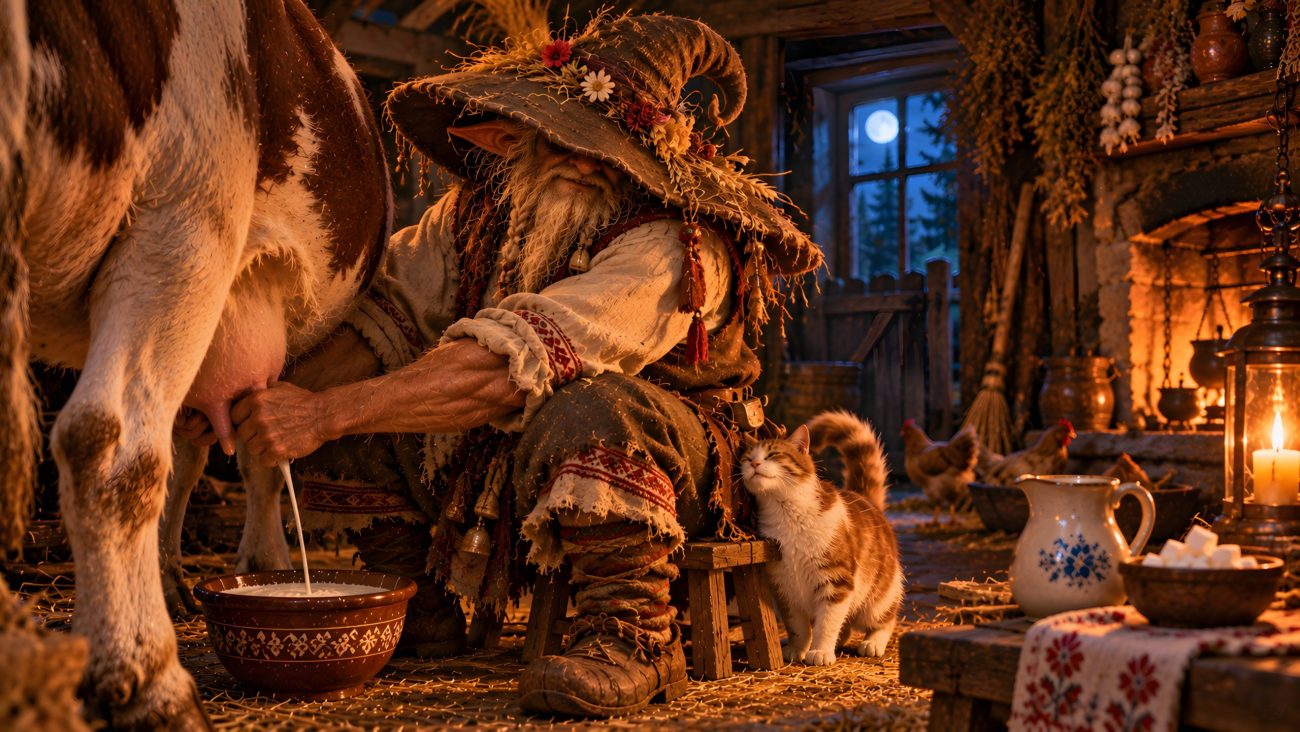
Hinzelmann is a restless little spirit who once haunted Hudemühlen Castle in northern Germany, on the banks of the River Aller. At night, he roamed the castle’s floors, stairs, chambers, and halls, tormenting the maids, frightening the servants, and teasing the household with all kinds of mischief. Although troublesome to most of the people living in the castle, he showed remarkable kindness and loyalty toward two particular inhabitants: the knight’s two most beautiful sisters.

Hinzelmann served the sisters faithfully and sometimes even slept at their feet. His devotion, however, had an unfortunate consequence. Whenever the sisters attracted suitors, the spirit drove the men away, preventing either woman from marrying. Despite his apparent affection for them, Hinzelmann’s interference kept the sisters unmarried and made him a disruptive presence within the household.

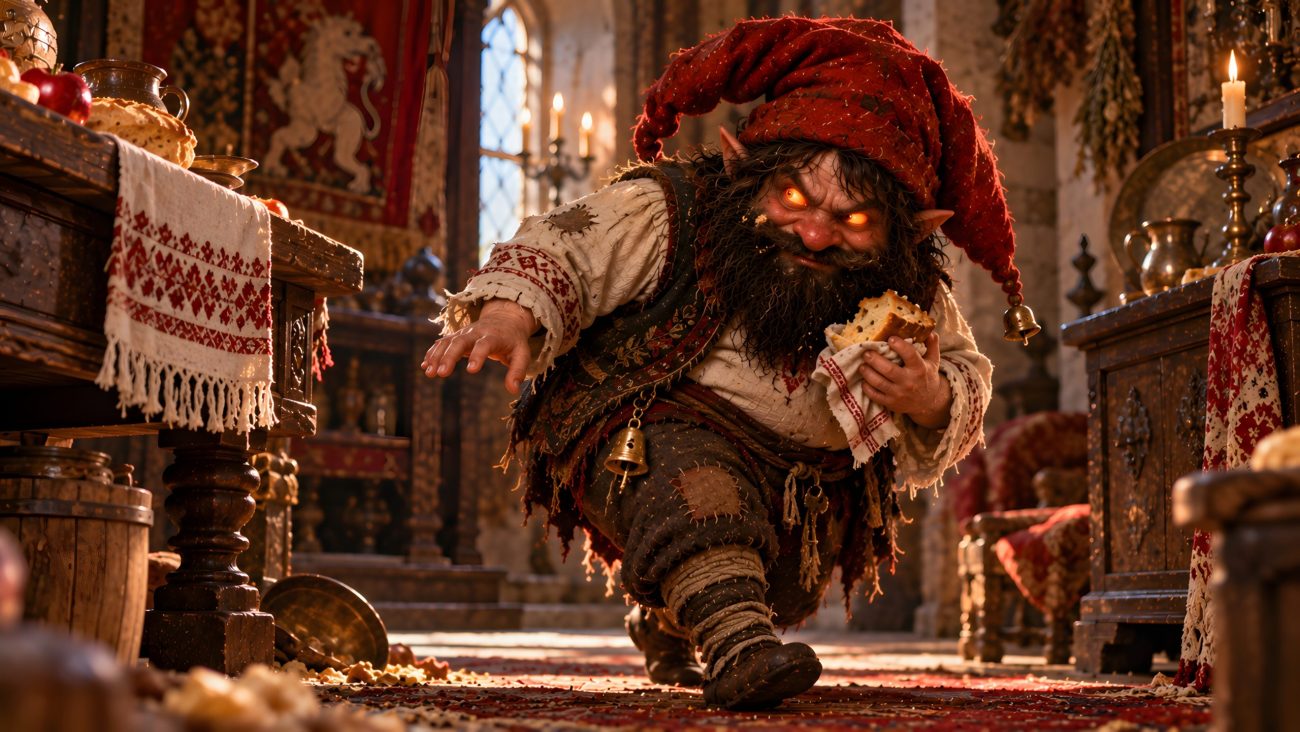
Eventually, the lord of the castle managed to catch the little spirit and questioned him about his origins. Hinzelmann held his red cap in his hands as he answered. He explained that he came from Bohemia, where he had been driven away, and added that his mother had been a good Christian. He also revealed that he had a wife named Hillebiegel, who still lived in the Bohemian Forest.

Hinzelmann’s confession connects the mischievous spirit of a northern German castle with the folklore of Bohemia and the Bohemian Forest. Despite his troublesome behaviour, he is presented as a being with a personal history, family relationships, and attachments of his own. His story portrays a domestic spirit who could be both faithfully protective and frustratingly disruptive, depending on whom he chose to favour.


Sources

“Der Landsmann.” SAGEN.at – Böhmerwaldsagen. Reproduced by SAGEN.at. https://www.sagen.at/texte/sagen/tschechien/watzlik/landsmann.html

Karlsburg Maiden

Tradition: Czech Mythology
Alternative Names: Woe to the Liar!
Category: House dweller


The Myth

Beneath Karlsburg Castle lie ruined cellars where the old emperor’s chests still gleam with gold. On Palm Sunday, a miller known for his greed and wickedness secretly approaches the mountain, which has mysteriously opened. Before the entrance sits a woman dressed in ancient clothing, who asks him what he desires. She appears to control access to the hidden treasure and offers the miller an opportunity to obtain the wealth concealed inside the castle.

The miller claims that his mill has burned down and that he has been reduced to beggary. He laments and weeps, raising his hands in apparent despair. His story, however, is entirely false. He has come not out of genuine need but because his greed has made money his god. The woman nevertheless shows him a barrel filled with minted gold in the castle cellar, and the miller eagerly fills his sack with the coins before leaving.

At first, the miller believes he has succeeded. He laughs to himself as he carries away his supposed fortune, imagining the wealth he has gained through deception. When he reaches his stream, he sets down the sack to admire the golden coins. But when he opens it, the treasure has become nothing more than heavy stones. His apparent good fortune vanishes, exposing the futility of his dishonest scheme.

Furious, the miller rushes back toward his mill, only to discover that it is ablaze. The legend offers no further explanation of the fire or the woman’s exact nature, but the sequence of events presents the vanished gold and burning mill as a punishment for his lies and greed. The mysterious woman grants him access to treasure, yet his dishonesty ensures that he gains nothing from it. The story warns that wealth obtained through deceit may turn to ruin, and that those who lie for their own advantage risk losing what they already possess.


Sources

“Wehe dem Lügner.” SAGEN.at. https://www.sagen.at/texte/sagen/tschechien/watzlik/wehedemluegner.html


Little Mother

Tradition: Austrian Mythology
Alternative Names: –
Category: House dweller


The Myth

The Little Mother is a mysterious old woman who appears in the spinning rooms of Dornbirn, in Vorarlberg, Austria. She has a haggard face that sometimes seems gentle and sweet, yet also carries an expression of deep sorrow. Every evening, she enters a room where neighbours gather to spin, sit in a back corner with her spinning wheel, and work silently until the others leave. Although nobody knows who she is, the villagers allow her to come and go without questioning her presence.

For three years, the old woman attends these gatherings without speaking or joining in the conversation. While the other women spin and the men smoke their pipes, she continues her work in silence. Eventually, a thoughtful young man notices something unusual about her spinning: she always turns her wheel to the left. When he asks her about it, her face brightens with a smile, and she gestures for him to follow her outside.

The two walk through fields and meadows beneath the night sky until they reach a solitary bush. There, the old woman explains that she has spun in this unusual way for many years, and that the young man is the first person to notice. His observation has brought her good fortune, and she promises him a reward. She instructs him to dig beneath the bush the following morning, telling him that whatever he finds will rightfully belong to him. Having spoken, she vanishes into the night.

The next morning, the young man digs at the indicated spot and discovers a pot filled with coins. The treasure brings him lasting prosperity, and he eventually dies in old age as the richest farmer in the village. The legend suggests that the Little Mother’s mysterious spinning was connected to an unresolved misfortune from her own life. The original account speculates that the problem may have originated when she was young and attended social gatherings where not everything was entirely proper, though it does not explain the exact nature of her burden.


Sources

“Die Spinnstube.” SAGEN.at. https://www.sagen.at/texte/sagen/oesterreich/vorarlberg/rheintal/spinnstube.html


Schrättlig

Tradition: Swiss Mythology
Alternative Names: Schrättling
Category: House dweller


The Myth

The Schrättlig is a terrifying supernatural creature that visits homes at night and torments their inhabitants. According to an oral account from the Canton of St. Gallen, it repeatedly came to one family’s house, troubling different members of the household on different nights. Its attacks created such distress that the family eventually attempted to prevent the creature from escaping.

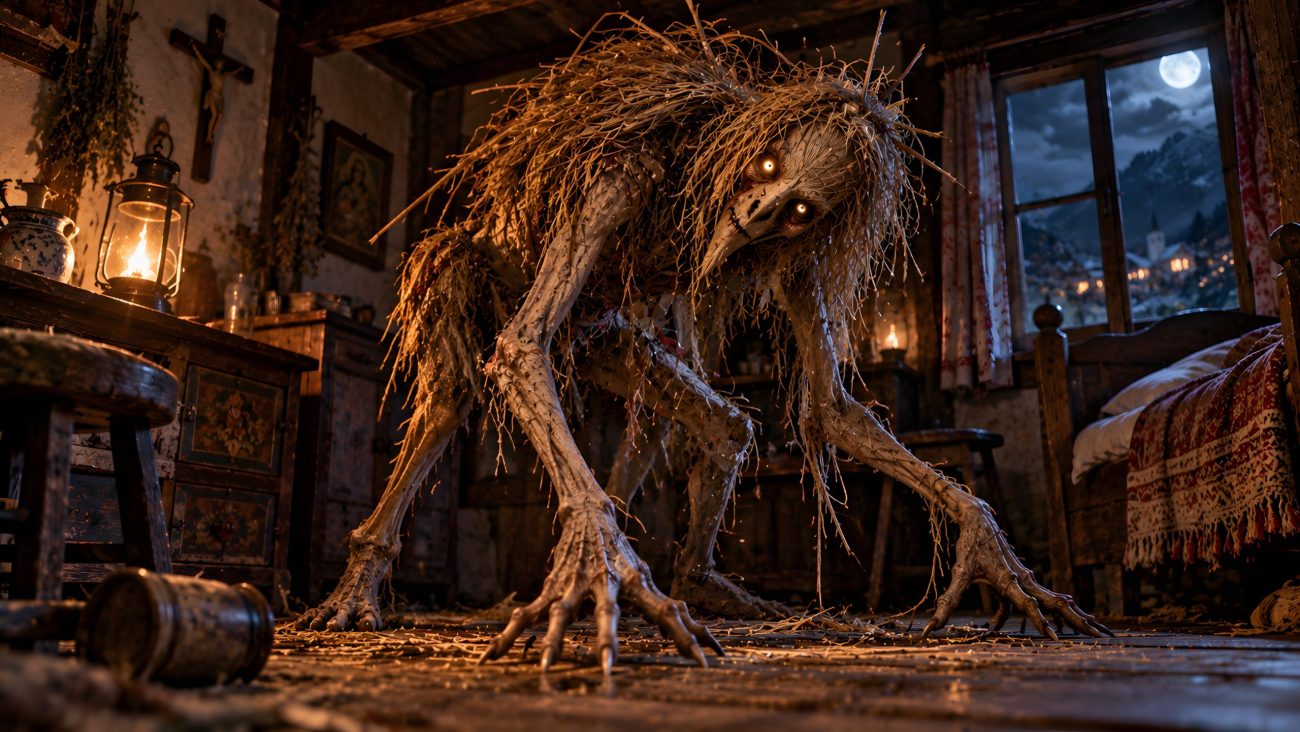
On one occasion, the household managed to block the Schrättlig’s route out of the house. The following morning, they discovered a straw lying on the living-room floor. Believing it to be connected to the creature, they attacked it with hammers and axes. At the same time, a woman known to the family lay seriously ill in a bed in the room above.

The account does not describe the Schrättlig’s usual appearance or explain precisely how it tormented its victims. However, the discovery of the straw after its escape route had been blocked suggests that the creature could be associated with an unusual physical form or a transformation into something seemingly harmless. The seriously ill woman may have been connected to the incident, although the oral legend does not explicitly explain the relationship.

The story presents the Schrättlig as a nocturnal menace whose presence brings suffering into an otherwise ordinary household. Its brief but unsettling account reflects a folkloric fear of supernatural beings that attack people during the night and may leave behind strange clues to their identity.


Sources

“Schrättlig.” SAGEN.at. https://www.sagen.at/texte/sagen/schweiz/st_gallen/schraettlig.html


Metsik

Tradition: Estonian Mythology
Alternative Names: Metsik, Metsamees
Category: House dweller


The Myth

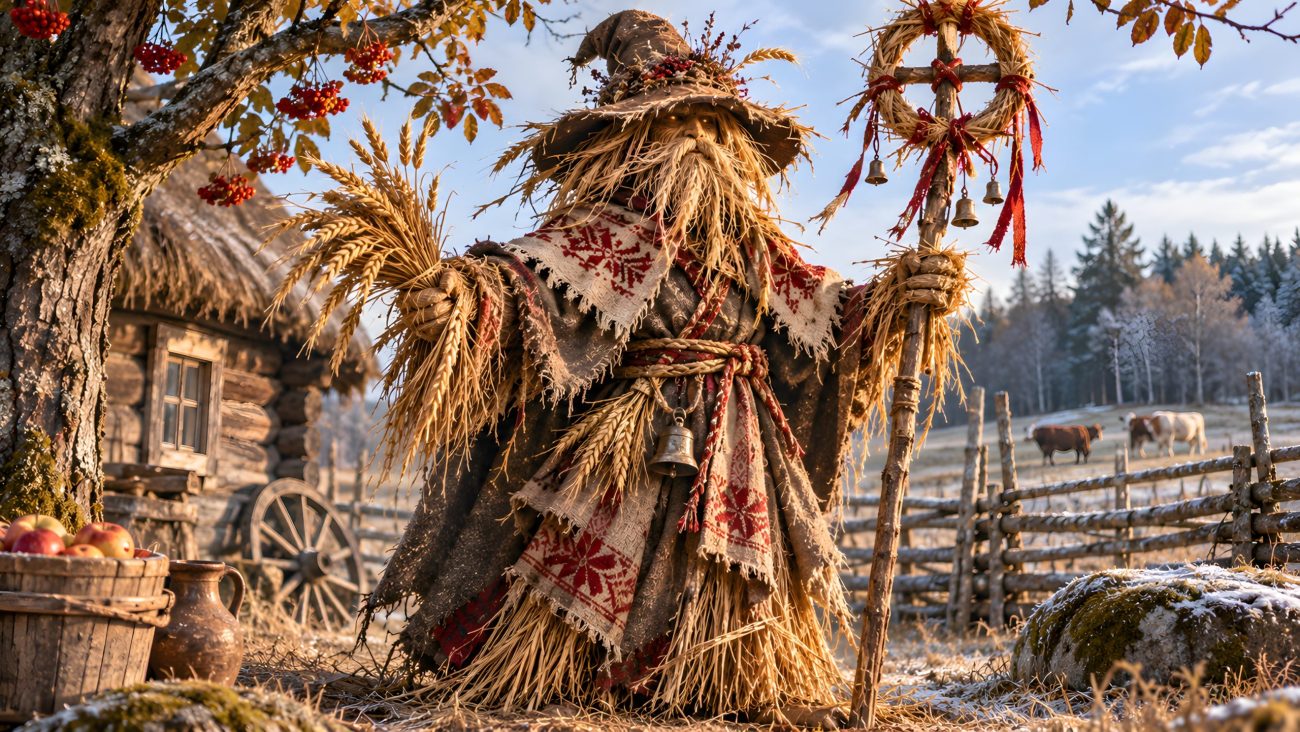
Metsik is a fertility spirit in Estonian folklore, traditionally represented by a straw doll shaped like a man or a woman. The figure was dressed in old clothing, sometimes wearing an old hat and a woman’s cloak, and mounted on a pole. Although it resembled a human figure, Metsik was understood as a supernatural protector associated with fertility, crops, and livestock.

Metsik was especially popular in Western Estonia and on the island of Saaremaa. Communities made the straw figure around Shrove Tuesday or New Year’s Day, although it could also be created at other times of the year. Once completed, it was carried outside the settlement and placed on a nearby tree or at the edge of a field. The placement of the figure reflected its purpose: putting Metsik at the edge of a field was intended to ensure a good harvest, while placing it in a tree was associated with the prosperity of the herd.

The form of the figure also influenced the blessing it was believed to bring. A female-shaped Metsik was thought to promote fertility among livestock, while a male-shaped figure was associated with a good harvest. The spirit was regarded as benevolent, and people made offerings to it throughout the year in the hope that it would protect their animals. As a guardian of the herd, Metsik was expected to drive away wolves and other predators, performing a protective role later associated with Saint George.

Metsik was also connected with the removal of misfortune. According to one tradition, taking the straw figure beyond the boundaries of a settlement and burning it would cause infertility and other troubles to disappear. The ritual symbolically removed harmful influences from the community, allowing fertility and prosperity to return.

The name Metsik was associated with the wild, the forest, and beings living beyond settled areas. In folklore, the figure was consequently understood as resembling a forest fairy or forest spirit. Through its rituals and offerings, Metsik represented the hope that supernatural protection could secure fertile land, healthy livestock, and a prosperous year for the entire community.


Sources

“Metsik.” Estonian Wikipedia. Wikimedia Foundation. Accessed October 24, 2026. https://et.wikipedia.org/wiki/Metsik


Hob

Tradition: English Mythology
Alternative Names: Hobgoblin, Hob-thrush, Hob-thrust, Hob-dross
Category: House dweller


The Myth

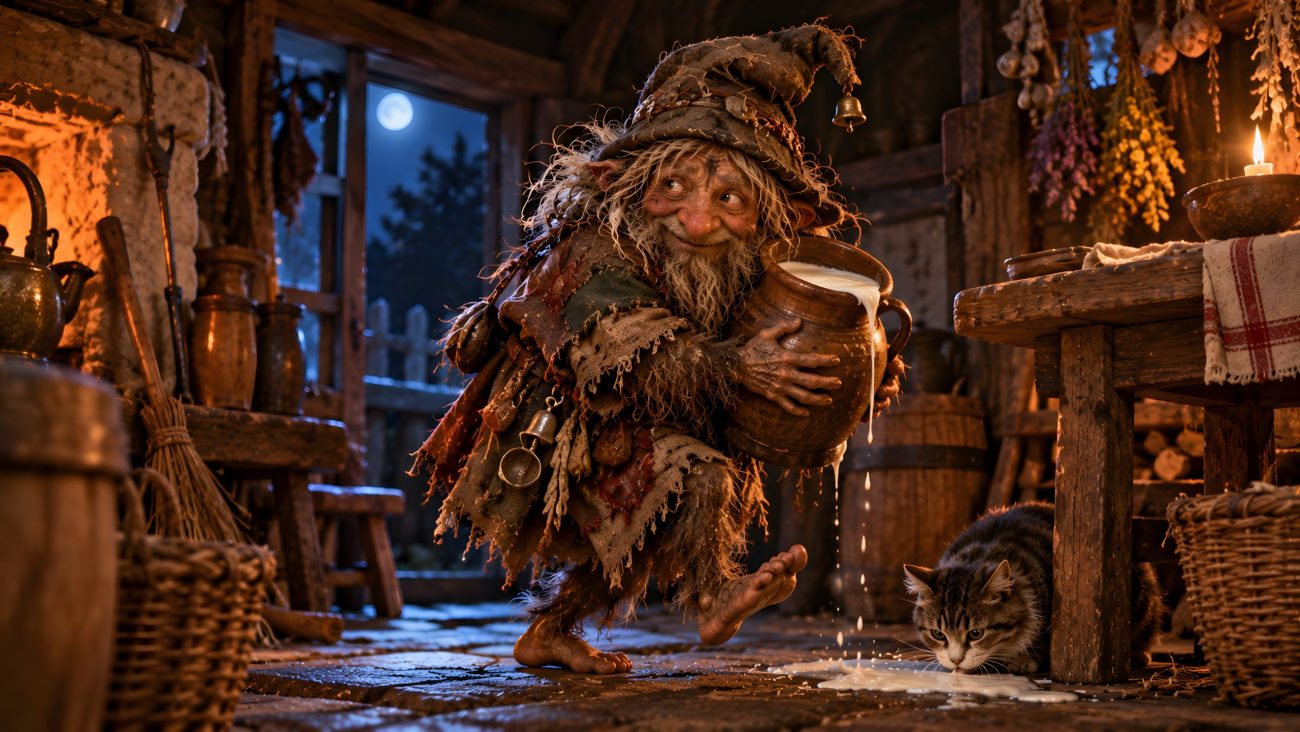
A hob is a small supernatural being in English folklore, often described in Yorkshire as a hairy, wizened little man. Hobs can live inside houses or outdoors, including in farmyards, caves, and other secluded places. They are generally helpful but mischievous spirits, known for assisting people with their work. They may help farmers in the fields, shopkeepers in their stores, and households with difficult tasks. However, their assistance depends on how they are treated, and an offended hob can become a troublesome presence.

Hobs are particularly associated with nighttime and are not necessarily tied to one location. They come and go as they please, helping people who respect them but retaliating against those who insult them. A farmer who speaks badly of the spirit on his land might find dishes broken and livestock let loose. Despite their helpful nature, hobs can be difficult to get rid of, and some are said to follow people even when they move away.

One famous hob lived in a cave known as Hobhole near Runswick Bay in Yorkshire. People believed that this spirit could cure children suffering from kink-cough, or whooping cough. Parents brought their sick children to the cave and called upon the hob to take the illness away. This tradition portrays the hob not merely as a household helper but also as a spirit capable of healing.

Clothing plays an important role in stories about hobs. Giving a hob new clothes, such as a shirt, cap, or hood, usually causes it to leave permanently. The gesture may be intended as a reward, but the spirit takes offence and withdraws its services. Traditional rhymes mark the moment when the hob departs, warning that it will no longer help. This motif reflects the delicate relationship between humans and these supernatural workers: their assistance cannot simply be bought or controlled.

A story from Farndale in the North York Moors tells of a farmer so troubled by his hob that he decided to move to another farm. He loaded his furniture and equipment onto a cart and set off. When a neighbour asked whether he was moving, a voice called out from inside a churn on the cart: “Aye, lad, we’re flittin!” The farmer realised that the hob had followed him and would remain with him wherever he went, so he turned around and returned to his original farm.

Although many hobs can be dismissed by offering them clothing, the most persistent may be impossible to escape. They embody the uncertain nature of supernatural household assistance: a hob can be a valuable worker and even a healer, but offending it may turn a helpful spirit into a lasting nuisance.


Sources

“Hob (Folklore).” Wikipedia: The Free Encyclopedia. Wikimedia Foundation. Accessed October 24, 2026. https://en.wikipedia.org/wiki/Hob_(folklore)


Tonttu

Tradition: Finnish Mythology
Alternative Names: Tomte, Tomten
Category: House dweller


The Myth

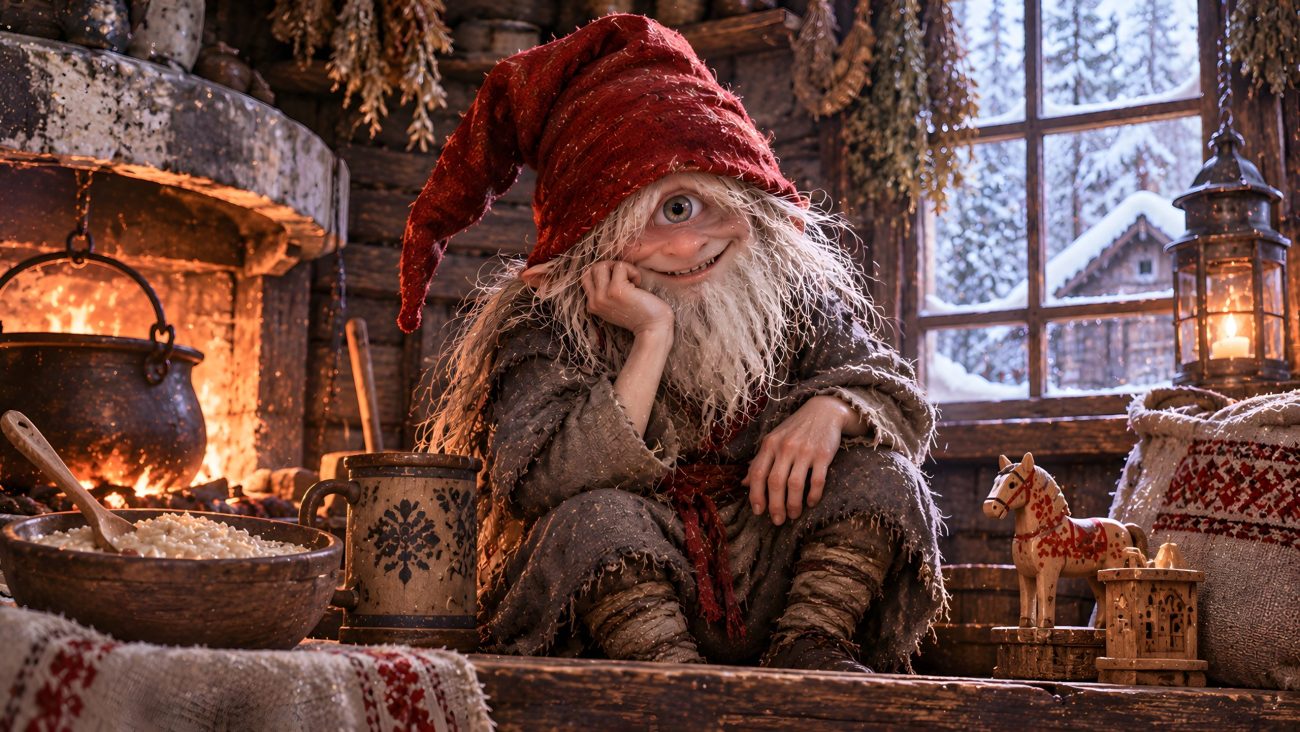
The tonttu is a small, human-like household spirit in Finnish folklore, traditionally described as wearing a red cap and grey clothing. It helps with domestic work and stable chores, acting as a supernatural servant responsible for the well-being of the household and farm. In Finland, the tonttu was sometimes said to have only one eye, a feature also associated with the spirit in Swedish-speaking communities. This gave rise to the expression “Enögd som tomten,” meaning “one-eyed like the tomten.”

The tonttu expects an annual reward for its work, traditionally offered around the winter solstice during the Yuletide season. Its favourite food is porridge, often served with butter or honey. In Finland, offerings could be placed on the grain-drying kiln or in the sauna. The porridge functioned as the spirit’s yearly payment for its services, and neglecting the offering could break the arrangement and cause the tonttu to abandon the house or farm.

Stories from Finland illustrate how important these offerings were believed to be. In one account, a servant eats the tomte’s porridge and milk, bringing misfortune upon his master. When the spirit leaves, the master eventually has to sell his homestead. In another legend from Nyland, two neighbouring families, the Bäckars and the Smeds, compete over the possession of a tomte. A boy from the Bäckars family manages to recover the spirit after it has gone to the rival household by intercepting its offering of milk and porridge. He eats the food and defiles it, prompting the returning spirit to abandon the Smeds and return to its former family.

These tales portray the tonttu as more than a simple helper. Its labour and loyalty are valuable, but the relationship depends on proper treatment and regular payment. As long as the household respects its obligations, the spirit may continue to perform its chores and contribute to the prosperity of the home and farm.


Sources

“Nisse (Folklore).” Wikipedia: The Free Encyclopedia. Wikimedia Foundation. Accessed October 24, 2026. https://en.wikipedia.org/wiki/Nisse_(folklore)


Pok

Tradition: Dutch Mythology
Alternative Names: De Pok
Category: House dweller


The Myth

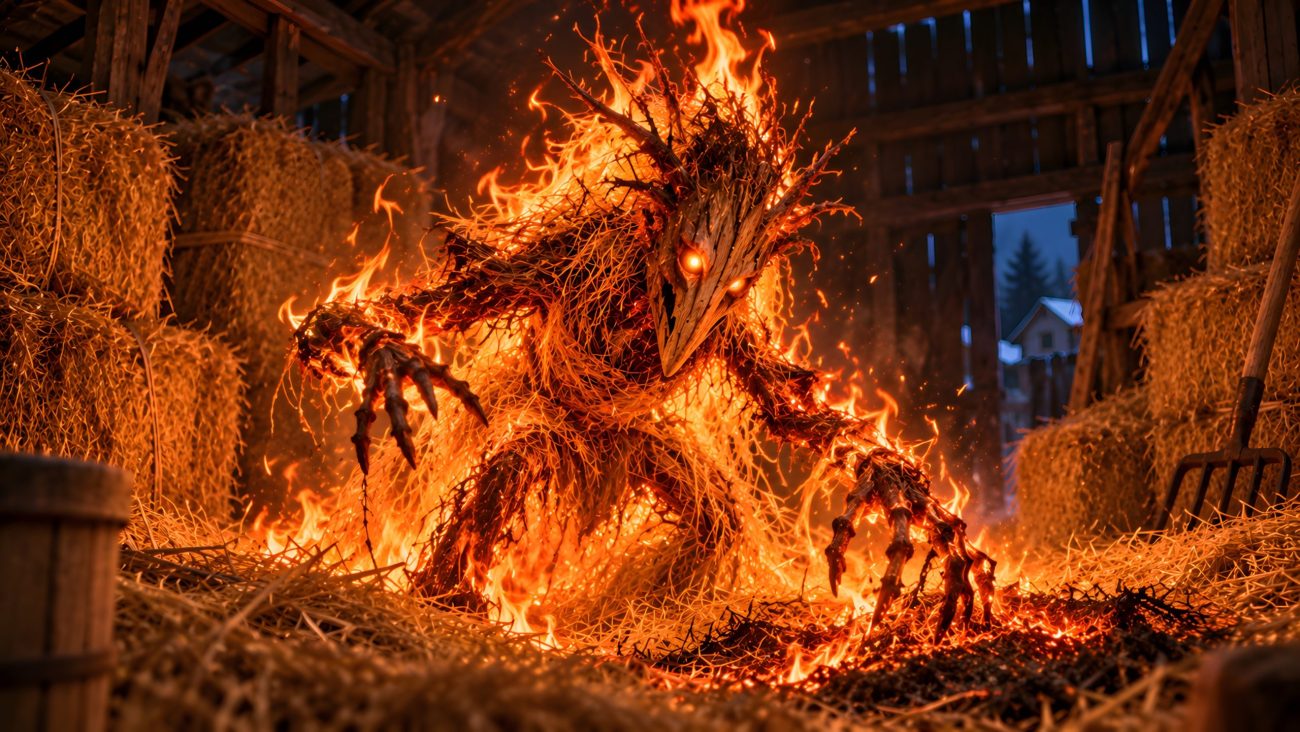
Pok is an evil spirit in Frisian folklore associated with the spontaneous heating of hay. When a blackened patch is discovered inside a bale of hay, people say that Pok has been there, attempting to start a fire.

The spirit’s association with hay reflects the danger of hay heating and potentially catching fire during storage. In the folk belief recorded by Van der Molen, a dark spot in the hay serves as evidence that Pok has tried to kindle a blaze. No further details about the spirit’s appearance or other activities are provided in the available account.


Sources

Van der Veen, Abe. “Van aardmannetje tot zwarte juffer: Een lijst van Nederlandse en Vlaamse elfen en geesten.” Abe de Verteller. https://abedeverteller.nl/van-aardmannetje-tot-zwarte-juffer-een-lijst-van-nederlandse-en-vlaamse-elfen-en-geesten/


Kuneyusuri

Tradition: Japanese Mythology
Alternative Names: Kuneyusuri
Category: House dweller


The Myth

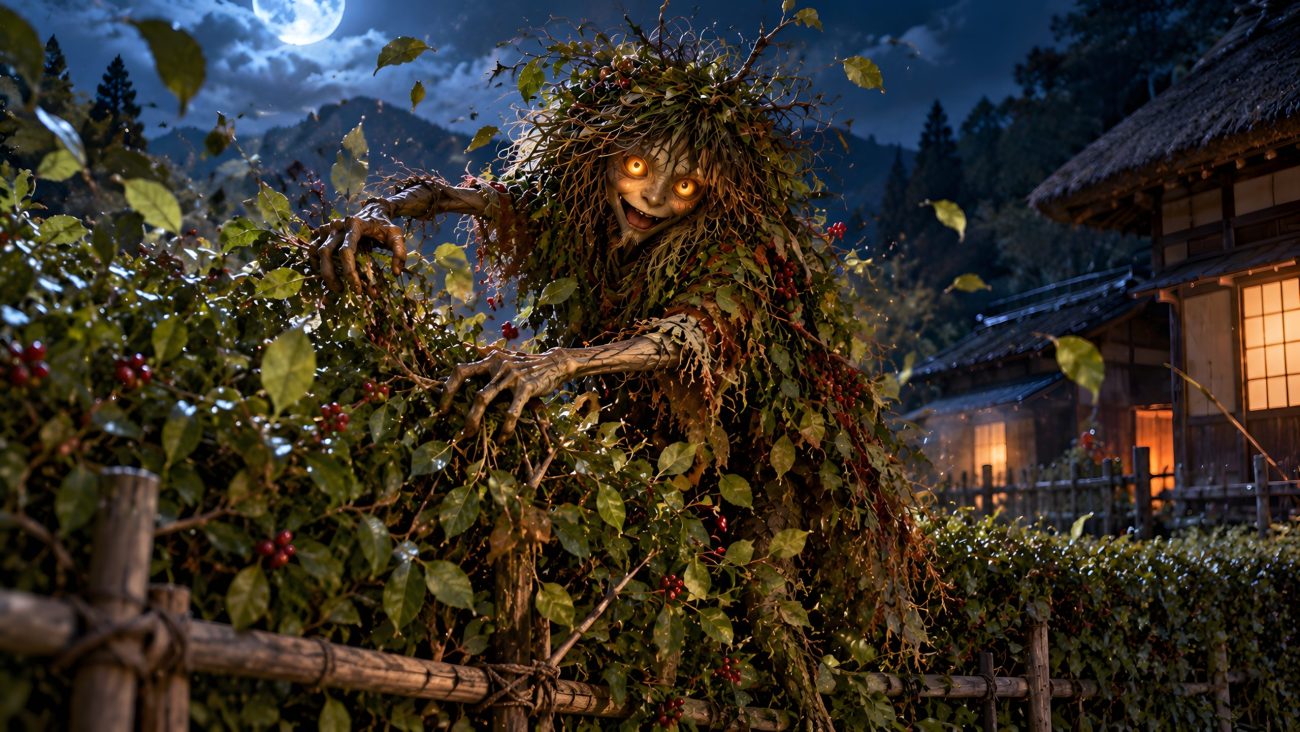
Kuneyusuri is a supernatural creature from Nakagawa Village, formerly in Kakunodate Town, Senboku District, Akita Prefecture, Japan. Its name refers to a hedge, and the creature is known for violently shaking hedges, making the vegetation move as though an unseen force were disturbing it.

Little else is recorded about Kuneyusuri in the available account. Its appearance, motives, and whether it causes harm are not described, leaving it known primarily for its unsettling habit of violently shaking hedges.


Sources

“Kuneyusuri.” 新版TYZ 妖怪図鑑 (New TYZ Yokai Encyclopedia). https://tyz-yokai.blog.jp/archives/1010654448.html


Flerus

Tradition: Belgian Mythology
Alternative Names: –
Category: House dweller


The Myth

Fleurus is a benevolent household spirit in Flemish folklore that can take the form of a person or a domestic animal. He performs heavy household work and helps families with difficult tasks. When a maid cannot manage the cleaning, Fleurus may come to her aid; if a horse is sick, he can appear as a strong, vigorous horse, allowing himself to be harnessed and working in its place. He expects little in return, usually accepting a small amount of fresh milk and sugar as a reward.

Fleurus is generally helpful, but he can also be mischievous. One story tells of a farmer whose business was prosperous and whose household was well cared for by the spirit. When a horse fell ill, Fleurus appeared in the form of a strong horse and willingly performed the work. He never shied away from labour and also helped when a maid was unable to cope with her cleaning duties. In return, he was usually given fresh milk with a little sugar.

One day, however, a pair of young newlyweds decided to play a trick on Fleurus. When he appeared to help with the work, they offered him milk mixed with garlic instead of sugar. Fleurus merely sipped the drink and disappeared, saying:

“Milk and garlic!
Fleurus runs away,
And with him goes the luck.”

After that, nobody heard or saw Fleurus at the farm again. The place became known as Fleurushoff, preserving the memory of the household spirit whose help and good fortune had been lost through the couple’s trick.


Sources

“Flerus.” Encyclopedia Mythica. https://pantheon.org/articles/f/flerus.html