Lubber Fiend

Tradition: English Mythology
Alternative Names: Lob, Lubberkin, Lurdane, Lob Lie-By-The-Fire
Category: House dweller


The Myth

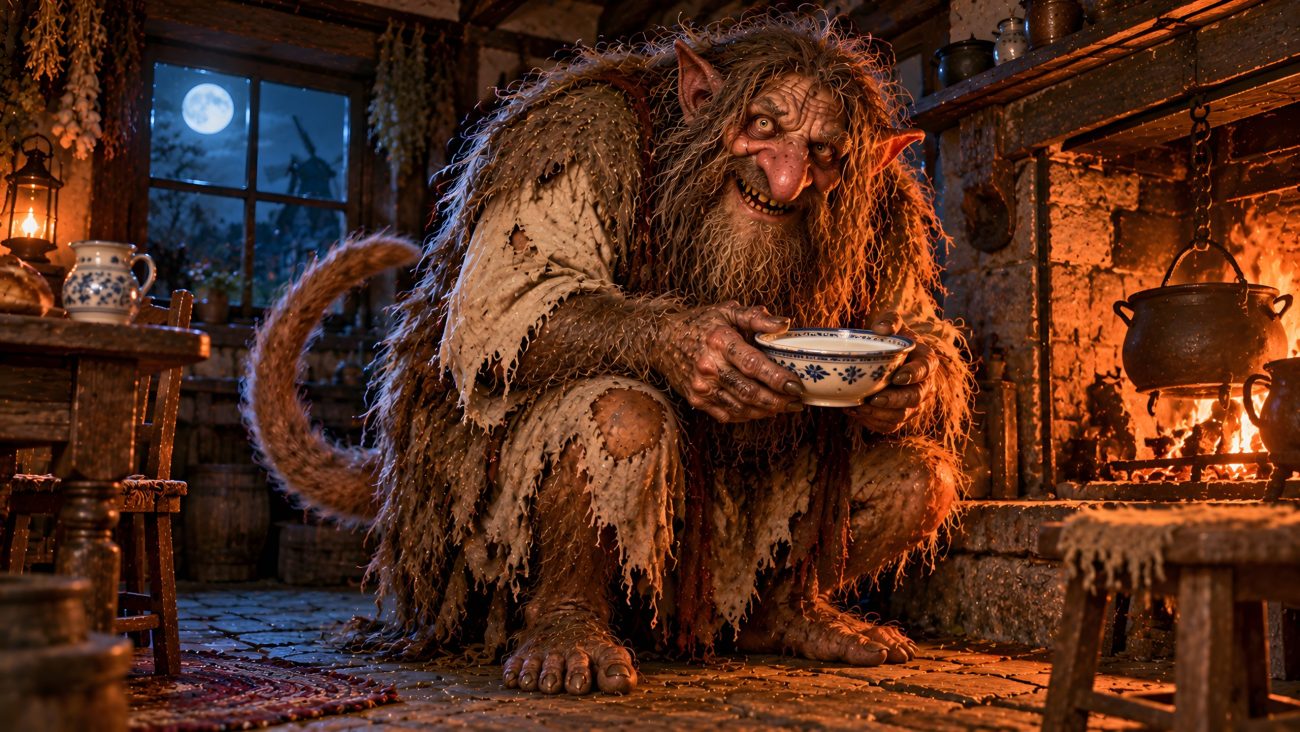
The Lubber Fiend is a household spirit in English folklore, best known for performing domestic chores in exchange for simple comforts. It is typically described as a large, hairy man with a tail. In return for its labour, it expects a saucer of milk and a place in front of the fire, where it can rest after completing its work. Its behaviour resembles that of the Scottish brownie and related household spirits found elsewhere in Europe.

The Lubber Fiend belongs to a wider family of supernatural household helpers. It has been compared with the brownie and urisk of Scotland and northern England, the hob of northern England and the Scottish Borders, the Slavic domovoi, and the Scandinavian tomte. It has also been associated with Robin Goodfellow and hobgoblins. These comparisons place the Lubber Fiend among the folkloric beings believed to inhabit domestic spaces and interact with human households.

One account gives the creature a more extraordinary origin, describing it as the giant son of a witch and the Devil. This version presents the Lubber Fiend as something more imposing and potentially sinister than an ordinary household helper, although its best-known role remains that of a worker who performs chores in return for food and warmth.

A related figure is the abbey lubber, a minor demon associated with the wine cellars and kitchens of abbeys. Unlike the domestic Lubber Fiend, the abbey lubber encourages monks to indulge in drunkenness, gluttony, and sexual excess. One of the best-known stories involving this type of creature concerns Friar Rush, whose tale features a supernatural being that infiltrates a religious community.

The Lubber Fiend is also remembered through English literature. John Milton mentions the creature in his pastoral poem L’Allegro, helping preserve its place in the literary tradition. Across its different representations, the Lubber Fiend reflects the varied character of English household folklore: a hairy supernatural servant who rewards hospitality with labour, yet whose relatives and alternative forms can be associated with demonic temptation and misconduct.


Sources

“Lubber fiend.” Wikipedia: The Free Encyclopedia. Wikimedia Foundation. Accessed October 18, 2026. https://en.wikipedia.org/wiki/Lubber_fiend
Billy Blind

Tradition: English Mythology, Scottish Mythology
Alternative Names: Billy Blin, Billy Blynde, Billie Blin, Belly Blin
Category: House dweller


The Myth

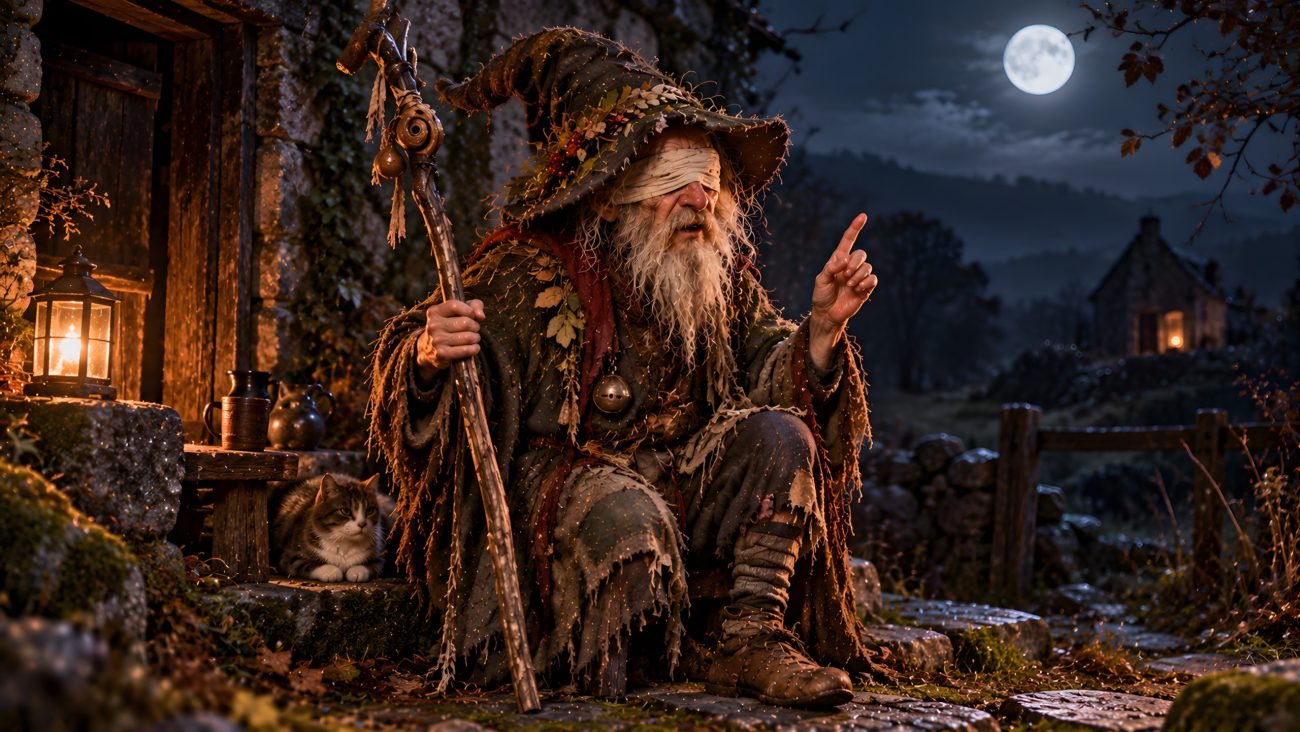
Billy Blind is a household spirit in English and Lowland Scottish folklore, similar to a brownie. Unlike many domestic spirits known for performing chores, Billy Blind is chiefly remembered for his appearances in traditional ballads, where he frequently offers advice to the human characters. His guidance can help them understand their circumstances and decide how to act.

Billy Blind’s appearance and exact nature are not described in the available account. His role is instead defined by his presence in ballad narratives, where he acts as a supernatural adviser who assists people through his knowledge and counsel. His association with the household-spirit tradition places him among the supernatural beings believed to exist alongside ordinary human life.

Some scholars have suggested that Billy Blind may preserve a folk memory of the Germanic god Woden, also known as Odin, particularly a more playful aspect of that deity. This remains a proposed interpretation rather than an established origin. He has also been speculated to be the same character as Blind Harie, described in Scottish tradition as the “blind man of the game.”

Billy Blind is therefore best understood through his function in traditional storytelling: a supernatural figure who appears at important moments to advise the characters. His connection to household spirits, together with the possible links to older Germanic mythology, gives him a place between domestic folklore and the supernatural advisers of traditional ballads.


Sources

“Billy Blind.” Wikipedia: The Free Encyclopedia. Wikimedia Foundation. Accessed October 18, 2026. https://en.wikipedia.org/wiki/Billy_Blind


Hob

Tradition: English Mythology
Alternative Names: Hobgoblin, Hob-thrush, Hob-thrust, Hob-dross
Category: House dweller


The Myth

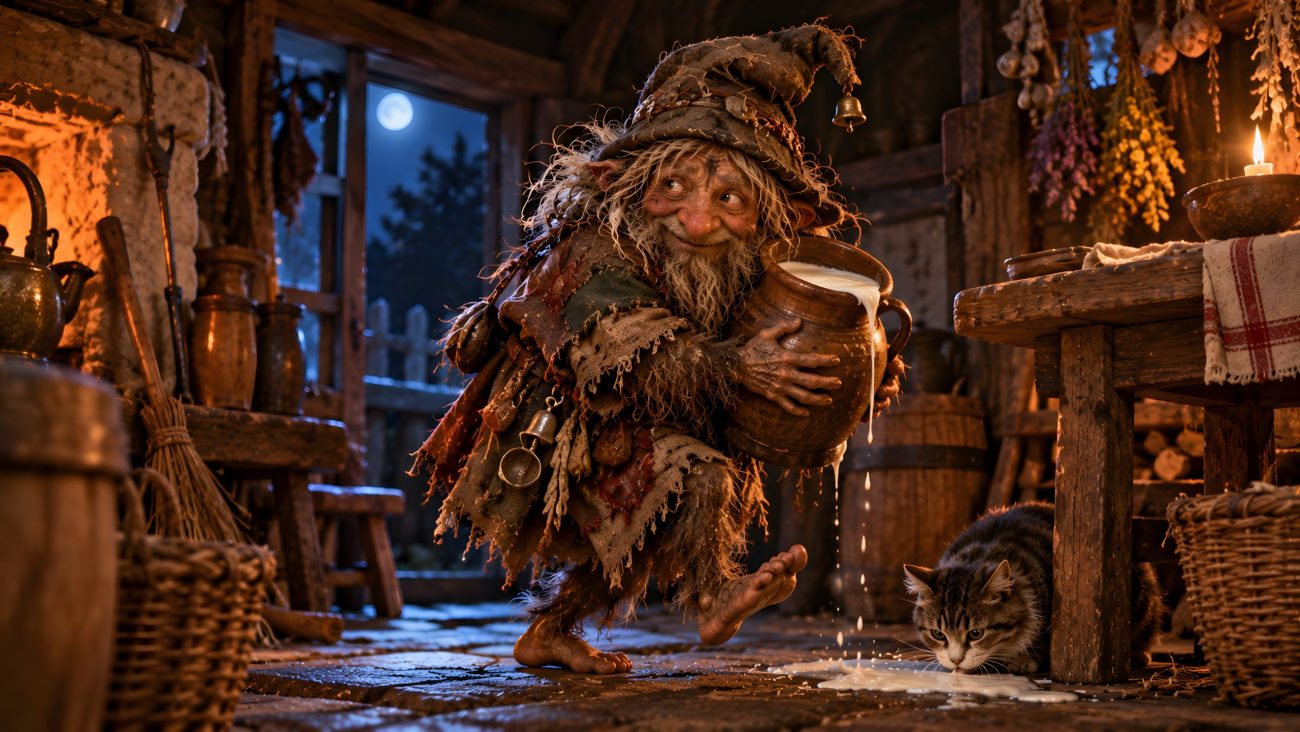
A hob is a small supernatural being in English folklore, often described in Yorkshire as a hairy, wizened little man. Hobs can live inside houses or outdoors, including in farmyards, caves, and other secluded places. They are generally helpful but mischievous spirits, known for assisting people with their work. They may help farmers in the fields, shopkeepers in their stores, and households with difficult tasks. However, their assistance depends on how they are treated, and an offended hob can become a troublesome presence.

Hobs are particularly associated with nighttime and are not necessarily tied to one location. They come and go as they please, helping people who respect them but retaliating against those who insult them. A farmer who speaks badly of the spirit on his land might find dishes broken and livestock let loose. Despite their helpful nature, hobs can be difficult to get rid of, and some are said to follow people even when they move away.

One famous hob lived in a cave known as Hobhole near Runswick Bay in Yorkshire. People believed that this spirit could cure children suffering from kink-cough, or whooping cough. Parents brought their sick children to the cave and called upon the hob to take the illness away. This tradition portrays the hob not merely as a household helper but also as a spirit capable of healing.

Clothing plays an important role in stories about hobs. Giving a hob new clothes, such as a shirt, cap, or hood, usually causes it to leave permanently. The gesture may be intended as a reward, but the spirit takes offence and withdraws its services. Traditional rhymes mark the moment when the hob departs, warning that it will no longer help. This motif reflects the delicate relationship between humans and these supernatural workers: their assistance cannot simply be bought or controlled.

A story from Farndale in the North York Moors tells of a farmer so troubled by his hob that he decided to move to another farm. He loaded his furniture and equipment onto a cart and set off. When a neighbour asked whether he was moving, a voice called out from inside a churn on the cart: “Aye, lad, we’re flittin!” The farmer realised that the hob had followed him and would remain with him wherever he went, so he turned around and returned to his original farm.

Although many hobs can be dismissed by offering them clothing, the most persistent may be impossible to escape. They embody the uncertain nature of supernatural household assistance: a hob can be a valuable worker and even a healer, but offending it may turn a helpful spirit into a lasting nuisance.


Sources

“Hob (Folklore).” Wikipedia: The Free Encyclopedia. Wikimedia Foundation. Accessed October 24, 2026. https://en.wikipedia.org/wiki/Hob_(folklore)