Langarm

Tradition: Dutch Mythology
Alternative Names: Langarm
Category: House dweller


The Myth

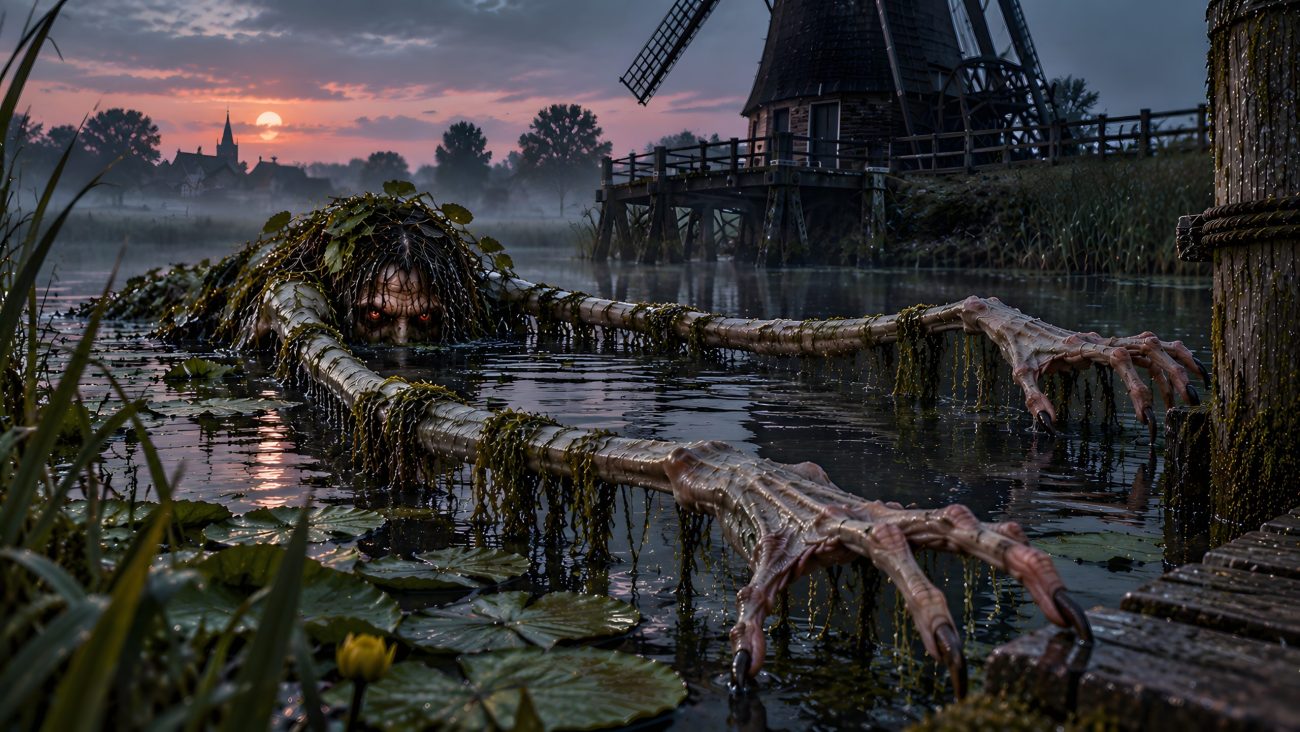
Langarm is a frightening creature from the folklore of Edam, in North Holland, Netherlands. It was said to inhabit a deep pool beside a windmill, known as a molenkolk. During the 1920s and 1930s, children were warned to stay away from the water because Langarm lurked beneath its surface, waiting to seize anyone who came too close.

According to the local warning, Langarm would grab a child with its long arm and pull them down into the depths of the pool. Its name, meaning “long arm” in Dutch, evokes the creature’s threatening ability to reach out from the water and drag its victims beneath the surface.

The story was passed down through a woman from Edam who recounted the warning her father had known. The available account does not describe Langarm’s appearance beyond the implication of its long arm, nor does it explain whether the creature was believed to emerge from the water.

Langarm belongs to the tradition of frightening water-dwelling beings used to keep children away from dangerous places. By imagining a creature waiting in the depths of a mill pool, the warning transformed a real physical hazard into a supernatural threat, discouraging children from approaching the water’s edge.


Sources

Van der Veen, Abe. “Van aardmannetje tot zwarte juffer: Een lijst van Nederlandse en Vlaamse elfen en geesten.” Abe de Verteller. https://abedeverteller.nl/van-aardmannetje-tot-zwarte-juffer-een-lijst-van-nederlandse-en-vlaamse-elfen-en-geesten/
Tongesnaier

Tradition: Dutch Mythology
Alternative Names: Tongesnaier
Category: House dweller


The Myth

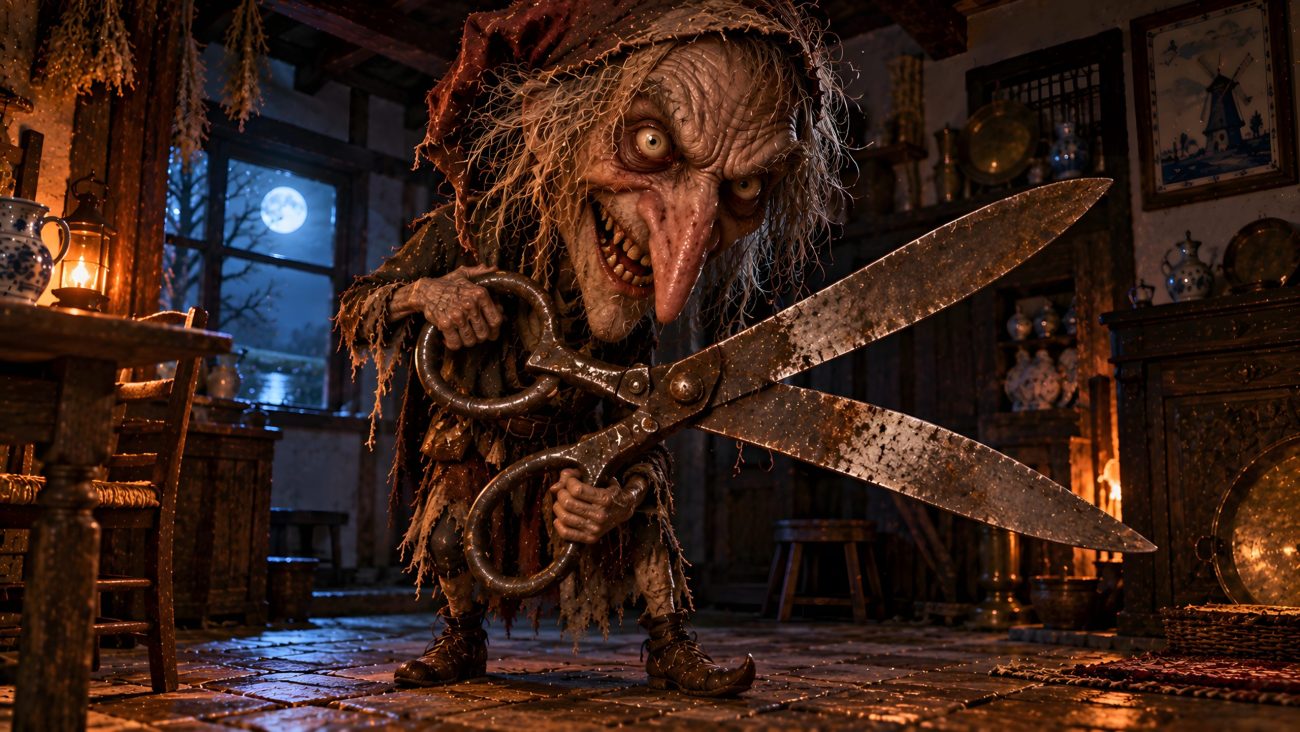
Tongesnaier is a frightening figure from the folklore of Zeeland, in the Netherlands. It is described as an ugly man who threatens to cut off the tongues of children who stick them out mockingly at other people.

The creature’s name is associated with the act of cutting out a tongue, reflecting the punishment it threatens to inflict. Its role was to discourage children from making faces or sticking out their tongues to ridicule others, turning disrespectful behaviour into something that could bring a terrifying consequence.

The available account provides no further details about Tongesnaier’s appearance, origins, or activities beyond this threat. It survives as a local figure used to frighten children into behaving respectfully.

Tongesnaier belongs to the tradition of frightening figures invoked to discourage disobedience and insolence. Through the threat of a brutal punishment, the story reinforces the expectation that children should not mock or deliberately provoke others.


Sources

Van der Veen, Abe. “Van aardmannetje tot zwarte juffer: Een lijst van Nederlandse en Vlaamse elfen en geesten.” Abe de Verteller. https://abedeverteller.nl/van-aardmannetje-tot-zwarte-juffer-een-lijst-van-nederlandse-en-vlaamse-elfen-en-geesten/


Spinwijf

Tradition: Dutch Mythology
Alternative Names: Spinjuffer, Spin-An
Category: House dweller


The Myth

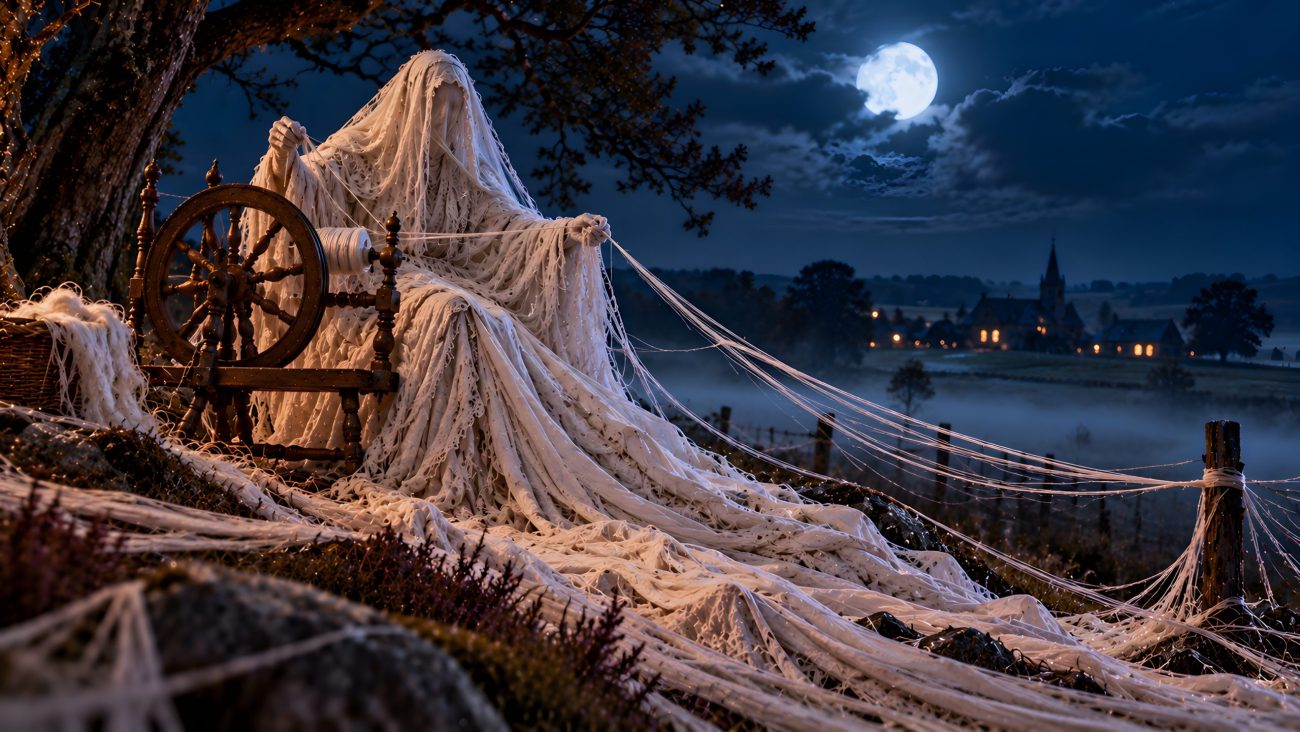
The Spinwijf is a mysterious old woman dressed in white who appears spinning by moonlight in lonely, secluded places. Her spinning produces exceptionally long threads, and she is known for using them to trap unsuspecting young men and girls. The creature is reported in Friesland, Drenthe, and Groningen, including the village of Jipsinghuizen.

In Jipsinghuizen, the Spinwijf lives on the Spinberg, where she can be seen spinning in the evening. She produces long threads that she stretches across the ground to make young men stumble. Once they fall, she captures them. Her spinning is therefore not merely a quiet domestic activity but a means of ensnaring people who wander too close to her secluded domain.

In Drenthe, another Spinwijf inhabits a field of grain. When a girl walks through the corn, the old woman seizes her and spins all the hair from her head. This frightening tale connects the spirit’s spinning directly to human hair, turning an ordinary agricultural landscape into a place of supernatural danger.

The Spinwijf combines the familiar image of an elderly woman spinning thread with a threatening supernatural nature. Her long threads become traps for young men, while her encounter with girls in the grain field results in the loss of their hair. These regional stories portray her as a dangerous figure who hides in isolated places and uses her spinning to capture or torment those who approach her.


Sources

Van der Veen, Abe. “Van aardmannetje tot zwarte juffer: Een lijst van Nederlandse en Vlaamse elfen en geesten.” Abe de Verteller. https://abedeverteller.nl/van-aardmannetje-tot-zwarte-juffer-een-lijst-van-nederlandse-en-vlaamse-elfen-en-geesten/


Pok

Tradition: Dutch Mythology
Alternative Names: De Pok
Category: House dweller


The Myth

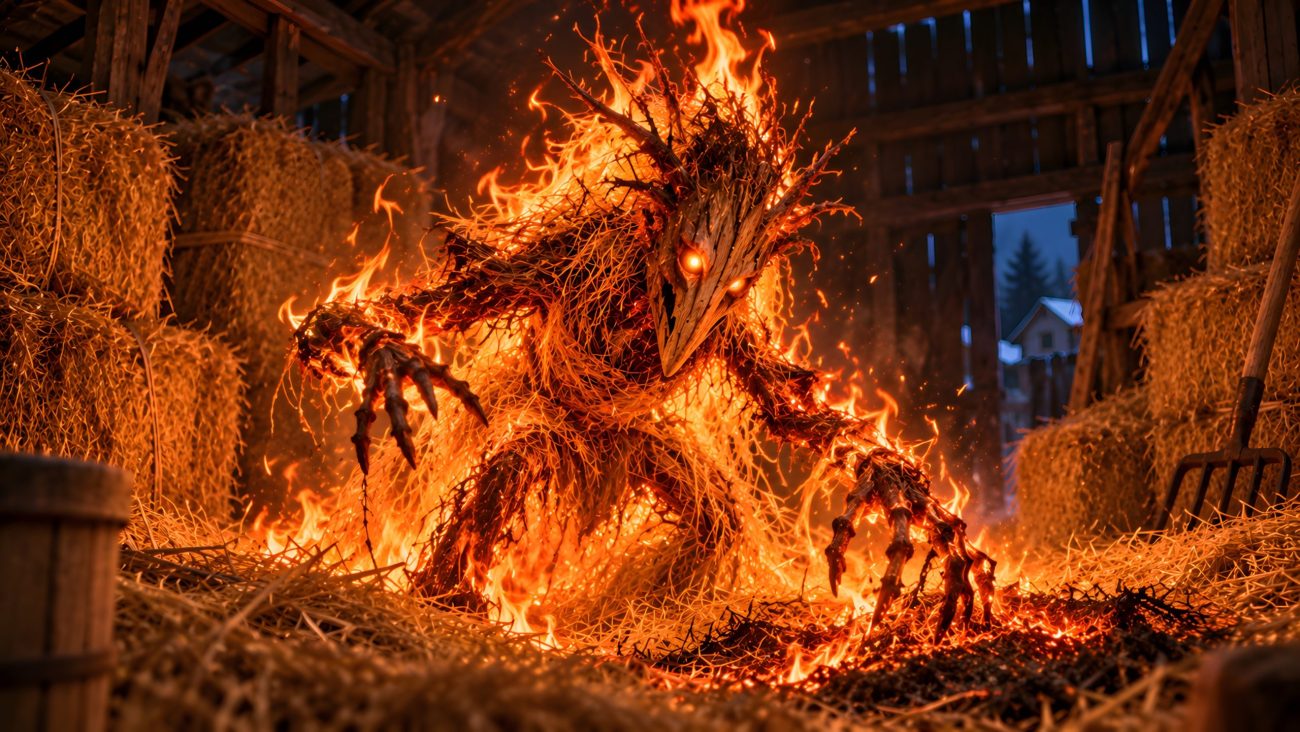
Pok is an evil spirit in Frisian folklore associated with the spontaneous heating of hay. When a blackened patch is discovered inside a bale of hay, people say that Pok has been there, attempting to start a fire.

The spirit’s association with hay reflects the danger of hay heating and potentially catching fire during storage. In the folk belief recorded by Van der Molen, a dark spot in the hay serves as evidence that Pok has tried to kindle a blaze. No further details about the spirit’s appearance or other activities are provided in the available account.


Sources

Van der Veen, Abe. “Van aardmannetje tot zwarte juffer: Een lijst van Nederlandse en Vlaamse elfen en geesten.” Abe de Verteller. https://abedeverteller.nl/van-aardmannetje-tot-zwarte-juffer-een-lijst-van-nederlandse-en-vlaamse-elfen-en-geesten/