Tradition / Region: Estonian Mythology
Alternative names: House Spirit, Home Spirit, Farm Spirit, Building Spirit, House Guardian, House Ghost, Viruskundra (regional form)
Category: House Dweller
The Myth
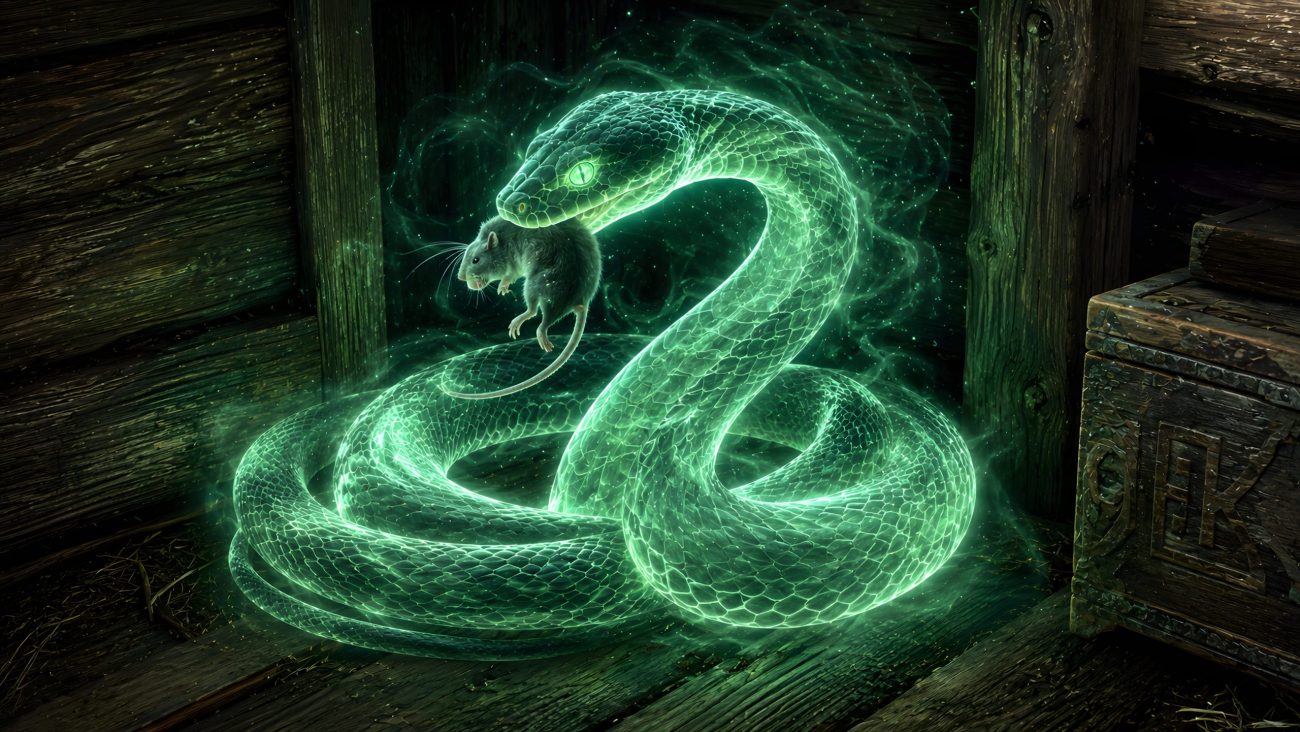
Majahaldjas is the protective spirit that dwells within every home. It may live inside houses, barns, mills, threshing houses, churches, and other buildings, quietly watching over the people who live there. The spirit cares for the household, protects its inhabitants, and helps maintain peace and prosperity.
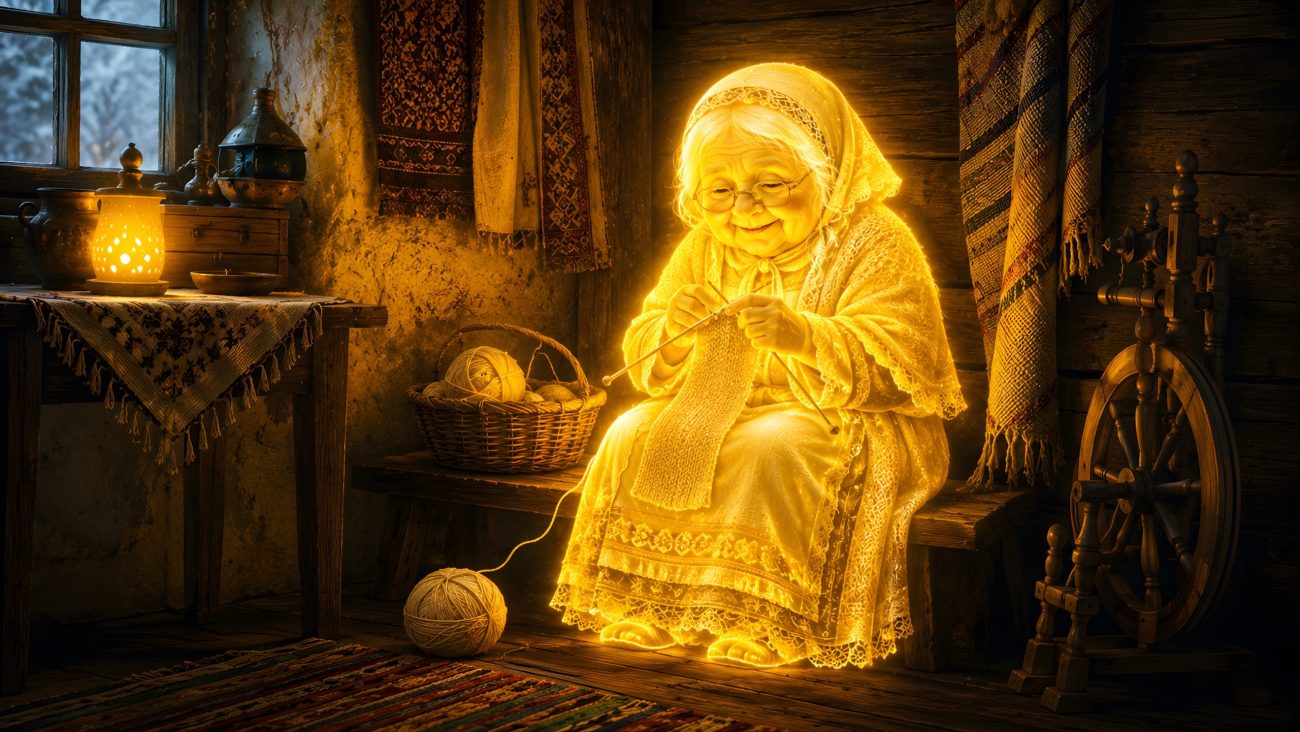
It rarely reveals itself. When it does appear, it usually takes the form of an elderly man or woman, often believed to be a former resident of the house who continues to guard it after death. It is also said to appear around the time of a household member’s death, while many people claimed to see it only in dreams.
The Majahaldjas is kind only to good people. Because it knows every corner of the home, it can warn the family of danger, offer advice during difficult times, and quietly help with household affairs. However, it cannot tolerate constant quarrels, insults, or a household filled with anger. If driven away by fighting or mistreatment, it abandons the home, taking its protection with it and leaving the family vulnerable to misfortune.
Families traditionally sought to keep the spirit content by making small offerings. Food was left on shelves or near the hearth, while drops of beer or homemade ale were poured into the corners of the house as gifts for the unseen guardian. These offerings were believed to restore harmony if the spirit had become offended.
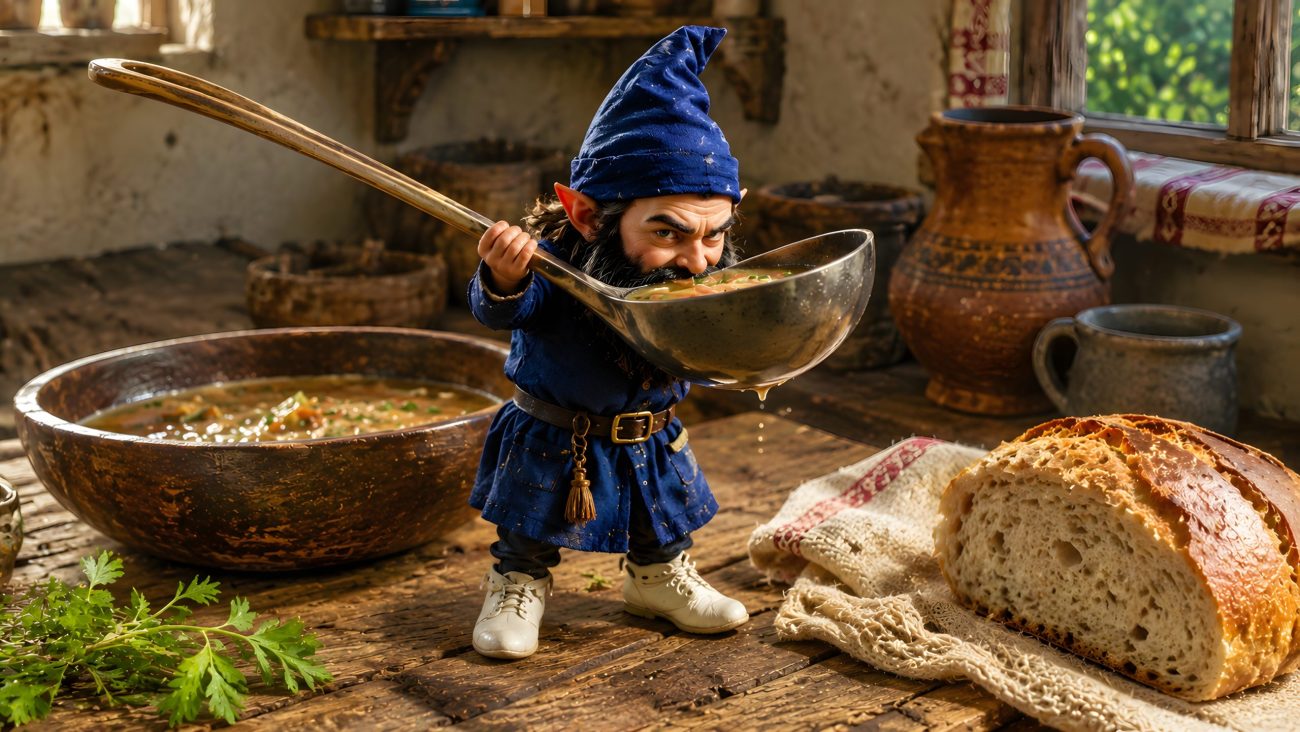
In southern Estonia, especially in Võru and Setomaa, the house spirit is known as Viruskundra. It was believed to live beneath the stove, sometimes above it or on the sleeping platform. Although rarely seen, its voice was often heard, and children were warned to respect it. At Christmas, food was left for Viruskundra, and when a child’s baby tooth fell out, it was thrown onto the stove with the words: “Viruskundra, take this bone tooth and give me an iron tooth.” The spirit was also believed to reveal treasures hidden beneath the house to families it favored.
Sources
Wikipedia contributors. (n.d.). Majahaldjad. In Vikipeedia. Retrieved June 29, 2026, from https://et.wikipedia.org/wiki/Majahaldjad