Clurichaun

Tradition / Region: Irish mythology
Alternate Names: Clúrachán, Clobhair-ceann, Cluracan, Cluracaun, Cluricaun, Cluricaune
Category: Gnome, Fairy


The Myth

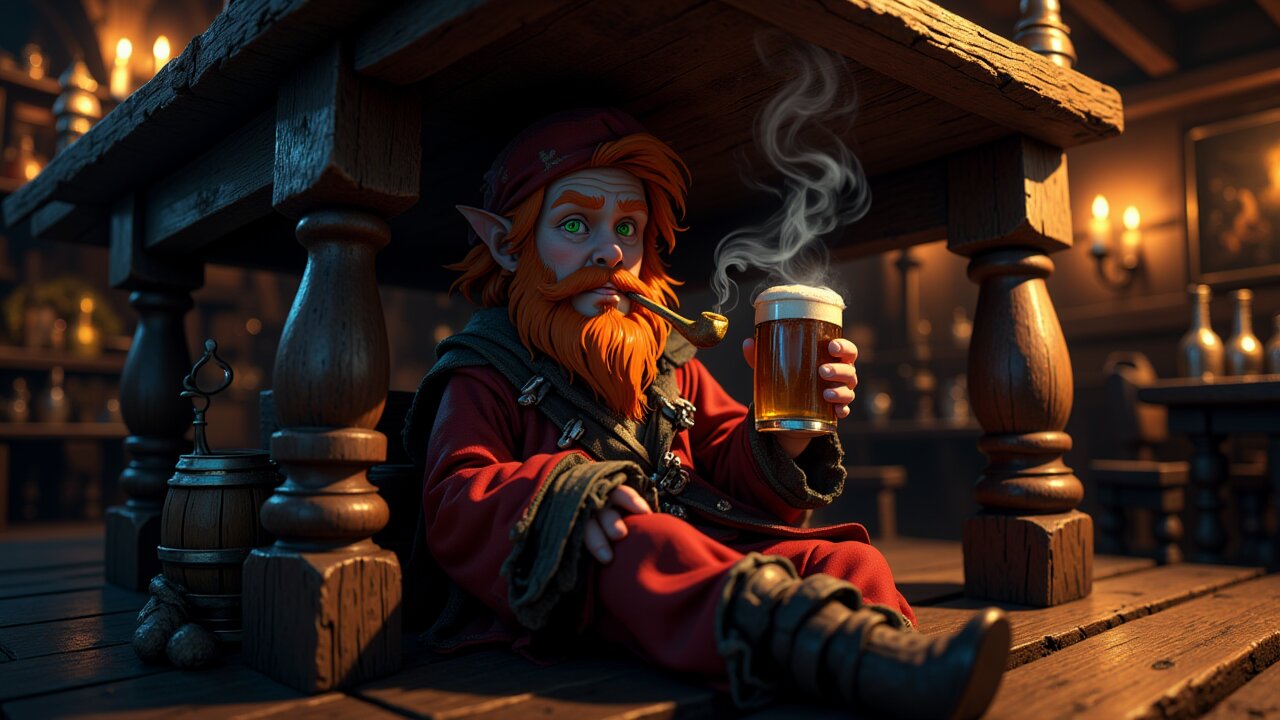
The clurichaun is a solitary fairy who loves drink above all else. He haunts breweries, pubs, wine cellars, and any place where alcohol is stored, and once he chooses a household or cellar, he is extremely difficult to get rid of.

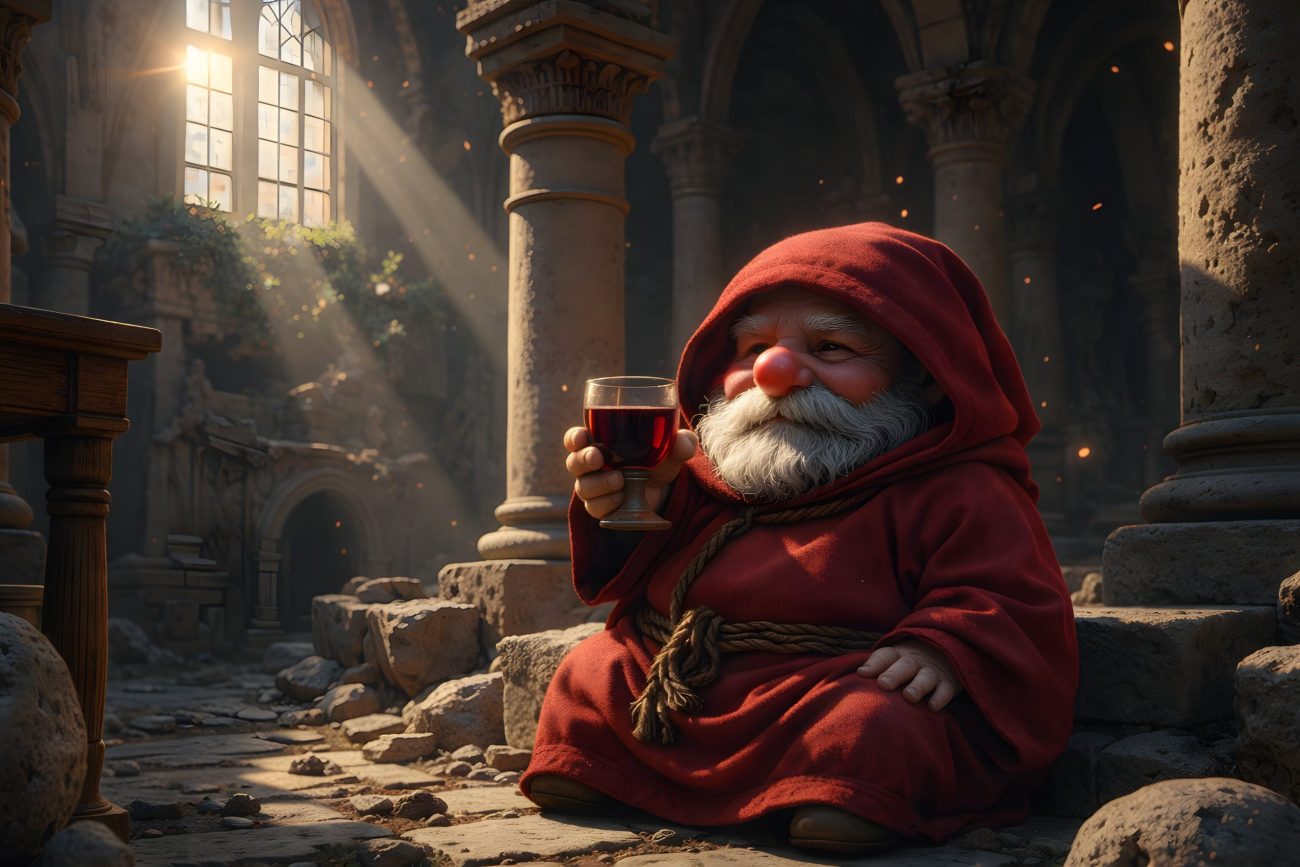
He appears as a tiny old man, often no taller than a foot, with a red and weathered face, twinkling eyes, and a nose stained purple from constant drinking. He usually wears red—most often a red nightcap—along with fine little shoes fastened by silver buckles. Though small, his presence is loud and unmistakable: laughter, singing, banging, and drunken mischief echo wherever he settles.

At night, the clurichaun drinks whatever he can find. He rides atop wine casks like a king on a throne, draining barrels and singing merrily to himself. Servants who are careless suffer his wrath. If a tap is left running, he may wedge his own body into the barrel to stop the flow, waiting patiently until someone comes. But if he is neglected, insulted, or denied food or drink, his temper turns vicious. He pulls people from their beds, throws them down stairs, or beats them black and blue in fits of drunken fury.

Despite this, the clurichaun is not purely malicious. If treated well, he becomes fiercely loyal. He guards the cellar, protects the household’s property, and punishes dishonest servants who steal wine. Many families learned to leave him food and drink each night, fearing his anger more than his appetite.

Some tales say the clurichaun can slip through keyholes, ride through the air on reeds like a witch on a broom, or turn bog rushes into horses for midnight journeys. Others tell of unlucky men who refused to pay him for a drink and were forced into years of service, freed only by calling upon divine blessing.

Like his close cousin the leprechaun, the clurichaun is bound to place rather than people. If a household tries to flee him by moving away, he simply comes along, laughing from inside the new cellar. Once he chooses his haunt, he stays—drinking, singing, guarding, and tormenting—until the wine runs dry or the house falls to ruin.

The clurichaun is thus remembered as a spirit of excess and contradiction: drunken and dangerous, yet protective; cruel when offended, yet loyal when respected—a reminder that hospitality, once given to the unseen, must never be withdrawn.


Sources

Wikipedia contributors. (n.d.). Clurichaun. In Wikipedia, The Free Encyclopedia, from https://en.wikipedia.org/wiki/Clurichaun


Dzedka

Tradition / Region: Belarusian mythology
Alternate Names: Kladenets (Russian), Skarbnik (Polish)
Category: Gnome, Spirit


The Myth

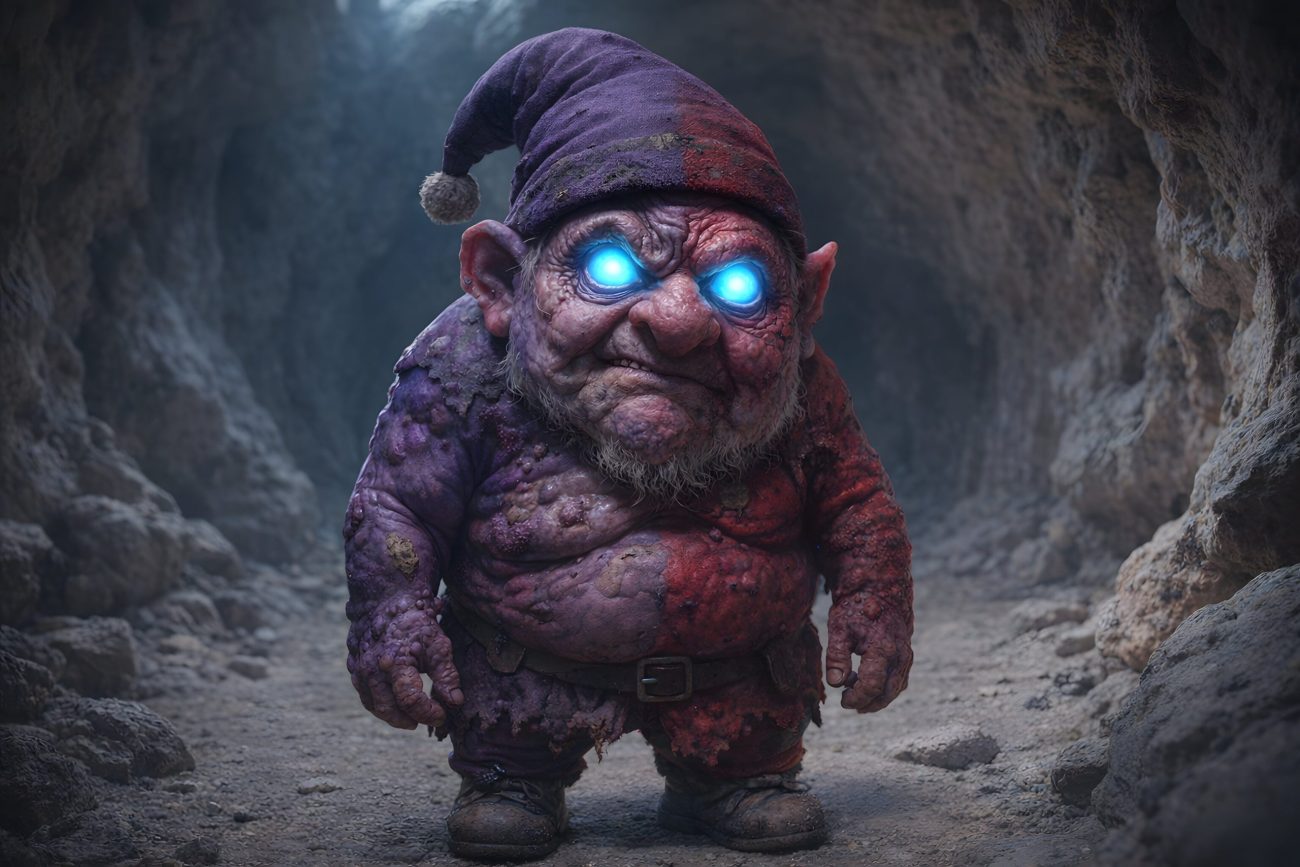
Dzedka appears in the world as an old, humble man. He walks slowly along roads, across fields, and through the quiet edges of villages. His beard is long and red, his eyes glow faintly red as well, and his clothes are plain and worn. With his sack over his shoulder, he looks no different from a poor beggar, and many pass him without a second glance.

Yet to meet Dzedka is never accidental.

When a person comes close to him without realizing who he is, a strange drowsiness falls over them. Their legs grow heavy, their thoughts blur, and they sink into sleep right there by the roadside or in the grass. While they sleep, Dzedka opens his bag and leaves behind a gift.

When the sleeper awakens, Dzedka is gone. In his place lies a sum of money—sometimes small, sometimes exactly what the person secretly needed. It is said that this money brings no curse or misfortune, only relief and opportunity.

For those who are already wealthy but unhappy, Dzedka’s gift is different. Instead of money, he grants a dream. In that dream, he shows them what is missing from their lives and what they must change to find true happiness. When they wake, the knowledge remains clear in their mind, like advice given by a wise elder.

Dzedka never demands gratitude, offerings, or prayers. He gives silently and disappears, leaving only fortune, insight, and the sense that kindness may walk the world disguised as poverty.


Sources

Wikipedia contributors. (n.d.). Dzedka. In Wikipedia, The Free Encyclopedia, from https://en.wikipedia.org/wiki/Dzedka


Krasnoludek

Tradition / Region: Polish Mythology
Alternate Names: Krasnal
Category: Dwarf, Gnome


The Myth

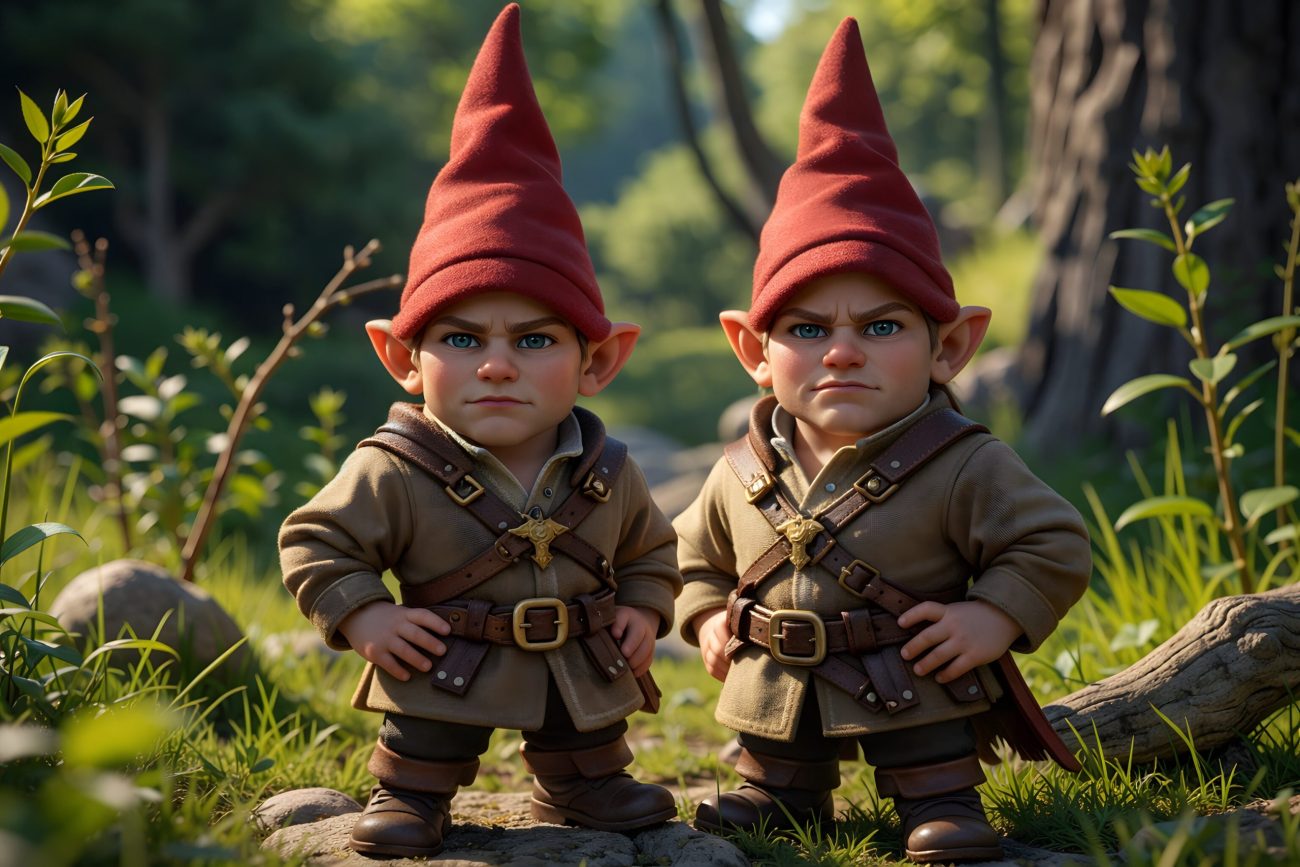
In Polish folk tradition, krasnoludki are small, human-shaped beings who live close to the hidden places of the world—forests, hills, cellars, and quiet corners where people rarely look. They are usually described as no taller than a child’s knee, with bearded faces, clever eyes, and bright red pointed caps that mark them out from ordinary folk.

Krasnoludki are not mighty warriors or terrifying spirits. Instead, they belong to the older, gentler layer of folklore: quiet helpers, watchers, and sometimes tricksters. They move unseen among humans, observing daily life and occasionally intervening. When treated with respect, they may help with small tasks, guard treasures, or bring subtle good fortune. When mocked or disrespected, they can just as easily hide things, confuse travelers, or vanish altogether, taking their luck with them.

They are often imagined as living in groups, with strong bonds of kinship, and are skilled with simple crafts and handiwork. Though small, they are clever and resilient, and their red caps are said to be symbols of vitality and protection.

In many tales told to children, krasnoludki represent a world just beside the human one: familiar, homely, and magical without being grand. They remind people that the land itself is alive with watchers, and that kindness toward small, unseen beings is repaid in quiet ways.

Over time, krasnoludki became figures of warmth and nostalgia in Polish storytelling—symbols of folk wisdom, endurance, and the magic hidden in everyday life.


Sources

Wikipedia contributors. (n.d.). Krasnoludek. In Wikipedia, The Free Encyclopedia, from https://en.wikipedia.org/wiki/Krasnoludek


Obariyon

Tradition / Region: Japanese Mythology
Alternate Names: Bariyon, Ubariyon, Onbu Obake, Obosaritei
Category: Yōkai, Gnome


The Myth

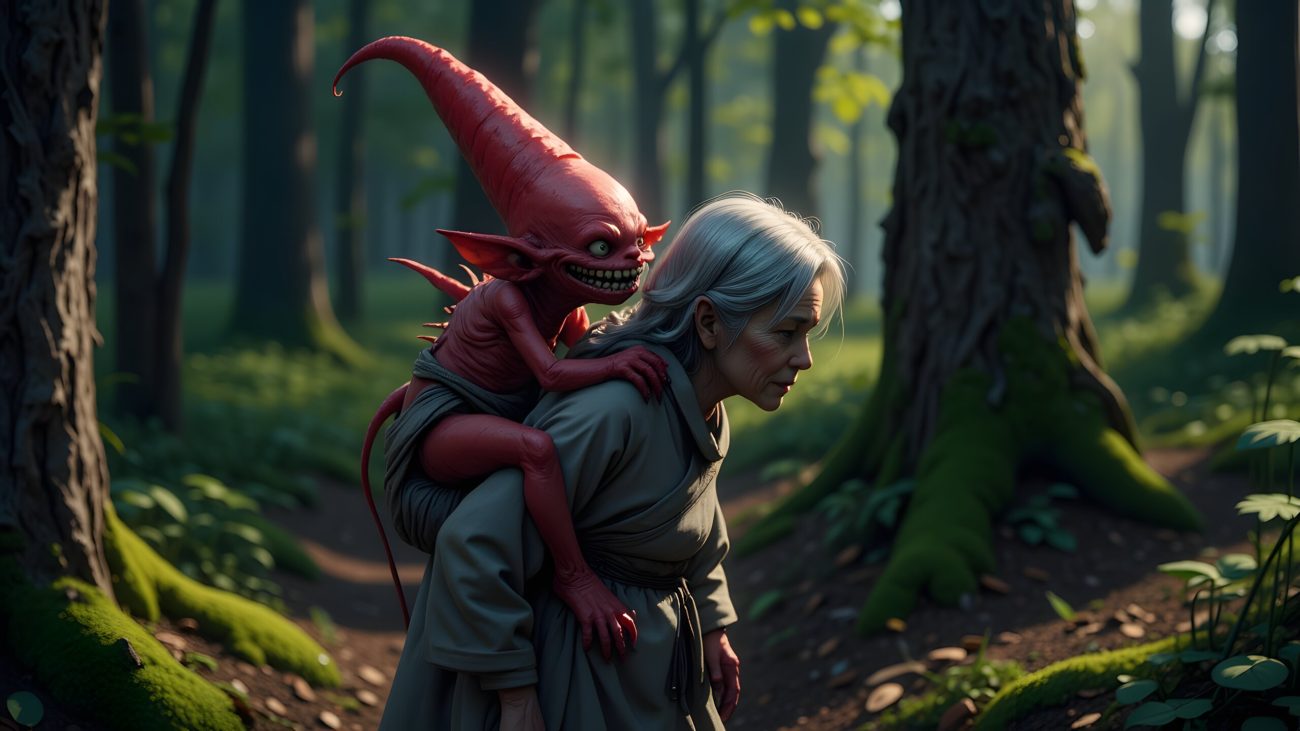
Along quiet roads and village paths in Niigata, travelers once feared encountering a strange child-sized being called Obariyon. It hid in bushes or trees by the roadside, waiting patiently for someone to pass by. When a lone traveler approached, the creature would suddenly leap onto their back and cry out, “Obariyon!” — a childish demand for a piggyback ride.

If the traveler panicked or tried to throw it off, misfortune followed. But if they sighed, endured, and carried the Obariyon on their back, the burden grew heavier with every step. What began as the weight of a child soon felt like a crushing load, bending backs and shaking knees. To make matters worse, Obariyon was said to chew at the scalp of whoever carried it, gnawing painfully as it laughed.

Some stories say the weight became so great that the traveler was eventually crushed beneath it. Yet more often, the tale ends differently. When the exhausted person finally reached home and the Obariyon vanished, the unbearable weight was revealed to have been a sack of gold all along. Those who endured the journey without complaint found themselves suddenly rich.

Because of this, Obariyon came to embody a dangerous test of patience. Villagers even wore metal bowls on their heads to protect themselves from its biting jaws, unsure whether the creature would bring ruin or reward. In the end, Obariyon was remembered as a yōkai of burden and blessing alike — a spirit that punished weakness, but richly rewarded those who carried its weight to the very end.


Gallery


Sources

Yokai.com contributors. (n.d.). Obariyon. In Yokai.com — The Japanese Mythology Database, from https://yokai.com/obariyon/


Interpretive Lenses

Religious Readings
  • Christian Ascetic Deep Dive
Philosophical Readings
  • Nietzschean Deep Dive
Psychological Readings
  • Jungian Deep Dive
Esoteric Deep Dive
  • Hermetic Deep Dive
Political / Social Readings
  • Marxist Deep Dive
Other
  • How to Invite The Obariyon

Burggruef Gnome

Tradition / Region: Luxembourg Mythology
Alternate Names: Wichtel
Category: Gnome, House dweller


The Myth

In the town of Grevenmacher, people once believed that small gnomes lived in the Burggruef, the old castle moat. These beings were not hidden enemies or frightening spirits, but friendly little folk who moved easily between their own hidden dwelling and the world of humans.

The gnomes were said to walk openly among the townspeople, helping where they could and bringing quiet good fortune. Unlike many other little folk, they were not feared or avoided. Instead, they were loved, welcomed, and spoken of with warmth. Their presence was believed to bring harmony to the town, as if the land itself was content.

Over time, the gnomes of the Burggruef faded from sight. Whether they withdrew deeper into the earth or simply left when belief in them waned was never known. Yet the memory remained: that once, in the castle moat of Grevenmacher, small hidden beings lived close to humanity, and for a time, both worlds shared the same ground in peace.


Gallery


Sources

SAGEN.at contributors. (n.d.). Wichtlein (Grevenmacher). In SAGEN.at, from https://www.sagen.at/texte/sagen/luxemburg/Wichtlein_Grevenmacher.html


Interpretive Lenses

Religious Readings
  • Christian Ascetic Deep Dive
Philosophical Readings
  • Nietzschean Deep Dive
Psychological Readings
  • Jungian Deep Dive
Esoteric Deep Dive
  • Hermetic Deep Dive
Political / Social Readings
  • Marxist Deep Dive
Other
  • How to Invite The Burggruef Gnome

Chopirako

Tradition / Region: Japanese mythology
Alternate Names:
Category: House dweller, Gnome


The Myth

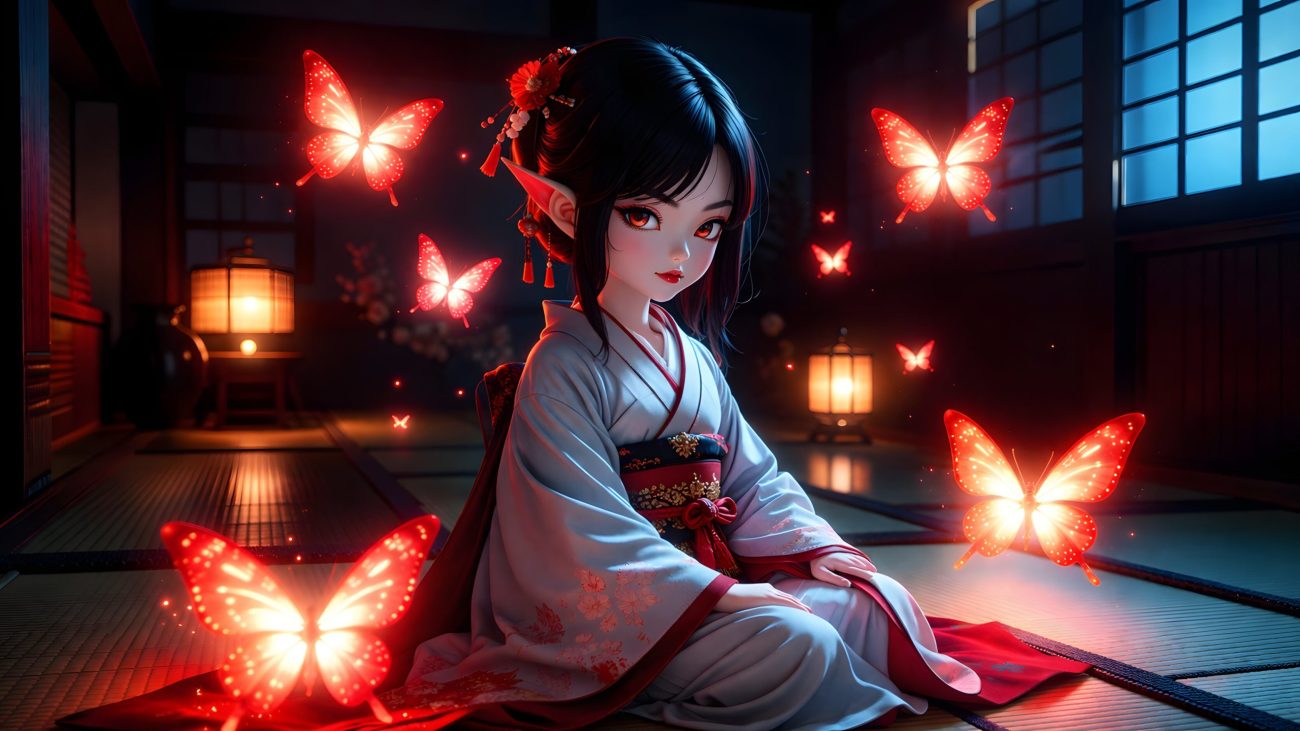
The Chopirako is said to be the most beautiful and refined of the household spirits known as zashiki-warashi. It appears as a small child, no more than four or five years old, pale and strikingly white, with a presence gentler and more radiant than its kin. Where a chopirako dwells, the house is blessed with quiet prosperity and harmony.

In old stories from northern Japan, a single household might host several such child spirits, each bound to a different space. One might live in the earthen floor, another in the living room, another near the tools of daily labor. The chopirako, however, was the highest and most graceful among them, associated with the heart of the home rather than its margins.

At night, when the house slept, these spirits made themselves known through sound rather than sight. Soft footsteps, the whisper of movement, or the faint presence of a child passing unseen through rooms were signs that the spirits were awake. They were never meant to be watched directly, and attempts to spy on them risked driving them away forever.

As with all zashiki-warashi, the chopirako was a double-edged blessing. As long as it remained, the household would thrive. If it vanished—offended, neglected, or simply choosing to depart—fortune would fade, and the house would fall into decline. Thus families treated their homes with care and respect, believing that unseen children might be listening, watching, and quietly deciding the fate of those who lived there.


Gallery


Sources

TYZ-Yokai Blog contributors. (n.d.). Chopirako. In TYZ-Yokai Blog, from https://tyz-yokai.blog.jp/archives/1085633632.html


Interpretive Lenses

Religious Readings
  • Christian Ascetic Deep Dive
Philosophical Readings
  • Nietzschean Deep Dive
Psychological Readings
  • Jungian Deep Dive
Esoteric Deep Dive
  • Hermetic Deep Dive
Political / Social Readings
  • Marxist Deep Dive
Other
  • How to Invite The Chopirako

Monaciello

Tradition / Region: Italian Mythology
Alternate Names: Munaciello
Category: House dweller, Gnome


The Myth

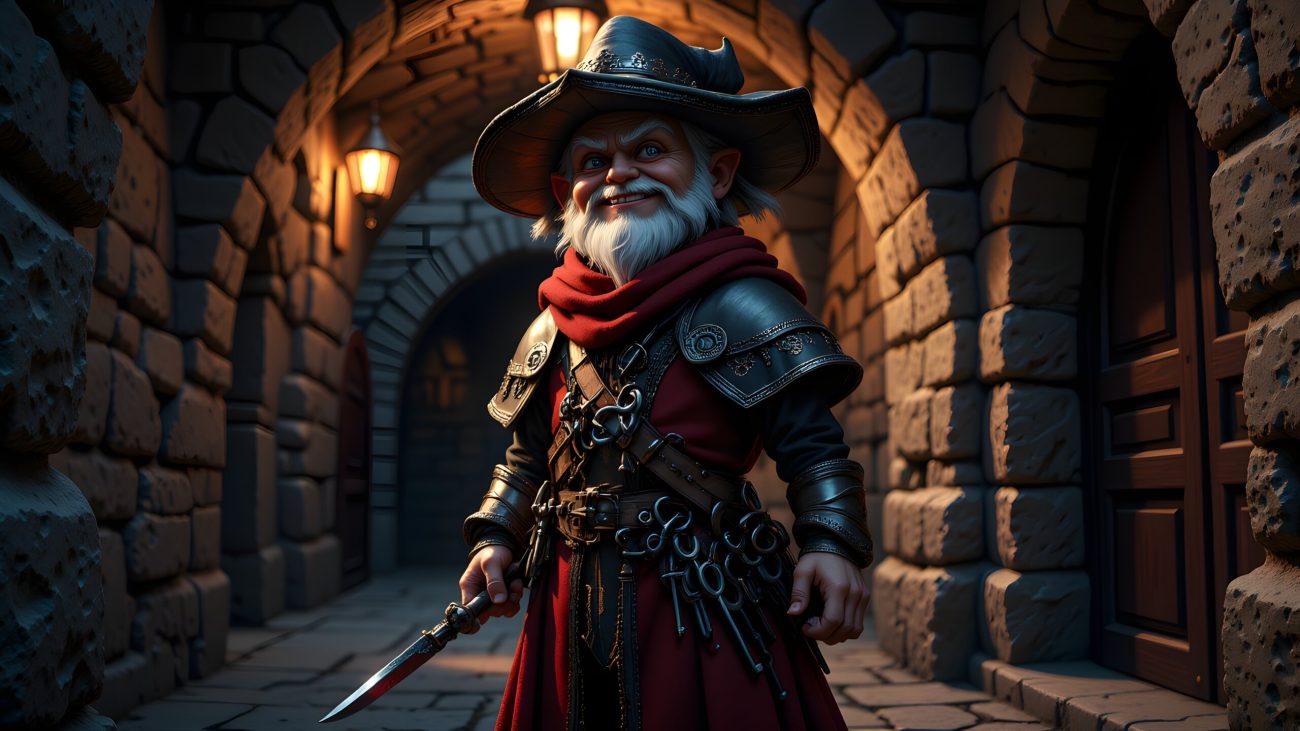
The Monaciello, the “little monk,” is one of the most familiar and unsettling spirits of Naples. Small, stocky, and hooded in a monk’s robe, he moves unseen through the city, slipping in and out of homes as easily as water through stone. His presence is felt most often at night, when doors are shut and the streets are quiet.

According to the old stories, the Monaciello knows the hidden world beneath Naples. He travels through underground passages, wells, and tunnels, emerging unexpectedly inside kitchens, cellars, or courtyards. When he appears in a home, he expects hospitality—food, wine, and respect. Families who share what little they have are often rewarded, sometimes waking to find coins, jewels, or other valuables left behind without explanation.

But the Monaciello is quick to anger. If he is refused, mocked, or treated with greed, he becomes spiteful. He may steal valuables, break household items, or plague the residents with bad luck. For this reason, people speak of him cautiously, never boasting about his gifts, for fortune gained through the Monaciello can vanish as suddenly as it appears.

Despite his temper, the Monaciello is not considered evil. In many tales, he appears to the poor or desperate, guiding them to hidden treasure or secretly leaving wealth where it will be found. Such sudden luck is still explained by saying, “Perhaps the little monk has been in the house.”

Thus the Monaciello remains a figure of uncertainty—part helper, part trickster, a spirit of Naples itself. He rewards generosity, punishes arrogance, and reminds those who live above the old stones that unseen guests still walk the city by night.


Sources

Wikipedia contributors. (n.d.). Monaciello. In Wikipedia, The Free Encyclopedia, from https://en.wikipedia.org/wiki/Monaciello


Far Darrig

Tradition / Region: Irish mythology
Alternate Names: Fear Dearg, Red Man, Rat Boys
Category: Gnome


The Myth

The far darrig is one of the darker little folk of Ireland, a solitary fairy feared not for strength, but for cruelty and laughter. He is known as the Red Man, for he appears dressed in a red coat and cap, a bright color that makes his presence unmistakable when he chooses to be seen.

Unlike fairies who help or bargain, the far darrig lives for practical jokes, and his humor is often grim. He delights in frightening people, humiliating them, or leading them into situations that end in terror or shame. His favorite victims are the helpless and the unsuspecting, and his tricks often carry lasting consequences.

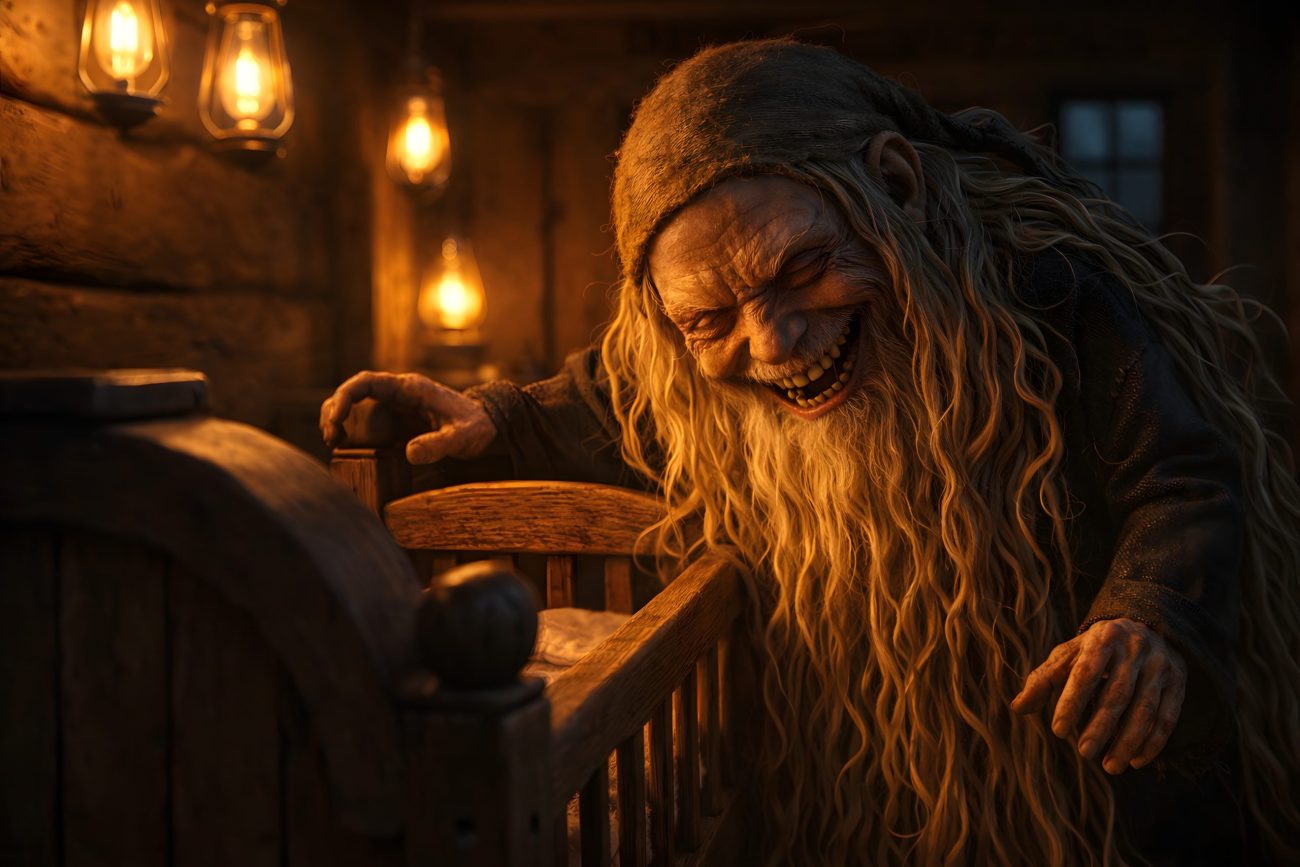
One of the most dreaded acts attributed to the far darrig is the exchange of infants. He is said to steal human babies from their cradles and replace them with changelings—sickly, unnatural beings that cry endlessly and never thrive. Families who suffered such losses believed the far darrig had passed through their home unseen, laughing as he worked.

In some tales, the far darrig is linked to nightmares. He presses upon sleepers, twists their dreams, and fills their sleep with fear. People who wake in terror, unable to move or speak, were sometimes said to have been visited by him in the night.

Though small, ugly, and misshapen—sometimes described as squat and heavy with a snout-like face and a thin tail—the far darrig is never harmless. He belongs to the same shadowy company as the leprechaun and the clurichaun, but where they mock and tease, the far darrig torments. His laughter is not playful; it is a warning that mischief, once invited, can turn cruel.


Sources

Wikipedia contributors. (n.d.). Far Darrig. In Wikipedia, The Free Encyclopedia, from https://en.wikipedia.org/wiki/Far_darrig


Kobalos

Tradition / Region: Greek mythology
Alternate Names: Kobaloi
Category: Gnome


The Myth

In the old Greek tales, the kobaloi were restless little sprites who delighted in mischief. They lurked along lonely roads, rocky places, and wild edges of the land, where they startled travelers, stole unattended goods, and played cruel jokes simply for the pleasure of it. To encounter them was not usually deadly, but it was rarely pleasant. They frightened children, confused wanderers, and mocked human seriousness with impudent laughter.

The kobaloi were closely tied to Dionysus, god of wine, ecstasy, and chaos. Like his other followers, they embodied disorder and excess. They could change their shape, sometimes disguising themselves in strange or deceptive forms, and were known to imitate divine or monstrous appearances to unsettle mortals. Their tricks echoed Dionysus’ own nature: playful, mocking, and dangerous when underestimated.

One well-known tale tells how the kobaloi once robbed Herakles while he slept. When he awoke and discovered the theft, he hunted them down and captured them. Yet instead of crushing them, Herakles burst into laughter at their ridiculous antics. Amused by their cleverness and audacity, he spared their lives. In some versions of the story, he even gave them away as a gift to Queen Omphale of Lydia, treating them more like troublesome pets than true enemies.

Because of their love of deception and fear-making, parents warned children about the kobaloi, saying they would come for those who misbehaved or wandered too far alone. In this way, the kobaloi lived on not only as spirits of prank and trickery, but as cautionary figures—small, mocking reminders that the world was full of unseen beings who delighted in turning order upside down.


Sources

Wikipedia contributors. (n.d.). Kobalos. In Wikipedia, The Free Encyclopedia, from https://en.wikipedia.org/wiki/Kobalos


Härjapõlvlane

Tradition / Region: Estonian mythology
Alternate Names: Ox Knee, Son of the Ox-Knee
Category: Gnome


The Myth

In the old tales of Estonia, the Härjapõlvlane is one of the small underground people, no taller than a bull’s knee, yet far stronger than any full-grown man. Though tiny, he is clever, quick, and dangerous to underestimate.

One night, after a great battle, Kalevipoeg and his companions came upon an old woman cooking broth in a cauldron beside a cave. She warned them sternly to guard the pot well, for a strange thief lurked nearby—if the cauldron were drained, they would go hungry. The heroes agreed to take turns keeping watch while the old woman lay down to sleep.

But one by one, as each man nodded off, the thief appeared.

Out of the grass crept the son of the Härjapõlvlane: a small grey-bearded figure with a head too large for his body, horns peeking near his ears, and a golden bell hanging from his neck. With sly speed he climbed the cauldron, drank it dry, and vanished again. Each time, the men had to rekindle the fire and start anew.

When Kalevipoeg’s turn came, the trick failed. As the Härjapõlvlane climbed up, Kalevipoeg seized the golden bell and struck the little man. With a burst of blue smoke, the Ox-Knee plunged into the abyss and was gone.

At dawn, the old woman awoke and saw the bell. She knew it at once—a source of strength and power. With a cry, she leapt after the Härjapõlvlane into the depths, revealing her true nature as one of the underground folk.

Beyond this tale, Härjapõlvlased are said to live beneath the earth, where they forge metal in hidden smithies, often working together in groups. Their hammering is usually silent, but on certain nights—midwinter or midsummer—it can be heard faintly, a sign that they are at work. Though small, they are immensely strong, quick to anger, and dangerous when offended. Those who treat them well may be rewarded, but those who anger them may suffer without ever knowing why.

Thus the Härjapõlvlane remains a warning figure: a reminder that even the smallest beings may carry great power, and that the unseen world beneath the ground is never as quiet—or as harmless—as it seems.


Sources

Wikipedia contributors. (n.d.). Härjapõlvlane. In Wikipedia, The Free Encyclopedia (Estonian), from https://et.wikipedia.org/wiki/H%C3%A4rjap%C3%B5lvlane