Tradition / Region: Polish Mythology
Alternate Names: Krasnal
Category: Dwarf, Gnome
The Myth
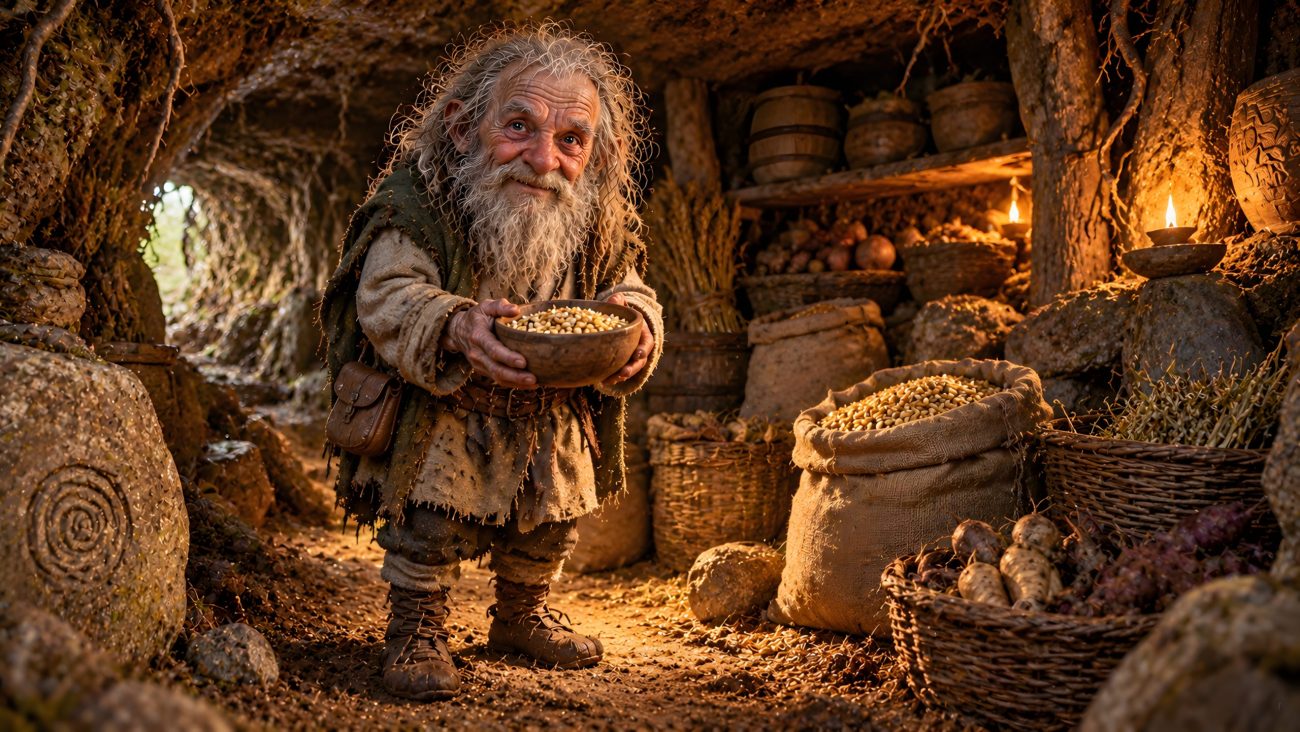
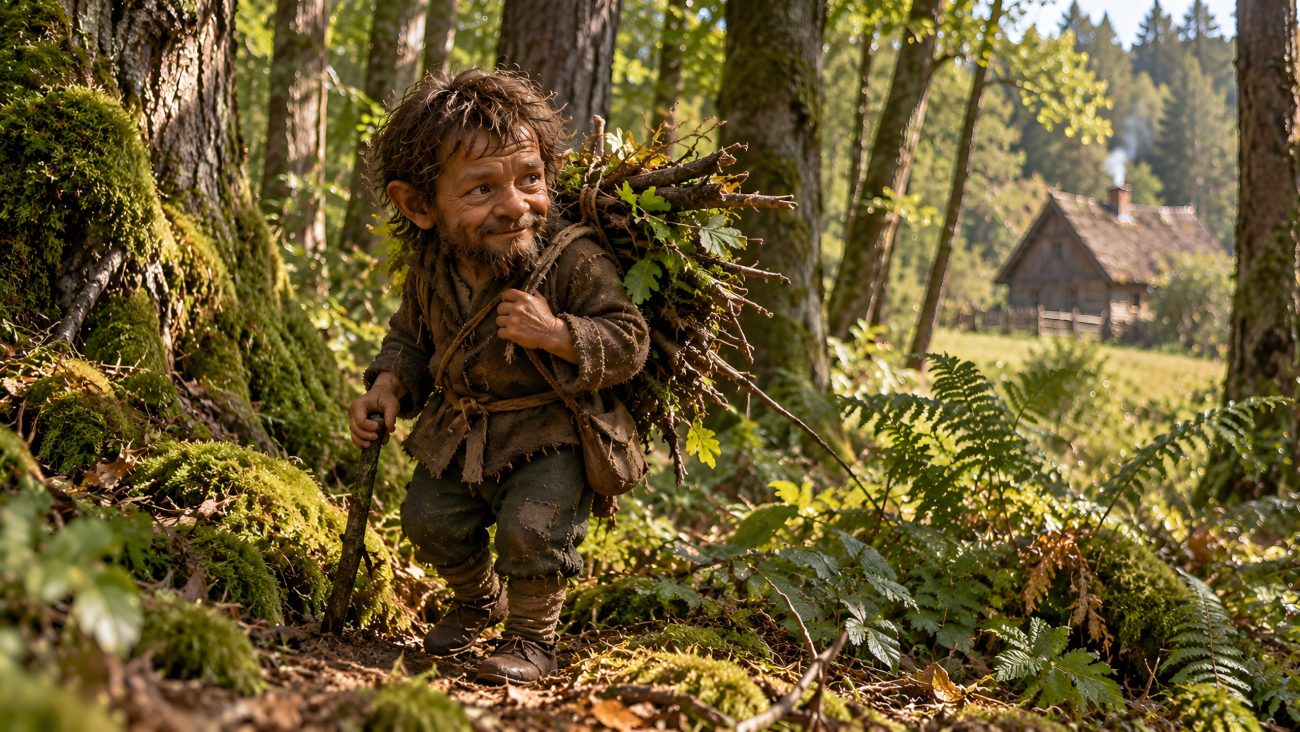
In Polish folk tradition, krasnoludki are small, human-shaped beings who live close to the hidden places of the world—forests, hills, cellars, and quiet corners where people rarely look. They are usually described as no taller than a child’s knee, with bearded faces, clever eyes, and bright red pointed caps that mark them out from ordinary folk.
Krasnoludki are not mighty warriors or terrifying spirits. Instead, they belong to the older, gentler layer of folklore: quiet helpers, watchers, and sometimes tricksters. They move unseen among humans, observing daily life and occasionally intervening. When treated with respect, they may help with small tasks, guard treasures, or bring subtle good fortune. When mocked or disrespected, they can just as easily hide things, confuse travelers, or vanish altogether, taking their luck with them.
They are often imagined as living in groups, with strong bonds of kinship, and are skilled with simple crafts and handiwork. Though small, they are clever and resilient, and their red caps are said to be symbols of vitality and protection.
In many tales told to children, krasnoludki represent a world just beside the human one: familiar, homely, and magical without being grand. They remind people that the land itself is alive with watchers, and that kindness toward small, unseen beings is repaid in quiet ways.
Over time, krasnoludki became figures of warmth and nostalgia in Polish storytelling—symbols of folk wisdom, endurance, and the magic hidden in everyday life.
Sources
Wikipedia contributors. (n.d.). Krasnoludek. In Wikipedia, The Free Encyclopedia, from https://en.wikipedia.org/wiki/Krasnoludek