Edimmu

Tradition / Region: Mesopotamian Mythology, Iraqi Mythology
Alternative names: Edimmu, occasionally Ekimmu
Category: Ghost


The Myth

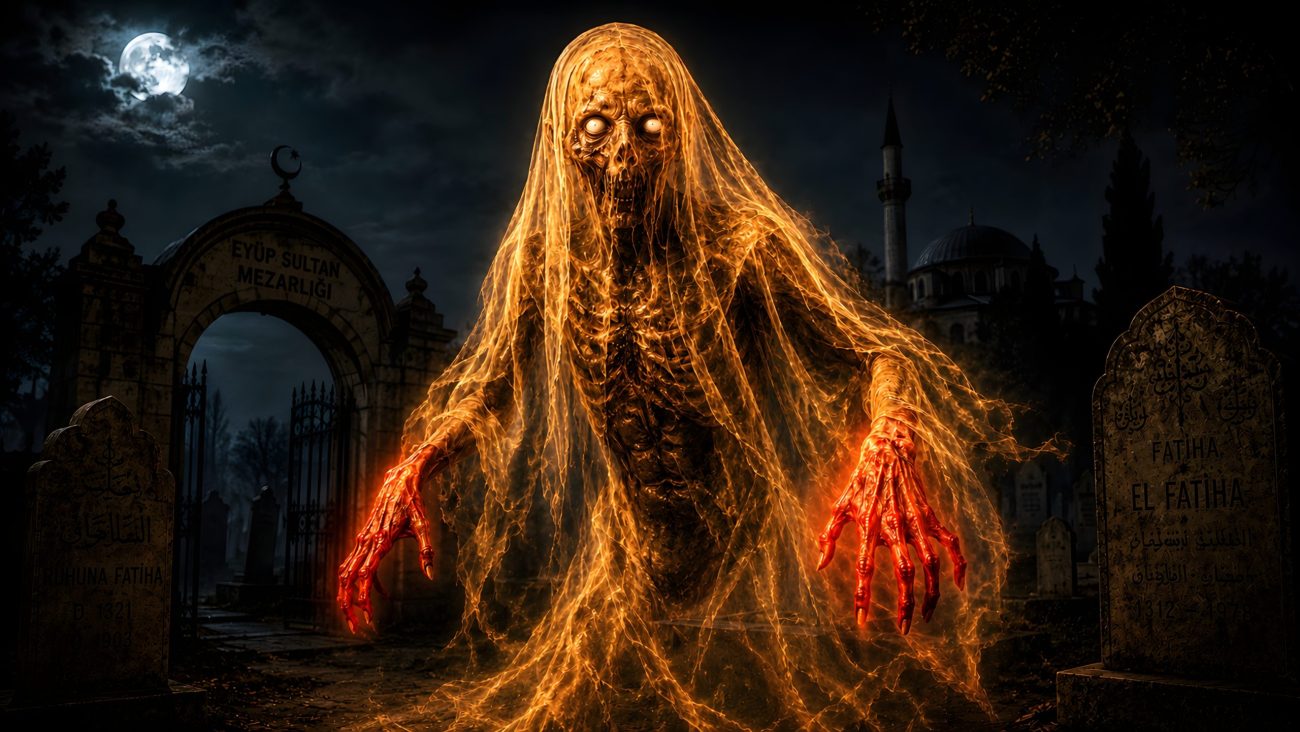
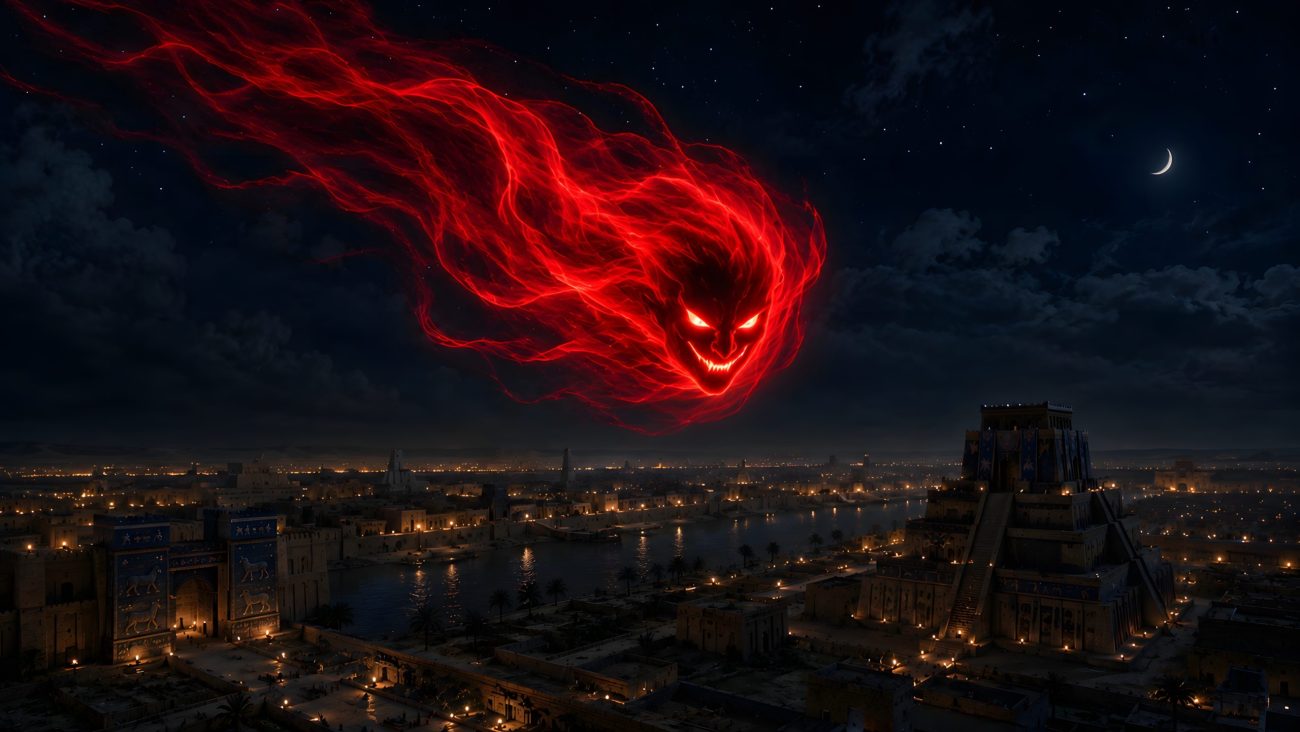
The Edimmu are restless spirits of the dead in ancient Mesopotamian belief. They are the ghosts of those who received no proper burial or whose funeral rites were neglected. Unable to find peace, they wander among the living, filled with bitterness and hunger.

These spirits were feared for their hostility toward mankind. They brought disease, misfortune, and madness, and were believed capable of influencing people toward criminal acts. Those who violated certain taboos, such as the prohibition against eating ox meat, were considered especially vulnerable to their attacks.

Edimmu were thought to be almost incorporeal beings, more like winds or invisible shadows than physical creatures. They drifted through the darkness and preyed upon the weak, the sleeping, and especially the young, drawing away their life force.

Although dangerous, the spirits could sometimes be appeased. Funeral meals, offerings, and libations made in honor of the dead might calm their anger and provide them with the sustenance they lacked in the afterlife.

Unlike many monsters that dwell in distant places, the Edimmu were believed to arise from neglected ancestors and forgotten dead. Invisible and insubstantial, they haunted the world like hungry winds, forever seeking the peace denied to them in death.


Sources

Wikipedia contributors. (n.d.). Edimmu. In Wikipedia. Retrieved June 20, 2026, from https://en.wikipedia.org/wiki/Edimmu
Baihuoni

Tradition / Region: Chinese Mythology
Alternative names: Baihuoni
Category: Ghost


The Myth

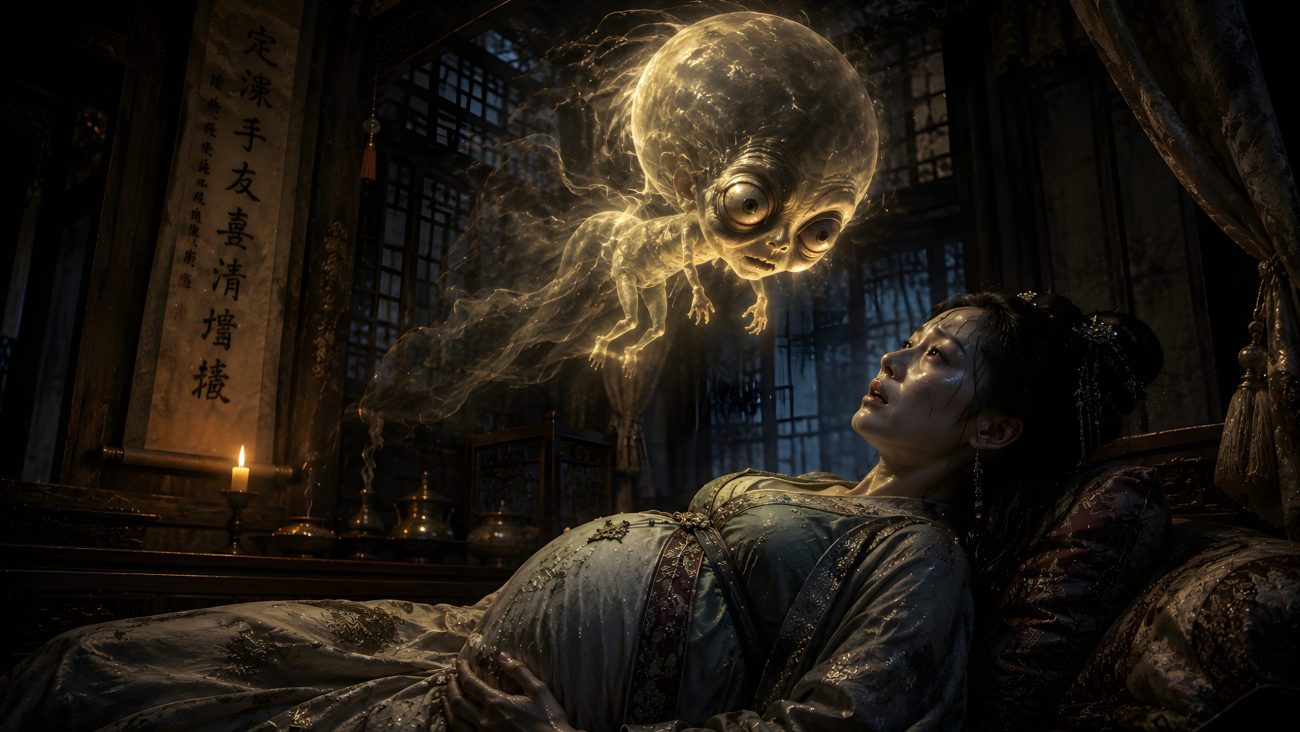
Baihuoni is a feared ghost in the traditions of the Lisu people of Yunnan. It is especially associated with illness and is believed to prey upon the most vulnerable members of the community.

According to tradition, Baihuoni causes sickness in children younger than eight years old and in pregnant women. Because of this, mothers and young children are considered particularly vulnerable to its influence.

To protect families from the spirit, people in the Bijiang region traditionally make offerings to Baihuoni. Pigs or chickens are sacrificed in order to appease the ghost and prevent it from bringing disease upon pregnant women and children.

Thus, Baihuoni is remembered as a dangerous spirit whose presence is linked to sickness, and whose wrath must be calmed through ritual offerings to safeguard mothers and the young.


Sources

Wikipedia contributors. (n.d.). 摆货尼. In 维基百科,自由的百科全书. Retrieved June 20, 2026, from https://zh.wikipedia.org/wiki/%E6%91%86%E8%B4%A7%E5%B0%BC


Ubume

Tradition / Region: Japanese Mythology
Alternative names: Ubume, Ubugame, Guhuo Bird (姑獲鳥)
Category: Ghost, Bird


The Myth

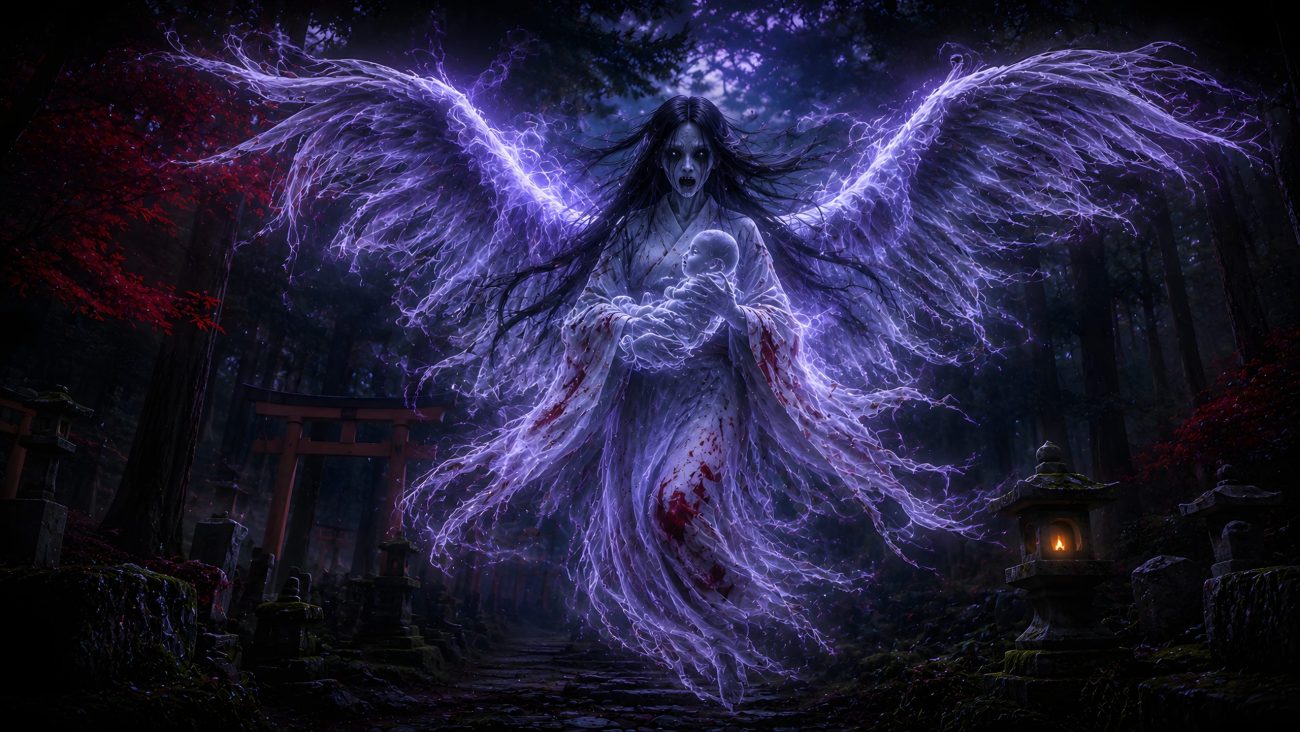
The Ubume is the restless spirit of a woman who died during childbirth. She appears at night along lonely roads, bridges, and riverbanks, carrying an infant in her arms. Dressed in blood-stained clothing, she weeps and asks passersby to hold her child for a moment while she fixes her hair or prays for salvation.

Anyone who accepts the baby soon discovers that it grows heavier and heavier. In some tales, the child eventually transforms into a stone or a bundle wrapped around a straw hammer. Other stories say that a person who fulfills the Ubume’s request and faithfully carries the child receives extraordinary physical strength as a reward. In Akita Prefecture, this supernatural power was known as Obōjikara.

The Ubume is one of Japan’s oldest ghostly beings and was already known during the time when the Konjaku Monogatari-shū was compiled. During the Edo period, it became closely associated with the Chinese Gu Huo Bird, since both were believed to originate from women who had died while pregnant or giving birth. Because of this connection, the two creatures gradually became confused with one another.

Most depictions portray the Ubume as a sorrowful woman holding a baby while wearing blood-soaked garments. Some illustrations, however, give her bird-like features, with wing-shaped arms wrapped protectively around the child.

Though feared, the Ubume is not considered a malicious spirit. She is remembered as a tragic mother unable to abandon her child, forever wandering the night and seeking someone willing to carry the burden she herself could no longer bear.


Sources

TYZ. (n.d.). Ubume [産女]. In 新版TYZ 妖怪図鑑. Retrieved June 20, 2026, from https://tyz-yokai.blog.jp/archives/1010652594.html


Wild Hunt of Gottschee

Tradition / Region: Slovenian Mythology
Alternative names: Bilde Jochd, Bildai Jogkd
Category: Ghost


The Myth

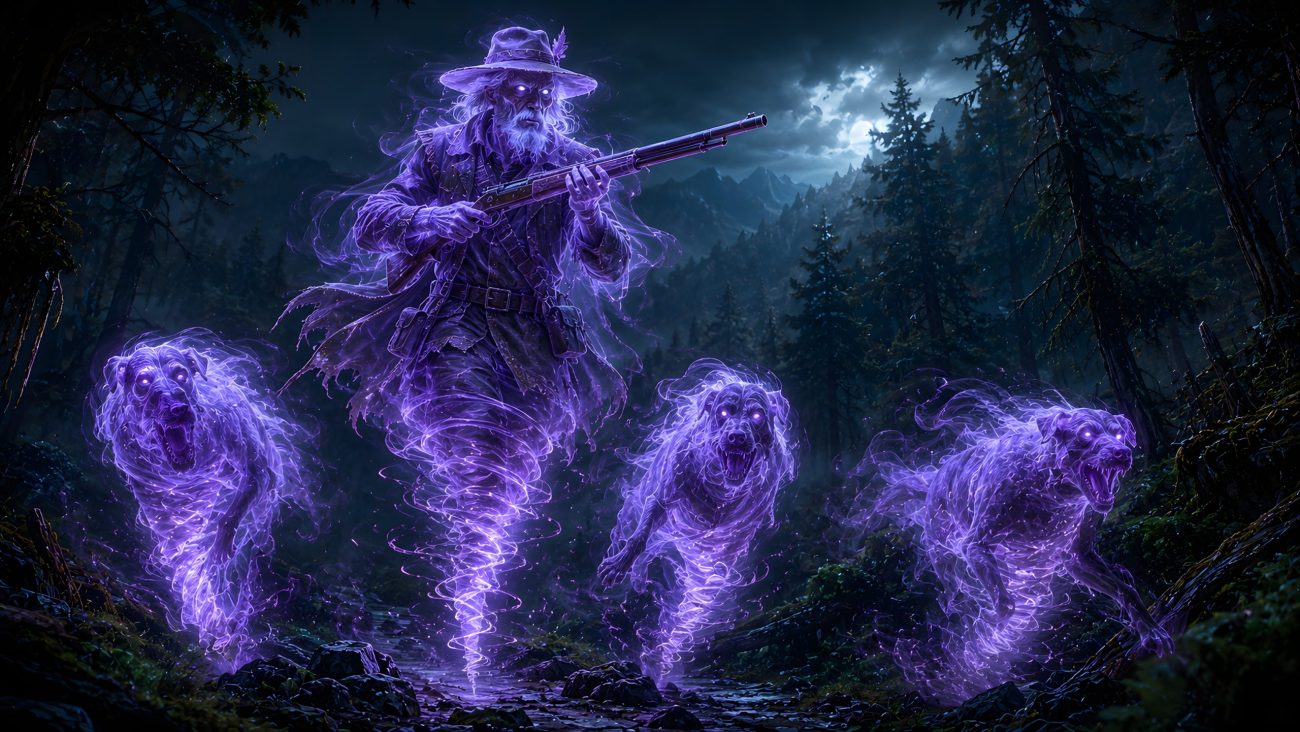
The Wild Hunt of Gottschee is a terrifying phantom procession said to roam the forests and fields during the night. Long before it is seen, people hear its approach: the howling of dogs, the cries of strange animals, and the sound of distant gunfire. Witnesses speak of bears, hares, and foxes fleeing ahead of the hunt, followed by packs of hounds and finally by the ghostly hunters themselves.

The Hunt moves like a whirlwind across the countryside. Those unfortunate enough to stand in its path risk being torn apart or killed. To survive an encounter, people traditionally crossed their hands or lay down inside wagon tracks until the terrible procession had passed.

Stories tell of a man returning home late at night with wine loaded on his horse. His relatives warned him not to travel, but he ignored their advice and set out. Near midnight, villagers later found his horse standing alone, still carrying the wine but missing its tail. Searching the forest, they discovered the man lying dead upon the road, his face blackened and the horse’s severed tail clenched tightly in his hand. It was said that the Wild Hunt had killed him. A cross was later erected at the place where his body was found.

Another tradition explains the nature of the phantom riders. They were once hunters who preferred chasing game to attending Mass and hunted even on Sundays while church services were being held. After death, they were condemned to ride forever through the darkness, accompanied by their hounds and the sounds of the chase.

Crosses were often raised at places where the Wild Hunt was known to pass, and travelers avoided lonely roads at night, fearing the ghostly hunters whose punishment would never end.


Sources

SAGEN.at. (n.d.). Die Wilde Jagd in der Gottschee. In SAGEN.at – Traditionelle Sagen. Retrieved June 16, 2026, from https://www.sagen.at/texte/sagen/slowenien/wildejagd.html


Çahık

Tradition / Region: Turkic mythology
Alternative names: Alban, Chahik, Ozor, Körmös, Körmöz, Körmös Spirit
Category: Ghost


The Myth

The Çahık is one of the many forms of the Kormos spirits found in Turkic mythology. These beings are wandering souls and supernatural entities associated with the earth, the heavens, and the underworld. Some are protectors, some are servants of darkness, and others exist in a state of endless misery between the two.

Çahıks are often described as the souls of the damned. They are shape-shifters capable of taking different forms, making them difficult to recognize. Their hands are stained with blood, their eyes are dry and lifeless, and their words themselves are deadly. Merely listening to their speech is considered dangerous.

Kormos spirits are ruled by Körmös Khan and are divided into three kinds. Arug Körmös are benevolent spirits under the command of Ülgen, helping righteous people and maintaining balance in the world. Caman Körmös are demonic servants of Erlik who dwell in Tamag, the underworld, where they torment and abduct humans. Between these two are the Kal Körmös, wandering ghosts neither wholly good nor evil, condemned to roam the earth in sorrow and suffering.

A soul may become a Kormos after death. The spirits of ancestors are known as Ozor, while the souls of those who died violently or by suicide are called Alban. Because of this connection with the dead, Kormoses are often linked to ancestral spirits and ghosts.

Çahıks and other Kormos spirits are believed to appear most often at sunrise and sunset. These moments are regarded as dangerous, and people are traditionally warned not to remain outside or awake during these hours. The spirits are said to seize human souls and carry them away.

Although demonic Kormoses serve Erlik in the underworld, they are not necessarily damned forever. A soul transformed into one of these spirits may eventually escape torment and ascend to Uçmag, the heavenly realm, if the good within it proves stronger than its evil.

Among the wandering spirits of Turkic belief, the Çahık is one of the most feared—a shape-shifting soul with bloody hands and deadly words, forever caught between damnation, suffering, and the possibility of redemption.


Sources

Wikipedia contributors. (n.d.). Kormos. In Wikipedia. Retrieved June 16, 2026, from https://en.wikipedia.org/wiki/Kormos


Phantom Knight

Tradition / Region: Malta Mythology
Alternative names: The Black Knight
Category: Ghost


The Myth

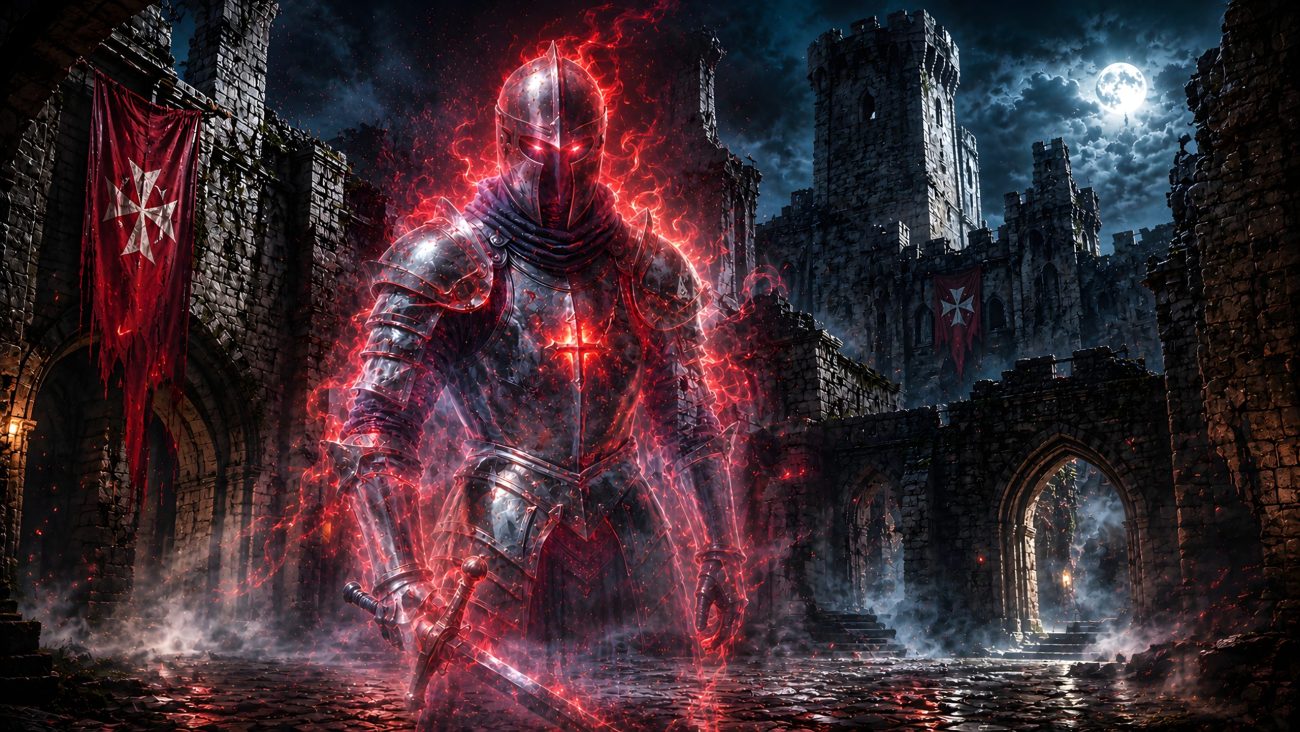
The Phantom Knights are ghostly warriors said to haunt the ancient fortresses of Malta, lingering centuries after the rule of the Knights of St John. Clad in dark armor and bound to the stone strongholds they once defended, these spirits appear around harbors, bastions, and chapels overlooking the sea.

One of the most famous apparitions is the Black Knight of Manoel Island. Within the old fortress built by Grandmaster Manoel de Vilhena, witnesses have reported seeing a silent armored figure dressed completely in black steel. He appears especially when the chapel or burial crypt of the knights is damaged, opened, or disturbed. Workers restoring the site have claimed the figure stands nearby watching them in silence, never speaking or interfering. The spirit is believed to be de Vilhena himself, returning to guard the resting place of the dead knights buried beneath the fortress. Once the crypt is sealed and the work completed, the apparition disappears.

Another phantom is said to haunt Fort Ricasoli at the entrance of the Grand Harbour. Fishermen and sailors speak of a horrifying scream echoing from the cliffs and ramparts during the night — the cry of a man endlessly falling through darkness. According to legend, the voice belongs to Captain St Clement, a knight condemned for cowardice after fleeing battle. He was strangled and thrown from the bastions onto the rocks below. His spirit still relives the final moments of his execution, screaming through the harbor night after night.

The Phantom Knights are not wandering spirits of ordinary dead men. They remain tied to Malta’s fortresses, chapels, and walls, continuing their eternal watch over the harbors and stone strongholds of the island.


Sources

Mifsud, S. D. (2014). The Maltese bestiary: An illustrated guide to the mythical flora and fauna of the Maltese Islands.


Bicho do Cidrão

Tradition / Region: Portuguese Mythology
Alternative names: None recorded
Category: Ghost


The Myth

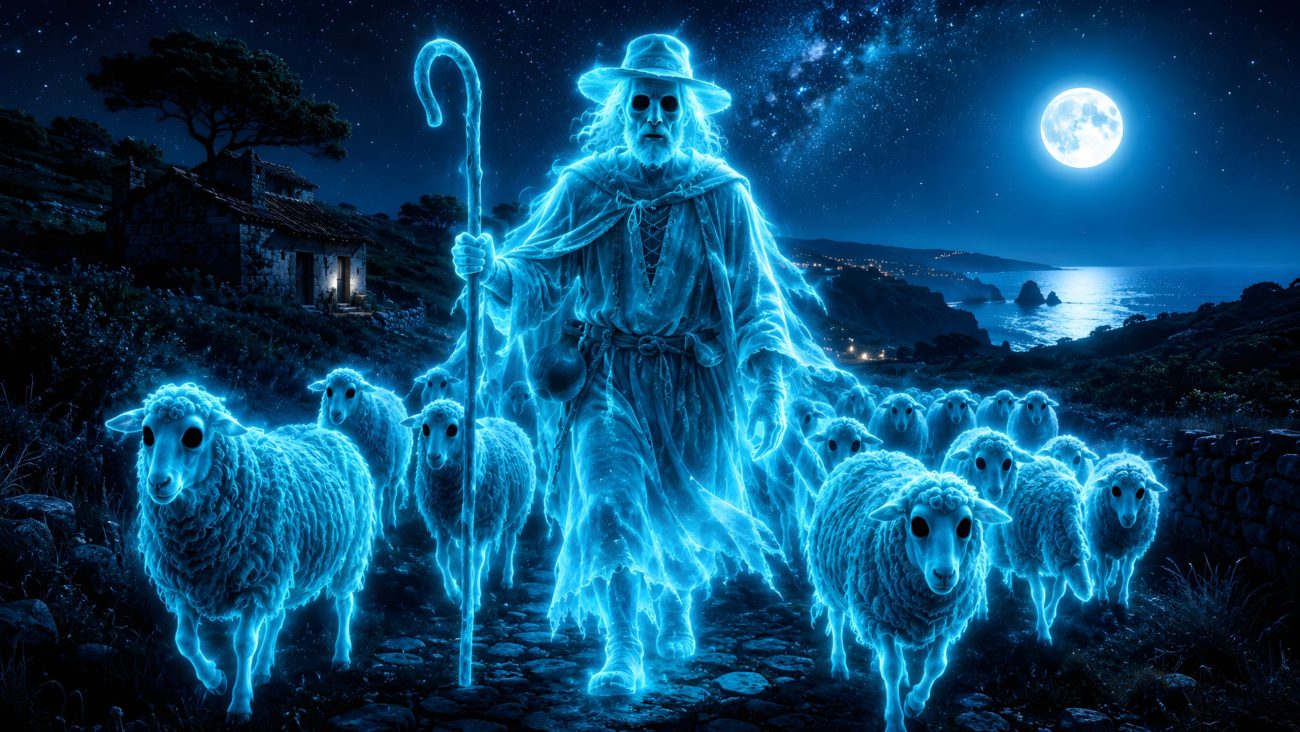
The Bicho do Cidrão is a ghostly being from the mountains of Madeira said to wander the highlands with an invisible flock of sheep. People never clearly see the creature itself, but they hear strange cries echoing through the mountains — sounds identical to the bleating of lambs. These cries are believed to foretell rain, storms, or approaching bad weather.

According to legend, the creature was once a human shepherd who lived in Montado do Cidrão in the region of Curral das Freiras. One day his beloved sheepdog disappeared into the mountains. Desperate and overwhelmed with grief, the shepherd silently promised his soul to the devil if the dog would return.

Soon afterward, the missing dog came back.

After the shepherd eventually died, he did not rest peacefully. Instead, he became the Bicho do Cidrão, a strange supernatural being condemned to roam the mountains forever with his unseen flock. Travelers sometimes claimed to hear phantom sheep moving through foggy valleys or across rocky slopes even when no animals could be seen.

The creature’s mournful cries were feared because they announced storms and rain approaching the island. In older times people in Madeira said the sound could be heard clearly through the mountains during dark or misty weather, though many later claimed the cries had not been heard for many years.


Sources

Bestiary.us. (n.d.). Bishu du Sidran. Retrieved May 16, 2026, from https://www.bestiary.us/bishu-du-sidran/


Kituta

Tradition / Region: Angolan Mythology
Also Known As: Kituta Spirit
Category: Ghost


The Myth

In Angolan folklore, Kituta is a supernatural spirit associated with transformation and the spirit world. One story tells of Ngunza Kilundu kia Ngunza, who was pursued by another man named Kalunga-ngombe.

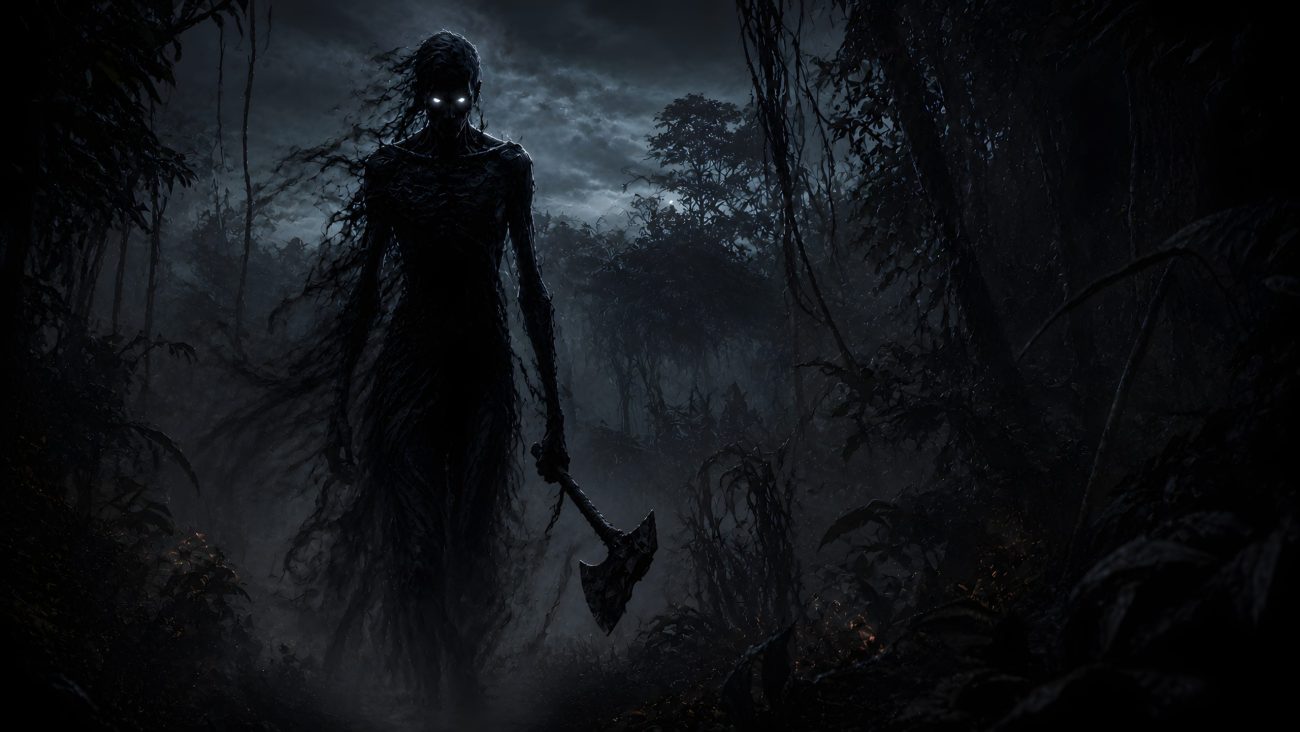
As Ngunza fled eastward, Kalunga-ngombe chased after him carrying a hatchet. Ngunza denied having committed any crime and asked why he was being hunted. Kalunga-ngombe replied that he was simply pursuing him toward the east.

During the chase, Kalunga-ngombe threw his hatchet at Ngunza Kilundu kia Ngunza. According to the legend, this event caused Ngunza Kilundu kia Ngunza to become a Kituta spirit.


Sources

Chatelain, H. (1894). Folk-tales of Angola; fifty tales with Kimbundu text, liberal English translation, introduction, and notes. Boston: American Folk-lore Society.


Taejagwi

Tradition / Region: Korean Mythology
Alternative Name: –
Category: Ghost, Spirit


The Myth

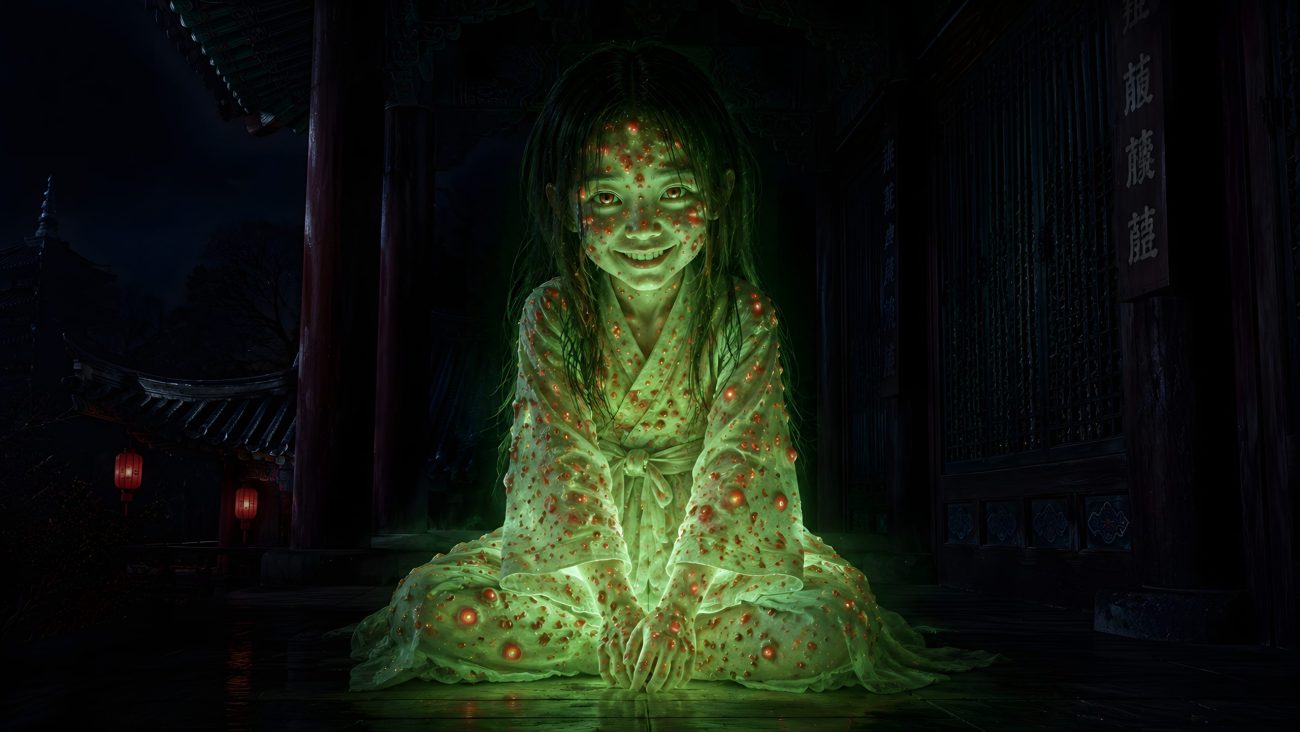
Taejagwi is a spirit from ancient Korean shamanic tradition believed to be the ghost of a young girl who died from smallpox during an epidemic. In some rarer stories, the spirit may also be that of a deceased boy, though it is most commonly associated with girls.

The spirit was feared and respected because it was believed to possess knowledge of both the past and the future. Taejagwi would sometimes appear to humans in order to reveal hidden truths, predict future events, or expose secrets long forgotten.

Unlike many ghosts in Korean folklore, Taejagwi was usually not seen directly. Witnesses claimed its presence was recognized through strange cries or the sound of a child’s voice seemingly emerging from empty air. These eerie voices were believed to carry prophecies or supernatural knowledge.

Belief in Taejagwi became especially widespread in Korea after outbreaks of smallpox, and stories of the spirit often came from grieving mothers who had lost children during epidemics. Some accounts claimed the spirit appeared before groups of people, astonishing witnesses with accurate revelations about past events or warnings of things yet to come.

In Korean folk belief, Taejagwi became associated with sorrow, disease, death, and supernatural foresight.


Sources

Bestiary.us. (n.d.). Thjedzhagvi. Retrieved May 10, 2026, from https://www.bestiary.us/thjedzhagvi/


Hantu Bongkok

Tradition / Region: Indonesian Mythology
Alternate Name: Nenek Bongkok
Category: Ghost


The Myth

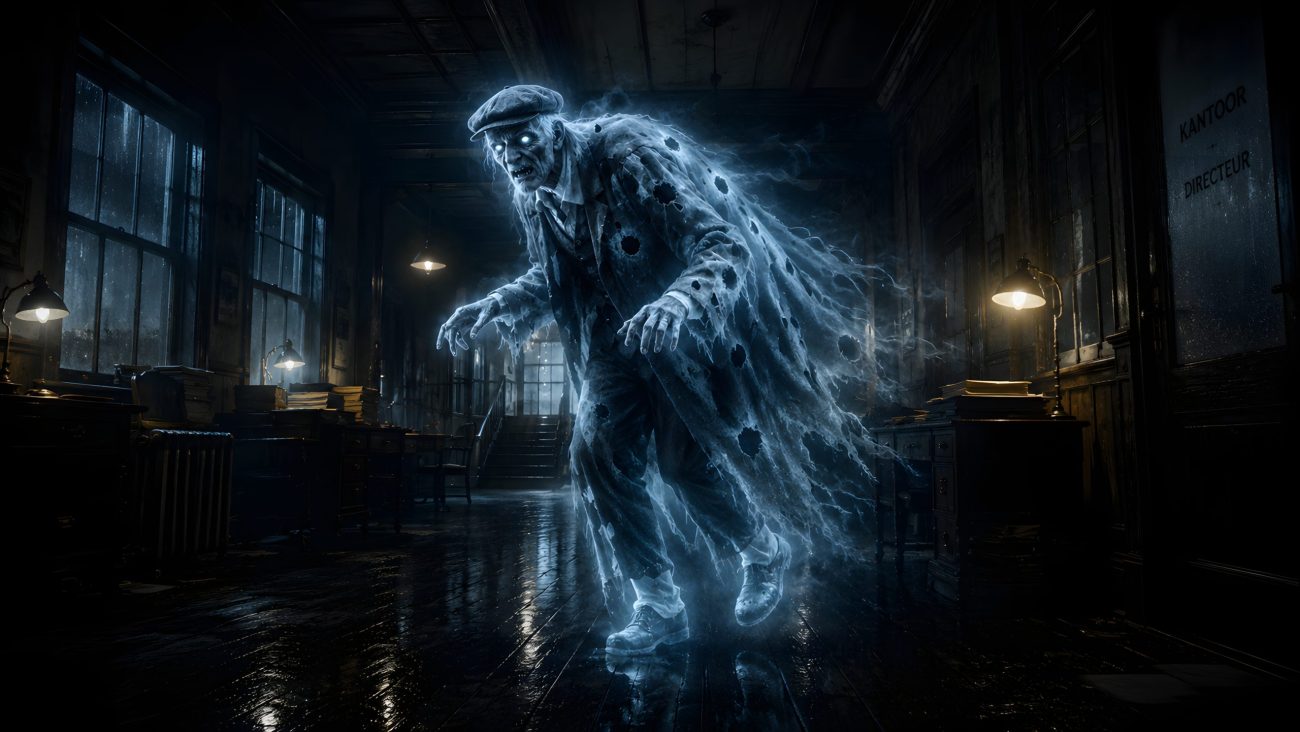
Hantu Bongkok, meaning “Humpback Ghost,” is a supernatural spirit from the folklore of Palembang in South Sumatra, Indonesia. The figure is usually described as a frightening old man with a hunched back who wanders near old colonial-era buildings at night. A female version of the spirit is known as Nenek Bongkok, or “Humpback Grandmother.”

The legend is most strongly associated with the old colonial water tower building in Palembang, commonly known as the Kantor Ledeng. The building was originally constructed during the Dutch colonial period in the 1920s as part of the city’s water distribution system. Its tall European-style structure later became linked to ghost stories and urban legends.

According to the legend, a Dutch water-system expert named Edwin Van Brower worked inside the building during the colonial era. During a violent conflict connected either to local uprisings or the Japanese occupation period, several Dutch workers inside the building were reportedly tortured and killed. Edwin Van Brower was said to have suffered a particularly brutal death after being beaten and left to die from his injuries.

After his death, stories began spreading that his spirit still haunted the building. Witnesses claimed to see the apparition of a bent old man carrying a wooden cane and wearing an old blue colonial uniform. His body was covered in wounds, and he was often seen silently standing near the front of the building or on top of the tower itself.

People described the ghost as appearing sorrowful and restless, staring into the distance as though searching for answers about his violent death. The spirit became known as Hantu Bongkok because of its hunched posture and elderly appearance.

Over time, the story became one of the most famous ghost legends in Palembang, especially surrounding the old Ledeng building, which remains closely tied to tales of hauntings and supernatural sightings.


Sources

Hantupedia contributors. (n.d.). Legenda Hantu Bongkok Edwin van Brower di Jantung Kota Palembang. In Hantupedia, from https://web.archive.org/web/20190724065224/https://hantupedia.com/legenda-hantu-bongkok-edwin-van-brower-di-jantung-kota-palembang/

Wikipedia contributors. (n.d.). Hantu Bongkok. In Wikipedia, from https://en.wikipedia.org/wiki/Hantu_Bongkok