Gawgaw

Tradition / Region: Malta Mythology
Alternative names: Il-Gawgaw
Category: Zombie


The Myth

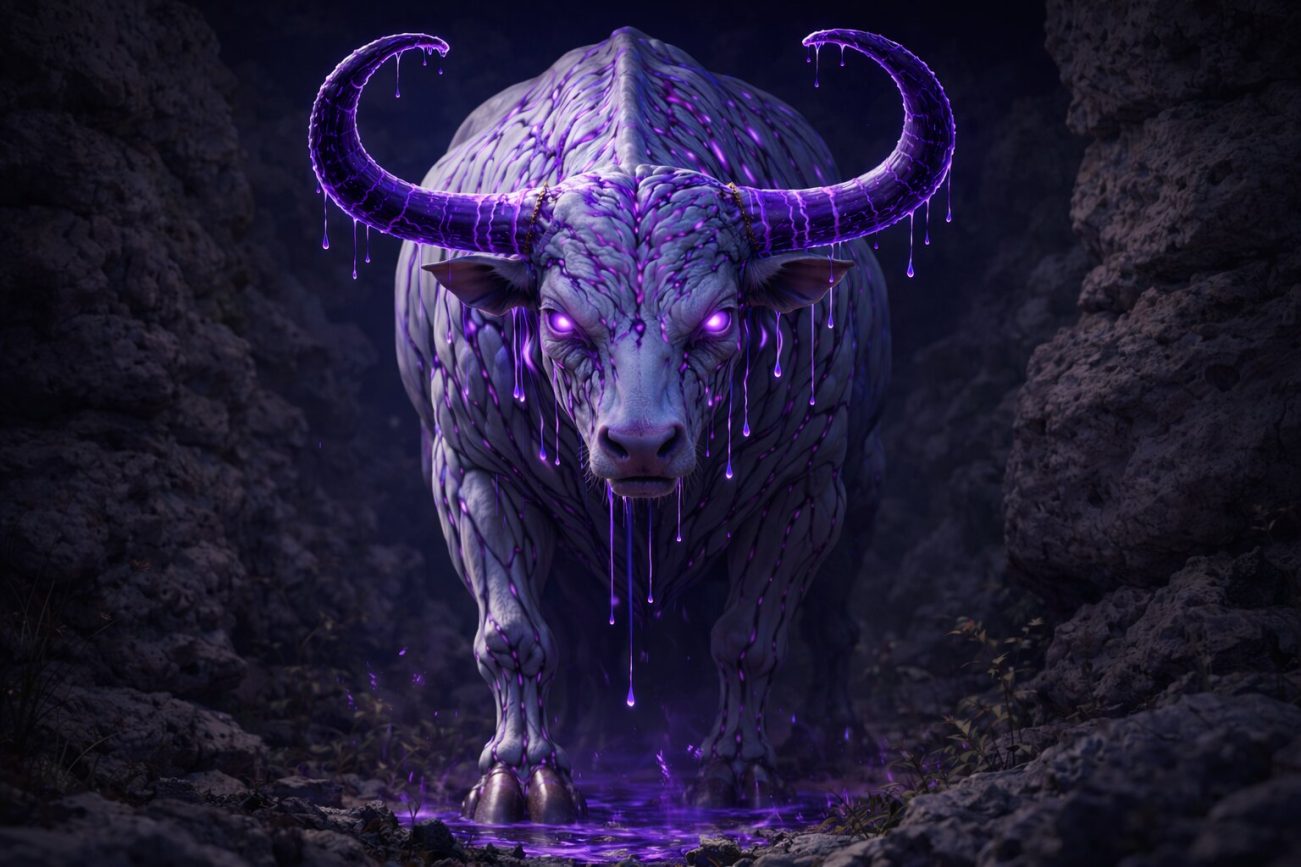
The Gawgaw is a terrifying undead-like being from Maltese folklore, feared as a cursed creature that wanders through villages and fields during the night of Christmas Eve. It was believed to be connected to people born on December 24th, who were thought to have “stolen the Lord’s birthday” by entering the world on that sacred night.

According to the belief, anyone born on Christmas Eve carried a hidden curse. Every year, on the night of their birth, they would fall into a deep unnatural sleep and unknowingly transform into the Gawgaw. Their body or spirit — depending on the version of the tale — would leave the house and roam through the darkness until dawn.

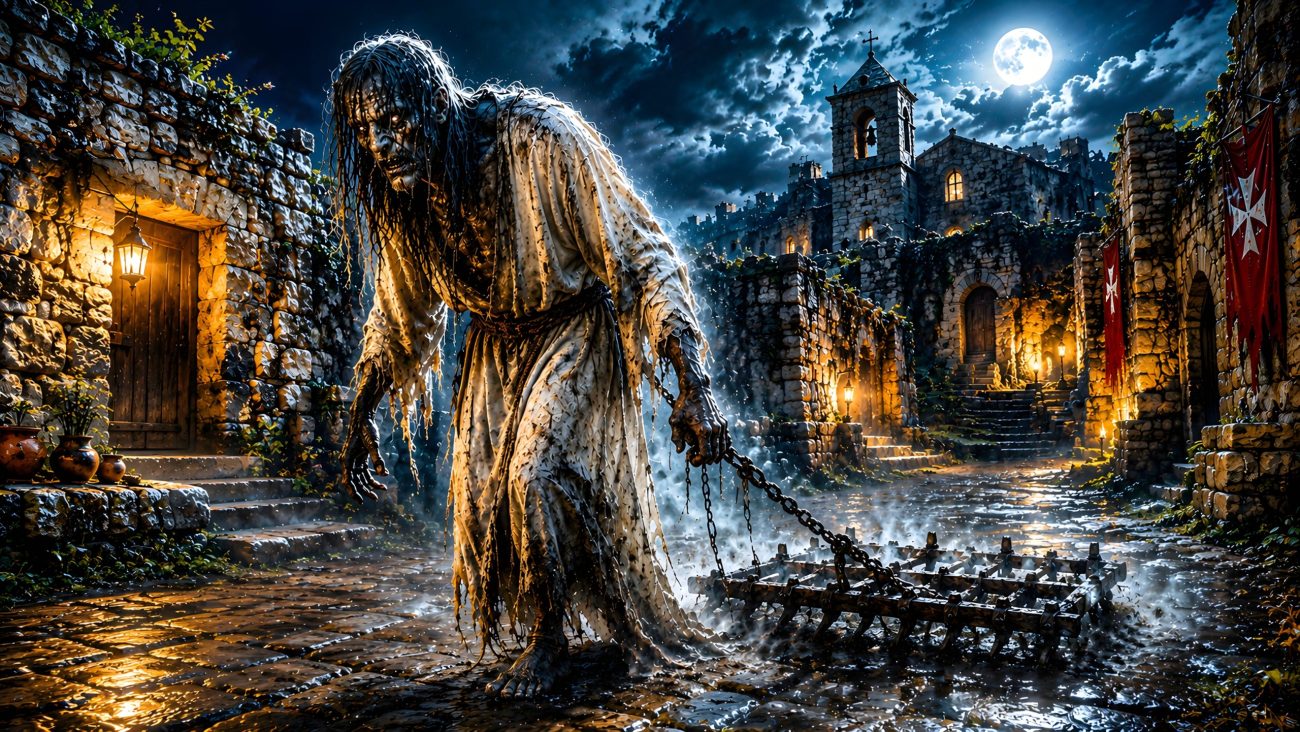
The Gawgaw was described as a horrifying figure with long tangled hair covered in slime, twisted claws, and a staggering corpse-like walk. It moved through empty streets groaning hoarsely and terrifying anyone unlucky enough to encounter it. Some stories claimed it could slip through tiny cracks and openings to enter homes unnoticed.

Another tradition described the Gawgaw not wandering the roads, but furiously laboring through the countryside all night long. Dragging a massive harrow called a xatba behind it, the creature tore through fields making tremendous noise from midnight until the first church bells rang around four in the morning. Only then would it return home exhausted and resume human form.

Those cursed by the transformation supposedly remembered nothing upon waking, though their bruised bodies, exhaustion, and muddy clothes revealed what had happened during the night. Some wives even claimed their husbands physically vanished from bed every Christmas Eve before mysteriously returning by morning.

To prevent the transformation, the cursed person was required to remain awake the entire night. They occupied themselves by endlessly counting grains of rice or the holes of a sieve until sunrise, since falling asleep meant surrendering to the curse.

Old beliefs also claimed the Gawgaw could predict the end of winter. If, during its nightly wandering, its whiskers touched damp ground or dew, winter was considered nearly over. If the earth remained dry, cold weather would continue.

Children were warned that the Gawgaw hunted misbehaving youths. It was said to kidnap them during the night and carry them away to distant lonely places where they would perish from hunger and abandonment.

On the island of Gozo, folklore also spoke of the Mleika, the wife of the Gawgaw. She crept into houses on New Year’s Eve, bringing either good fortune or misfortune depending on the cleanliness and order of the household she visited.


Sources

Bestiary.us. (n.d.). Gavgav. Retrieved May 17, 2026, from https://www.bestiary.us/gavgav/

Phantom Knight

Tradition / Region: Malta Mythology
Alternative names: The Black Knight
Category: Ghost


The Myth

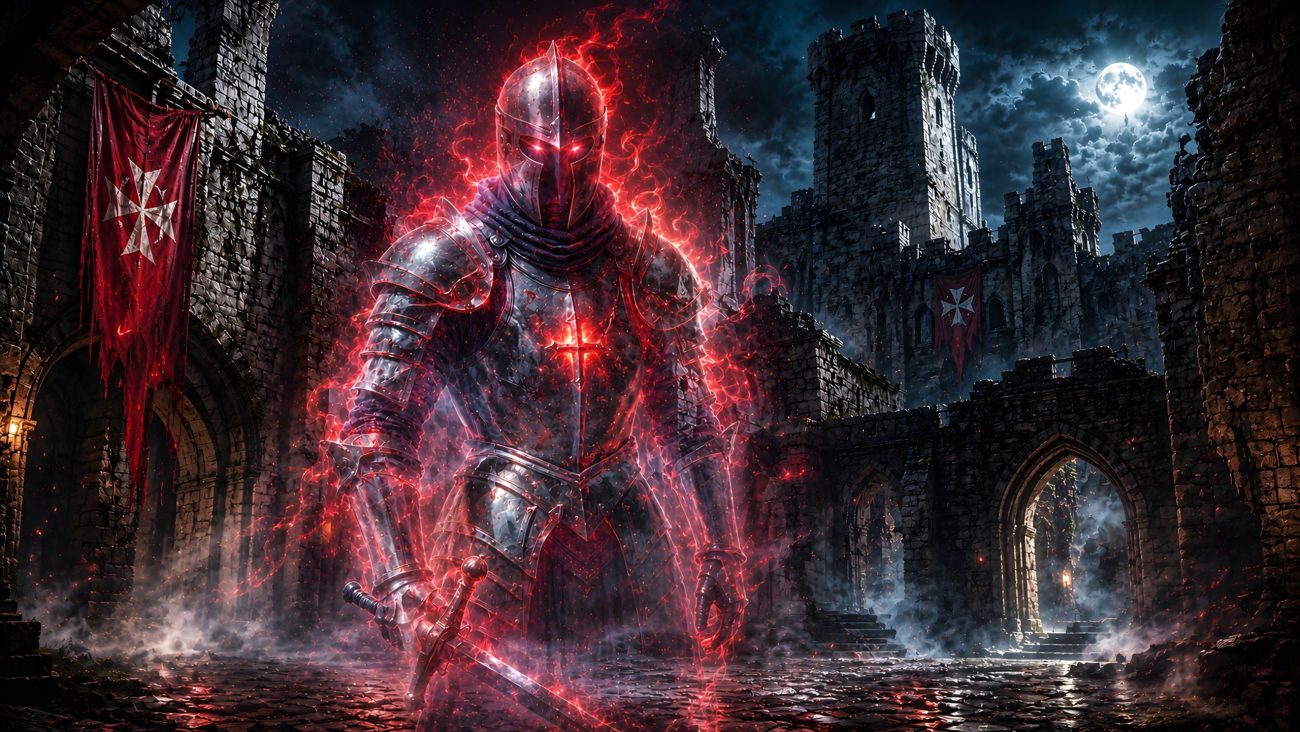
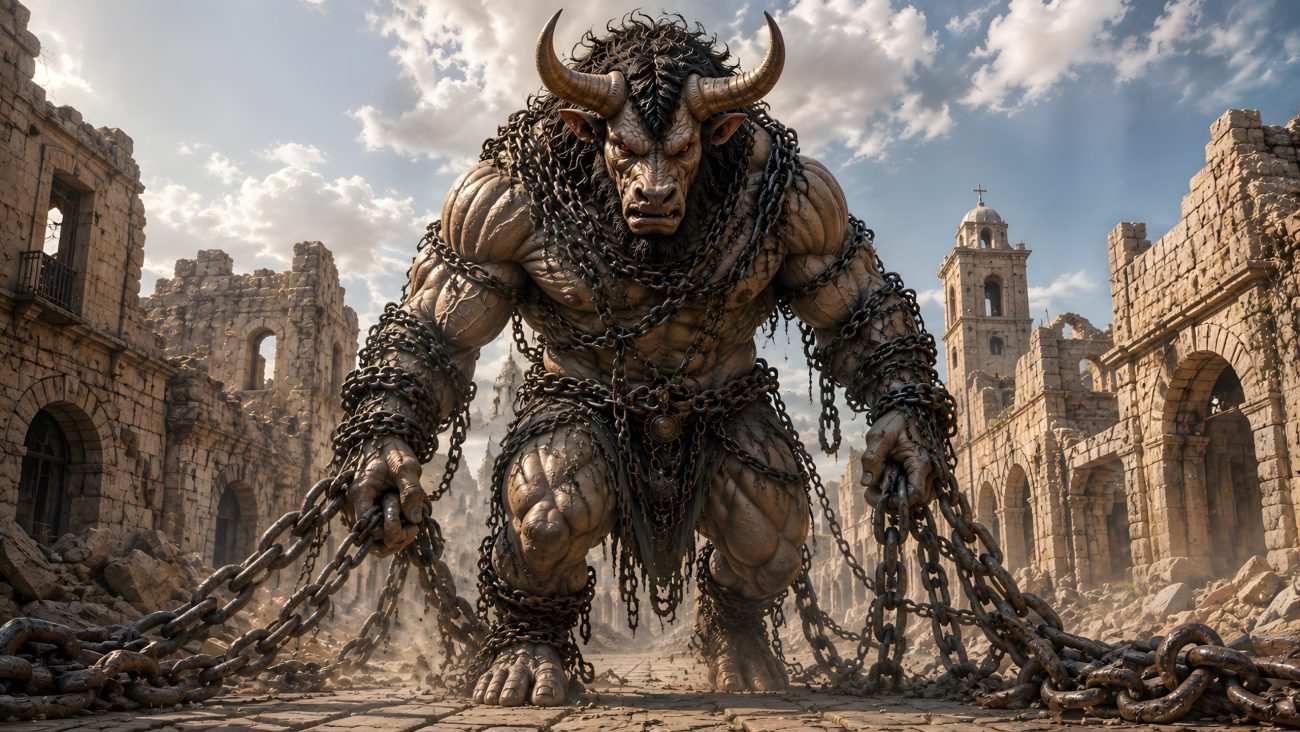
The Phantom Knights are ghostly warriors said to haunt the ancient fortresses of Malta, lingering centuries after the rule of the Knights of St John. Clad in dark armor and bound to the stone strongholds they once defended, these spirits appear around harbors, bastions, and chapels overlooking the sea.

One of the most famous apparitions is the Black Knight of Manoel Island. Within the old fortress built by Grandmaster Manoel de Vilhena, witnesses have reported seeing a silent armored figure dressed completely in black steel. He appears especially when the chapel or burial crypt of the knights is damaged, opened, or disturbed. Workers restoring the site have claimed the figure stands nearby watching them in silence, never speaking or interfering. The spirit is believed to be de Vilhena himself, returning to guard the resting place of the dead knights buried beneath the fortress. Once the crypt is sealed and the work completed, the apparition disappears.

Another phantom is said to haunt Fort Ricasoli at the entrance of the Grand Harbour. Fishermen and sailors speak of a horrifying scream echoing from the cliffs and ramparts during the night — the cry of a man endlessly falling through darkness. According to legend, the voice belongs to Captain St Clement, a knight condemned for cowardice after fleeing battle. He was strangled and thrown from the bastions onto the rocks below. His spirit still relives the final moments of his execution, screaming through the harbor night after night.

The Phantom Knights are not wandering spirits of ordinary dead men. They remain tied to Malta’s fortresses, chapels, and walls, continuing their eternal watch over the harbors and stone strongholds of the island.


Sources

Mifsud, S. D. (2014). The Maltese bestiary: An illustrated guide to the mythical flora and fauna of the Maltese Islands.


Qawqam

Tradition / Region: Malta Mythology
Alternative names: Qawqam
Category: Cow


The Myth

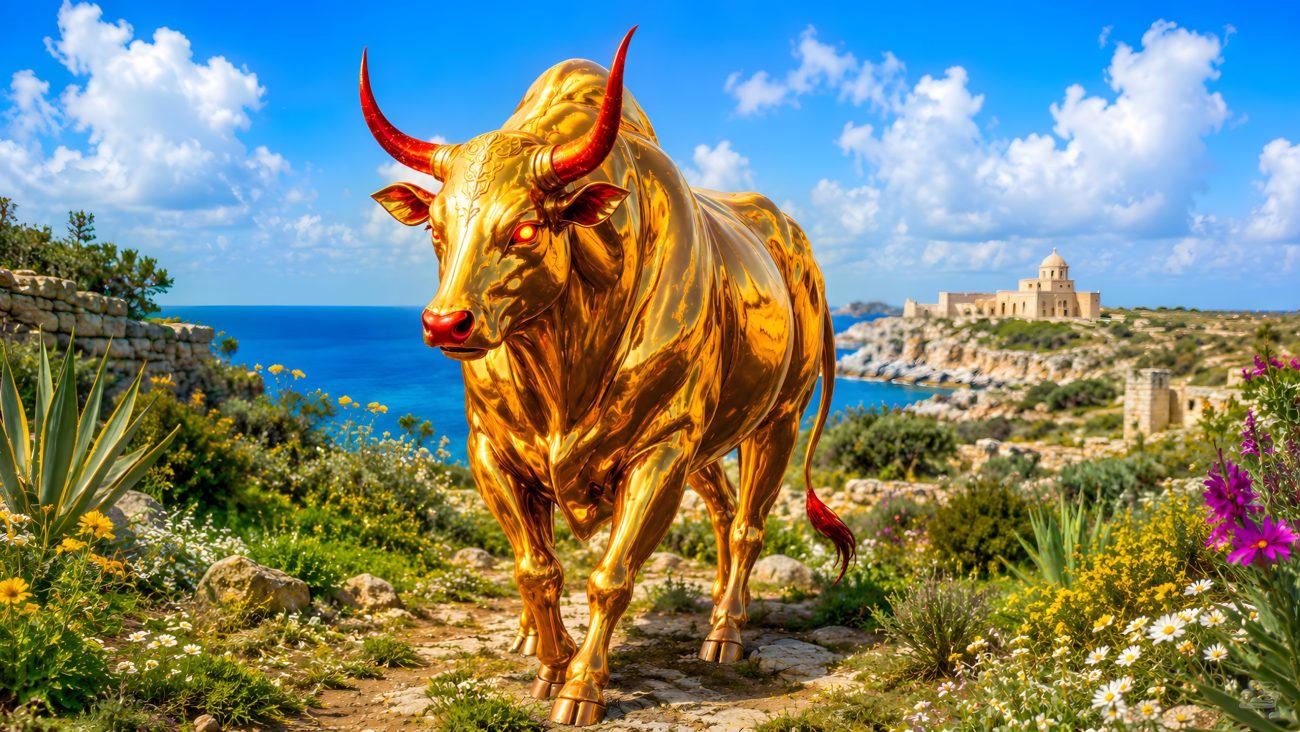
The Qawqam is a mysterious supernatural ox from Maltese folklore that roams the rocky countryside, hills, and isolated roads of the island at night. It is described as an enormous wild ox with immense strength and long powerful horns rising high above its head. Golden in color, it appears both beautiful and frightening, standing apart from ordinary animals.

The creature moves silently through open fields, low brushlands, and abandoned paths, appearing suddenly out of darkness before disappearing again without warning. Villagers believed that encountering the Qawqam was extremely dangerous. People who crossed its path risked injury or death, and its mere appearance was enough to drive travelers indoors after sunset.

The Qawqam was said to travel not only across the surface of the land but also beneath it. Certain hills and rocky places were believed to contain hidden passages through which the beast entered the underworld and returned again. Because of this, the ox was considered a creature that moved between worlds, belonging partly to the realm of the living and partly to unseen places below the earth.

At times the Qawqam was seen grazing quietly in the wilderness, glowing gold beneath moonlight as though it were part of the land itself. Yet people believed it could never truly be captured, owned, or followed. It always vanished before anyone could approach too closely.

Farmers and herdsmen sometimes connected the creature to the fragile nature of wealth, labor, and possession. The Qawqam represented power that could not be controlled — something valuable yet untouchable, capable of disappearing without trace.

The Qawqam remains remembered as a horned night-beast of Malta: a golden ox wandering lonely hills, hidden tunnels, and dark roads between the visible world and the unseen depths beneath the island.


Sources

Mifsud, S. D. (2014). The Maltese bestiary: An illustrated guide to the mythical flora and fauna of the Maltese Islands (p. 28).


Bhim

Tradition / Region: Maltese mythology
Alternate Names:
Category: Cow


The Myth

There was once a creature remembered only by name: Bhim.

It was said to be cow-like in shape, yet not truly an animal. Its form was monstrous, something larger or stranger than ordinary cattle, enough to set it apart in memory even after all other details had faded. Beyond this, nothing certain remains.

No tale tells of Bhim’s deeds. No place is firmly linked to its presence. It is unknown whether people feared it, revered it, or merely spoke of it as a curiosity of the past. If Bhim once roamed fields or hills, or emerged as an omen or guardian, those stories have vanished with time.

All that endures is the shadow of an idea: a bovine monster once known to the people, now standing at the edge of remembrance, halfway between folklore and silence.


Sources

Bestiary.us contributors. (n.d.). Bkhim. In Bestiary.us, from https://www.bestiary.us/bkhim/