Tradition / Region: Inuit Mythology, Canadian Mythology
Alternative names: Nanoq Tulorialik (“The Bear with the Fangs”)
Category: Bear
The Myth
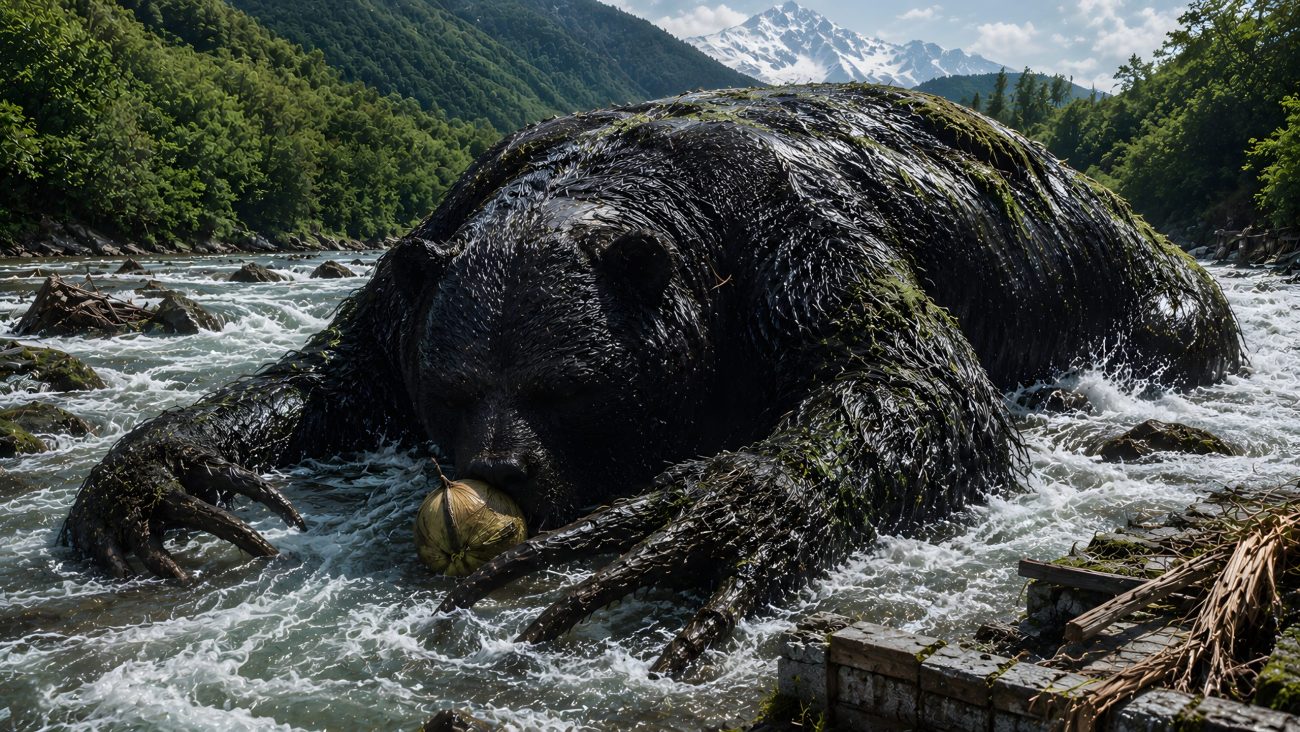
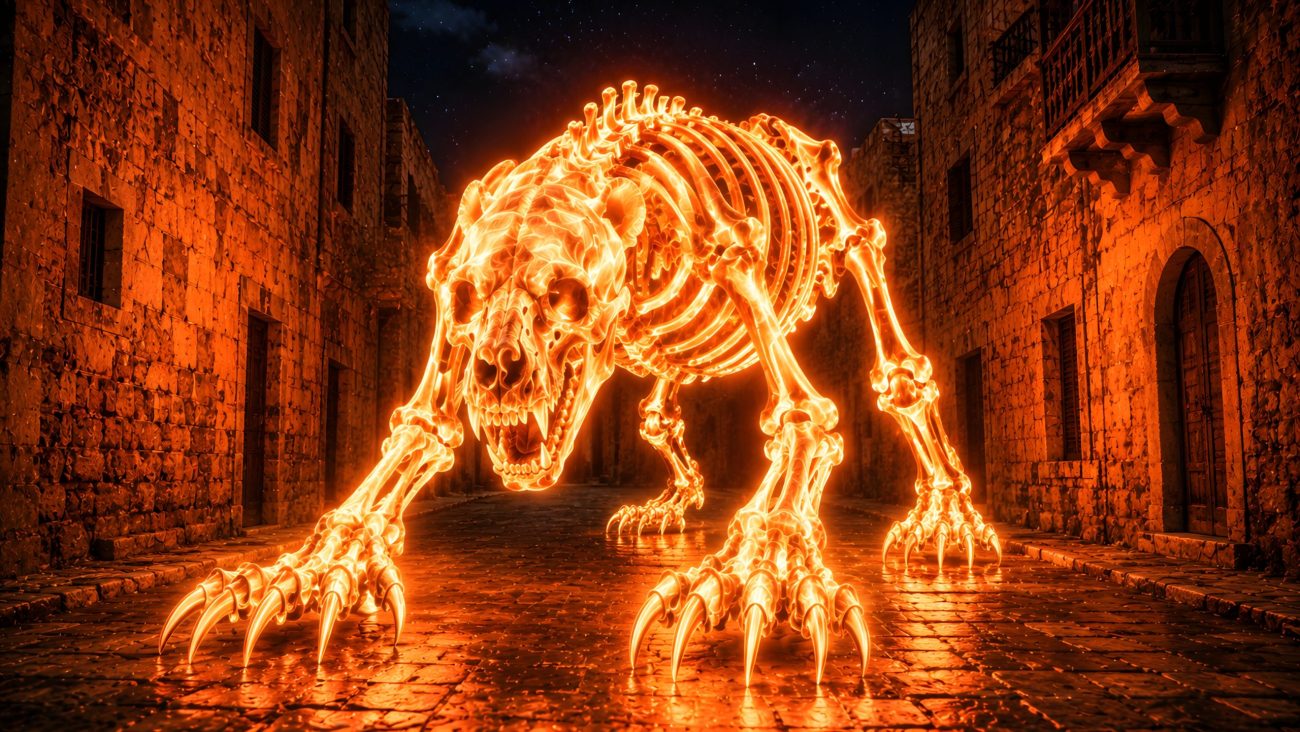
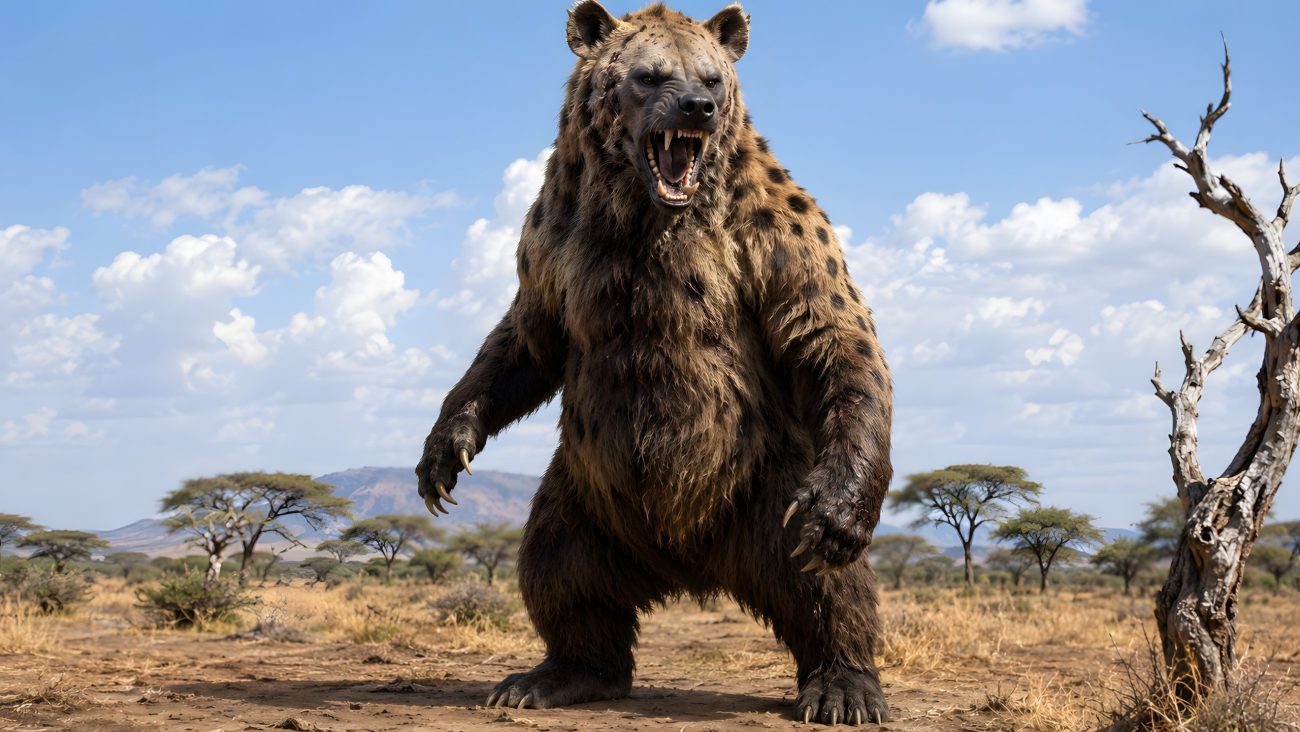
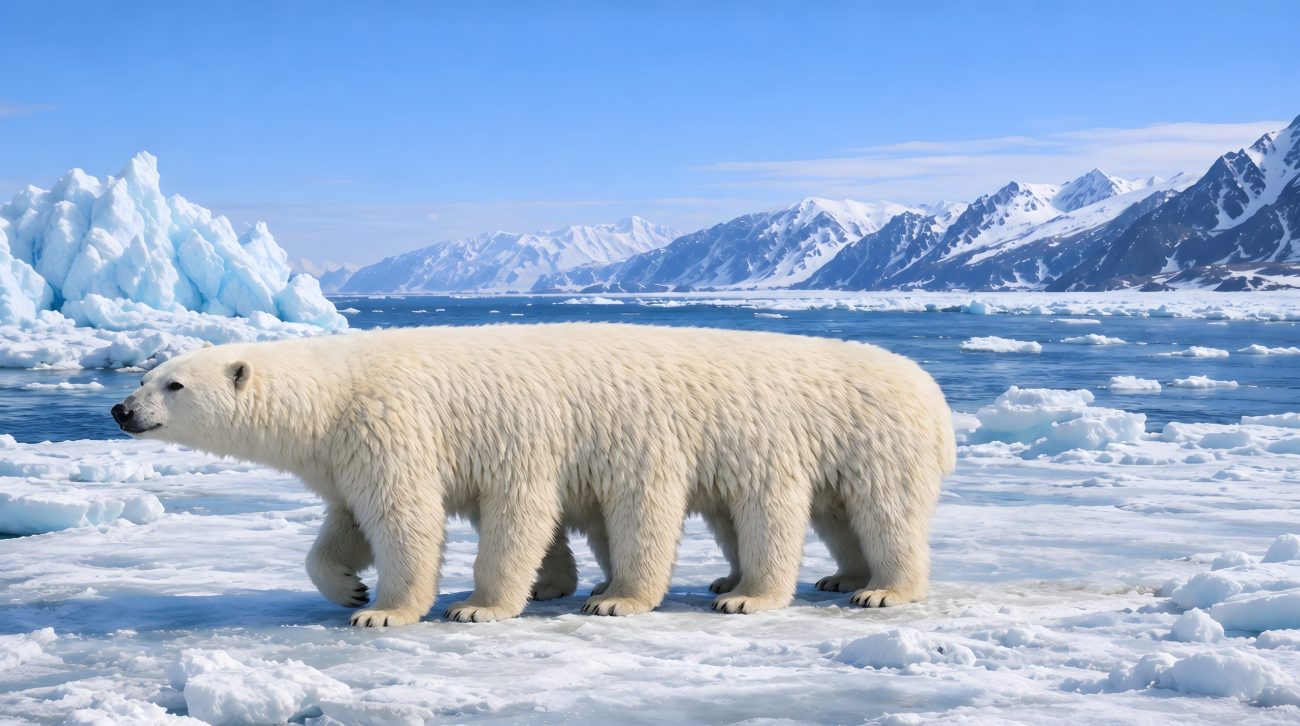
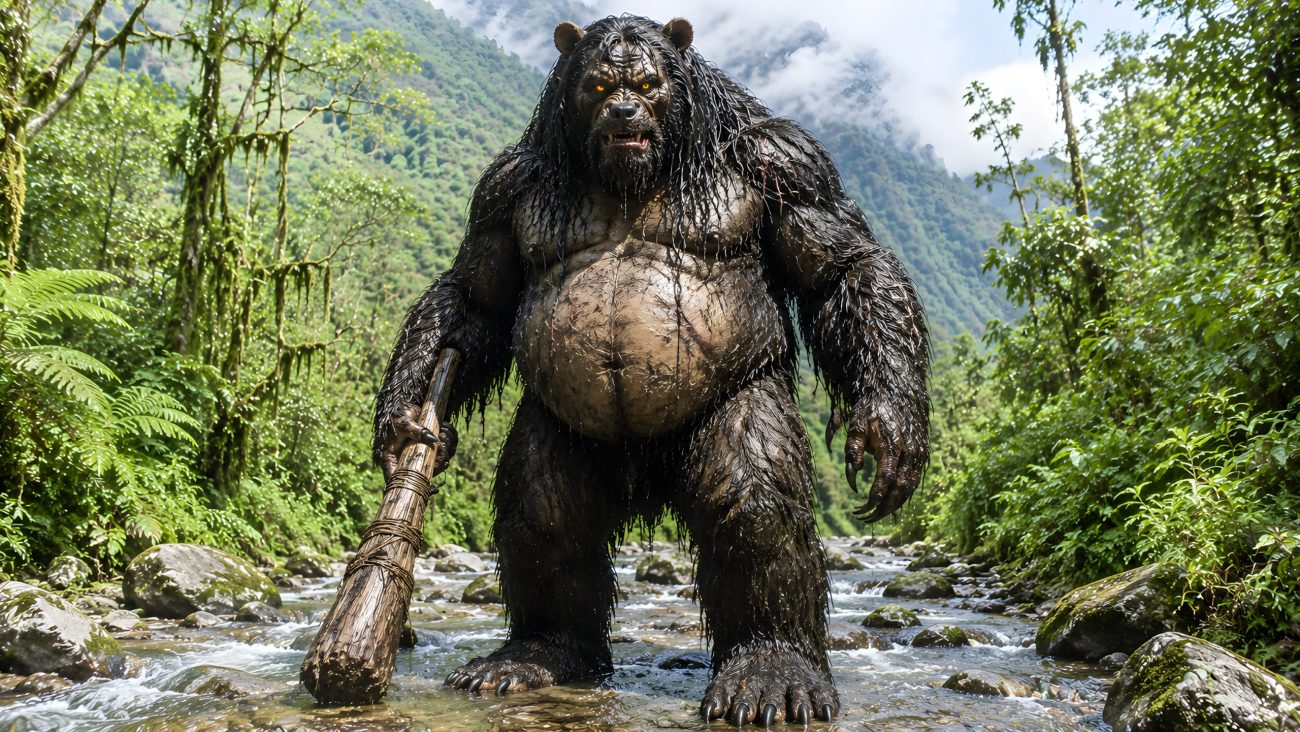
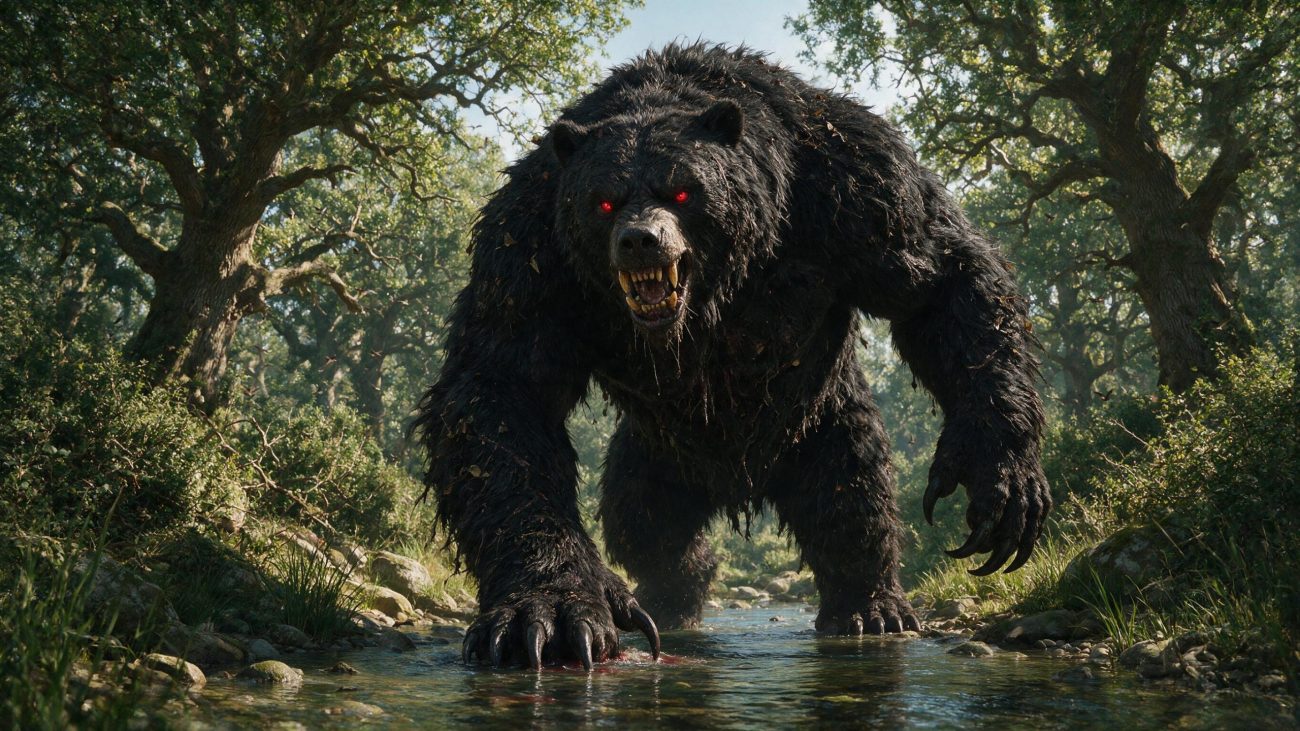
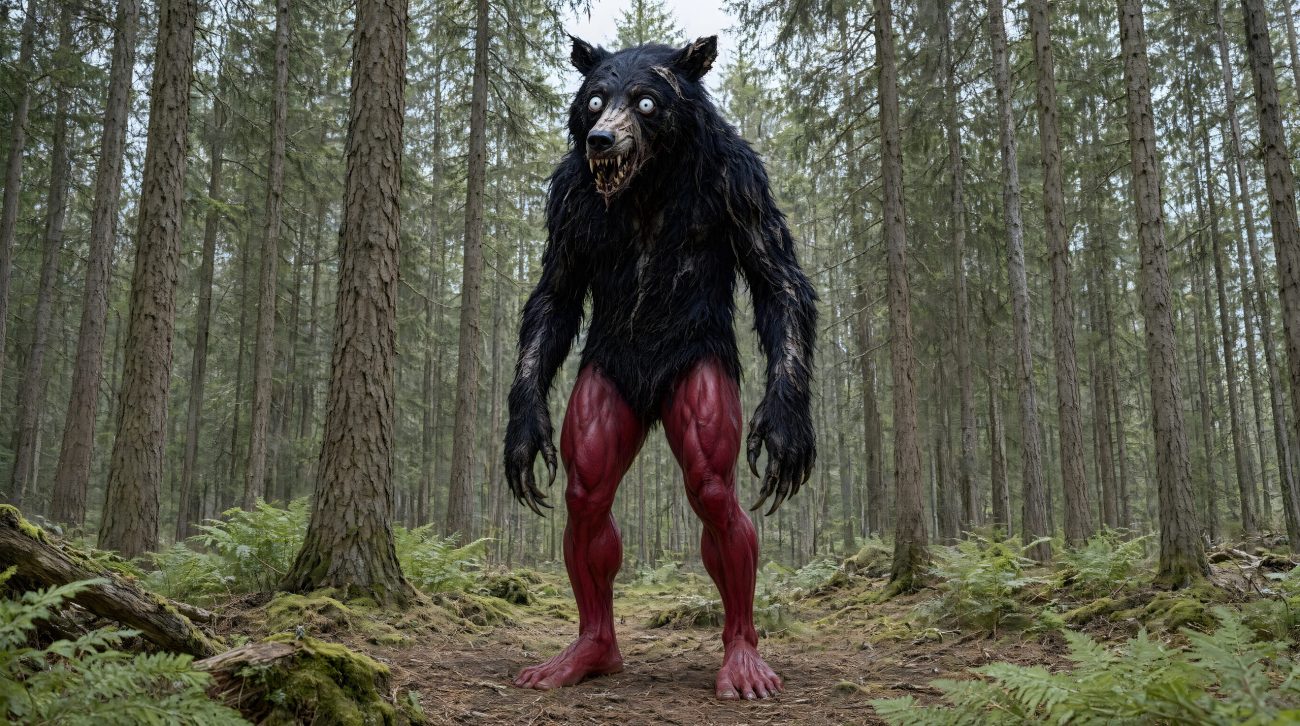
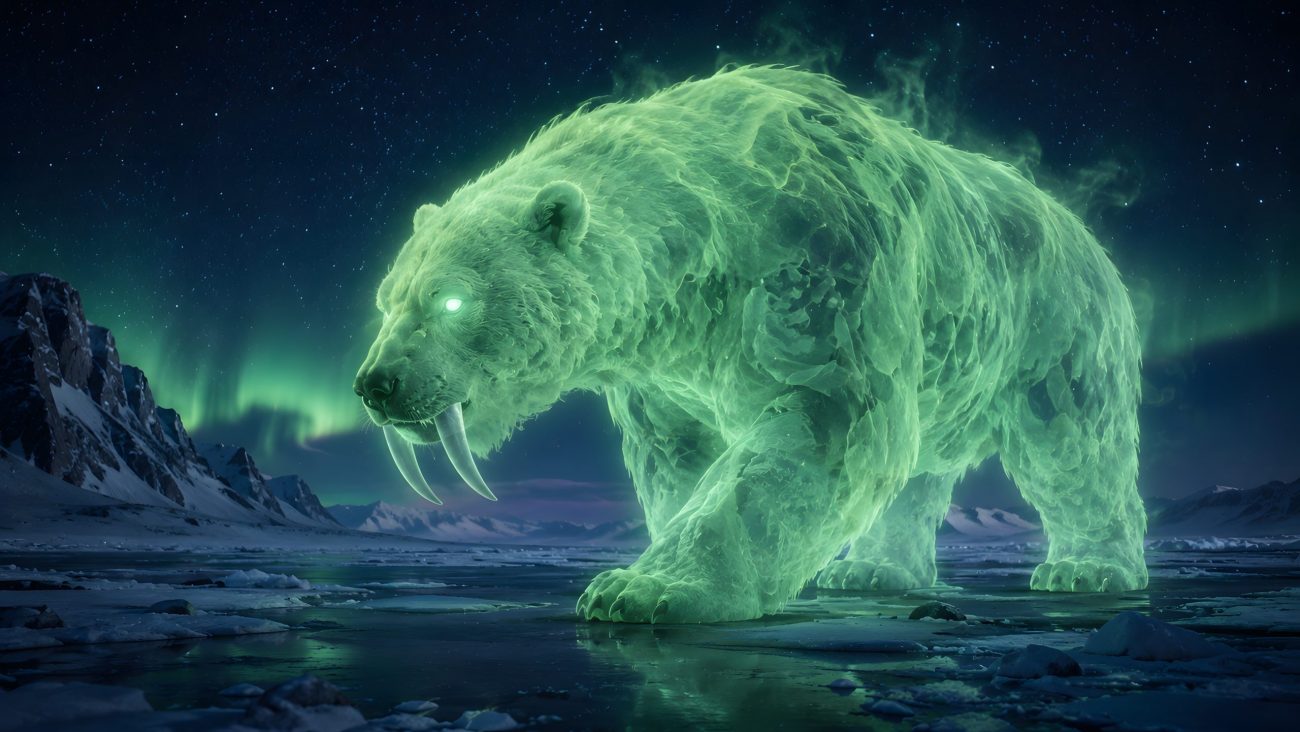
Tulorialik, the Bear with the Fangs, is a giant bear spirit and the most powerful helping spirit of the Inuit shaman Unaleq. Among his ten spirit helpers, Tulorialik was regarded as the strongest and most influential, answering whenever the shaman called upon him.
During a shamanic séance, Unaleq invoked Tulorialik in complete darkness. Hidden beneath a table covered with skins, he called the great bear spirit to enter his body. As Tulorialik arrived, those present heard the scraping of enormous claws, deep growls, the sounds of wind and rushing water, and the snorting of walruses. Through the power of the spirit, Unaleq claimed he could transform into a bear or a walrus.
On one occasion, Tulorialik was summoned to ensure the safety of a long sled journey. The bear spirit was said to travel ahead along the route, removing dangers and protecting the travelers from sickness, accidents, and death. After the séance, the shaman declared that Tulorialik had cleared the path and that the entire expedition would return safely.
Tulorialik was believed to possess immense supernatural power, and Unaleq regarded him not merely as a spirit, but as a faithful helper who came whenever he was called.
Sources
Rasmussen, K. (1930). Intellectual culture of the Hudson Bay Eskimos (Vols. 1–3). Gyldendal.